
Director
Dip Arch, MArch, OdAR, ARB
London, UK
Paola Cattarin

Photograph by Frederic Aranda ©
About Paola

Profile
Since joining ZHA, Paola has led impactful projects across varying scales, demonstrating her expertise in architecture, interior design, infrastructure, and urban development. From captivating retail spaces to masterplans, she consistently oversees her projects from concept to completion, ensuring the execution aligns with the initial design intent while meticulously attending to details. She transforms challenges into compelling design ideas. Her thoughtful and integrative design approach weaves together diverse concepts into a cohesive whole. She is deeply involved in resource management, ensuring the right talent is strategically aligned with the right projects. Paola has served as a trustee on the board of the firm’s employment benefit trust between 2023 and early 2025.
Prior to joining ZHA, Paola gained valuable freelance experience across Barcelona, Rome, and London.
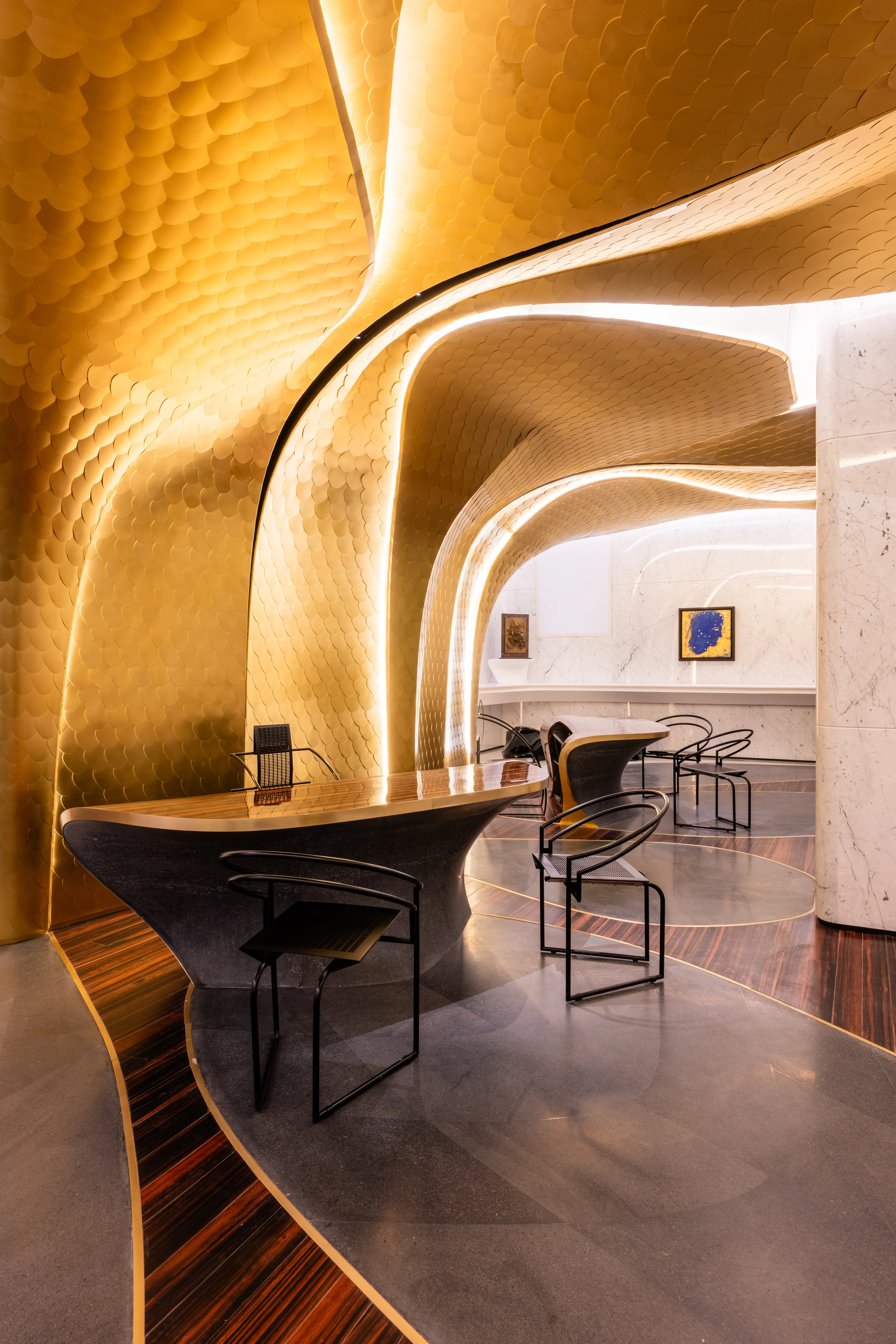
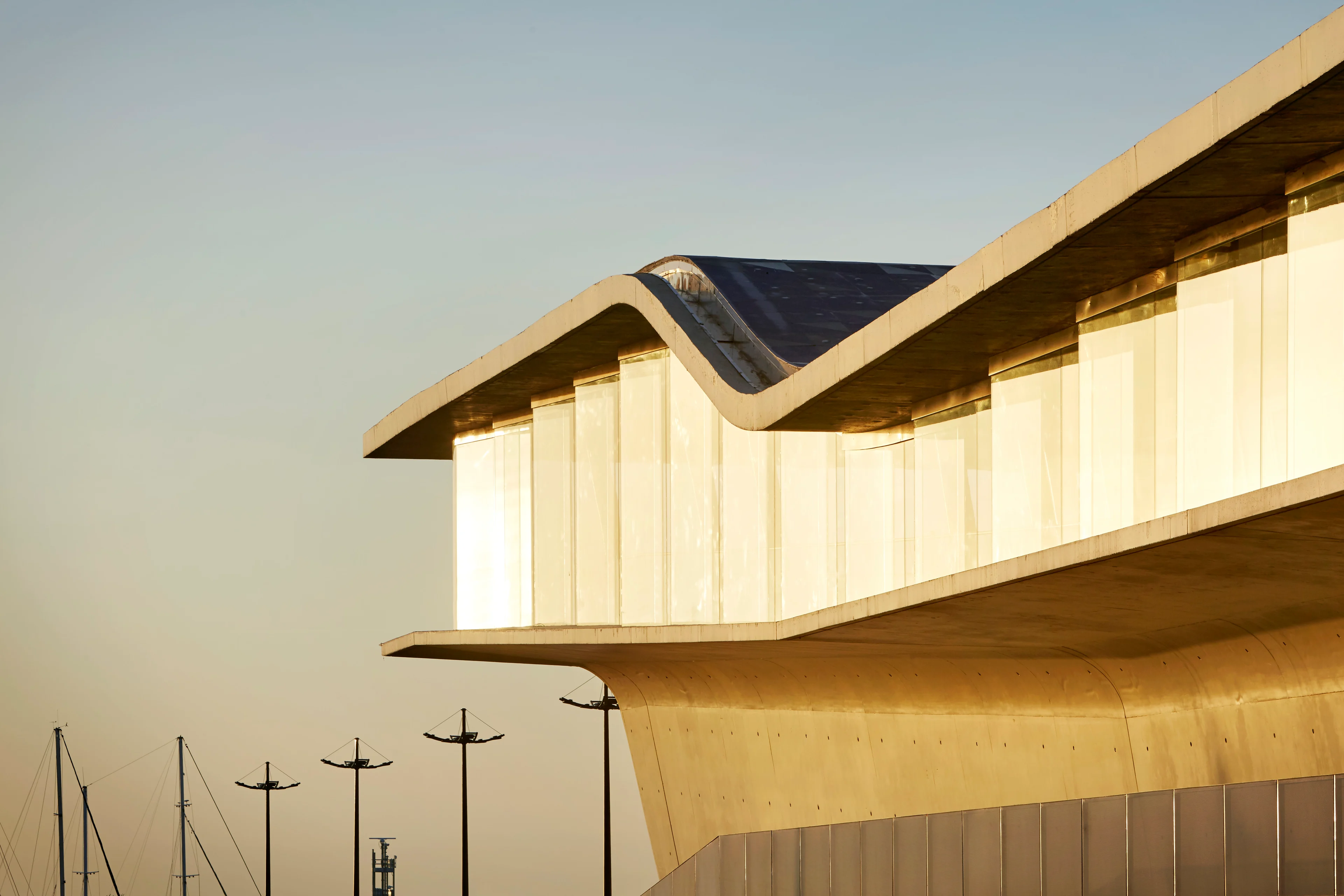
Featured Projects
Key Projects
From a terminal building in Salerno to an Italian palazzo hotel in Rome, discover highlights of Paola's notable projects at ZHA.

Education & Professional Philosophy
Paola began her architectural journey at the Barcelona School of Architecture (ETSAB) in Spain and earned her Diploma in Architecture from the Sapienza University of Rome in Italy. She has lectured extensively on architecture, urban design, and the work of ZHA for academic and professional audiences throughout Europe and Asia. She values these opportunities for self-reflection to exchange ideas with young architects and students.
Growing up in Rome directed Paola towards design. The city’s historical layers provided her with a unique perspective on urban transformation and re-use of the existing architectural fabric, which continues to expand in her work today.
Projects
Selected Projects
Explore a selection of projects Paola has contributed to since joining ZHA.
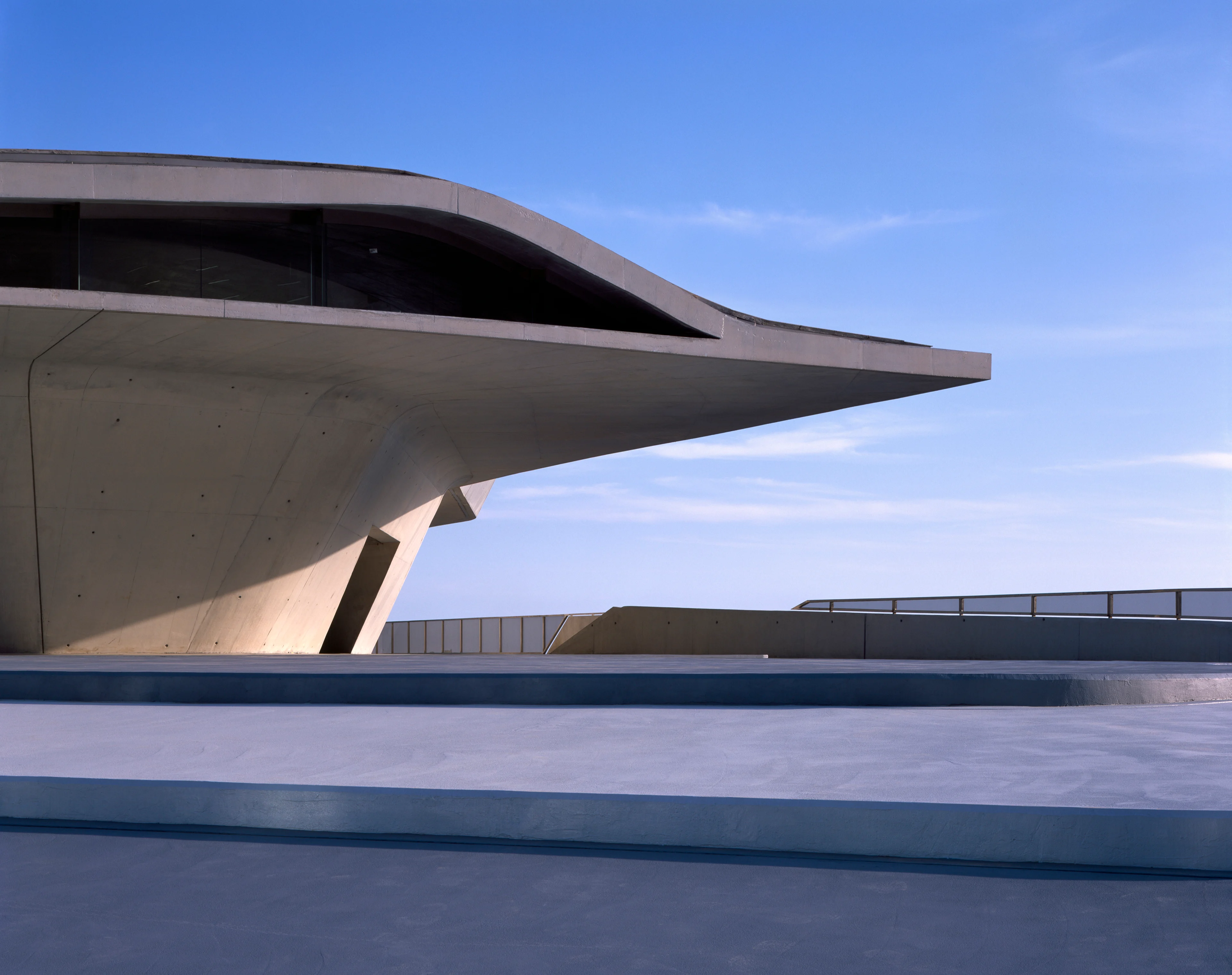
Photograph by Hélène Binet
Transport + Infrastructure
Salerno Maritime Terminal
Inaugurated on 25 April 2016, the new Salerno Maritime Terminal by ZHA is integral to the city’s urban plan.
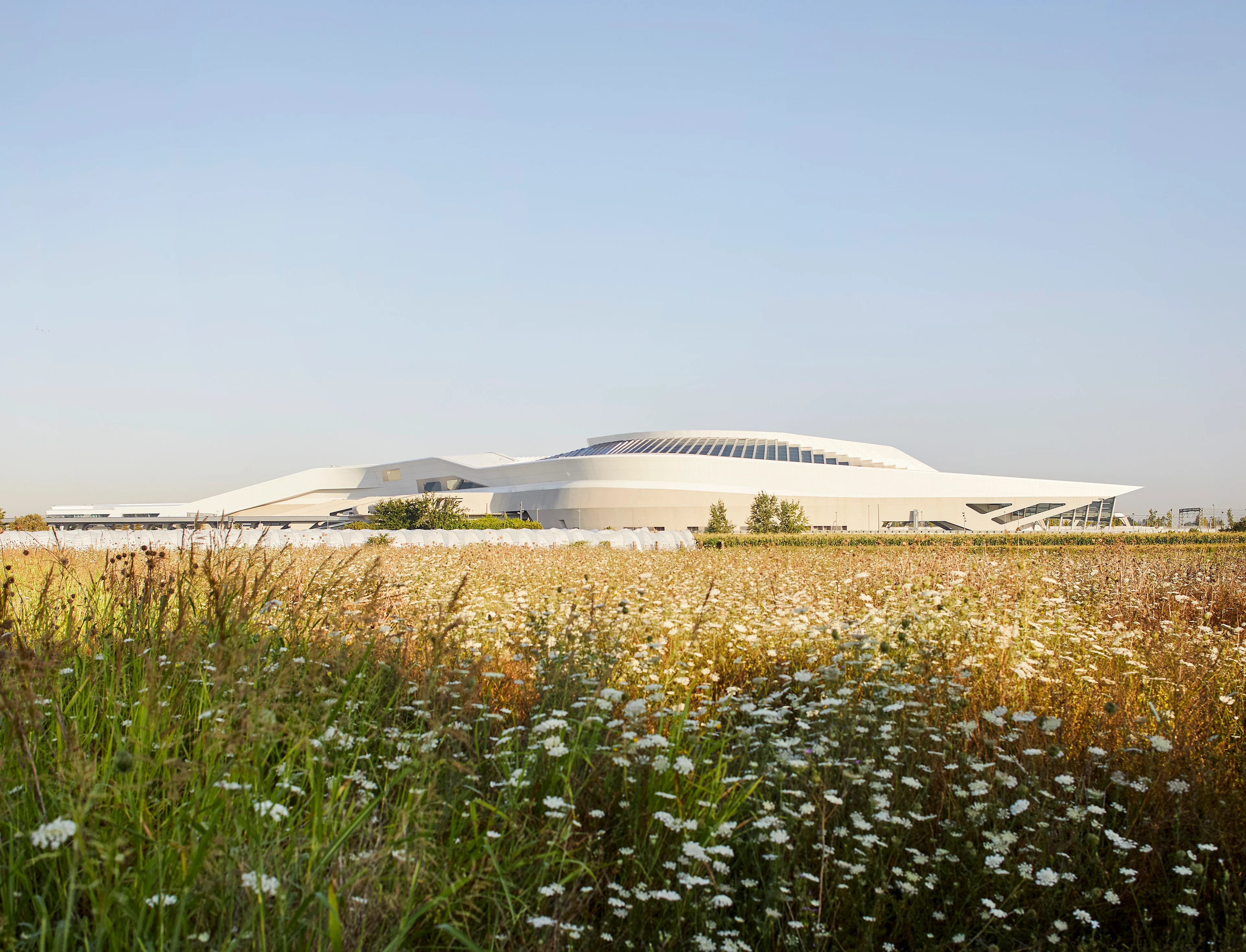
Photograph by Hufton + Crow
Transport + Infrastructure
Napoli-Afragola High Speed Train Station
The new rail station at Napoli Afragola is designed as one of southern Italy’s key interchange stations serving four high speed inter-city lines, three inter-regional lines and a local commuter line.
Photograph by Jacopo Spilimbergo
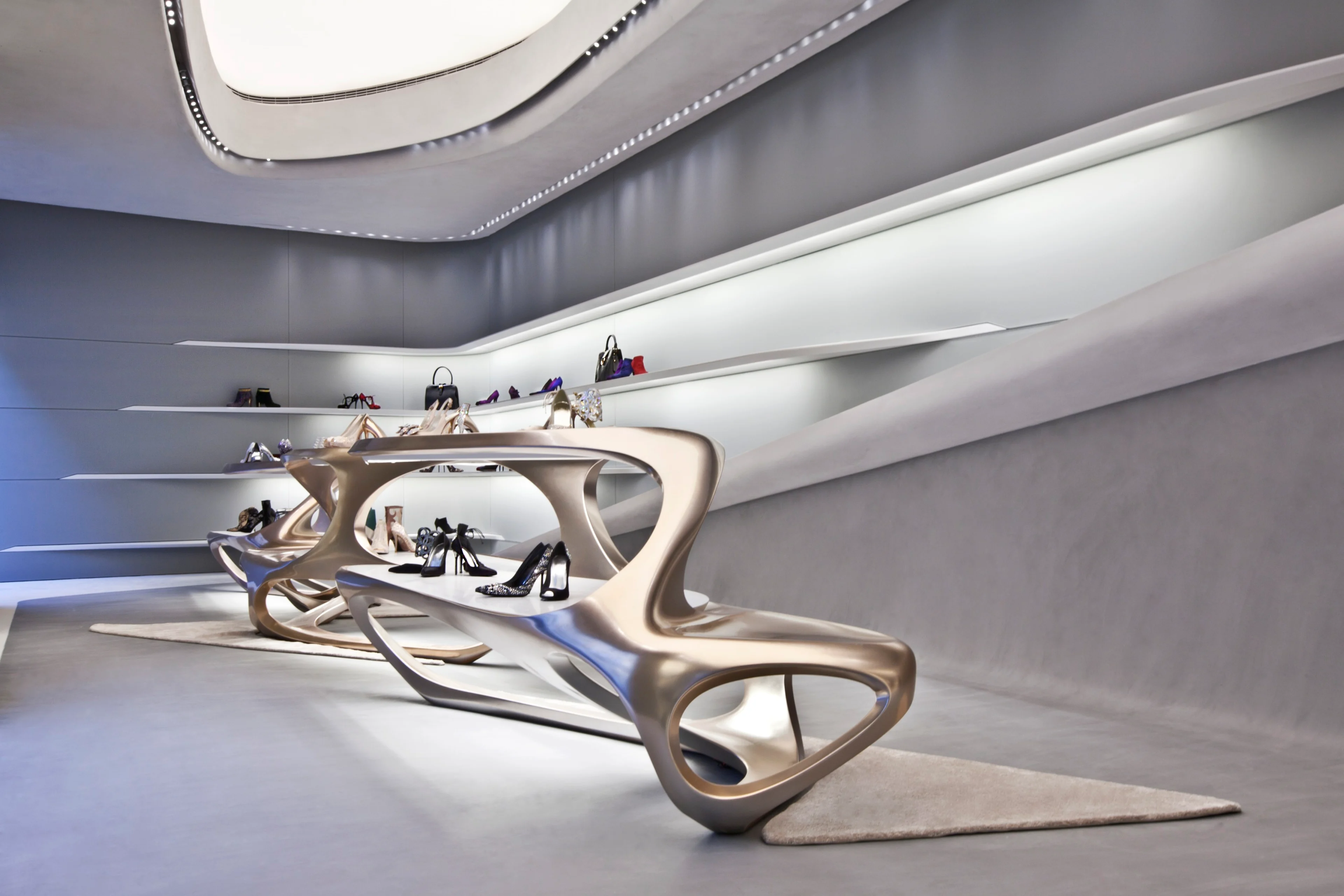
Milan Store, September 2013
Retail
Stuart Weitzman Flagship Store
The 3,000-square-foot Milan flagship store is a playful dialogue of geometries; creating a rhythm of folds and recesses that have been shaped further by functional and ergonomic considerations. The store’s central display units have been designed to showcase the Stuart Weitman collection and also provide seating.
Photograph by Chris Dalton, Courtesy of Romeo Collection
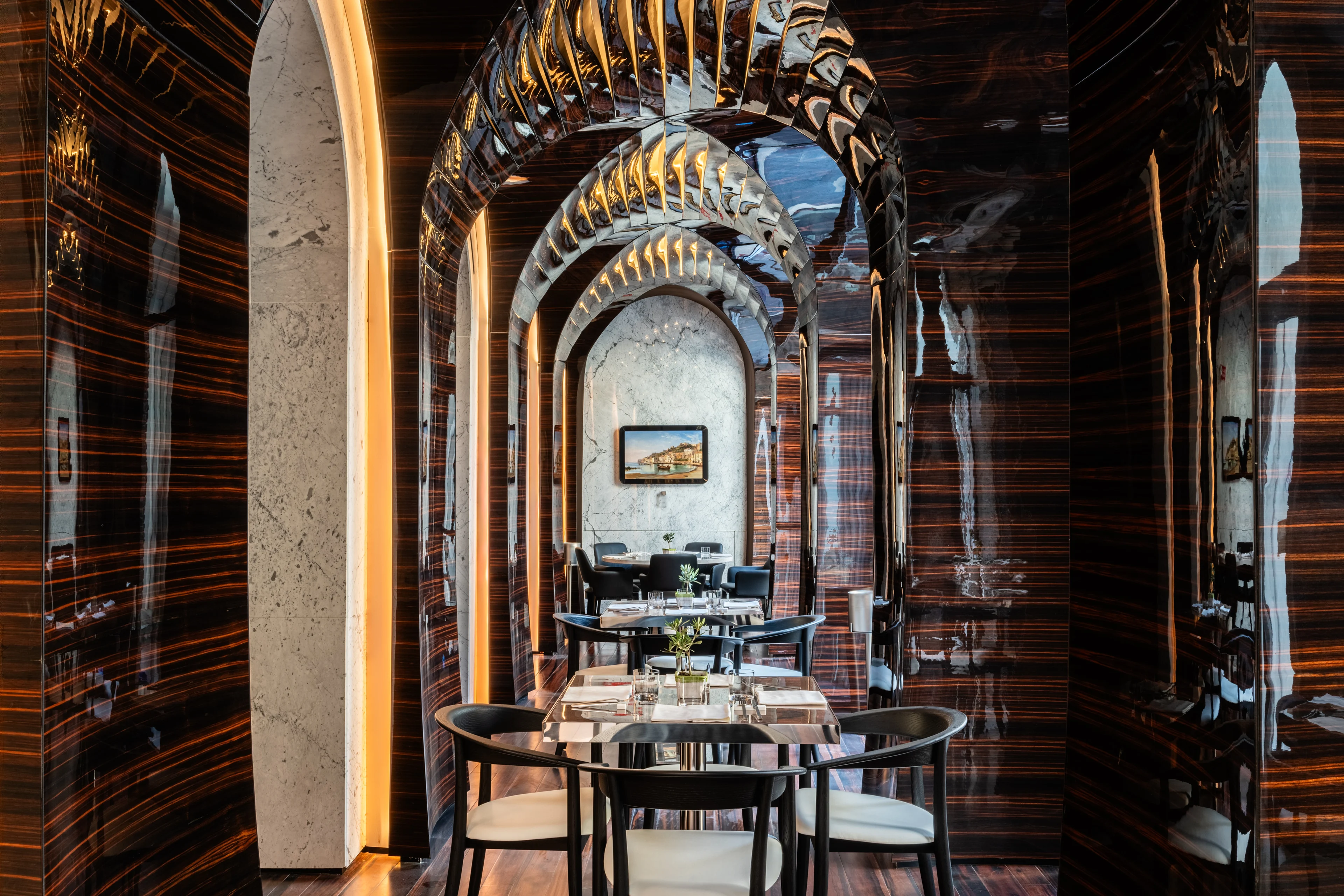
Bistro
Hospitality
Heritage + Regeneration
Romeo Roma Hotel
From the beginning of her career, architect Zaha Hadid sited her buildings in the air, floating buildings on shadow, light, and seams of space that lifted volumes above the ground, relating her work to another tradition—Rome’s. In designing the hotel conversion of the Palazzo Capponi, Hadid and her team at ZHA started where Baroque architects ended their palimpsest - at the vaulted ceilings.
Render by ZHA
Masterplans
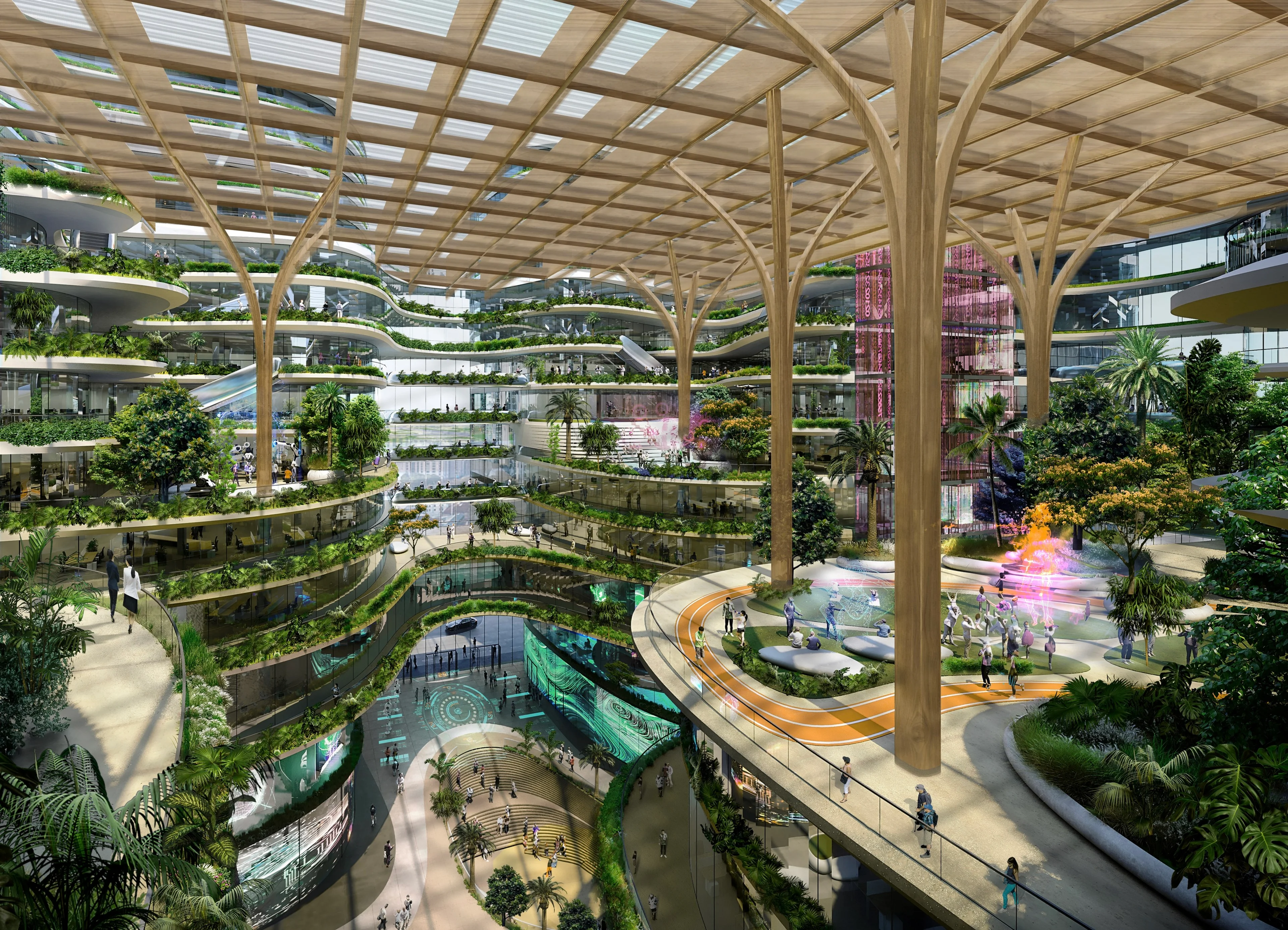
Ibrahim Technopolis Discovery City
The 582-acre Discovery City masterplan will be ZHA’s first project in Malaysia.
Render by Bloomimages
Residential
Mixed Use
Tall Buildings
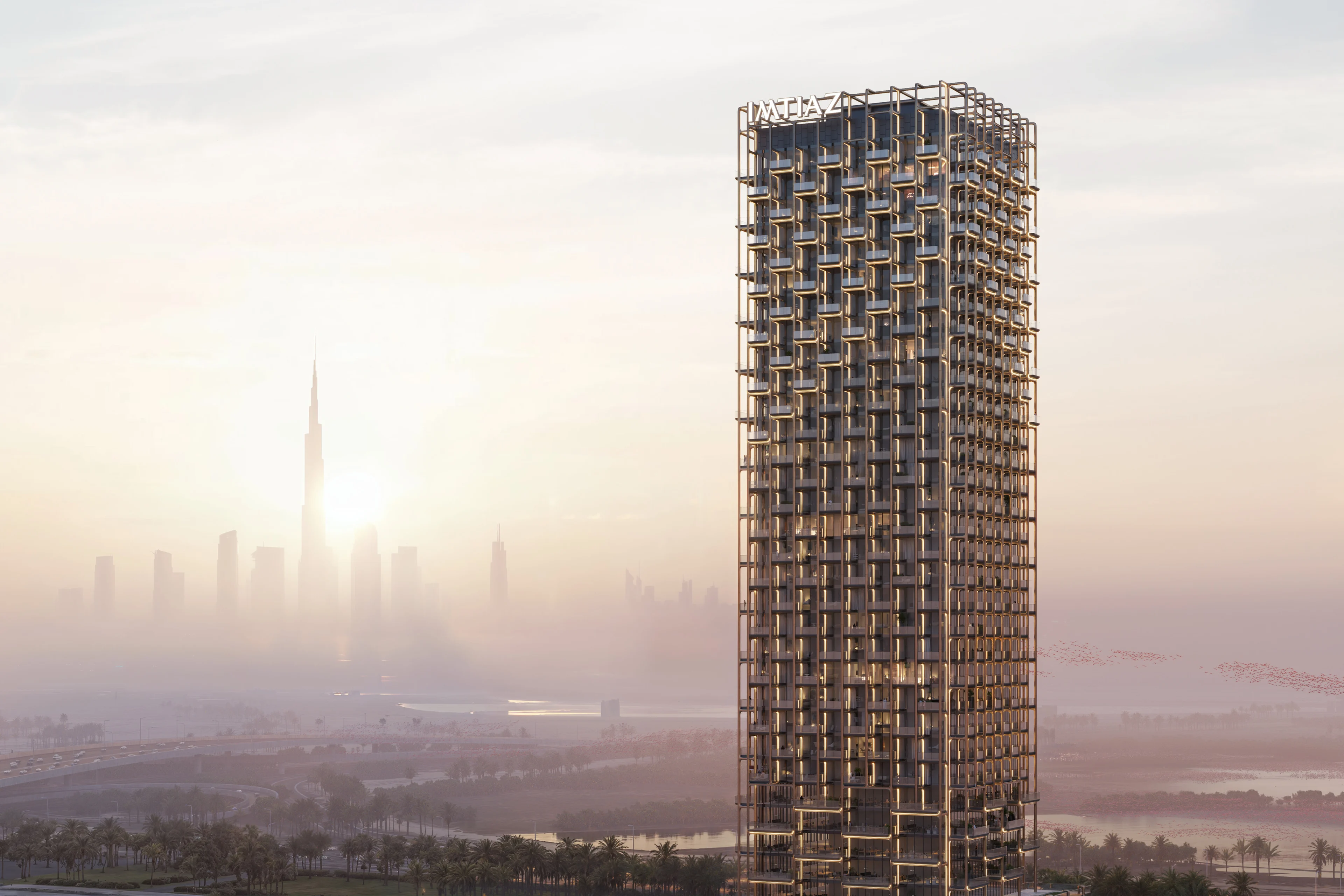
Symphony Tower
Located a short distance from Downtown Dubai and the Dubai Design District, Symphony Tower is situated within the new Horizon district of Dubai between the city's Meydan Racecourse and the waters of Ras Al Khor.
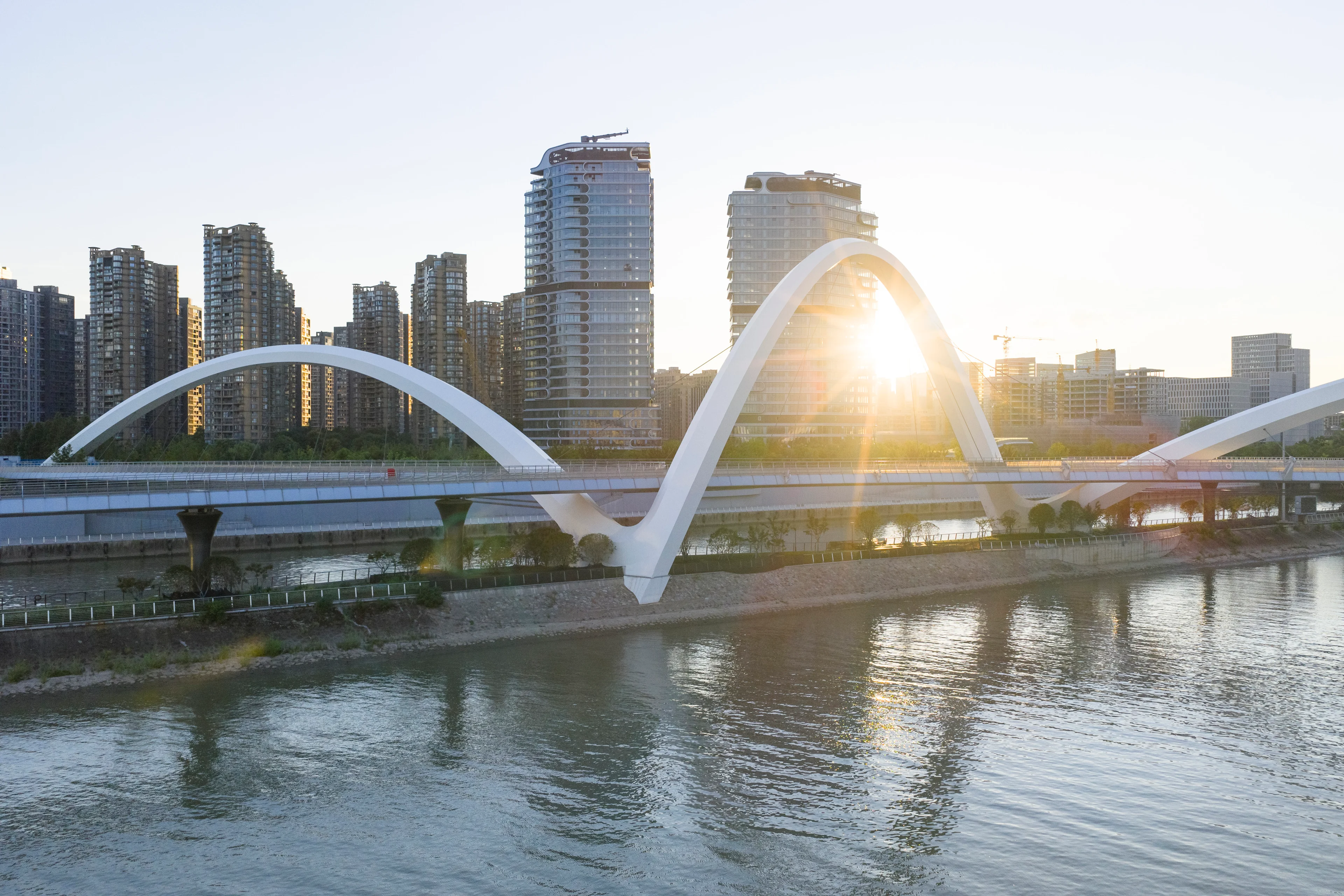
Photograph by Xue Liang 薛亮
Grand Canal Gateway Bridge
Transport + Infrastructure
Grand Canal Gateway Bridge
Uniting cultural heritage with 21st century engineering and recyclable materials, the Grand Canal Gateway Bridge is both sculptural and sustainable, designed for longevity with minimal environmental impact.
01
02
03
04
05
06
07