
St Petersburg, Russia
27th June 2015 - 27th June 2015
The State Hermitage
'Zaha Hadid' at The State Hermitage
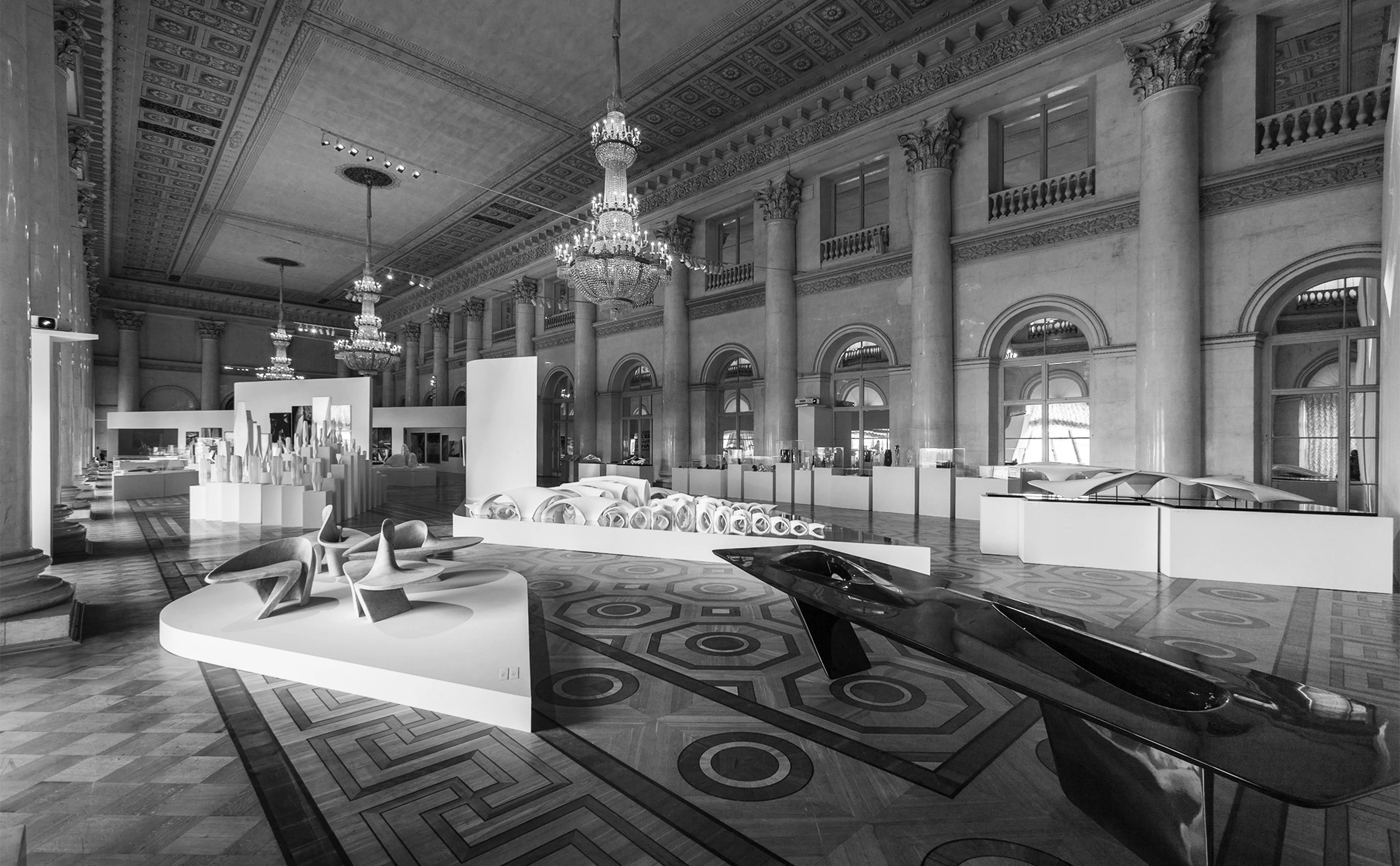
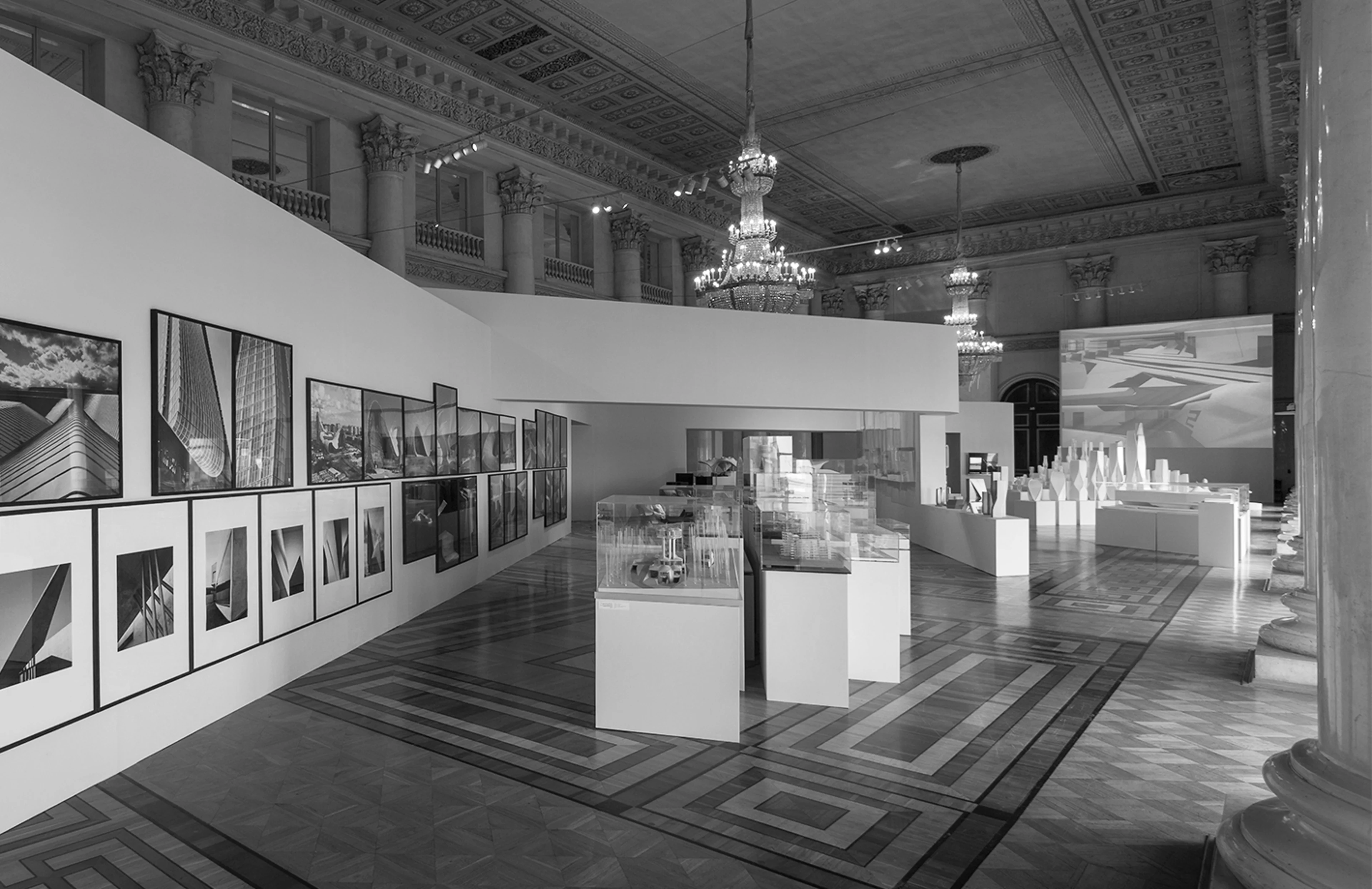
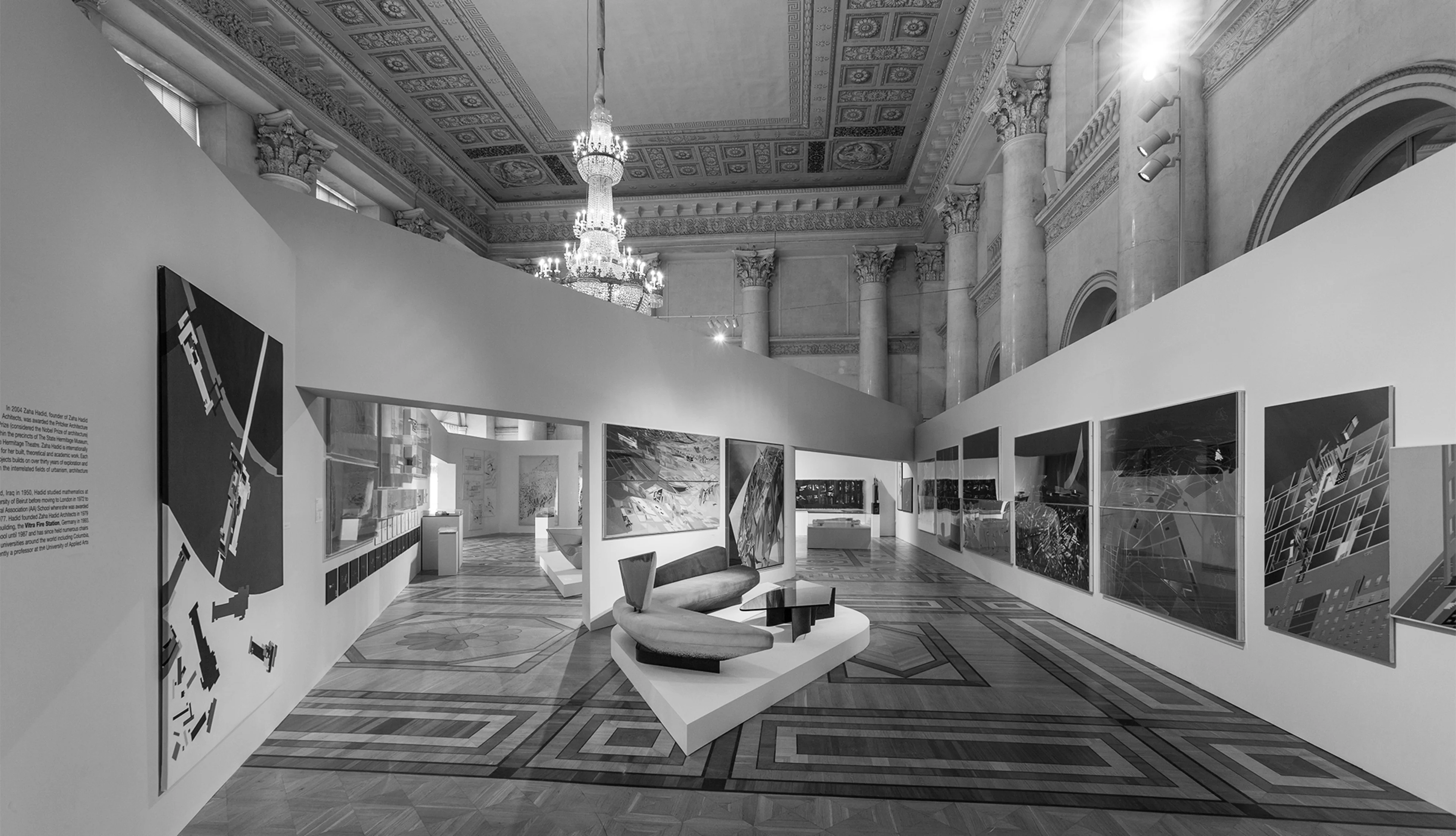
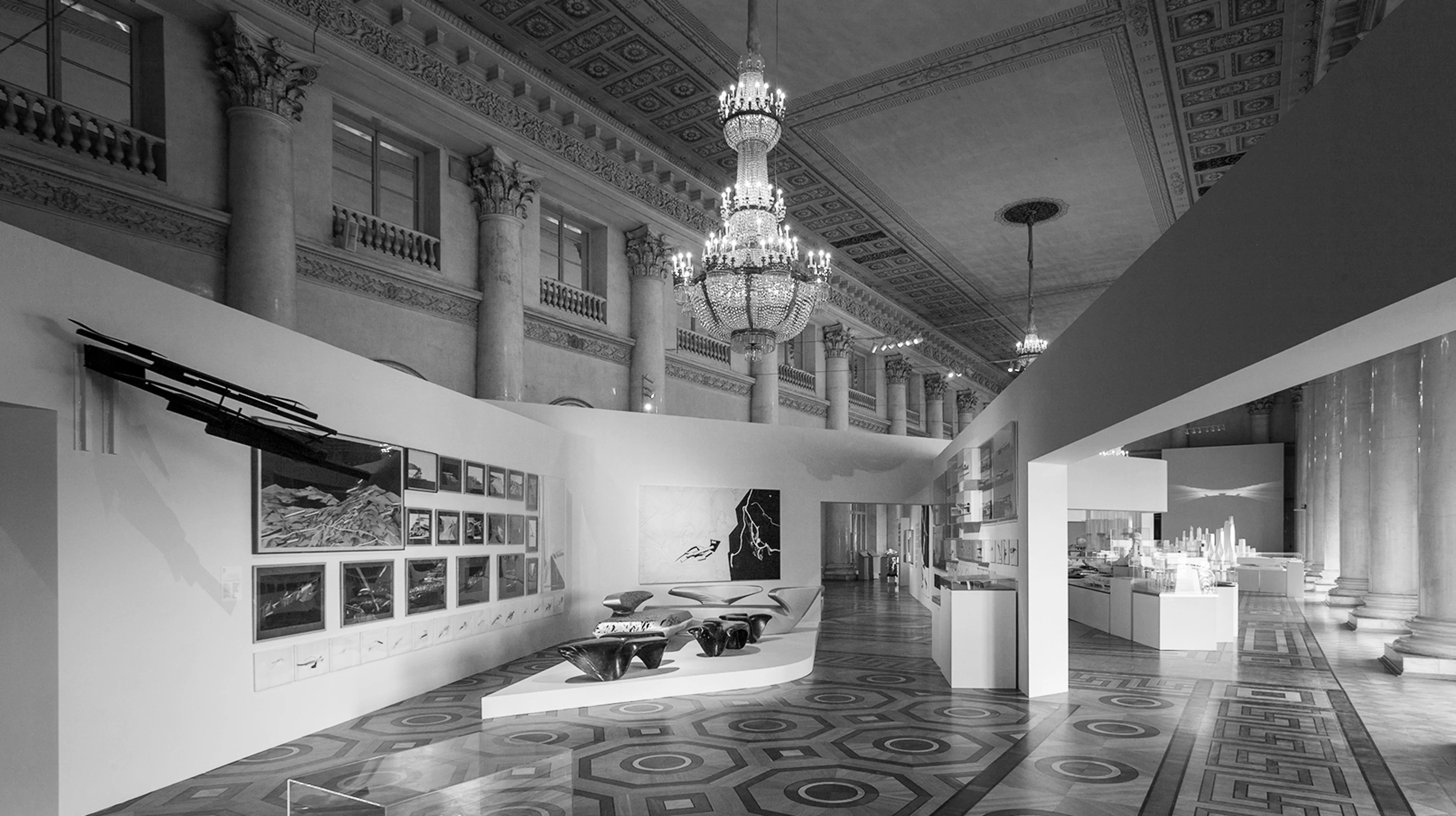
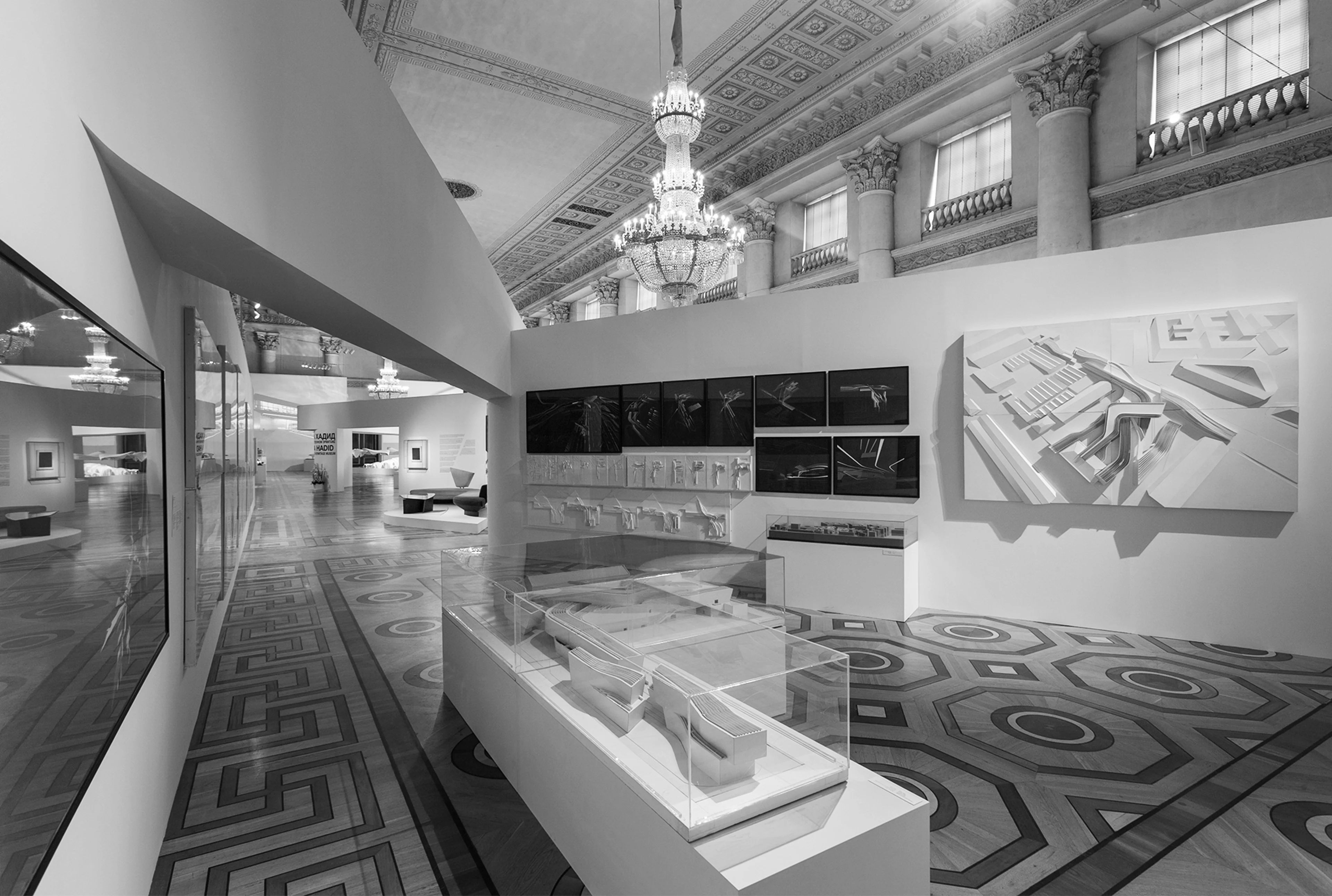
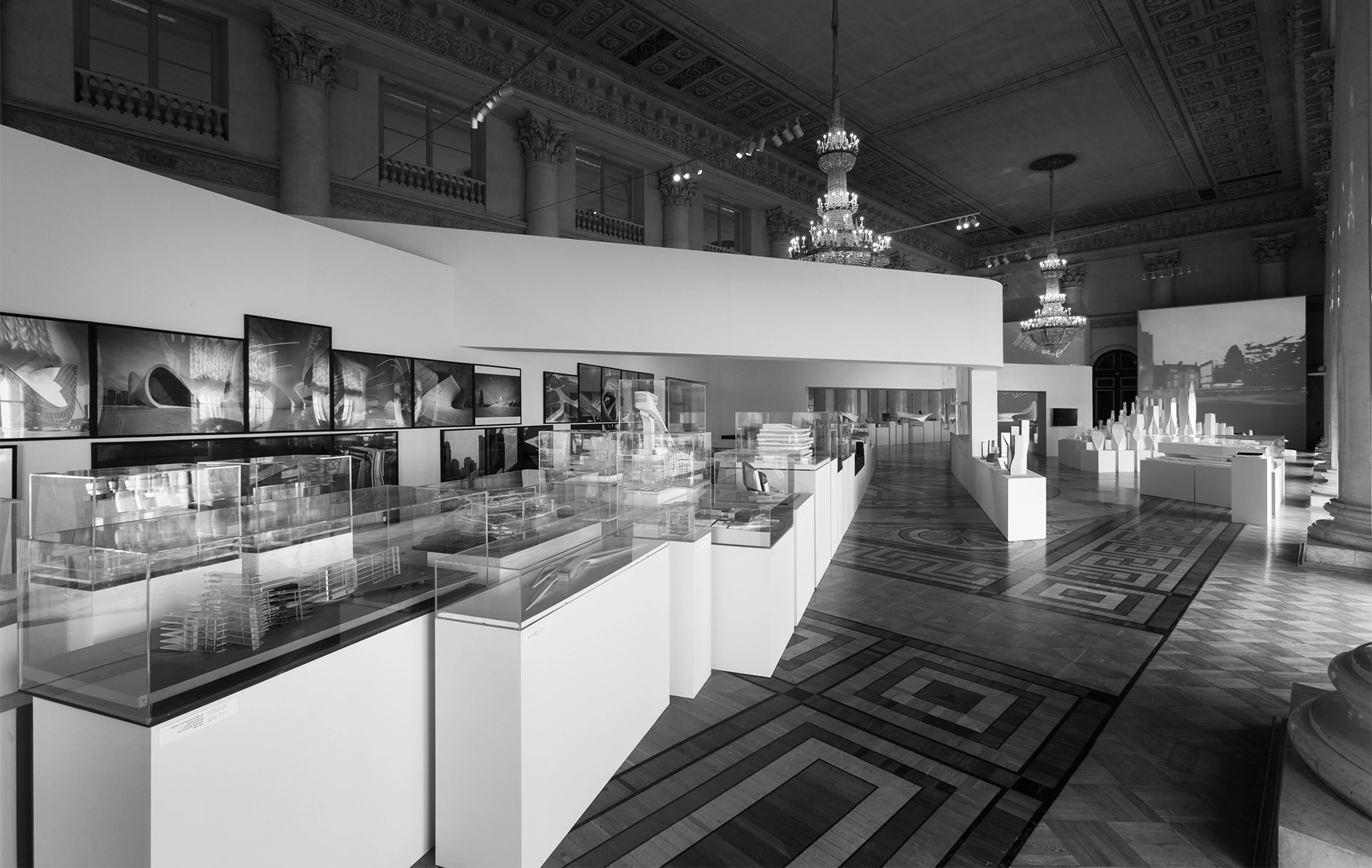
The first retrospective exhibition of her work in Russia, 'Zaha Hadid' at The State Hermitage Museum provides unprecedented insight into the work of architect Zaha Hadid in a mid-career retrospective highlighting her exploration of the Russian Avant-garde at the beginning of her career, and the continuing influence of its core principles on her work today.
01
02
03
04
05
06
The first retrospective exhibition of her work in Russia, 'Zaha Hadid' at The State Hermitage Museum provides unprecedented insight into the work of the late Zaha Hadid and the firm she founded 'ZHA', in a mid-career retrospective highlighting her exploration of the Russian Avant-garde at the beginning of her career, and the continuing influence of its core principles on the work of the firm 'ZHA' today.
The exhibition, in the historic Nicolaevsky Hall of the Winter Palace, showcases many of the seminal paintings, drawings, models and design objects of Zaha's forty-year repertoire; conveying the ingenuity and dynamism of her architectural projects in variety of media including film, photography and installations.
In 2004, Zaha was awarded the Pritzker Architecture Prize in the theatre of the State Hermitage Museum. Accepting the prize, she stated, “The spirit of adventure to embrace the new and the incredible belief in the power of invention attracted me to the Russian Avant-garde. I realized how Modern architecture built upon the break-through achieved by abstract art as the conquest of a previously unimaginable realm of creative freedom. The idea that space itself might be warped and distorted to gain in dynamism and complexity without losing its coherence and continuity.”
With its far-reaching experimentation, Zaha directly engaged with the work of the Russian Avant-garde early in her career, developing an artistic inventiveness that transcends the context of the Russian social experiment and continues a narrative of a new spatial perception.
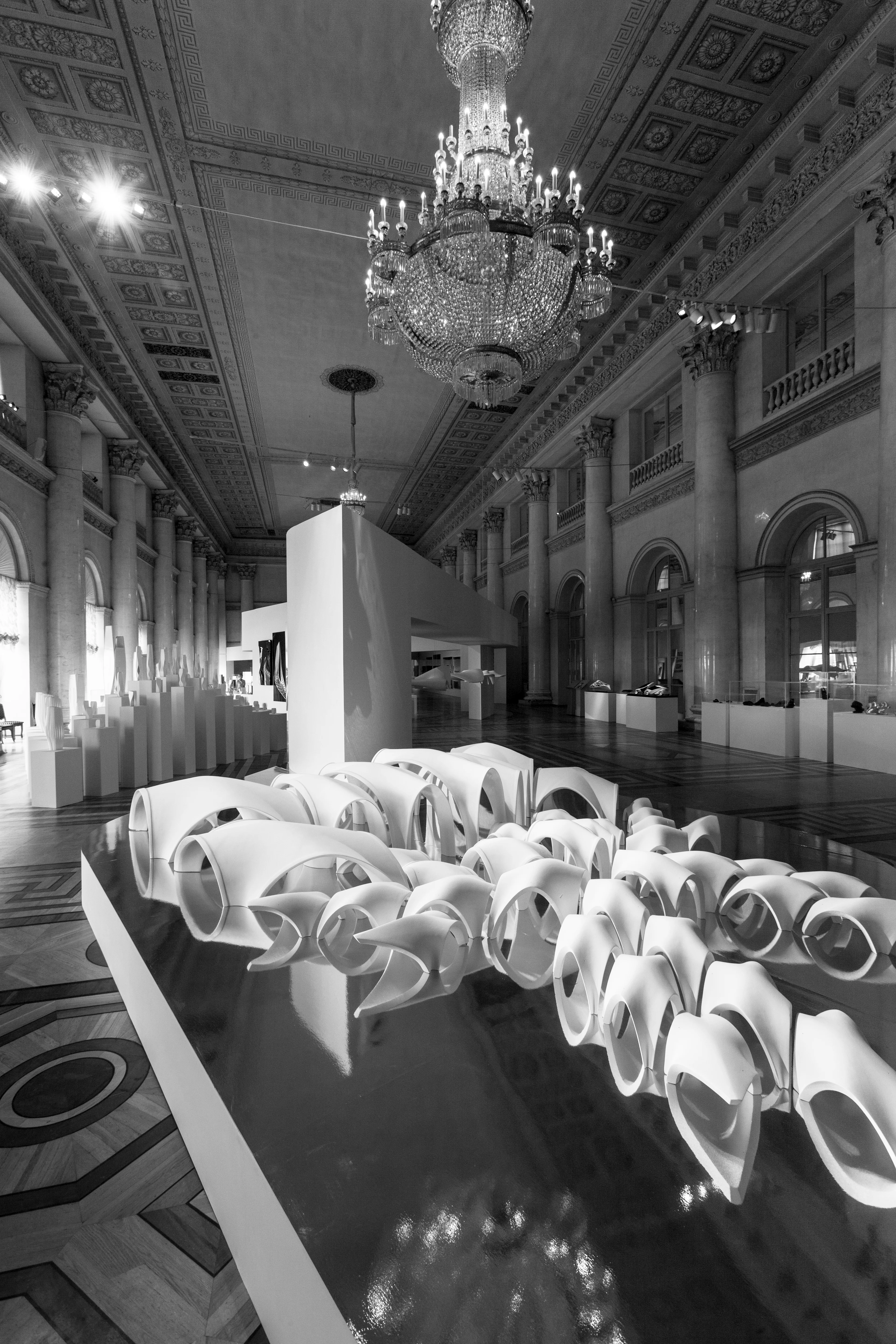
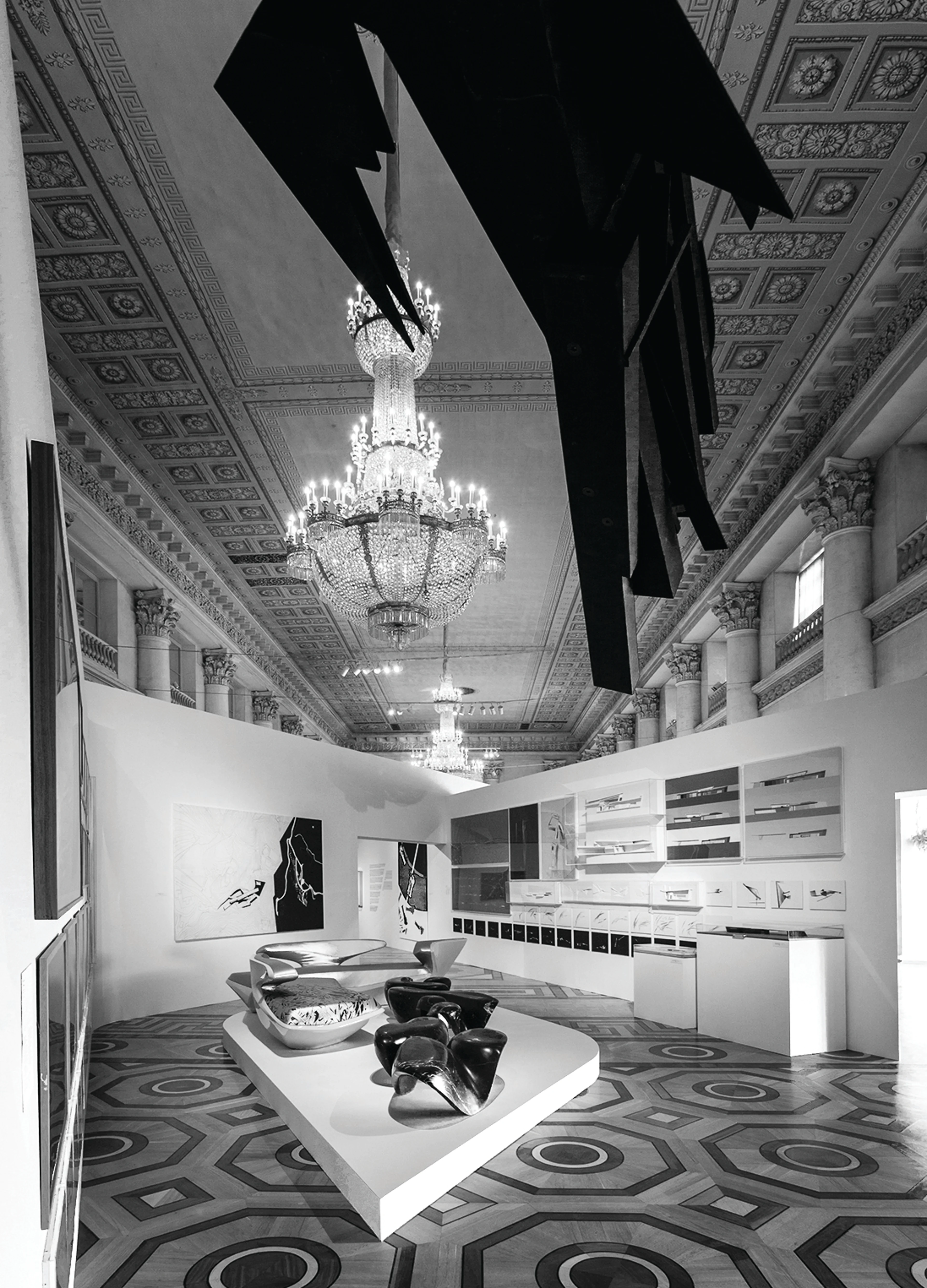
The exhibition outlines the pioneering research that permeates the architect’s career. The Peak Club in Hong Kong (unrealized, 1982-83) represents an early manifestation of her exploration of Kazimir Malevich’s compositional techniques of fragmentation and layering. Further projects include the Rosenthal Centre for Contemporary Art in Cincinnati (completed, 2003), Phaeno Science Centre in Wolfsburg (completed, 2005), BMW Central Building in Leipzig (completed, 2005), MAXXI: Museum of XXI Century Art in Rome (completed, 2010), London Aquatics Centre (completed, 2011) and Heydar Aliyev Center in Baku (completed, 2012) continue Zaha's ongoing research towards a new architecture that addresses the increased complexities and dynamism of our future.
As the exhibition explores the architect’s forty-year career, we see that, far beyond simply continuing the unfinished project of Modernism and the unfettered spirit of the Avant-garde, Zaha transcended these ideas, creating an entirely new spatial paradigm; an architecture of the future.
Exhibitions
ZHA’ exhibitions engage us in dialogue with curators, audiences, and other creators, enriching our work and how we communicate it to the world.
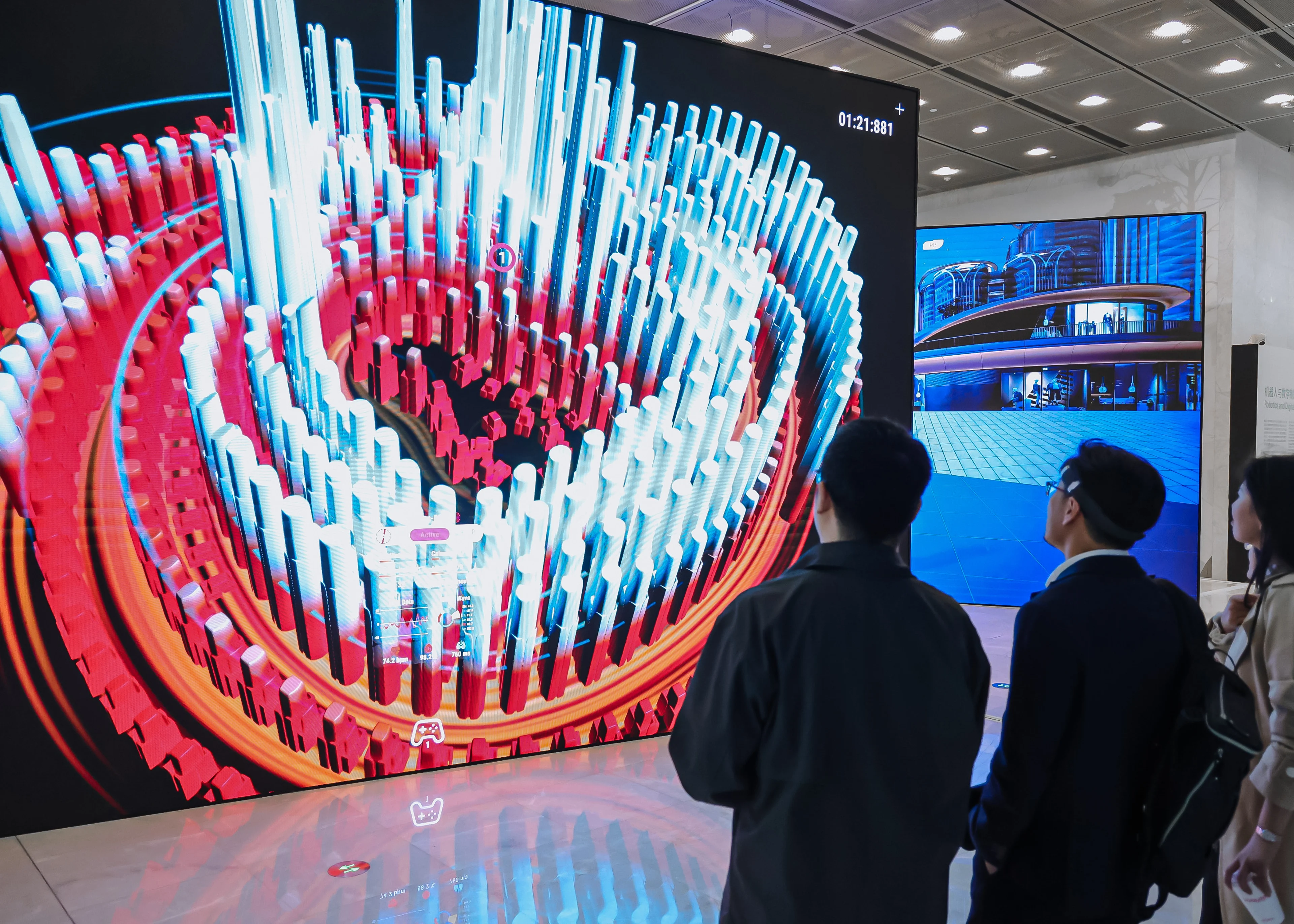
Courtesy of MOCAUP
Exhibitions
Presented at the Museum of Contemporary Art and Urban Planning (MOCAUP) in Shenzhen until April 10th 2026, the Architecture of Possibility: ZHA exhibition charts the evolution of the studio’s pioneering work over recent decades.
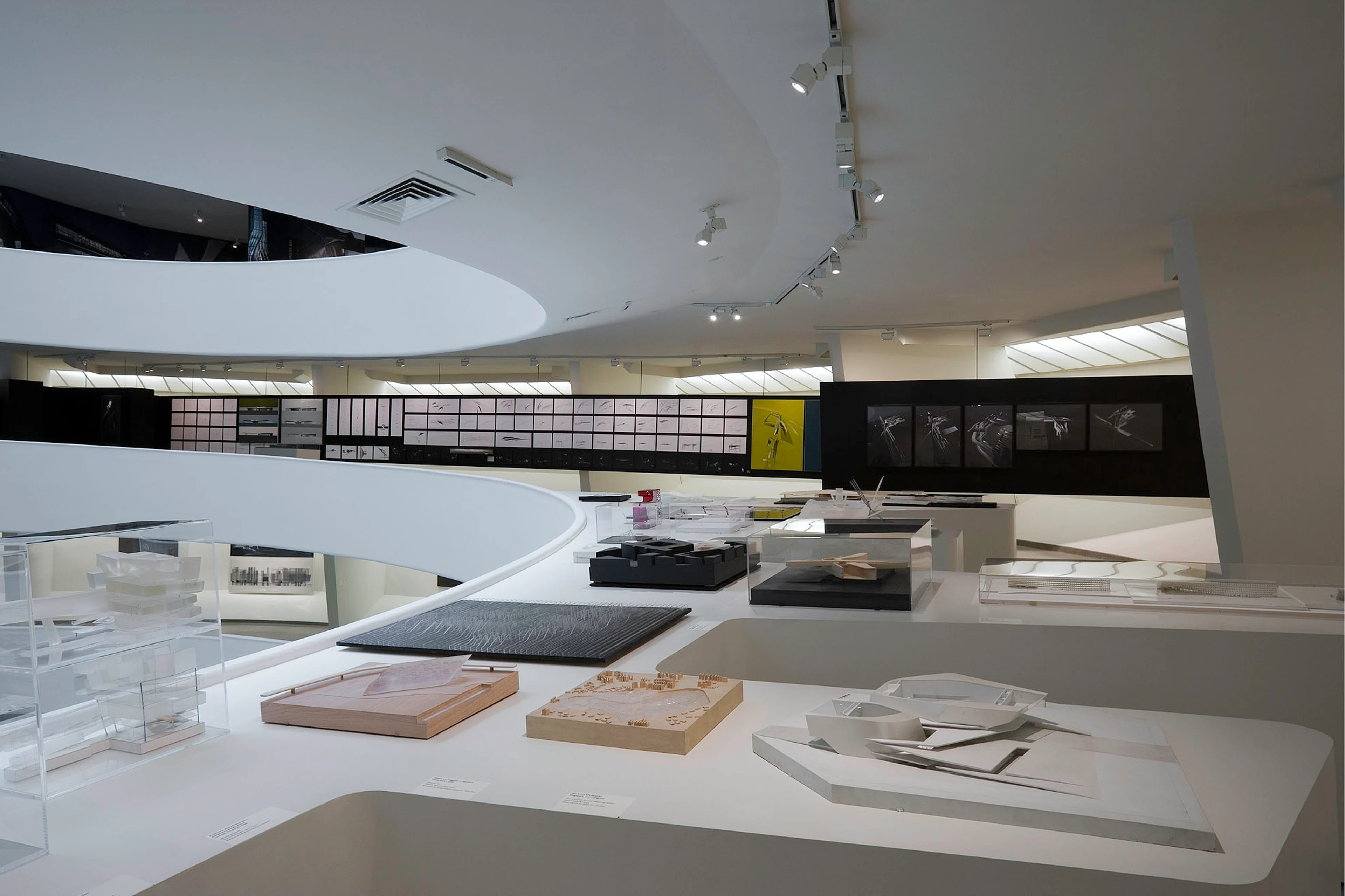
Photograph by David M Heald (c) SRGF New York
Exhibitions
'Zaha Hadid: 30 years of Architecture' has provided an in depth examination of the oeuvre of one of today’s most visionary architects. The first woman to be awarded the distinguished Pritzker Architecture Prize in 2004, Hadid is internationally known for both her theoretical and academic work, as well as a portfolio of built projects that have literally “shifted the geometry of buildings.”
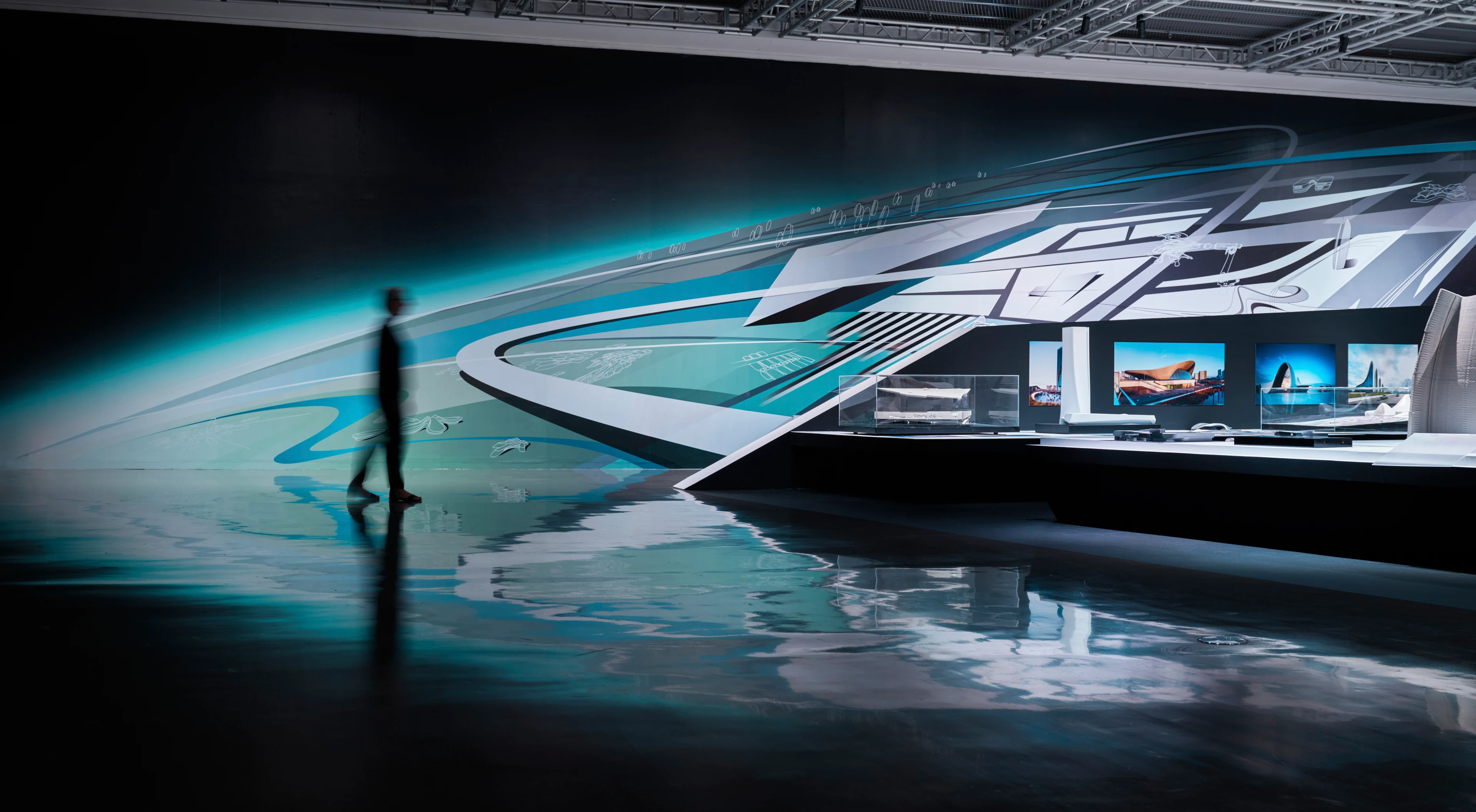
Photograph by Virgile Simon Bertrand
Exhibitions
ZHA marks a significant milestone, celebrating their 15-year journey in China with ‘The New World’ exhibition of their work and research at the Guardian Art Centre, Beijing.
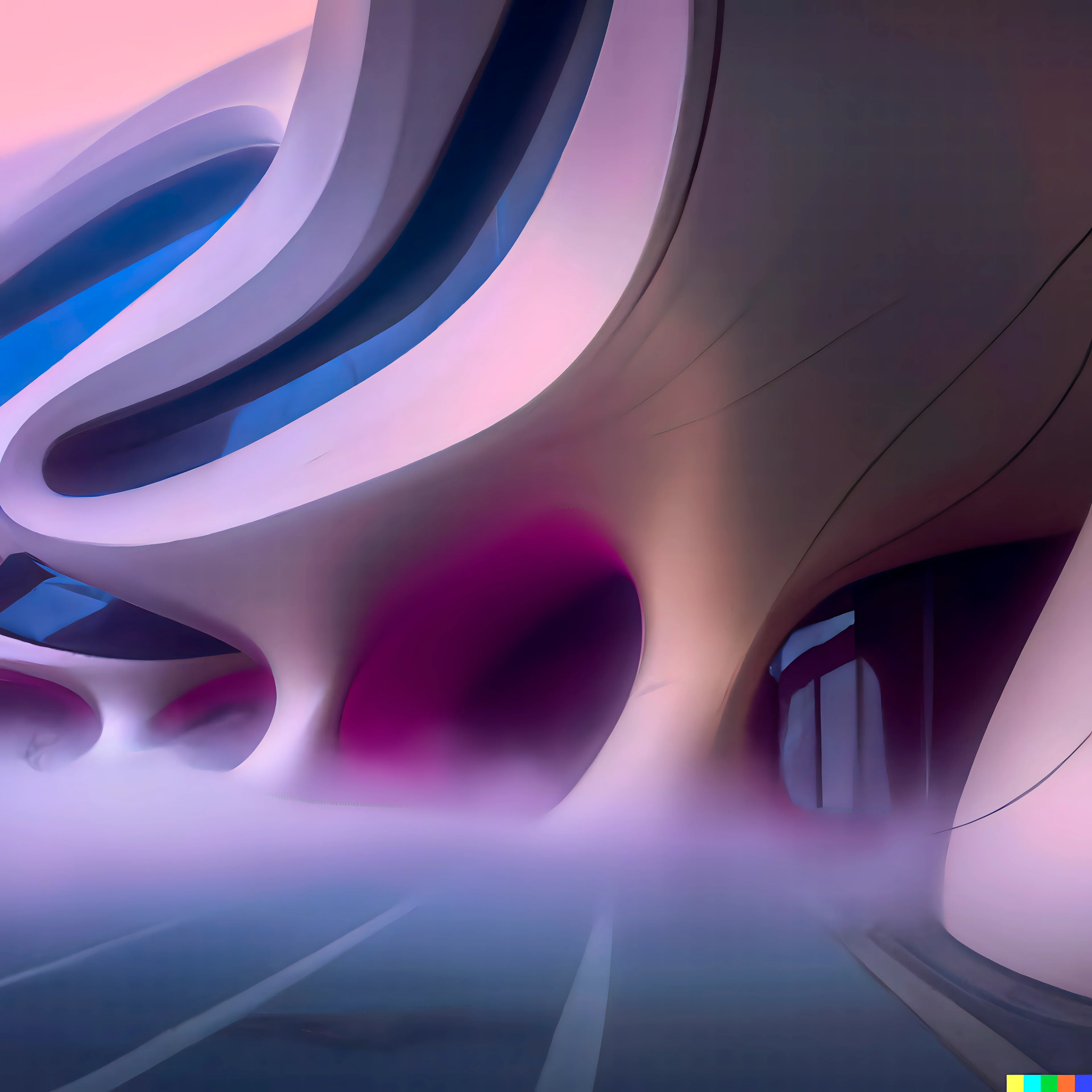
Image © ZHA, Refik Anadol Studio, with OpenAI DALL-E 2
Virtual Spaces
Installations + Pavilions
Exhibitions
Architecting the Metaverse’ is an immersive art project at the intersection of architecture, art, technology, and artificial intelligence (AI). It is the result of a 6-month collaboration between Refik Anadol Studio (RAS) and ZHA.
Courtesy of Mediascope ©
Meta-Horizons The Future Now, Exhibition at DDP. PN 3709. 2022
Exhibitions
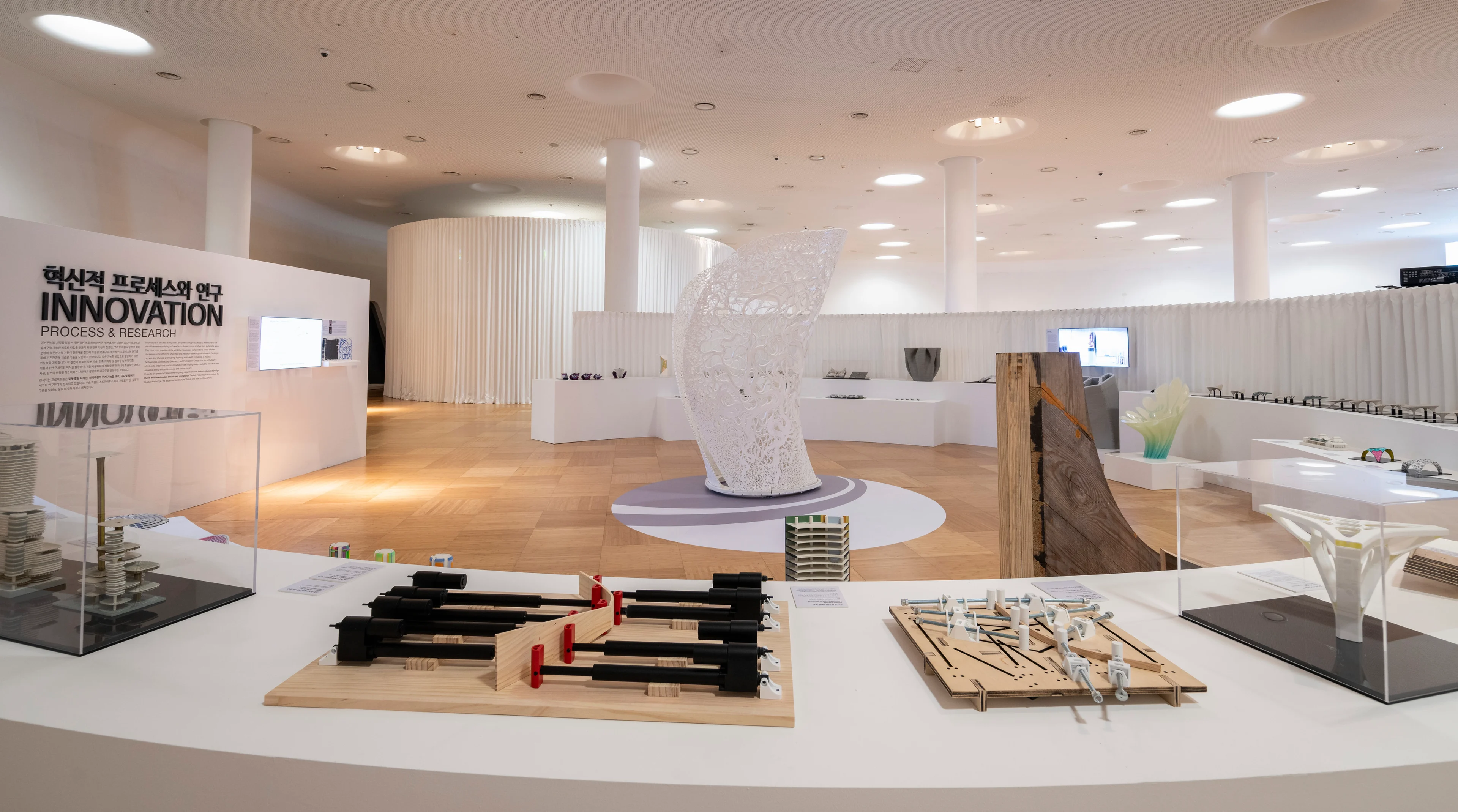
The inaugural exhibition of DDP’s new Design Museum, 'Meta-Horizons: The Future Now' continues DDP’s commitment to showcasing pioneering design, technological innovation and contemporary creativity.
Courtesy of Hong Kong Design Institute - HKDI
Vertical Urbanism Exhibition at Hong Kong Design Institute 15.02-03.04.2022
Exhibitions
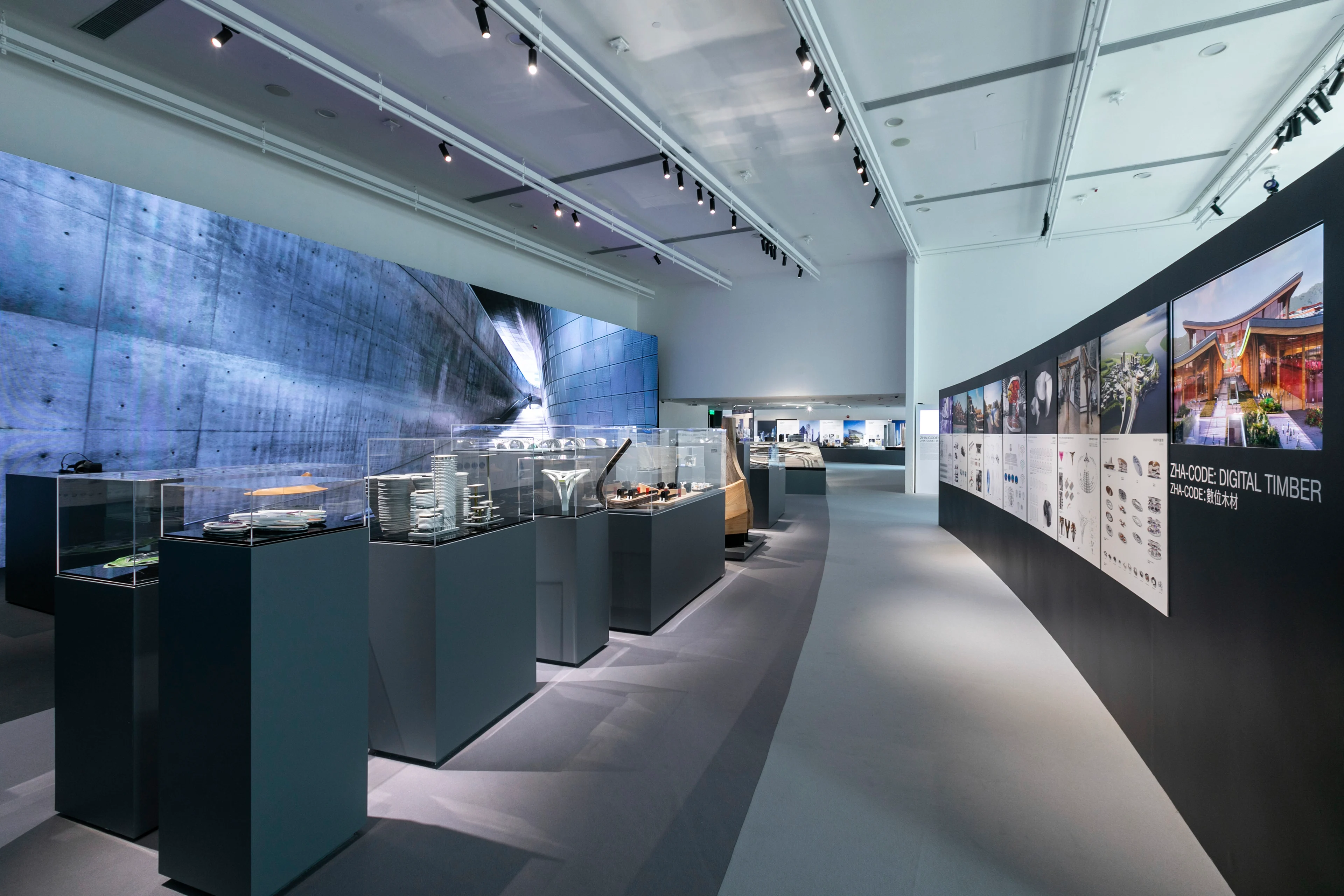
Hong Kong Design Institute (HKDI) and Hong Kong Institute of Vocational Education (IVE) (Lee Wai Lee), together with its affiliated HKDI Gallery present its flagship exhibition of the year 'ZHA: Vertical Urbanism' as part of their ‘Essence of Design’ programme.
Photograph by Xue Liang 薛亮
Exhibitions
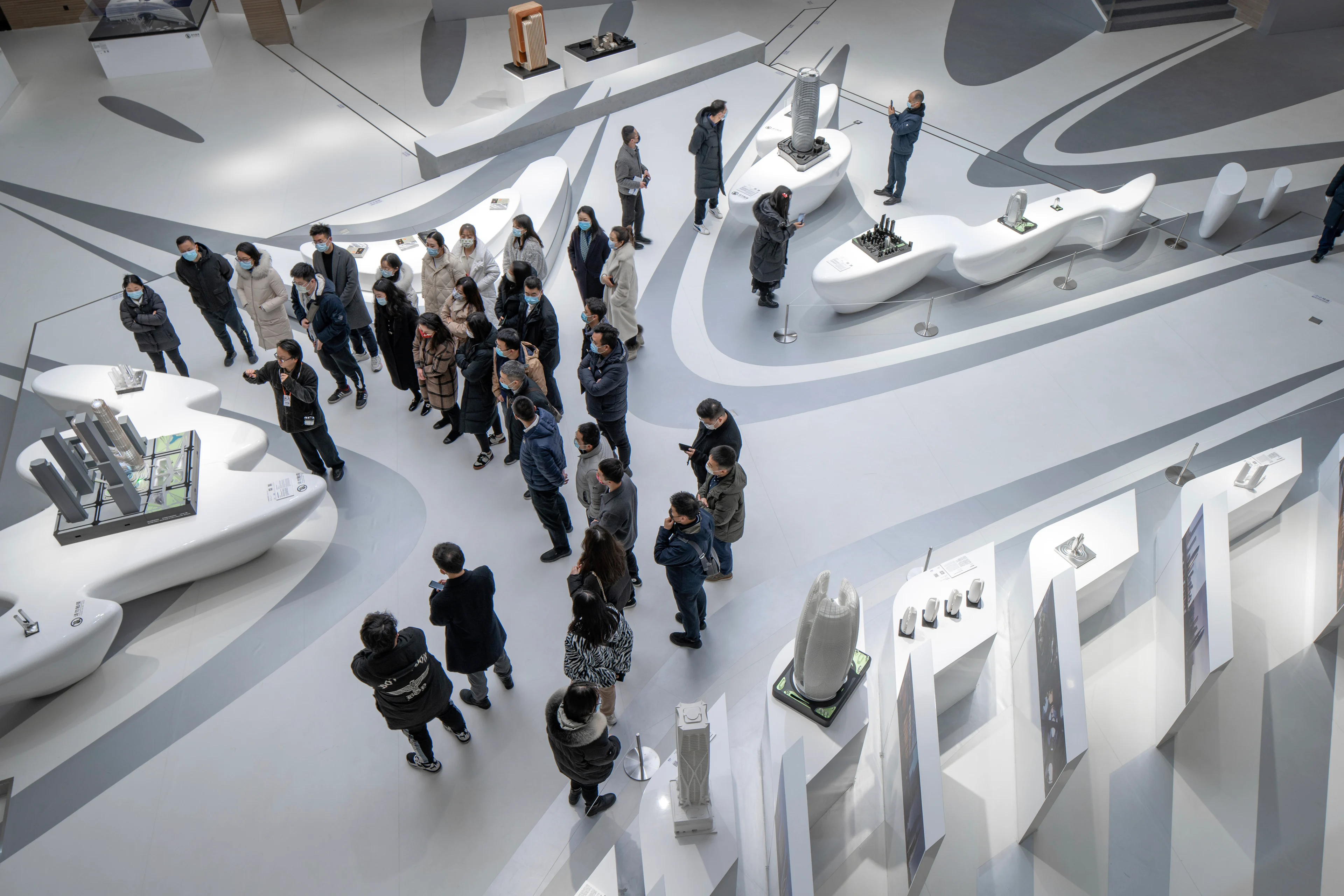
The ‘Future Cities’ monographic exhibition examines the innovations shaping 21st century urbanism and traces ZHA’s projects that are redefining urban landscapes around the world.
Courtesy of ZHA
Exhibitions
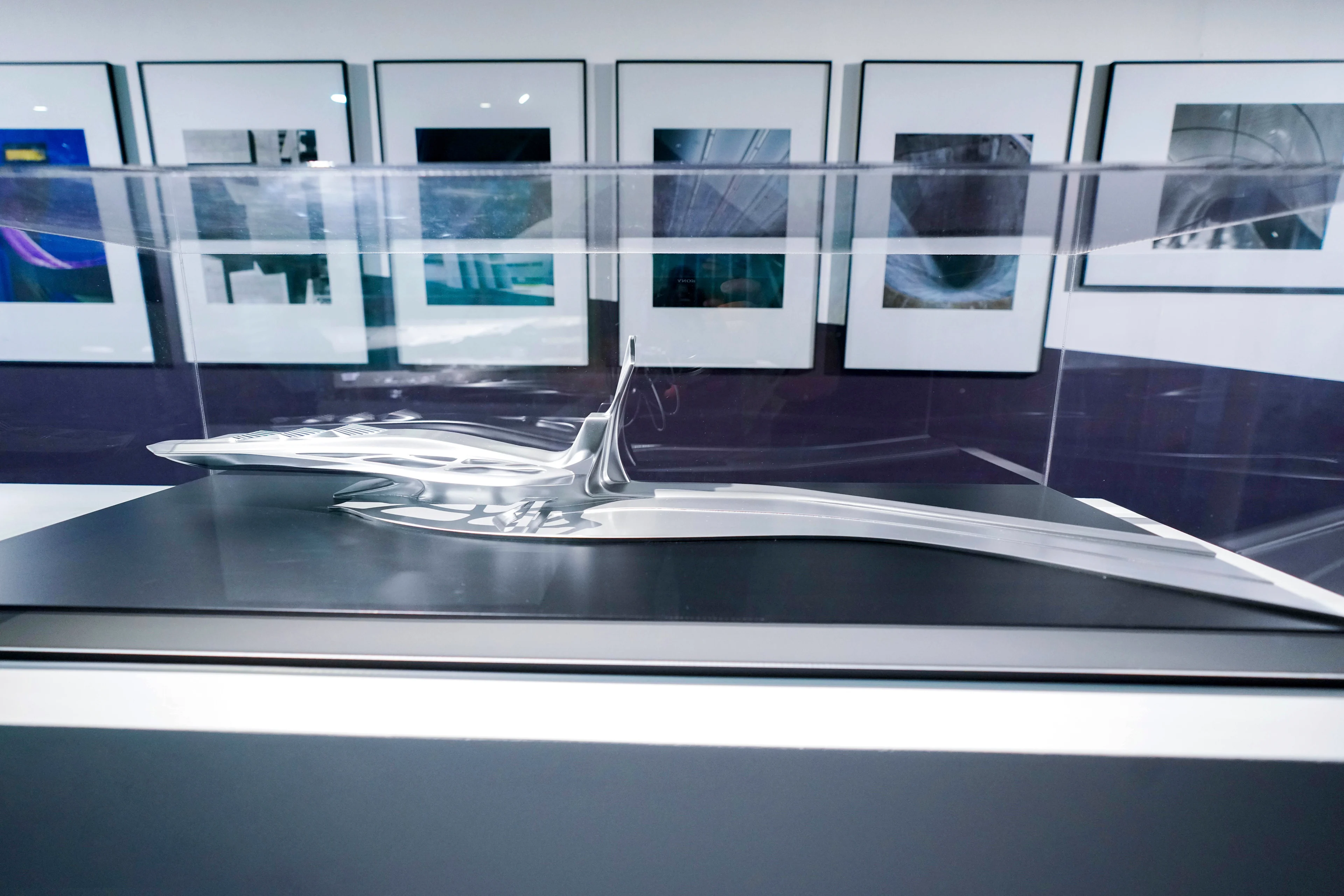
Defined by a timeline of ZHA's formative works in China, 'ZHA Close Up' at MAM Shanghai in collaboration with ZHD explores the pioneering research and interconnecting relationships that unite our projects around the globe, detailing the technological innovations that are transforming how the studio imagines, designs and constructs built environments.
01
02
03
04
05
06
07
08
keyFacts
people