
Text by Joseph Giovannini
The Legacy of Dame Zaha
An unparalleled influence
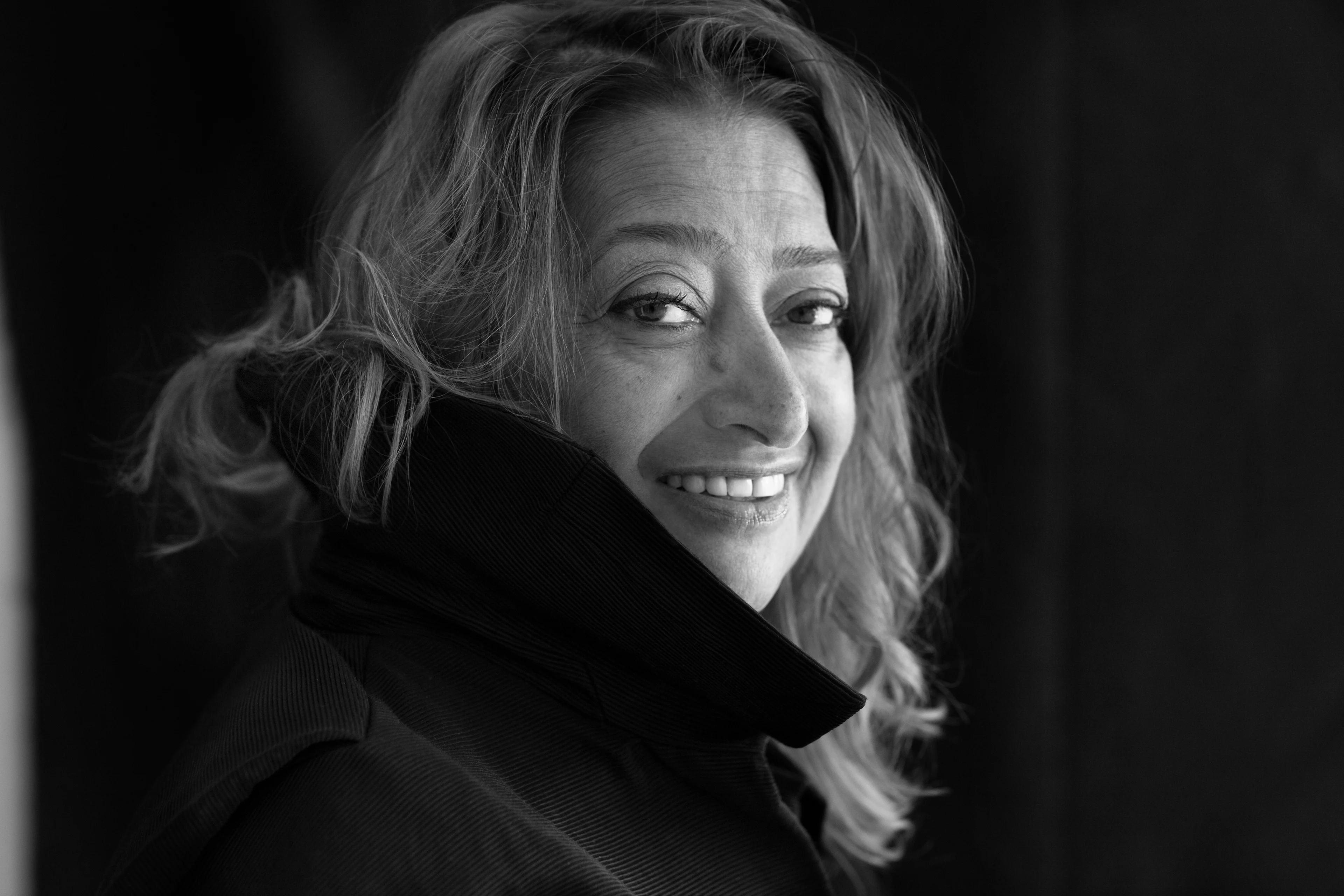
Architect Zaha Hadid transformed notions of form and space, expanding the realm of possibilities for architecture. Her work gave a whole new generation permission to experiment.
01
02
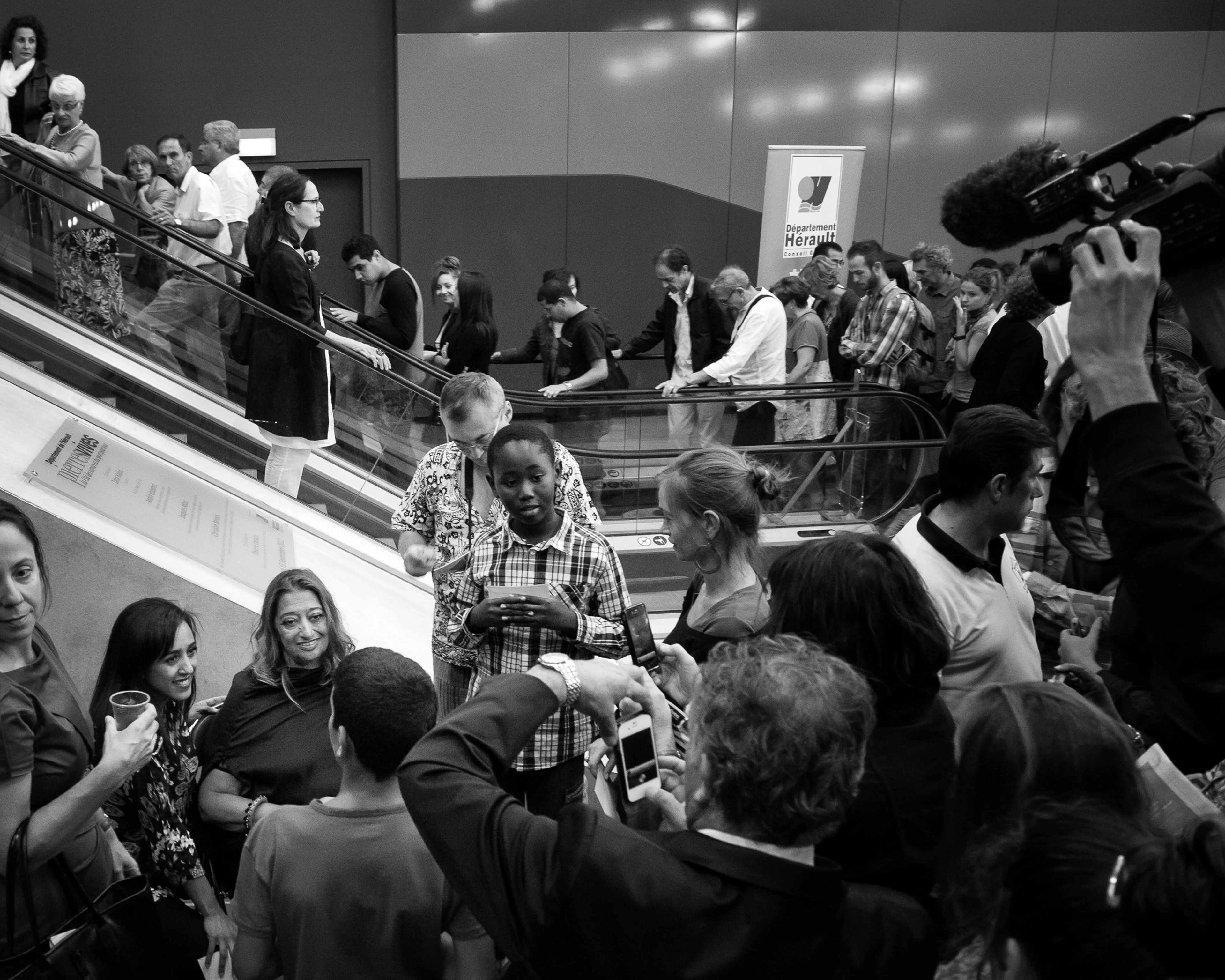
Luke Hayes
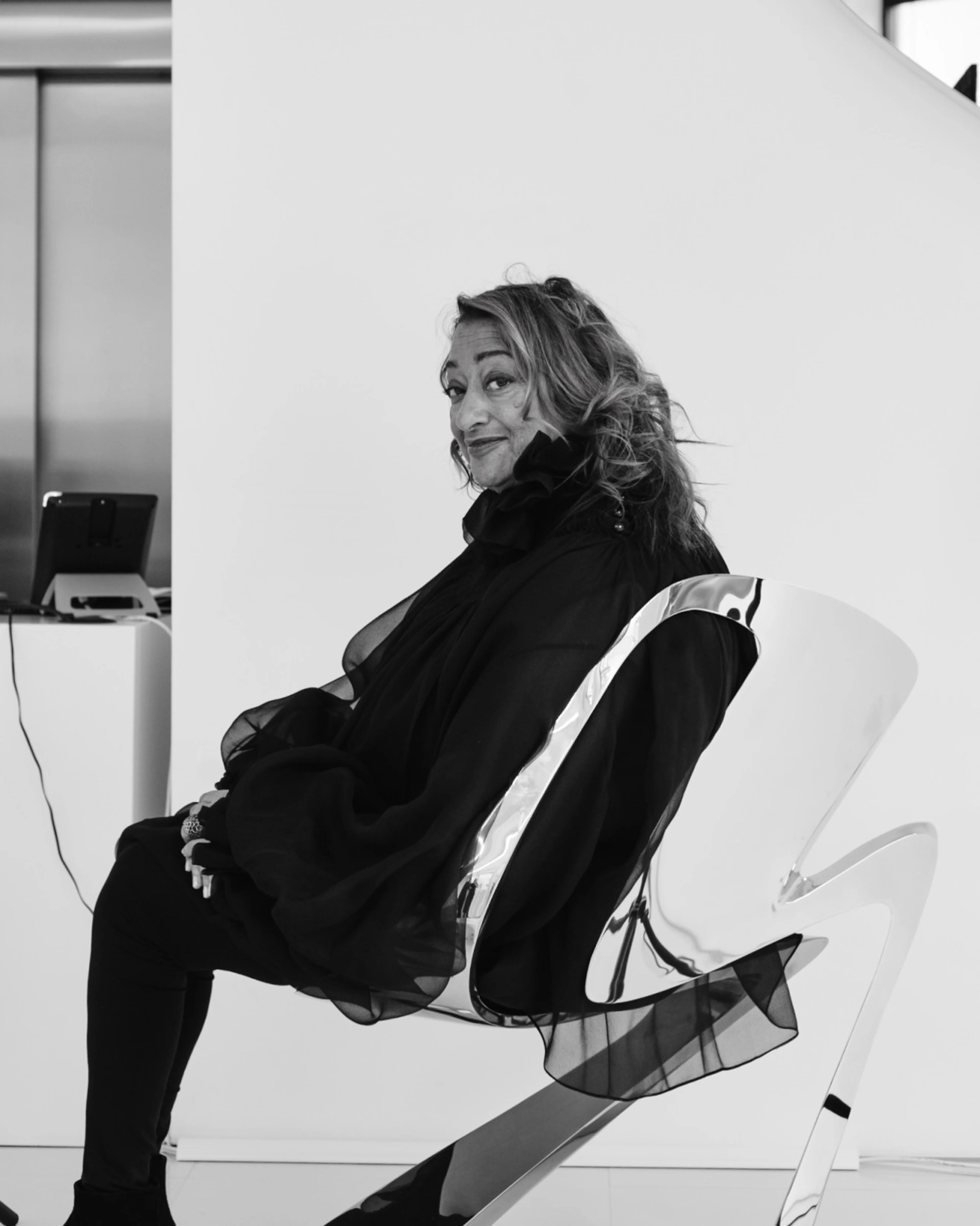
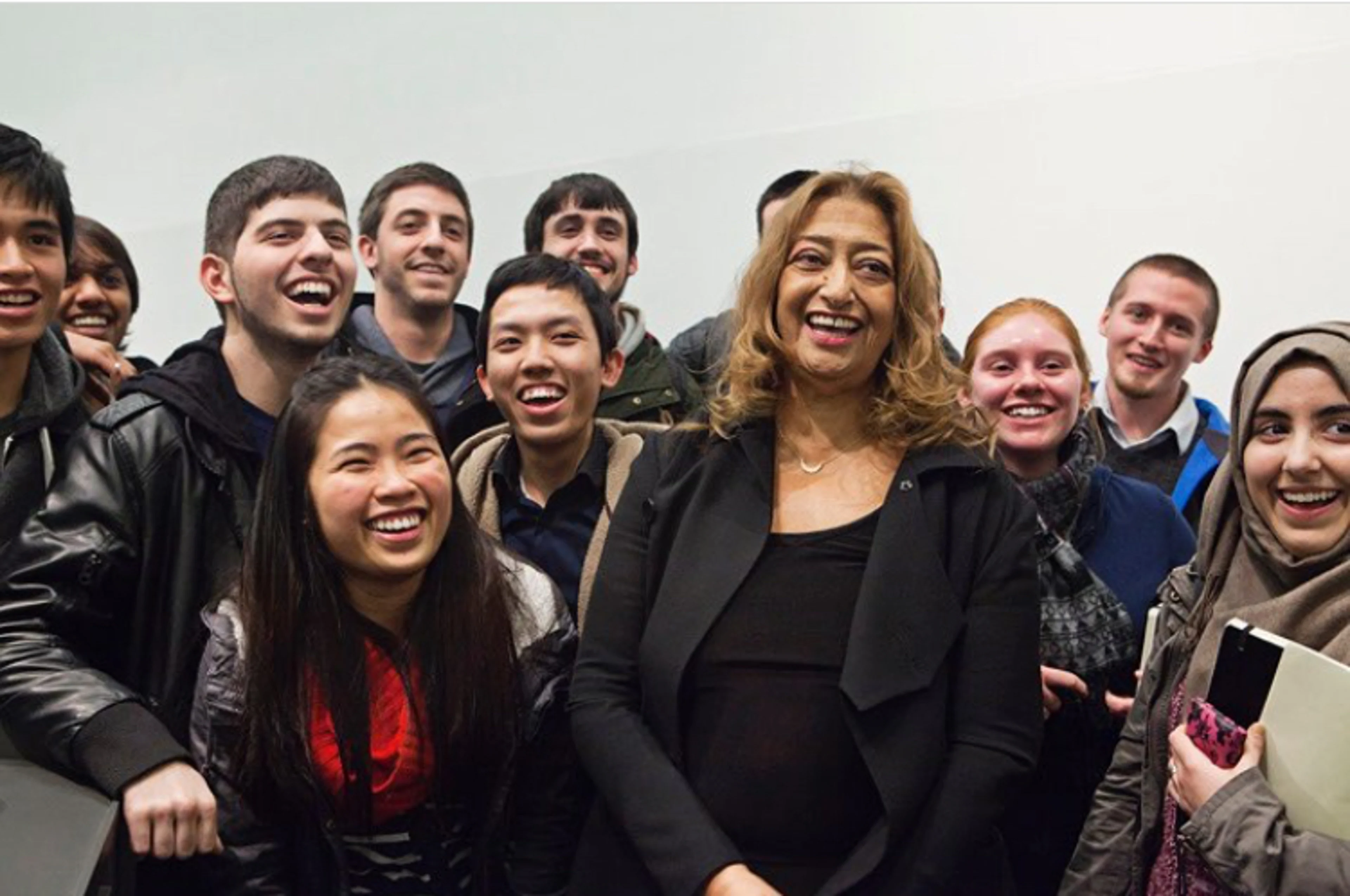
Zaha at Pierrievives in 2012
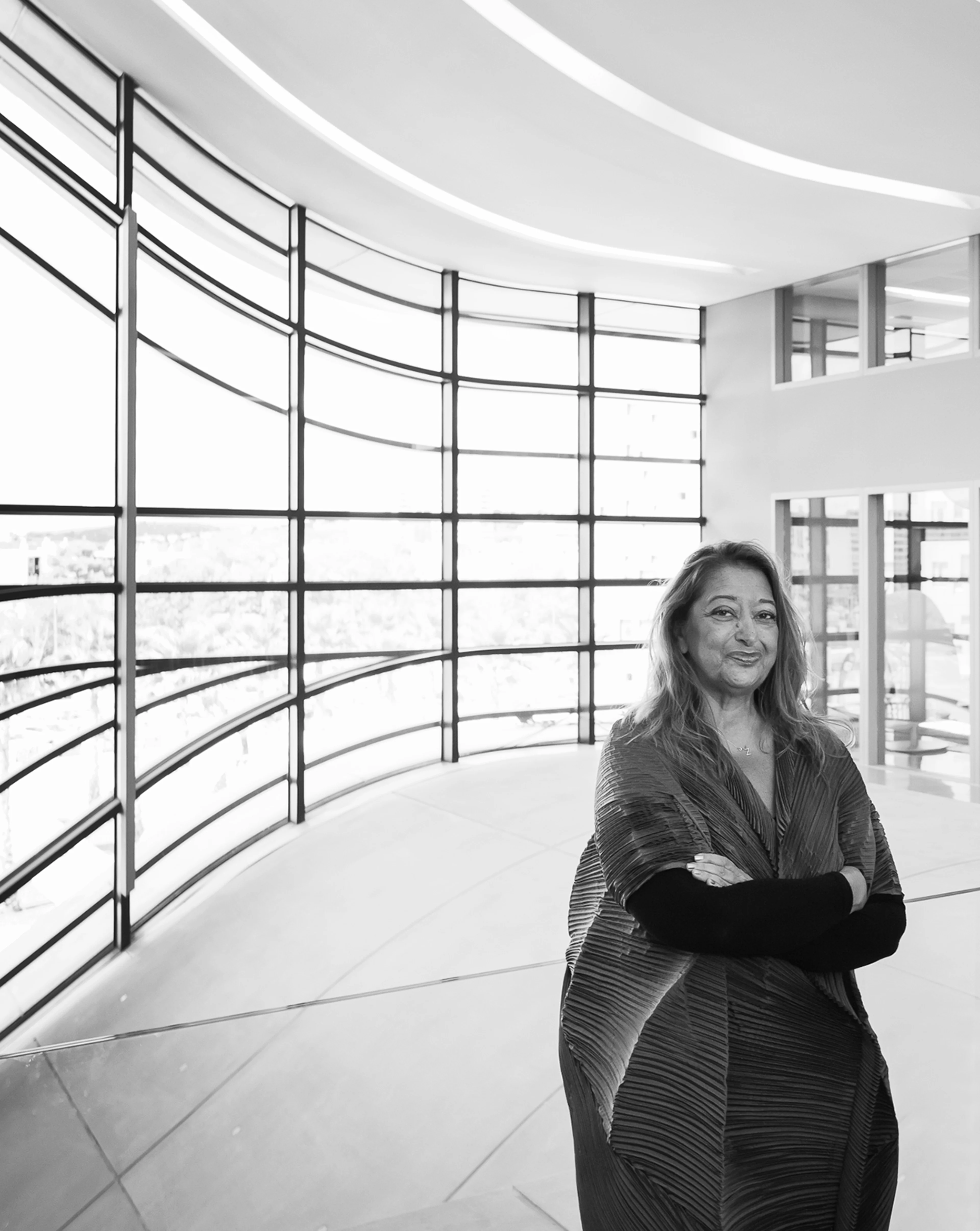
Luke Hayes
Zaha at Pierrievives in 2012
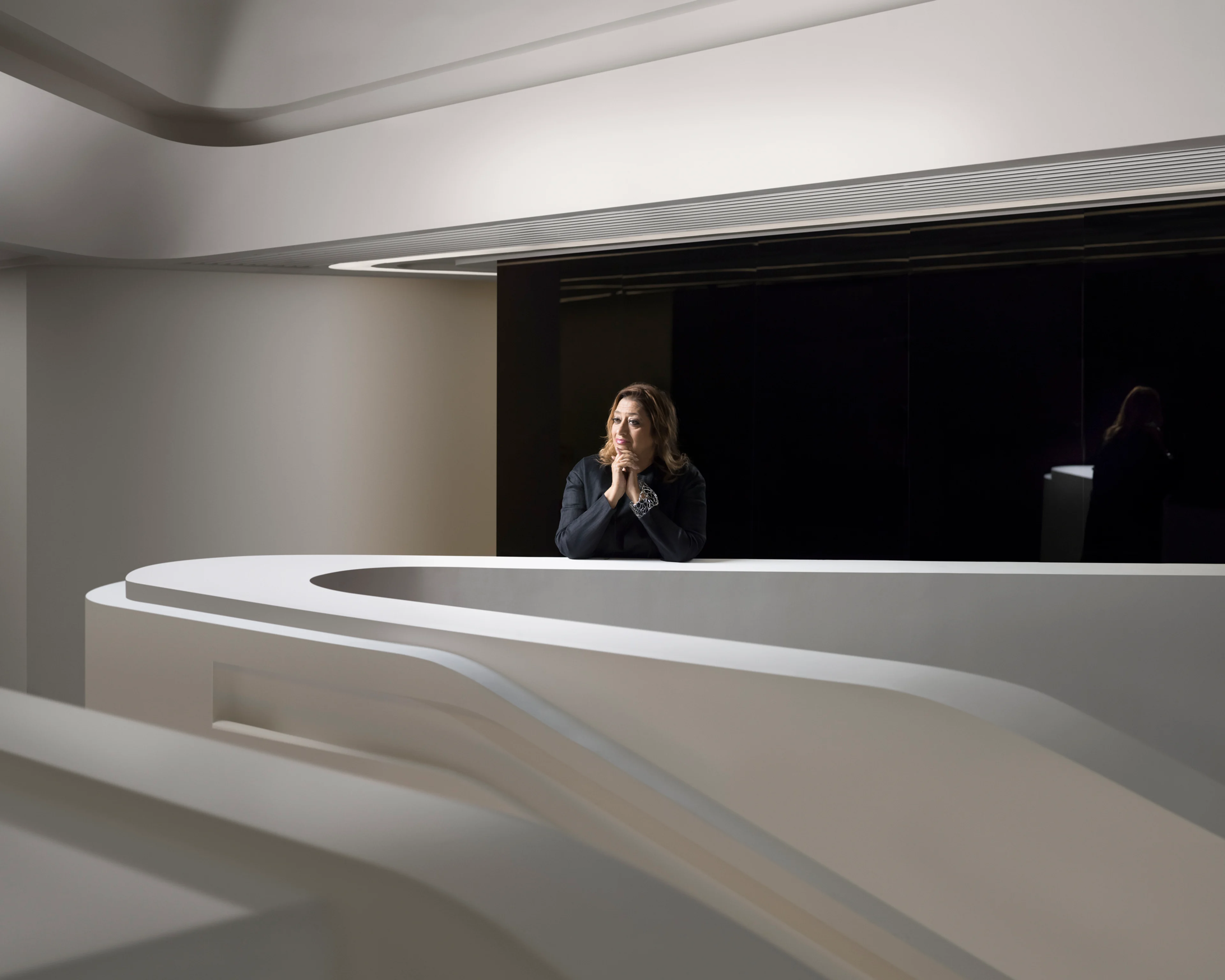
Virgile Simon Betrand
Zaha, Jockey Club Innovation Tower
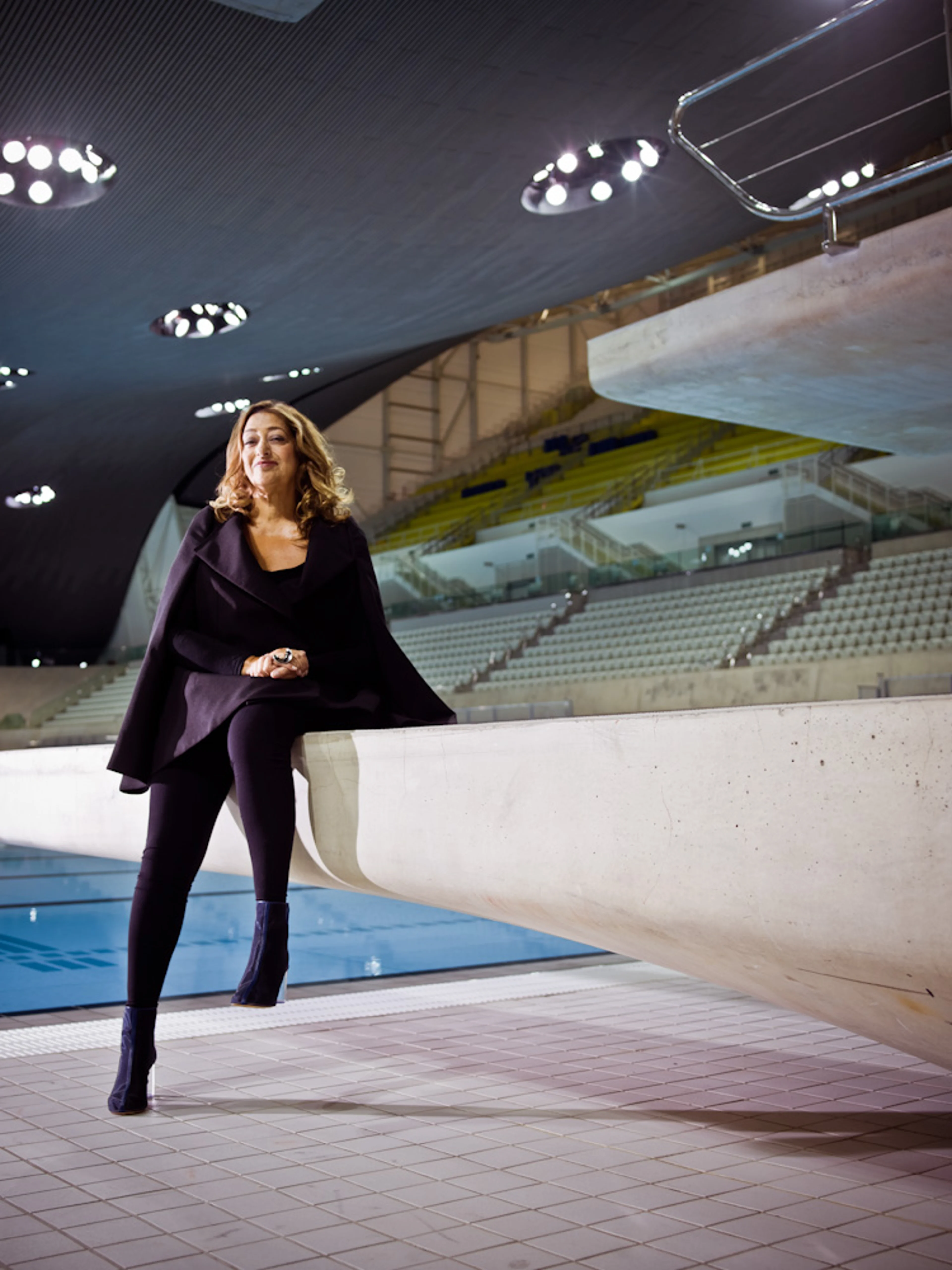
David Yeo
Zaha. London Aquatics Centre, 2012
01
02
03
04
05
06
07
An extraordinary life
Born in 1950, Zaha grew up in the new democracy of Iraq during an extraordinary moment of social reform. The ideas of change, liberation and freedom of this era were critical to her development. This unwavering belief in progress and a great sense of optimism is embedded within all her work.
Studying mathematics at the American University of Beirut before moving to London to train at the Architectural Association (AA), she went on to establish ZHA in 1979.
Influenced early in her career by the Russian avant-garde, especially the Suprematists, whose radical new ideas to re-engage and revitalize society she so championed, Zaha set out to build their revolution.
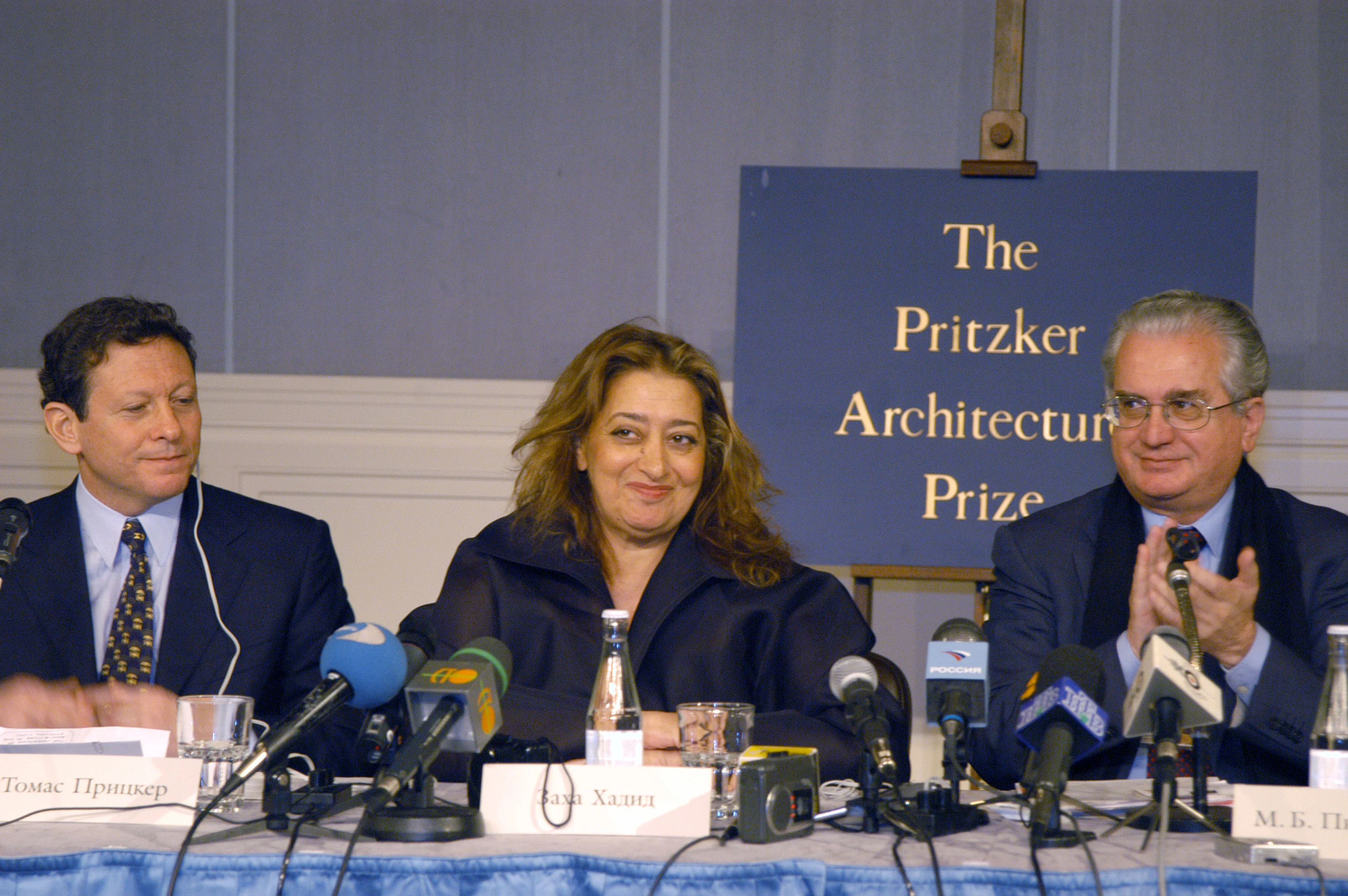
Zaha’s contribution to the architecture was acknowledged by many of the world’s leading academic and civic institutions including being the first women to receive the Pritzker Architecture Prize and RIBA Royal Gold Medal. She was also awarded the ‘Praemium Imperiale’ by the Japan Art Association, the ‘Commandeur de l’Ordre des Arts et des Lettres’ by the Republic of France and named a Dame by Queen Elizabeth II.
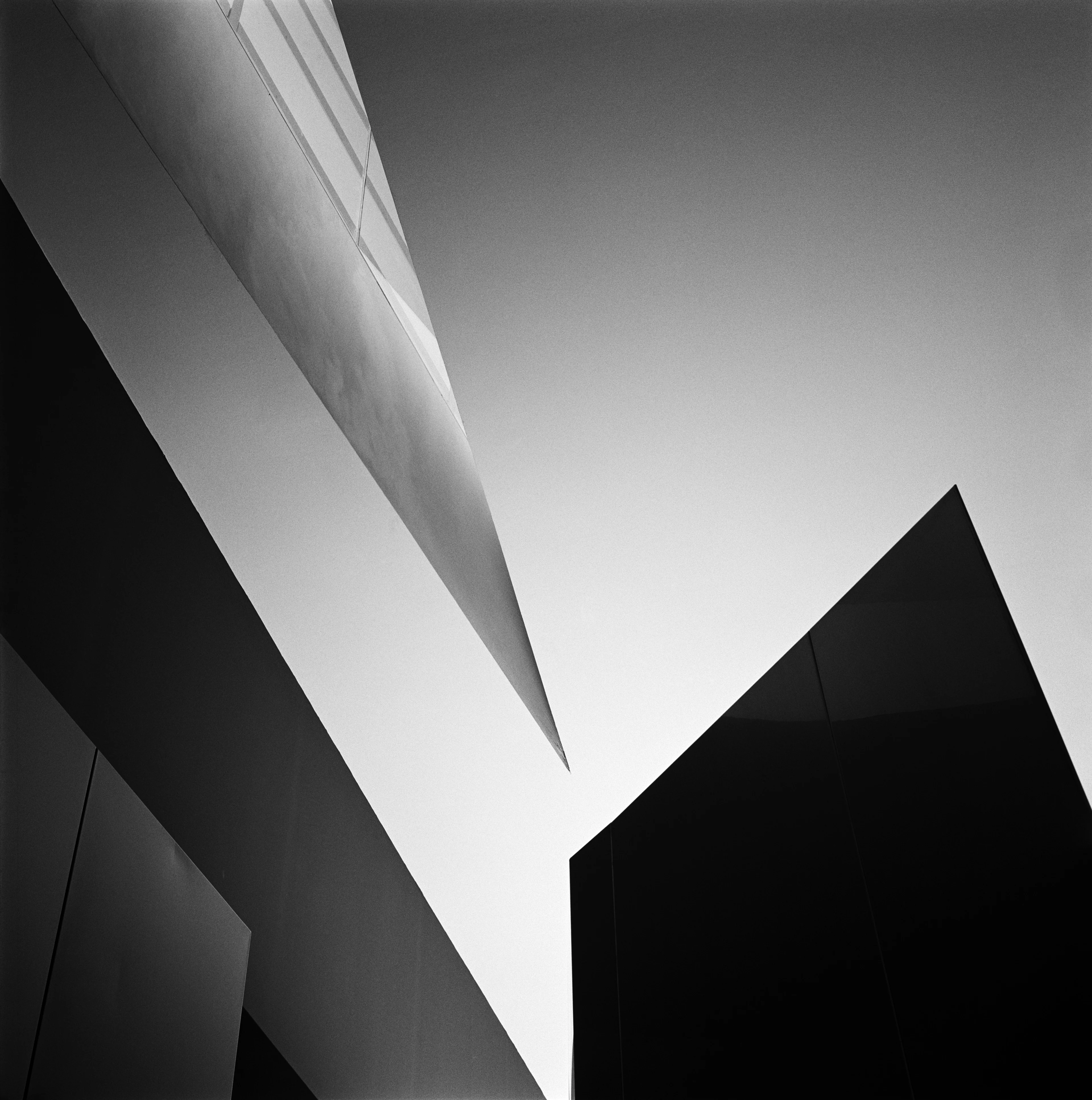
Photograph by Hélène Binet
Postcard for 1878 Prima Swarovski Postcard Selection
A groundbreaking practice
The evolution of Zaha’s work demonstrated a consistent desire to question and innovate. Zaha did not write manifestos. She built them. Theory is inscribed implicitly in her designs, and a reading of her works yields an understanding that the quest for beauty alone was not her modus operandi. The work is beautiful, and beauty may account for its strong and seductive urban presence, for its hold on the eye. But beauty does not account for its importance or virtuosity.
Her work is not simply formalist. Its beauty and virtuosity are married to meaning. This architecture broke social ground with its democratic attitude, offering generous expanses of articulated public space inside and out; accessible and civic, while inviting exploration within. In each of Zaha’s projects, there is a sense of ceremony. Zaha always cultivated the civics of public space, their majesty celebrates public gathering, civic forum and movement.
And then there is the raw physics of Zaha’s work. The success of her architecture is not a result of size and bombast, but the power to enthuse and inspire. The spectacle is not hollow but activist, engaging the senses and inciting the imagination. These are buildings with great subjective appeal.
To be wonderful, a wonderland cannot look strained. Zaha’s genius was that the architecture and engineering maintain visual levity throughout, with no lapse in tone. Though often heroic as structure, Zaha’s designs themselves do not privilege structure as a subject or a leading issue, which enabled her to shift the buildings from a static to a visually dynamic reading.
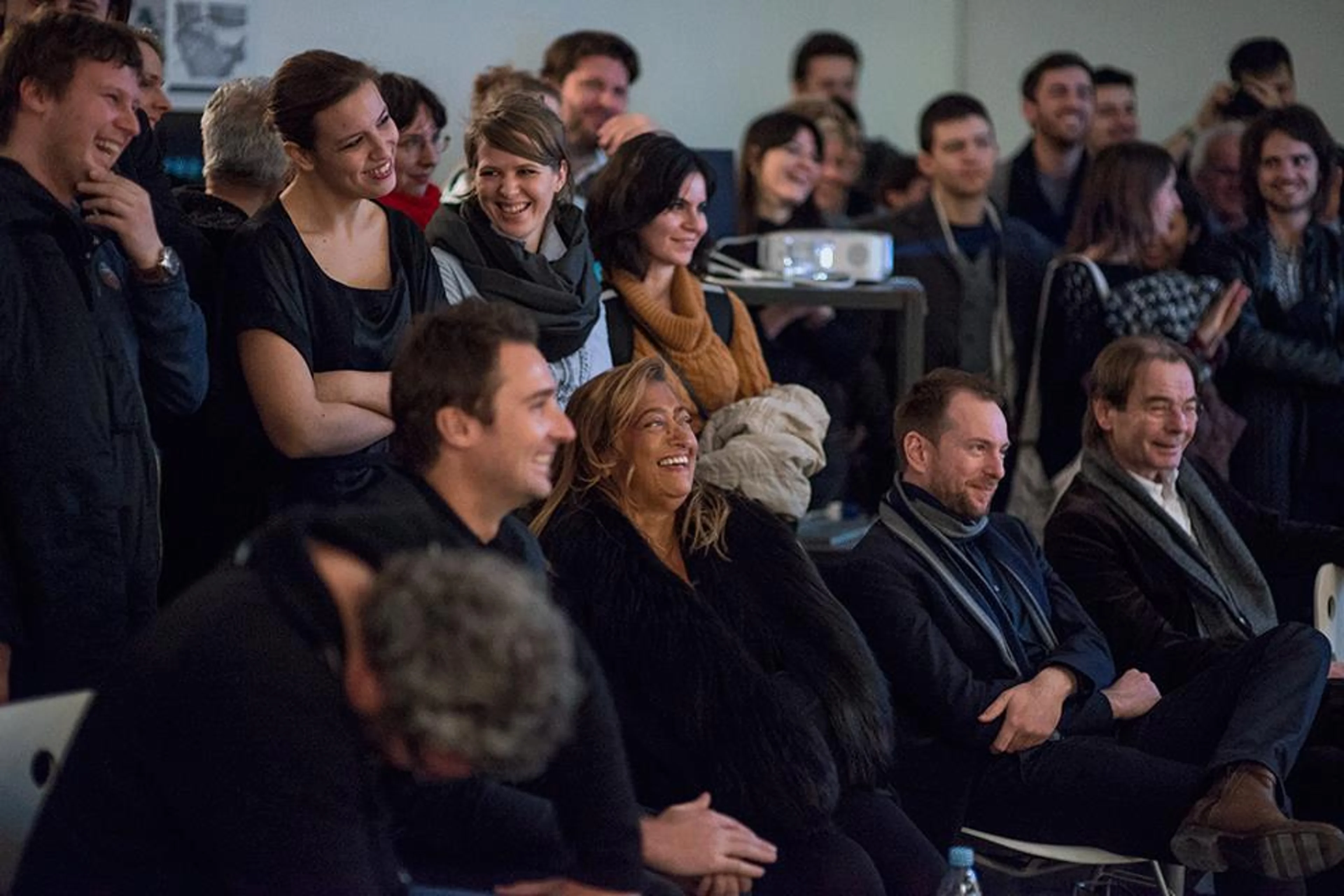
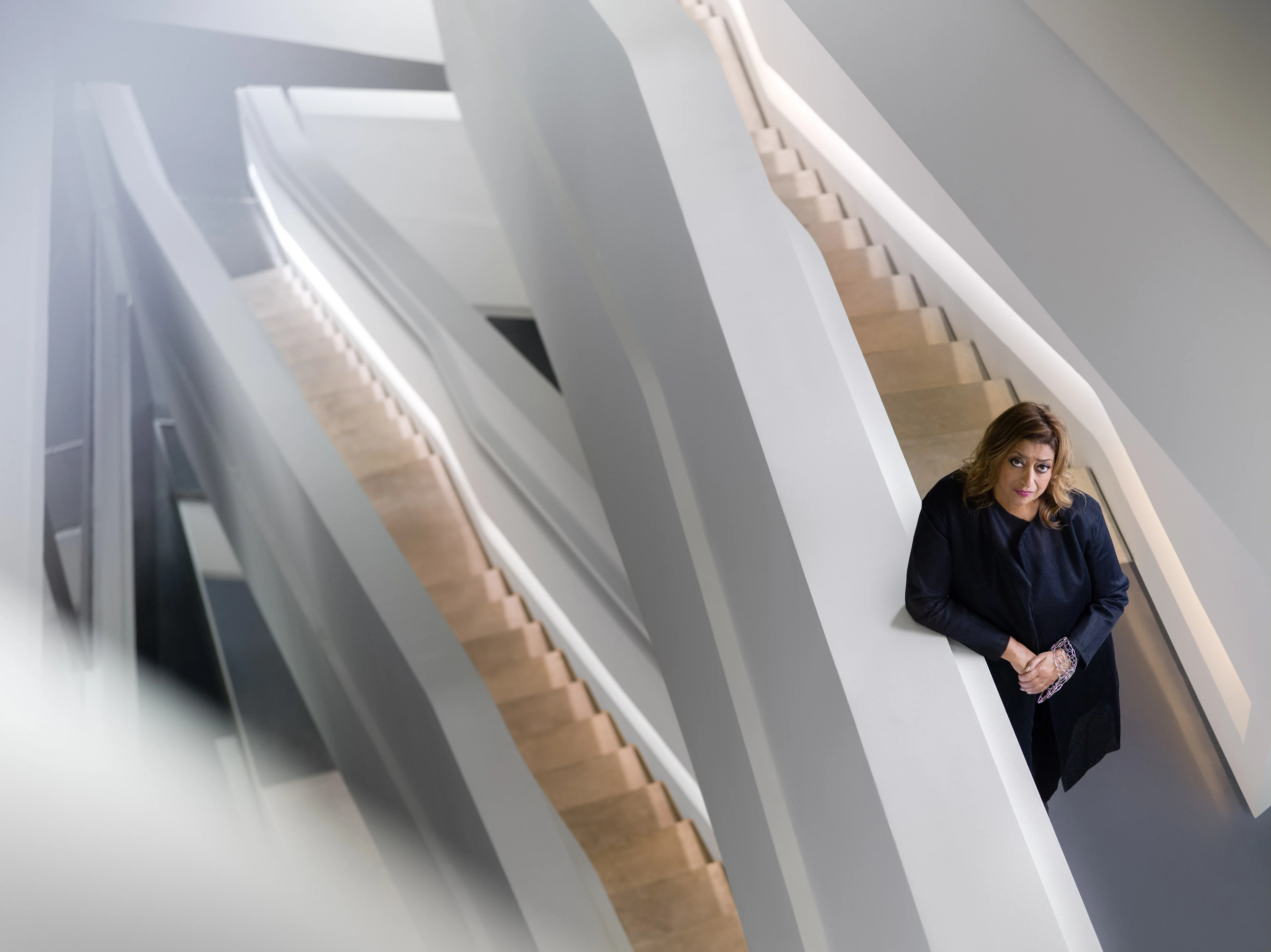
Zaha, Vienna Studio, 2013
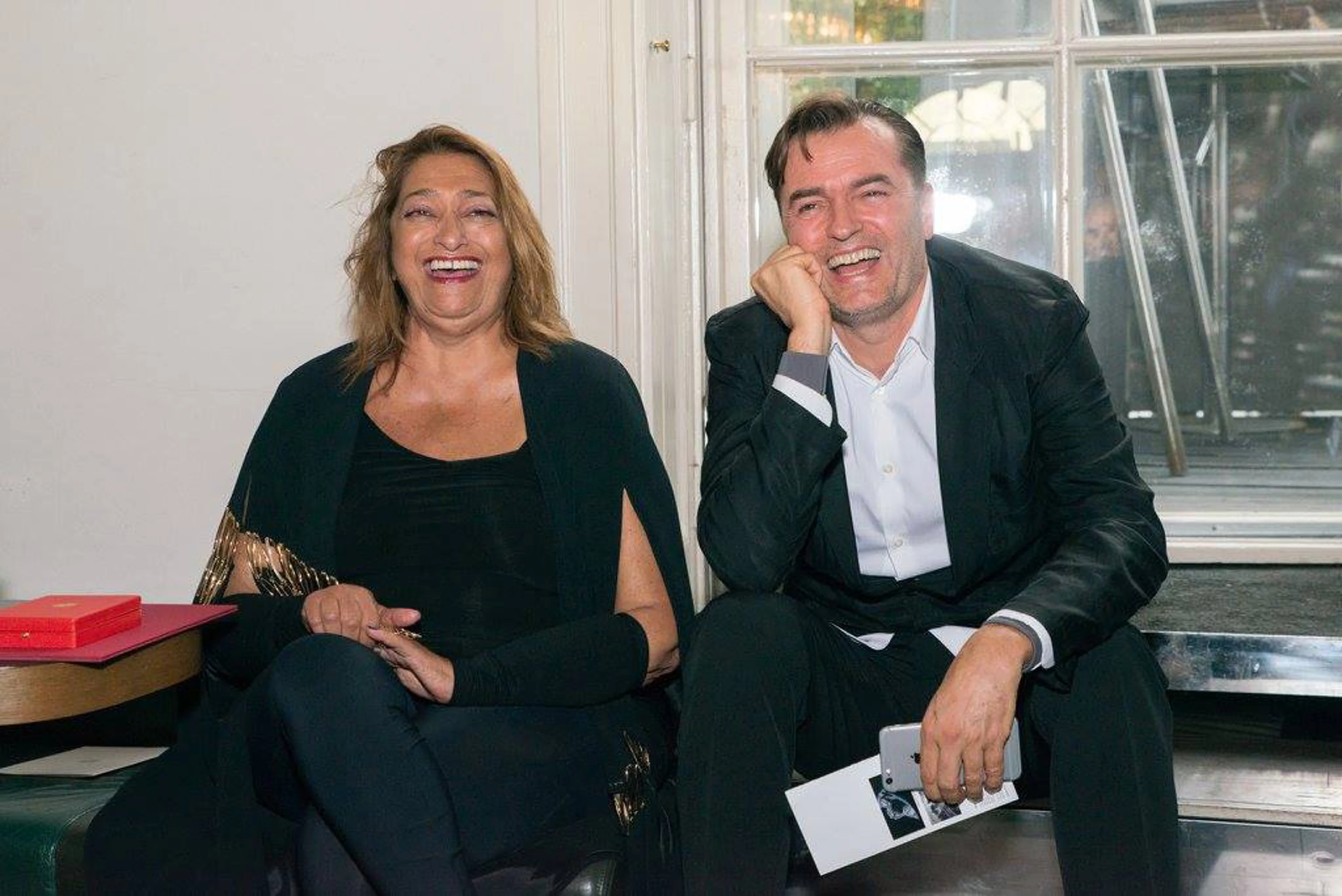
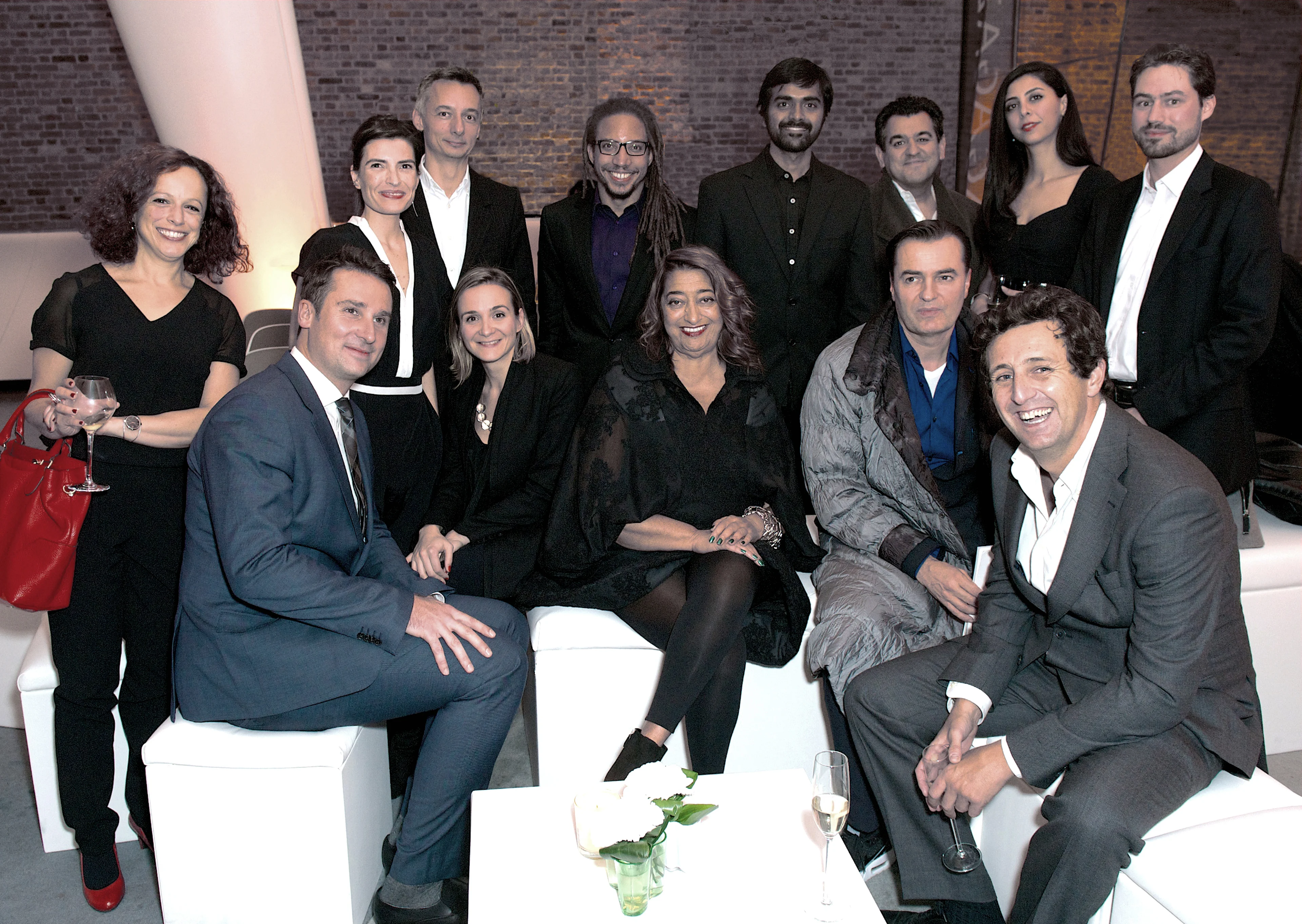
Zaha & Patrik, Vienna Studio, 2015
01
02
03
04
05
06
07
A global legacy
A masterpiece would seem to be a masterpiece, an absolute without degrees of excellence. But Zaha was unusual, producing architectural masterpieces with alarming regularity. Just when we thought the designs couldn’t get more masterful, she, along with her team at ZHA, delivered another pioneering design — ambitious and lyrical, delicate and robust, refined and powerful.
As they opened, each building took its place in architectural history as a signal event, for its virtuosic construction, its architectural ideology, and its sheer magnetic presence. But these buildings, despite their fanatic scope and sweep, also posit a notable, societal reference.
If a culture can be extrapolated from the architectural posture represented by Zaha’s designs, it is freer and more spirited; applied with a light touch as well as principled discipline. Her projects were an embodiment of an enlightened philosophical framework, their open forms promise to help open and engage local cultures by an act of attraction rather than imposition.
Her clients commissioned buildings, and Zaha and her team met the programs. But they also read between the lines and exceeded each brief by consistently delivering an unwavering optimism for the future and the shared aspirations of a new era.
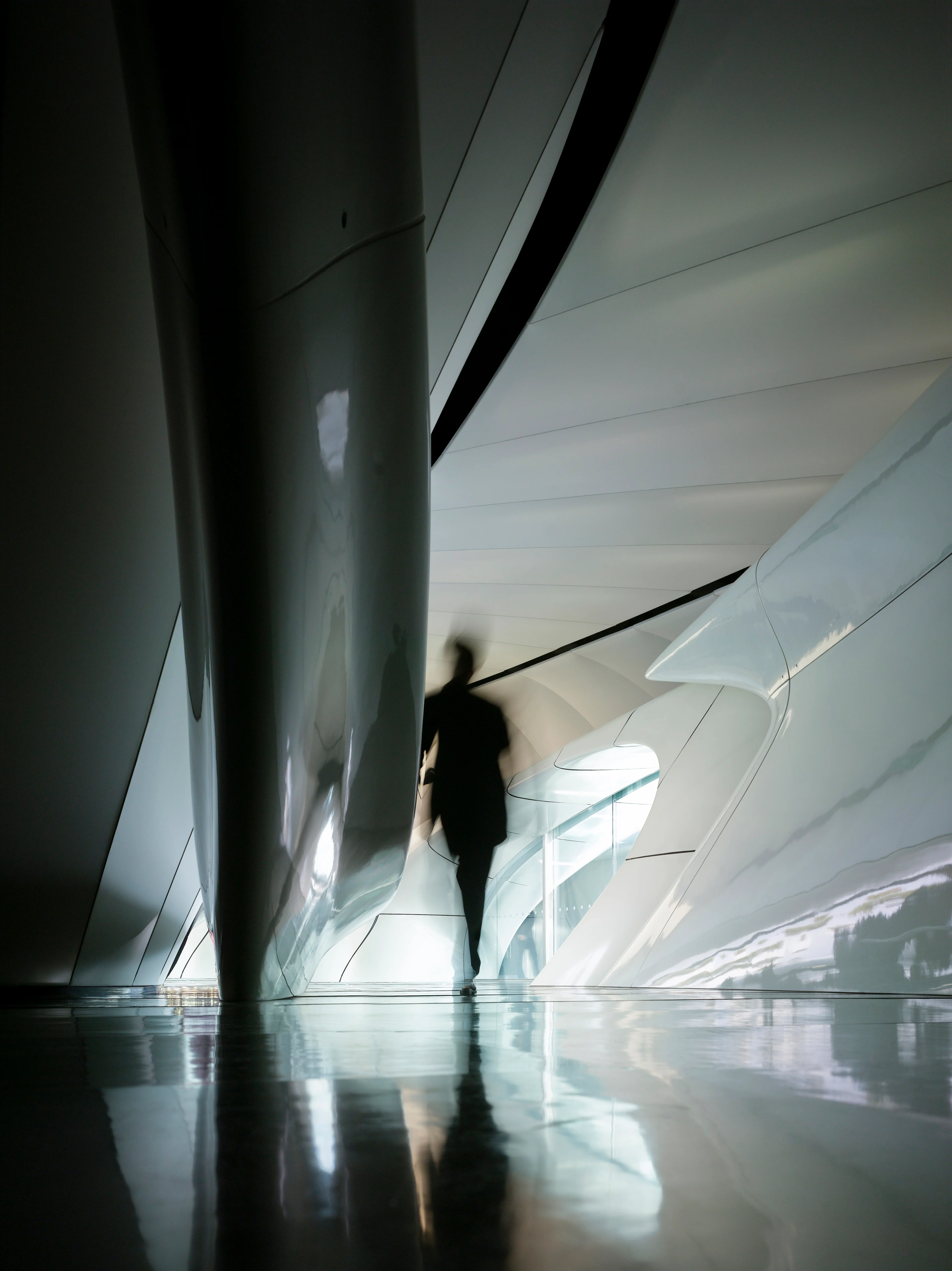
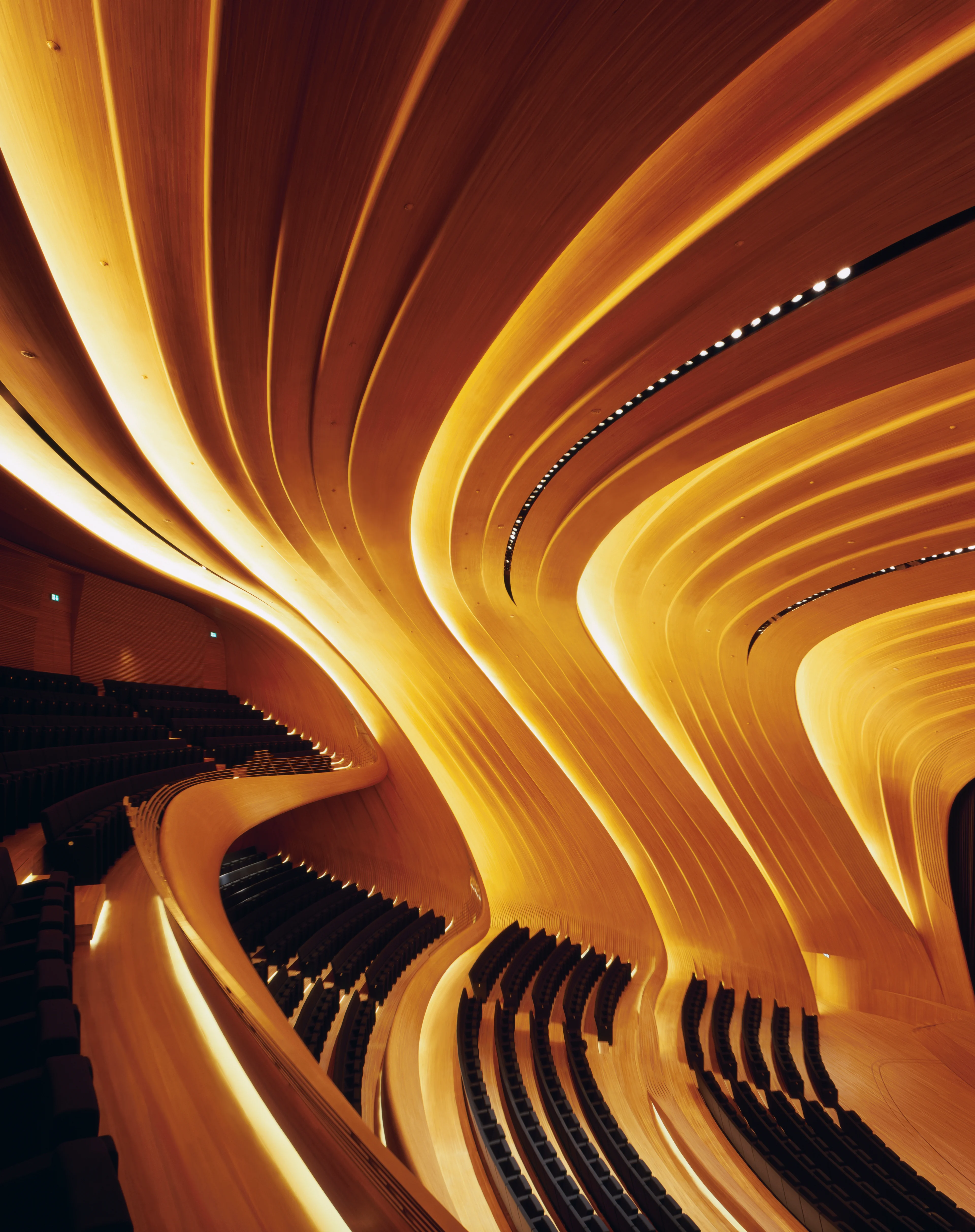
Photograph by Hélène Binet
Projects
Explore our projects
With more than 70 award-winning completed buildings and over 80 projects in development, ZHA’s dedicated team of 500 talented professionals work with passion and commitment to honour Zaha’s legacy.