
Lead Designer
BArch, Dip Arch, CertHE
London, UK
José Navarrete Deza

Photograph by Frederic Aranda ©
About José
Courtesy of ZHA, render by Negativ
Profile
José brings a versatile approach to projects of varying scales and contexts, ensuring efficient and tailored solutions that align with client needs. He actively promotes technological advancements and develops scripting tools to streamline workflows, advising teams on ways of enhancing project outcomes and improving efficiency.
Prior to joining ZHA, José worked in Peru, New York, and London, gaining experience across a diverse range of projects, from private residential homes to large-scale coastal developments, hotels, and airports.
Render by Negativ
Featured Projects
Key Projects
From repurposing an existing shipping warehouse built in 1960 into a new 20,000 sq. m ferry and cruise ship terminal in Latvia, to an International Scientific Research Centre in Tahskent, discover highlights of José's notable projects at ZHA.
Education & Professional Philosophy
José earned his Bachelor of Architecture (Honours) from the University of Sheffield, with periods studying in Peru and Australia. He completed his Diploma in Architecture from the Architectural Association (AA) in London and a Certificate of Higher Education in Philosophy from the University of Cambridge. He has taught software workshops and led tutorial sessions for students at institutions such as the AA and UCL.
José is passionate about the arts, especially when it explores the human anatomy through drawing, painting, and sculptural forms. He also has interest in the philosophy of ethics, aesthetics, and the human conditions, which gives him a broader perspective that informs his approach to design and problem-solving.
Projects
Selected Projects
Explore a selection of projects José has contributed to since joining ZHA.
Courtesy of ZHA, render by Negativ
Transport + Infrastructure
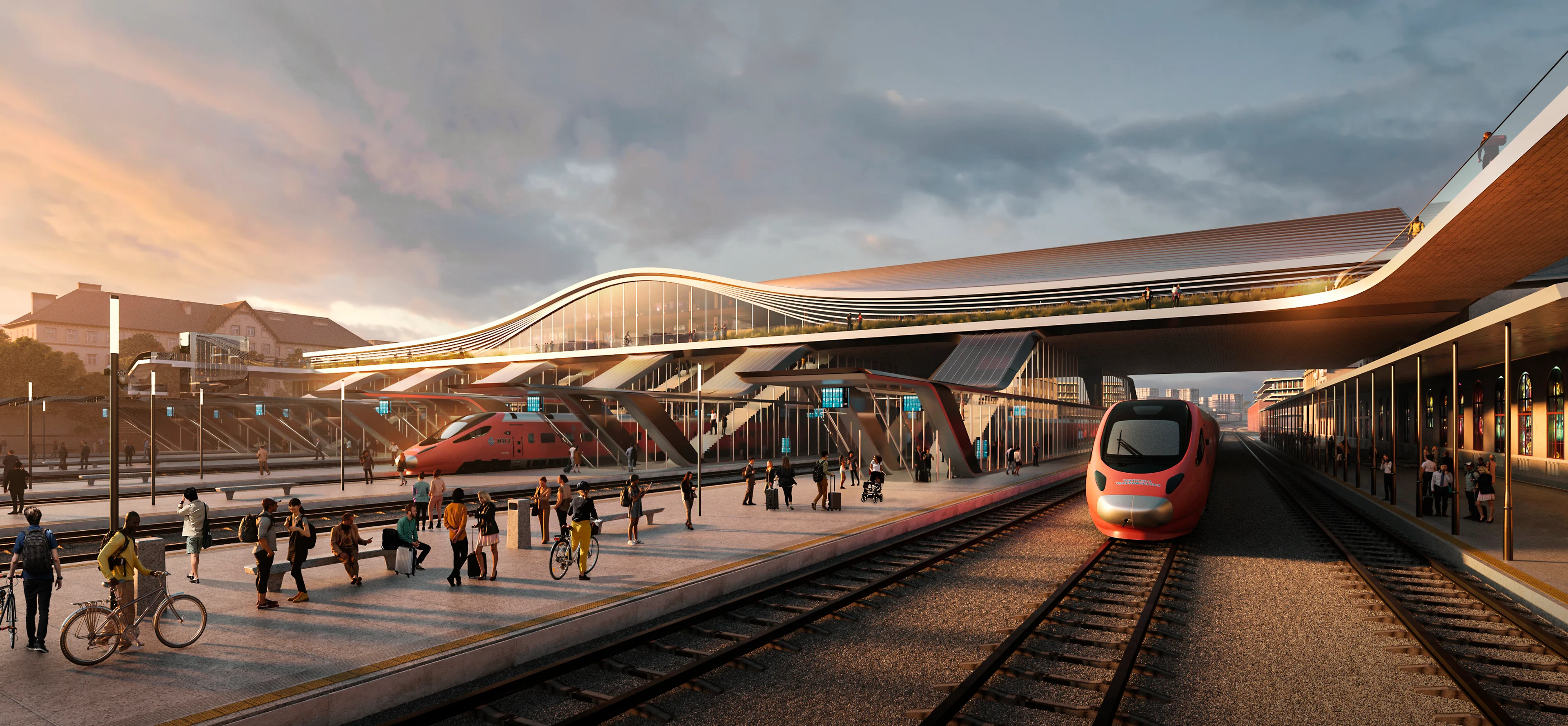
Vilnius Railway Station
ZHA’s ‘Green Connect’ proposal for Vilnius Railway Station creates an integrated transportation hub for the 21st century with new civic spaces enveloped by nature
Offices
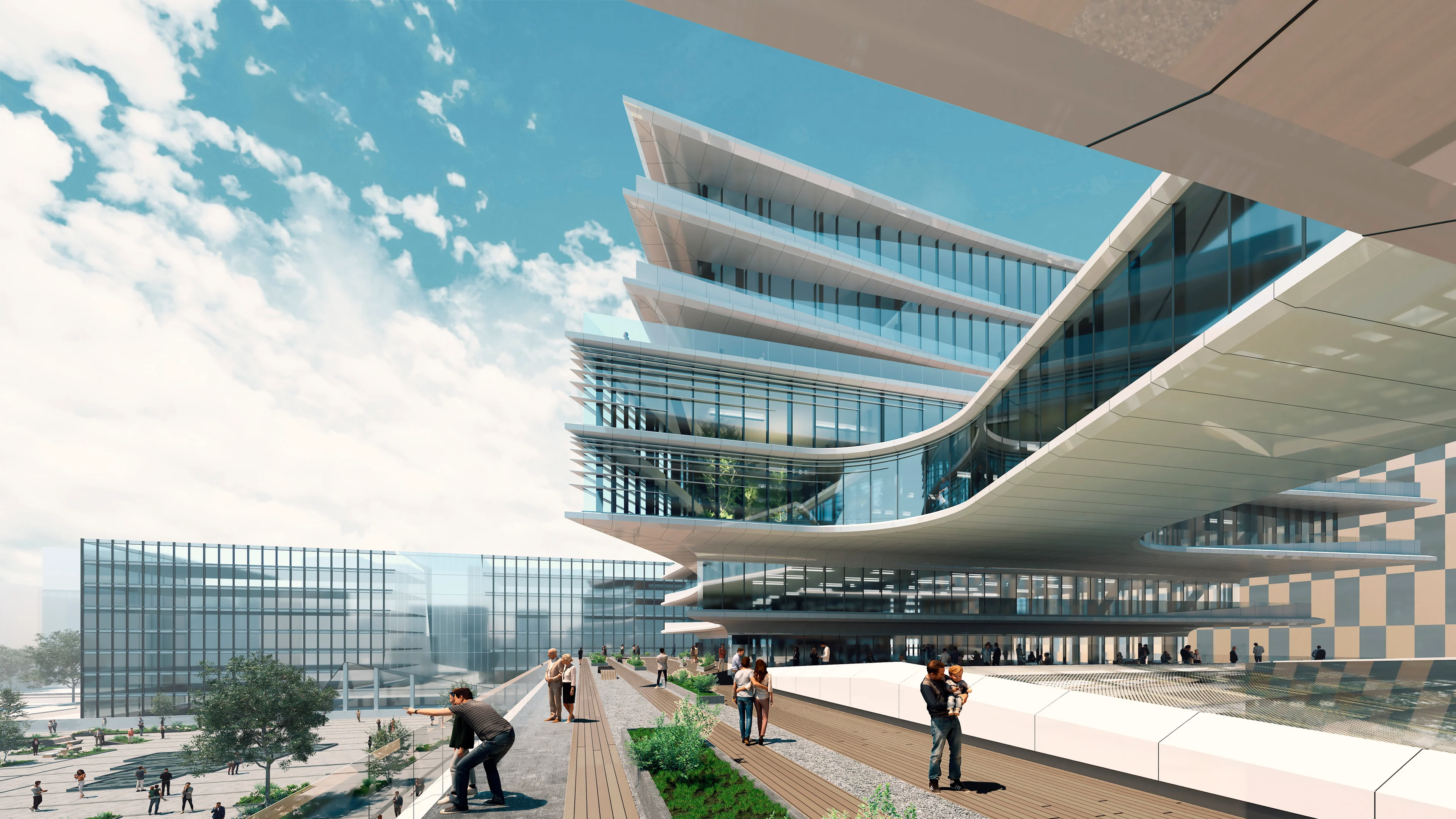
Vilnius Business Stadium
Integrated within the Vilnius City Plan and the popular public square adjacent to the site, Business Stadium Central will be a new gathering place for the city.
Courtesy of ZHA
Products
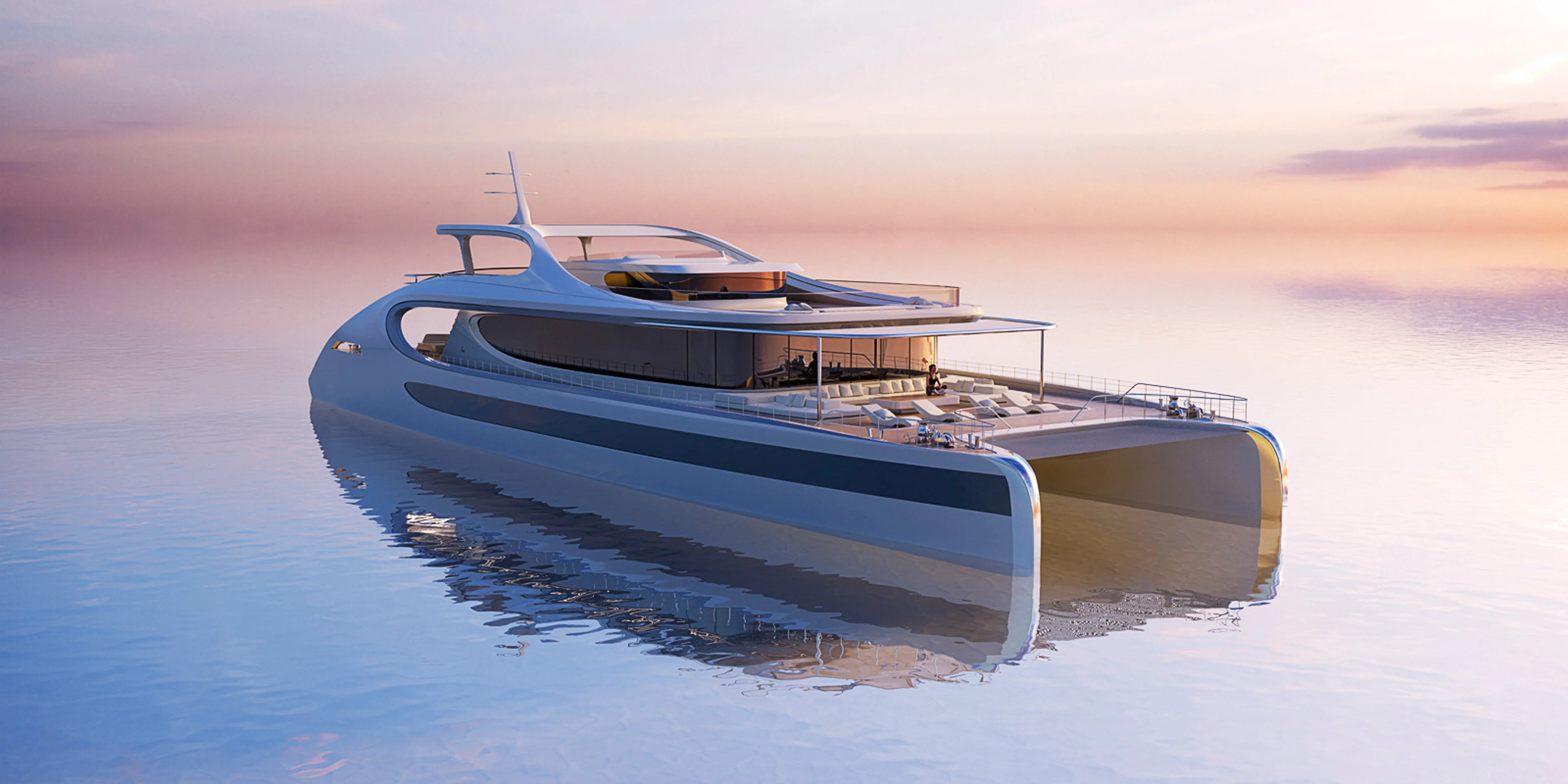
Oneiric Catamaran
The new Oneiric catamaran concept is Rossinavi’s green-technology flagship featuring three levels of solar panels to allow for fully electric navigation and an AI-driven control centre to manage energy consumption and reduce environmental impact
Courtesy of ZHA
River View
Culture
Education
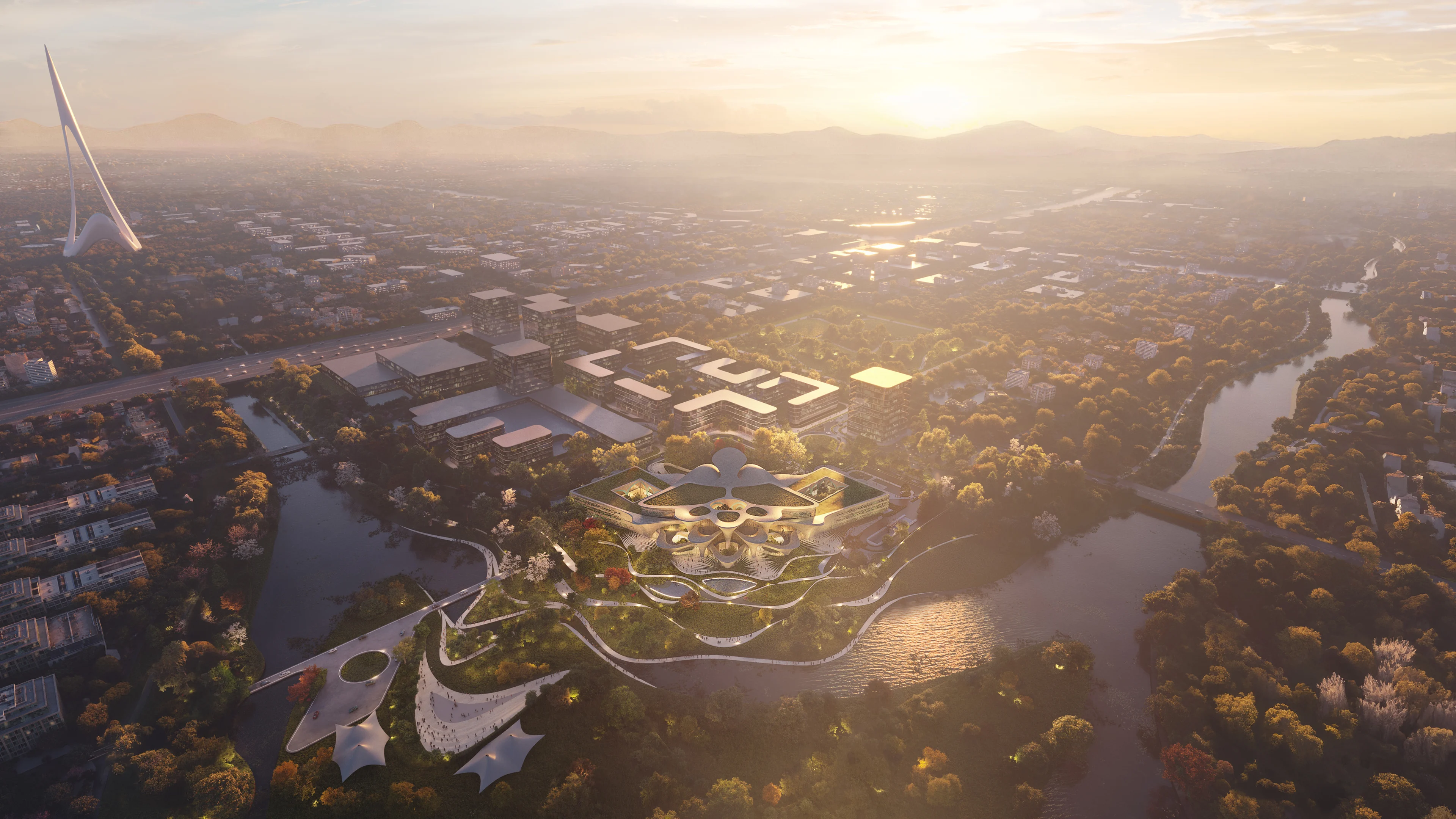
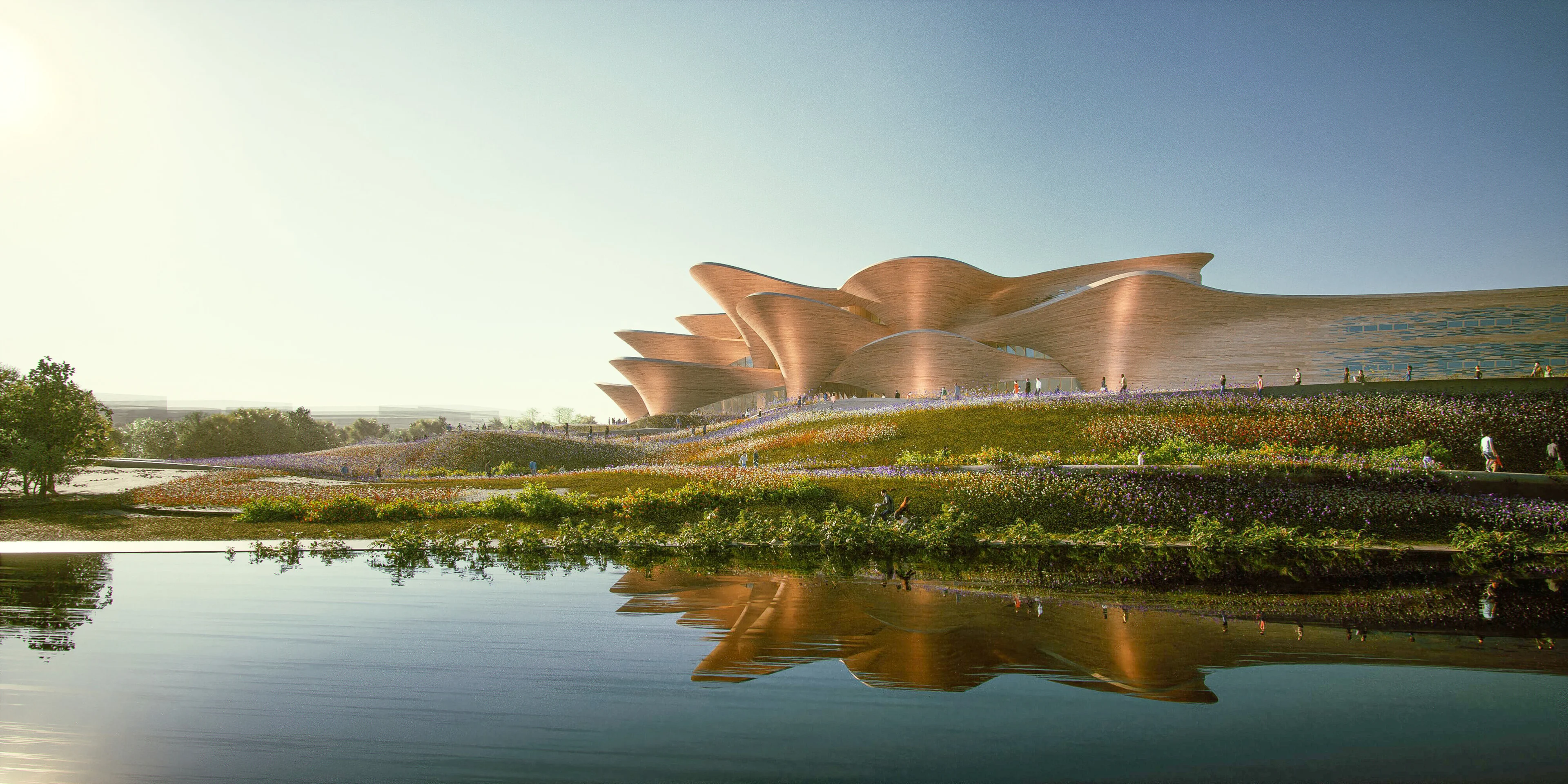
Alisher Navoi Institute
The Alisher Navoi International Scientific Research Centre will incorporate the Navoi State Museum of Literature, Auditorium, International Research Centre and School.
Render by Negativ
Transport + Infrastructure
Heritage + Regeneration
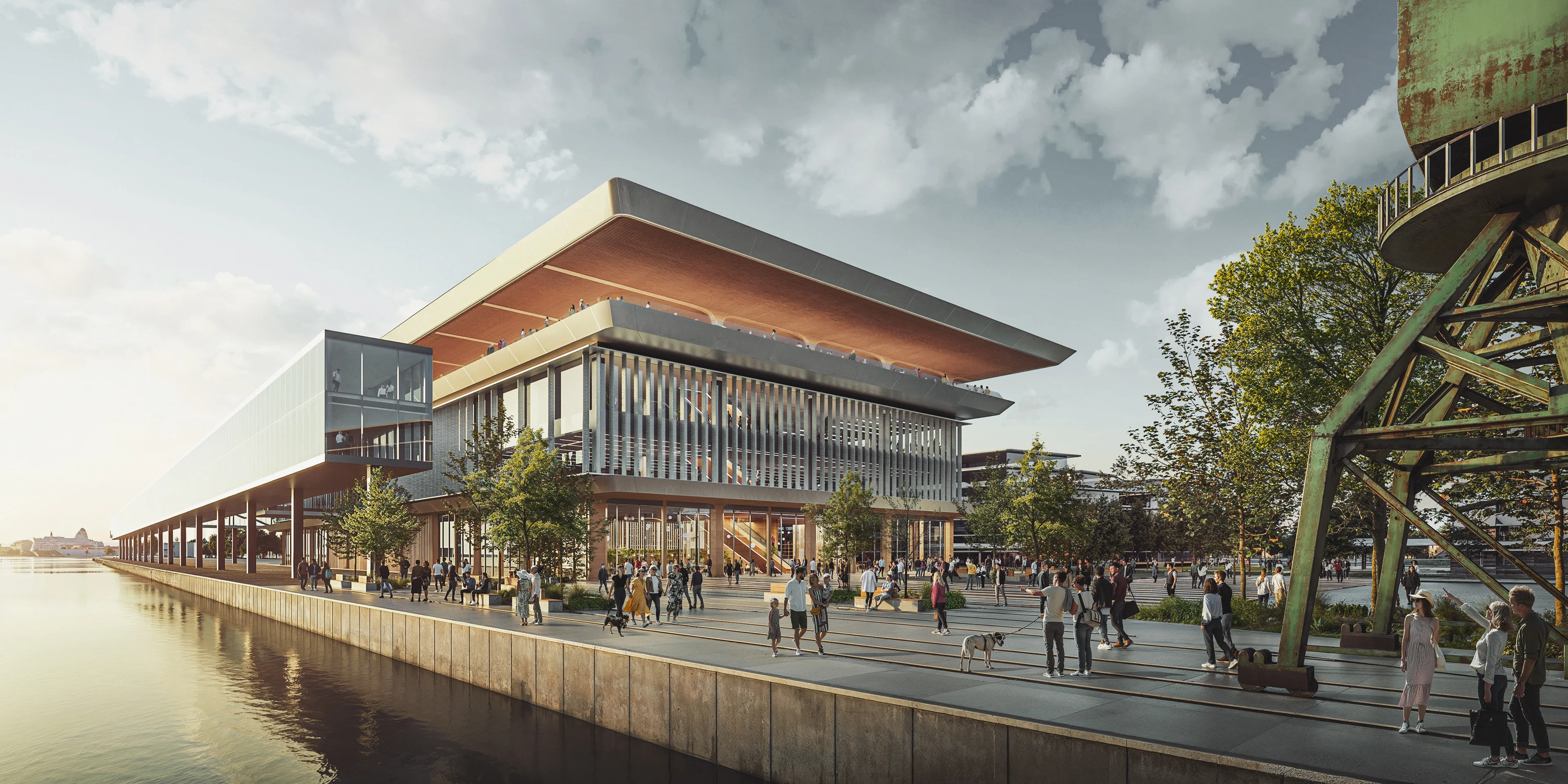
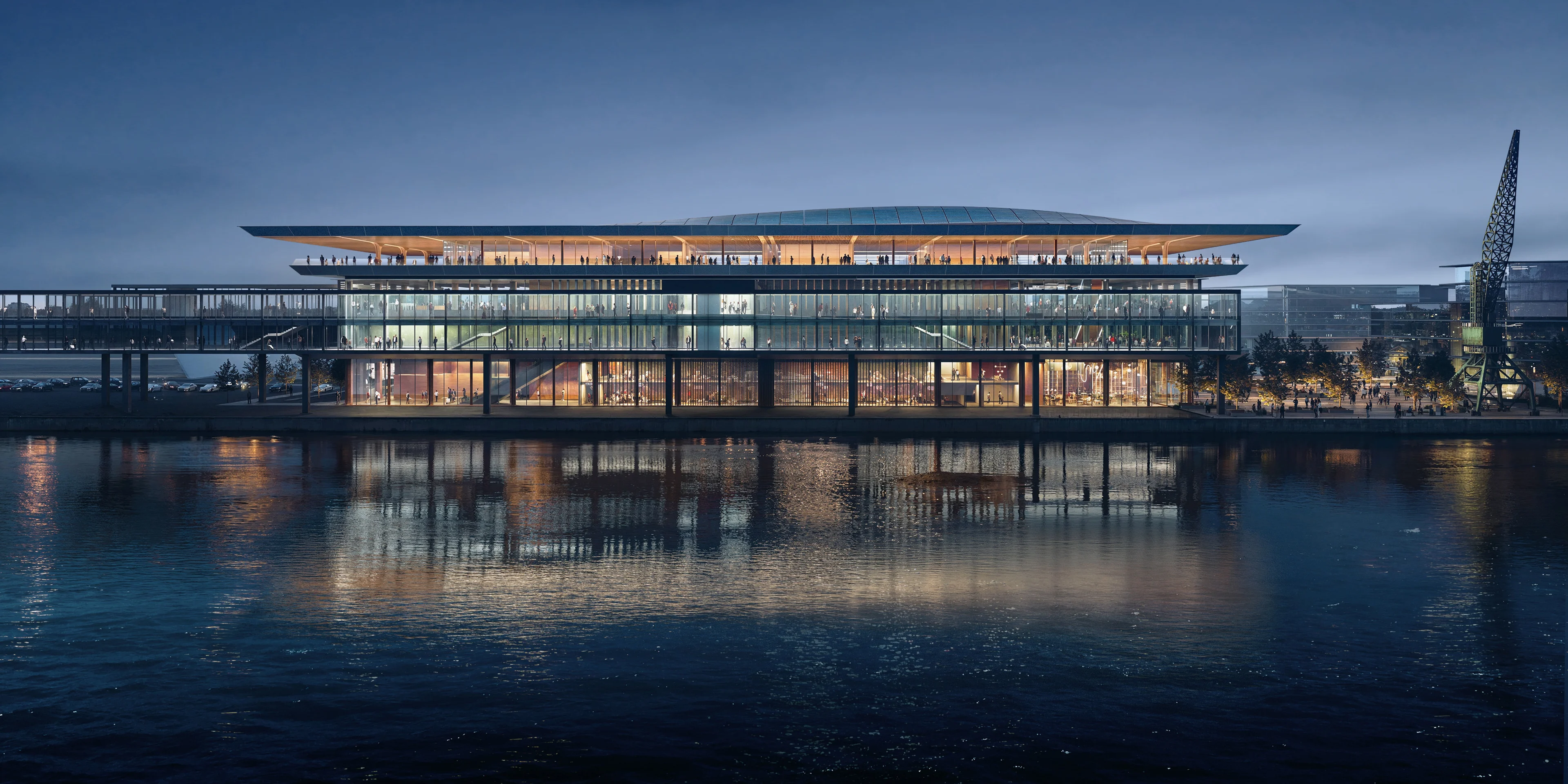
Ropax Ferry Terminal
Repurposing an existing shipping warehouse built in 1960 into a new 20,000 sq. m ferry and cruise ship terminal, ZHA’s design adds a fourth level to the structure to incorporate public terraces with panoramic views of the Daugava River and the skyline of Riga’s city centre, a designated UNESCO World Heritage Site.

Render by Negativ
Transport + Infrastructure
Rail Baltic Ülemiste Terminal
A multi-modal transport hub for the city’s commuters as well as international rail passengers and air travellers using the adjacent Tallinn Airport, the Ülemiste Passenger Terminal is designed as a connecting bridge linking together districts of Tallinn currently separated by the railway tracks that dissect the city.
Render by Negativ
Hospitality
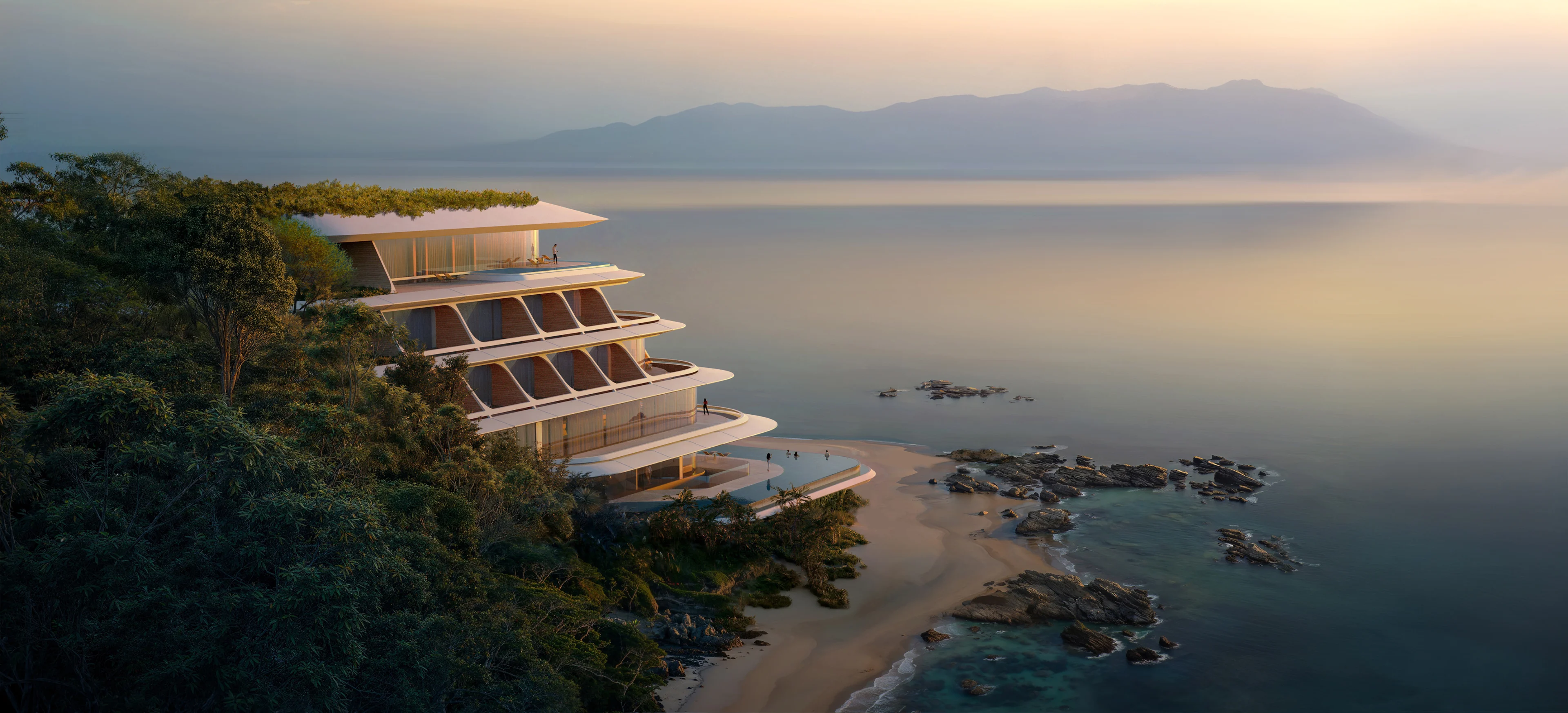
'vertex' hotel
NOT A HOTEL has launched its first hotel brands: HERITAGE by NOT A HOTEL reinterprets architectural heritage, such as temples and museums, through a contemporary sensibility. vertex by NOT A HOTEL embodies design at the intersection of architecture and technology.
01
02
03
04
05
06
07