
Senior Internal Consultant
BPhil, BArch, MArch, MPhil, RIBA, ARB
London, UK
Ken Bostock
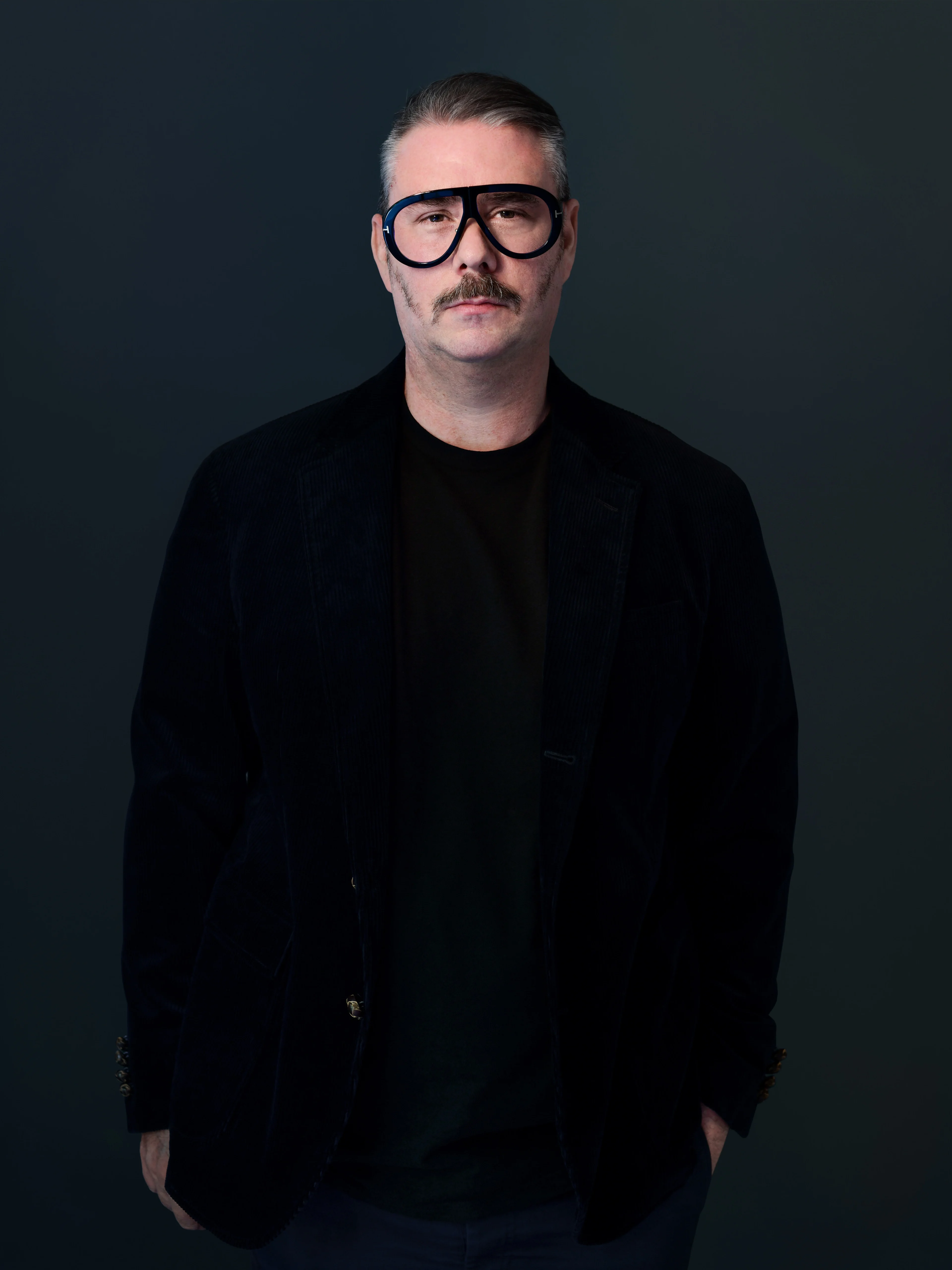
Photograph by Frederic Aranda ©
About Ken
Profile
Since joining ZHA in 2001, Ken has been central to the delivery of the Ordrupgaard Museum Extension in Denmark and played a pivotal role in the Investcorp Building of Oxford University’s Middle East Centre at St Antony’s College in the UK. He also contributed to the Phaeno Science Center in Germany and the RIBA Stirling Prize-winning MAXXI: National Museum of XXI Century Arts in Italy. He has focussed on cultural and educational projects in the UK, USA, and Scandinavia.
Ken leads ZHA’s internal knowledge-share programme and helped to establish the company's Learning & Resources platform which provides architects with access to technical and construction information. Certified in passivhaus and applying his decades of design experience, Ken helps to drive sustainable design principles across projects. As co-editor of the ZHA Journal, he plays a key role facilitating the sharing of project and cultural context across teams.
Prior to joining ZHA, Ken had an architectural practice in Mexico, followed by an internship at OMA in Rotterdamvand Farjadi Farjadi Architects in London.
Photograph by Luke Hayes
Featured Projects
Key Projects
From a museum extension redefined the relationships between the buildings gardens in Copenhagen to an extension facilitating the increasing demand for research and academic activities at the University of Oxford, discover highlights of Ken's notable projects at ZHA.
Photograph by Werner Huthmacher
Education & Professional Philosophy
Ken holds a Bachelor of Arts in Philosophy from the National Autonomous University of Mexico, a Bachelor of Architecture from the Ibero-American University (UIA) in Mexico, and a Bachelor of Philosophy from the New School of Social Research in New York. He earned his Master of Architecture and Urbanism from the Design Research Laboratory (DRL) and a Master of Philosophy from the Architectural Association (AA) in London. He has taught at the AA, the Royal Danish Academy of Fine Arts in Copenhagen, and the University of North London. A published author of several books, he has also engaged in curatorial and editorial work for magazines.
Ken’s early education in philosophy has shaped his approach to architecture.
Projects
Selected Projects
Explore a selection of projects Ken has contributed to since joining ZHA.
Culture
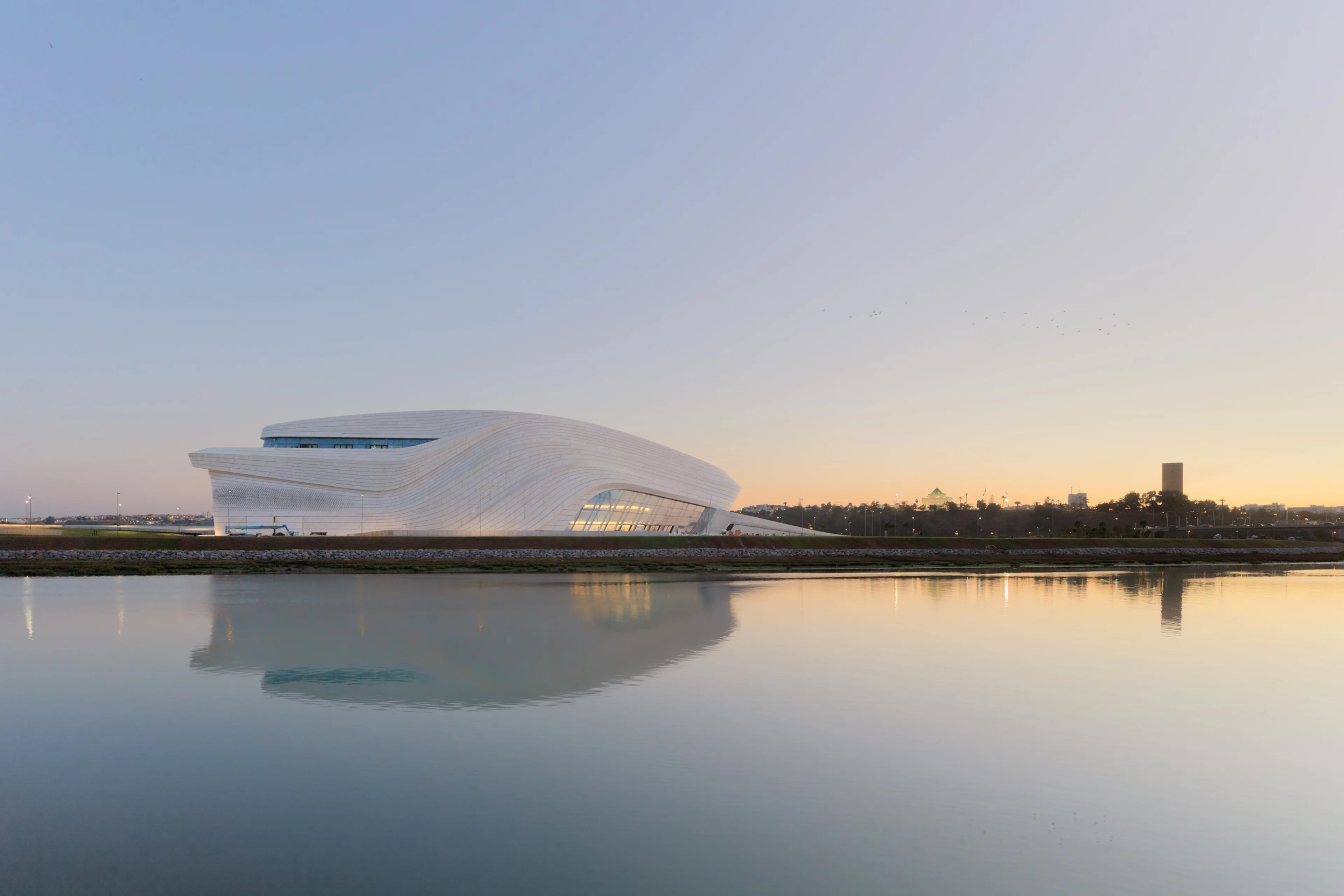
Théâtre Royal de Rabat
A fluid sculptural form inspired by the Bouregreg River between the ancient cities of Rabat and Salé. Incorporating an 1800-seat theatre, a 7,000 person amphitheatre and an experimental performance space.
Photograph by Roland Halbe
Culture
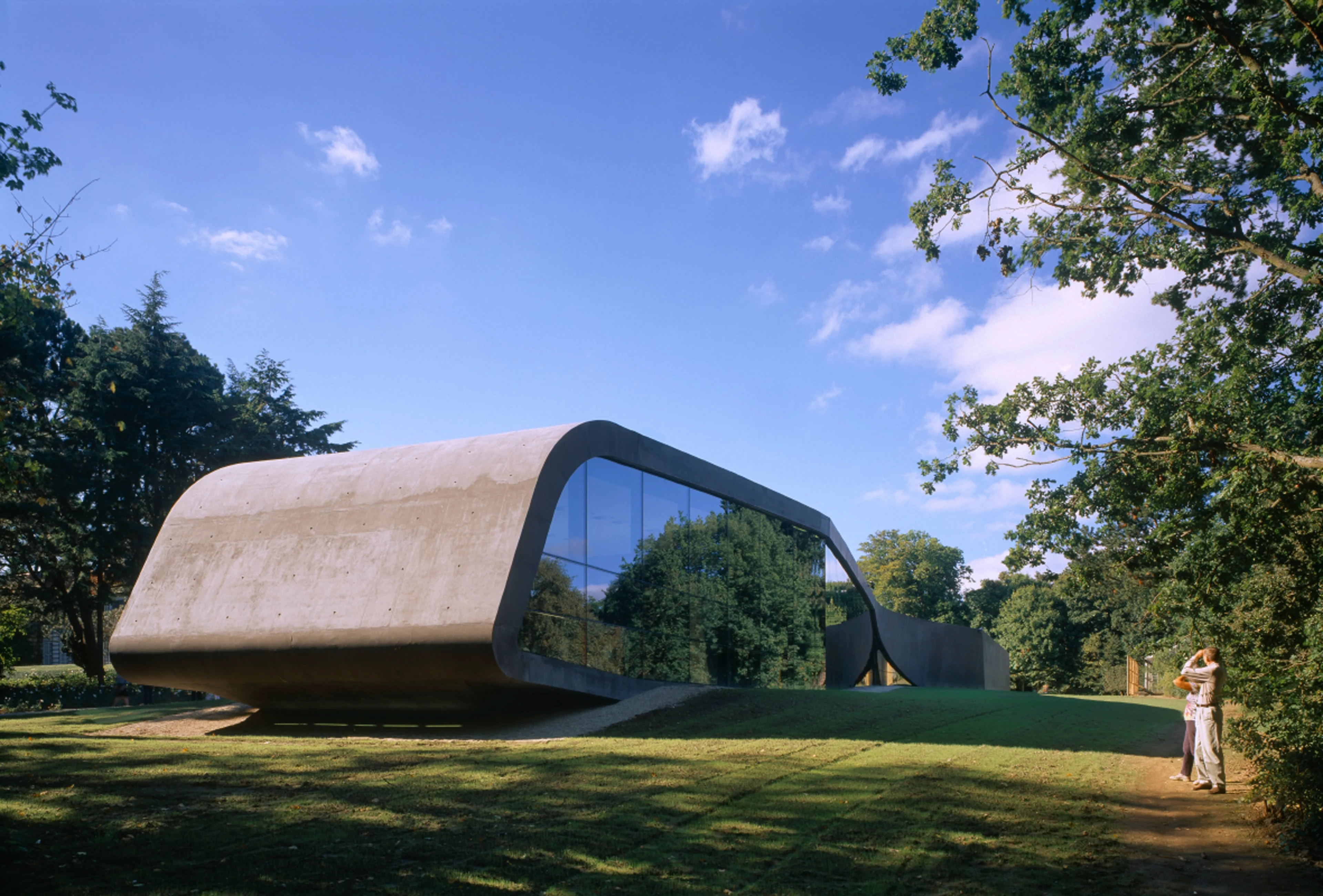
Ordrupgaard Museum Extension
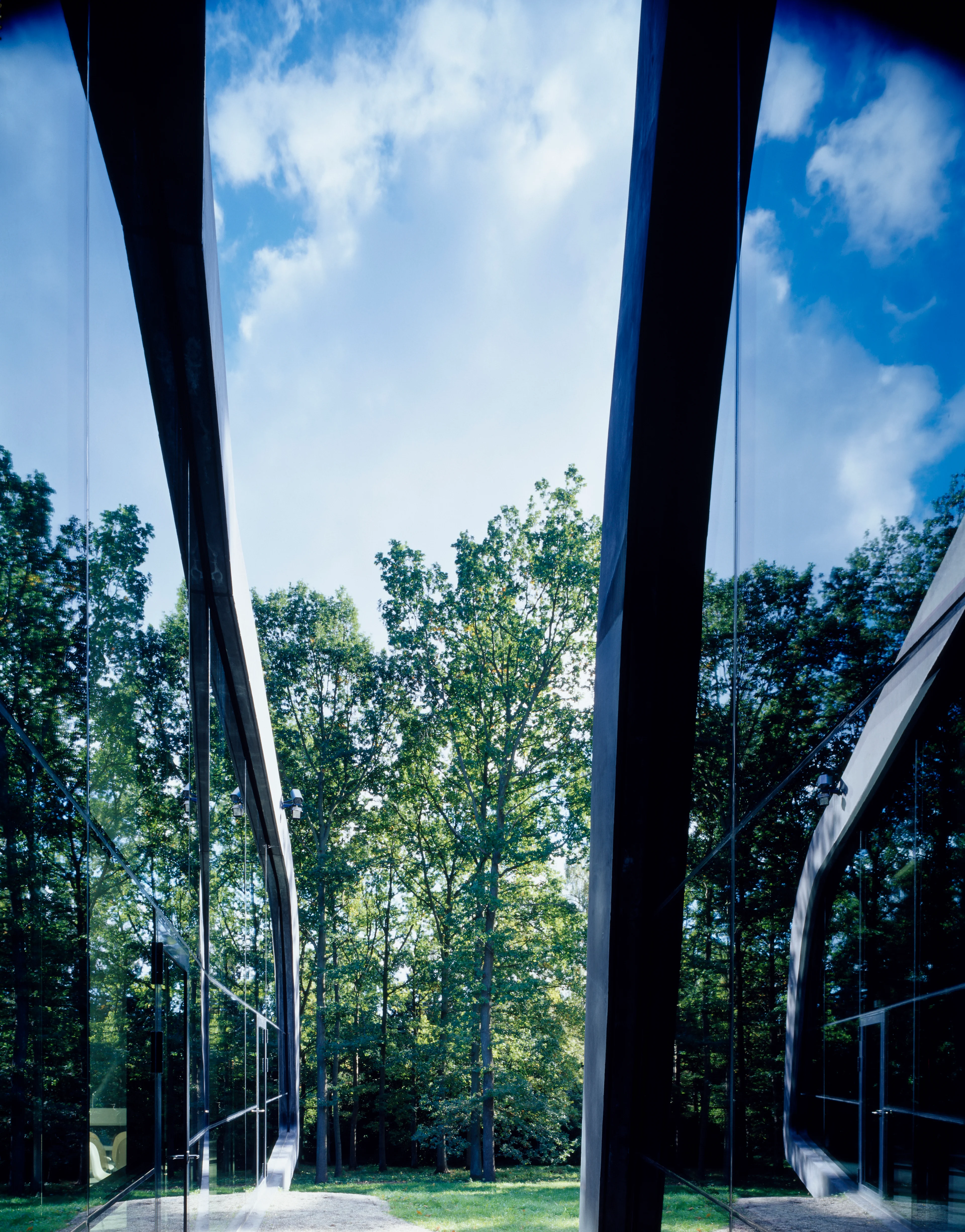
Our extension at Ordrupgaard redefined the relationships between the museum buildings gardens, creating a new landscape both in itself and in unison with its surroundings. Design ensures that visitors’ experience is not fragmented or compartmentalized – building / collection / gardens – but a continuous, fluid interaction between different elements and aspects.
Photograph by Luke Hayes
Education
Heritage + Regeneration
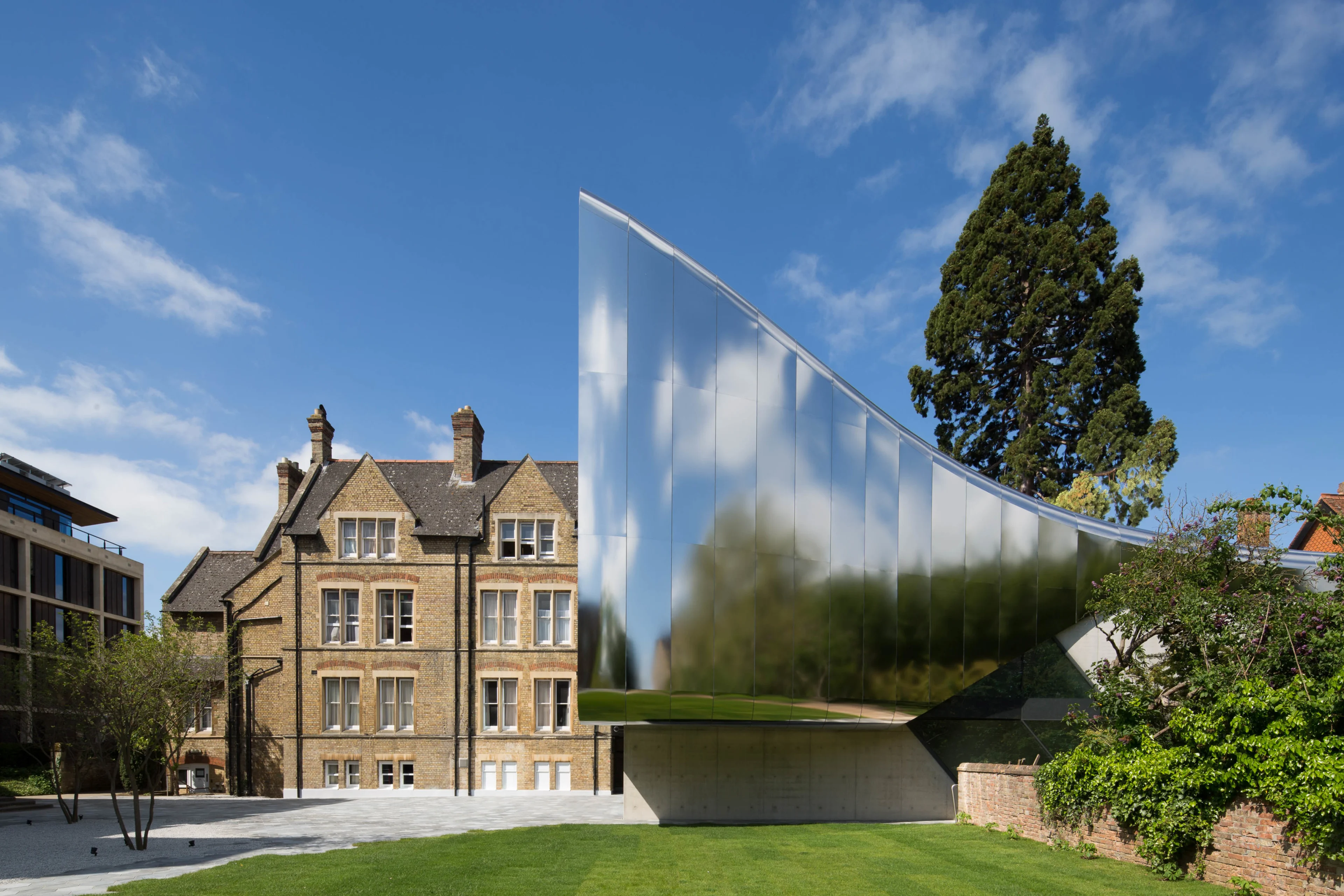
Investcorp Building for Oxford University St Antony’s College
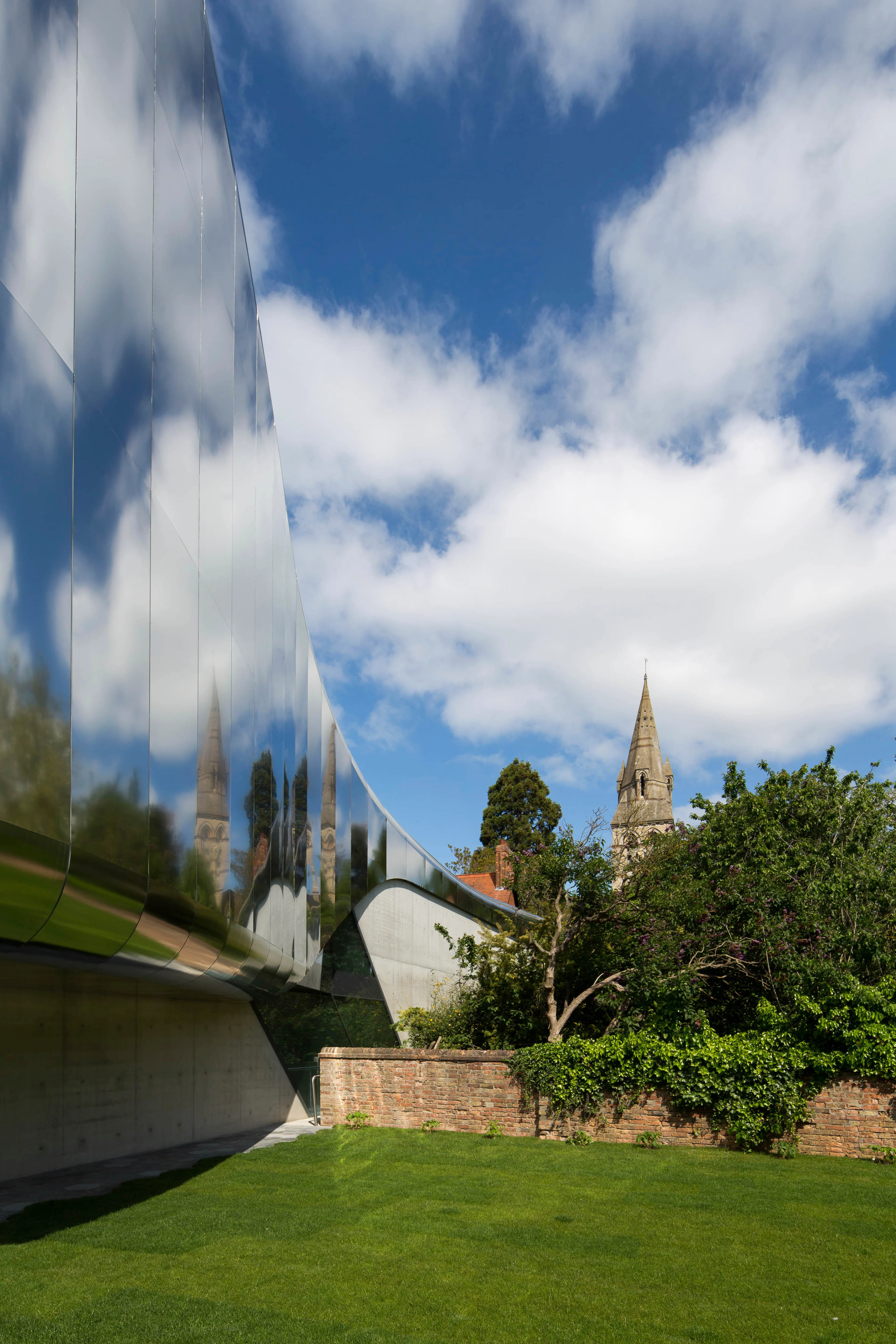
The new Investcorp Building for the Middle East Centre provides 1,127m² of additional floor space and a new 117-seat lecture theatre; doubling the space available for the Middle East Centre’s expanding library & archive, and providing optimum conditions to conserve and manage the centre’s collections that were previously stored in the basement of 66 Woodstock Road.
Photograph by Hélène Binet
Exterior View, Dusk
Culture
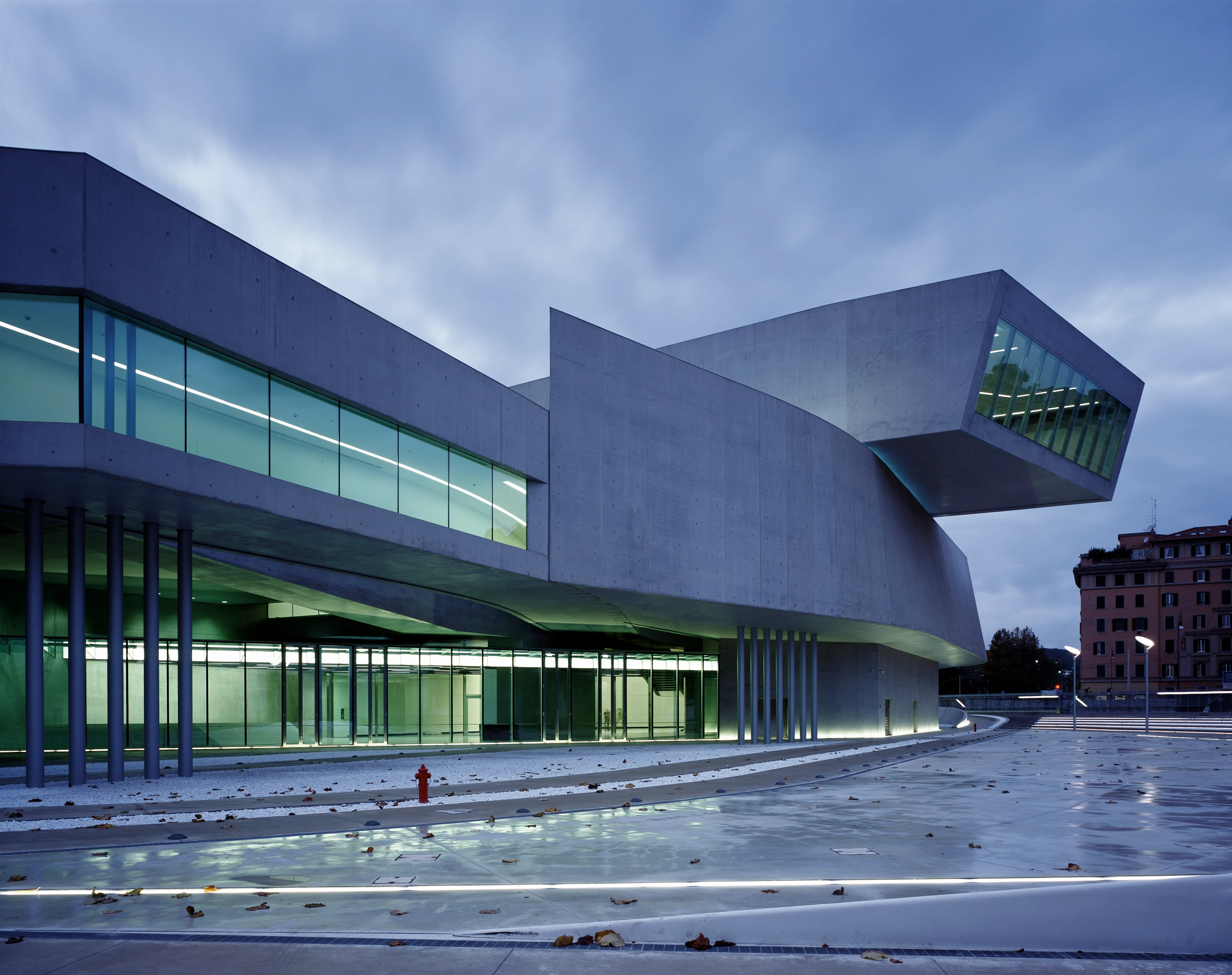
MAXXI: Museum of XXI Century Arts
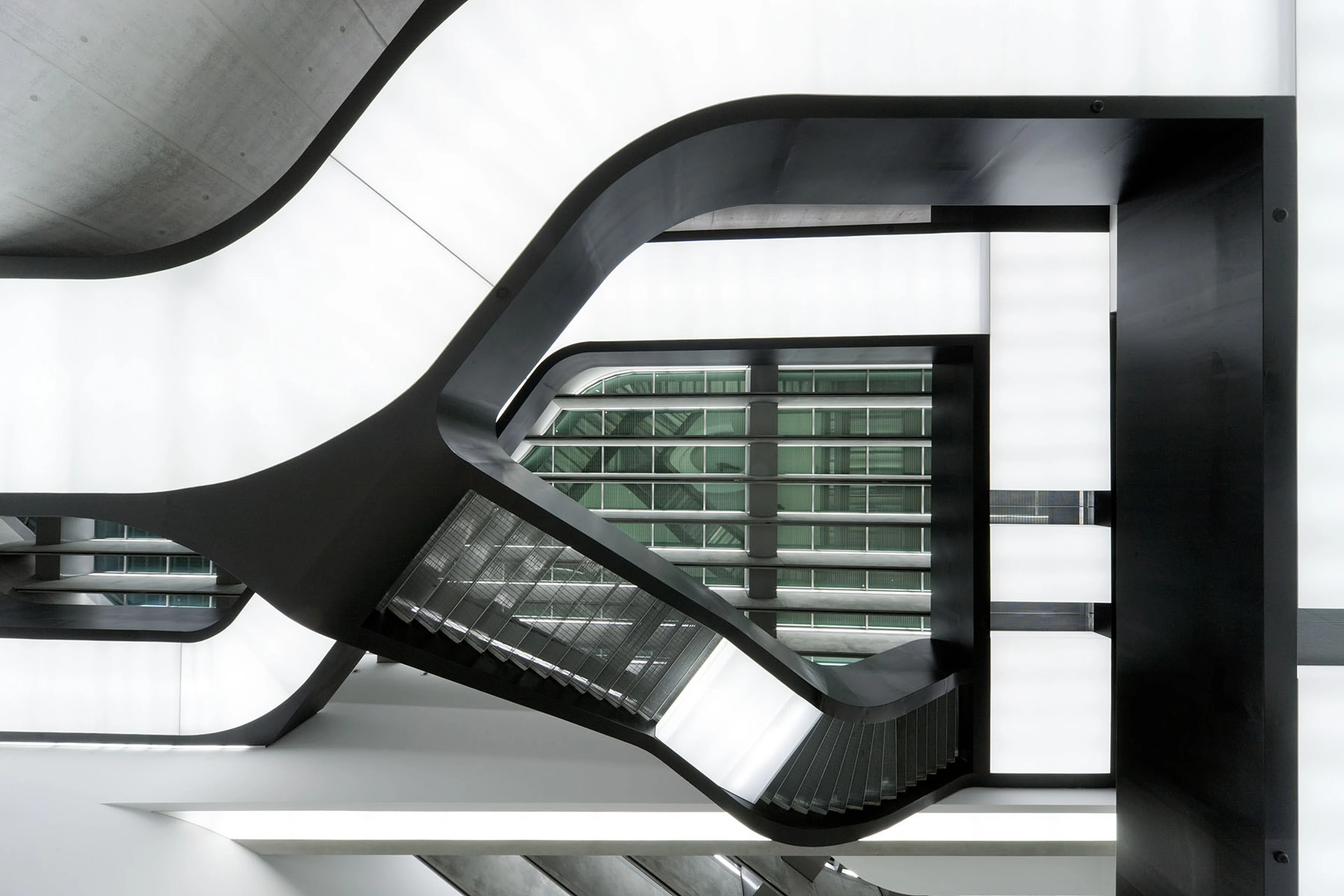
MAXXI supercedes the notion of the museum as ‘object’ or – presenting a field of buildings accessible to all, with no firm boundary between what is ‘within’ and what is ‘without’. Central to this new reality are confluent lines – walls intersecting and separating to create interior and exterior spaces.
Photograph by Werner Huthmacher
Culture
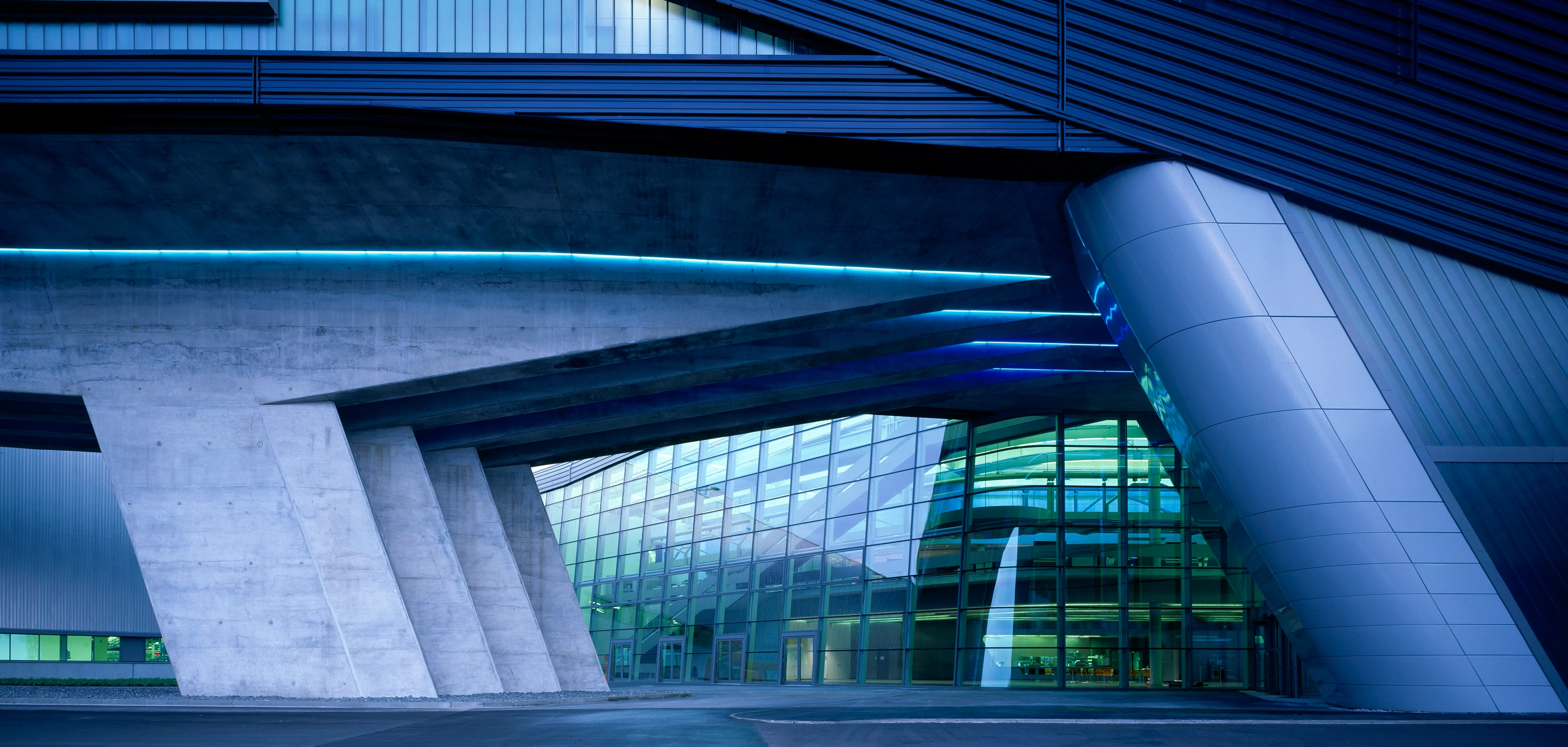
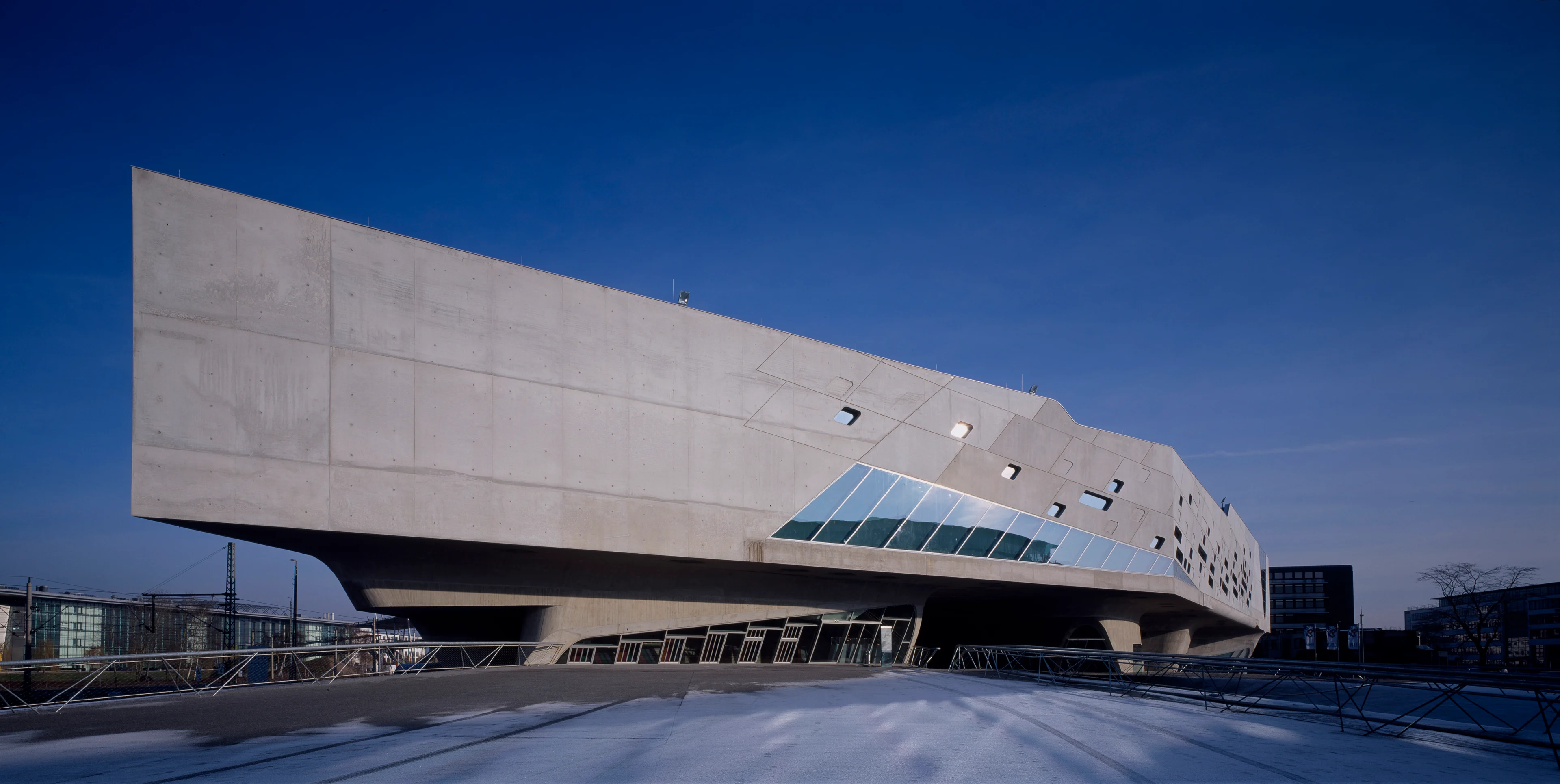
Phaeno Science Centre
Described variously as ‘an architectural adventure playground’ and ‘the magic box’, Phaeno realises our continuing vision of creating ‘complex, dynamic and fluid spaces’ – from the gently undulating artificial hills and valleys created below the main elevated structure, to the crater-like museum floor, naturally lit spaces and accessible funnels within.
Photograph by Hélène Binet
Offices
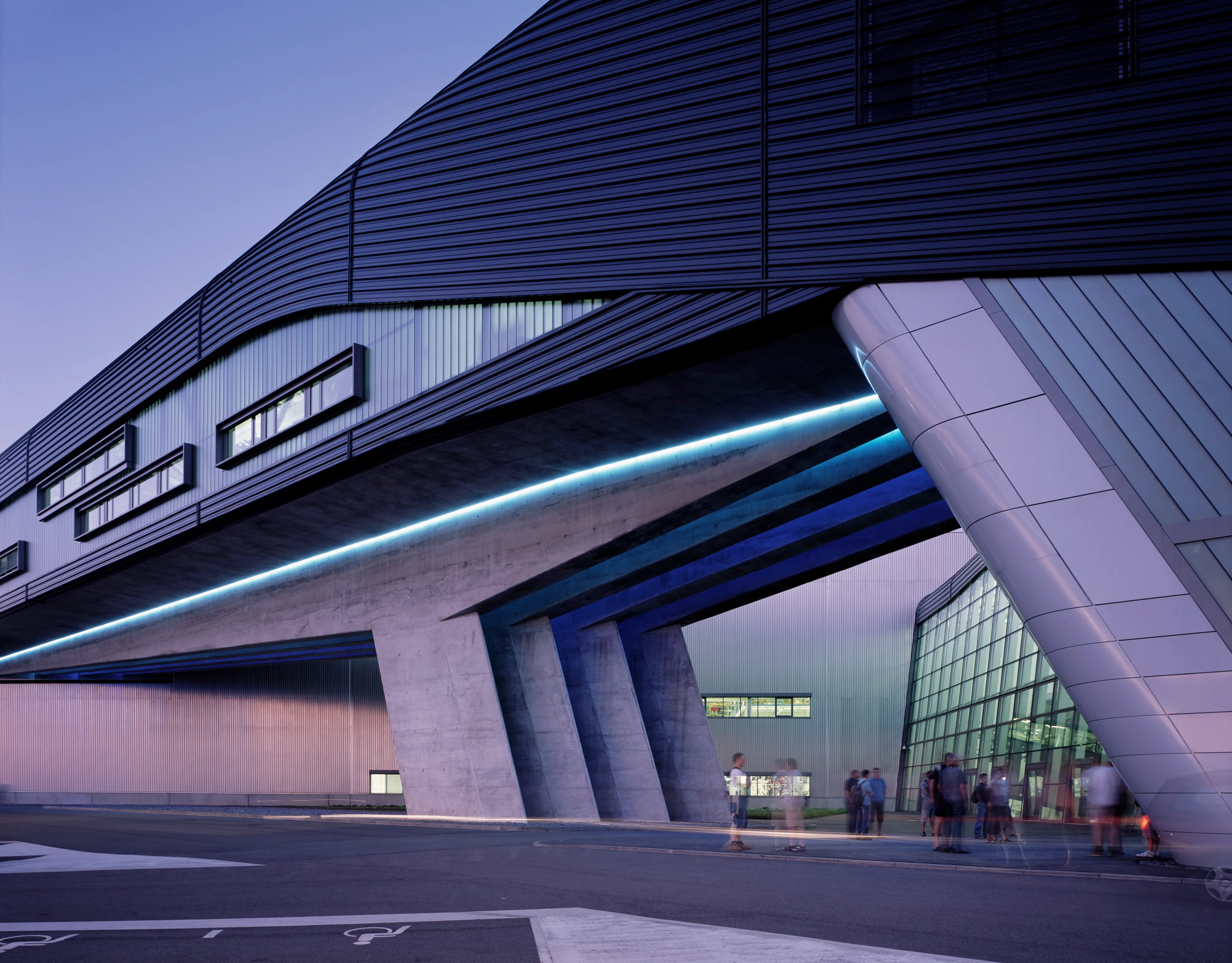
BMW Central Building
Our Central Building for BMW constituted a radical reinterpretation of the traditional office – transforming the building and the functions it contains into a more dynamic, engaging ‘nerve-centre’ or ‘communication knot’ – funneling all movement around the manufacturing complex through a space that transcends conventional white collar/blue collar spatial divisions.
Courtesy of Hoteles Silken
Interior Architecture
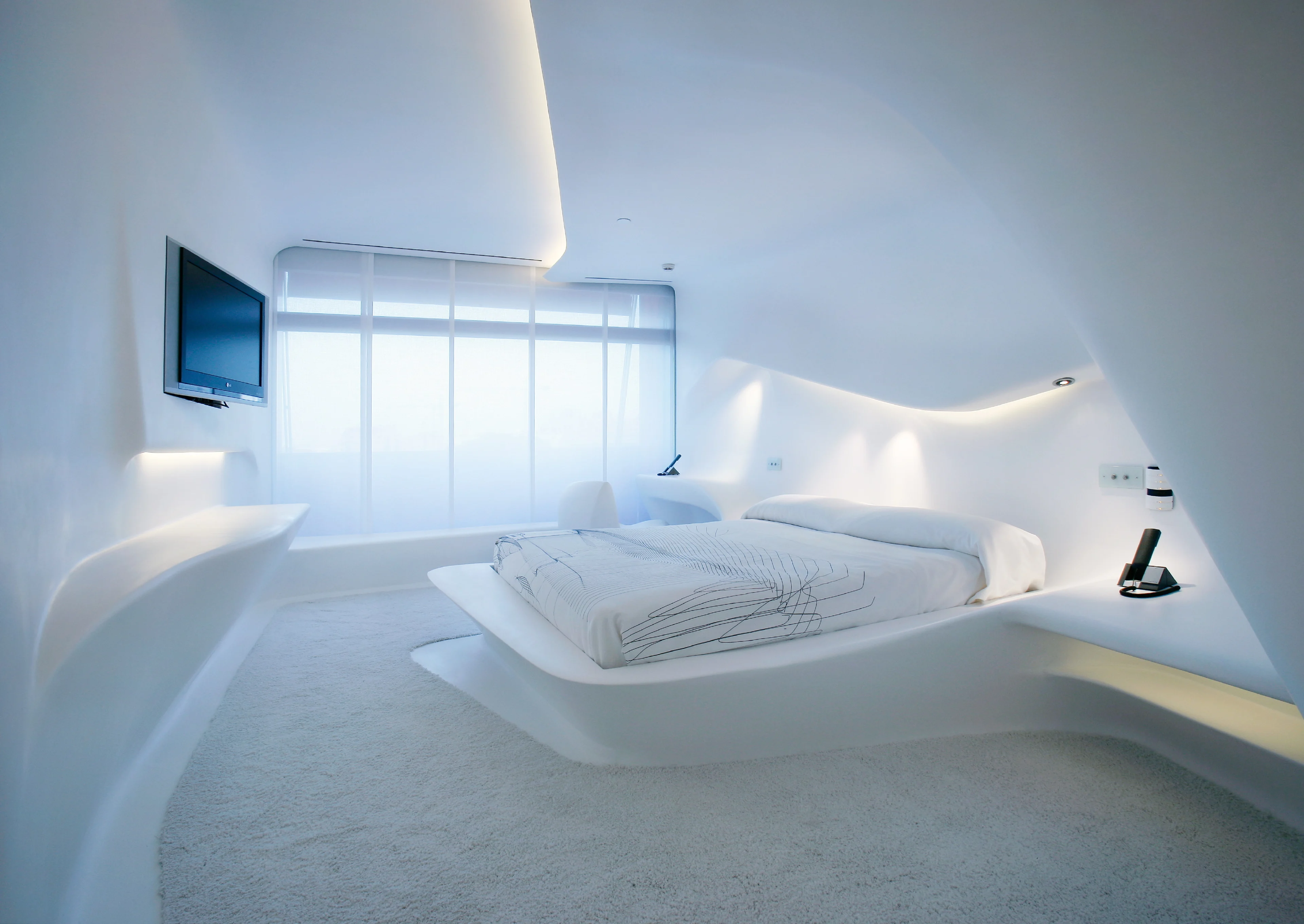
Hotel Puerta America
A new language of domestic architecture; a new dialogue between the complex, continuous nature of merging forms and textures. A dynamic project to design the 30-room floor of a hotel, driven by new developments in digital design and enhanced manufacturing capabilities. A fluid space, a seamless experience; pushing the boundaries of spatial concepts.
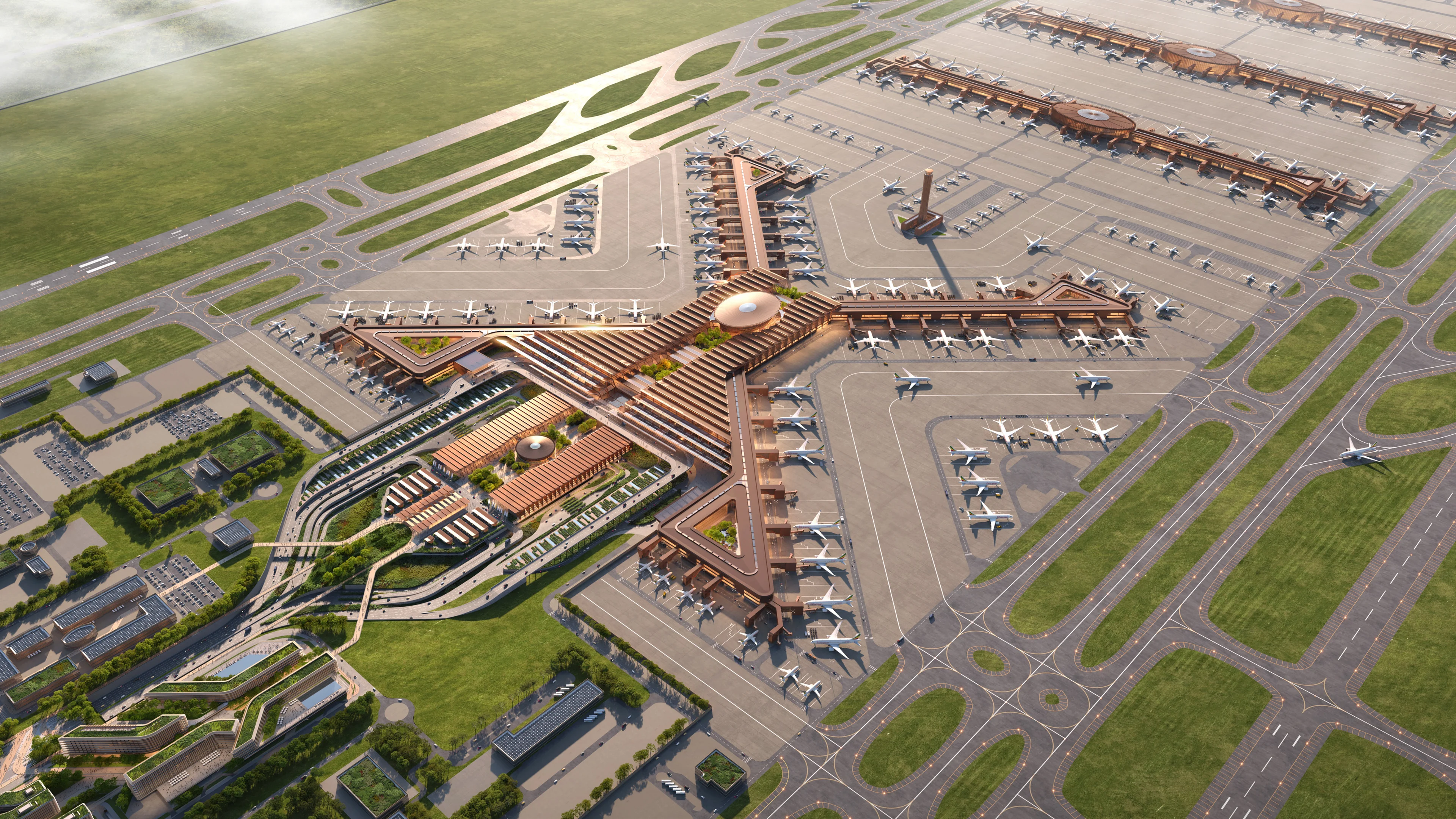
Render by X-Universe
Transport + Infrastructure
Bishoftu International Airport
Phase One of the new Bishoftu International Airport (BIA) will serve 60 million passengers a year. Further phases will serve up to 110 million passengers annually with four runways and parking for 270 aircraft.
01
02
03
04
05
06
07
08