
Photograph by Luke Hayes
Oxford, United Kingdom
2013 - 2015
St Antony's College, University of Oxford
Investcorp Building for Oxford University St Antony’s College
Photograph by Luke Hayes
Photograph by Luke Hayes
Photograph by Luke Hayes
Photograph by Luke Hayes
01
02
03
04
05
A world-class archive and specialised library
Founded in 1957, the Middle East Centre at St Antony’s College serves as the University of Oxford’s facility for research and teaching on the Arab world, Iran, Israel and Turkey from the 19th century to the present day, with its focus on the research of humanities and social sciences. The centre has been housed at 68 Woodstock Road (the former rectory of the Church of St Philip and St James, built in 1887) since 1978.
The Middle East Centre holds Oxford University’s primary collection on the modern Middle East, a world-class archive of private papers and historic photographs used by scholars and researchers with an interest in the region. The centre’s research core is the specialised library, document and photographic archive covering material from the 1800’s onwards. The archive was set up in 1961 and has grown to over 400 collections of private papers and holds more than 100,000 historic photographs.
The new Investcorp Building for the Middle East Centre provides 1,127m2 of additional floor space and a new 117-seat lecture theatre; doubling the space available for the Middle East Centre’s expanding library & archive, and providing optimum conditions to conserve and manage the centre’s collections that were previously stored in the basement of 66 Woodstock Road.
Photograph by Luke Hayes
New academic facilities within a design defined by the existing environment
As an integral part of the college’s on-going expansion plans, the Investcorp Building incorporates essential new facilities to meet the Middle East Centre’s increasing demand for research and academic activities. The need to expand the teaching space at the centre has become increasingly acute with student numbers growing dramatically in recent years, including many additional masters’ students and doctoral candidates.
The new lecture theatre will allow the Middle East Centre to expand its popular programme of seminars, lectures and debates - much of which is open to both the University and the general public.
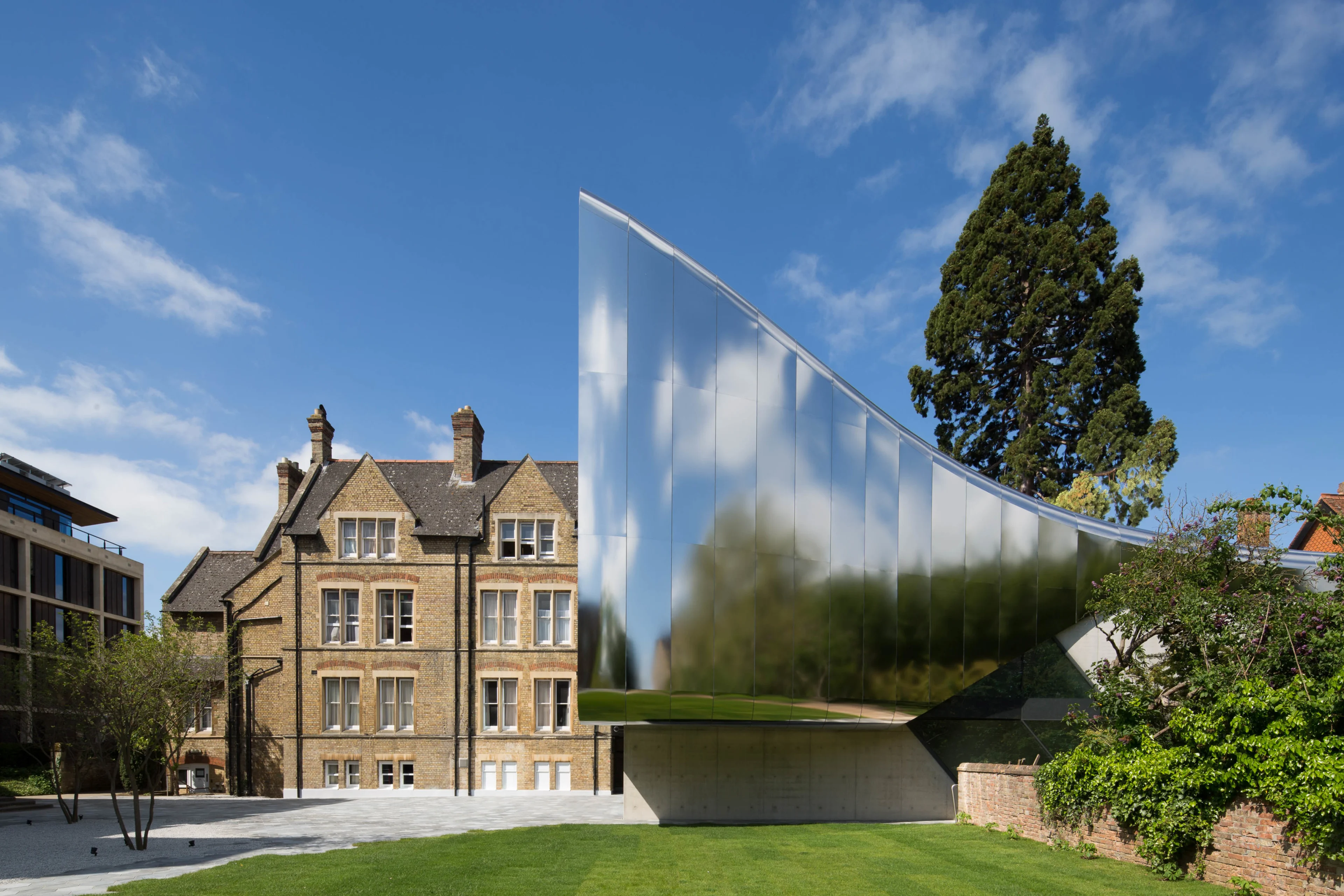
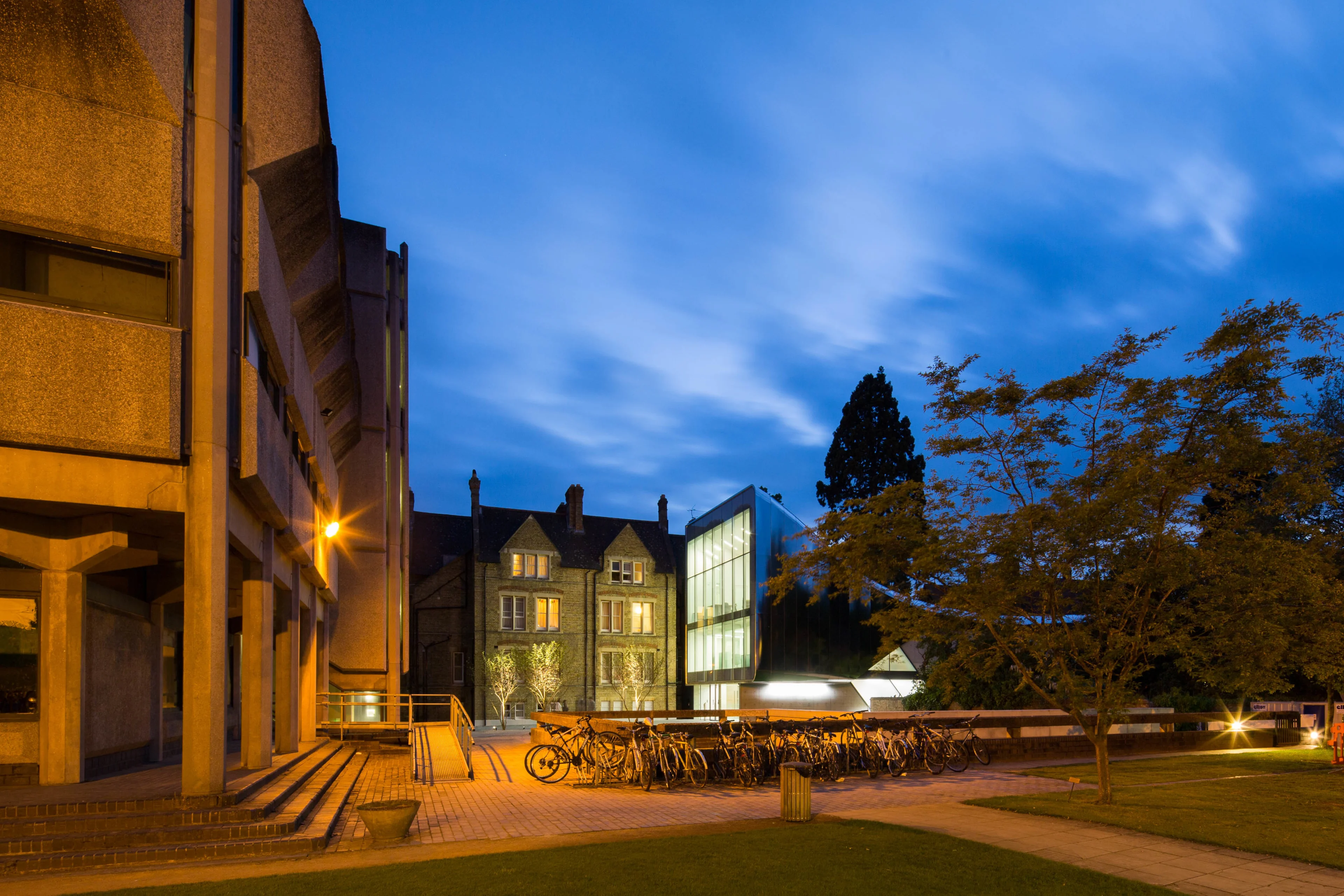
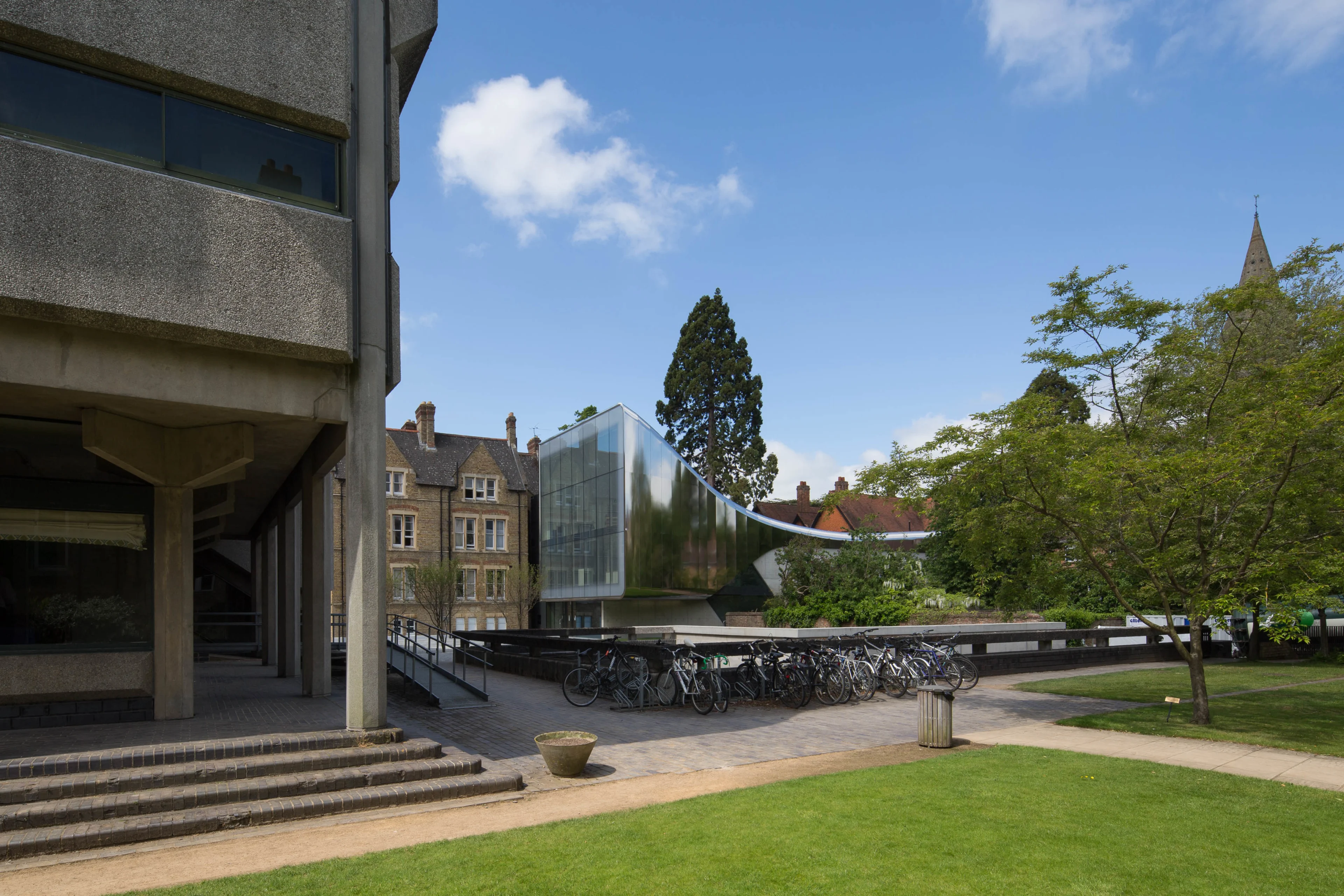
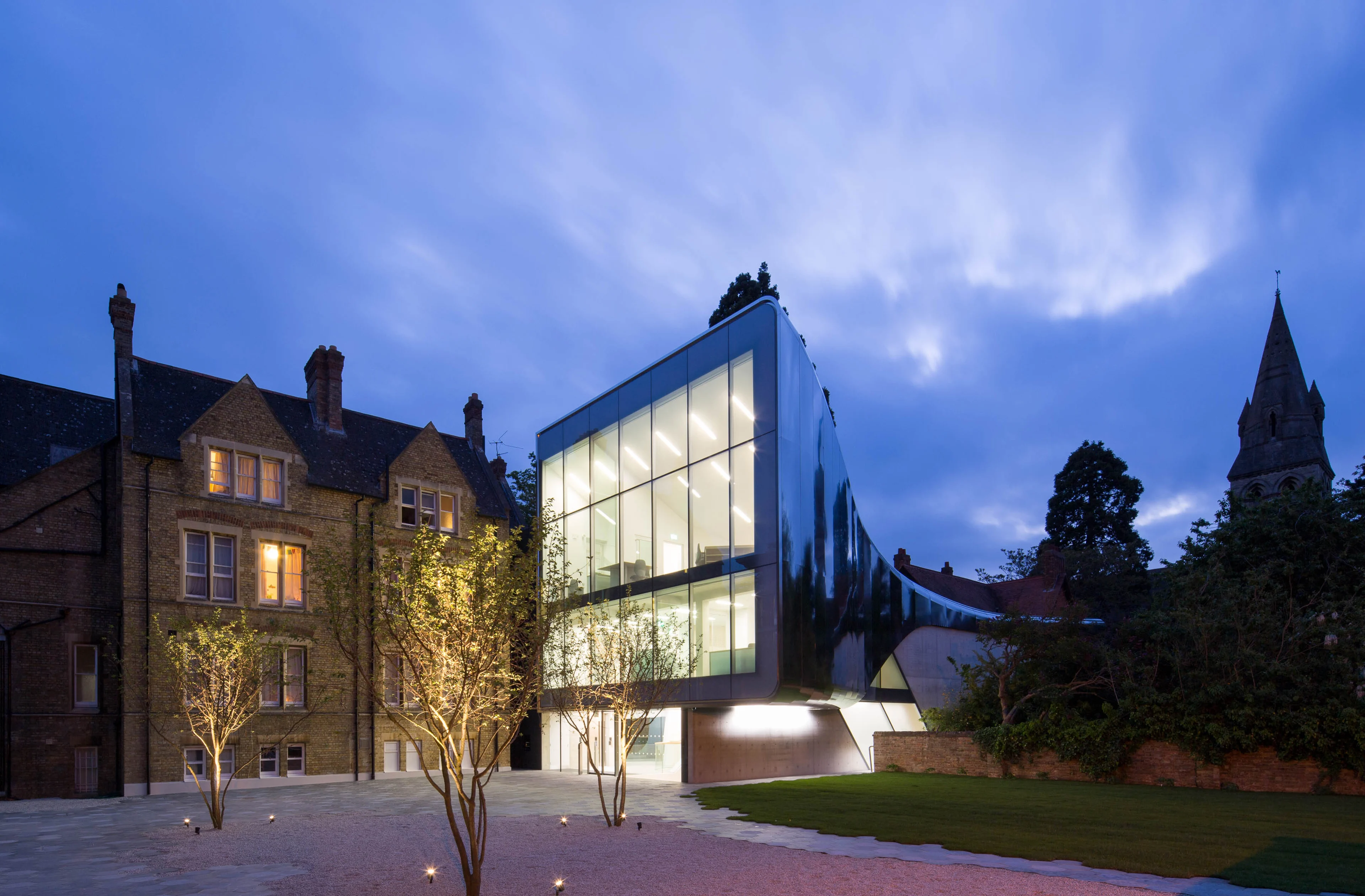
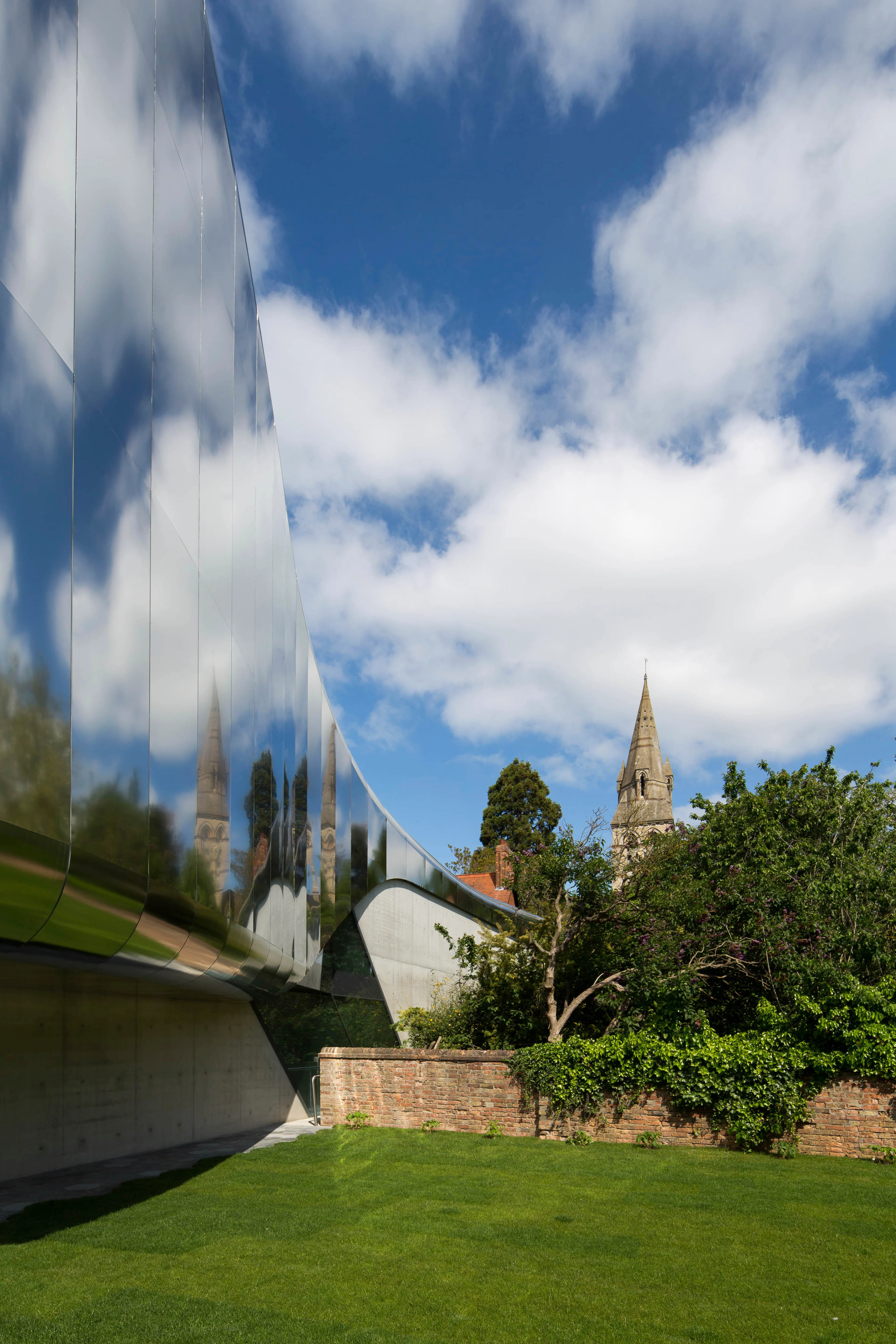
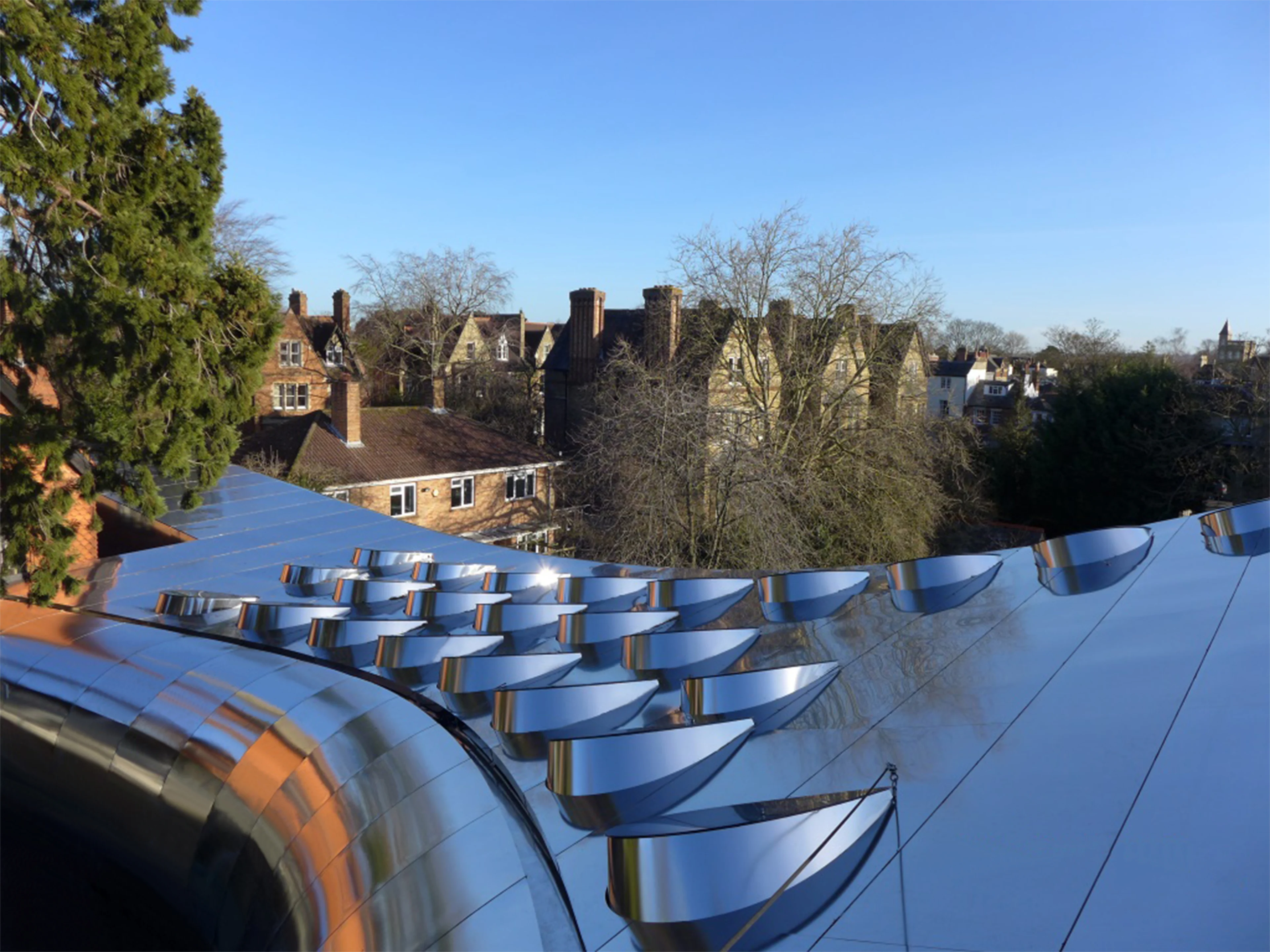
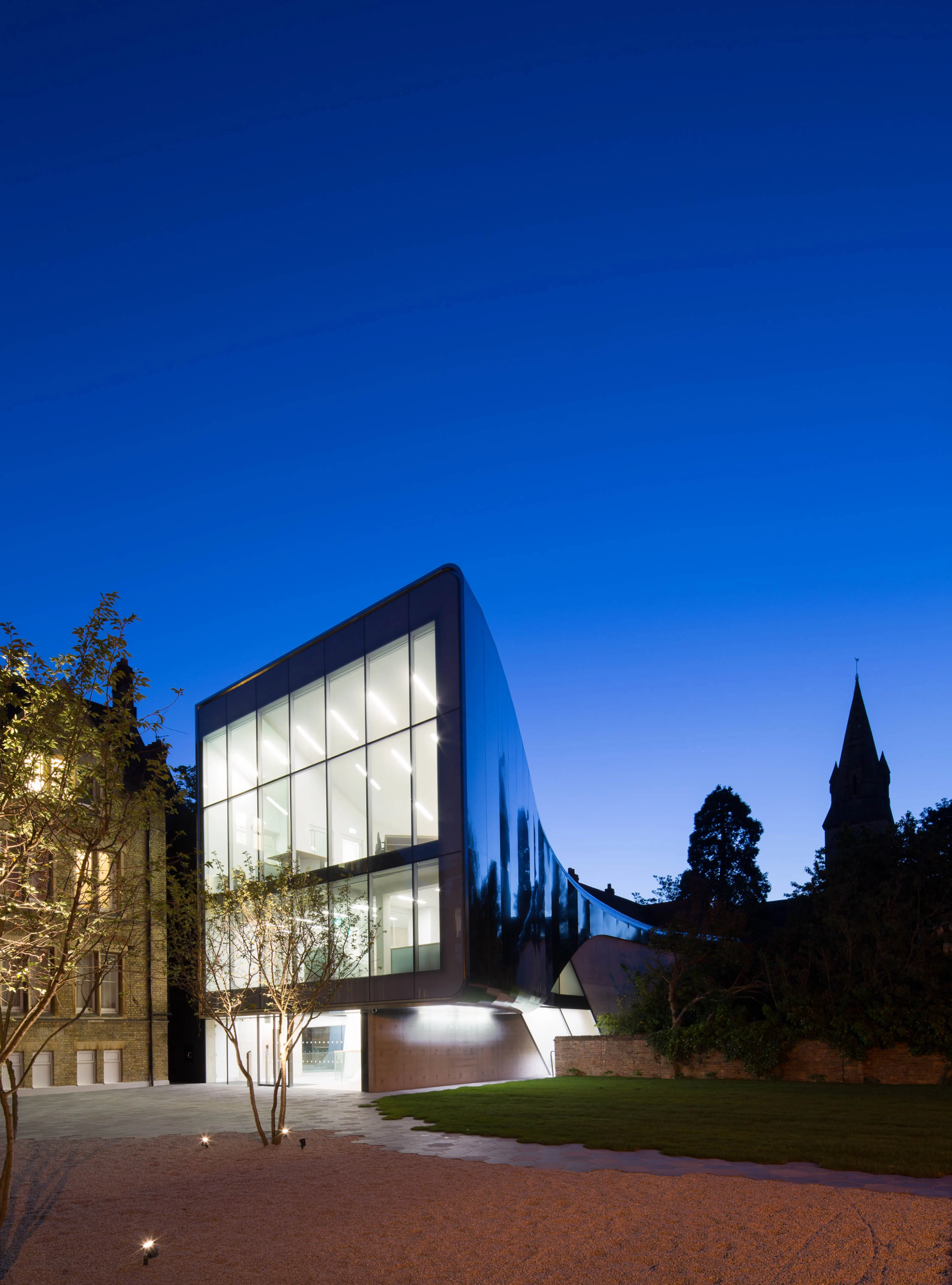
The Investcorp Building complements the college’s ongoing development. Its design weaves through the restricted site at St Antony’s College to connect and incorporate the existing protected buildings and trees; while its stainless steel façade softly reflects natural light to echo the building’s context.
The building integrates new academic and research facilities within a design defined by the existing built and natural environment of the college. The project maintains the detached character of the college’s current buildings, allowing them to be read as separate elements, while introducing a contemporary building that conveys the past, present and future evolution of the college, university and city.
Connecting disparate buildings within the college
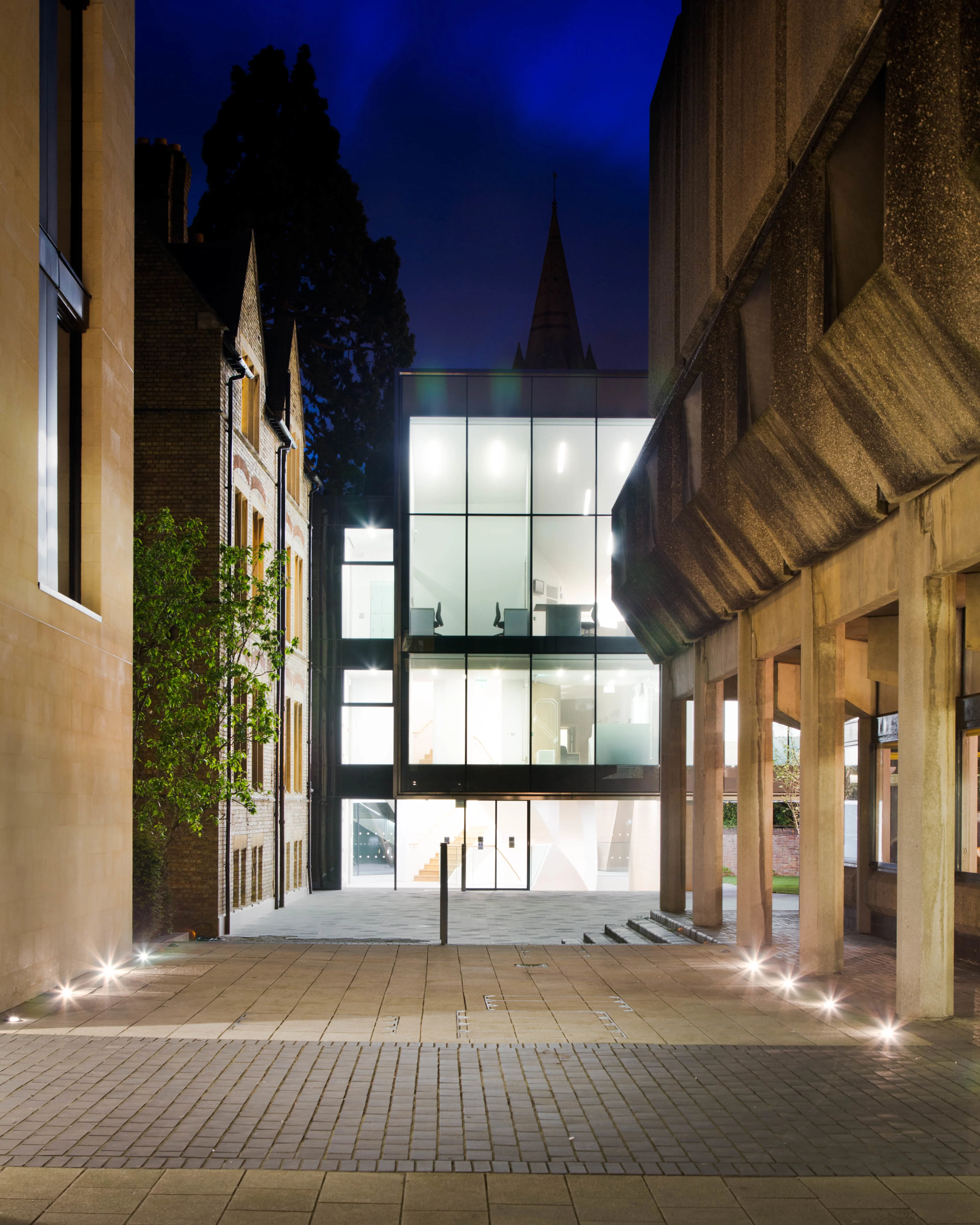
To the west, the project’s scale defers to the existing buildings of 66 & 68 Woodstock Road. The curved form of library reading room’s western façade accommodates the century-old Sequoia tree and its extensive root network; while a drainage system has been installed below the foundation slabs to ensure the tree receives enough moisture. To the east, the archive reading room and librarians’ offices rise towards the height of the 1970 brutalist Hilda Besse Building it faces, yet the new Investcorp Building remains below the roofline of the adjacent 66 Woodstock Road.
The 117-seat lecture theatre is located below ground and is ventilated through a thermal labyrinth. A similar labyrinth exists beneath the library archive room to achieve the essential environmental controls and mitigate the need for mechanical air-handling. A ground source heat pump provides active ground coupling controlled for both temperature and humidity, creating a secure environment to conserve the centre’s renowned collection.
The work of the Middle East Centre contributes to the global discourse and greater understanding of the region. The new Investcorp Building connects disparate buildings within the college, defining a series of spaces for the centre’s renowned archive, library and seminar programmes; allowing the Middle East Centre to expand its commitment as a vital forum of research, understanding and open debate.
Education
Discover more of our educational buildings
From an academy in London awarded the RIBA Stirling Prize to a 23,000 square metre international research centre in Uzbekistan, discover our education projects.
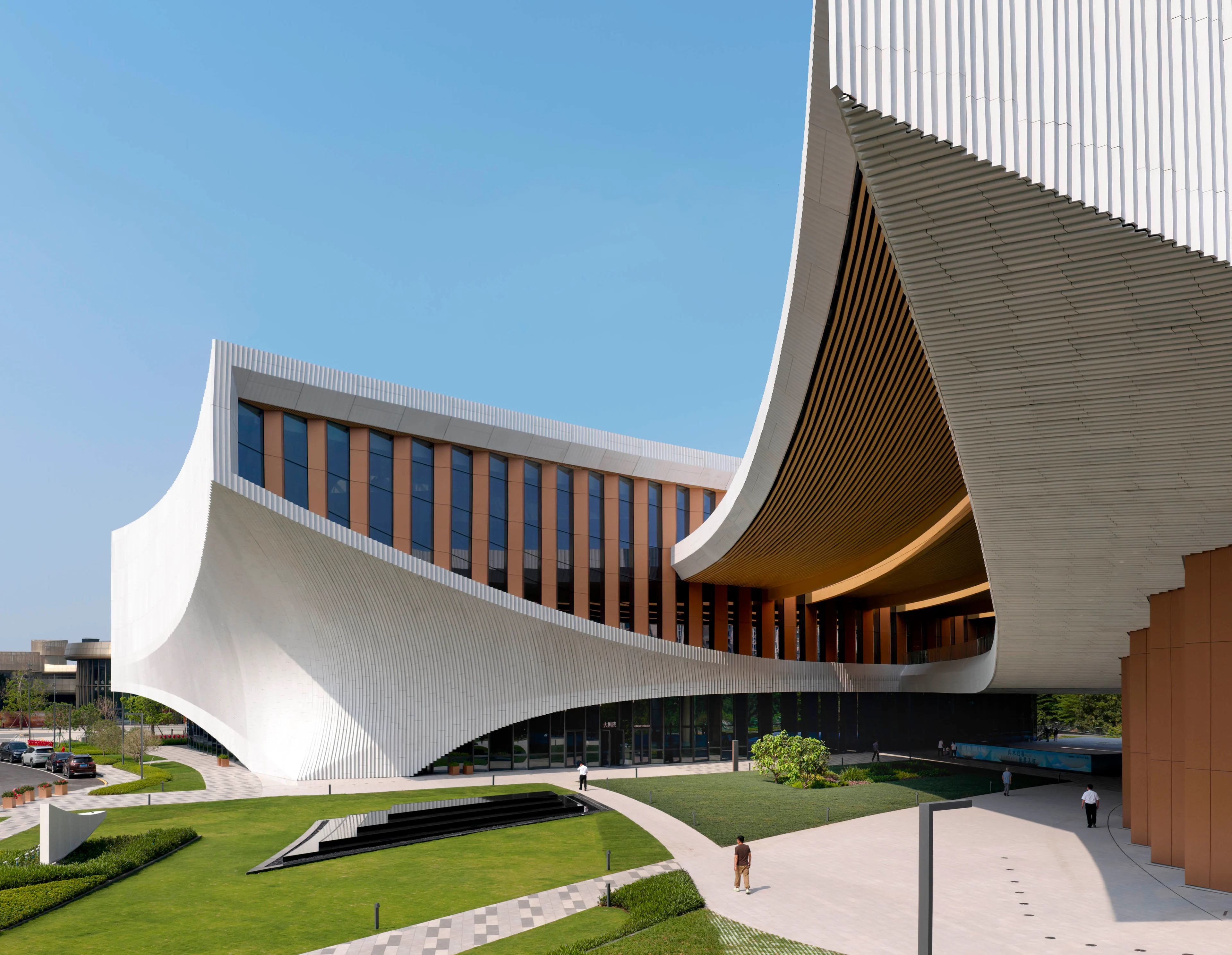
Songshan Lake Performance and Exhibition Centre
Located in Dongguan within the Greater Bay Area of southern China’s Pearl River estuary, the new Songshan Lake Exhibition and Performance Centre is at the heart of a mixed-use masterplan to revitalize the Yuehe Lake waterfront.
Courtesy of ZHA
River View
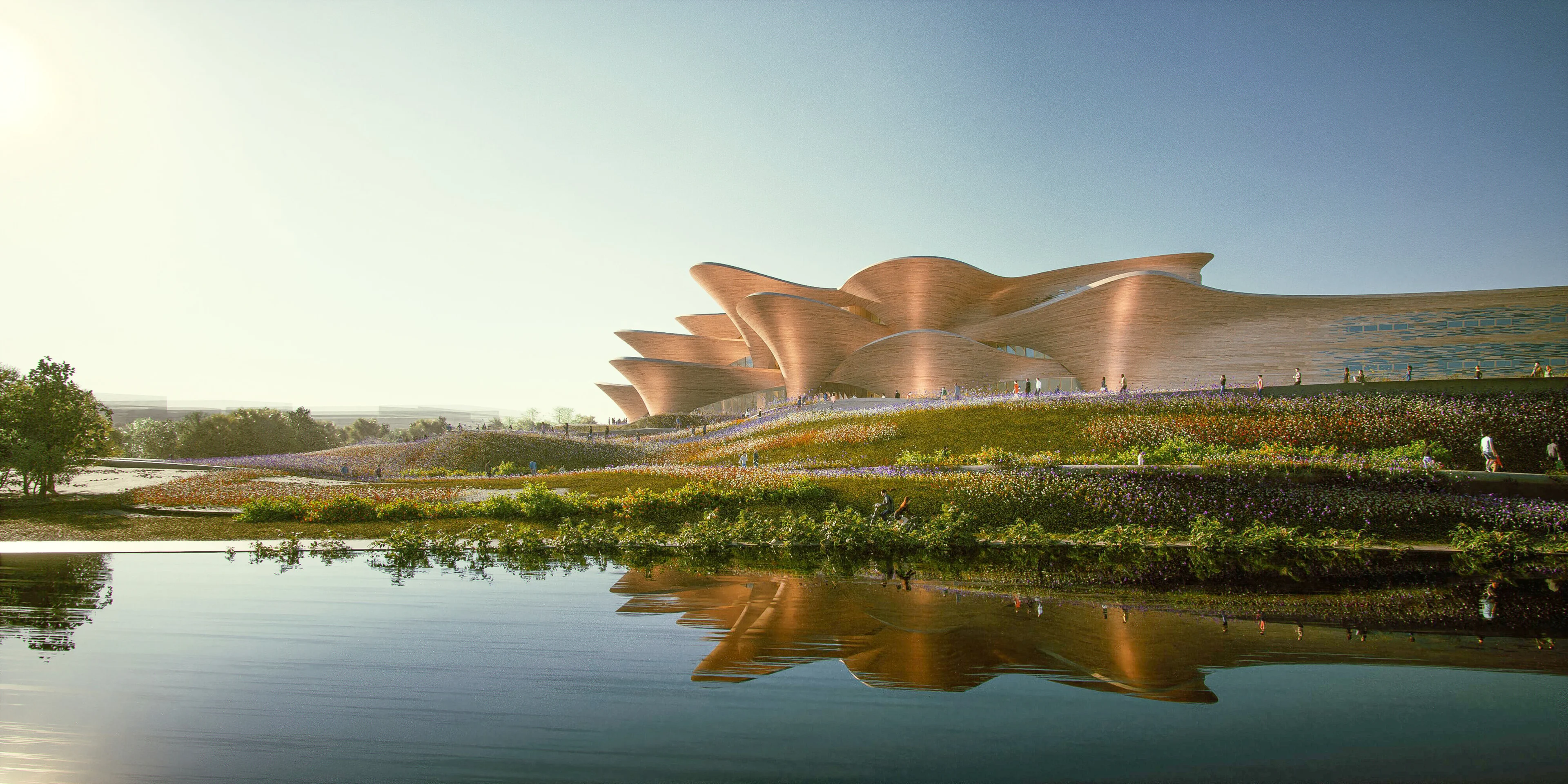
Alisher Navoi Institute
The Alisher Navoi International Scientific Research Centre will incorporate the Navoi State Museum of Literature, Auditorium, International Research Centre and School.
Render by Brick Visual
Roofline
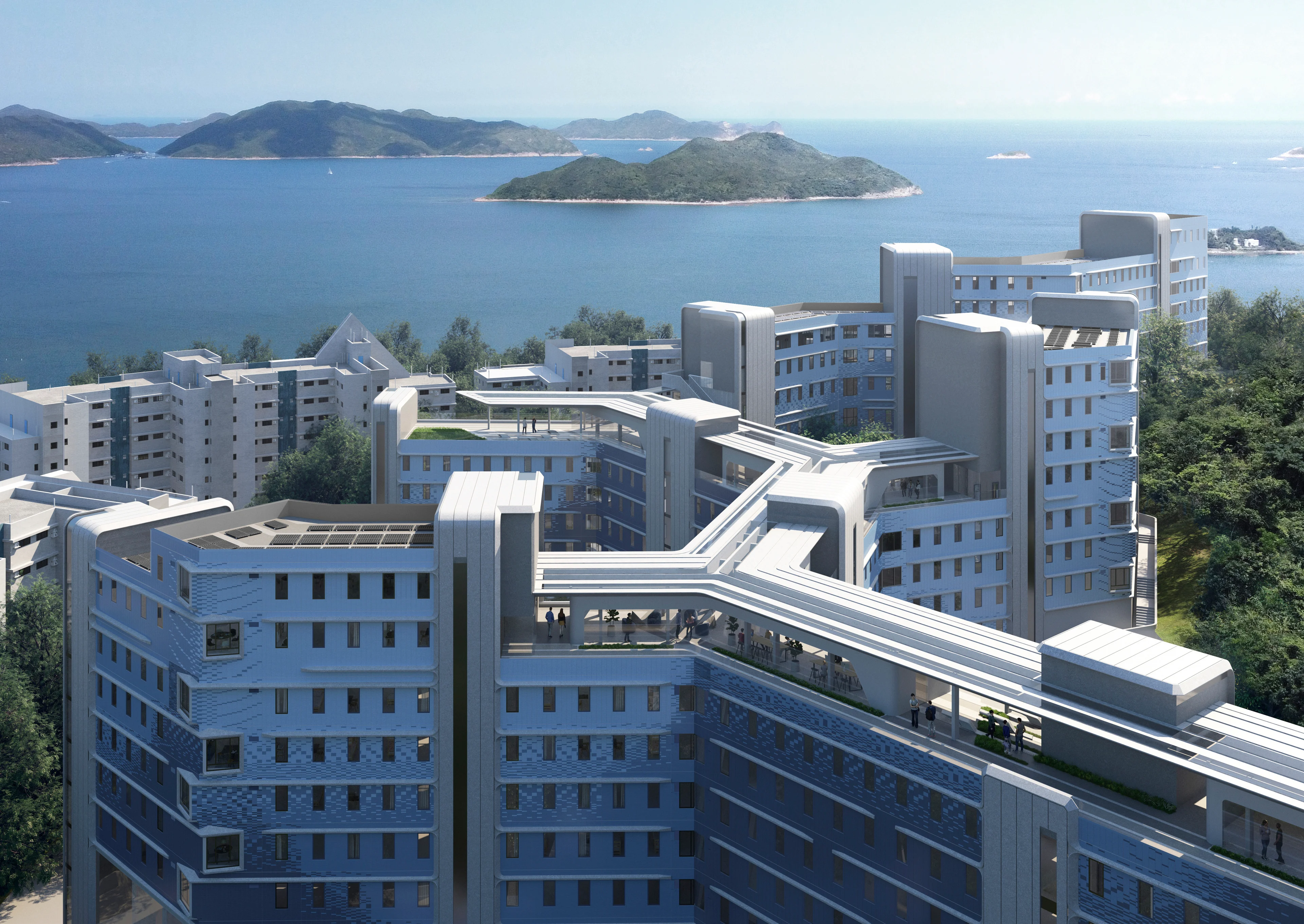
Jockey Club i-Village at HKUST
Established in 1991, Hong Kong University of Science & Technology (HKUST) has become a leading research institution consistently ranked amongst the best in Asia and around the globe. Over half of the university’s 16,000 students enrolled in the 2019-2020 academic year are from overseas, creating an urgent demand for new residential facilities within its Clear Water Bay campus.
Photograph by Luke Hayes
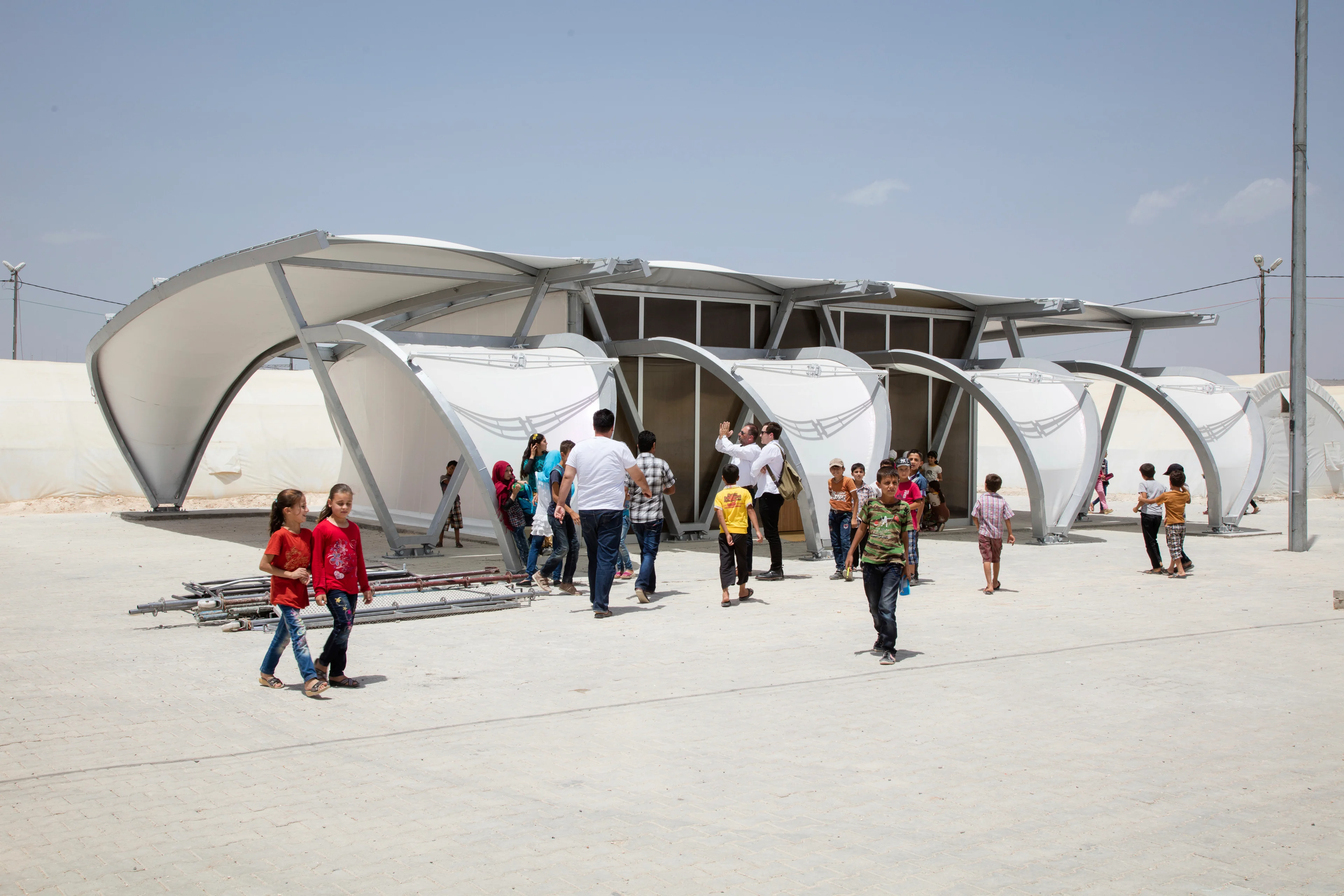
School for displaced children, Turkey 2016
EAA Foundation Tents
Designed for use as schools, clinics and emergency shelters in refugee and displaced communities, the tents are a joint venture between ZHA and the Education Above All Foundation (EAA).
Photograph by Luke Hayes
Grace Middle School Entrance Terrace
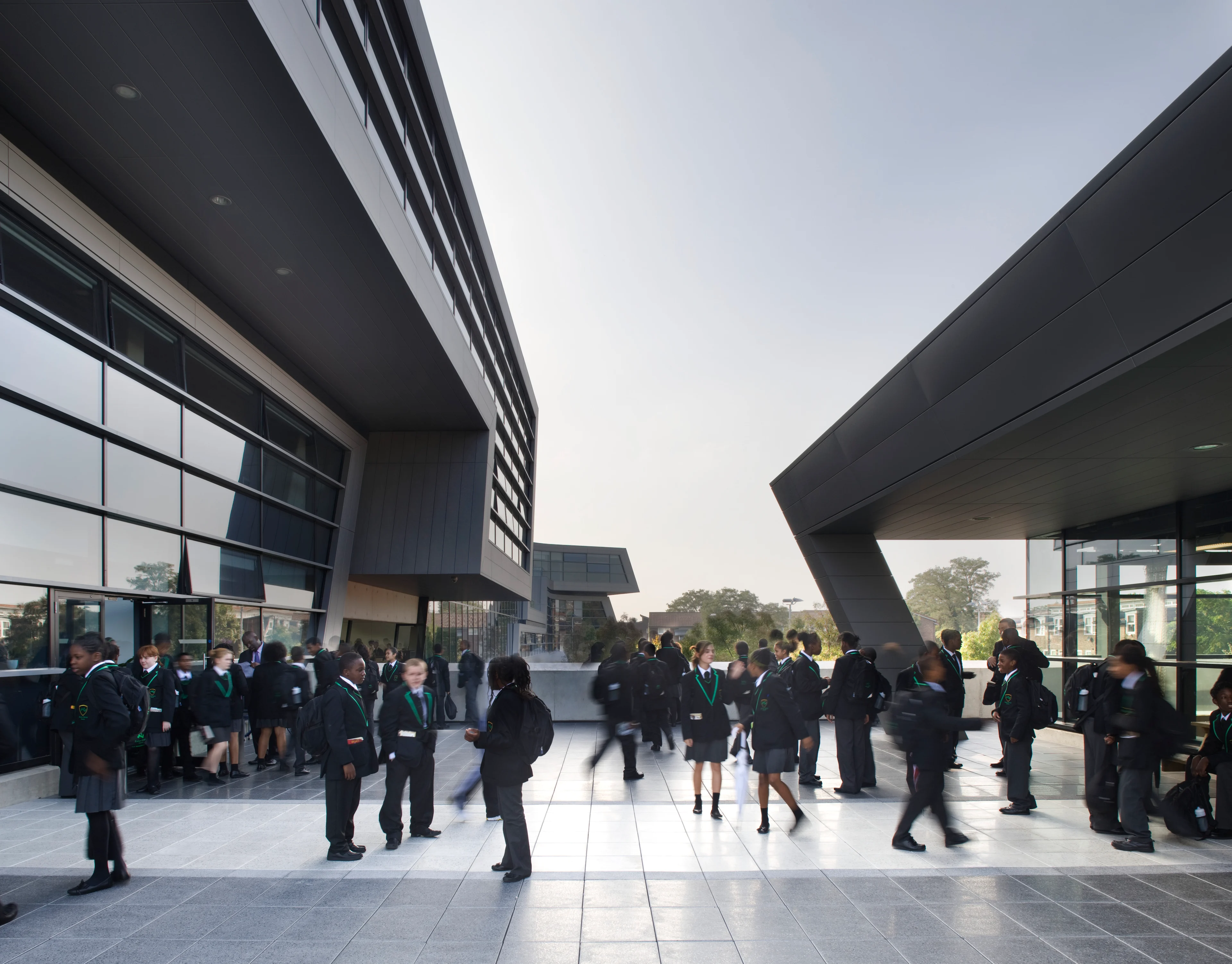
Evelyn Grace Academy
An opportunity to broaden the educational diversity of this active and historic London area. Following the principle of ‘schools within schools’, the design generates natural patterns of division within highly functional spaces which give each of the four smaller schools a distinct identity, both internally and externally.
Photograph by Julian Faulhaber
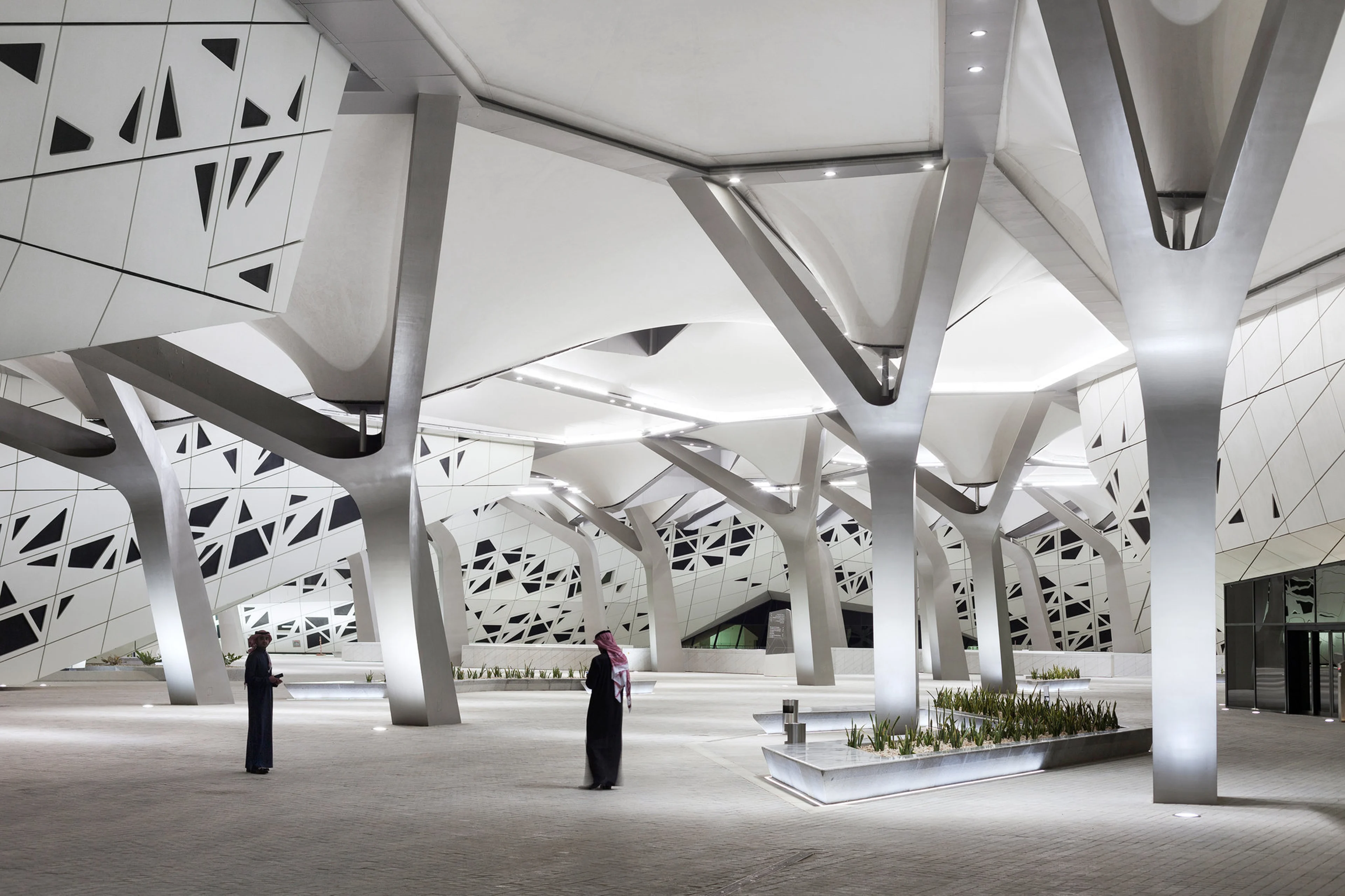
King Abdullah Petroleum Studies and Research Center (KAPSARC)
KAPSARC is a non-profit institution for independent research into policies that contribute to the most effective use of energy to provide social well-being across the globe. KAPSARC develops policies and economic frameworks that reduce the environmental impact and overall costs of energy supply and enable practical technology-based solutions to use energy more efficiently.
Photograph by Iwan Baan
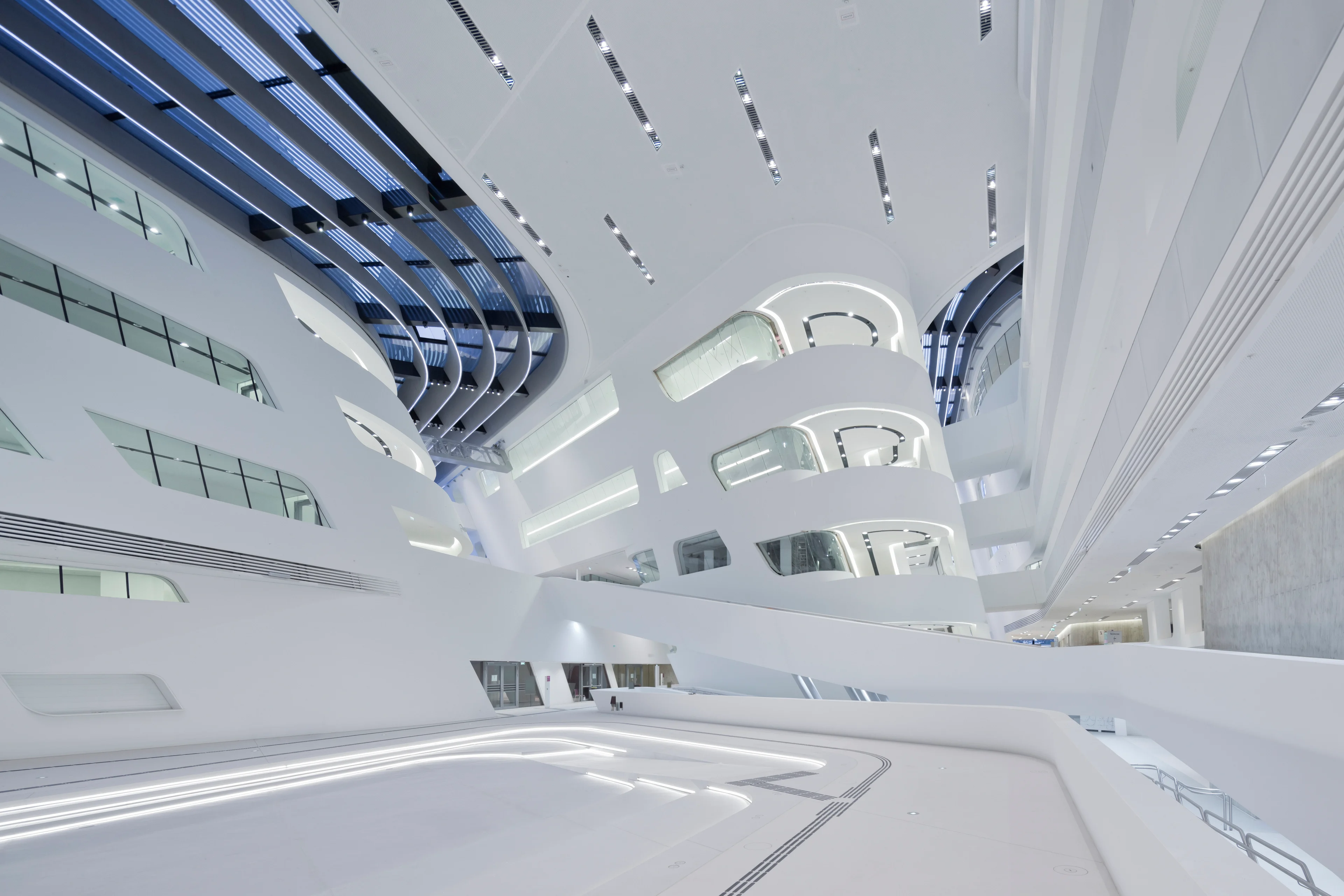
Library & Learning Centre University of Economics Vienna
The new Library and Learning Centre rises as a polygonal block from the heart of the new University campus. The interior of the LLC is informed by the external landscape of the masterplan which maps out the different levels.
Photograph by Iwan Baan
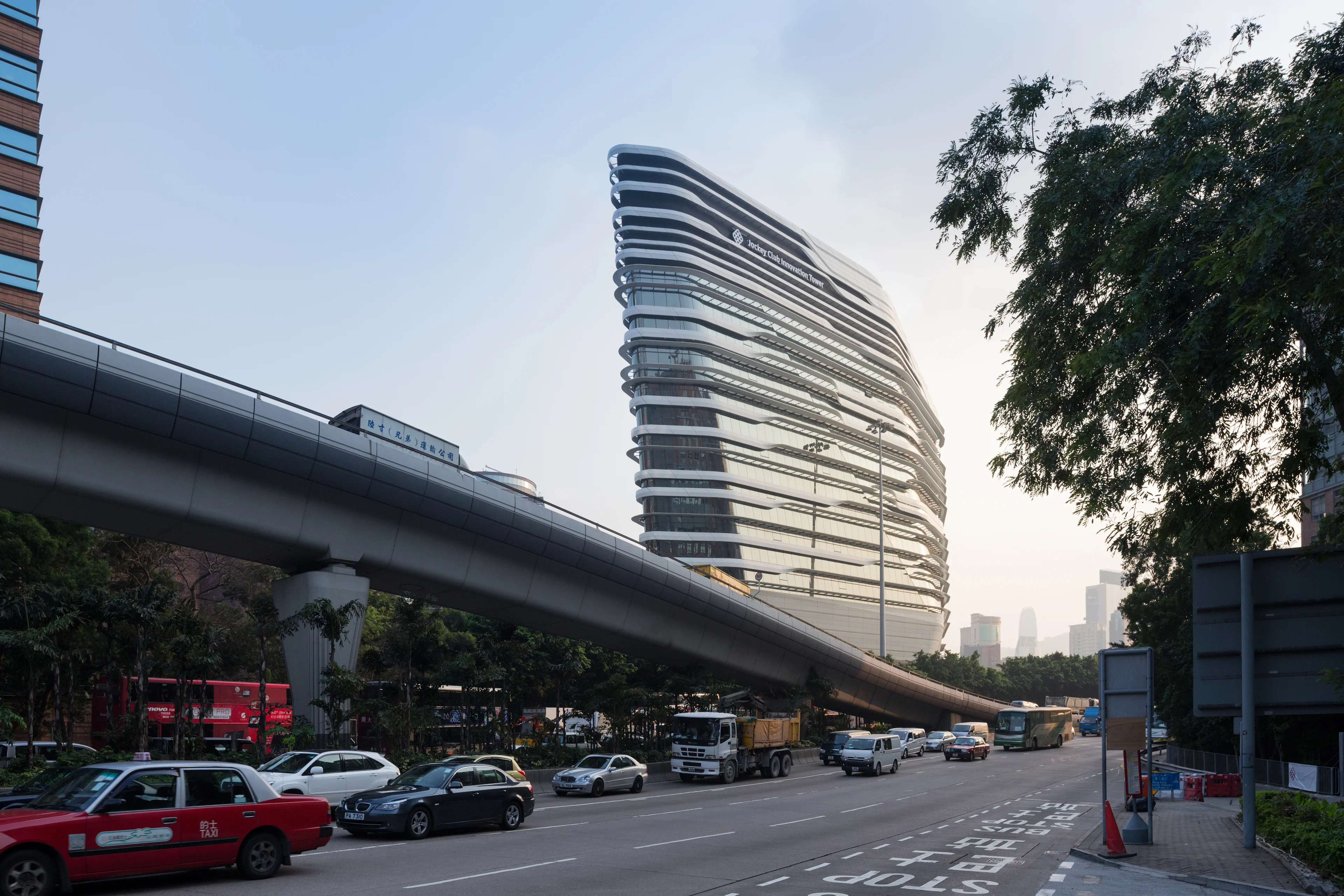
Jockey Club Innovation Tower
The Jockey Club Innovation Tower (JCIT) is home to the Hong Kong Polytechnic University (PolyU) School of Design, and the Jockey Club Design Institute for Social Innovation.
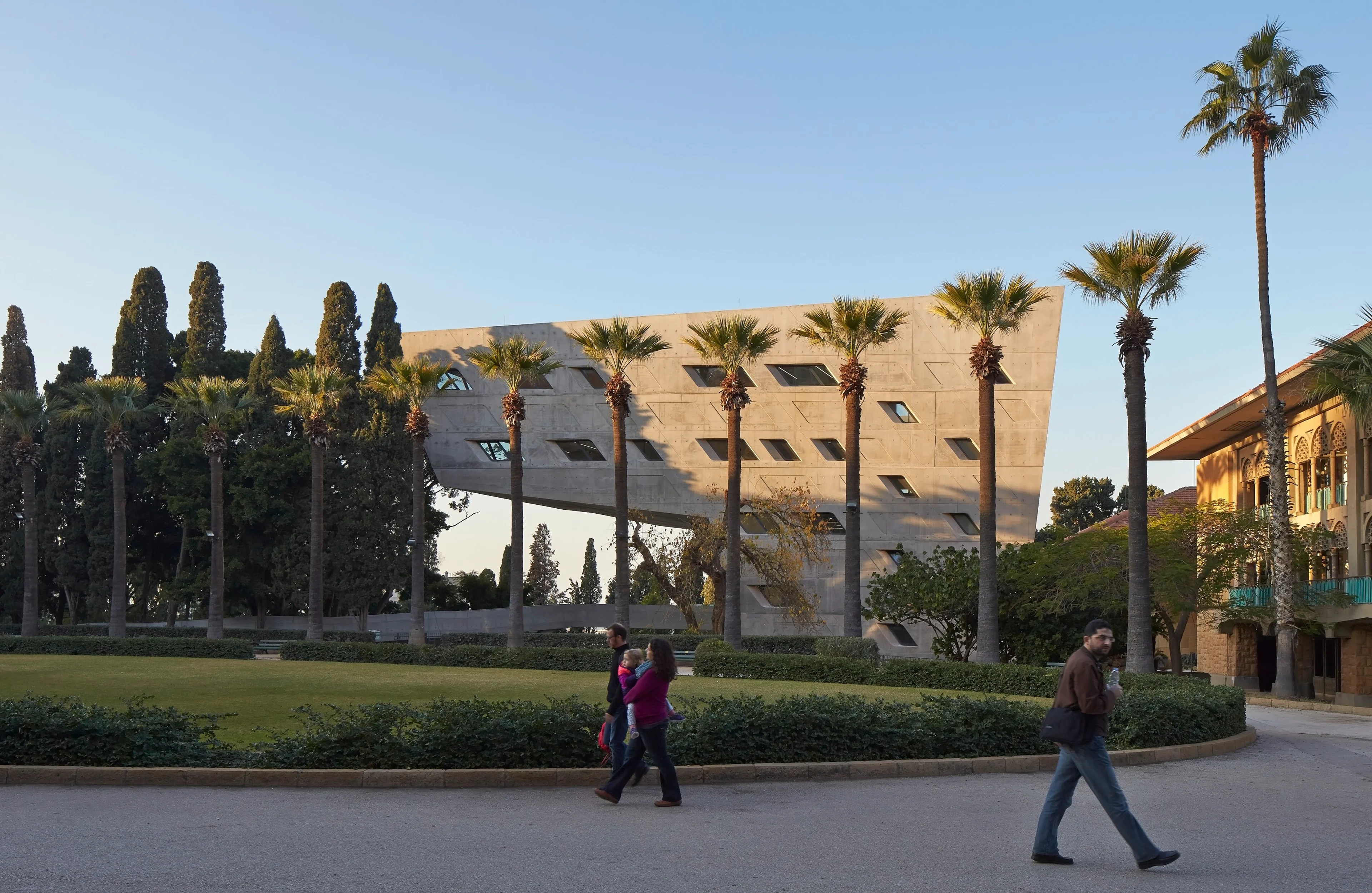
Photograph by Hufton + Crow
Issam Fares Institute, American University of Beirut
The Issam Fares Institute for Public Policy and International Affairs (IFI) building at the American University of Beirut (AUB) continues the on-going implementation of the 2002 AUB Campus Master Plan to advance the university’s academic mission in the 21st Century with facilities of the highest international standards.
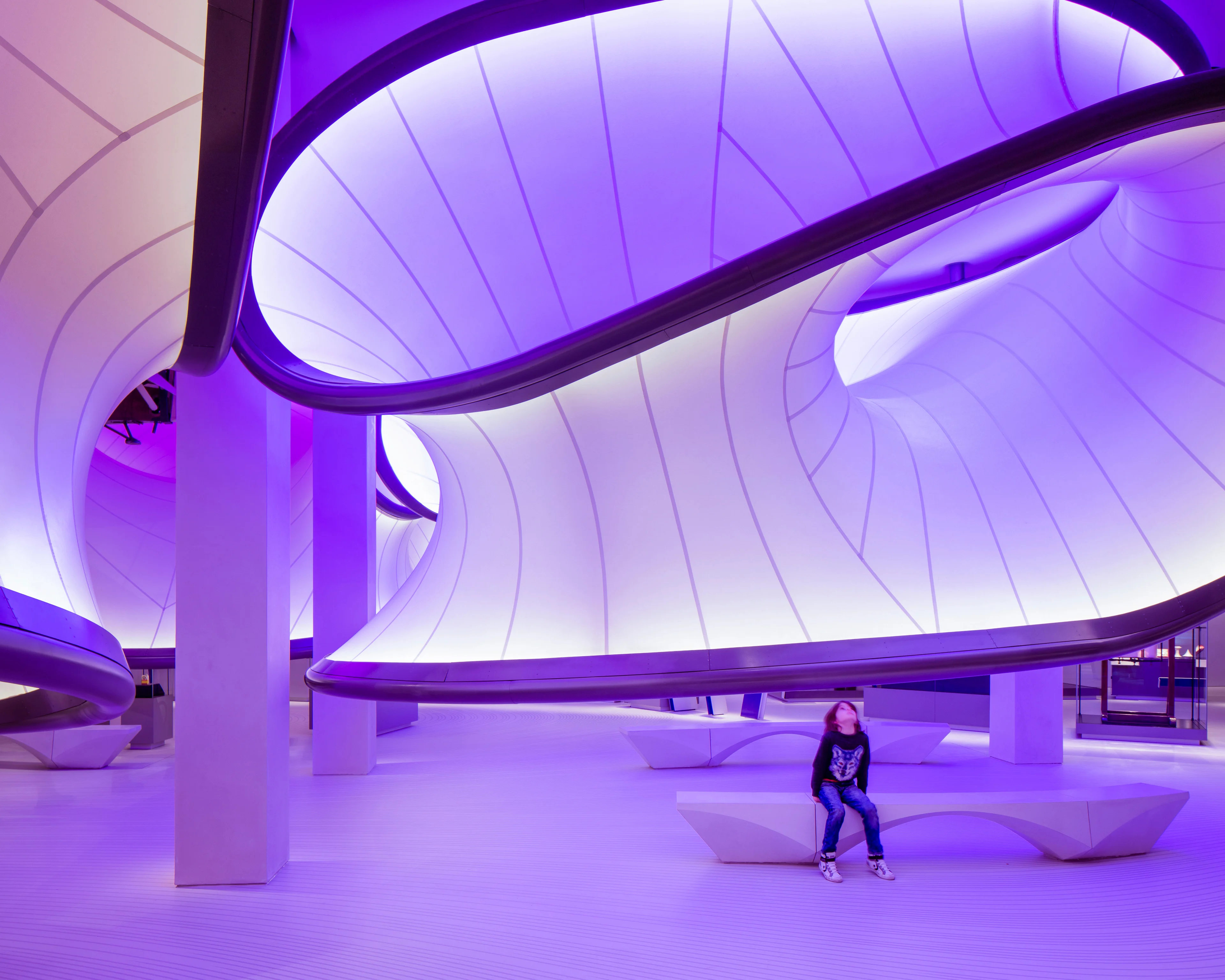
Photograph by Luke Hayes
Mathematics: The Winton Gallery, Science Museum
Mathematics: The Winton Gallery brings together remarkable stories, historical artefacts and design to highlight the central role of mathematical practice in all our lives, and explores how mathematicians, their tools and ideas have helped build the modern world over the past four centuries.
01
02
03
04
05
06
07
08
09
10