
Photograph by Julian Faulhaber
Riyadh, Saudi Arabia
2009 - 2017
Saudi Aramco
King Abdullah Petroleum Studies and Research Center (KAPSARC)
Photograph by Hufton + Crow
Photograph by Hufton + Crow
Photograph by Hufton + Crow
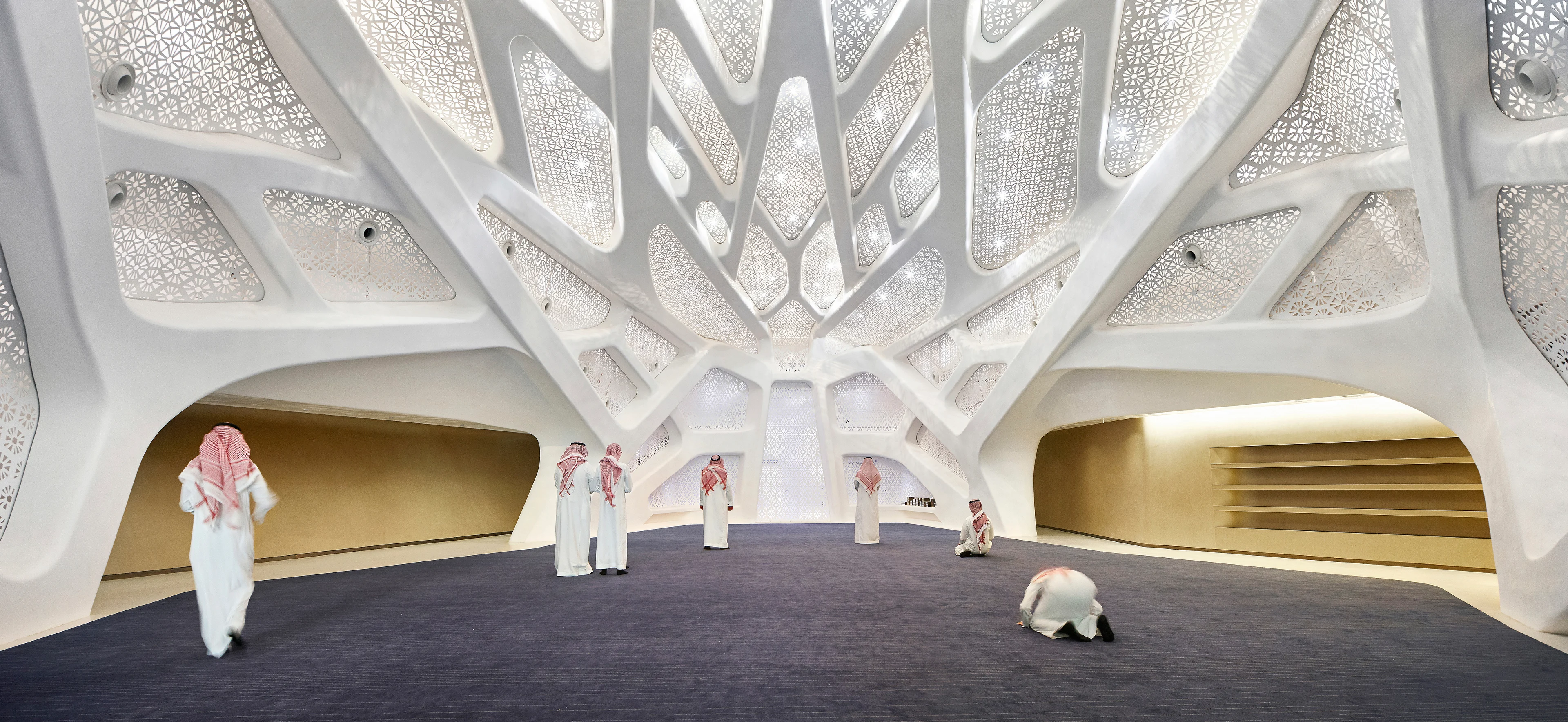
Photograph by Hufton + Crow
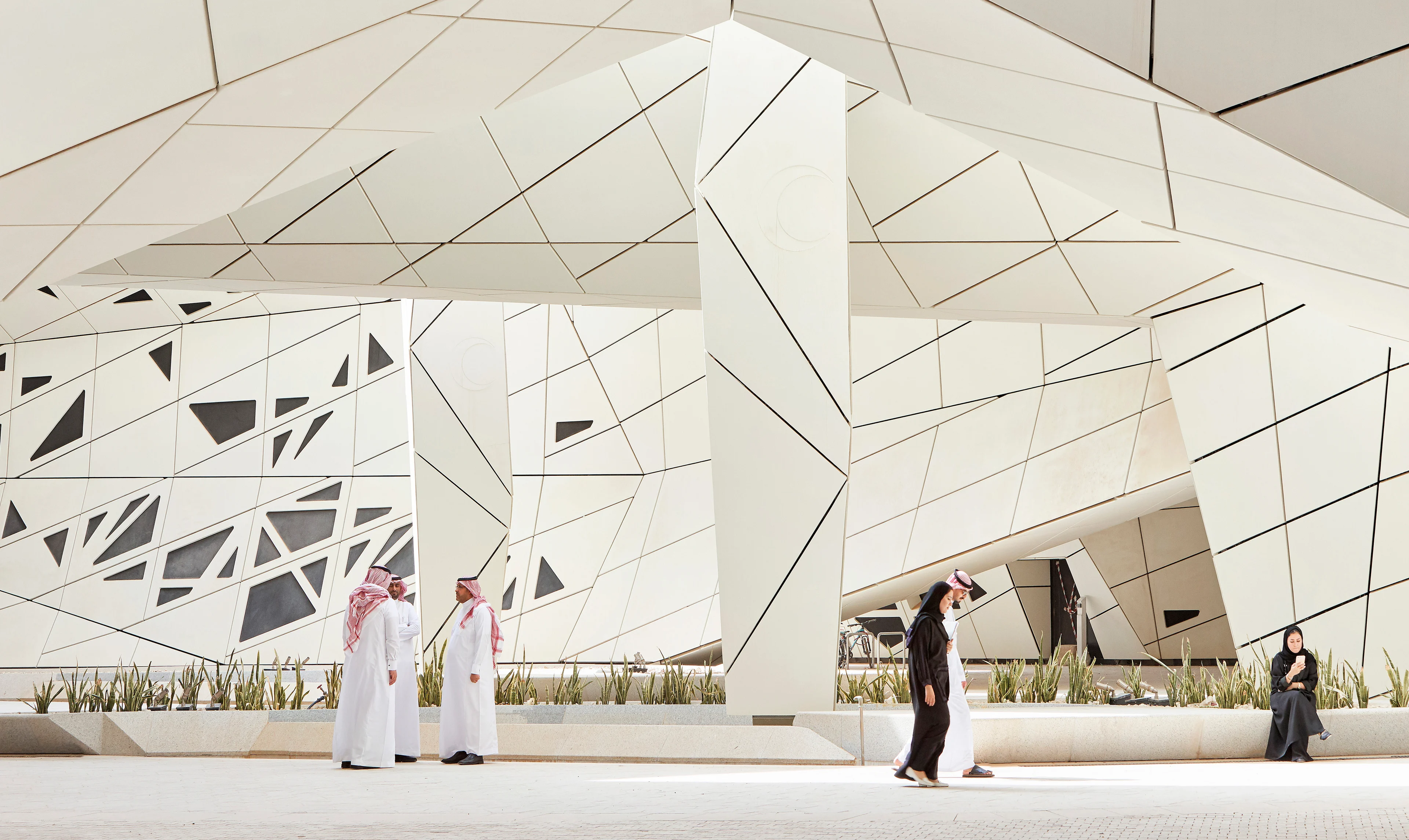
Photograph by Hufton + Crow
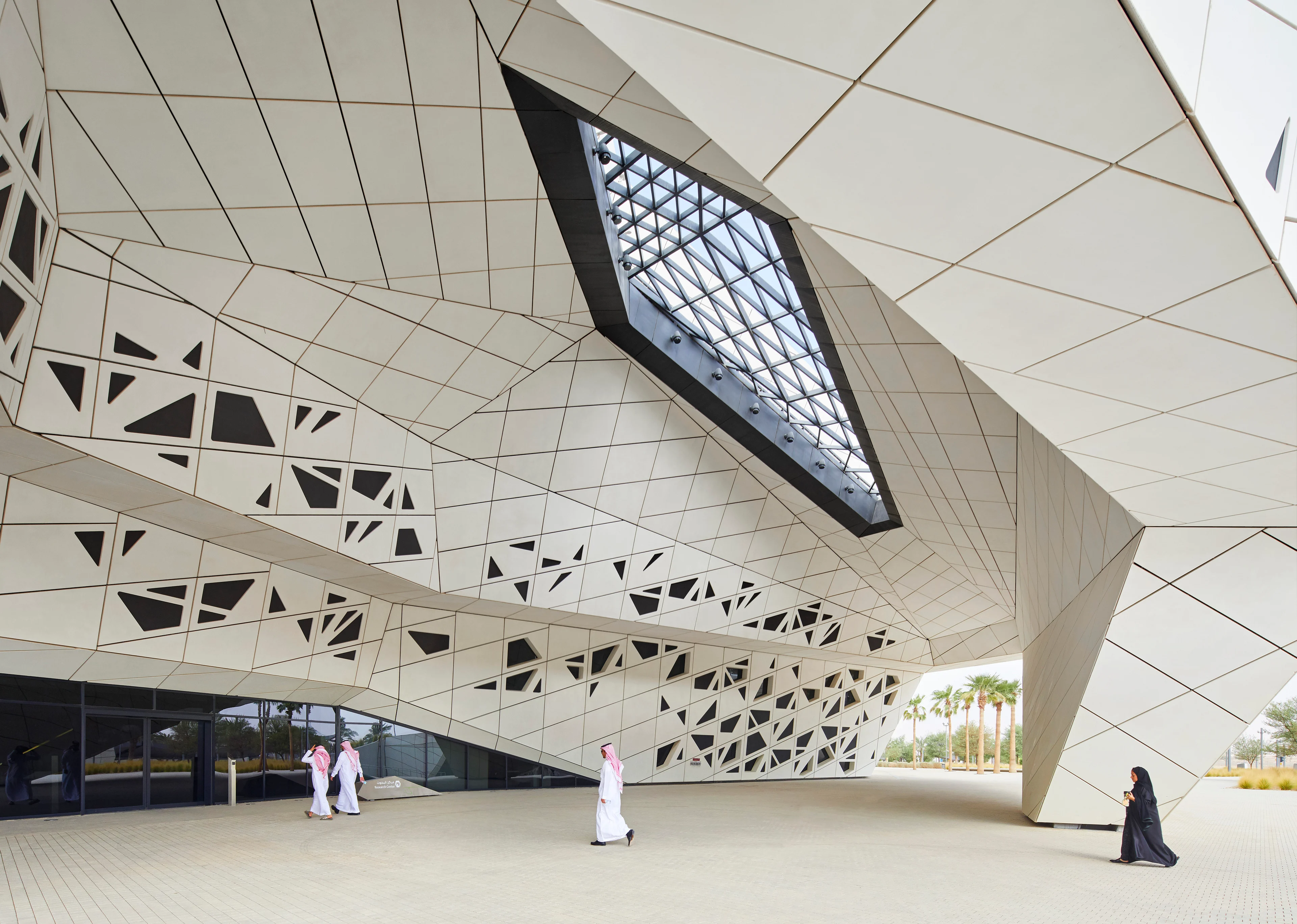
Photograph by Hufton + Crow
01
02
03
04
05
06
A non-profit institution for independent research
KAPSARC (King Abdullah Petroleum Studies and Research Centre) is a non-profit institution for independent research into policies that contribute to the most effective use of energy to provide social well-being across the globe.
KAPSARC develops policies and economic frameworks that reduce the environmental impact and overall costs of energy supply and enable practical technology-based solutions to use energy more efficiently.
Collaborating with international research centres, public policy organisations, worldwide government institutions and global industry, KAPSARC brings together leading experts from around the world to tackle energy challenges; freely sharing its knowledge, insights and analytical frameworks.
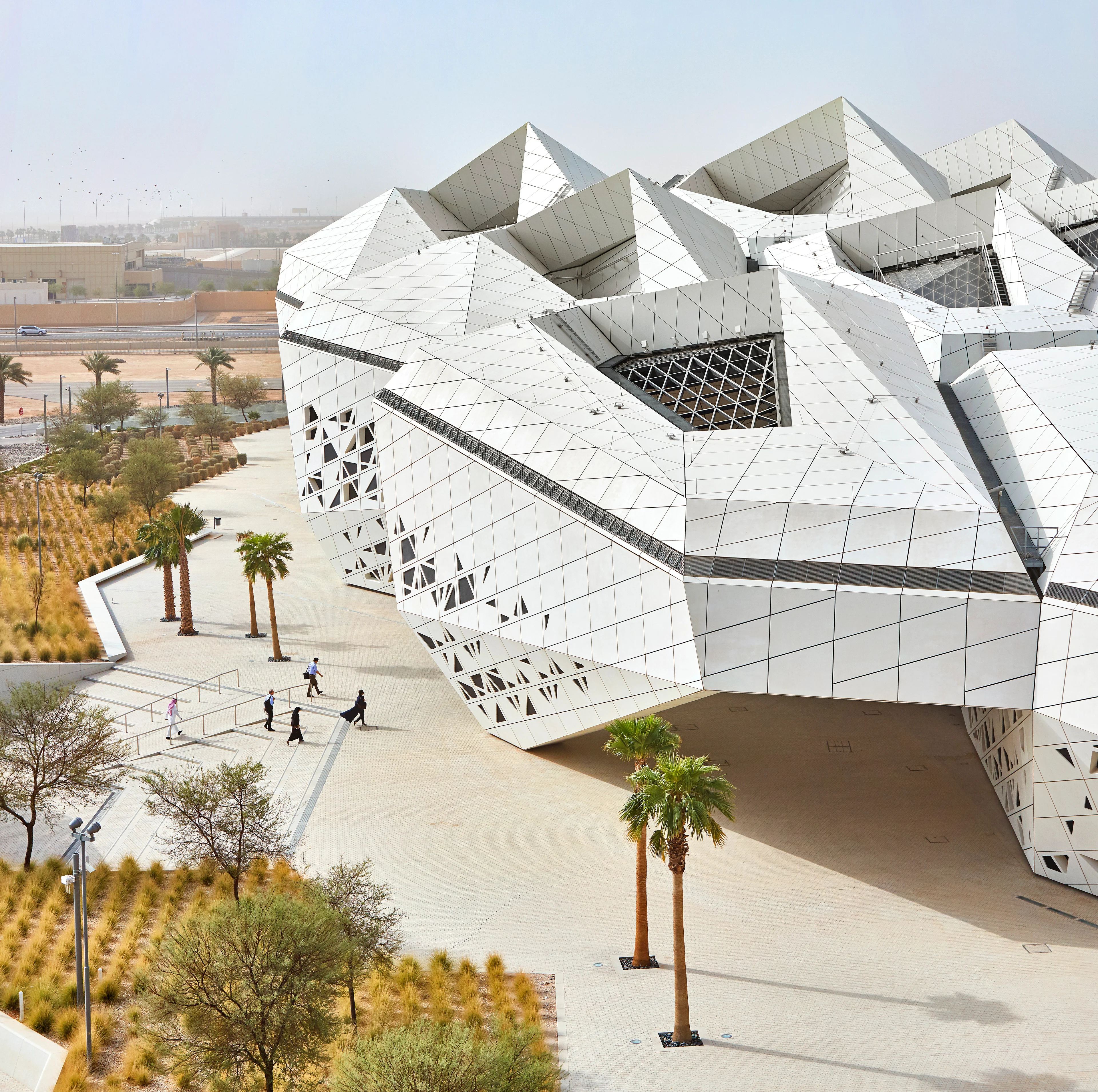
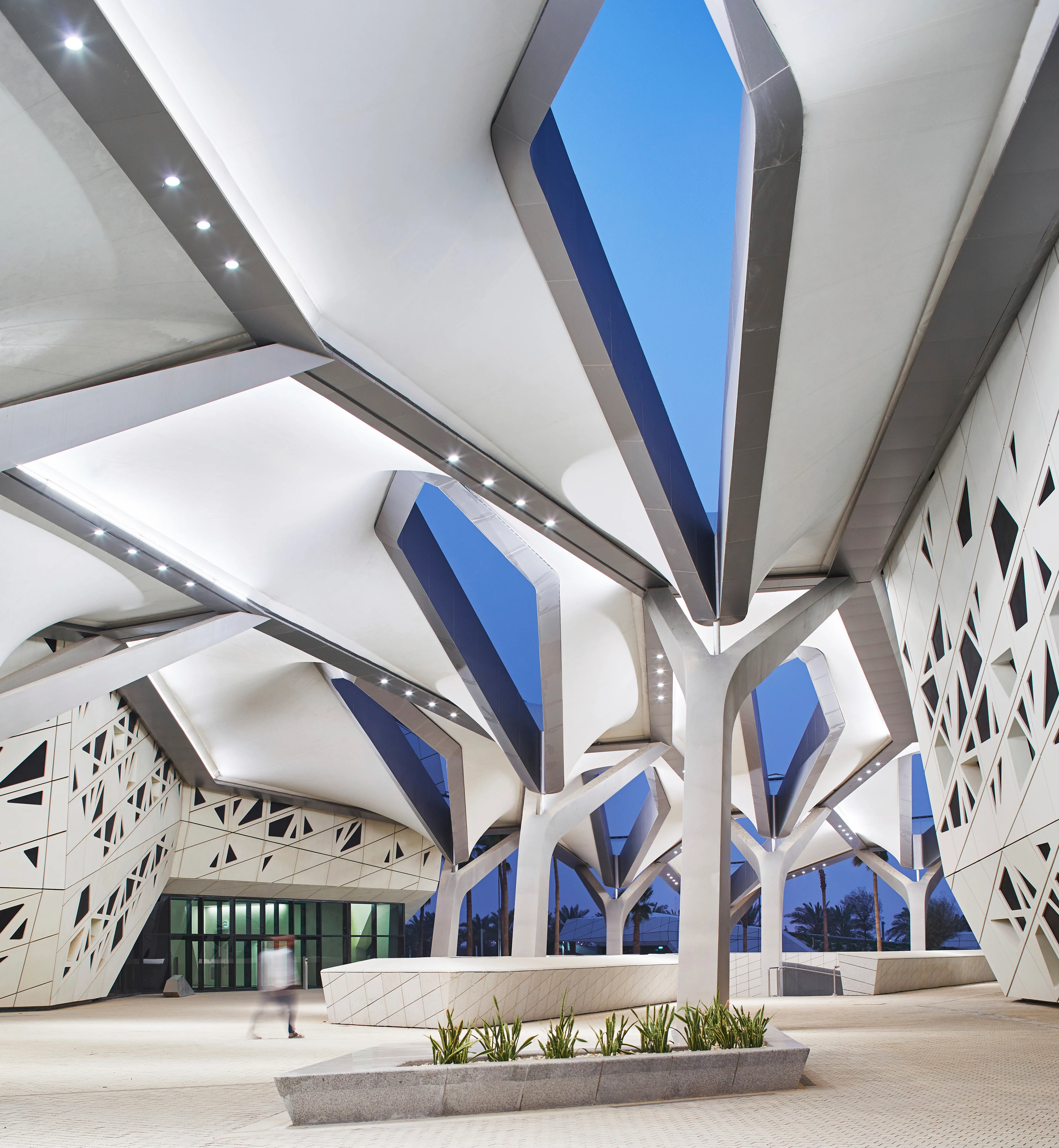
Photograph by Hufton + Crow
A design with solid technical and environmental considerations at its heart
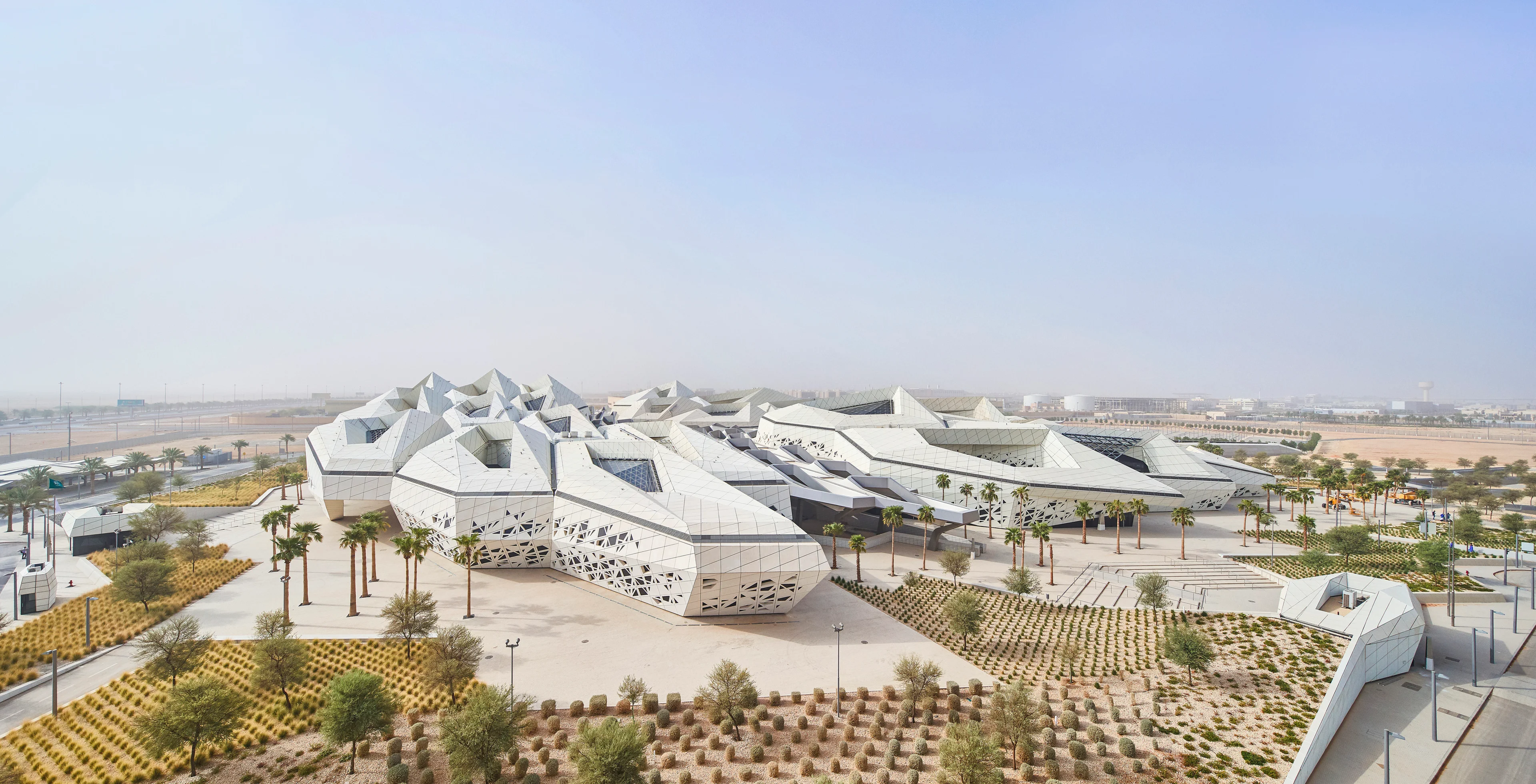
The 70,000m² KAPSARC campus incorporates five buildings: the Energy Knowledge Centre; the Energy Computer Centre; a Conference Centre with exhibition hall and 300-seat auditorium;
a Research Library with archives for 100,000 volumes; and the Musalla, an inspirational place for prayer within the campus.
KAPSARC’s design has solid technical and environmental considerations at its heart, drawing the five elements of the campus into a unified whole. ZHA’s first project to be awarded LEED Platinum certification by the US Green Building Council, the centre is designed in response to the environmental conditions of the Riyadh Plateau to minimise energy and resource consumption.
Hexagonal prismatic honeycomb structures
The primary organising strategy of the design is a cellular, partially modular system that integrates different departmental buildings as a single ensemble with interconnecting public spaces.
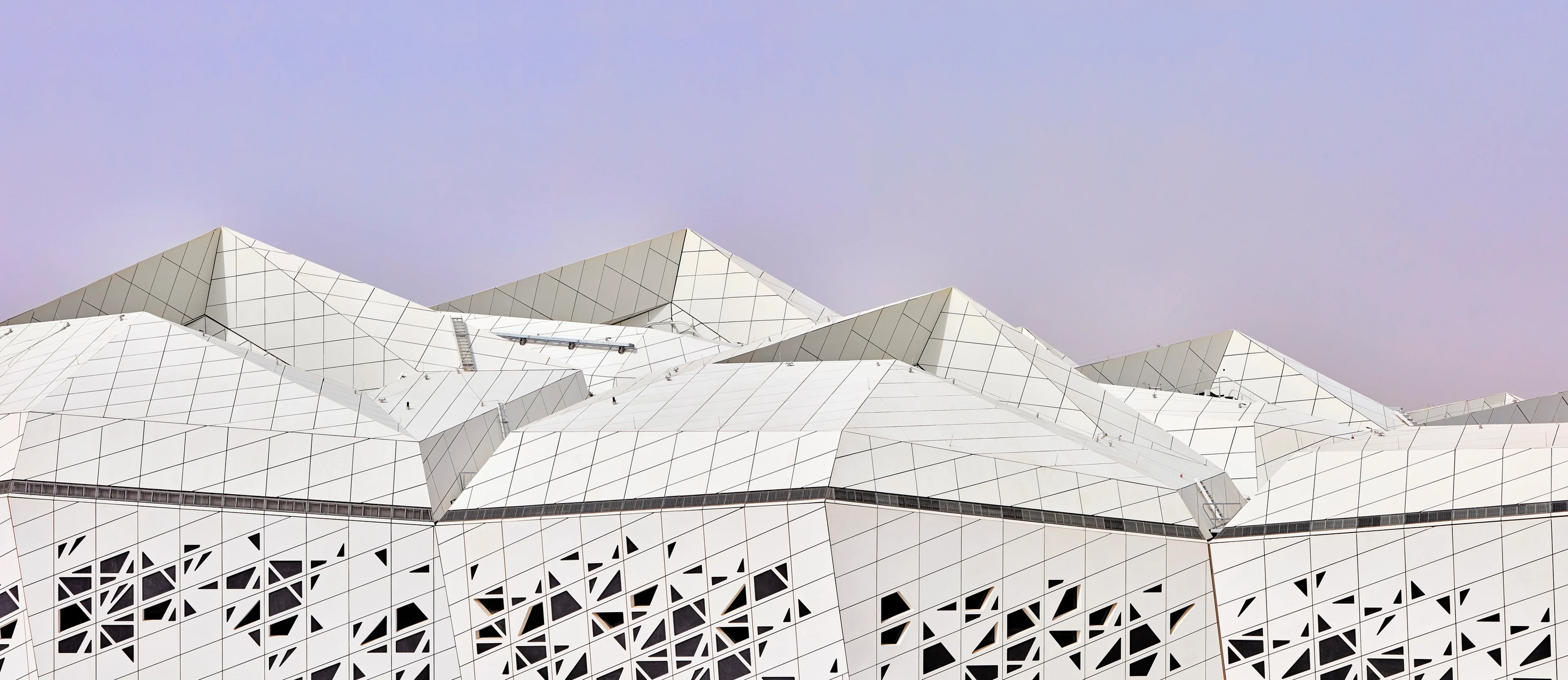
Hexagonal prismatic honeycomb structures use the least material to create a lattice of cells within a given volume. This structural and organisational principle determined KAPSARC’s composition as an amalgamation of crystalline forms that emerges from the desert landscape, evolving to best respond to the environmental conditions and internal programme requirements. The honeycomb grid is compressed towards its central axis as an extension of the natural wadi that runs to the west.
The modular design generates consistent organisational, spatial and structural strategies that drive all elements of the plan. The six sides of the hexagonal cells also offer greater opportunities for increased connectivity when compared to rectangular cells with only four sides.
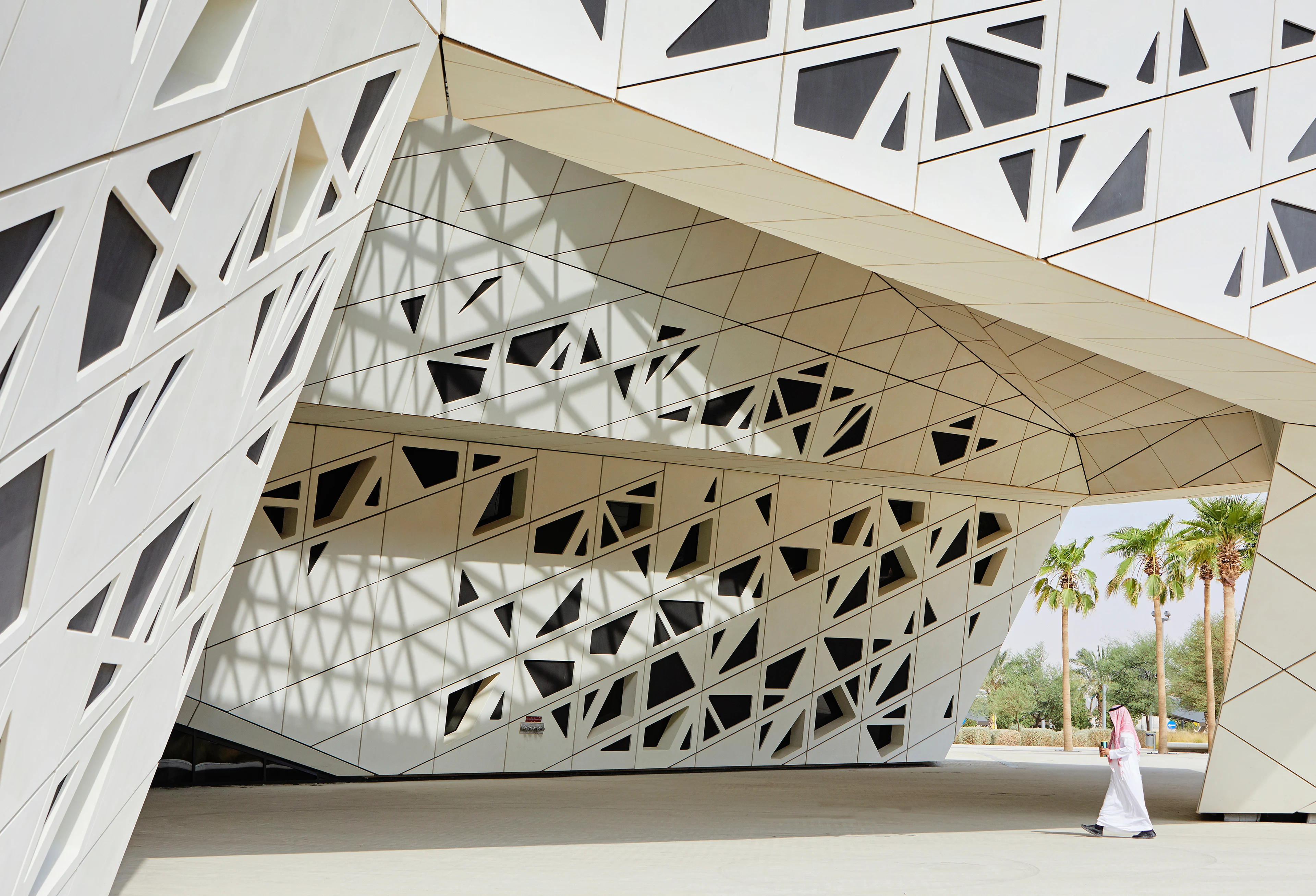
Divided into its component functions
KAPSARC’s five buildings differ in size and organisation to best suit their use. Each building is divided into its component functions and can be adapted to respond to changes in requirements or working methods. Additional cells can readily be introduced by extending KAPSARC’s honeycomb grid for future expansion of the research campus.
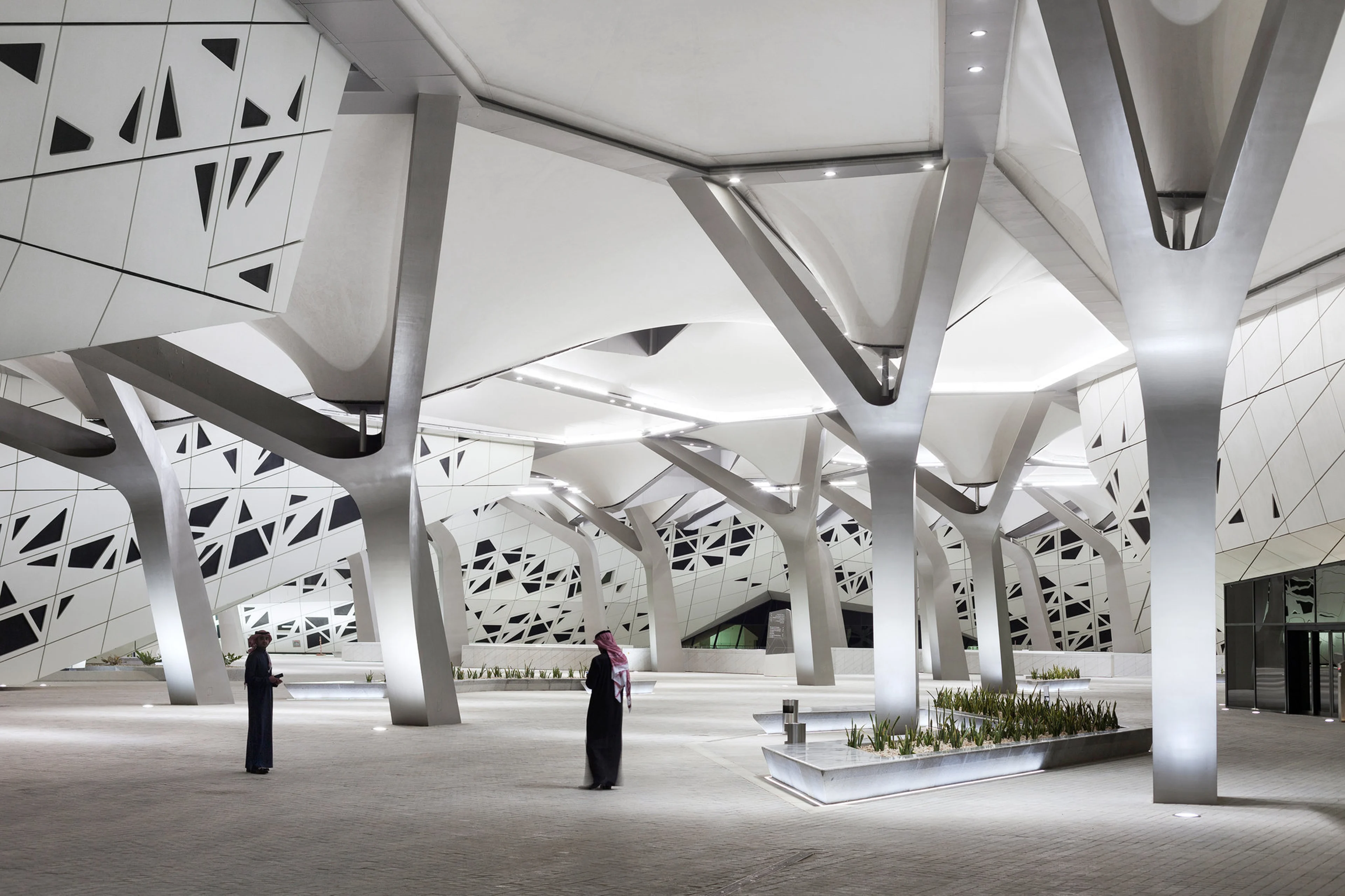
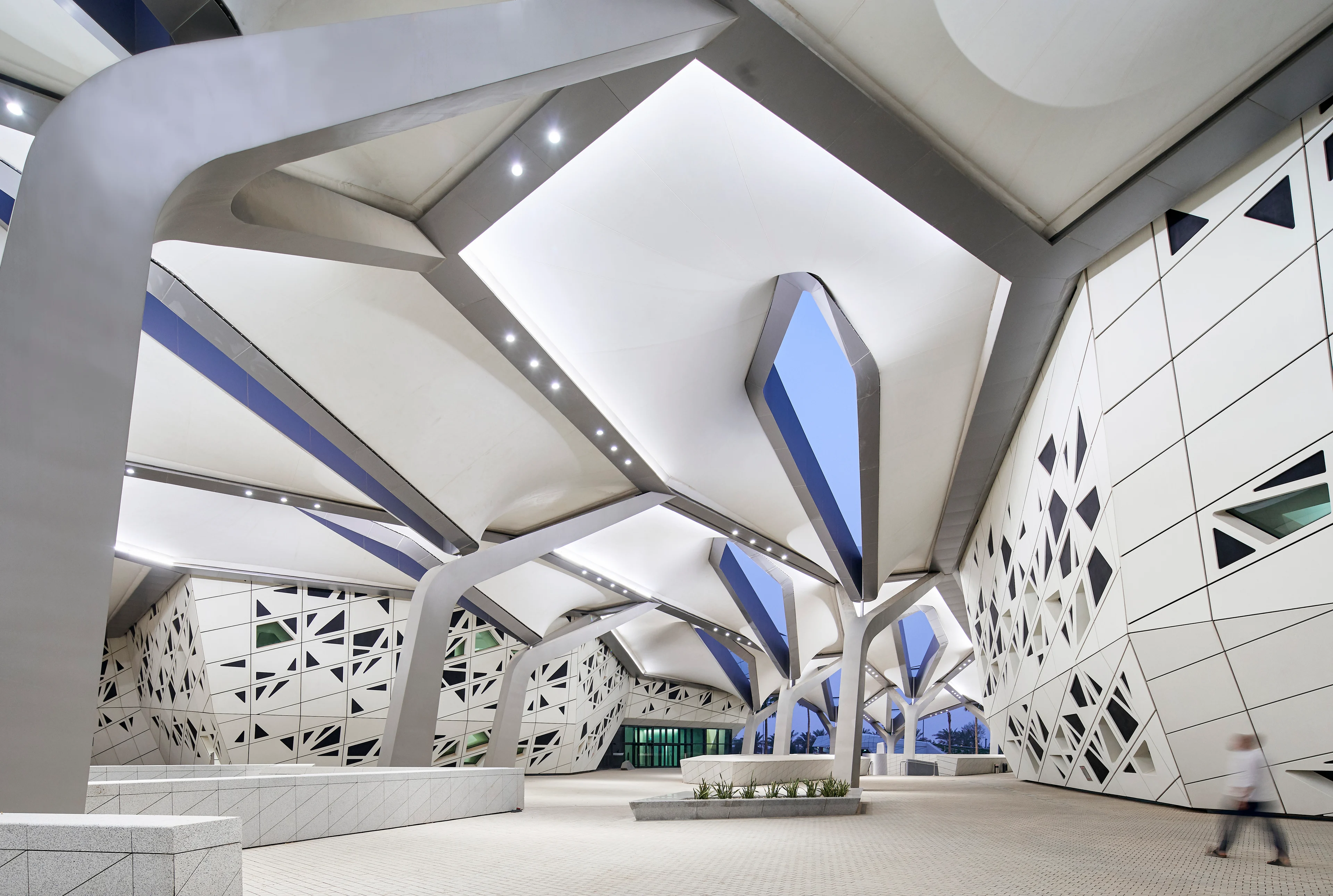
The buildings of the campus surround a large public courtyard shaded by canopies supported from a forest of crafted steel columns. Presenting a solid, protecting shell to the harsh sunlight from the south, the KAPSARC campus opens to north and west; encouraging prevailing winds from the north to cool the courtyard during temperate months and facilitating connections with any future expansion of the campus to the north, as well as creating connections with the researcher’s residential community to the west.
Privileging the pedestrian, each of the buildings within the campus is entered through this central public courtyard that also serves as a meeting space and link between buildings during temperate seasons. An underground link also connects the main buildings on the campus for use at the hottest times of the year.
Promoting transparency and encouraging an active exchange between researchers and visitors
With its strong, protective shell on the exterior that shields from the extremes in weather, KAPSARC’s architecture is porous within. Specific hexagonal cells strategically located within each building are left open to create a series of sheltered courtyards that bring softly-controlled daylight into the interior.
Orientated for the sun and wind conditions, the crystalline forms of the prismatic architectural cells gain in height towards the south, west, and east to shield internal spaces from direct sunlight, while the courtyards within are oriented to the north and northwest to bring indirect sunlight into the spaces below.
‘Wind-catchers’ integrated within the roof profiles on the southern sides of each courtyard catch the prevailing winds from the north, cooling each courtyard.
KAPSARC’s architecture promotes transparency and encourages an active exchange between researchers and visitors. By strategically off-setting floorplates, spatial layering effects are created throughout the centre to provide views to the floors above and below; offering transparency between floors in public areas designed as collective zones for researchers to meet informally and exchange ideas. Secure areas and rooms requiring privacy are located within areas of each building where floorplates overlap
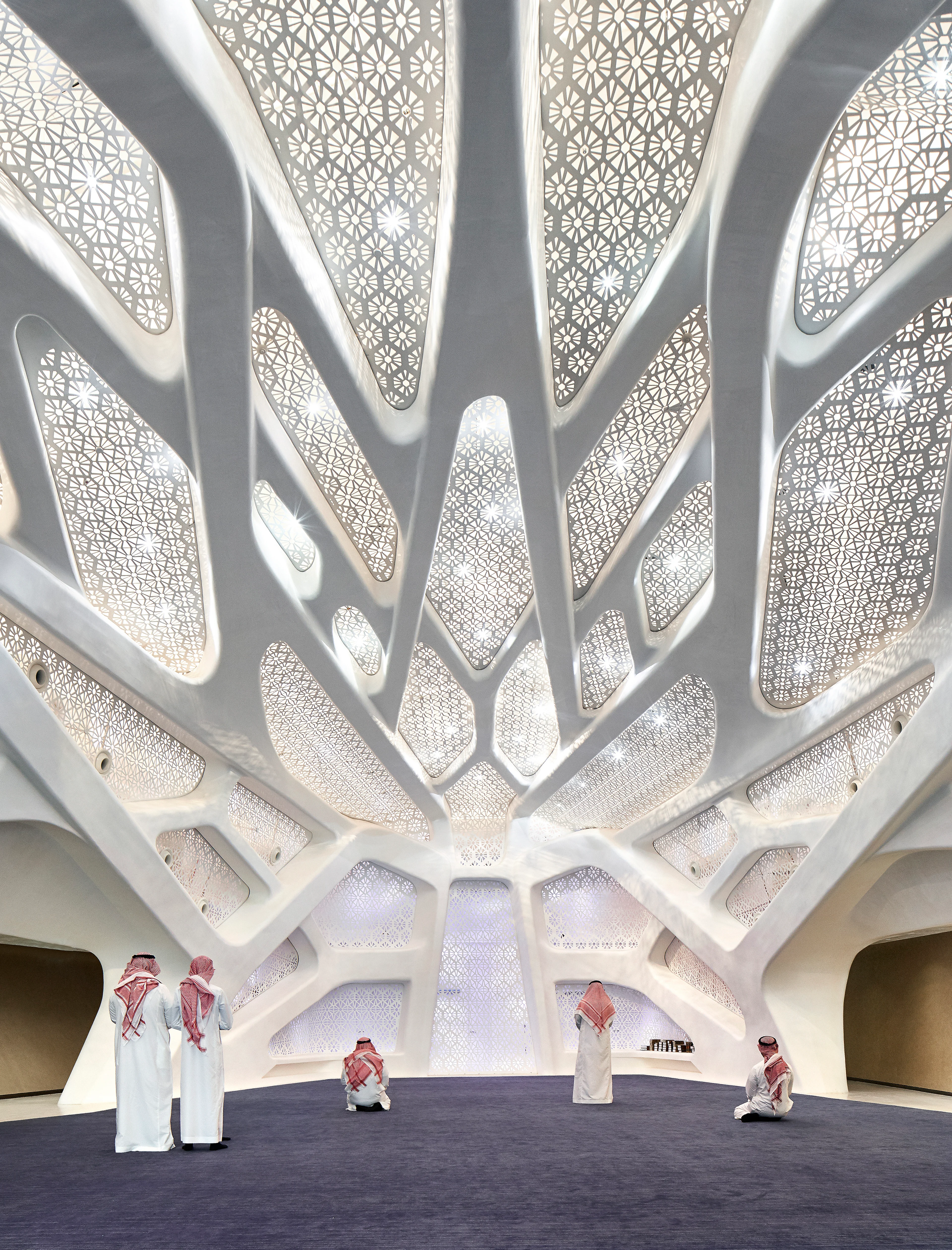
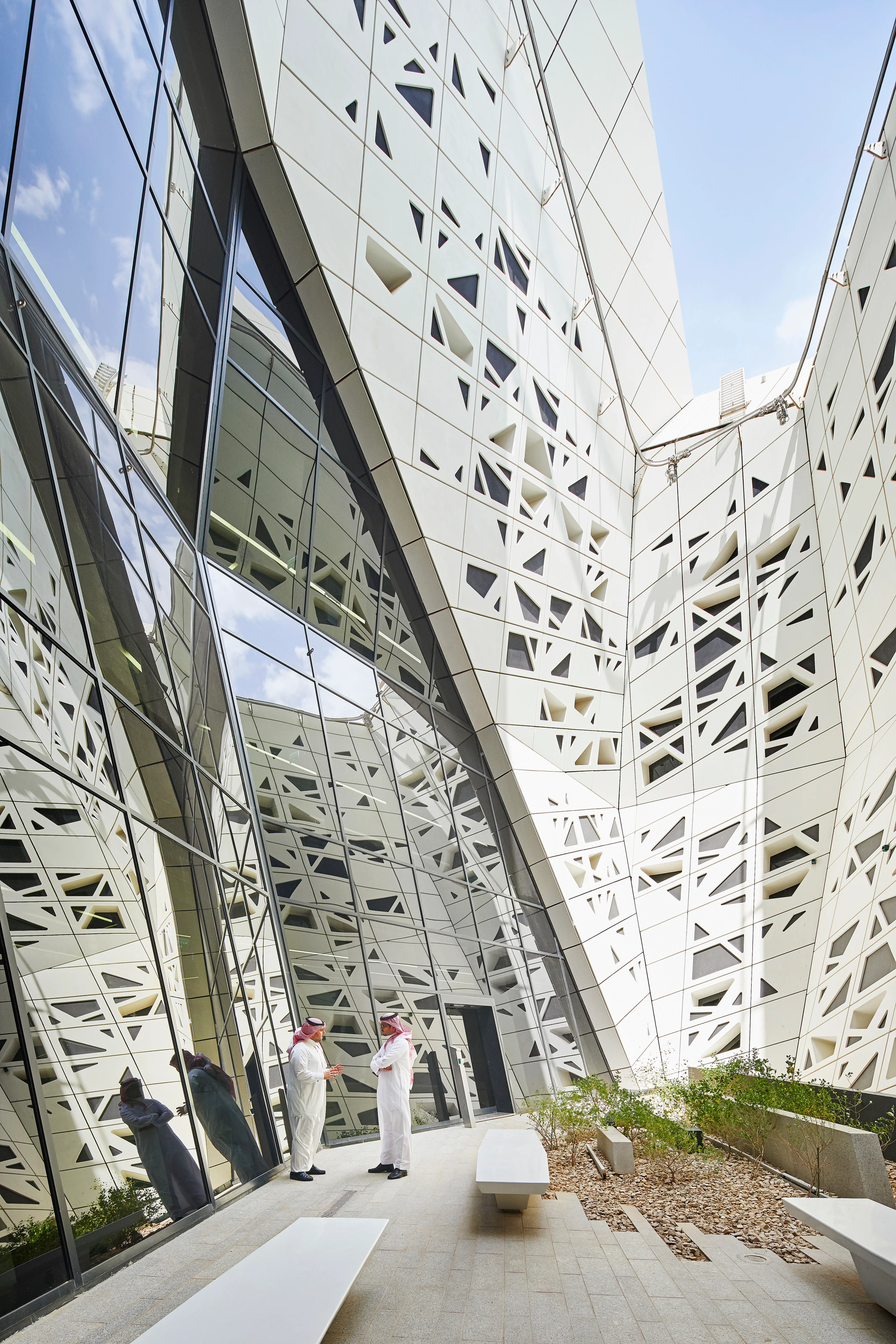
Photograph by Hufton + Crow
Outstanding environmental sustainability, safety and productivity
KAPSARC was awarded LEED Platinum certification from the United States Green Building Council (USGBC) through its application of passive and active solutions including:
• A 45% reduction in energy performance (compared to the ASHRAE baseline standards) achieved via KAPSARC’s building massing and orientation, façade optimisation, system selection and the solar PV array located on the roof of the south-facing Conference Centre with a capacity of 5,000MWh/year.
• All KAPSARC’s potable water is recycled and reused on site and 100% of irrigation water is from non-potable sources.
• 40% of KAPSARC’s construction materials have been sourced from within 500 miles, and 30% of materials made with recycled content.
• 98% of all wood certified by the Forest Stewardship Council (FSC).
• 4,000 tonnes of waste separated and diverted from landfill.
KAPSARC has also been named Saudi Arabia’s ‘smartest’ building in the Honeywell Smart Building Awards programme. Based on criteria that include environmental sustainability, safety and productivity, KAPSARC received outstanding scores across all three categories
EDUCATION
Explore more of our education buildings
From an academy in London awarded the RIBA Stirling Prize to a 23,000 square metre international research centre in Uzbekistan, discover our education projects.
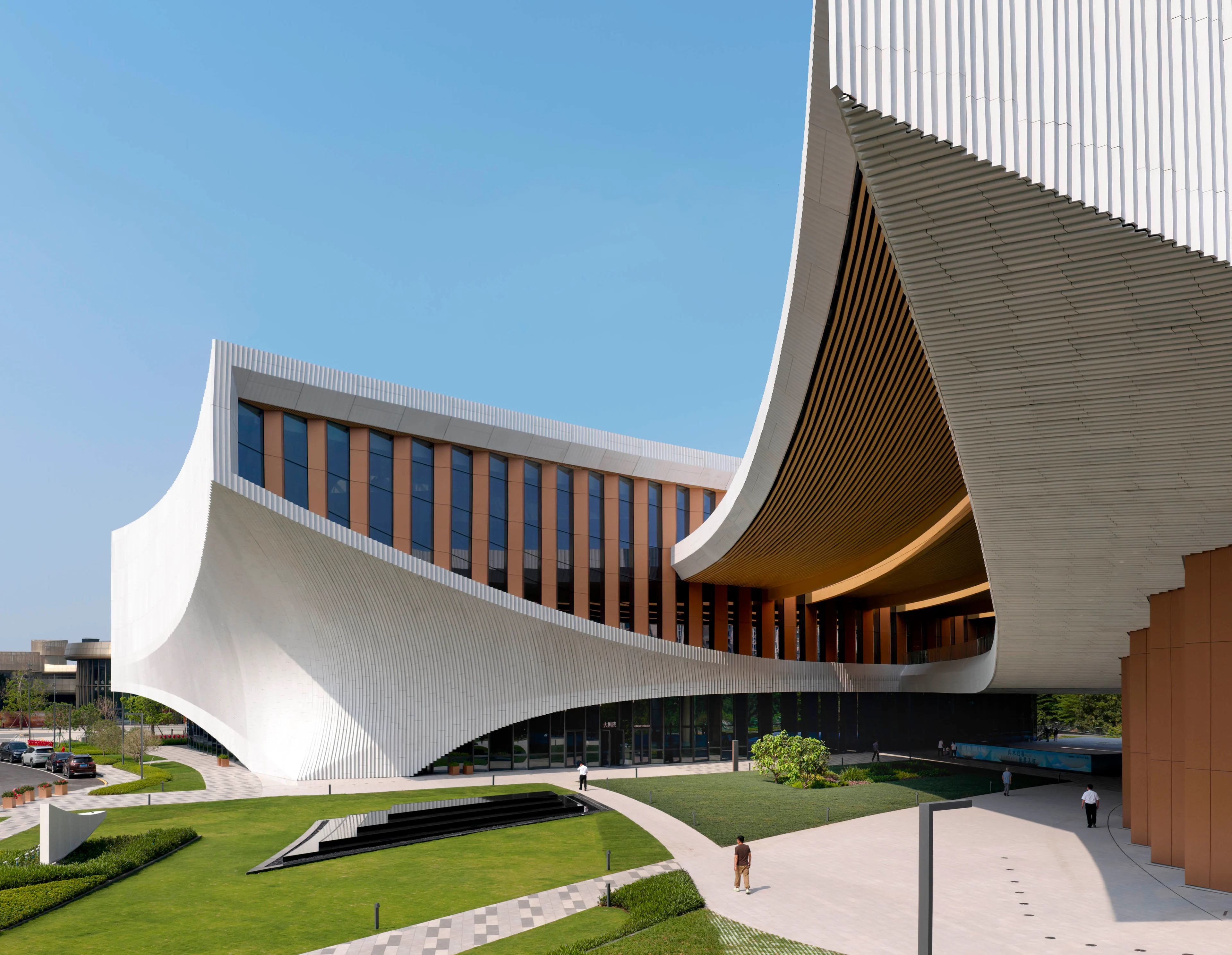
Songshan Lake Performance and Exhibition Centre
Located in Dongguan within the Greater Bay Area of southern China’s Pearl River estuary, the new Songshan Lake Exhibition and Performance Centre is at the heart of a mixed-use masterplan to revitalize the Yuehe Lake waterfront.
Courtesy of ZHA
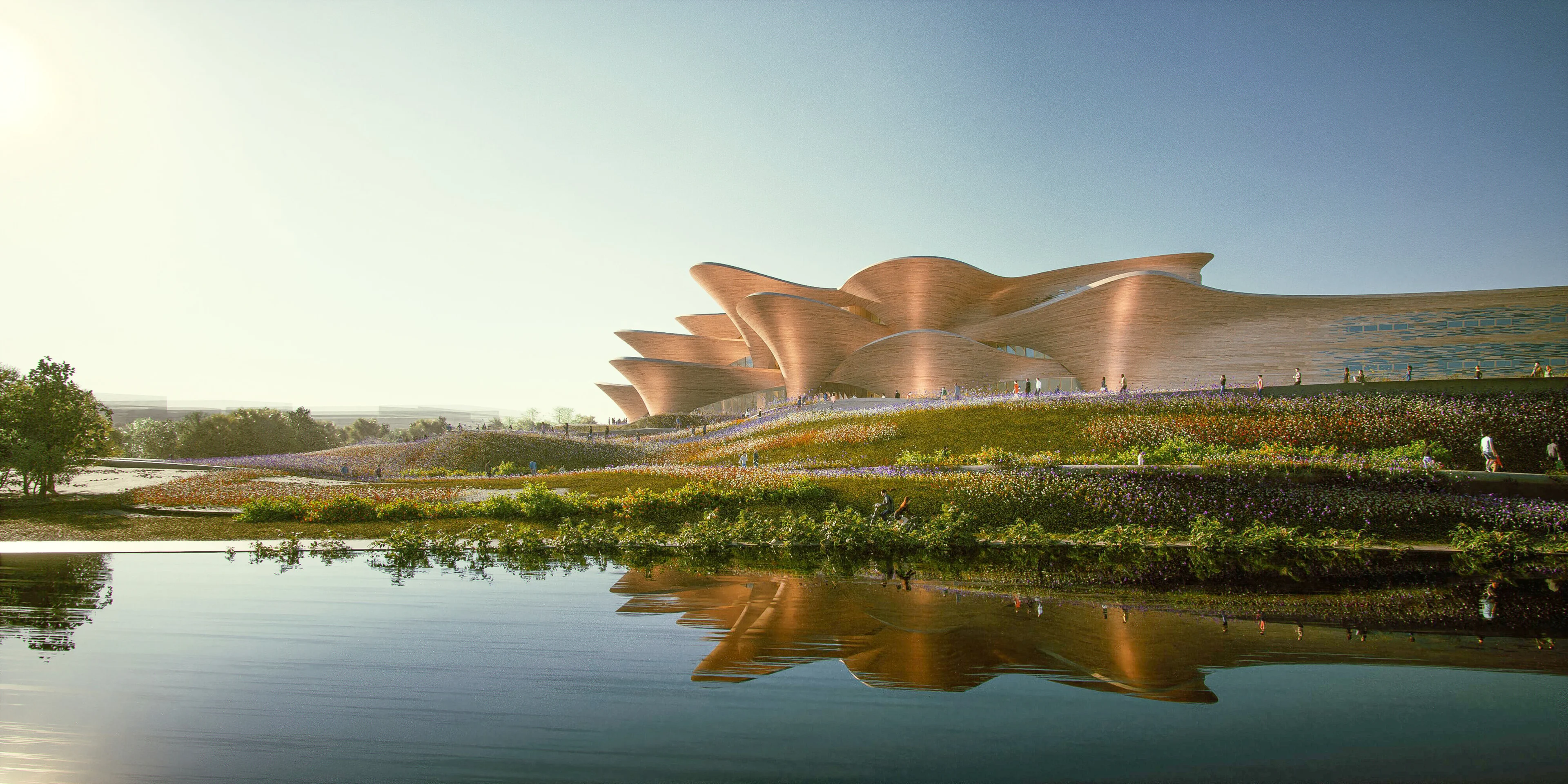
River View
Alisher Navoi Institute
The Alisher Navoi International Scientific Research Centre will incorporate the Navoi State Museum of Literature, Auditorium, International Research Centre and School.
Render by Brick Visual
Roofline
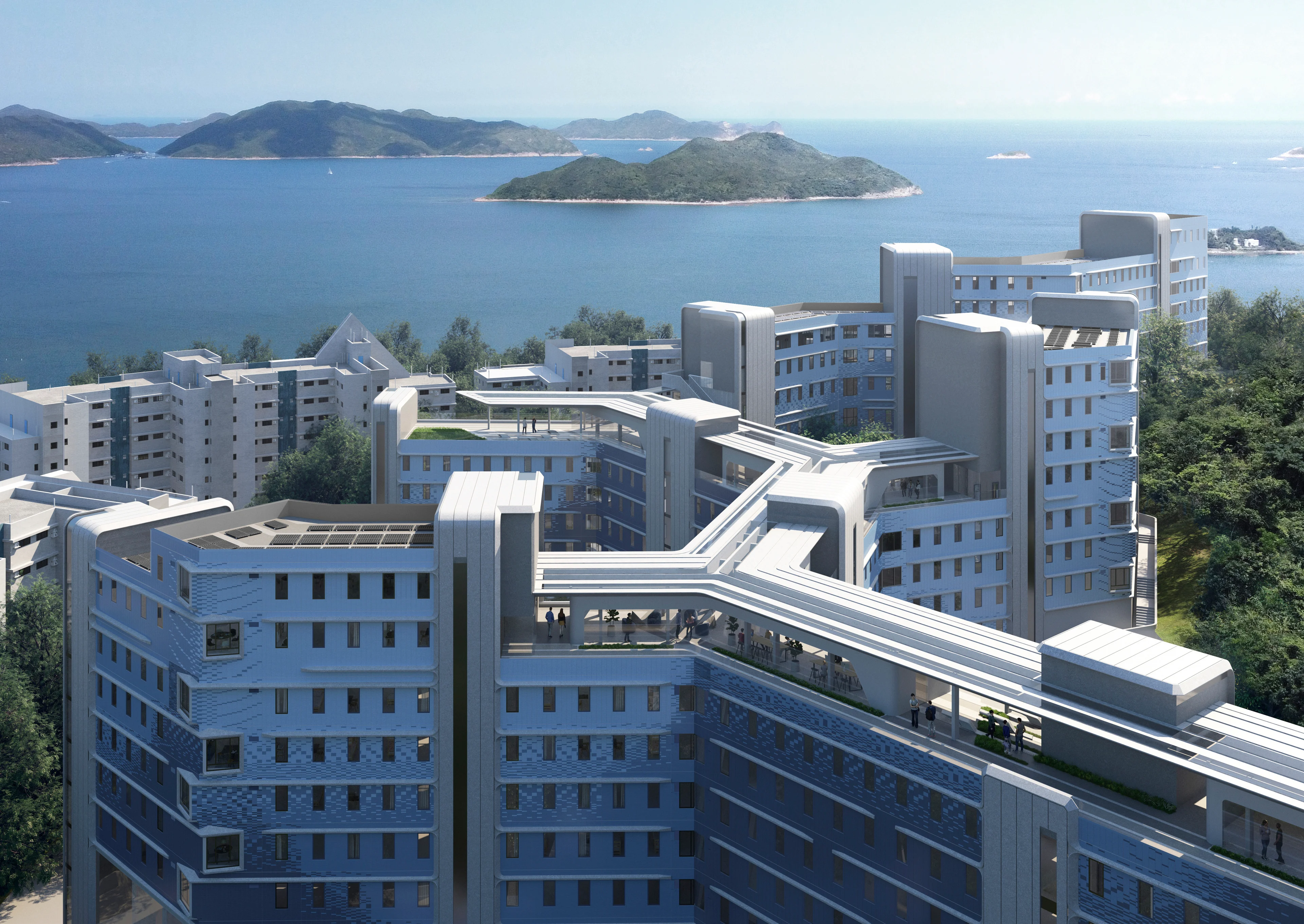
Jockey Club i-Village at HKUST
Established in 1991, Hong Kong University of Science & Technology (HKUST) has become a leading research institution consistently ranked amongst the best in Asia and around the globe. Over half of the university’s 16,000 students enrolled in the 2019-2020 academic year are from overseas, creating an urgent demand for new residential facilities within its Clear Water Bay campus.
Photograph by Luke Hayes
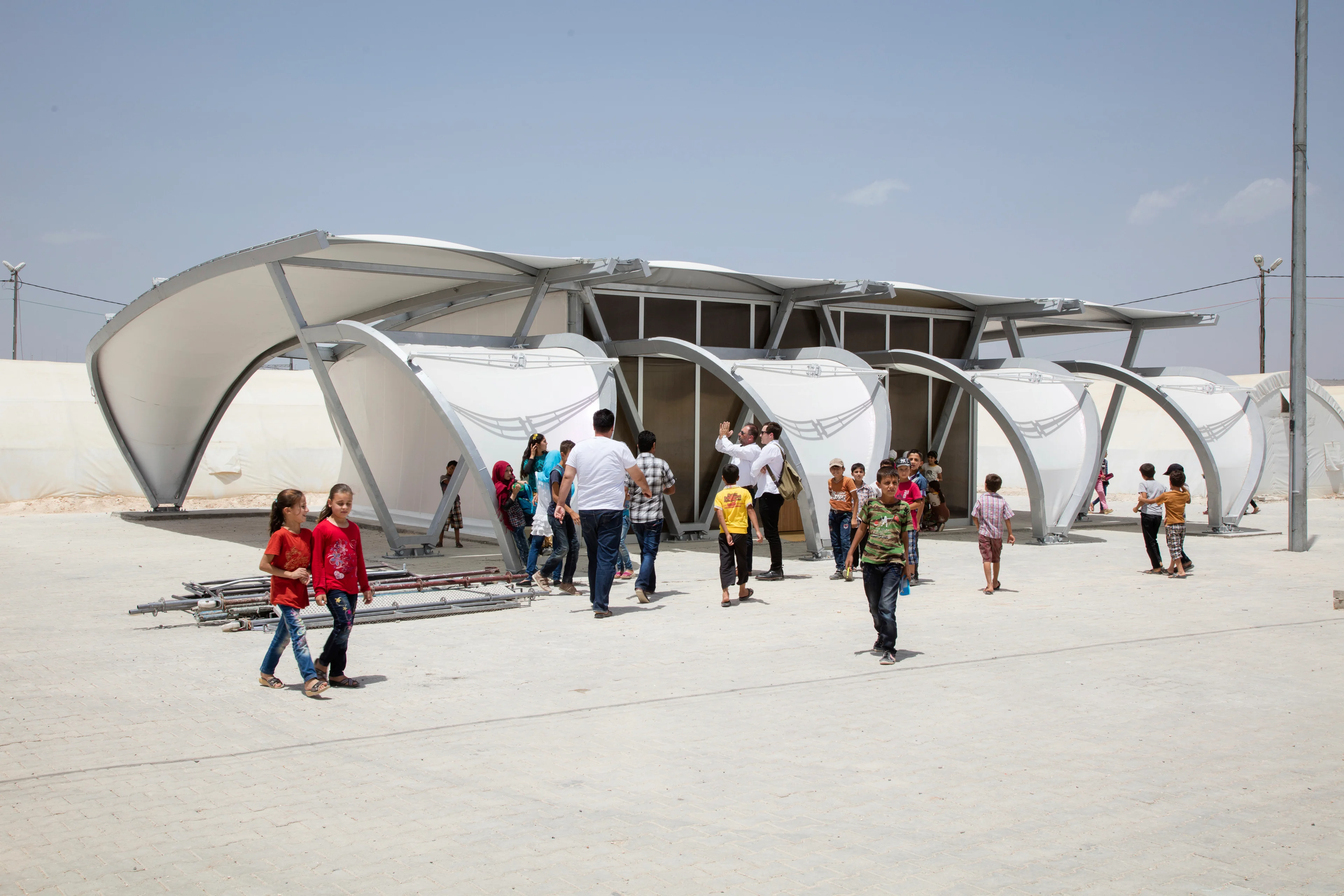
School for displaced children, Turkey 2016
EAA Foundation Tents
Designed for use as schools, clinics and emergency shelters in refugee and displaced communities, the tents are a joint venture between ZHA and the Education Above All Foundation (EAA).
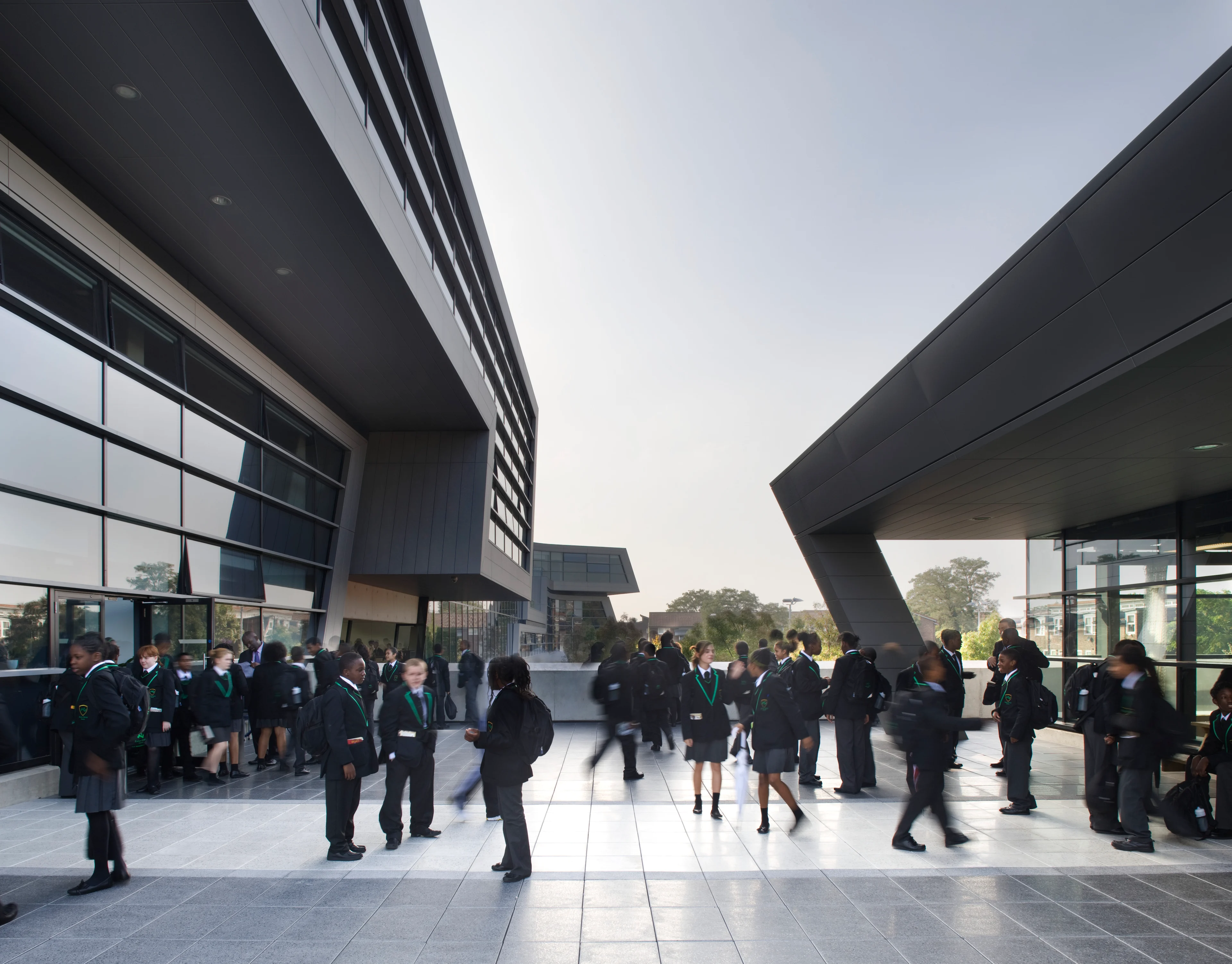
Photograph by Luke Hayes
Grace Middle School Entrance Terrace
Evelyn Grace Academy
An opportunity to broaden the educational diversity of this active and historic London area. Following the principle of ‘schools within schools’, the design generates natural patterns of division within highly functional spaces which give each of the four smaller schools a distinct identity, both internally and externally.
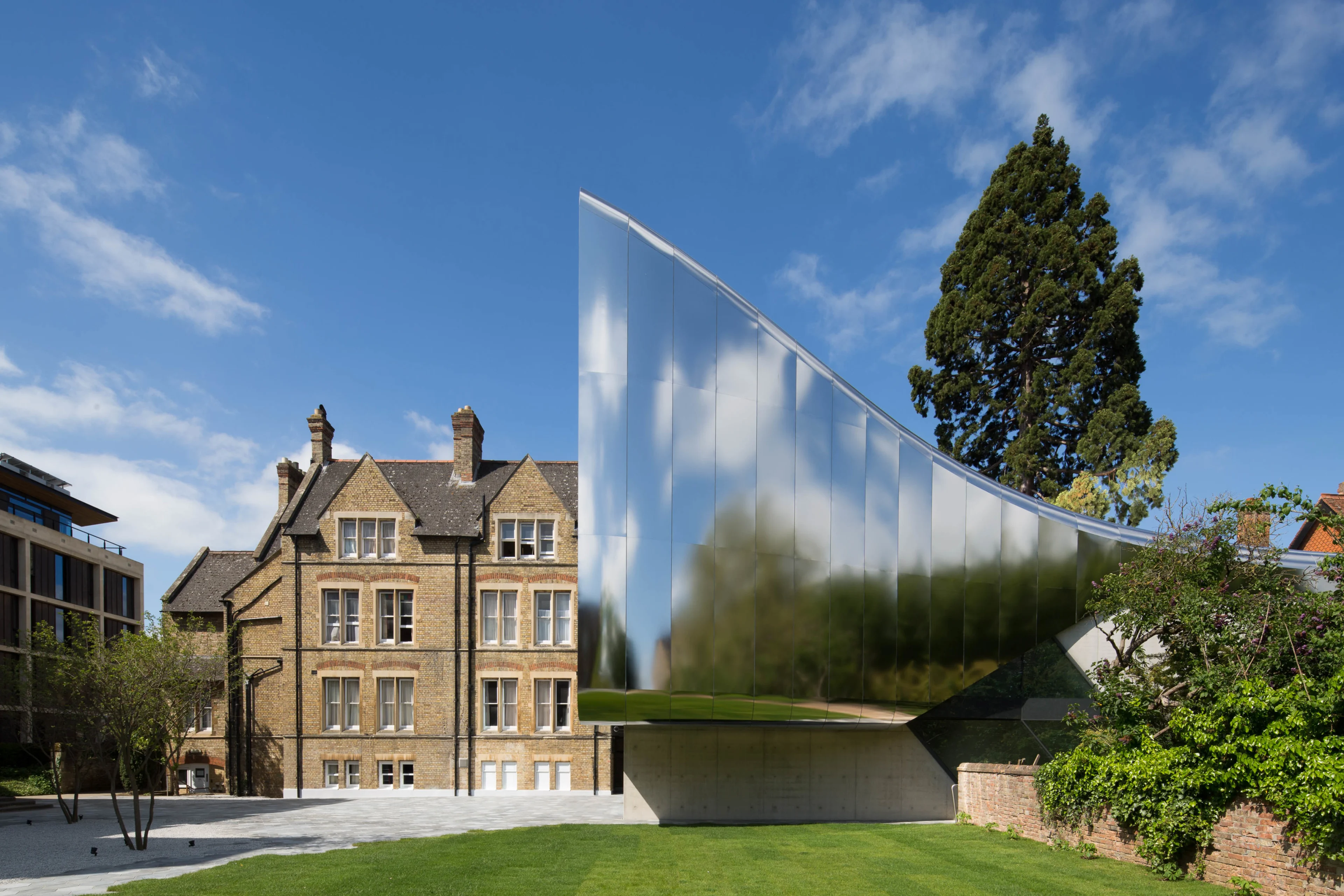
Photograph by Luke Hayes
Investcorp Building for Oxford University St Antony’s College
The new Investcorp Building for the Middle East Centre provides 1,127m² of additional floor space and a new 117-seat lecture theatre; doubling the space available for the Middle East Centre’s expanding library & archive, and providing optimum conditions to conserve and manage the centre’s collections that were previously stored in the basement of 66 Woodstock Road.
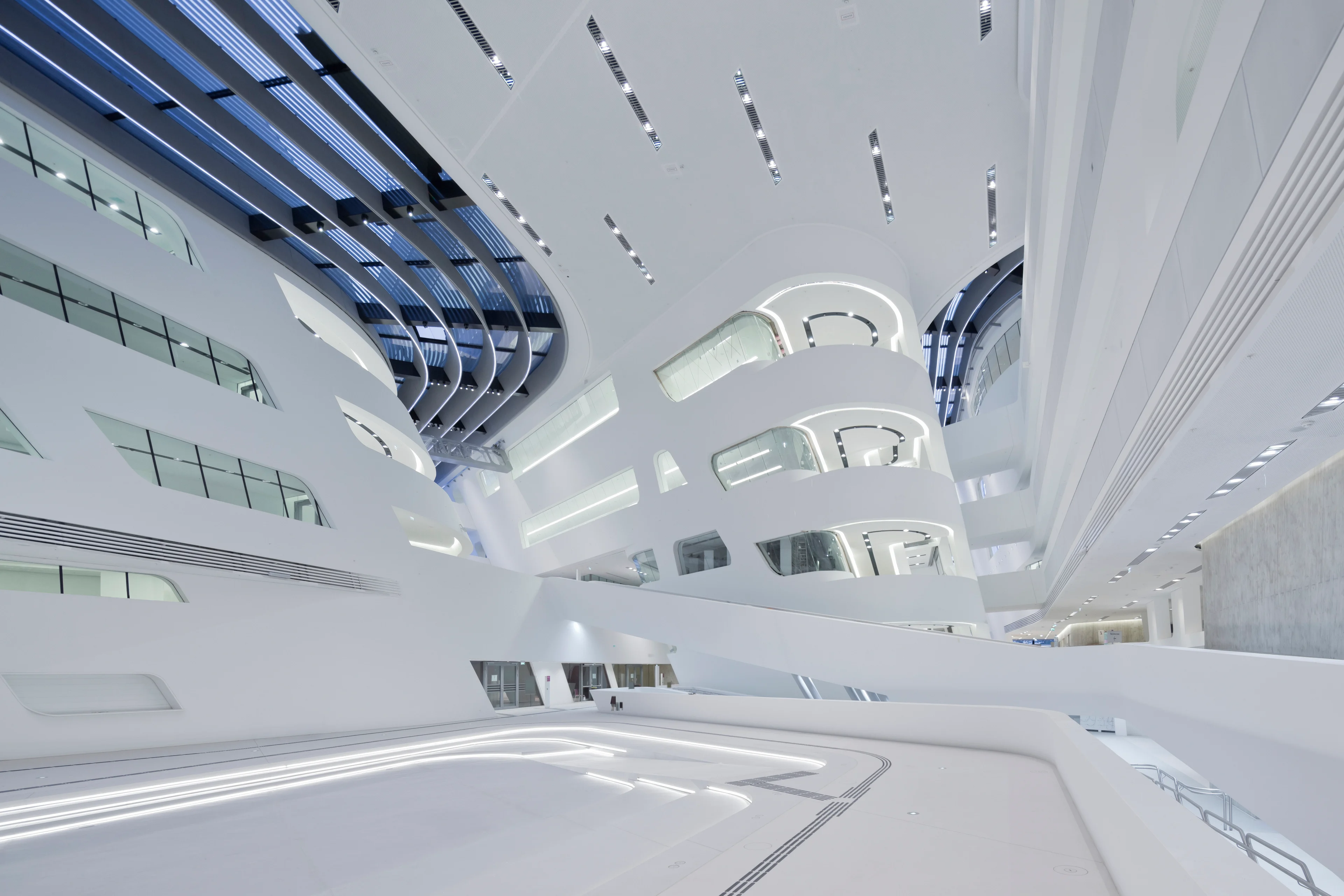
Photograph by Iwan Baan
Library & Learning Centre University of Economics Vienna
The new Library and Learning Centre rises as a polygonal block from the heart of the new University campus. The interior of the LLC is informed by the external landscape of the masterplan which maps out the different levels.
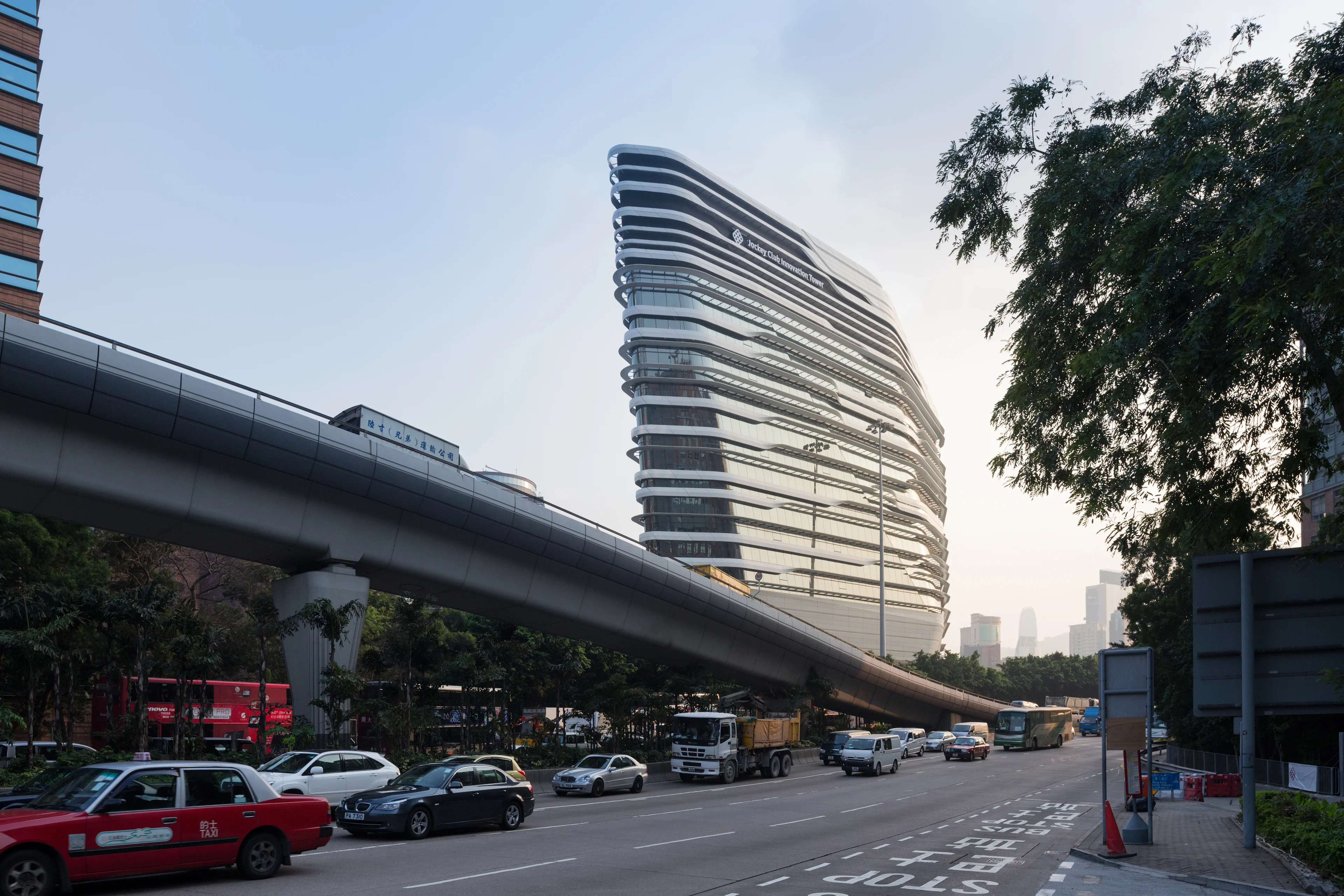
Photograph by Iwan Baan
Jockey Club Innovation Tower
The Jockey Club Innovation Tower (JCIT) is home to the Hong Kong Polytechnic University (PolyU) School of Design, and the Jockey Club Design Institute for Social Innovation.
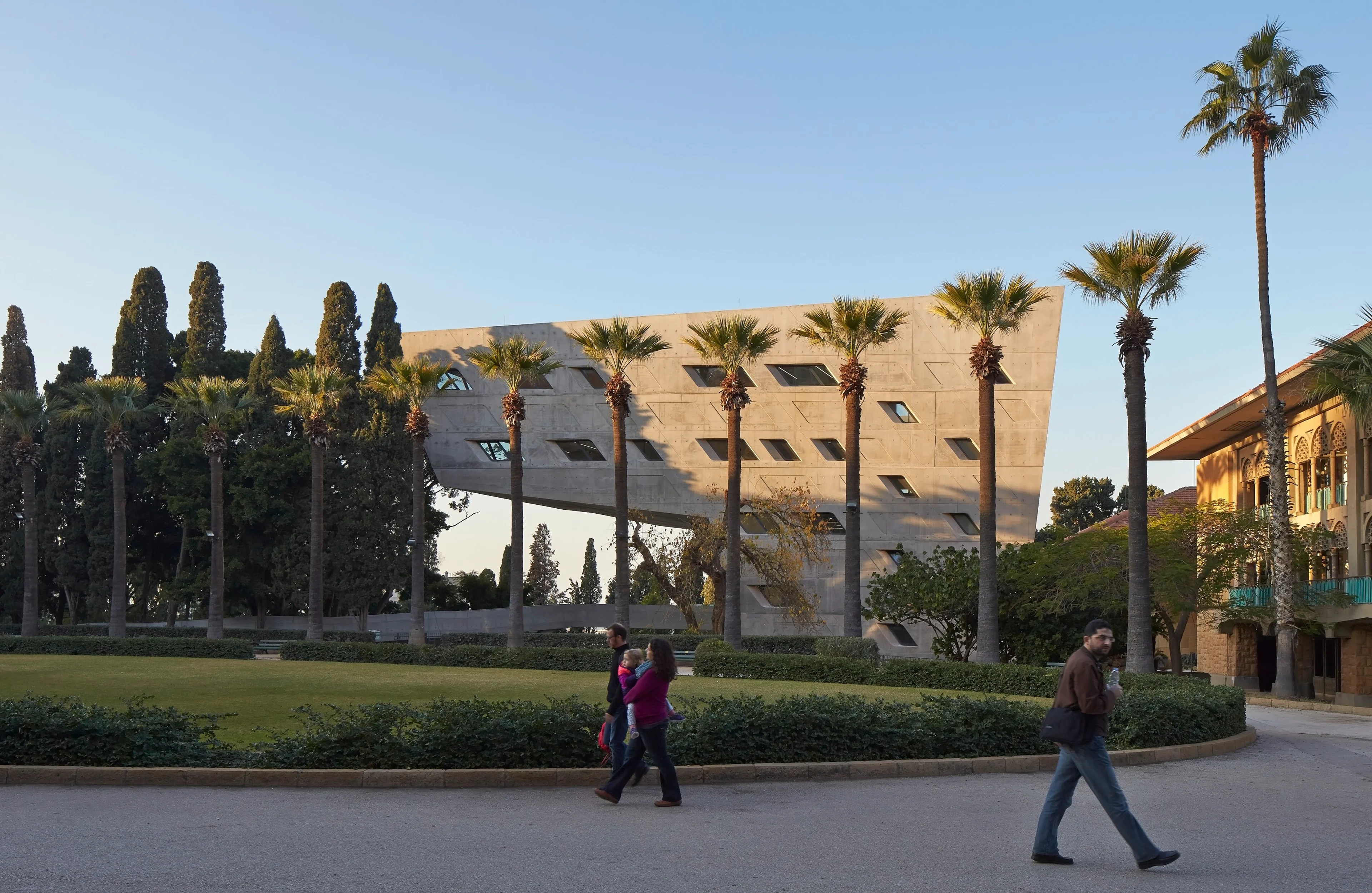
Photograph by Hufton + Crow
Issam Fares Institute, American University of Beirut
The Issam Fares Institute for Public Policy and International Affairs (IFI) building at the American University of Beirut (AUB) continues the on-going implementation of the 2002 AUB Campus Master Plan to advance the university’s academic mission in the 21st Century with facilities of the highest international standards.
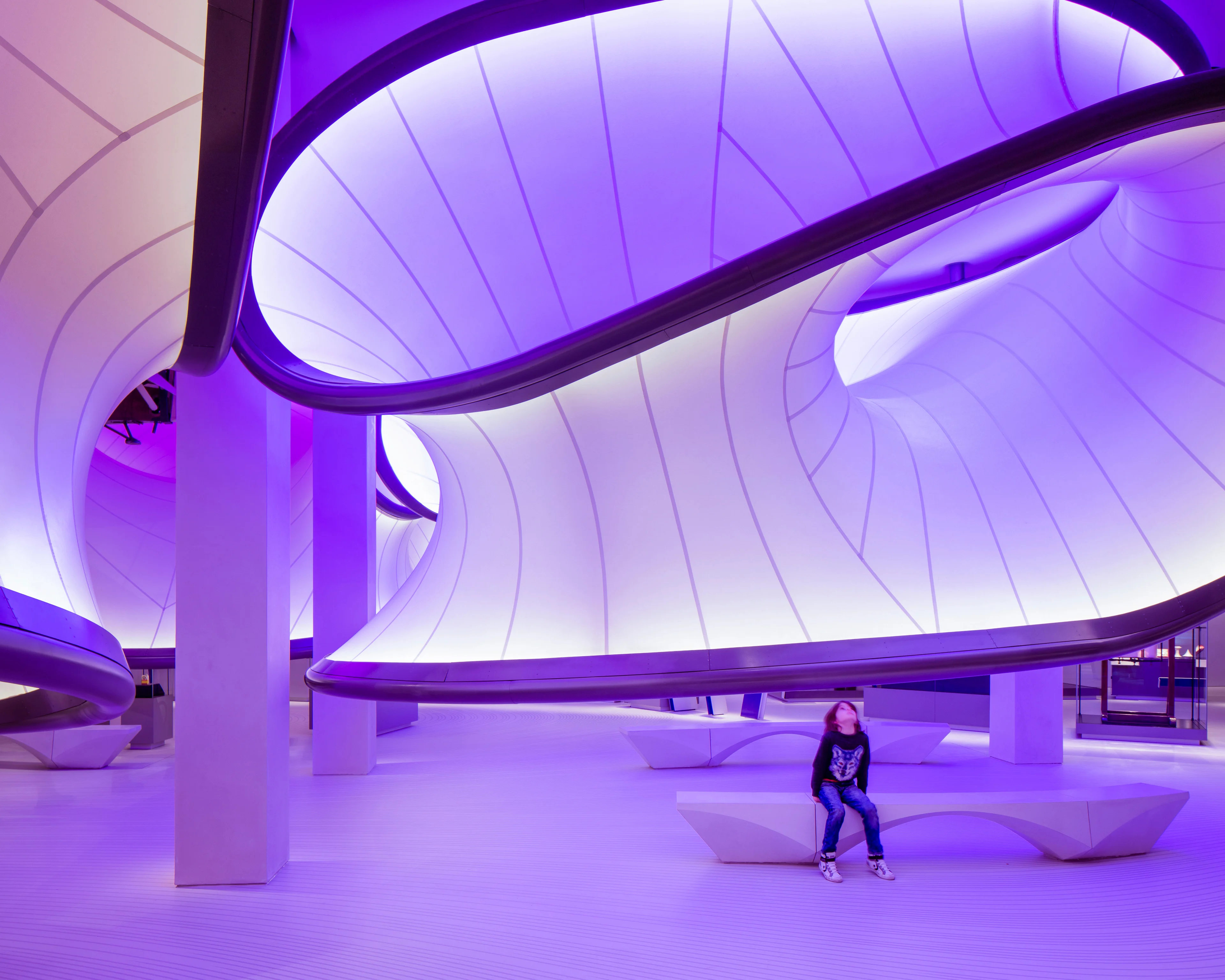
Photograph by Luke Hayes
Mathematics: The Winton Gallery, Science Museum
Mathematics: The Winton Gallery brings together remarkable stories, historical artefacts and design to highlight the central role of mathematical practice in all our lives, and explores how mathematicians, their tools and ideas have helped build the modern world over the past four centuries.
01
02
03
04
05
06
07
08
09
10