
Render by Brick Visual
Roofline
Hong Kong, China
2018 - TBC
Hong Kong University of Science & Technology
Jockey Club i-Village at HKUST
Render by Brick Visual
Overall masterplan
A leading research institution
Established in 1991, Hong Kong University of Science & Technology (HKUST) has become a leading research institution consistently ranked amongst the best in Asia and around the globe. Over half of the university’s 16,000 students enrolled in the 2019-2020 academic year are from overseas, creating an urgent demand for new residential facilities within its Clear Water Bay campus.
The university’s new halls of residence designed by ZHA and Leigh & Orange will house over 1,500 students.
Marrying advanced digital design technologies with sustainable construction practices and operational strategies for its 50 year life cycle, the design is guided by the university’s mission to harness technology and innovation to solve today’s critical global issues.
Helping to build a stronger cross-campus culture
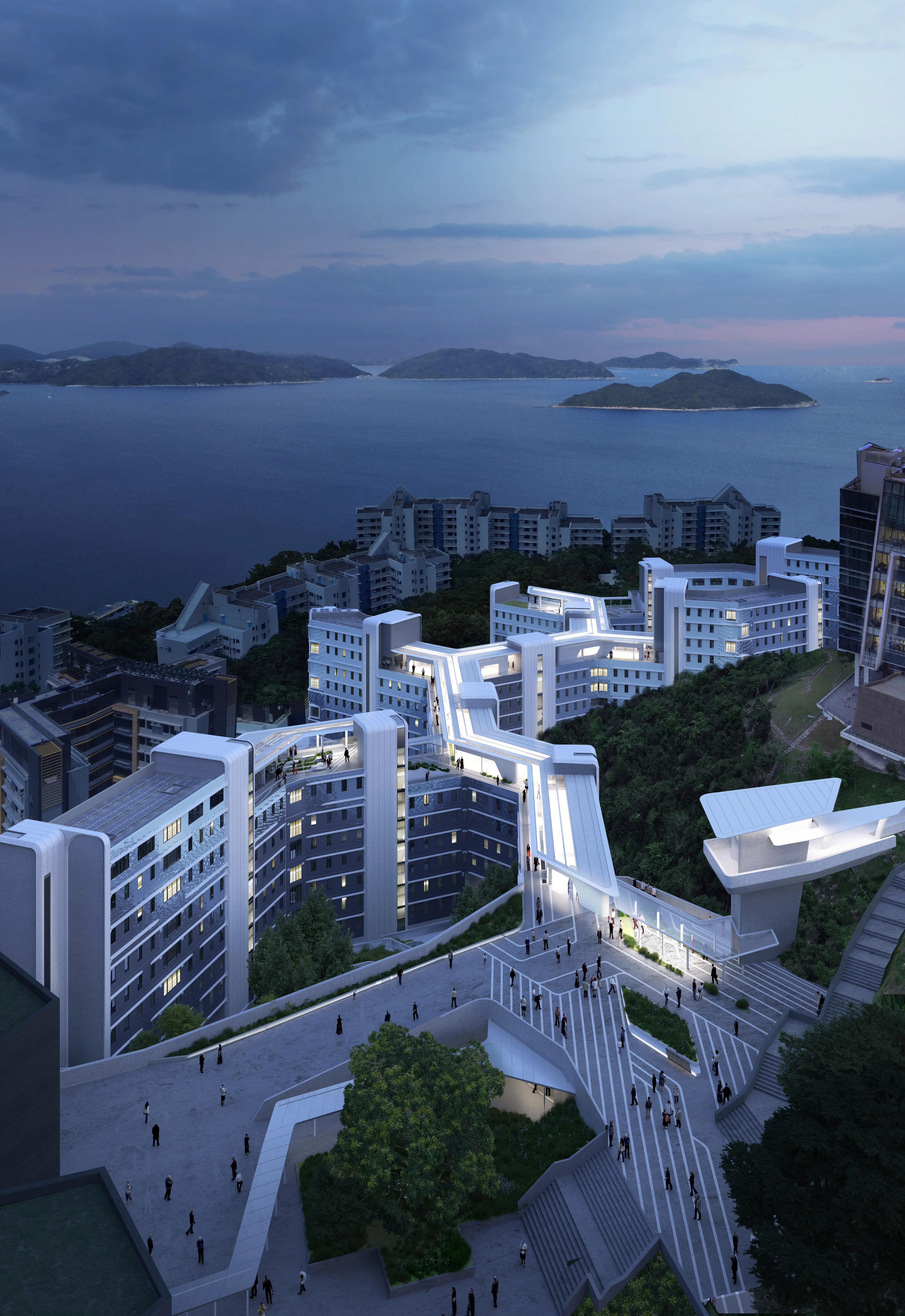
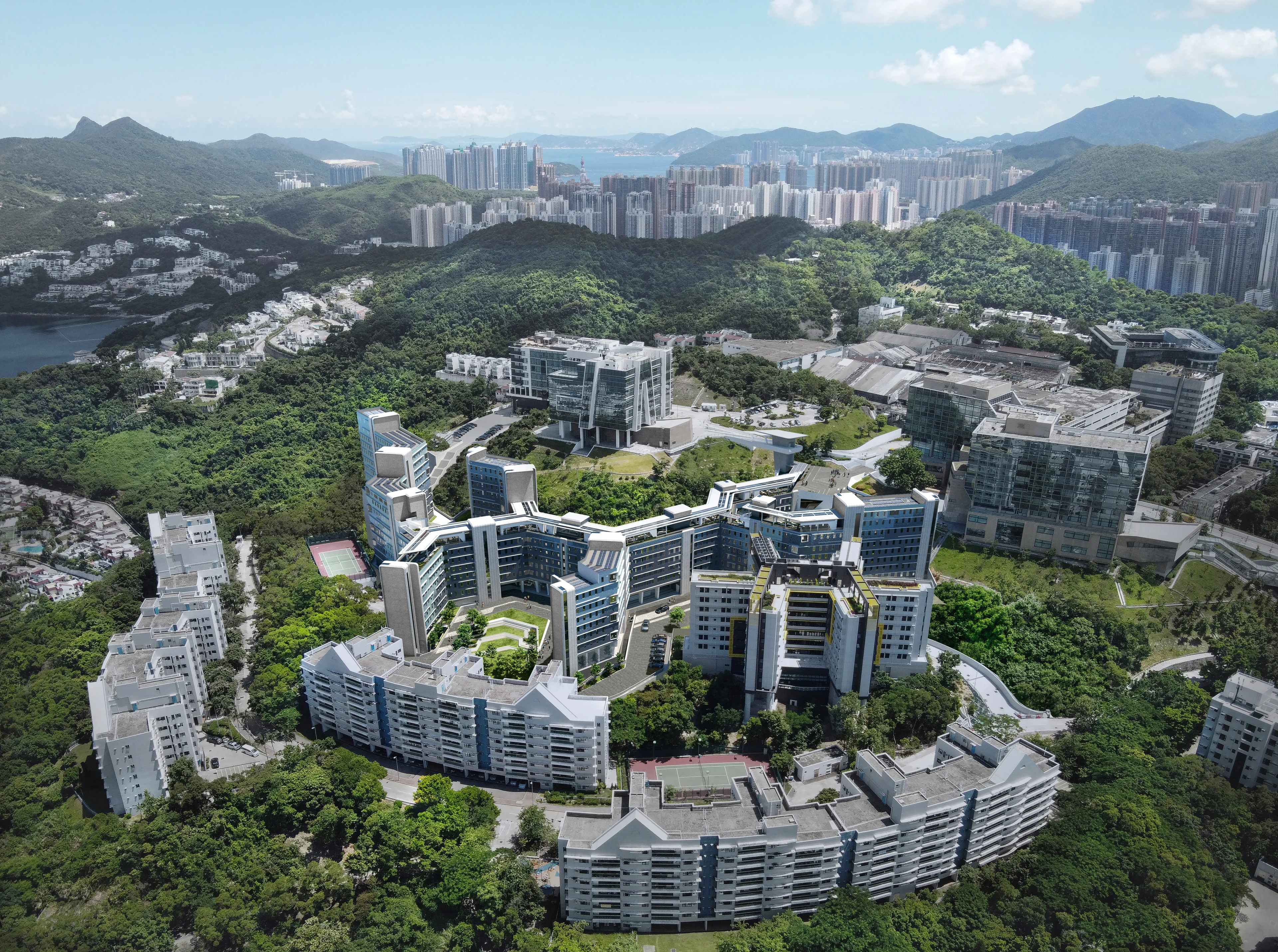
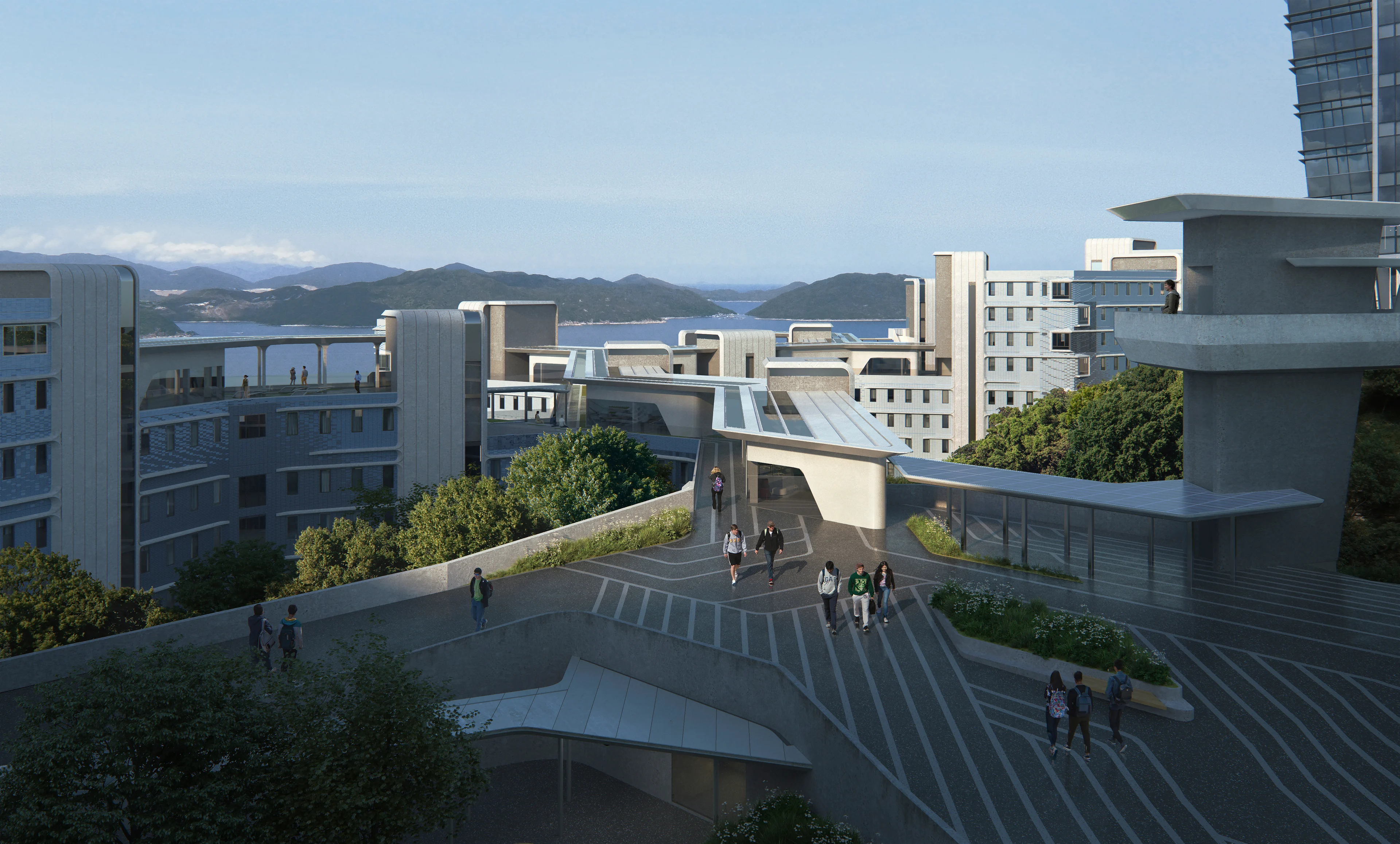
Located at the southeast of the HKUST campus, the new halls of residence are embedded within a steeply sloping site of approximately 25m of level difference.
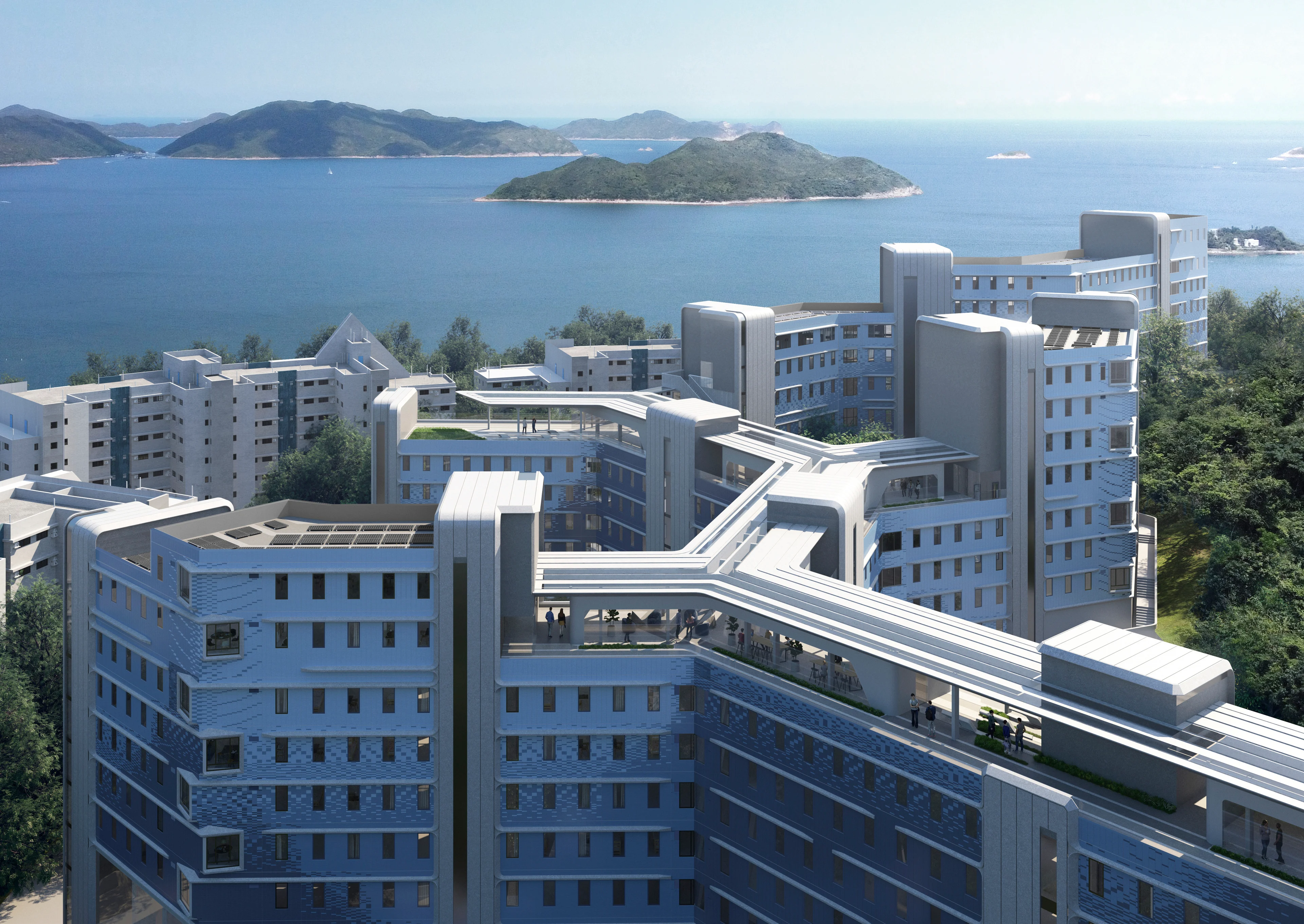
The building’s roof line has been designed as its primary circulation and incorporates shaded outdoor areas for students and staff to rest and gather together, helping to build a stronger cross-campus culture.
This rooftop walkway creates a new connection between the academic blocks of the north campus and the primarily residential blocks of the south, eliminating the need for students and staff to circumnavigate the hilly terrain.
Digital design tools allowing simultaneous considerations of numerous site parameters including terrain levels, solar radiation, sightlines and soil conditions have defined the design’s optimal configuration and orientation; while the digital encoding of its internal spaces enabled layout tests to optimise functionality and adaptability, as well as accurate calculation of natural light levels.
Communal areas for living, learning, recreation and leisure
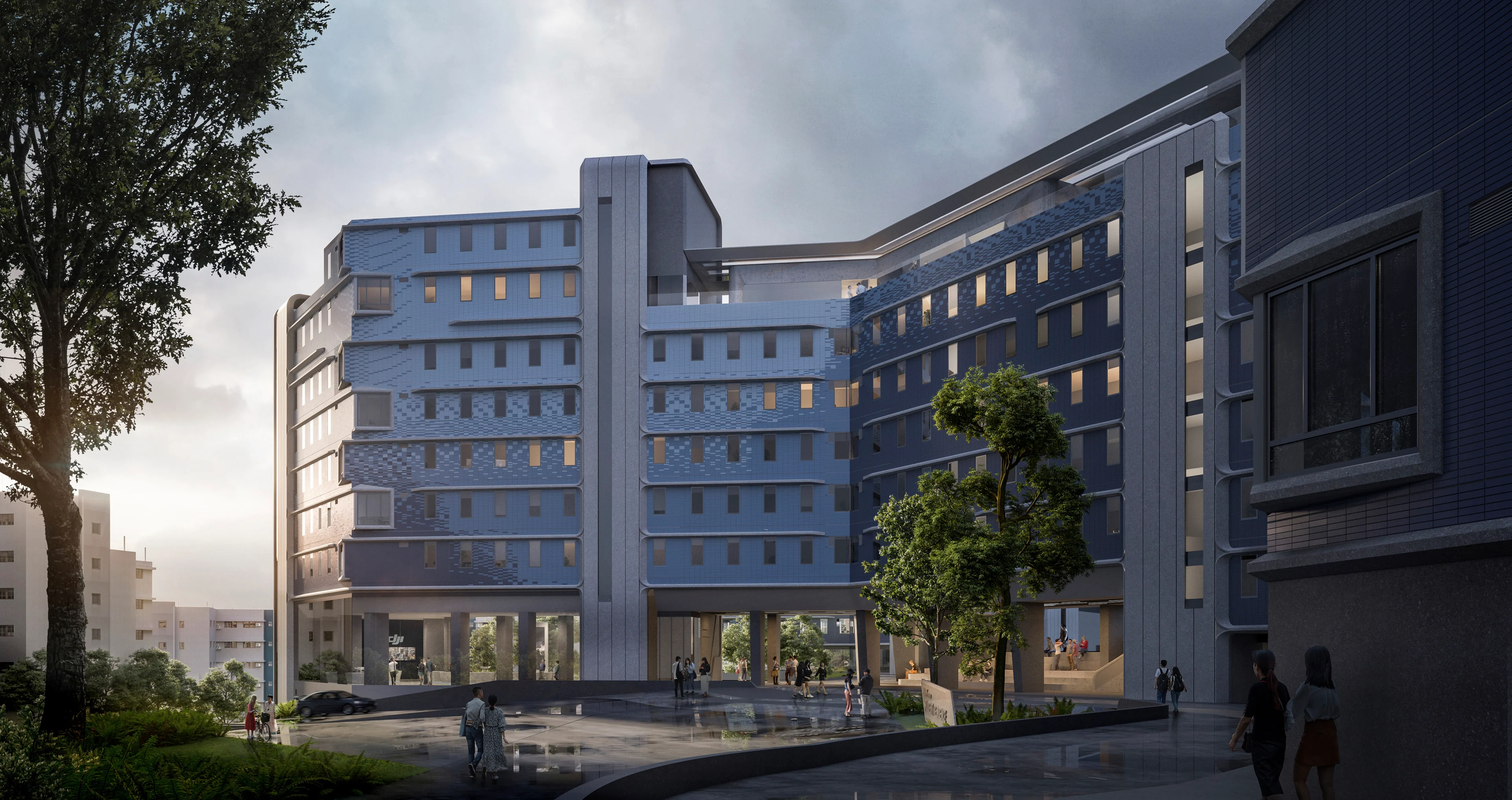
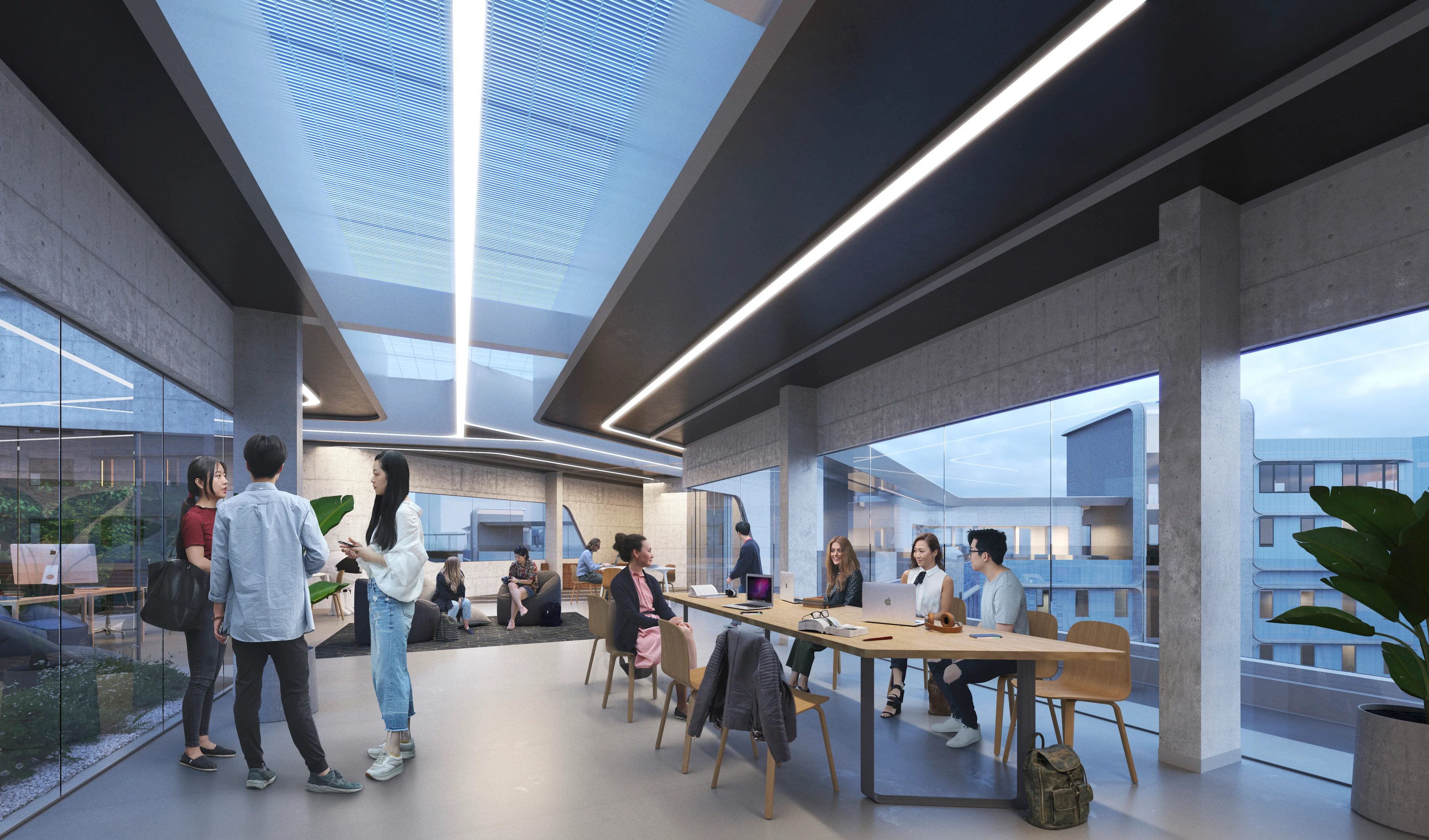
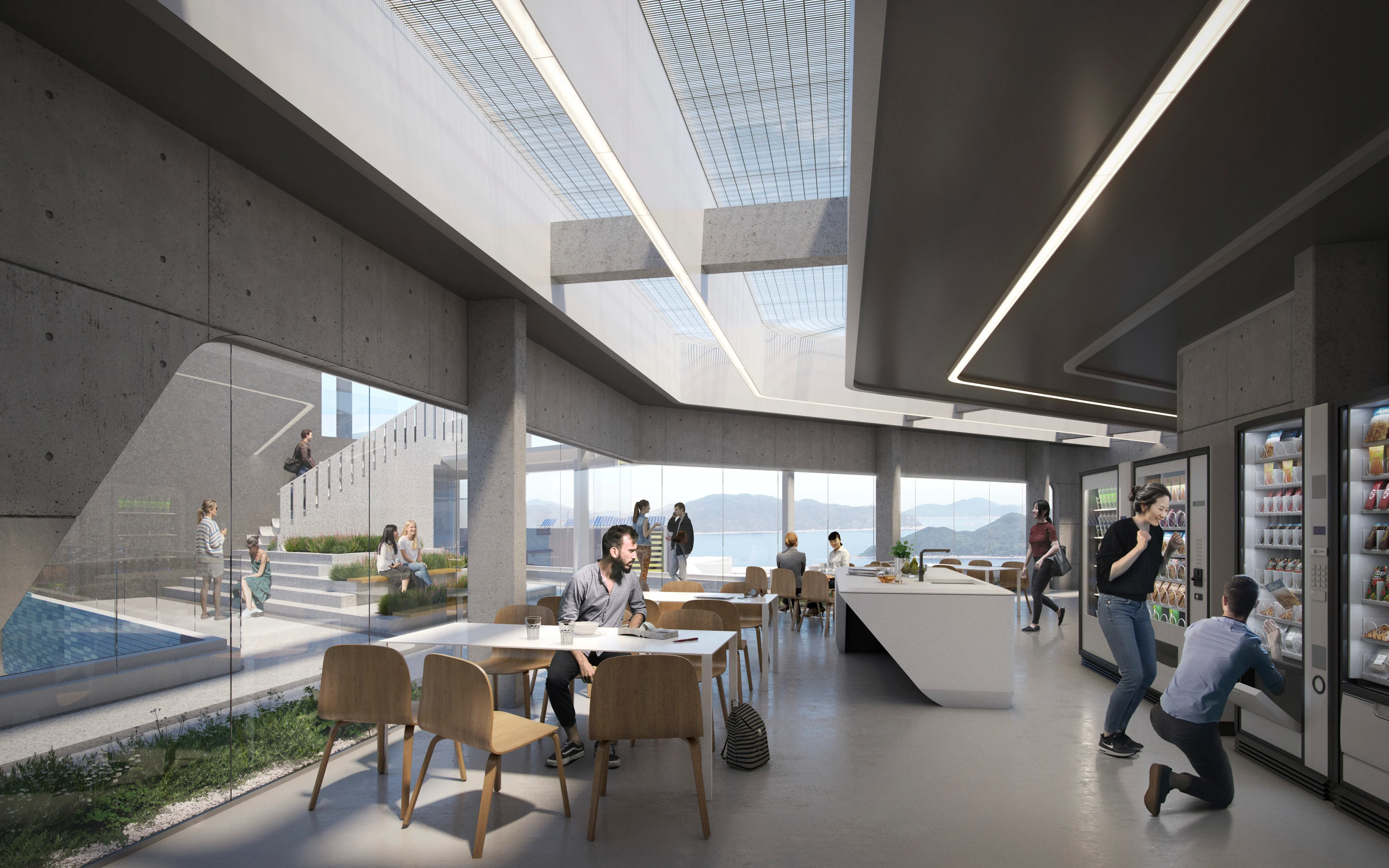
The halls of residence are organised in a hexagonal configuration creating four courtyards terraced into the steeply sloping site. With all rooms facing open spaces, the approximately 35,500m2 of accommodation includes communal areas for living, learning, recreation and leisure.
The courtyards are designed to be quieter spaces for rest and relaxation, while the surrounding hillside will be replanted to prevent soil erosion with zones for exercise and social activities. The residences are arranged in three differing ‘clusters’ that combine communal living spaces with a varying number of single or double occupancy bedrooms, enabling between 18 to 36 students to share one apartment as a single self-contained ‘household’ that encourages a sense of ownership and cohesion.
The ‘Y’ cluster apartments accommodate 27 students with study areas, relaxation lounge and kitchen, while the ‘V’ clusters house 36 students in a split level apartment with a double-height living space and stairs connecting the quieter study lounge on upper floor with the dining-kitchen area on lower level.
The ‘Linear’ cluster of apartments house 18 students and include an open plan living area with kitchen that can be subdivided by partitions when required. Privacy and spatial equality are the primary drivers for the bedroom designs, with storage and furniture configurations achieving maximum spatial efficacy. The bedrooms within all apartments are grouped together and separated from the communal spaces by an additional doorway to manage noise.
Render by Brick Visual
V Node Communal
Optimised design coordination and material selection
Building Information Modelling (BIM) and 3D simulations have optimised the design coordination and material selection, while construction strategies developed in parallel with the design development ensure the most efficient procurement and construction.
Following Hong Kong Government’s initiatives to increase build quality while also reducing construction time and waste, the building’s modular systems include pre assembled façade units and washroom pods that are quickly installed on-site.
Designed as a series of prefabricated modules, the façade units incorporate 70mm of thermal insulating layers and double glazed windows with a low shading co-efficient.
Digital mapping evaluations of solar paths and heat gain have determined the geometries of the external solar shading fins positioned above the windows within the façade units.
To ensure thermal comfort, the geometries of these shading fins vary in depth and length in response to solar exposure on each façade unit and the programmatic planning of the interior spaces.
Integrated environmental systems
Also determined by these digital mapping evaluations, different colours of ceramic tiles are applied to flat areas of each precast façade module that vary in shade dependent on the solar heat gain calculated for each unit, creating a continuous mural that visualises the building’s micro-climate and thermal considerations.
The halls’ environmental systems are integrated within the university’s centralised network that offsets daytime energy demand in the academic buildings with evening demand in the residential. As an important circulation route for the campus, the halls’ roof includes substantial thermal and sound insulation while photovoltaic arrays installed on the roof’s inaccessible sections will harvest renewable energy in accordance with the university’s commitment to transforming its Clear Water Bay campus to carbon-neutral operations.
Residential
Explore more of our residential buildings
From the renovation and extension of Monaco’s historic Le Schuylkill tower to a new 128,000 square metre waterfront development in Dubai, discover our latest residential projects.
The Cascades
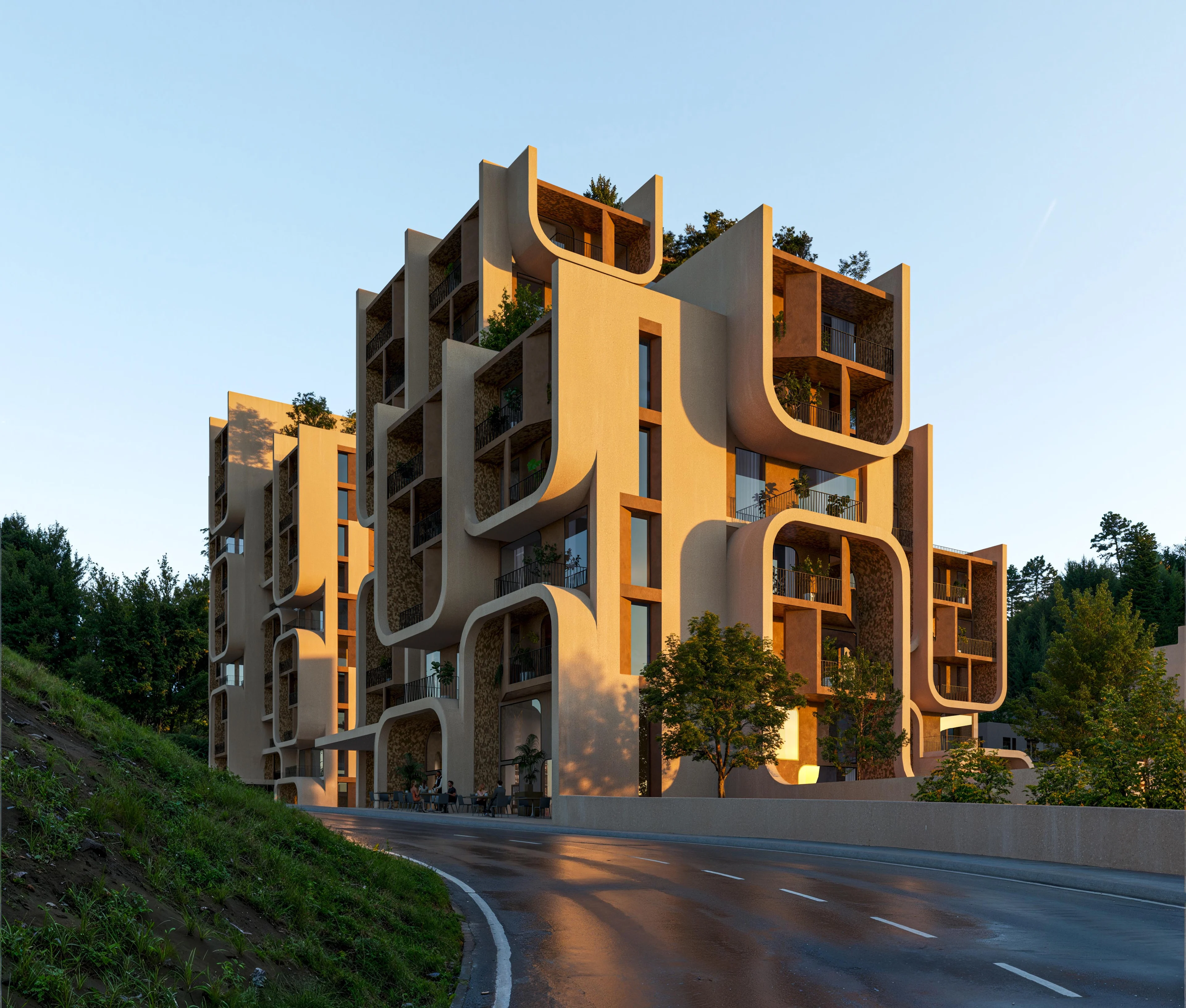
Located in Kodra e Diellit, the fastest-growing district of Tirana, the Nest and Cascades are new additions to the community. Renowned for its colourful post-communist architecture and vibrant café culture, Tirana is the capital of Albania with almost one million residents living within its greater metropolitan region. Progressing rapidly towards European Union membership, the Albanian economy is predicted to grow significantly in the coming years—with Tirana as the centre of its growth.
The Nest
Located in Kodra e Diellit, the fastest-growing district of Tirana, the Nest and Cascades are new additions to the community. Renowned for its colourful post-communist architecture and vibrant café culture, Tirana is the capital of Albania with almost one million residents living within its greater metropolitan region. Progressing rapidly towards European Union membership, the Albanian economy is predicted to grow significantly in the coming years—with Tirana as the centre of its growth.
Render by Bloomimages
Symphony Tower
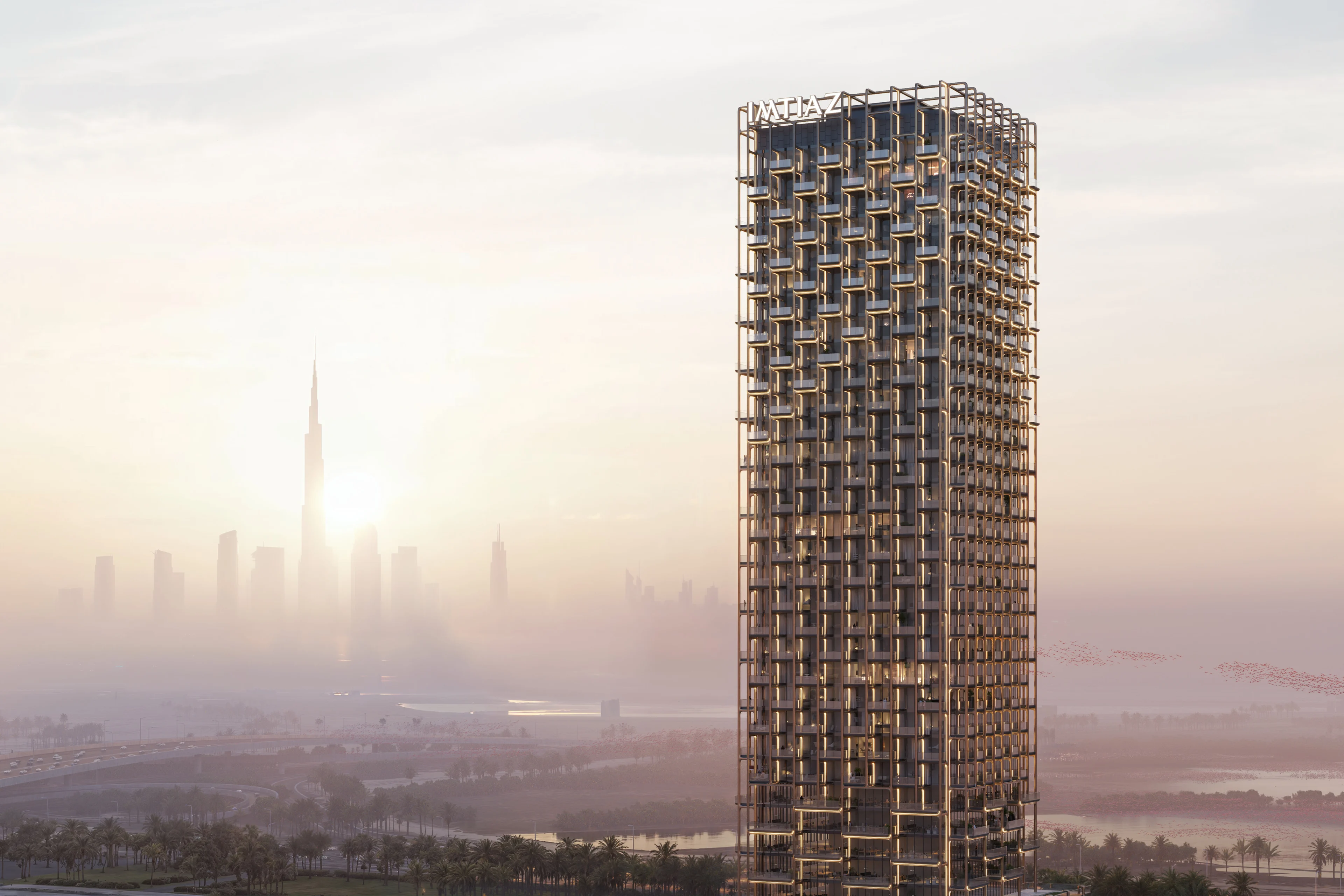
Located a short distance from Downtown Dubai and the Dubai Design District, Symphony Tower is situated within the new Horizon district of Dubai between the city's Meydan Racecourse and the waters of Ras Al Khor.
Render by DAMAC
Sales Launch January 2025 100% DD
The Delmore
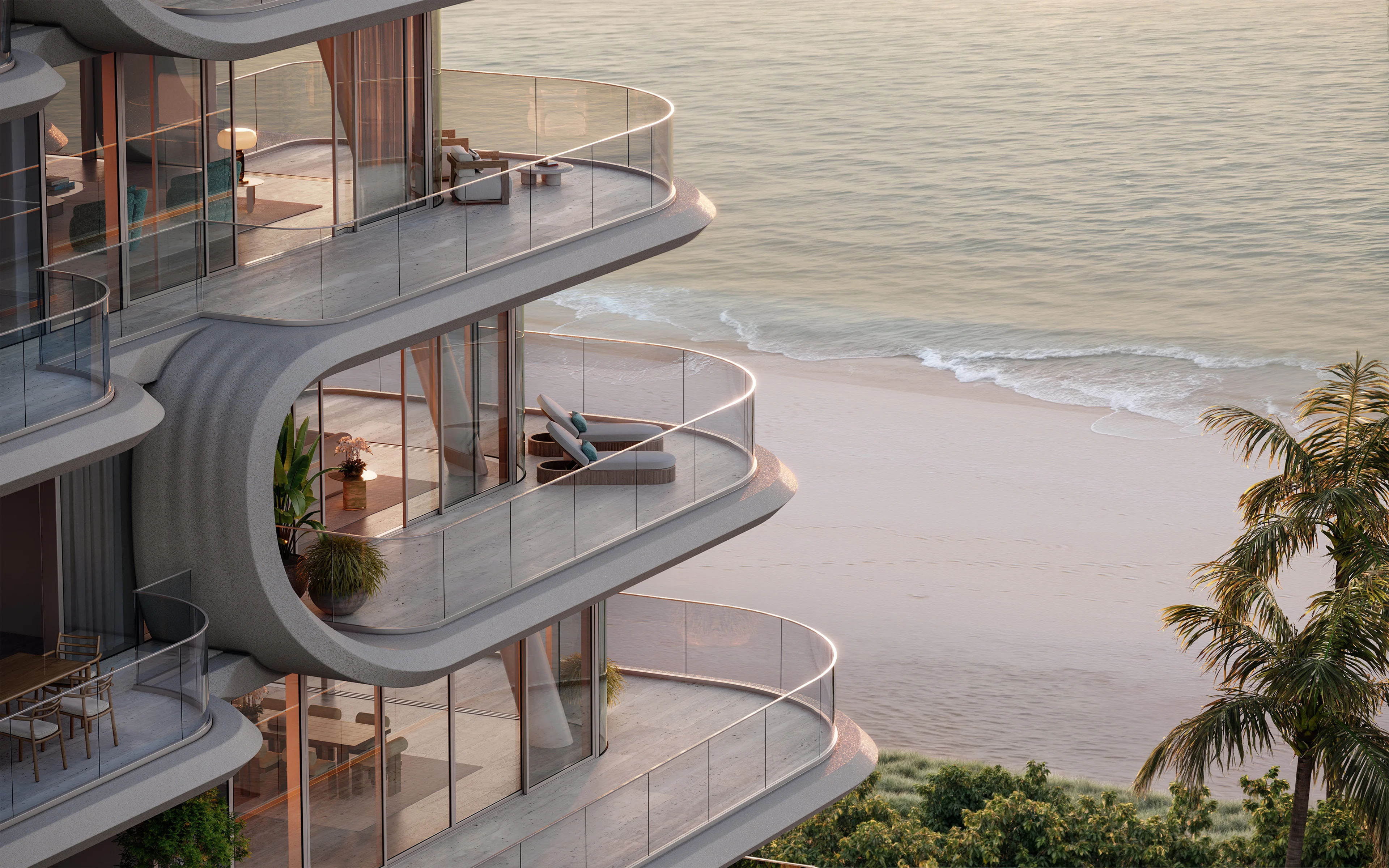
Situated on the beach at Surfside, The Delmore’s design is defined by its location and environment. ZHA’s detailed analysis of the oceanfront site mapped fluctuations in solar radiation, temperature, humidity, prevailing winds, air quality, rainfall, in addition to the variable ground and sea conditions throughout every day of the year.
Oystra
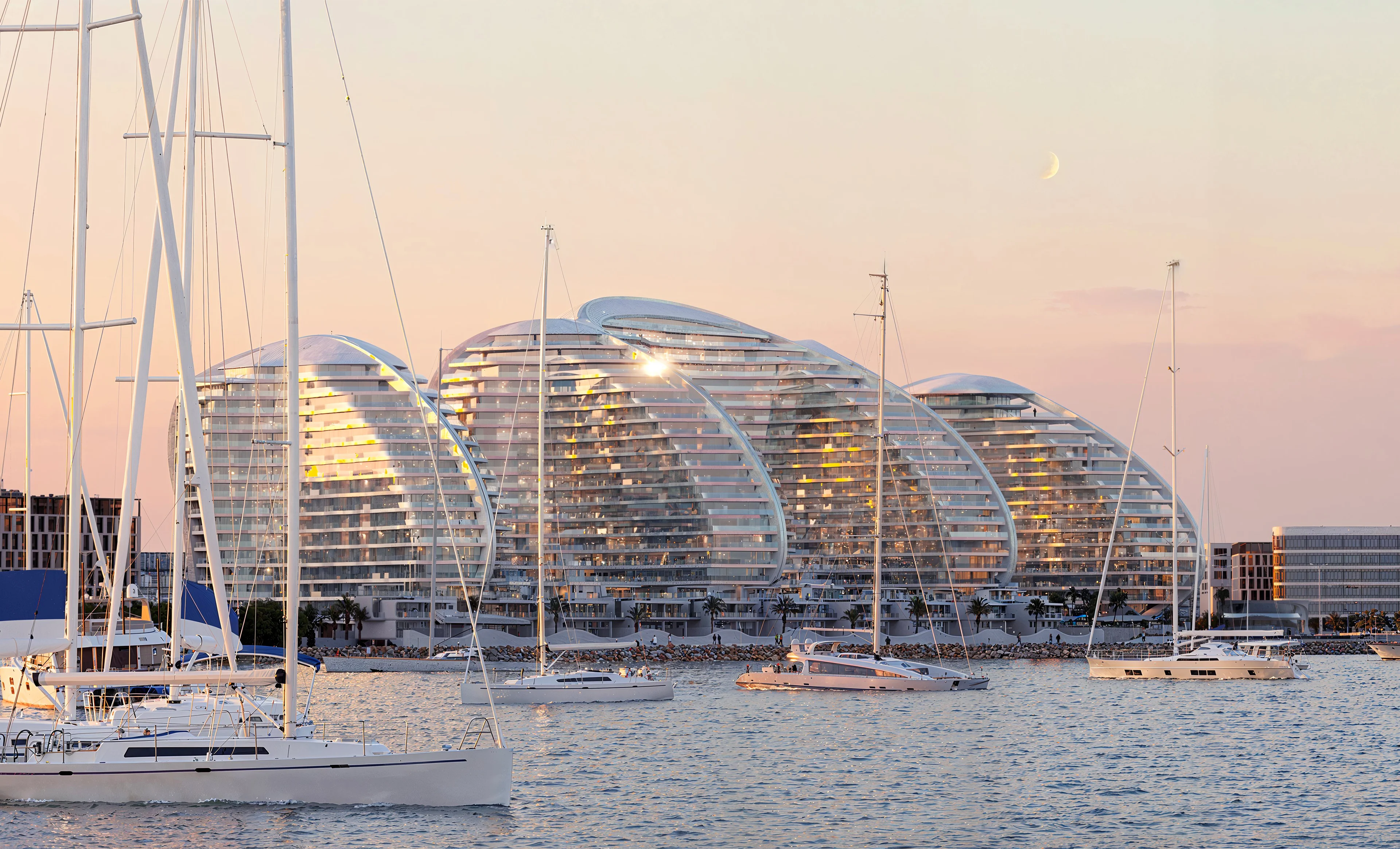
Located on Al Marjan Island in Ras Al Khaimah, UAE, Oystra is a 128,000 square metre seafront development of 950 one- to four-bedroom apartments, duplexes, penthouses, and waterfront villas, together with extensive shopping, dining and leisure amenities.
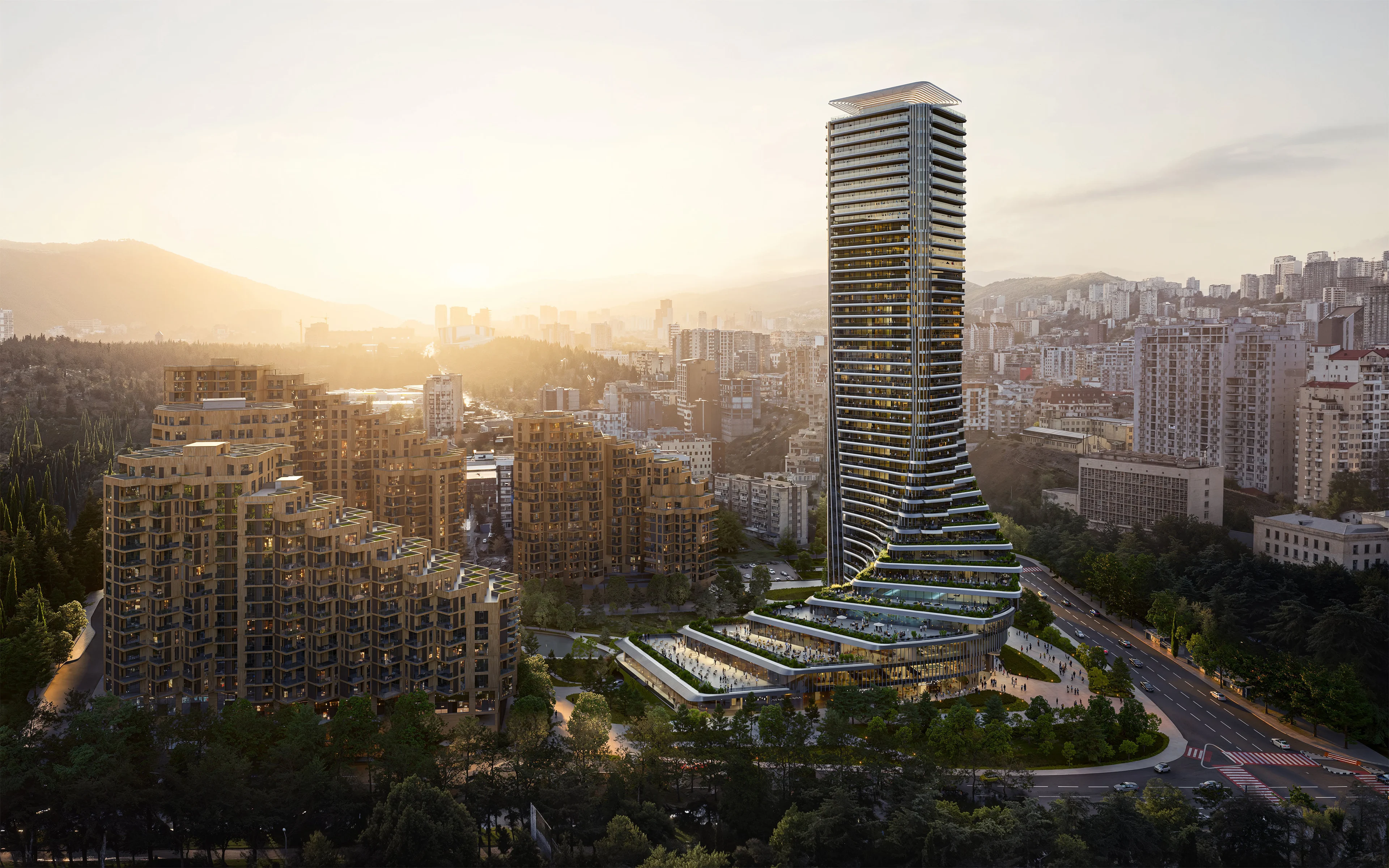
Cityzen Mixed-Use Development
Serving as the gateway to the Cityzen community, a new civic hub in the west of Tbilisi, Cityzen Tower is ZHA's first project in Georgia.
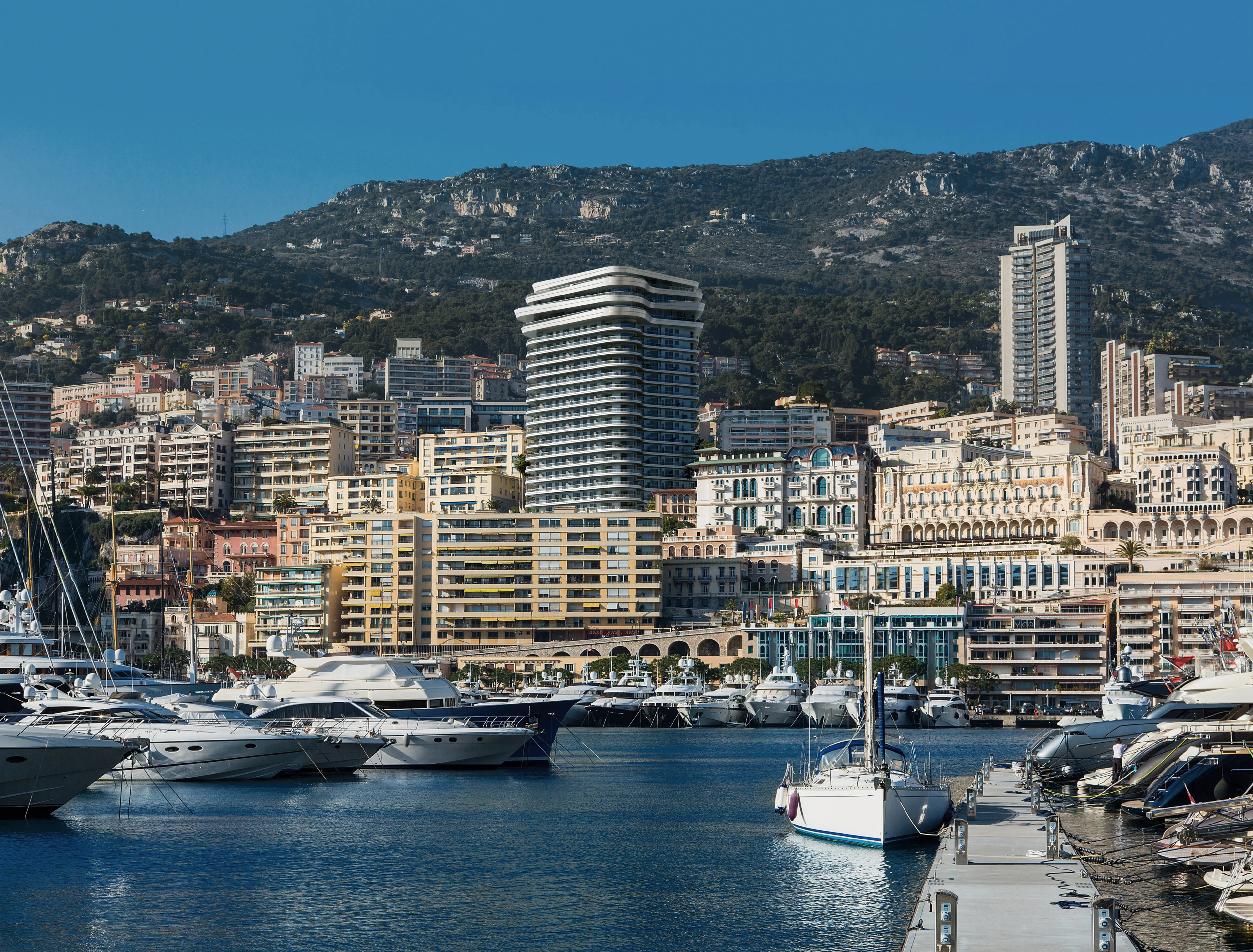
_Photo by John Kellerman courtesy Alamy, montage by MIR
Le Schuylkill
ZHA was appointed together with local practice Square Architecte to renovate and extend Le Schuylkill Tower. Construction works have begun with completion planned in May 2027. With 188 apartments from small studios to four-bedroom family units, the existing tower sits on a steep site with a 22m gradient between its north and south boundaries.
Render by Atchain
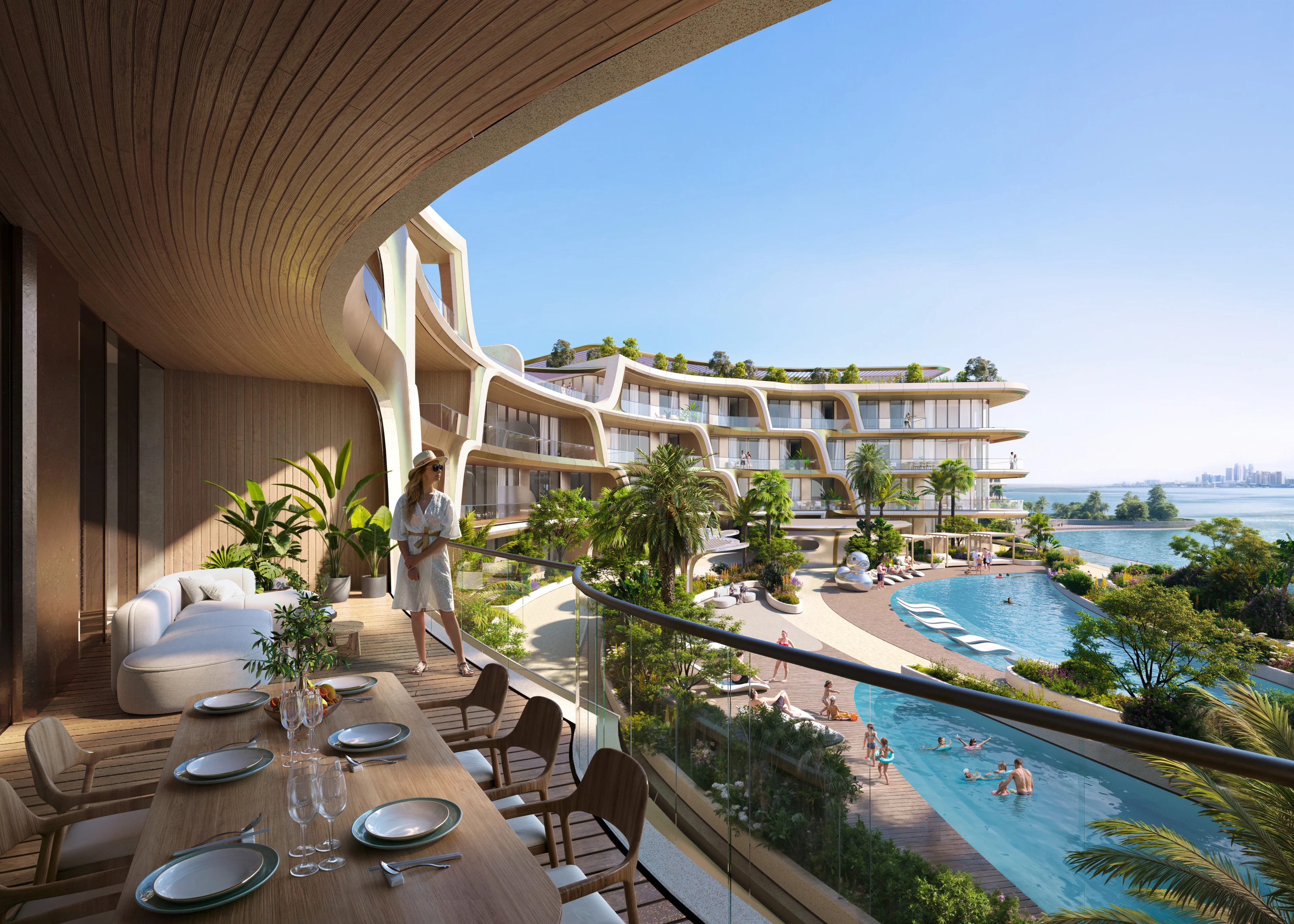
The Grove Residences
Comprised of 293 apartments offering panoramic views of Qetaifan Bay and the Lusail skyline, The Grove has been designed with its waterfront promenade as the heart of the community.
Render by XUniverse
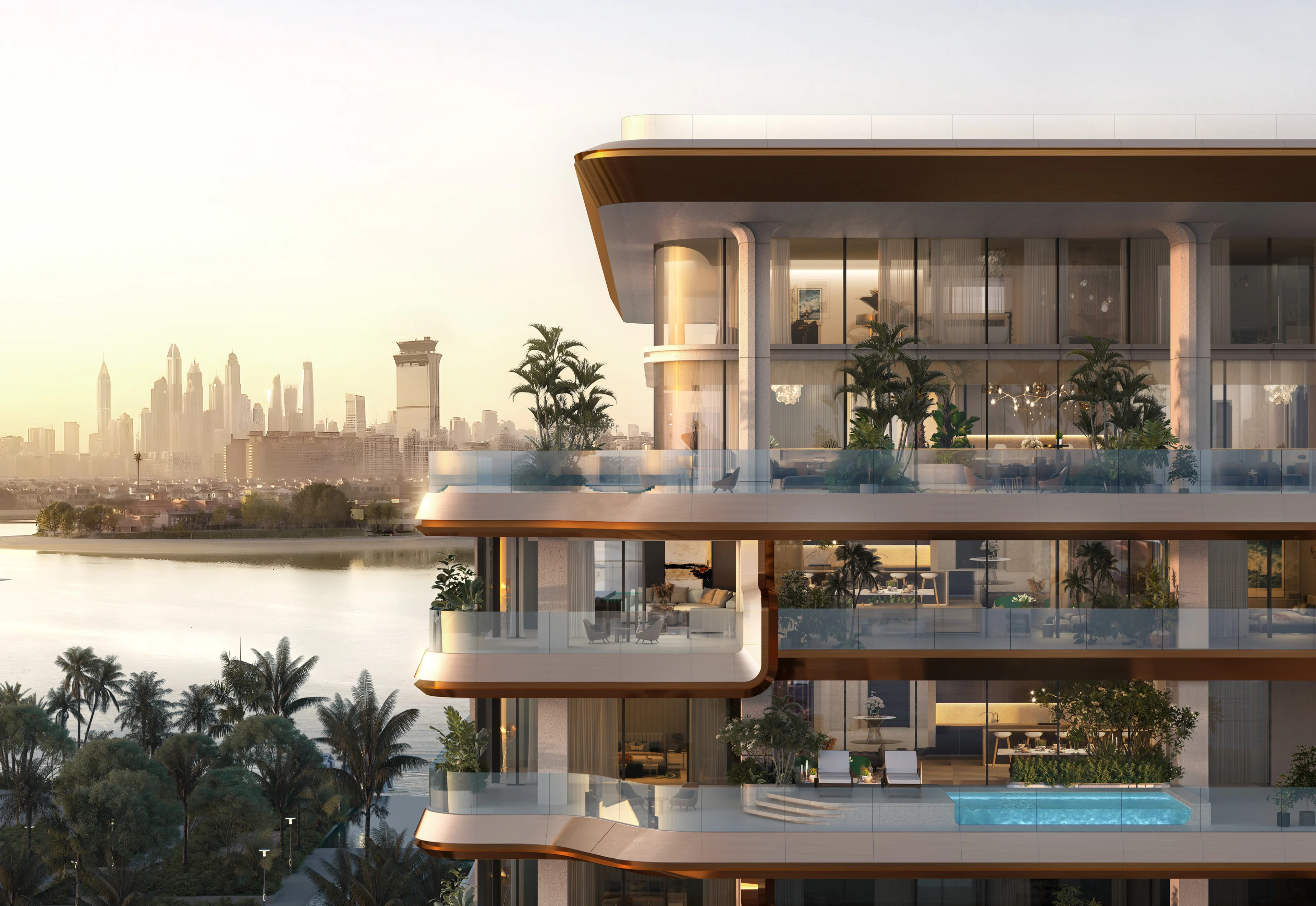
The Alba Residences & Hotel
The Alba is a new US$1.9 billion mixed-use beachfront development designed by ZHA for Omniyat on the Eastern Crescent of Palm Jumeirah with panoramic views of Dubai’s coast and skyline.
Photograph by Luke Hayes
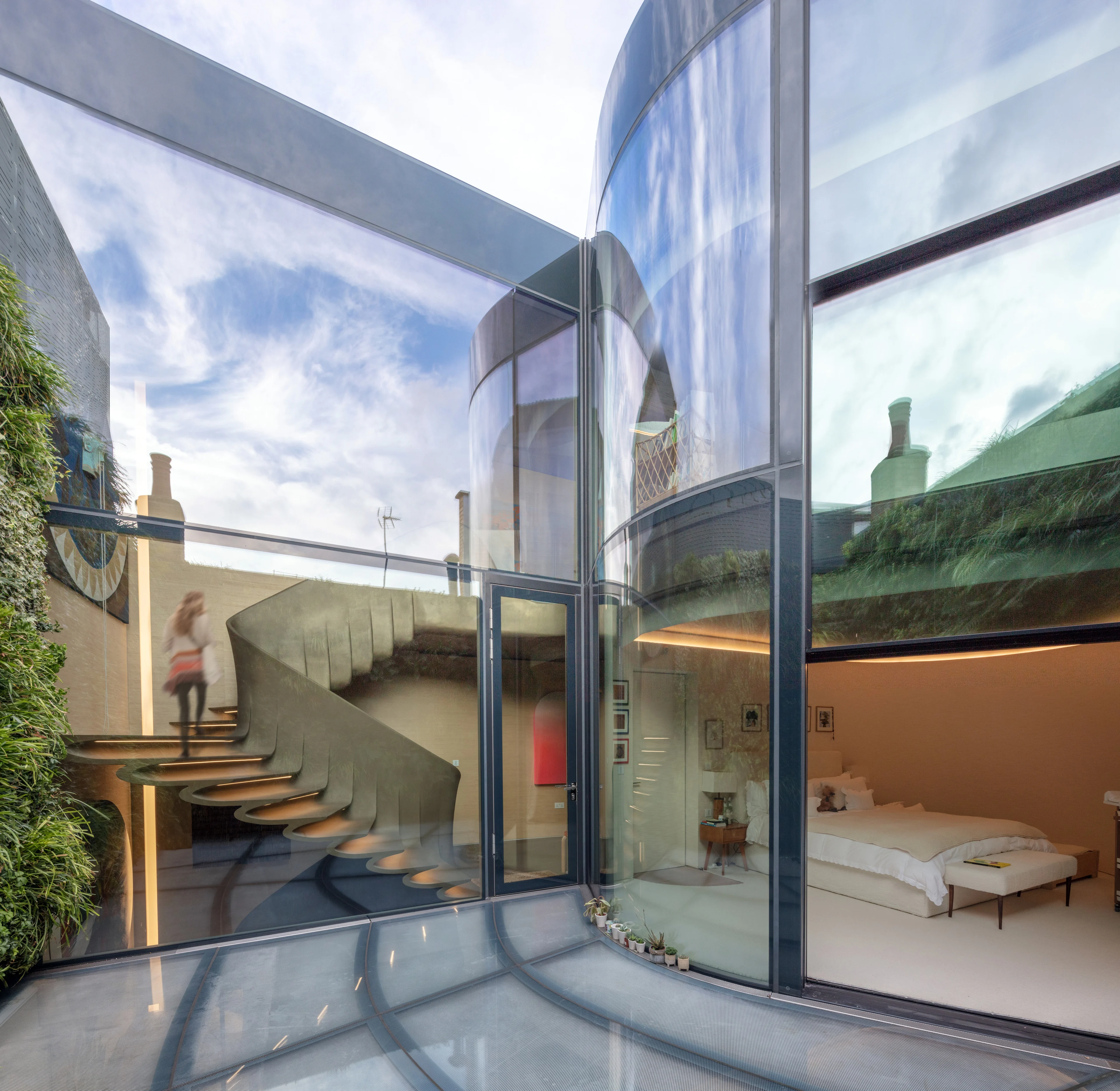
Mews House
Mews House is an innovative architectural solution built on a restricted urban site within one of London’s historic conservation areas
Photograph by Hufton + Crow
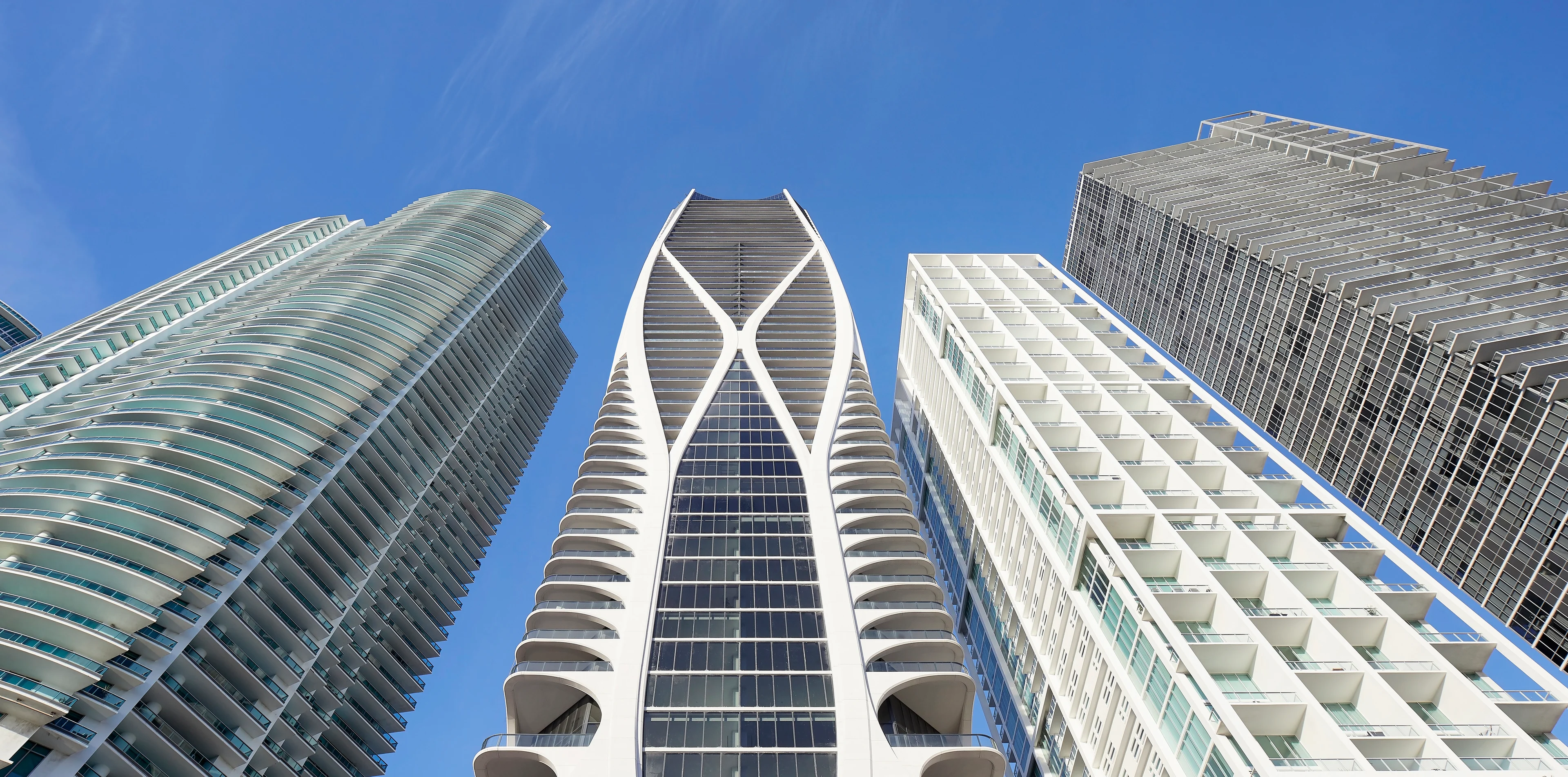
One Thousand Museum
One Thousand Museum is a 62-storey residential tower opposite Museum Park in Miami. With views across Biscayne Bay, this popular 30-acre park was redeveloped in 2013 as one of downtown Miami's primary public spaces and includes the city's new art and science museums.
Courtesy of ZHA
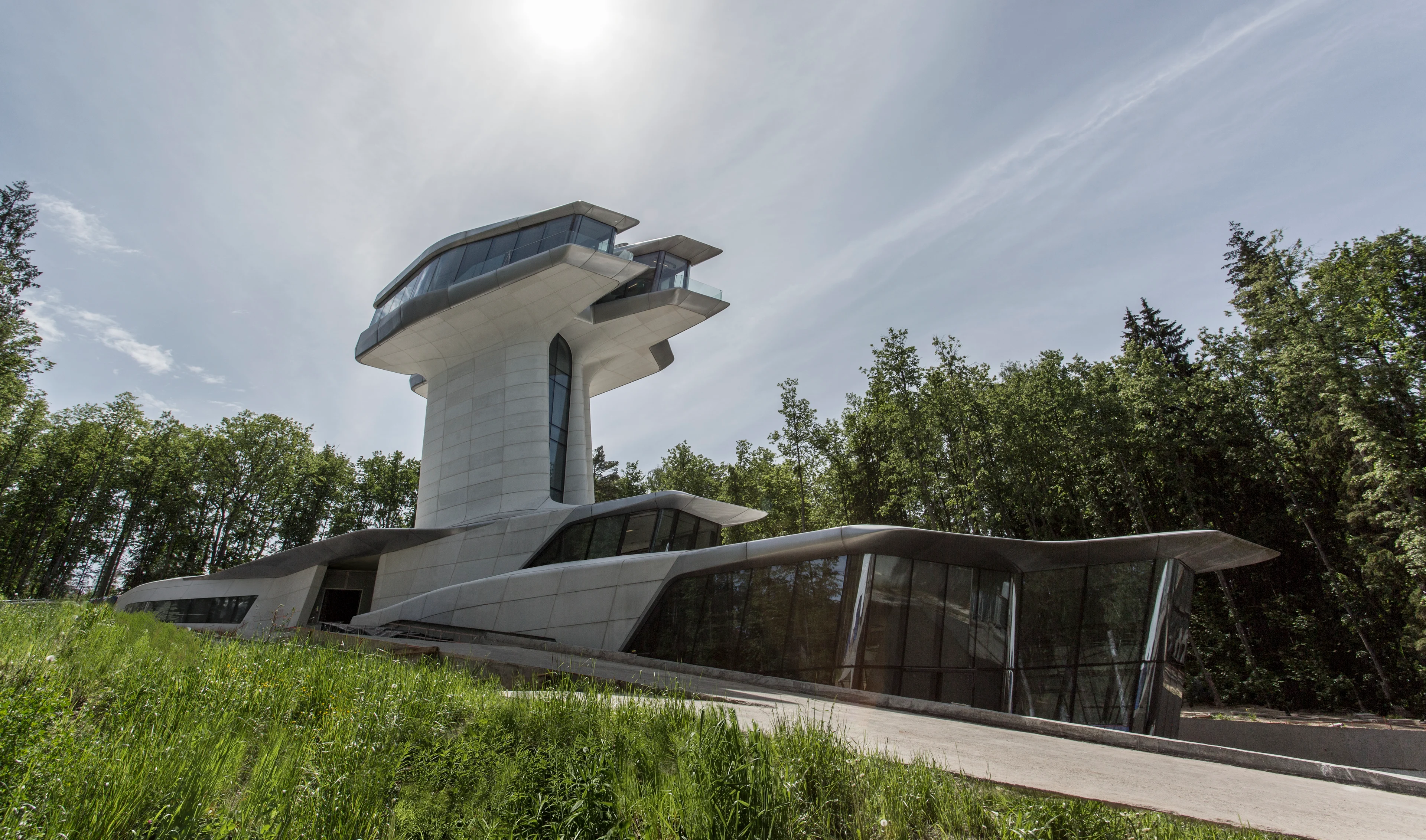
Capital Hill Residence
The client explained to the architect, “I want to wake up in the morning and just see blue sky”, to which Zaha replied, “You realise you have to be above the trees?” The form of the residence is defined by its natural topography with fluid geometries emerging from the landscape and remaining partially embedded within the hillside.
Photograph by Hufton + Crow
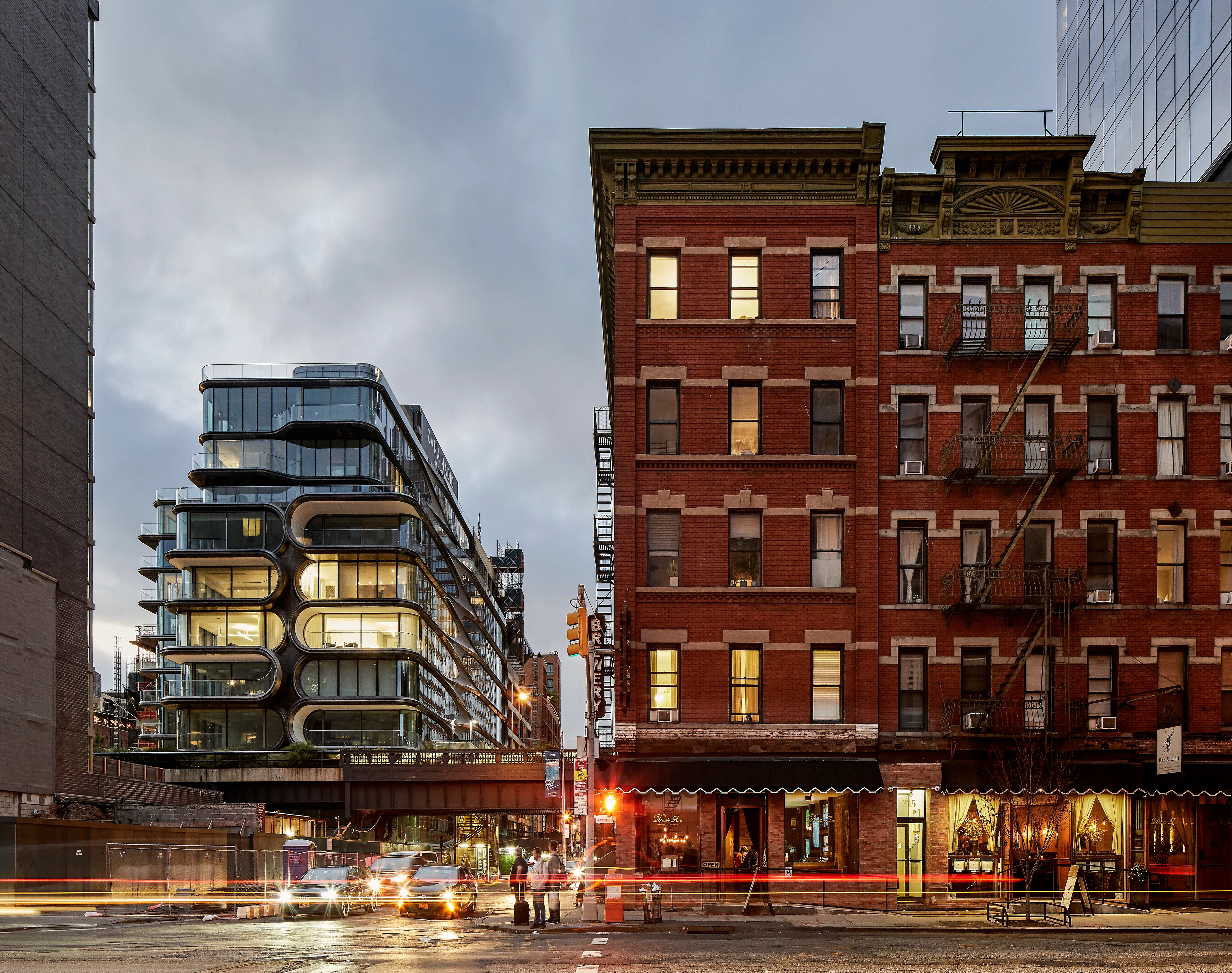
520 West 28th
There is a powerful urban dynamic between the streets of New York and the High Line, a layered civic realm that has developed over generations and in many iterations. 520 West 28th conveys this contextual relationship, applying new ideas and concepts to create the latest evolution of the site’s rich history.
Photograph by Hufton + Crow
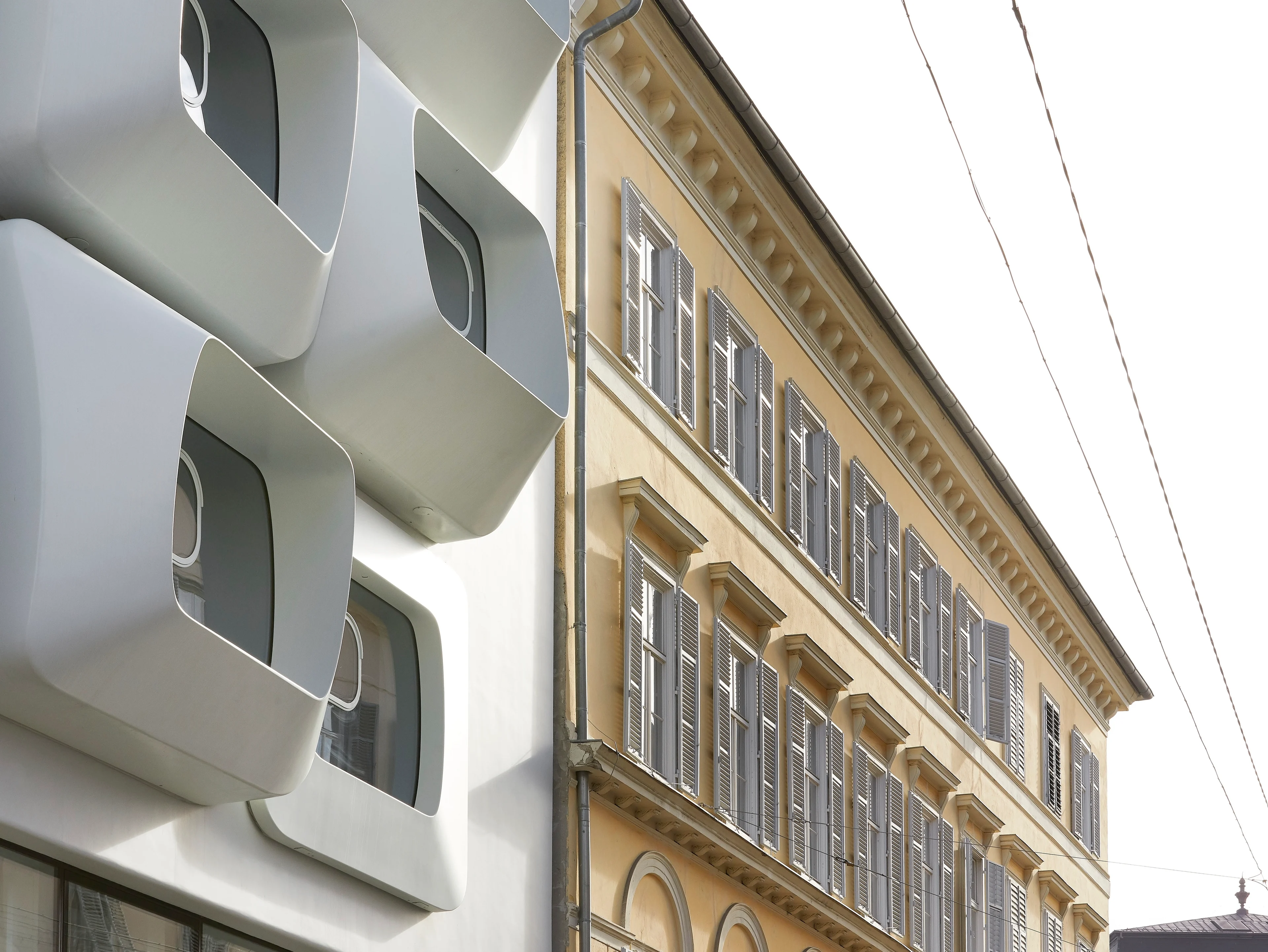
Argos Residences
Home to six universities and two polytechnics, the city of Graz has a long history as a seat of learning and innovation. Continuing this tradition of welcoming pioneers from around the world, Graz’s 60,000 students, academics and local businesses generate an increasing demand for visitor accommodation in the city whose population has grown by 20% since 2001.
Photograph by Hufton + Crow
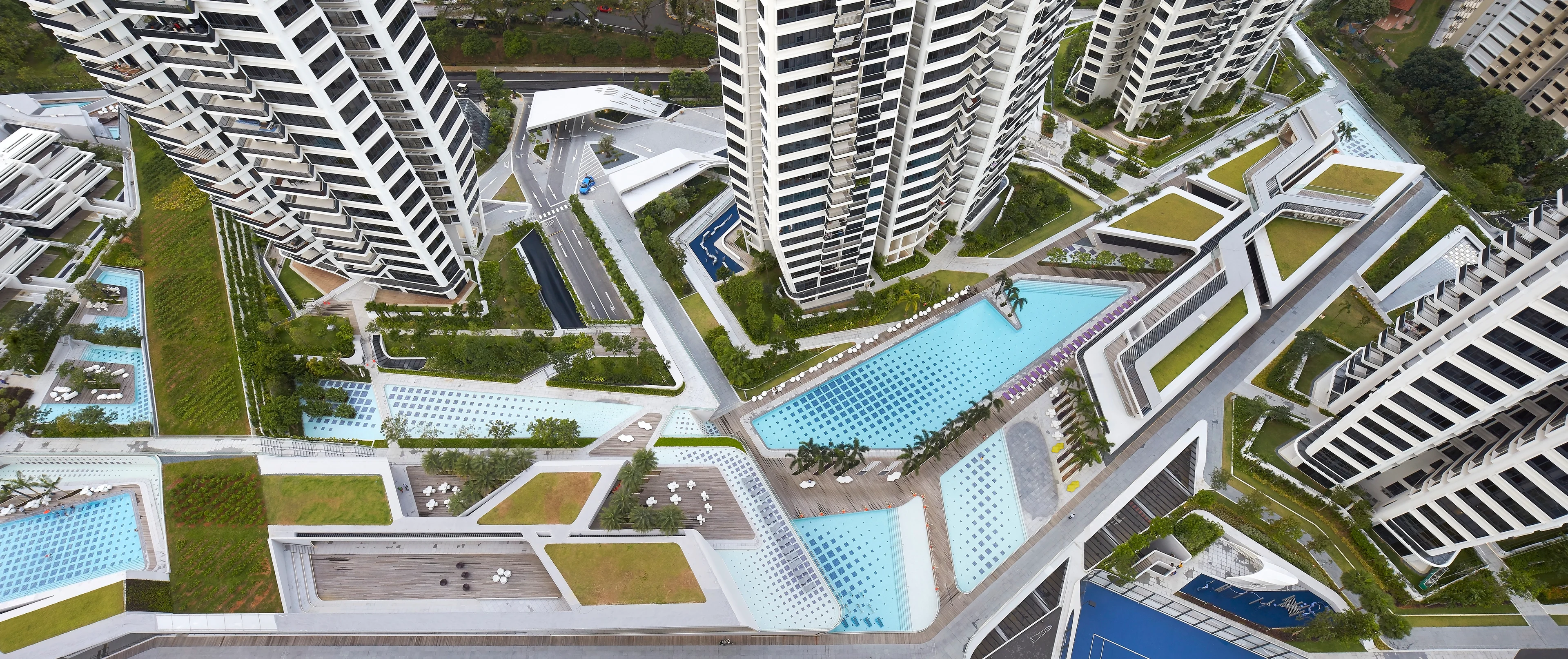
d’Leedon Apartments
D`Leedon, Singapore comprises 7 residential towers, 12 semi-detached villas and integrated landscaping with recreation facilities.
01
02
03
04
05
06
07
08
09
10
11
12
13
14
15