
Tirana, Albania
2025 - TBC
Agikons
The Nest
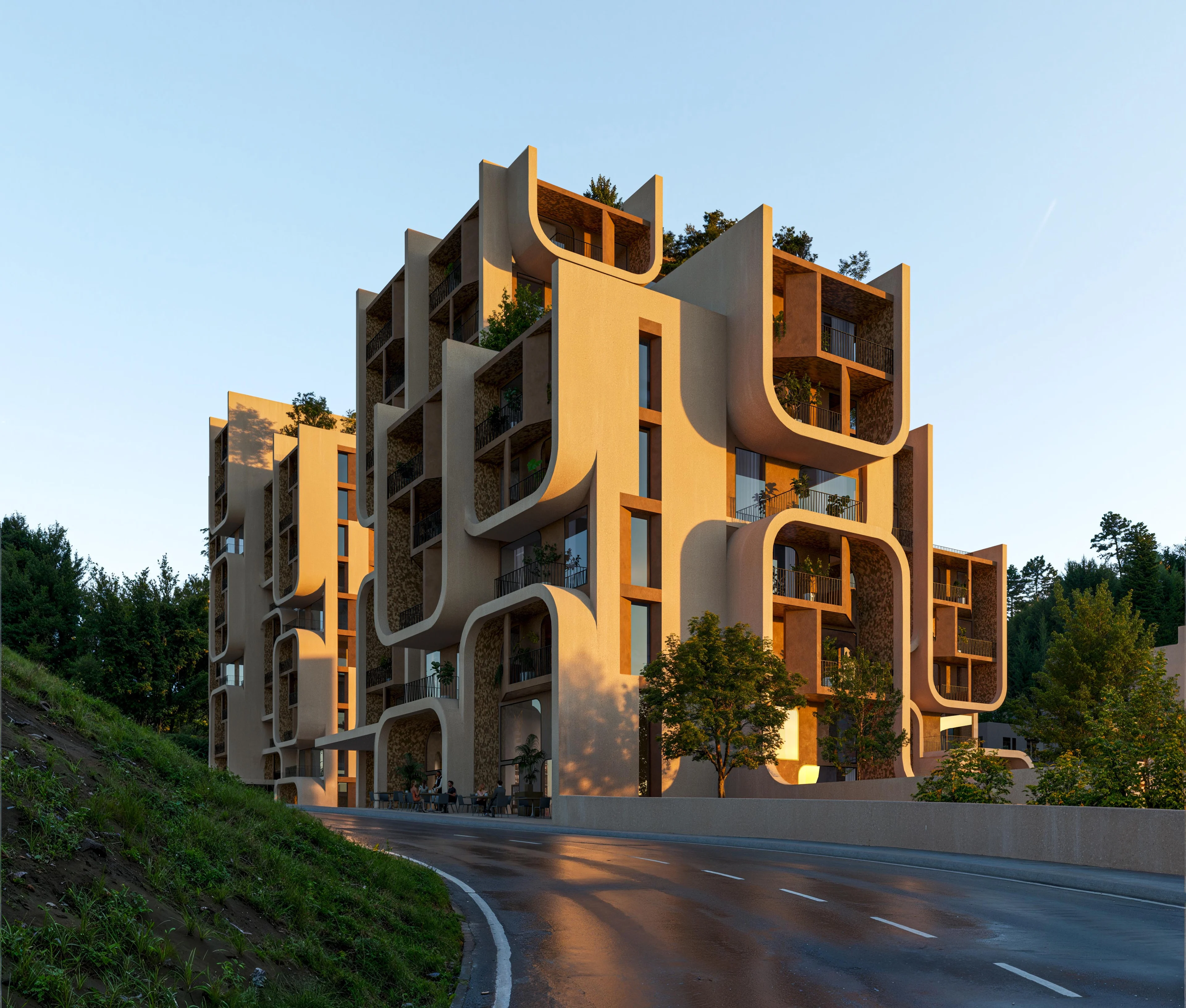
Located in Kodra e Diellit, the fastest-growing district of Tirana, the Nest and Cascades are new additions to the community. Renowned for its colourful post-communist architecture and vibrant café culture, Tirana is the capital of Albania with almost one million residents living within its greater metropolitan region. Progressing rapidly towards European Union membership, the Albanian economy is predicted to grow significantly in the coming years—with Tirana as the centre of its growth.
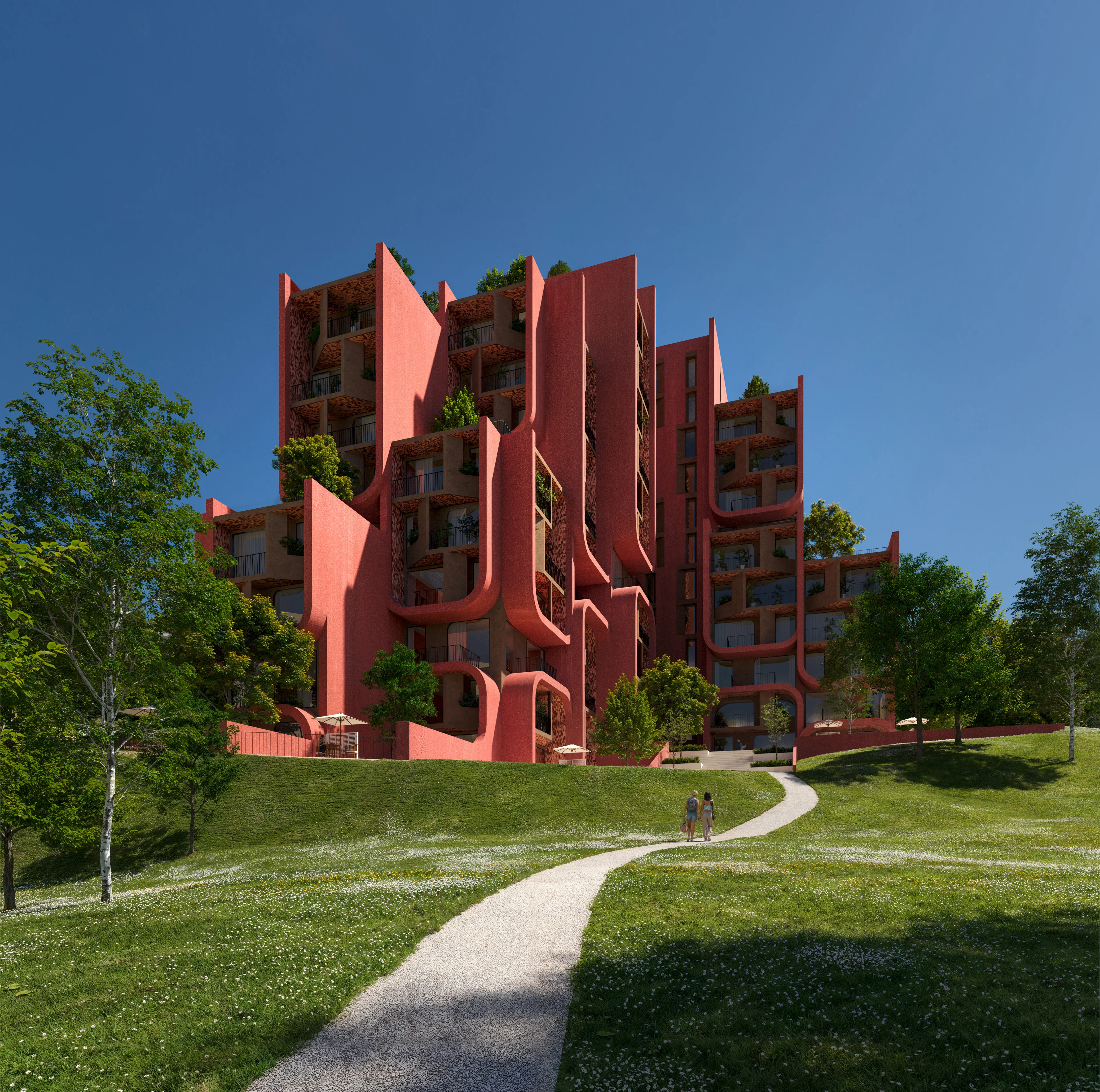
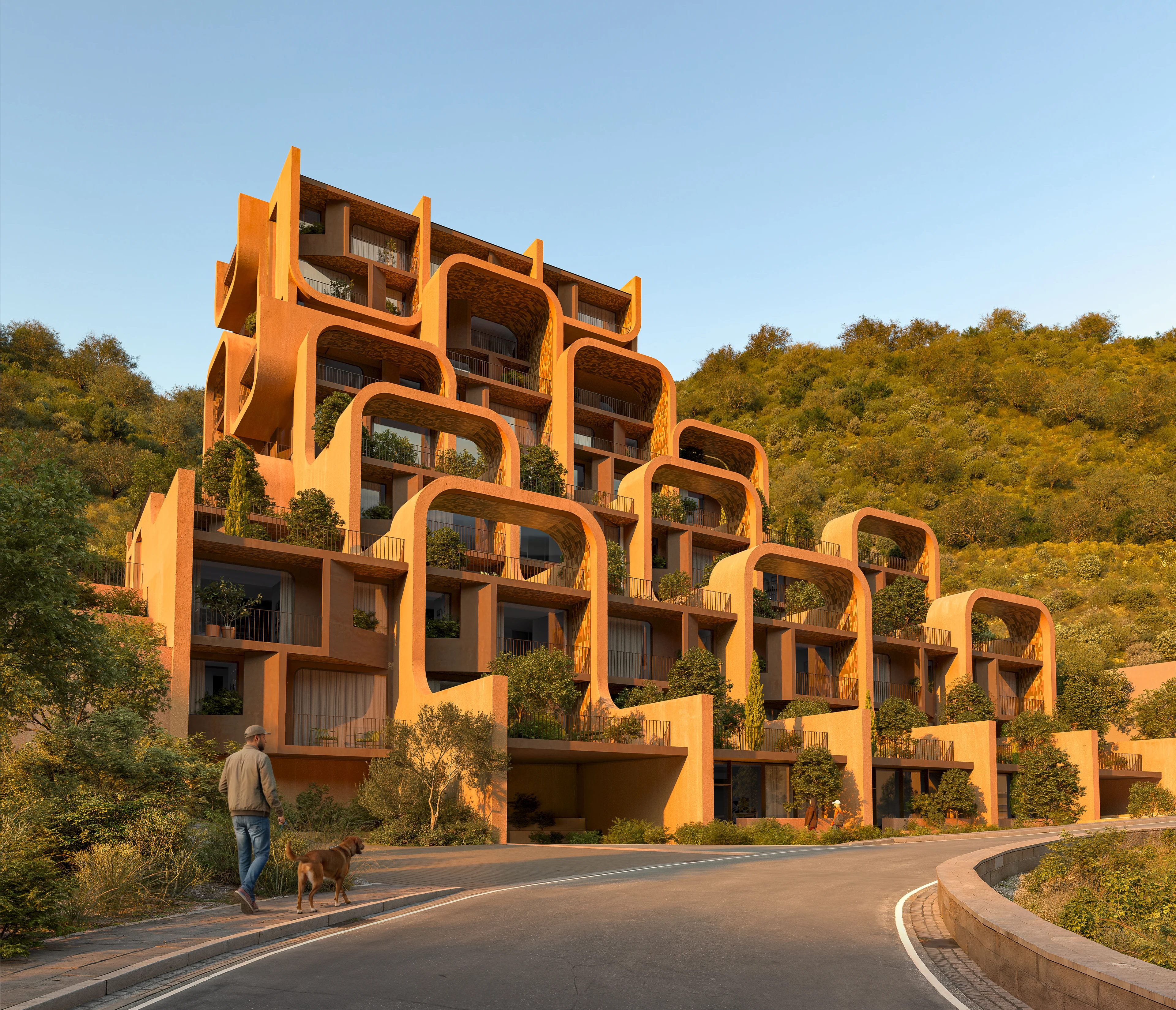
ZHA has developed and refined the design to optimise views and enhance building performance
Organized across four plots within the Kodra e Diellit neighbourhood, the Nest encompasses a diverse range of one- to three-bedroom apartments around a community park planted with local mediterranean flora to shelter residents during the summer months.
Defined by its location and environment, the Nest’s design has been informed by comprehensive analysis of the site and mapped to ascertain detailed fluctuations in topography, solar radiation, temperature, humidity, prevailing winds, air quality and rainfall throughout the year.
Applying these comprehensive datasets to complex digital models, ZHA has developed and refined the design to optimise views and enhance building performance. The façades have been calibrated to enable cross-ventilation throughout each apartment by capturing Tirana's prevailing easterly winds, maximizing comfort for residents. Recessed terraces and cantilevered balconies offer each apartment sheltered outdoor spaces.
Sustainability considerations have determined the Nest’s building orientation, façade design and landscape strategy—targeting Gold certification under LEED v4.1 Residential BD+C: Multifamily Homes.
The design responds directly to Tirana's humid subtropical mediterranean climate, with the architecture serving as a passive environmental system. Deep façade reveals, overhanging balconies, and recessed openings are computationally designed to intercept summer solar radiation while admitting low winter sun deep into the apartments—bringing high levels of natural light to 95.3% of occupied spaces within the development.
A full Life Cycle Assessment benchmarks the Nest at an embodied carbon intensity of 471 kgCO₂e/m² - substantially below the regional average of 566 kgCO₂e/m² - informing material choices including modular construction, recycled aggregates, and terracotta cladding in preference to higher-carbon curtain wall alternatives.
Each building within the Nest incorporates façades informed by its surrounding landscape— two buildings are finished in a fawn-coloured material palette, the third in terracotta, and the fourth in a deep red stucco echoing the iron-rich terrain of its adjacent hillside.
The central park’s landscaping connects the community and functions as climate infrastructure as well as social amenity. Designed with planted shading zones that remain up to 16°C cooler than exposed hardscape, the masterplan dedicates 55% of total site area to green space - exceeding LEED open space requirements by 83.3%. High-albedo surfaces, permeable paving, and native planting actively mitigate urban heat island effects identified through thermal mapping of the surrounding urban fabric.
Water throughout the development is managed as a closed loop, with rainwater harvested for irrigation, grey water treated on-site for non-potable reuse, and native planting reducing irrigation demand.
Roof-mounted solar arrays supply renewable electricity, while EV charging, bicycle storage, and local civic amenities support a walkable, low-carbon lifestyle for residents.
Residential
Explore more of our residential buildings
From the renovation and extension of Monaco’s historic Le Schuylkill tower to a new 128,000 square metre waterfront development in Dubai, discover our latest residential projects.
The Cascades
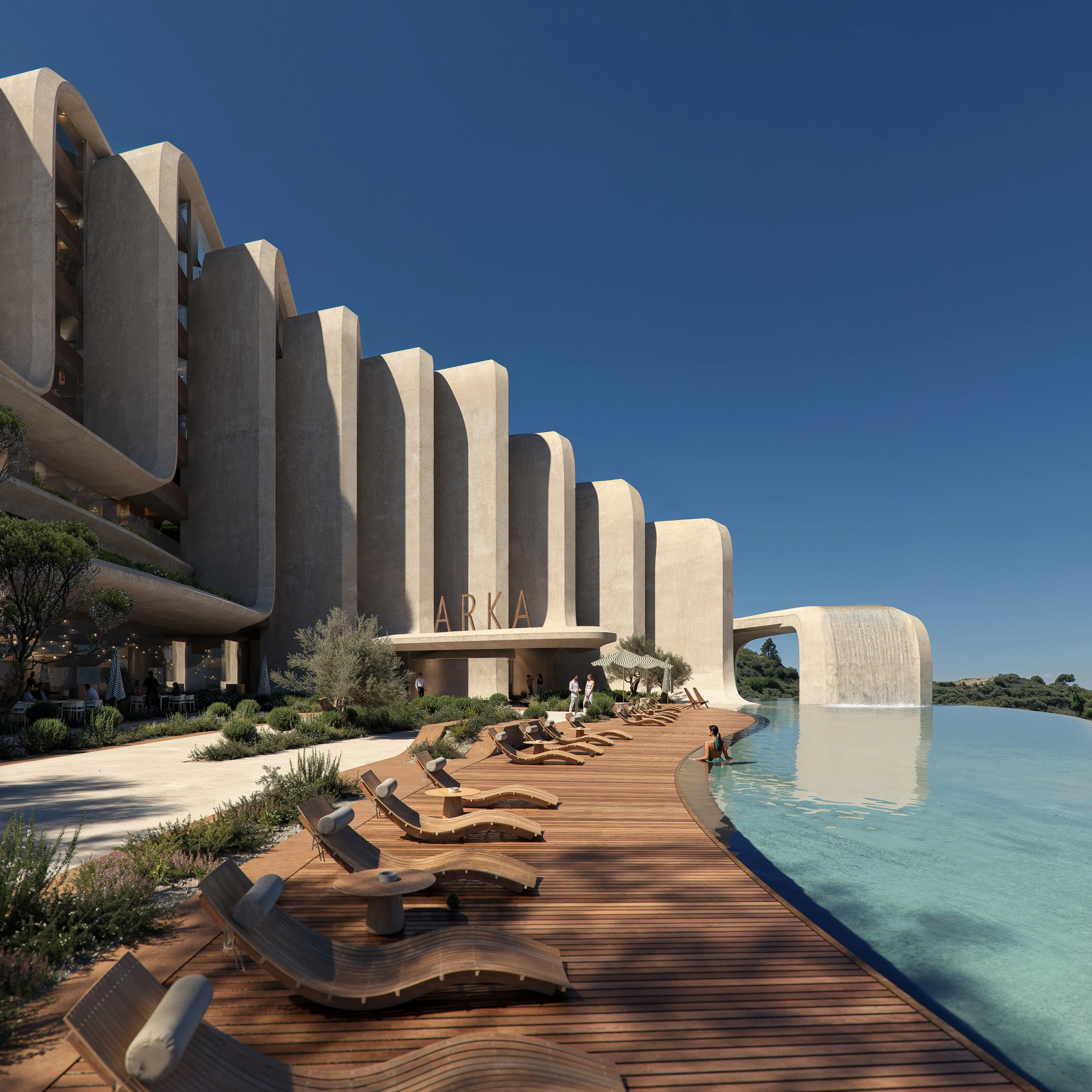
Located in Kodra e Diellit, the fastest-growing district of Tirana, the Nest and Cascades are new additions to the community. Renowned for its colourful post-communist architecture and vibrant café culture, Tirana is the capital of Albania with almost one million residents living within its greater metropolitan region. Progressing rapidly towards European Union membership, the Albanian economy is predicted to grow significantly in the coming years—with Tirana as the centre of its growth.
Render by Bloomimages
Symphony Tower
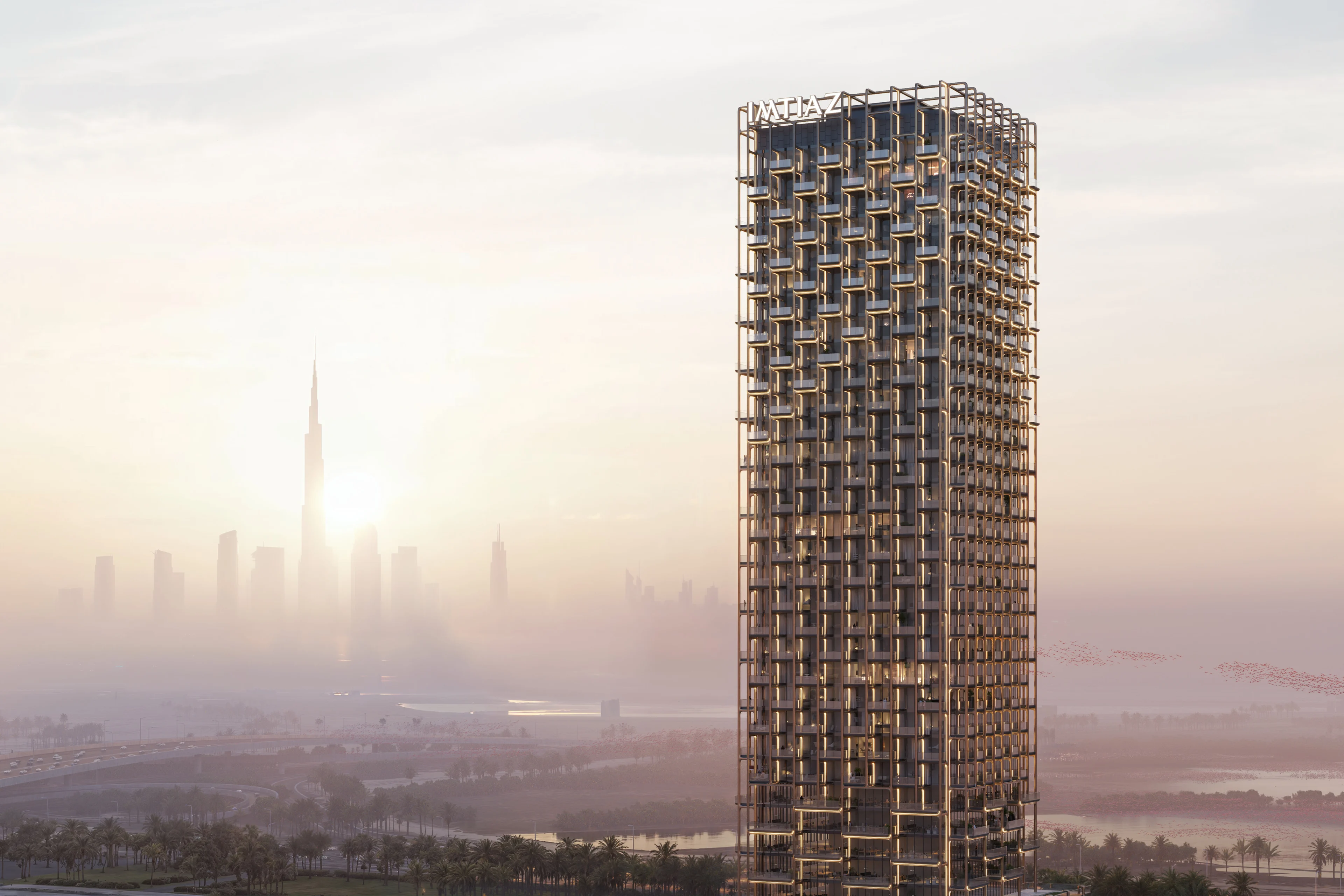
Located a short distance from Downtown Dubai and the Dubai Design District, Symphony Tower is situated within the new Horizon district of Dubai between the city's Meydan Racecourse and the waters of Ras Al Khor.
Render by DAMAC
Sales Launch January 2025 100% DD
The Delmore
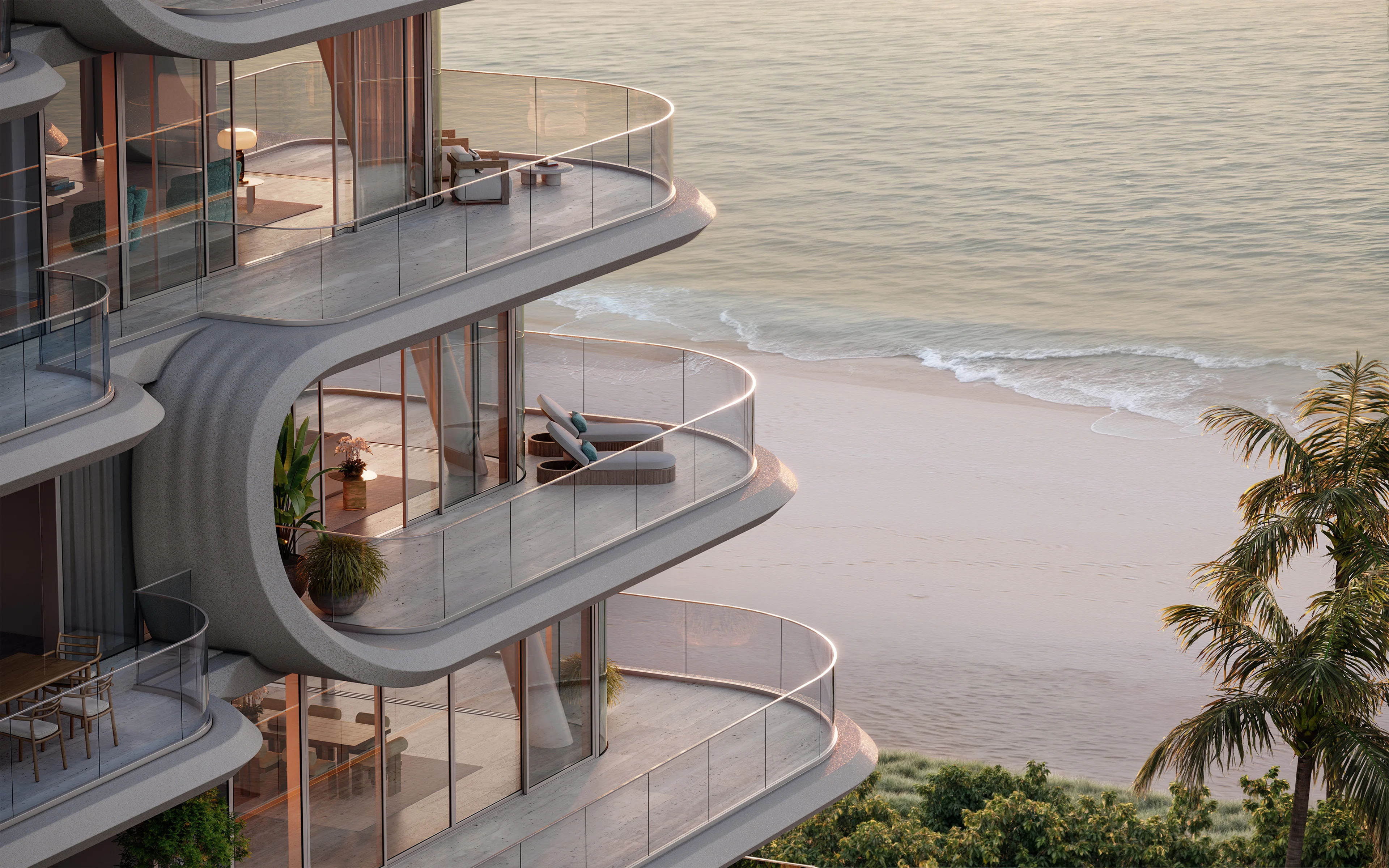
Situated on the beach at Surfside, The Delmore’s design is defined by its location and environment. ZHA’s detailed analysis of the oceanfront site mapped fluctuations in solar radiation, temperature, humidity, prevailing winds, air quality, rainfall, in addition to the variable ground and sea conditions throughout every day of the year.
Oystra
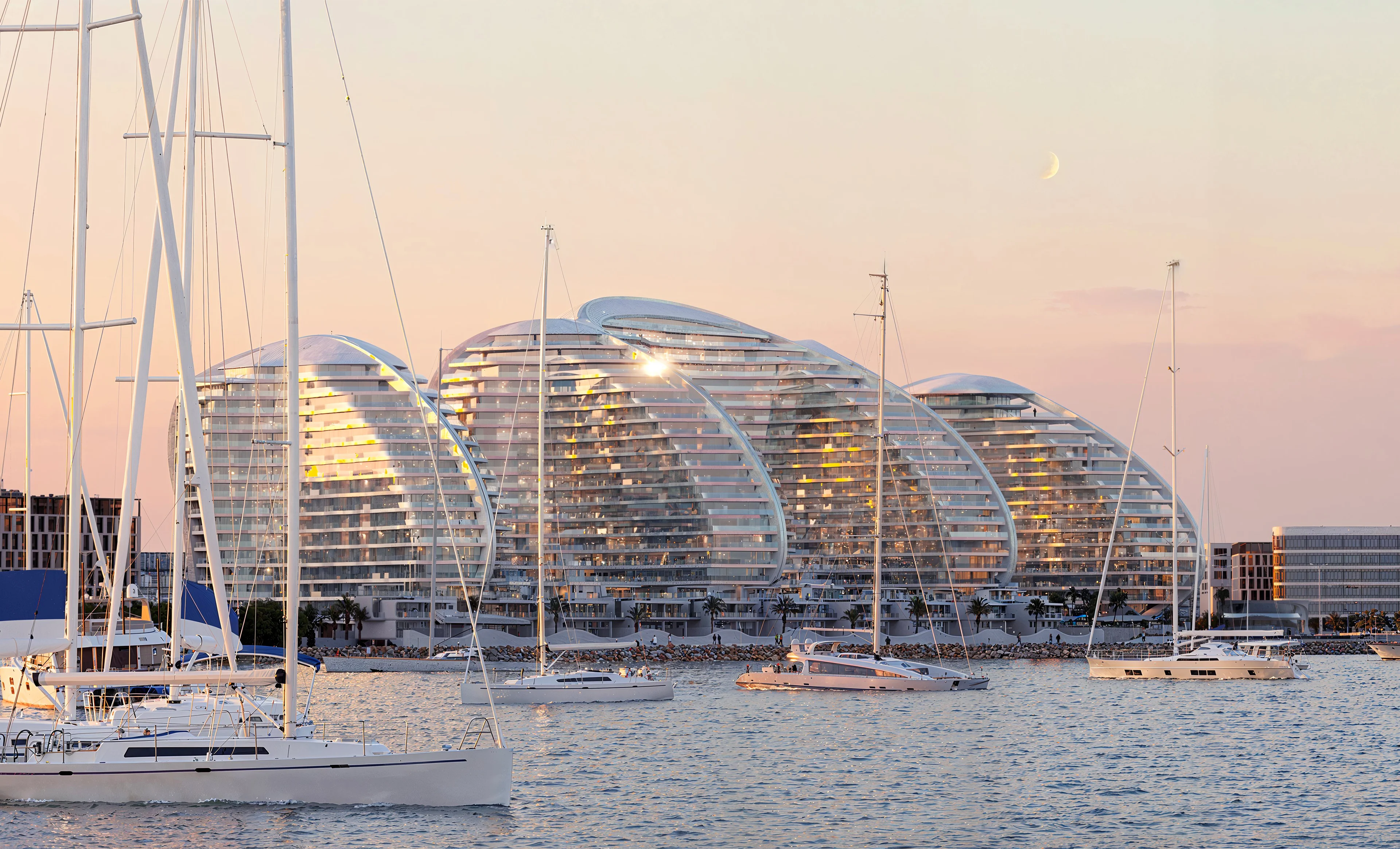
Located on Al Marjan Island in Ras Al Khaimah, UAE, Oystra is a 128,000 square metre seafront development of 950 one- to four-bedroom apartments, duplexes, penthouses, and waterfront villas, together with extensive shopping, dining and leisure amenities.
Cityzen Mixed-Use Development
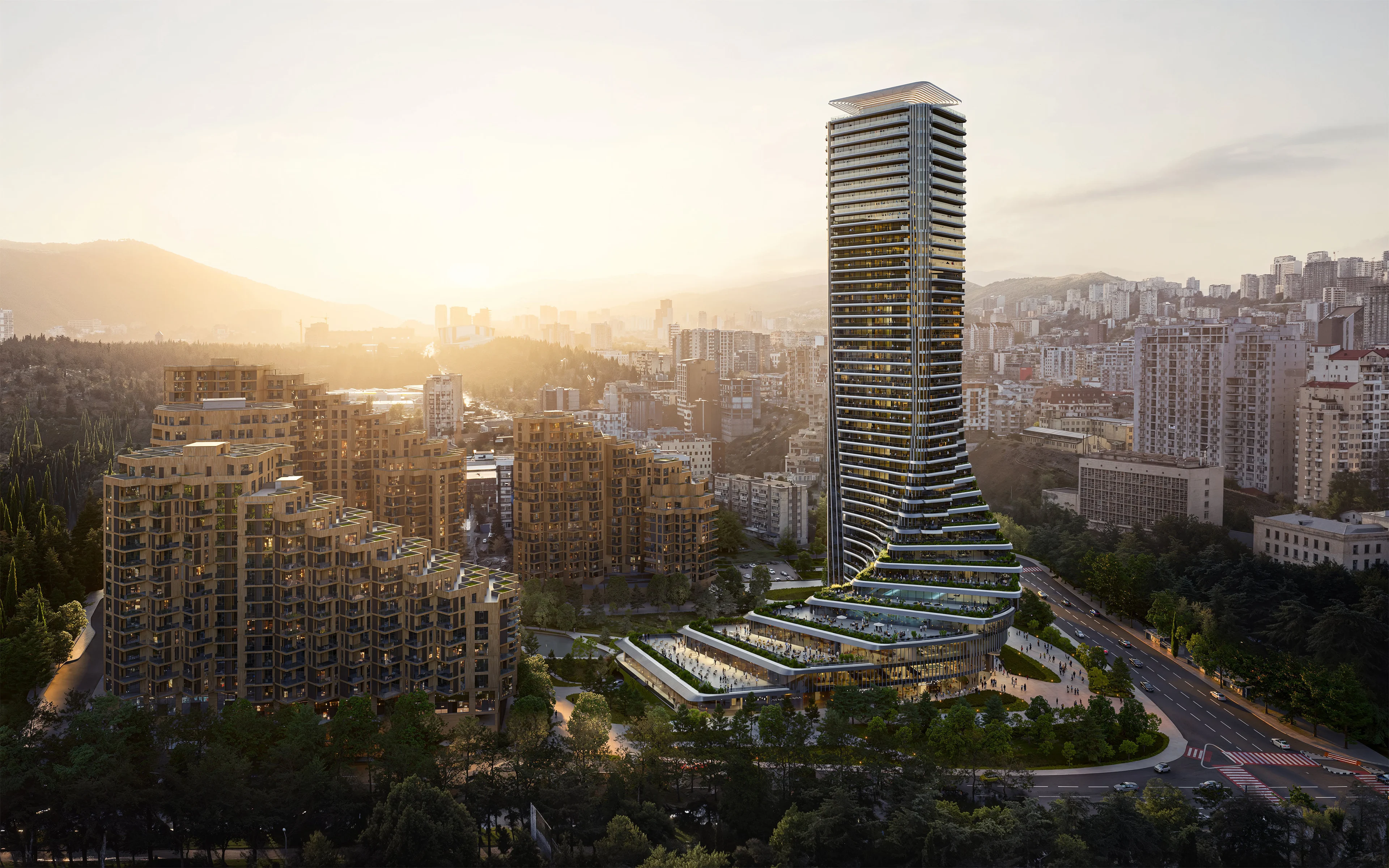
Serving as the gateway to the Cityzen community, a new civic hub in the west of Tbilisi, Cityzen Tower is ZHA's first project in Georgia.
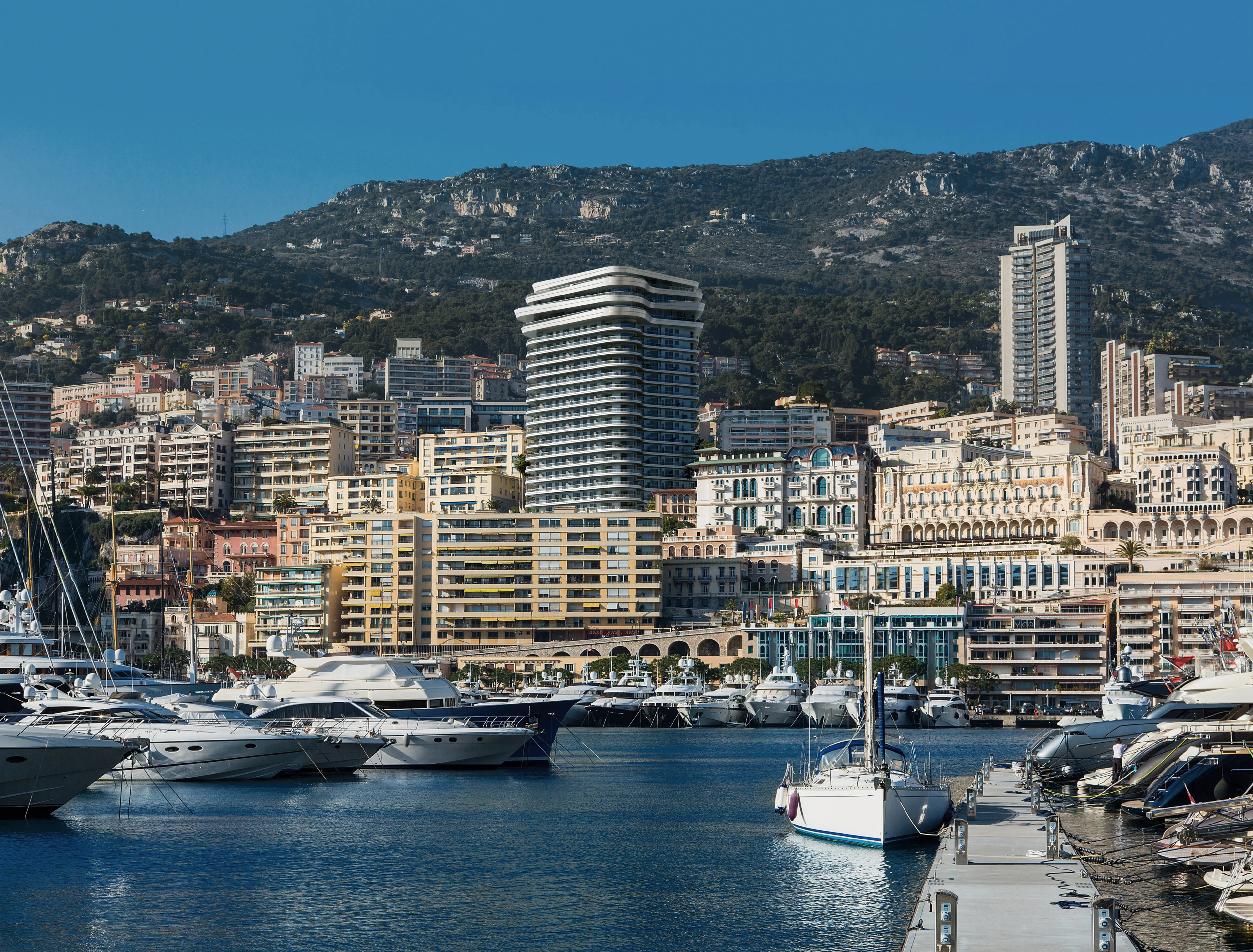
_Photo by John Kellerman courtesy Alamy, montage by MIR
Le Schuylkill
ZHA was appointed together with local practice Square Architecte to renovate and extend Le Schuylkill Tower. Construction works have begun with completion planned in May 2027. With 188 apartments from small studios to four-bedroom family units, the existing tower sits on a steep site with a 22m gradient between its north and south boundaries.
Render by Atchain
The Grove Residences
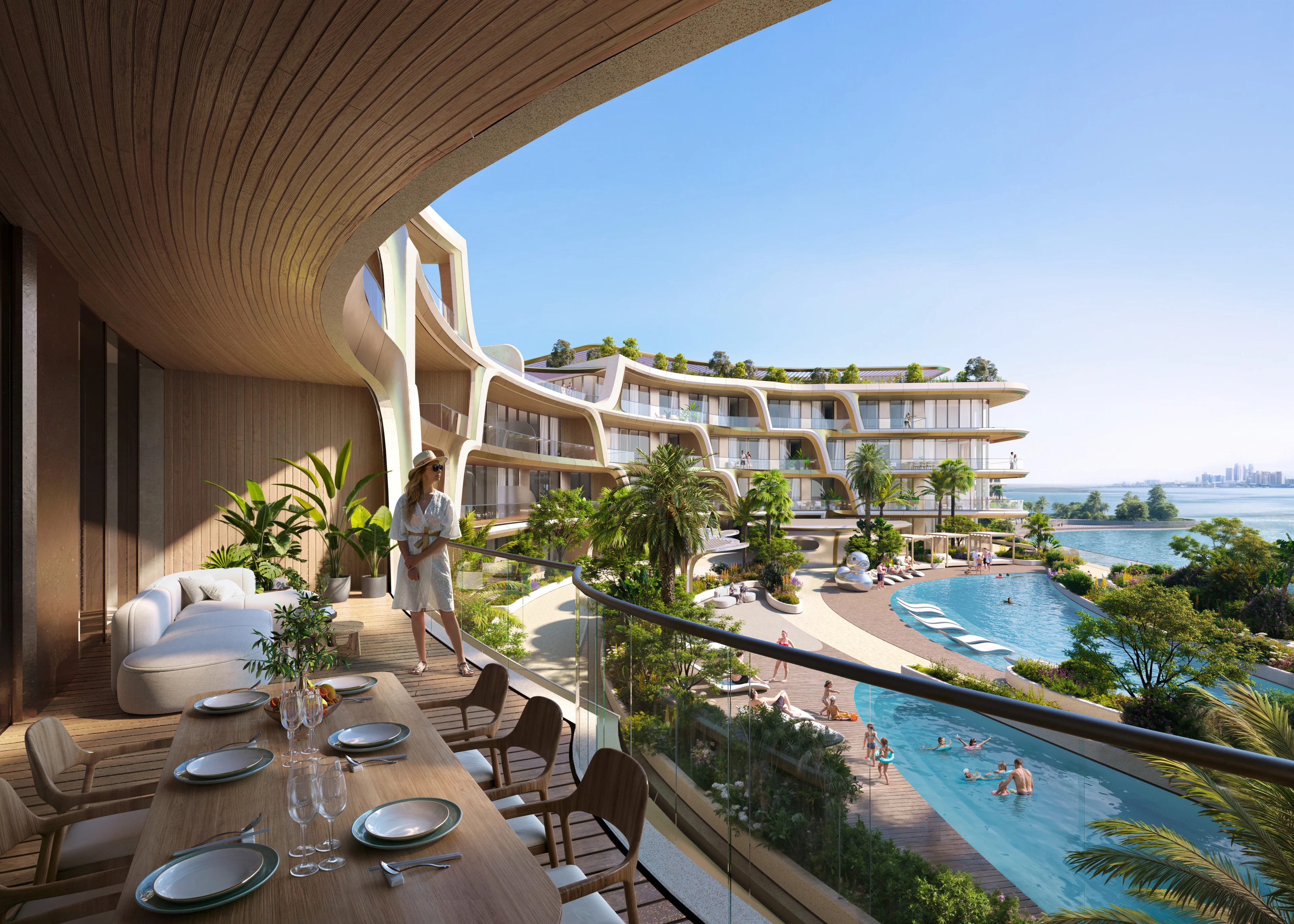
Comprised of 293 apartments offering panoramic views of Qetaifan Bay and the Lusail skyline, The Grove has been designed with its waterfront promenade as the heart of the community.
Render by XUniverse
The Alba Residences & Hotel
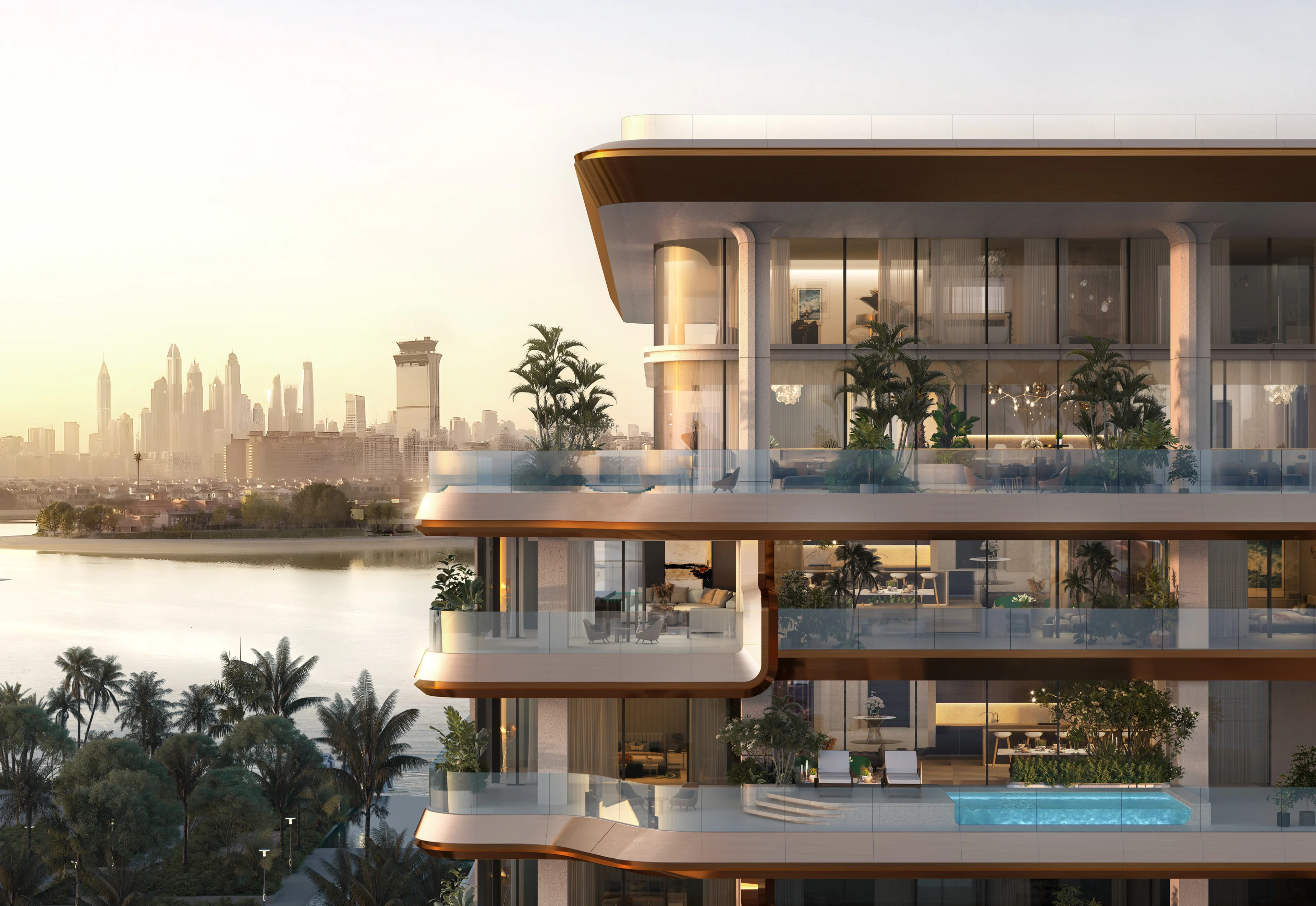
The Alba is a new US$1.9 billion mixed-use beachfront development designed by ZHA for Omniyat on the Eastern Crescent of Palm Jumeirah with panoramic views of Dubai’s coast and skyline.
Photograph by Luke Hayes
Mews House
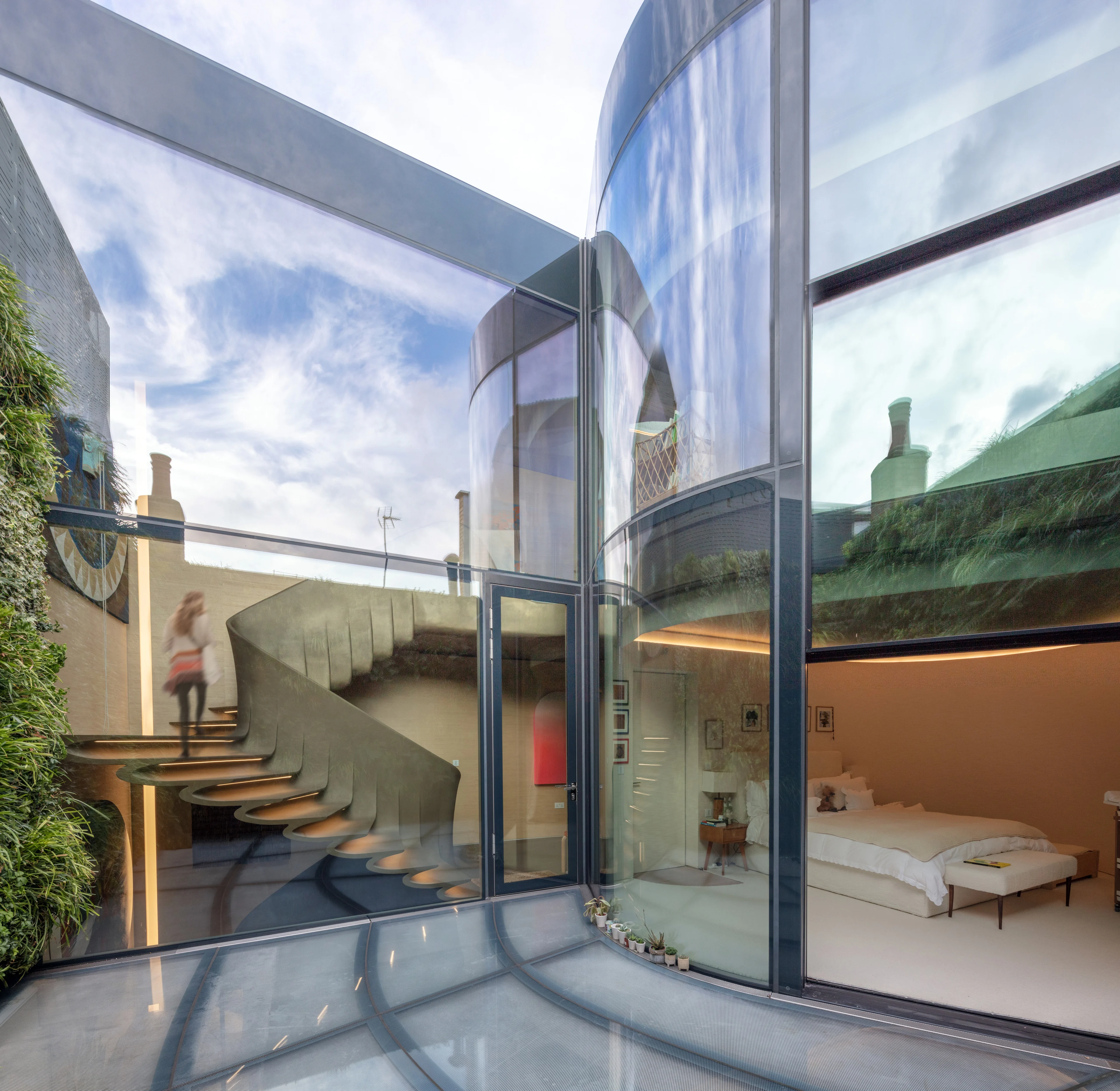
Mews House is an innovative architectural solution built on a restricted urban site within one of London’s historic conservation areas
Render by Brick Visual
Roofline
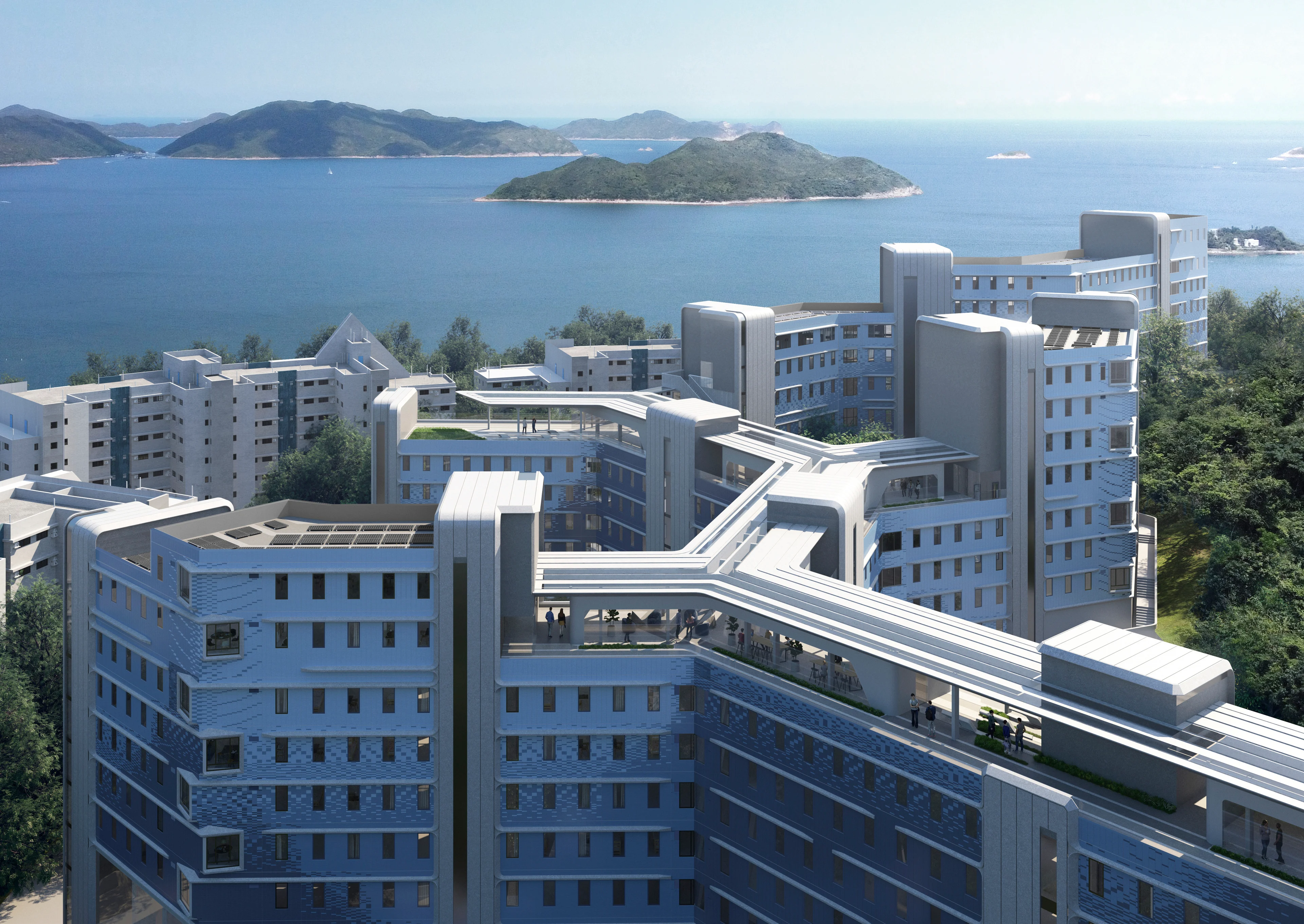
Jockey Club i-Village at HKUST
Established in 1991, Hong Kong University of Science & Technology (HKUST) has become a leading research institution consistently ranked amongst the best in Asia and around the globe. Over half of the university’s 16,000 students enrolled in the 2019-2020 academic year are from overseas, creating an urgent demand for new residential facilities within its Clear Water Bay campus.
Photograph by Hufton + Crow
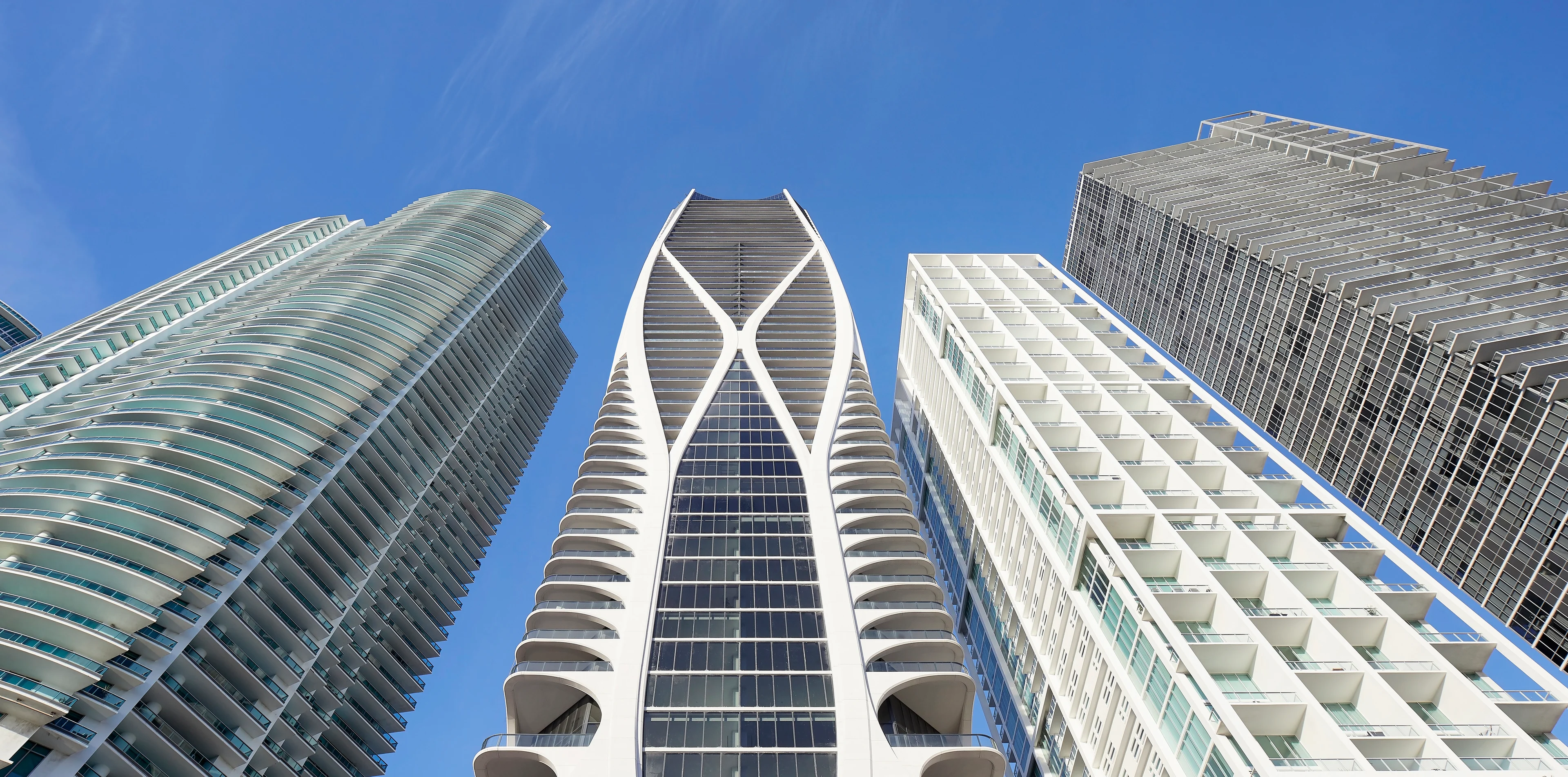
One Thousand Museum
One Thousand Museum is a 62-storey residential tower opposite Museum Park in Miami. With views across Biscayne Bay, this popular 30-acre park was redeveloped in 2013 as one of downtown Miami's primary public spaces and includes the city's new art and science museums.
Courtesy of ZHA
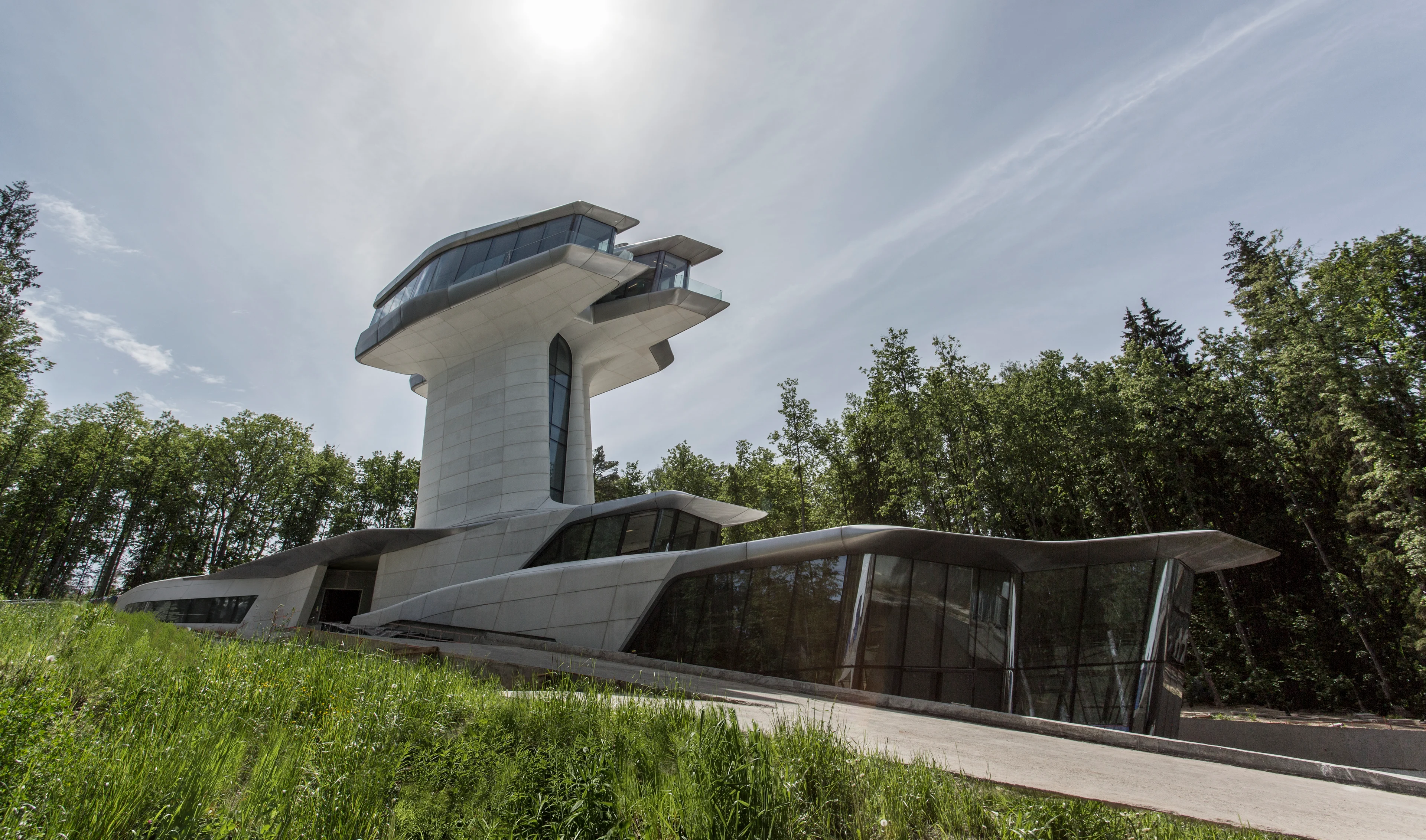
Capital Hill Residence
The client explained to the architect, “I want to wake up in the morning and just see blue sky”, to which Zaha replied, “You realise you have to be above the trees?” The form of the residence is defined by its natural topography with fluid geometries emerging from the landscape and remaining partially embedded within the hillside.
Photograph by Hufton + Crow
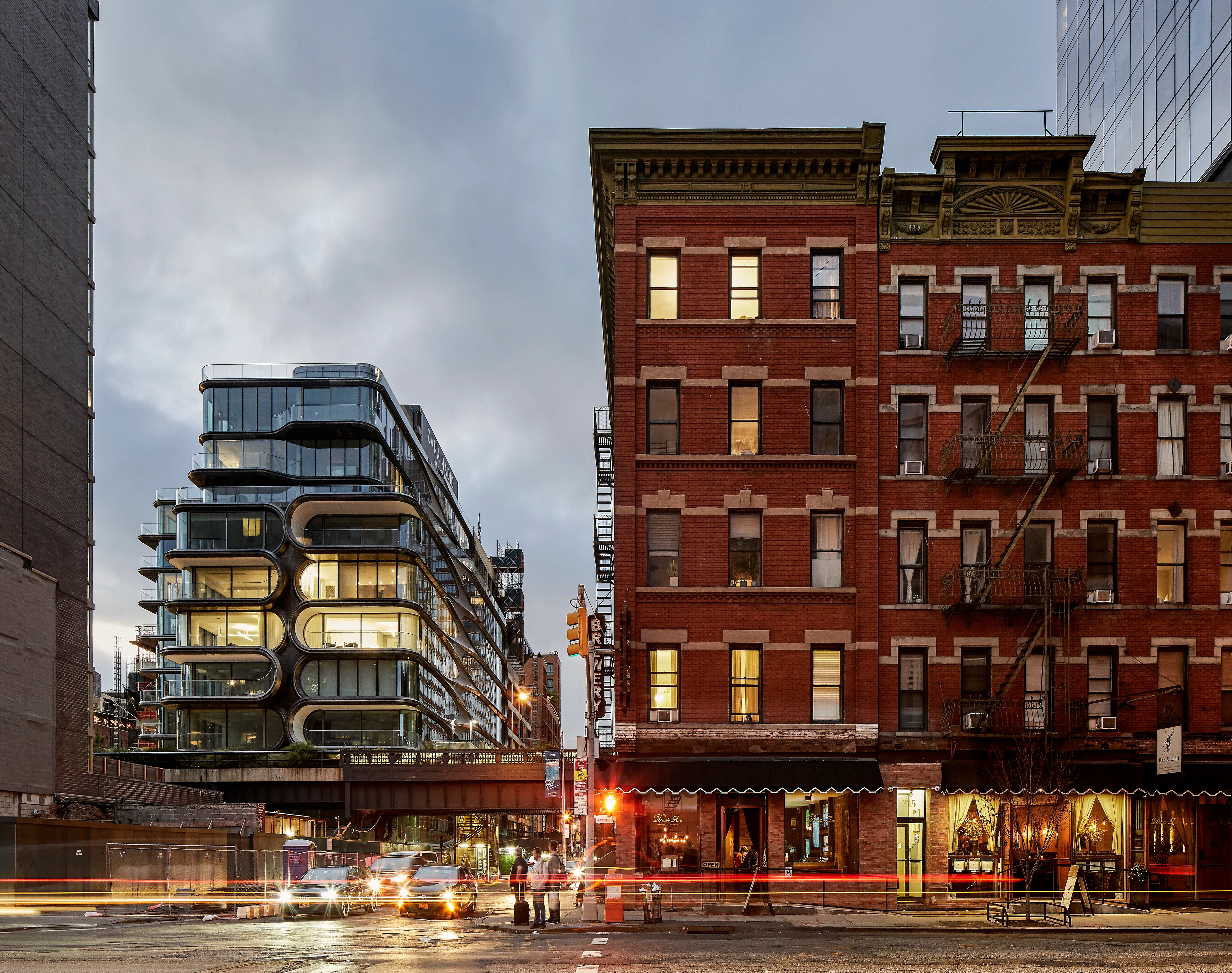
520 West 28th
There is a powerful urban dynamic between the streets of New York and the High Line, a layered civic realm that has developed over generations and in many iterations. 520 West 28th conveys this contextual relationship, applying new ideas and concepts to create the latest evolution of the site’s rich history.
Photograph by Hufton + Crow
Argos Residences
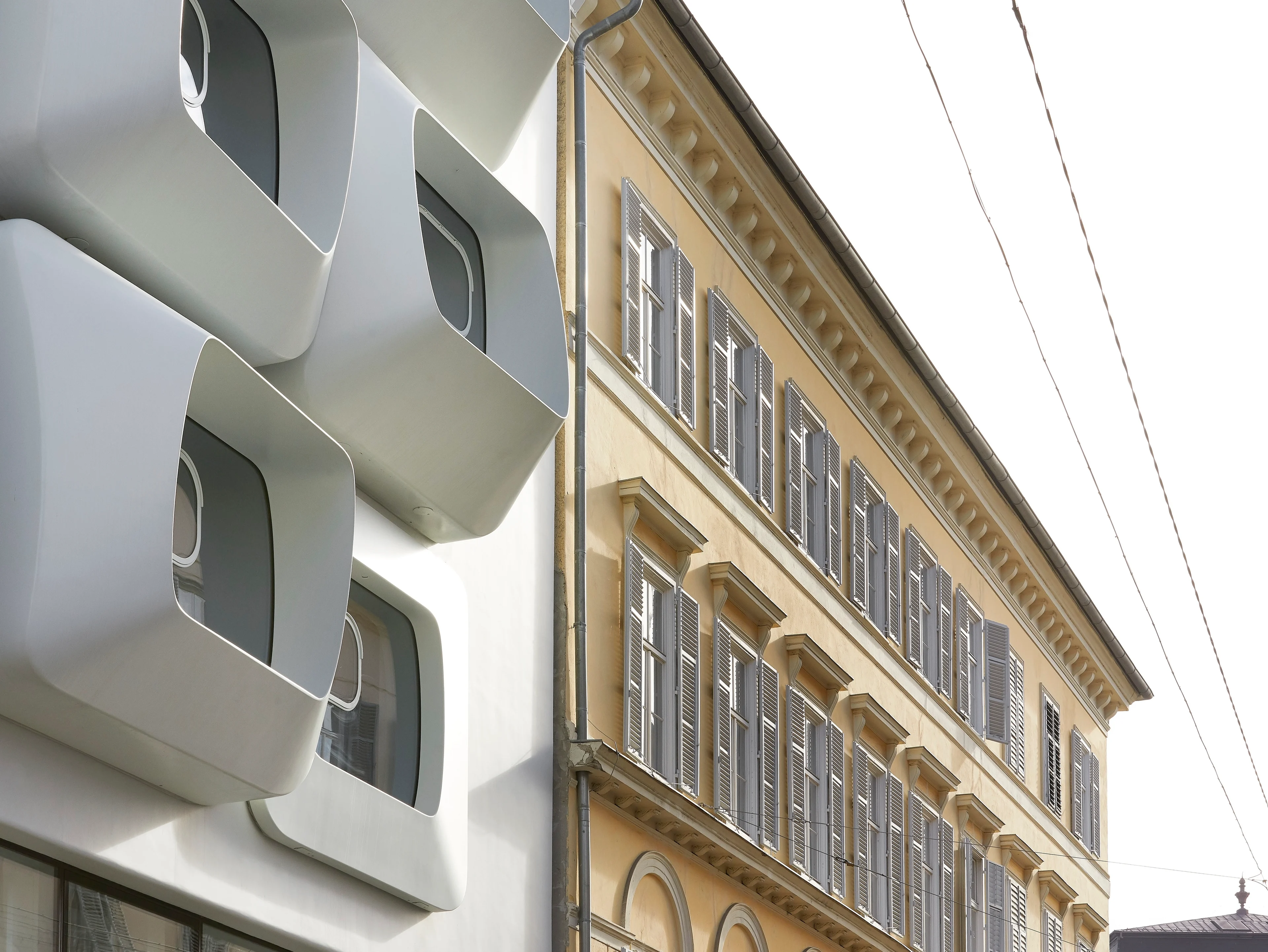
Home to six universities and two polytechnics, the city of Graz has a long history as a seat of learning and innovation. Continuing this tradition of welcoming pioneers from around the world, Graz’s 60,000 students, academics and local businesses generate an increasing demand for visitor accommodation in the city whose population has grown by 20% since 2001.
Photograph by Hufton + Crow
d’Leedon Apartments
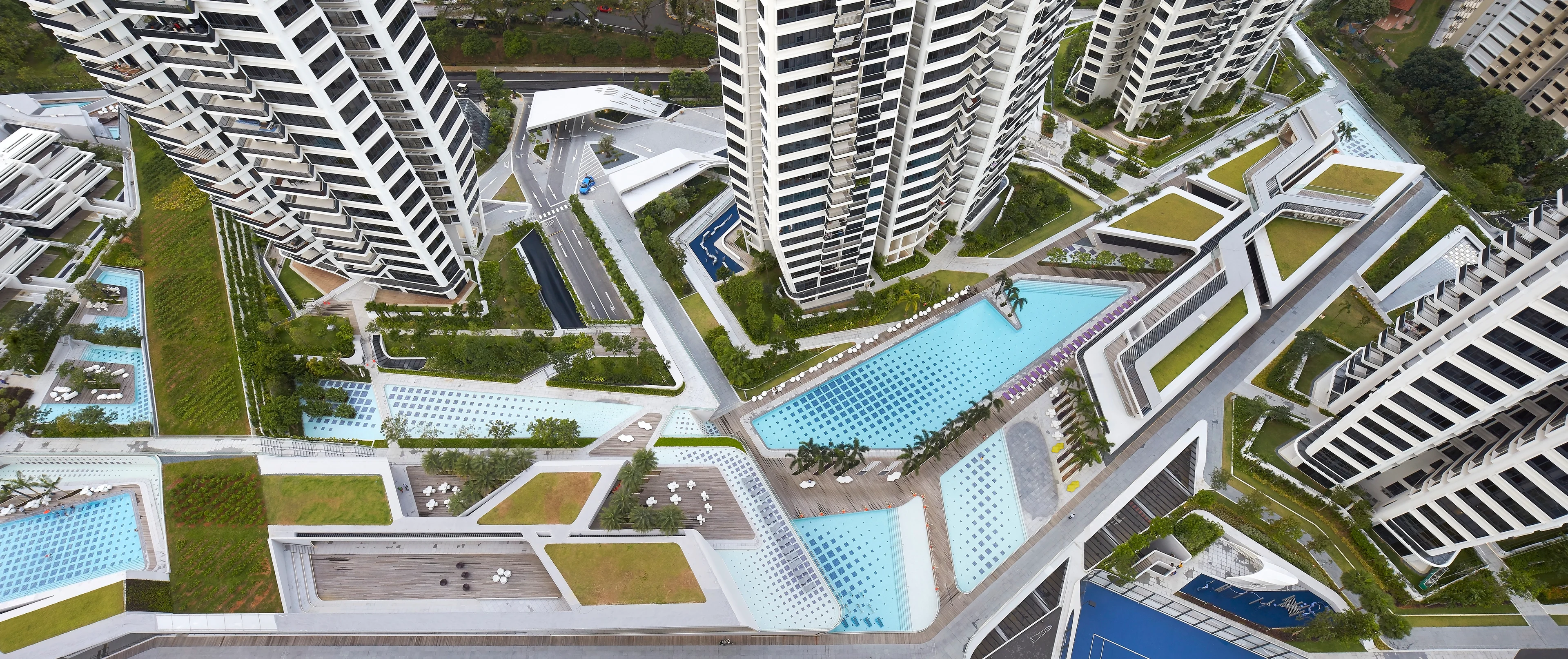
D`Leedon, Singapore comprises 7 residential towers, 12 semi-detached villas and integrated landscaping with recreation facilities.
01
02
03
04
05
06
07
08
09
10
11
12
13
14
15