
Photograph by Hufton + Crow
Singapore, Singapore
2007 - 2014
CapitaLand - led Consortium, Singapore
d’Leedon Apartments
Photograph by Aaron Peacock
Connected directly with its surrounding neighbourhood
D’Leedon is located in the centre of Singapore’s District 10, close to amenities of commercial and civic centres such as Dempsey Hill, Holland Village and Orchard Road as well as popular schools such as Nanyang Primary. With a covered walkway to Farrer Road MRT Station, the development is well connected to public transport links to Singapore’s CBD and Botanic Gardens and Bukit Timah Nature Reserve.
The site presented a number of constraints with to the presence of 2 MRT underground tunnels, the main waterline supply to Singapore from Malaysia and strict setback regulations towards the existing residential buildings at the western edge of the site.
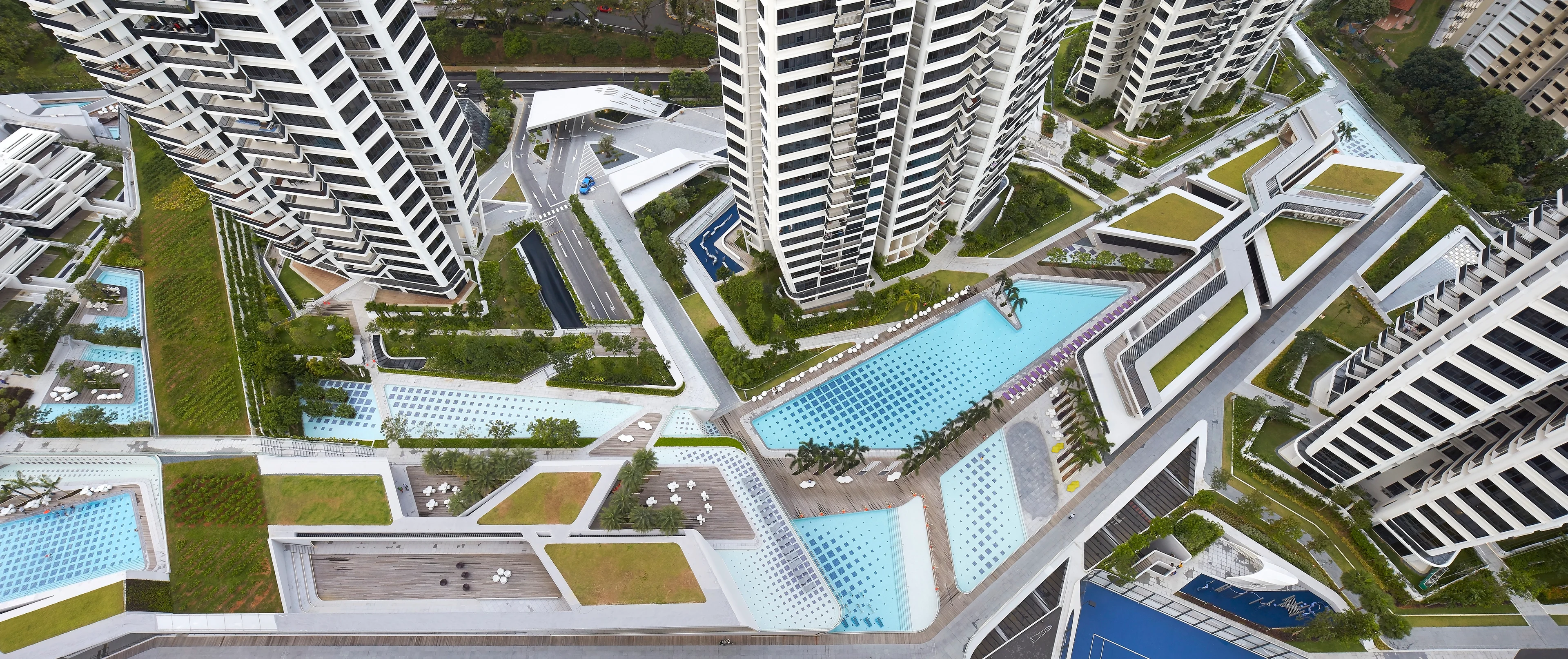
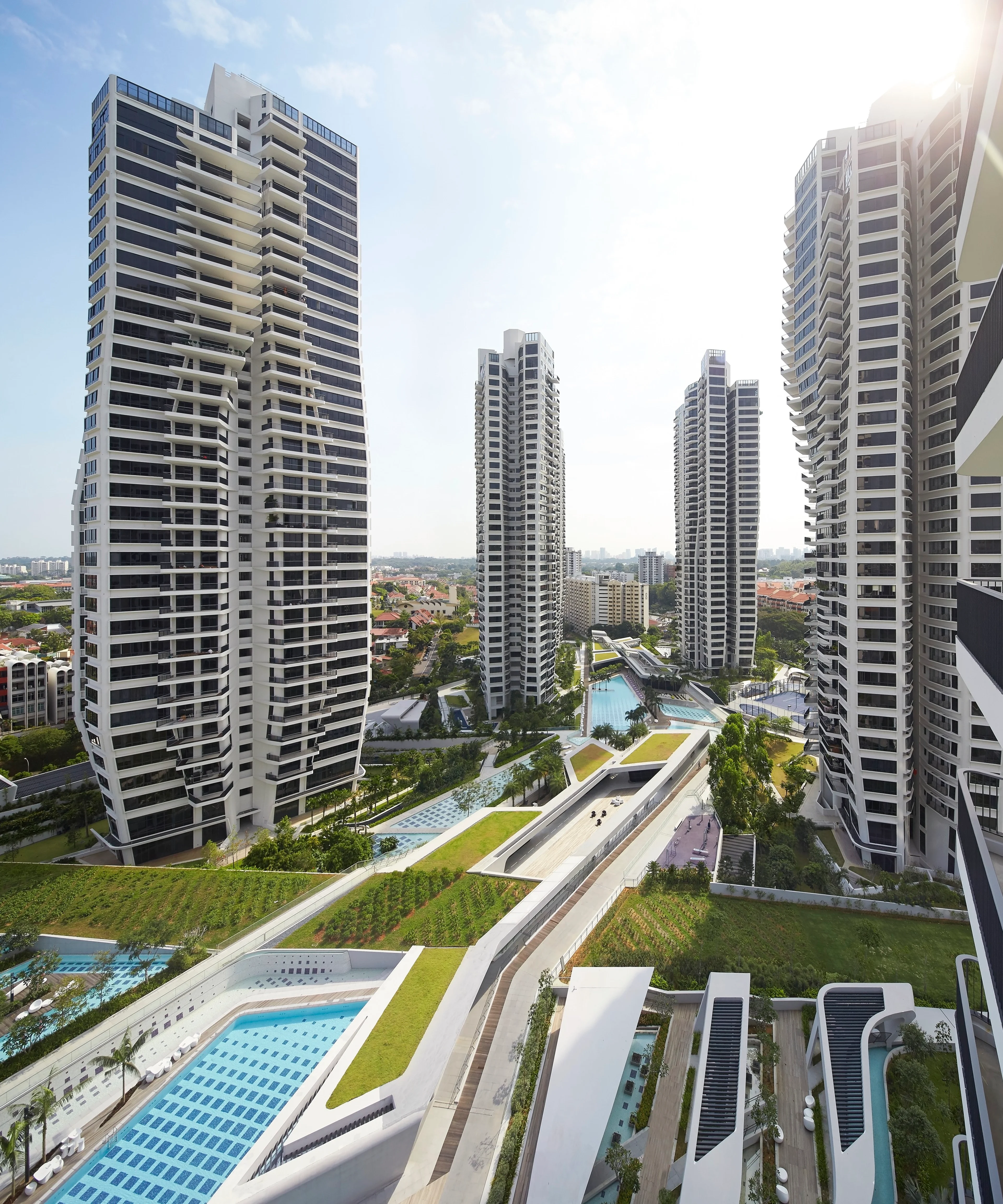
The d’Leedon site has been arranged according to existing alignments, the primary axis of Farrer Road and surrounding residential buildings that have all informed a series of lines within the d’Leedon site that connect the development directly with its surrounding neighbourhood. These lines flow through the site and are organized in bands which define the location of each tower for optimum orientation, the lines also establish different features and zones within the landscape.
Integrated landscaping with recreation facilities
The ground level is visualized as a very green layer, which takes advantage of the extraordinary flora of Singapore and its climate. The site levels are re-organized into a series of terraced plateaus to maximise the areas dedicated to communal amenities. Connectivity and navigation within the site and towards the surrounding city become driving elements for overall site organisation. Car circulation is minimised by routing the part of the main driveway into the basement level, creating a pedestrian-friendly landscape throughout the whole development.
Environmental considerations and the location along the equator determined the orientation of the towers along the East-West axis in order to minimize solar gain. Sustainable features are introduced to allow generation and re-use of energy on site and minimize its consumption. The development was awarded Gold+ for its design approach.
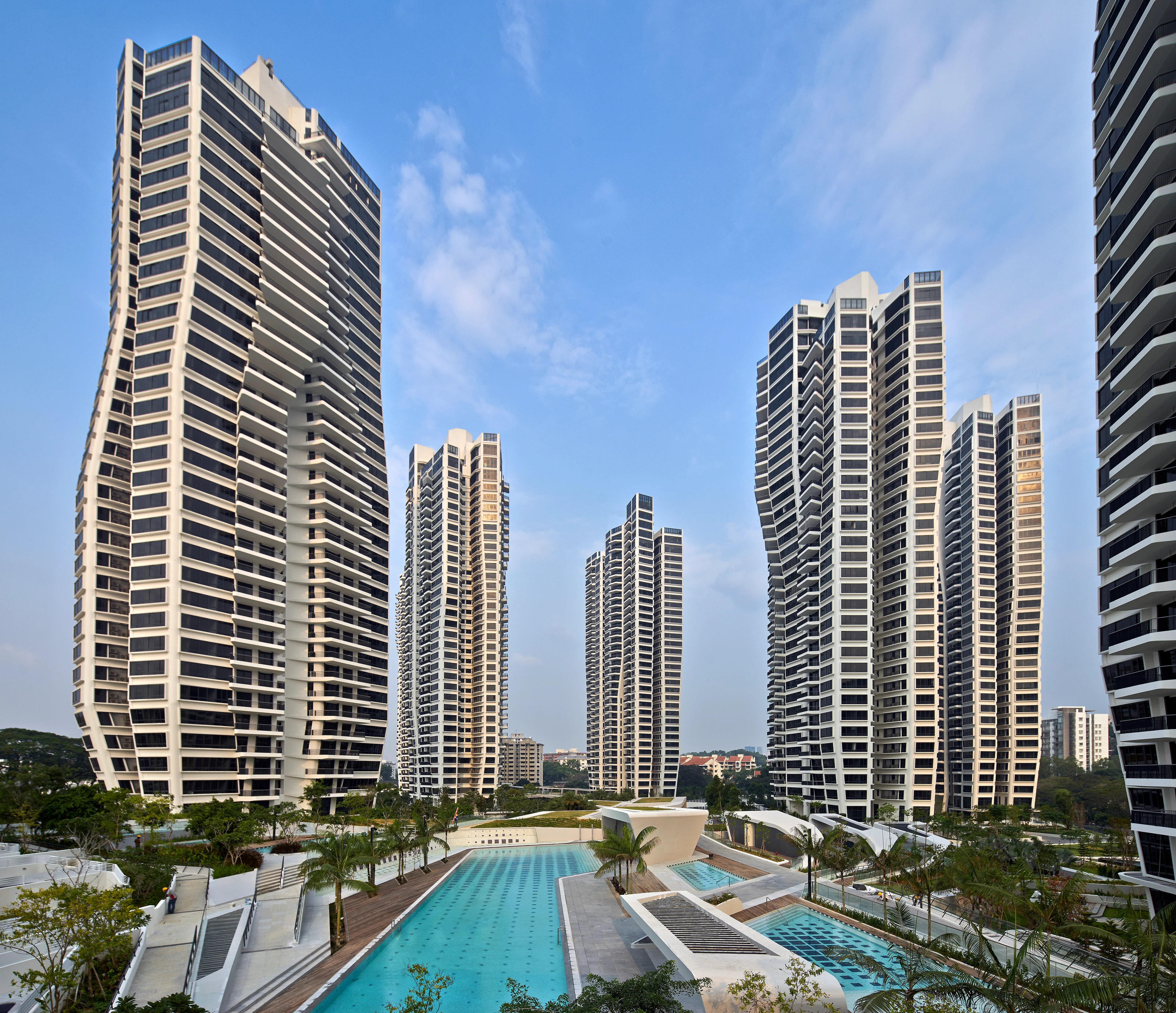
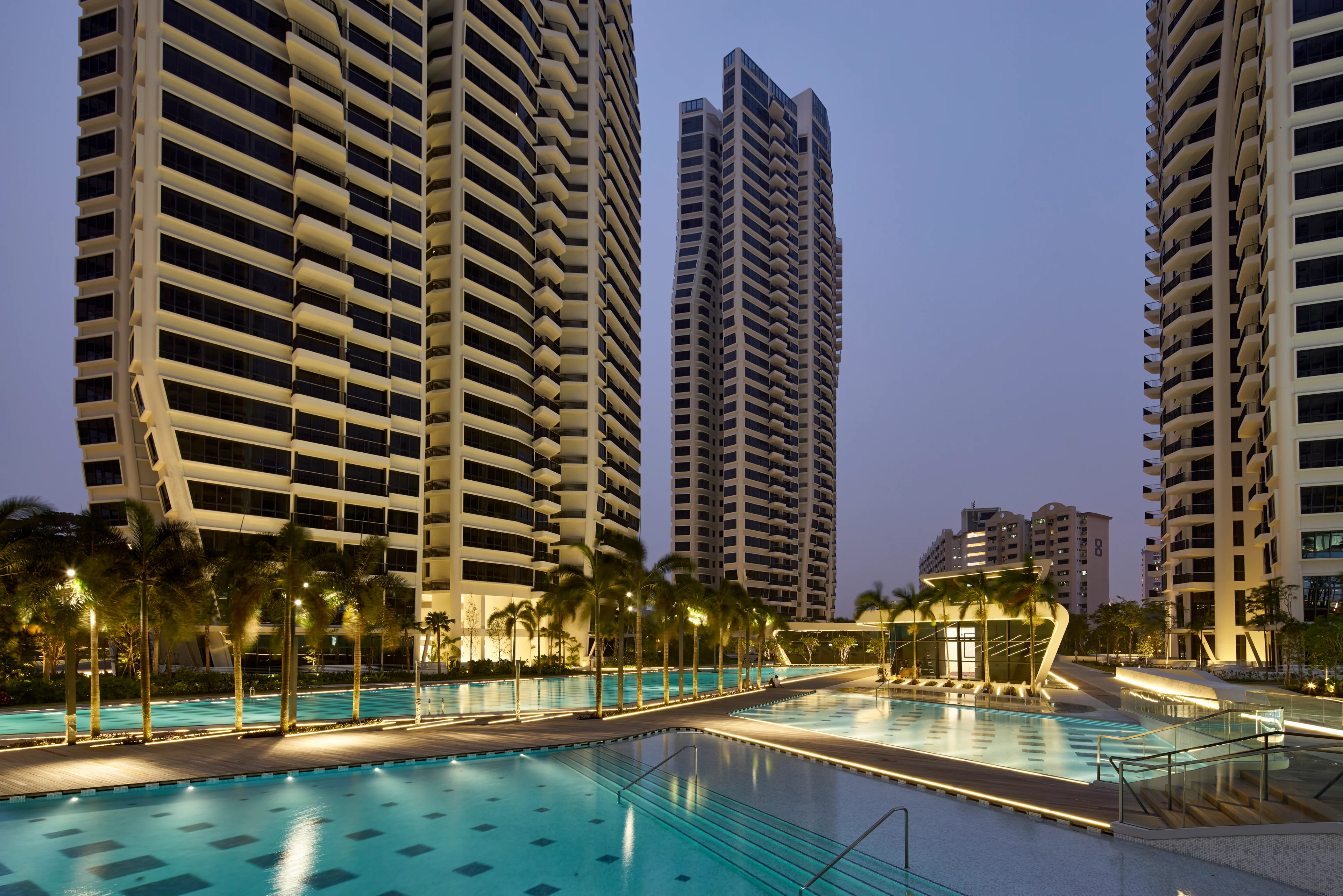
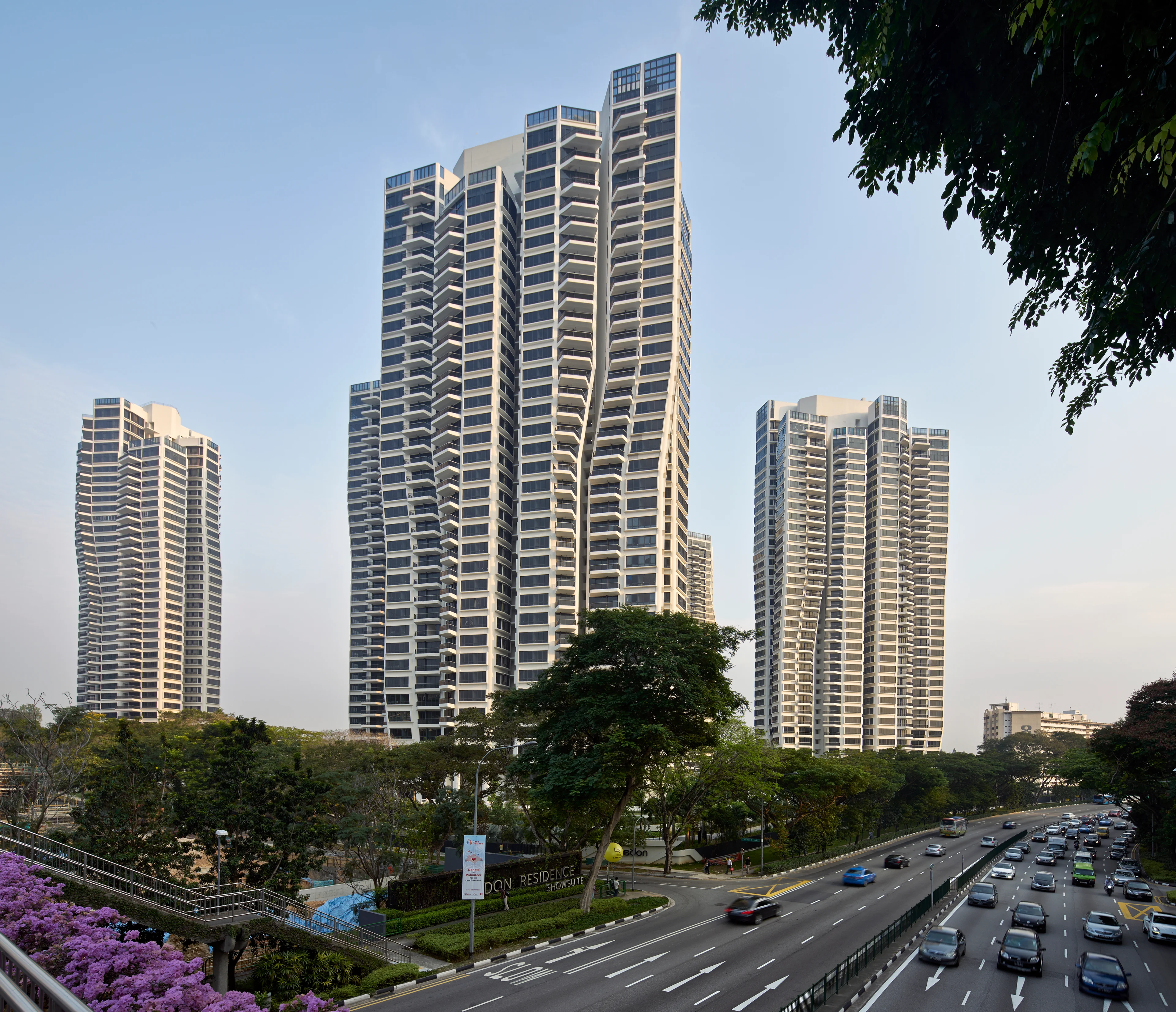
D`Leedon, Singapore comprises 7 residential towers, 12 semi-detached villas and integrated landscaping with recreation facilities.
Photograph by Aaron Peacock
Photograph by Aaron Peacock
Photograph by Aaron Peacock
Photograph by Hufton + Crow
01
02
03
04
A unique petal-shaped layout
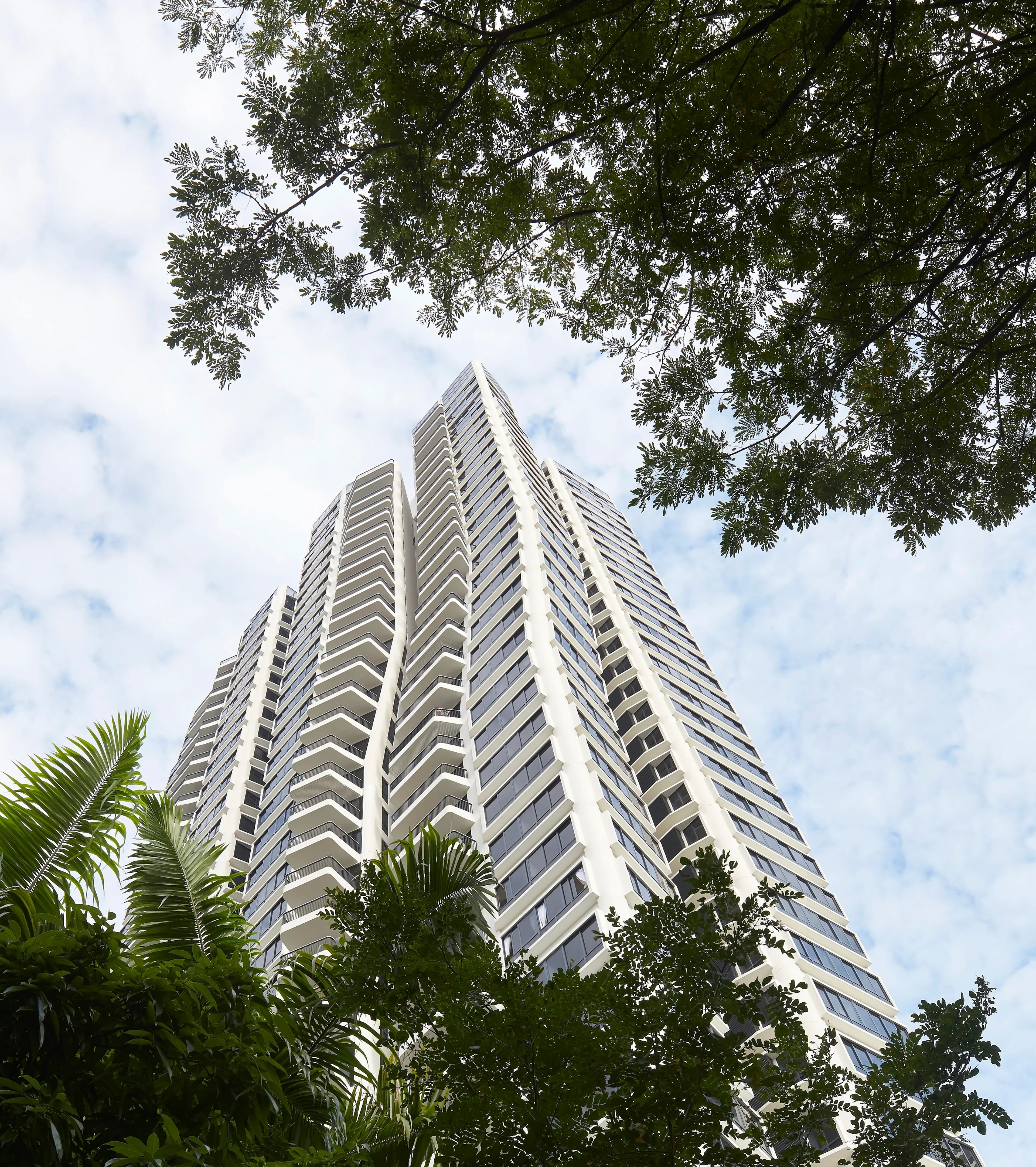
The towers taper inwards as they reach the ground to optimize public space; a unique petal-shaped layout which allows for windows on three sides of the apartments to give the highest quality of living for all residents with cross-air flows to the living rooms and bedrooms – as well as natural ventilation in all kitchens and bathrooms; varied balcony geometries and the integrated landscaping all contribute to create a unique project defined by its site conditions and context.
The orientation and placement of the buildings is optimized in response to environmental considerations of managing intense sunlight and to maximize views across Singapore. The landscape and its facilities are organised in bands that respond to the existing alignments of the main axis surrounding the site which. These primary axes are extended within the site to generate a series of lines that define different landscape themes, giving many diverse experiences throughout the whole site.
An incredible amount of diversity across the development
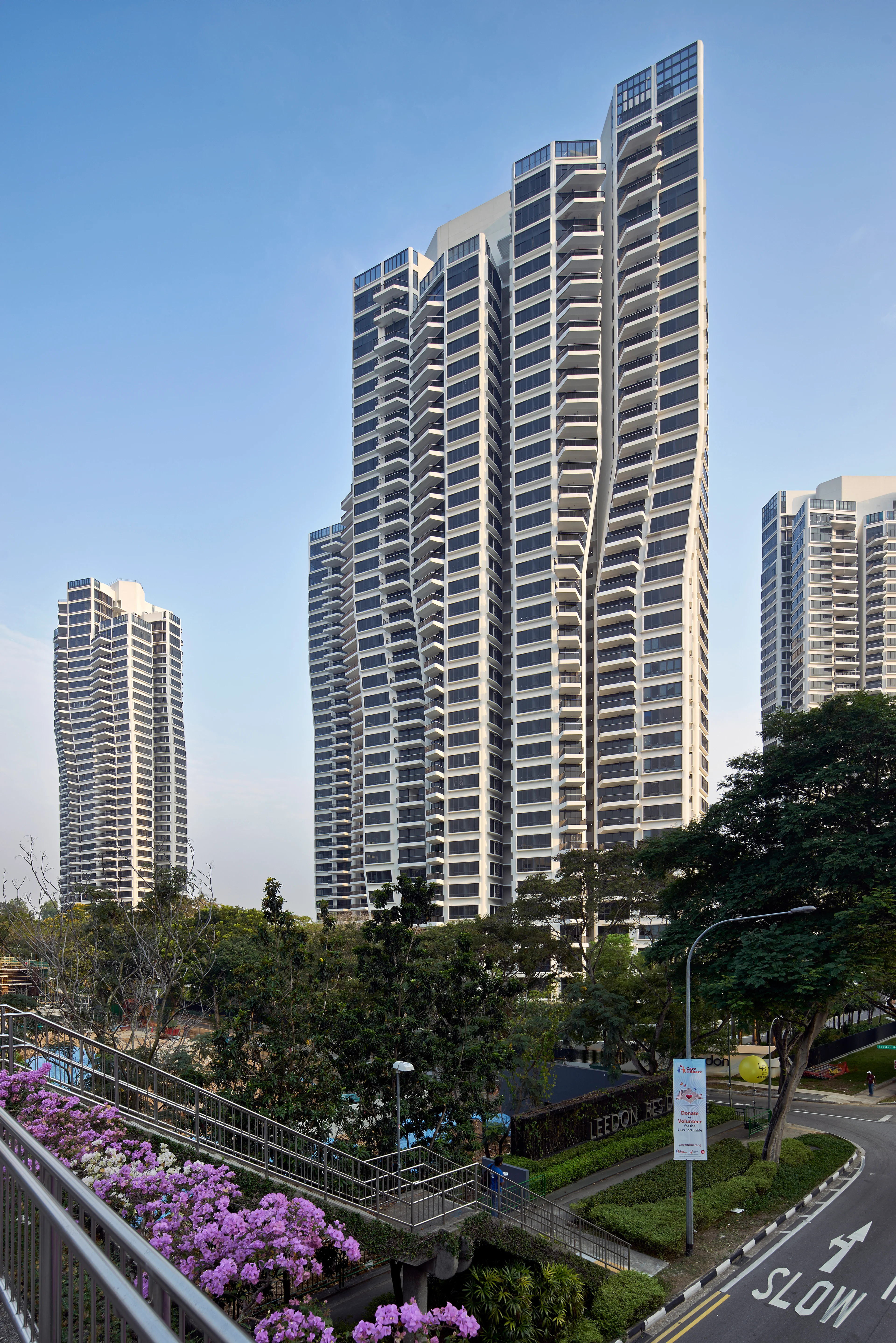
The towers are subdivided into ‘petals’ according to the number of residential units per floor enabling a very large diversity of apartments. The generative floor plan of the petal changes shape along the height of the tower in relation to the different configuration and type of residential units. The changing composition of unit type enables the towers to respond to a series of parameters dictated by site conditions, internal organization and structural optimization. The petal typology works with the different apartment sizes, namely 4 petal plan for the Tower accommodating the largest units, a 6 petal arrangement for the mid-sized ones, and an 8 petal arrangement for the smallest unit types. There is also a variation of the 6 petal typology where there are 12 units per floor which can be combined, giving residents the possibility to buy a 2 bed and invest on the neighbouring 1 bed, which can be merged together once the family grows. The demand for different unit types and sizes, ranging from 1 bedroom plus study to 4 bedrooms of different dimensions, is catered for by varying the floorplan size on different levels, creating over 340 unique floor plans and a variety of volume modulation in the towers elevations. Balconies of varying size and geometry and bay windows add to the level of definition of the façade.
The petals are expressed in three dimensions thanks to vertical cuts which give definition to the buildings’ façades and allow for natural cross ventilation of the flats. Through rotating the buildings across the site and the careful use of balconies and façade panelling a combination of self-similar towers produce an incredible amount of diversity across the development, giving each residential unit a unique and distinguishable location and appearance, both externally and internally.
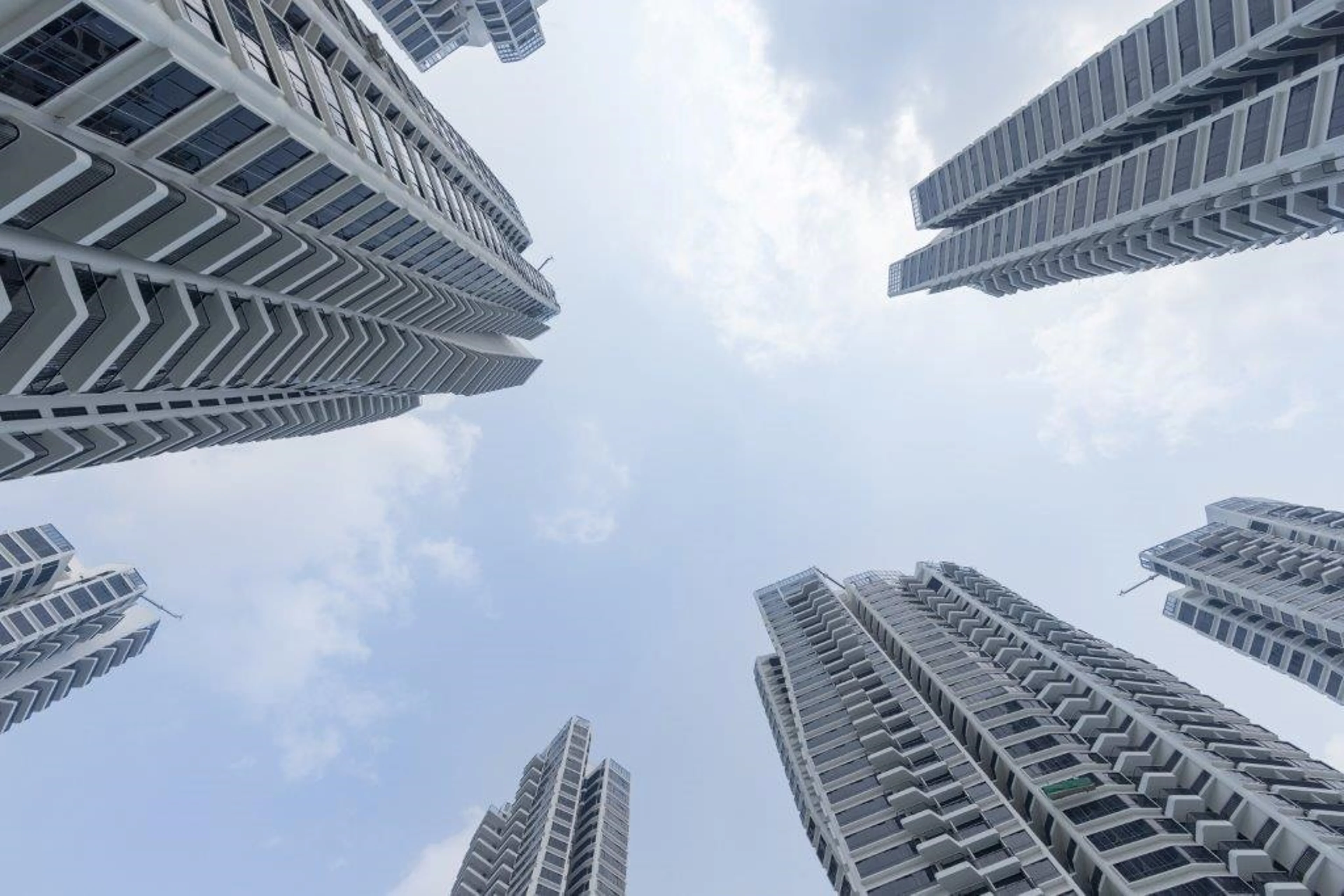
Blending the transition between the architectural fabric and the sky
The towers culminate at the top with a series of fingers stepped at different heights, which blend the transition between the architectural fabric and the sky. This distinctive feature of the different petals terminating at different levels, creates fantastic opportunities for penthouses with rooftops gardens and pools directly accessible from the petals below or on the side. Garden duplex units are provided at the base of the towers, with private car park space underground. With direct access from the garage these special units benefit from higher floor to ceiling height and a private garden at ground floor.
D’Leedon’s design turns the challenges of the site to the advantage for residents, embrace the concept of differentiation and individuality, where single apartments have been customized and specifically designed according to their location and position within the site, as well as the requirements of the residents.
This customization creates a vibrant setting for the residents through high differentiation at different scales of design: from the towers ‘petal’ configuration to the vertical expression of the facades and the articulated sky penthouses and garden units at the base, the design brings together concepts of individuality, differentiation and continuity.
Residential
Discover more of our residential projects
From the renovation and extension of Monaco’s historic Le Schuylkill tower to a new 128,000 square metre waterfront development in Dubai, discover our latest residential projects.
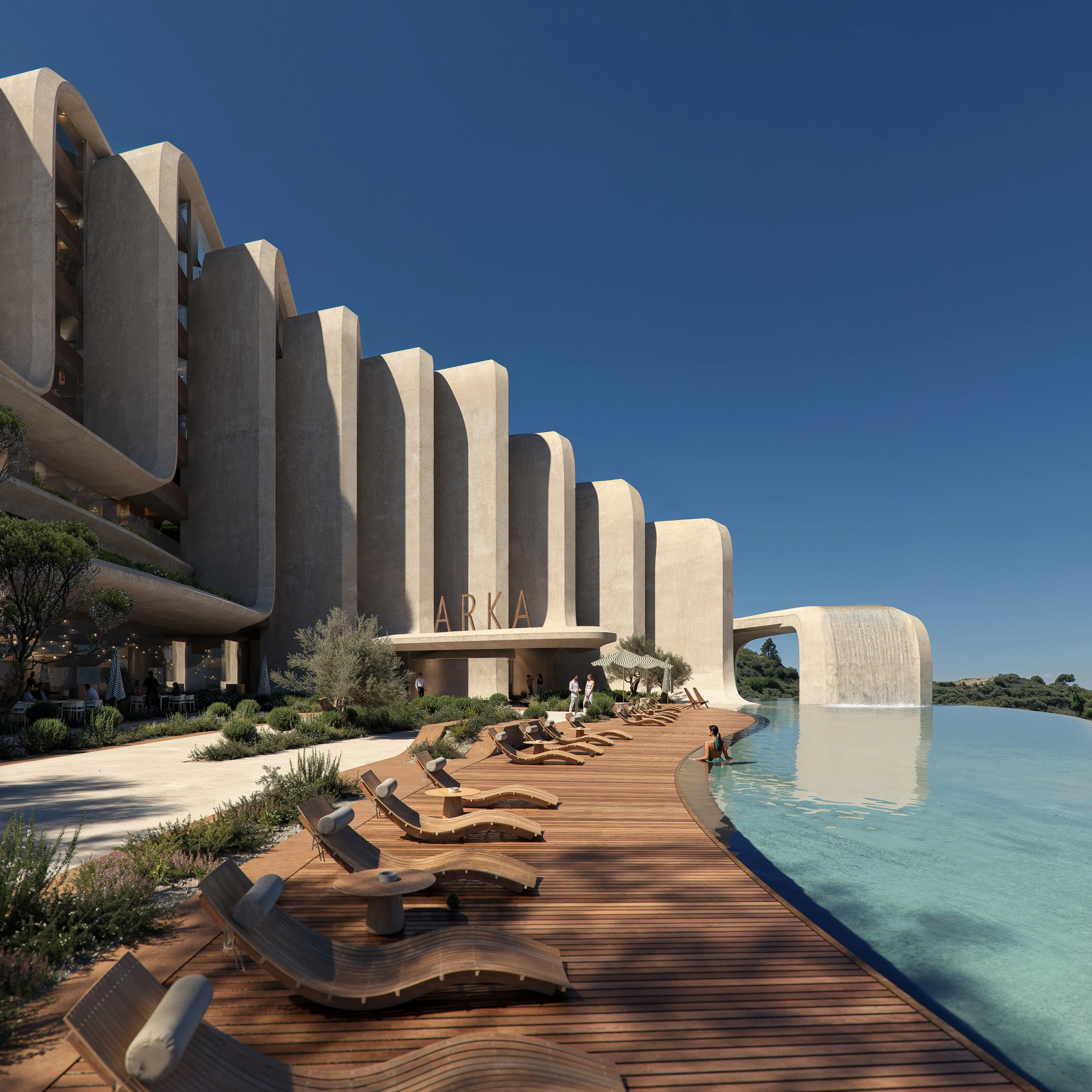
The Cascades
Located in Kodra e Diellit, the fastest-growing district of Tirana, the Nest and Cascades are new additions to the community. Renowned for its colourful post-communist architecture and vibrant café culture, Tirana is the capital of Albania with almost one million residents living within its greater metropolitan region. Progressing rapidly towards European Union membership, the Albanian economy is predicted to grow significantly in the coming years—with Tirana as the centre of its growth.
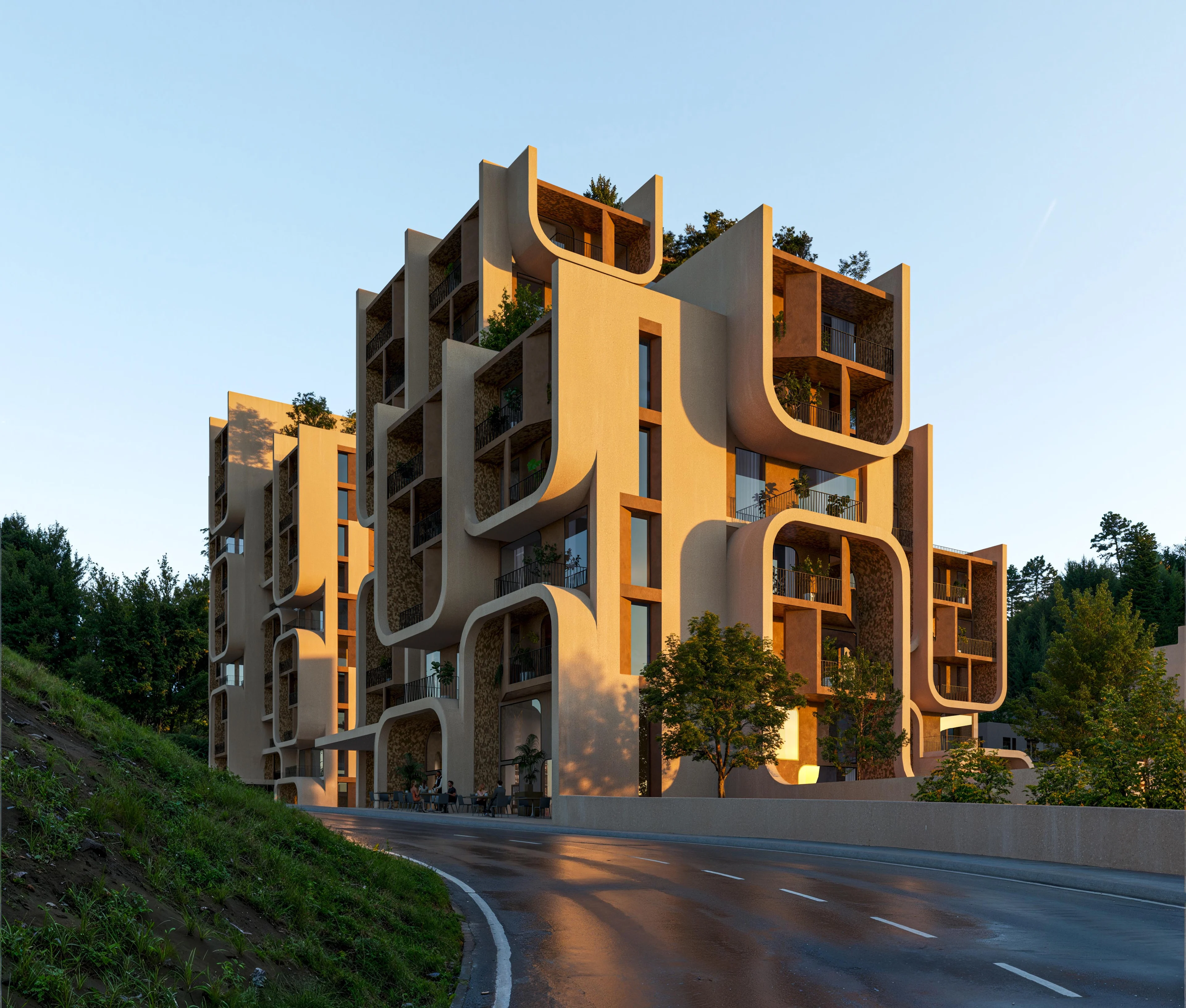
The Nest
Located in Kodra e Diellit, the fastest-growing district of Tirana, the Nest and Cascades are new additions to the community. Renowned for its colourful post-communist architecture and vibrant café culture, Tirana is the capital of Albania with almost one million residents living within its greater metropolitan region. Progressing rapidly towards European Union membership, the Albanian economy is predicted to grow significantly in the coming years—with Tirana as the centre of its growth.
Render by Bloomimages
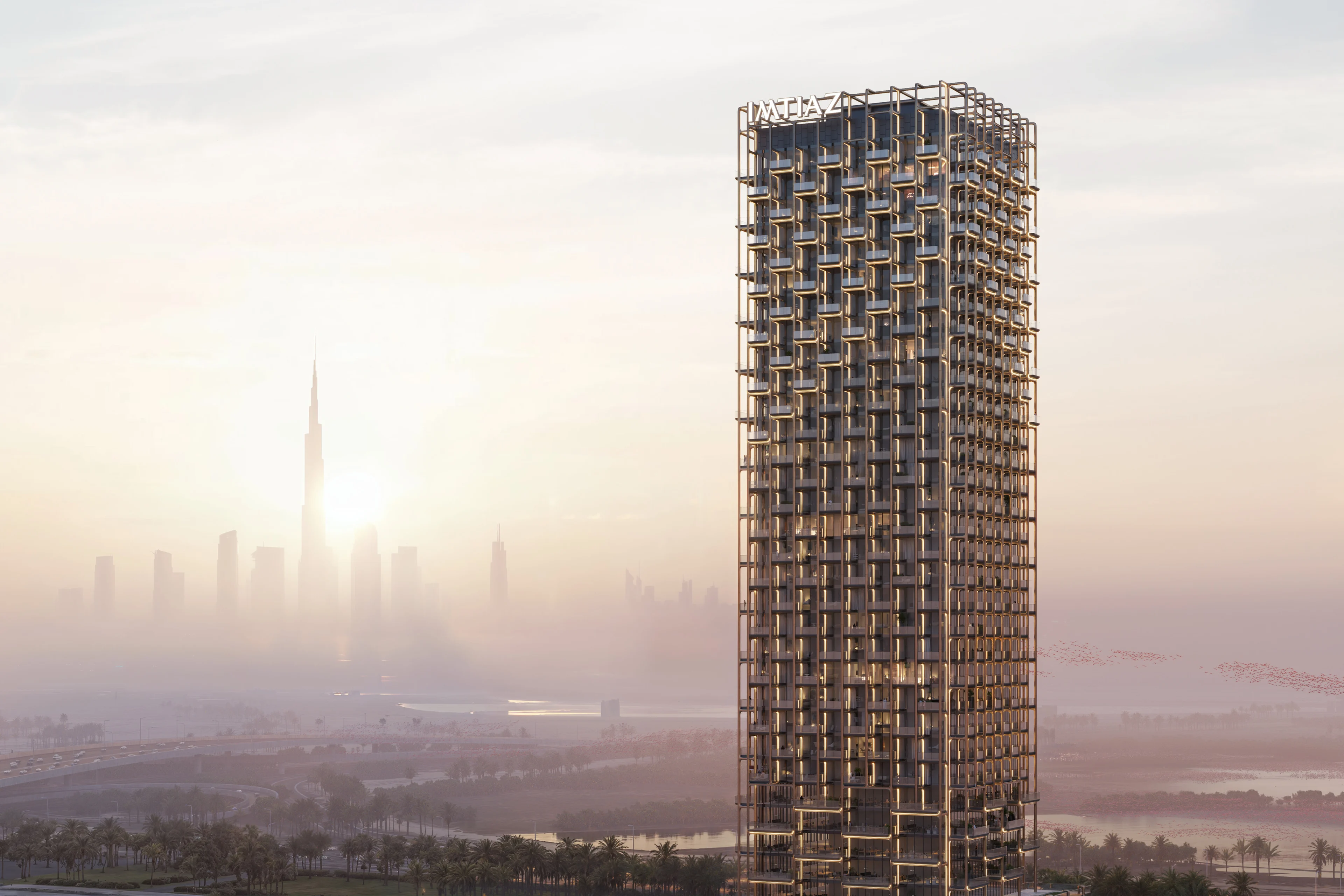
Symphony Tower
Located a short distance from Downtown Dubai and the Dubai Design District, Symphony Tower is situated within the new Horizon district of Dubai between the city's Meydan Racecourse and the waters of Ras Al Khor.
Render by DAMAC
Sales Launch January 2025 100% DD
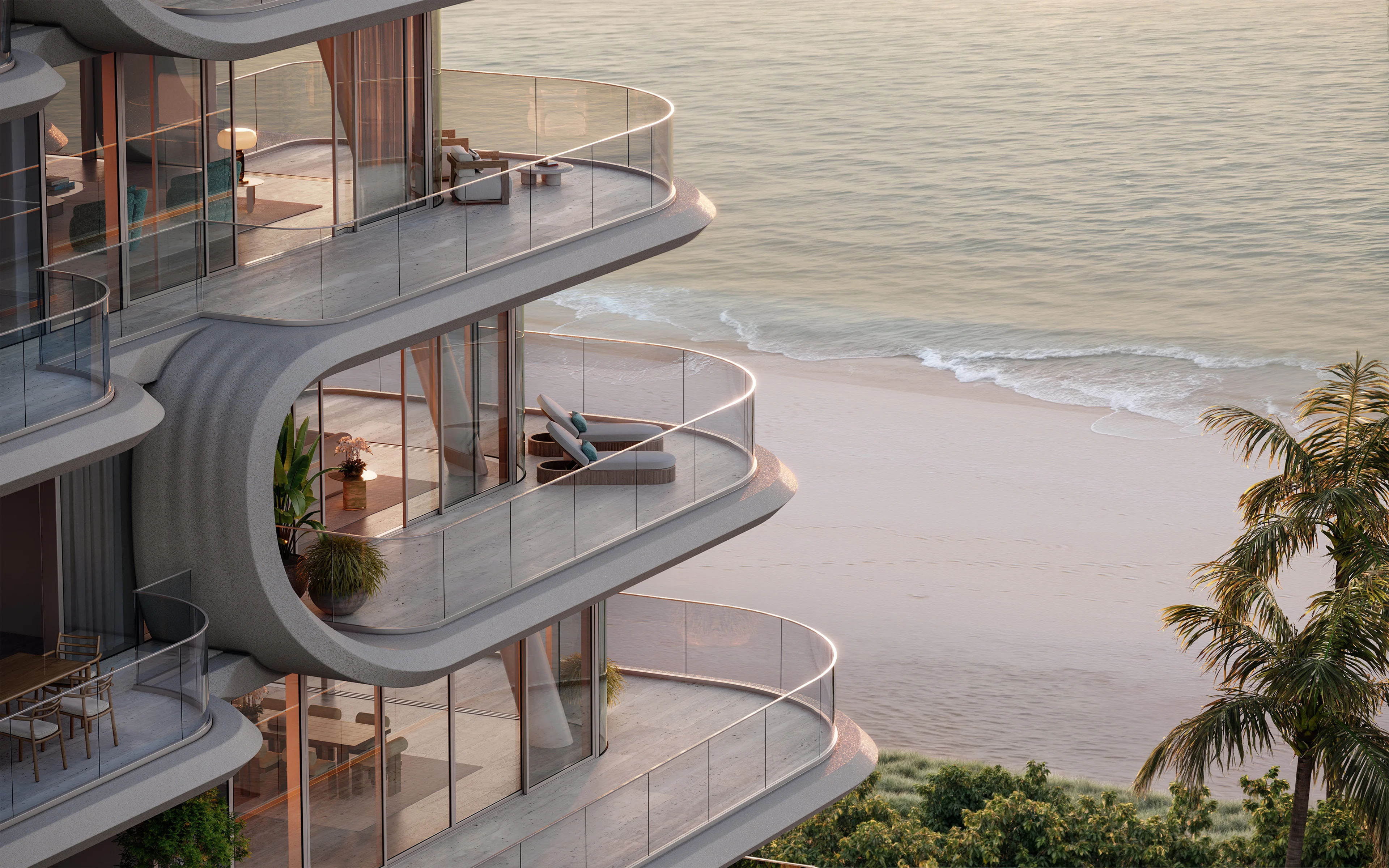
The Delmore
Situated on the beach at Surfside, The Delmore’s design is defined by its location and environment. ZHA’s detailed analysis of the oceanfront site mapped fluctuations in solar radiation, temperature, humidity, prevailing winds, air quality, rainfall, in addition to the variable ground and sea conditions throughout every day of the year.
Oystra
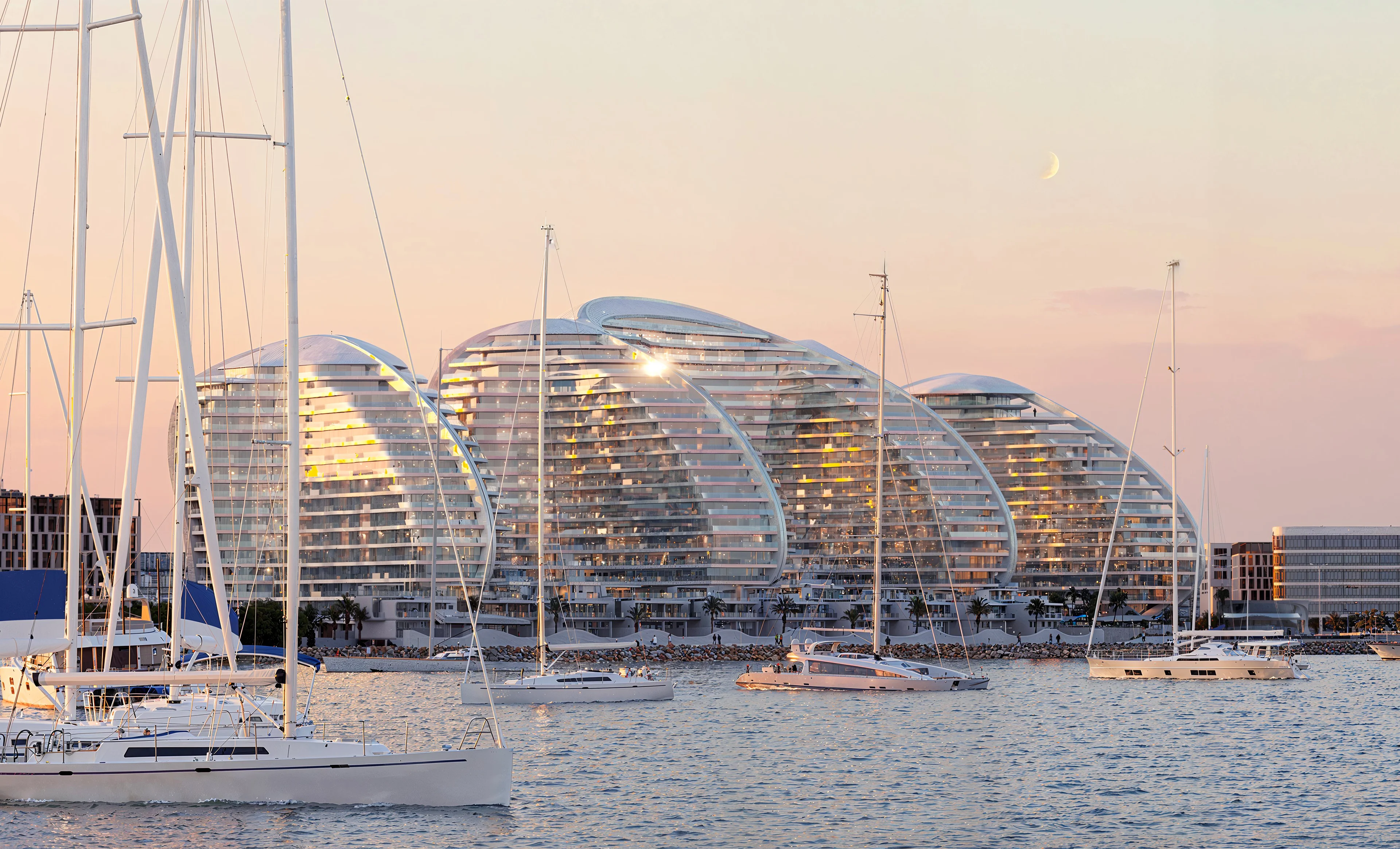
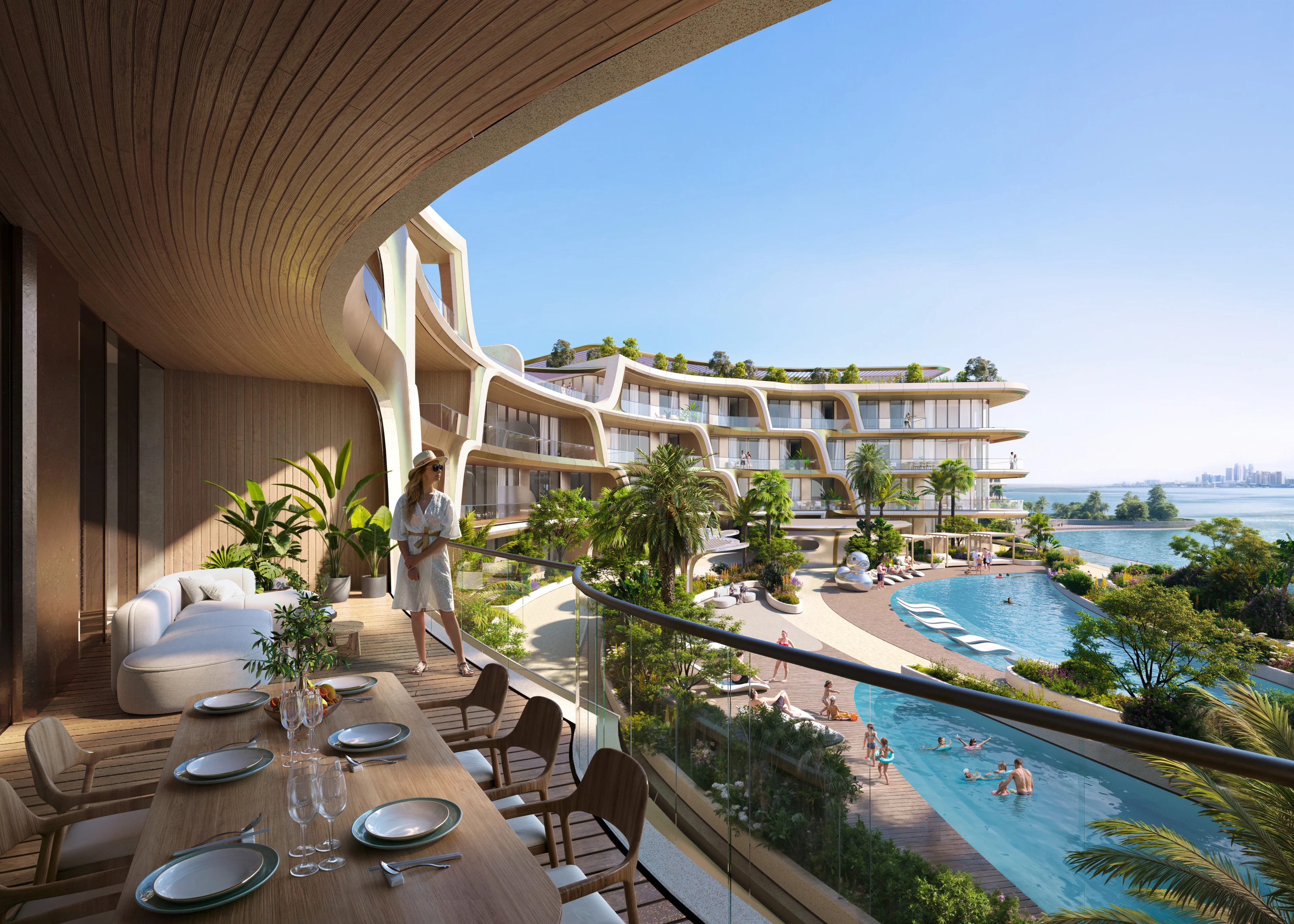
Located on Al Marjan Island in Ras Al Khaimah, UAE, Oystra is a 128,000 square metre seafront development of 950 one- to four-bedroom apartments, duplexes, penthouses, and waterfront villas, together with extensive shopping, dining and leisure amenities.
Cityzen Mixed-Use Development
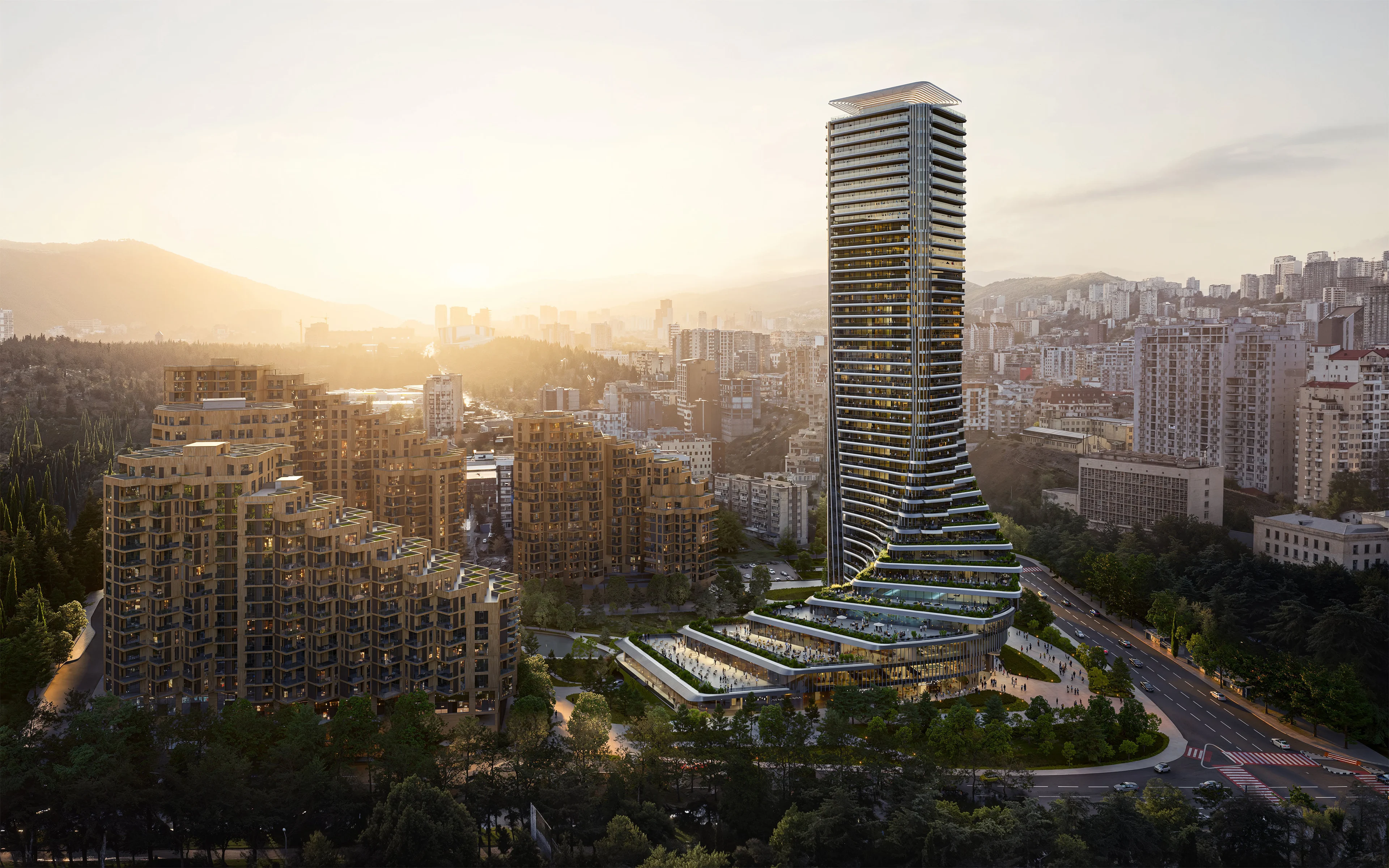
Serving as the gateway to the Cityzen community, a new civic hub in the west of Tbilisi, Cityzen Tower is ZHA's first project in Georgia.
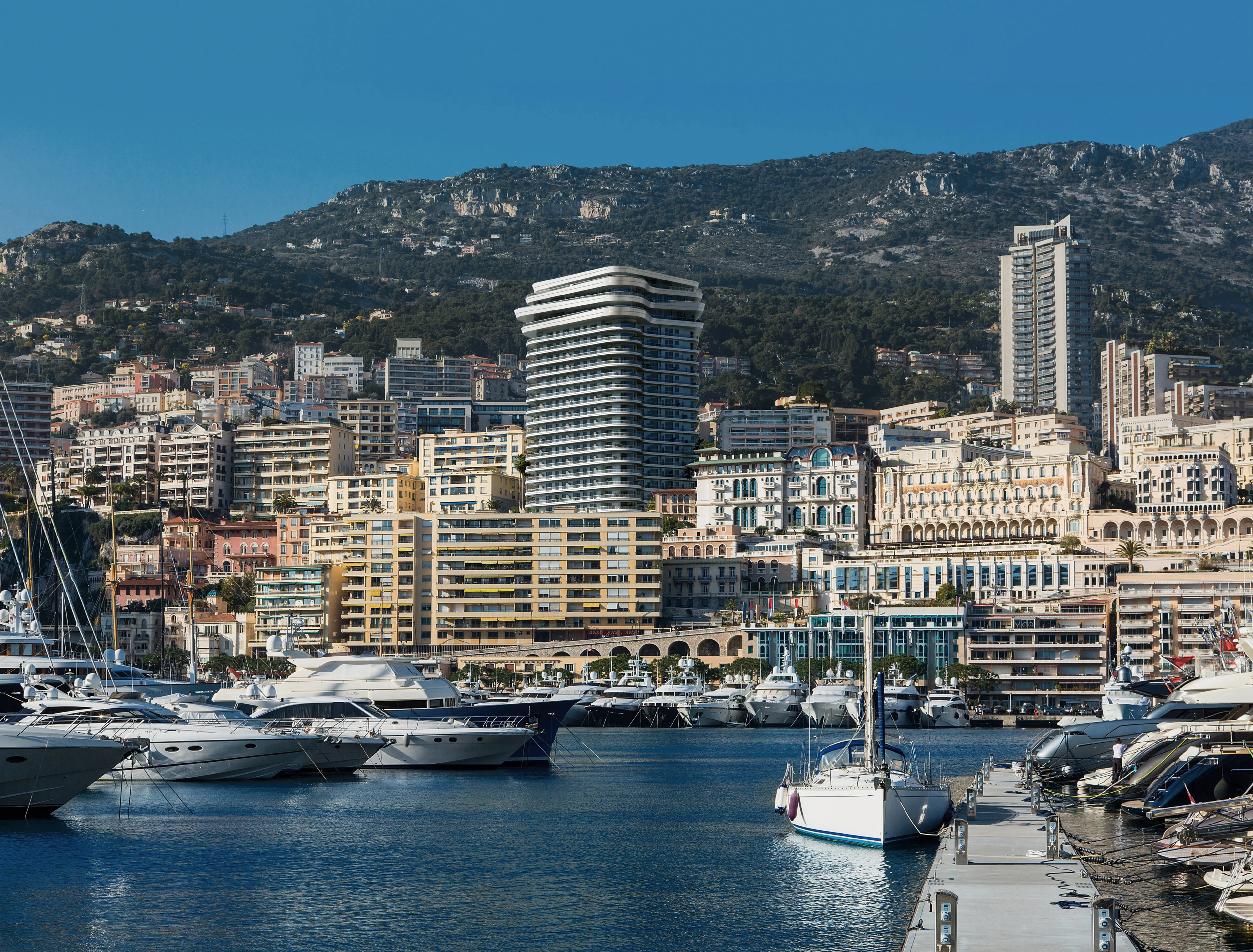
_Photo by John Kellerman courtesy Alamy, montage by MIR
Le Schuylkill
ZHA was appointed together with local practice Square Architecte to renovate and extend Le Schuylkill Tower. Construction works have begun with completion planned in May 2027. With 188 apartments from small studios to four-bedroom family units, the existing tower sits on a steep site with a 22m gradient between its north and south boundaries.
Render by Atchain
The Grove Residences
Comprised of 293 apartments offering panoramic views of Qetaifan Bay and the Lusail skyline, The Grove has been designed with its waterfront promenade as the heart of the community.
Render by XUniverse
The Alba Residences & Hotel
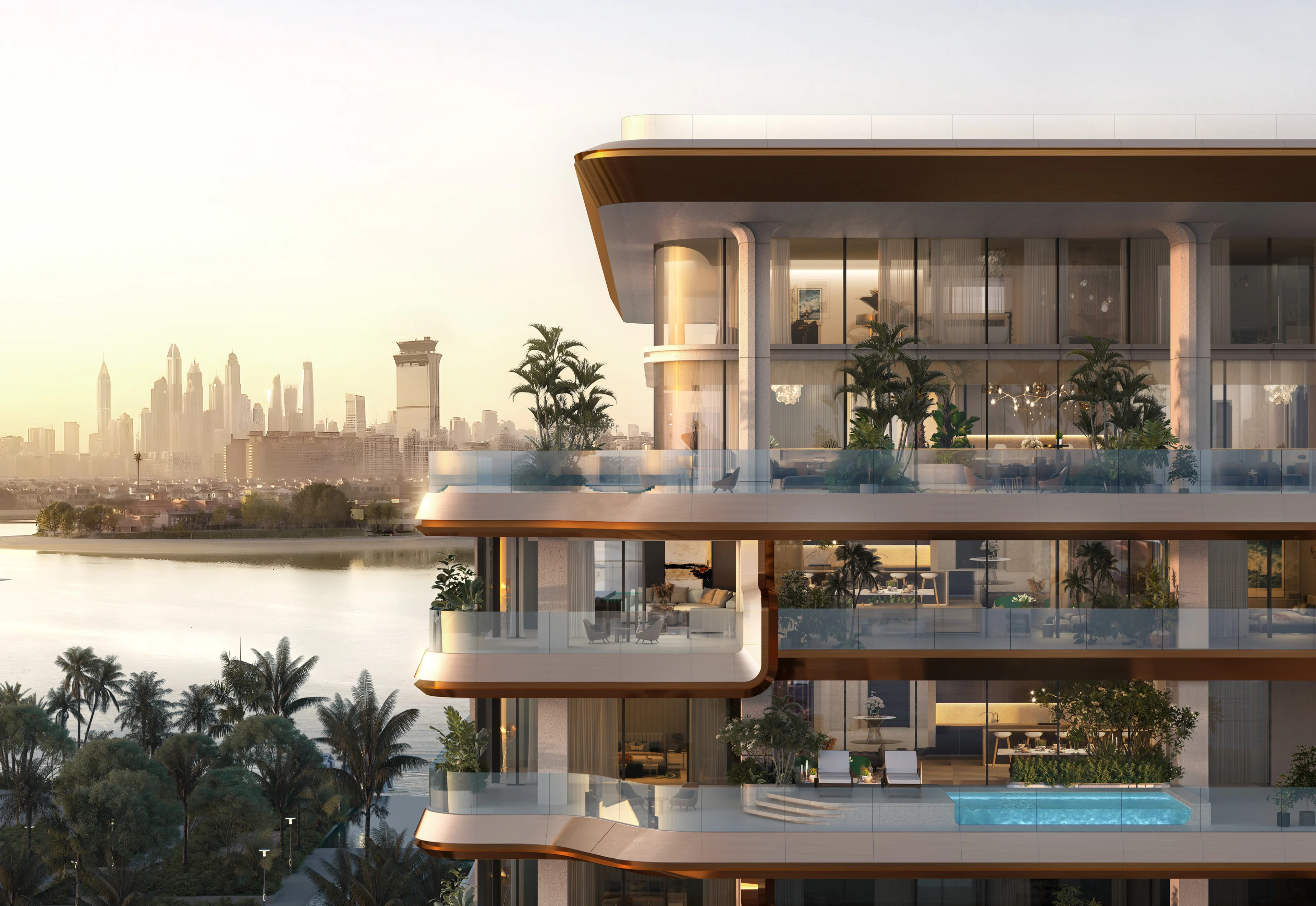
The Alba is a new US$1.9 billion mixed-use beachfront development designed by ZHA for Omniyat on the Eastern Crescent of Palm Jumeirah with panoramic views of Dubai’s coast and skyline.
Photograph by Luke Hayes
Mews House
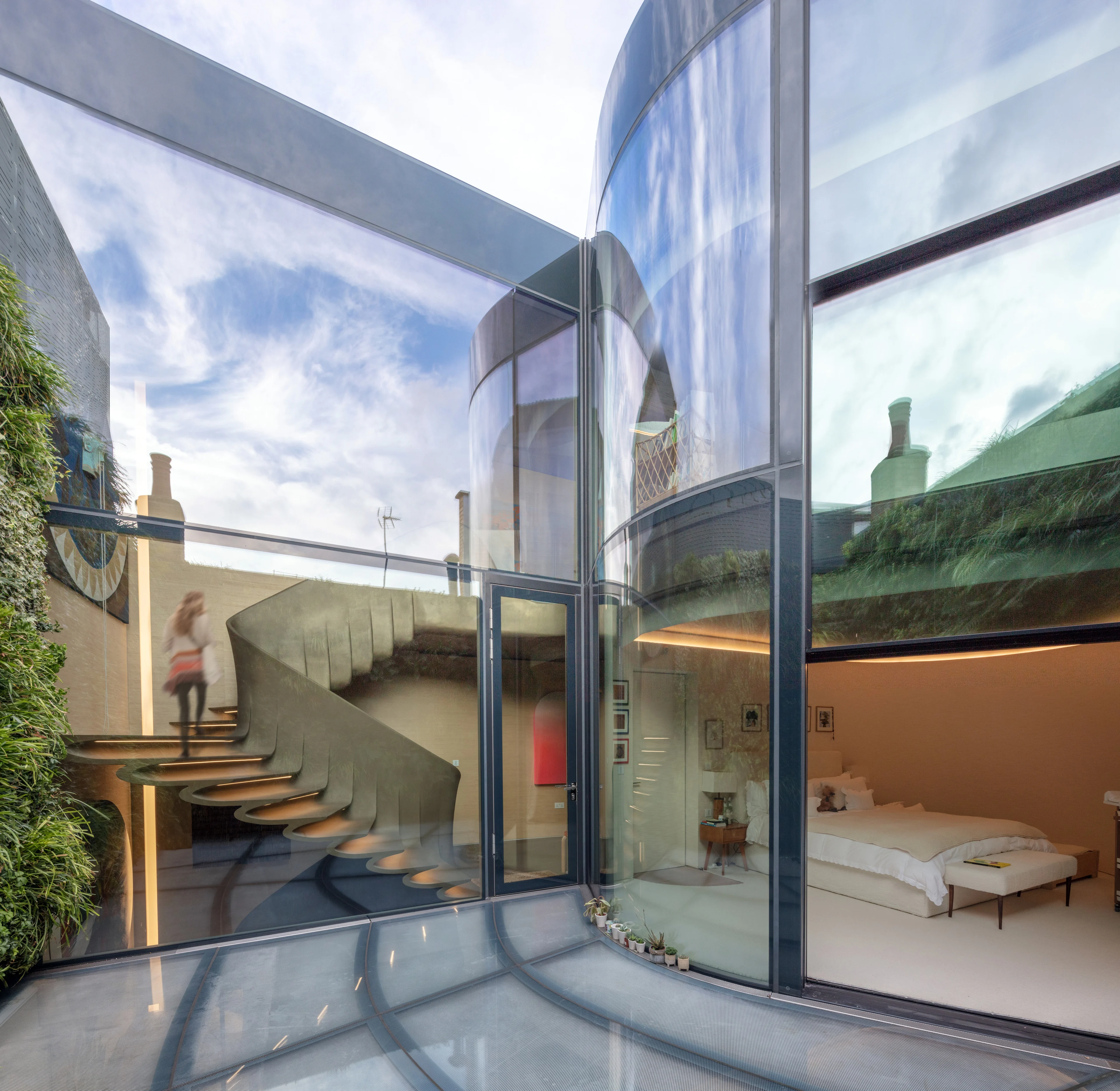
Mews House is an innovative architectural solution built on a restricted urban site within one of London’s historic conservation areas
Render by Brick Visual
Roofline
Jockey Club i-Village at HKUST
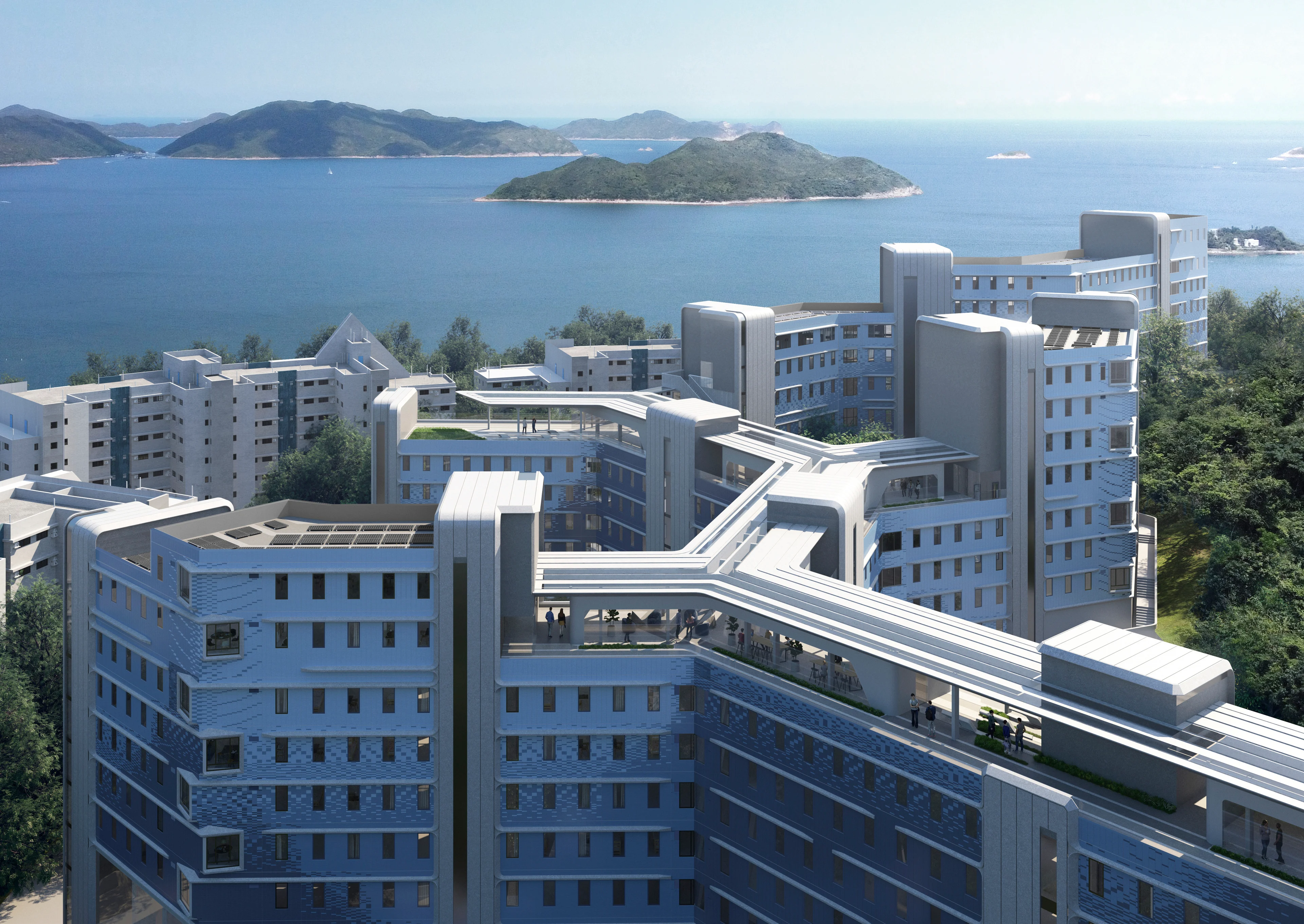
Established in 1991, Hong Kong University of Science & Technology (HKUST) has become a leading research institution consistently ranked amongst the best in Asia and around the globe. Over half of the university’s 16,000 students enrolled in the 2019-2020 academic year are from overseas, creating an urgent demand for new residential facilities within its Clear Water Bay campus.
Photograph by Hufton + Crow
One Thousand Museum
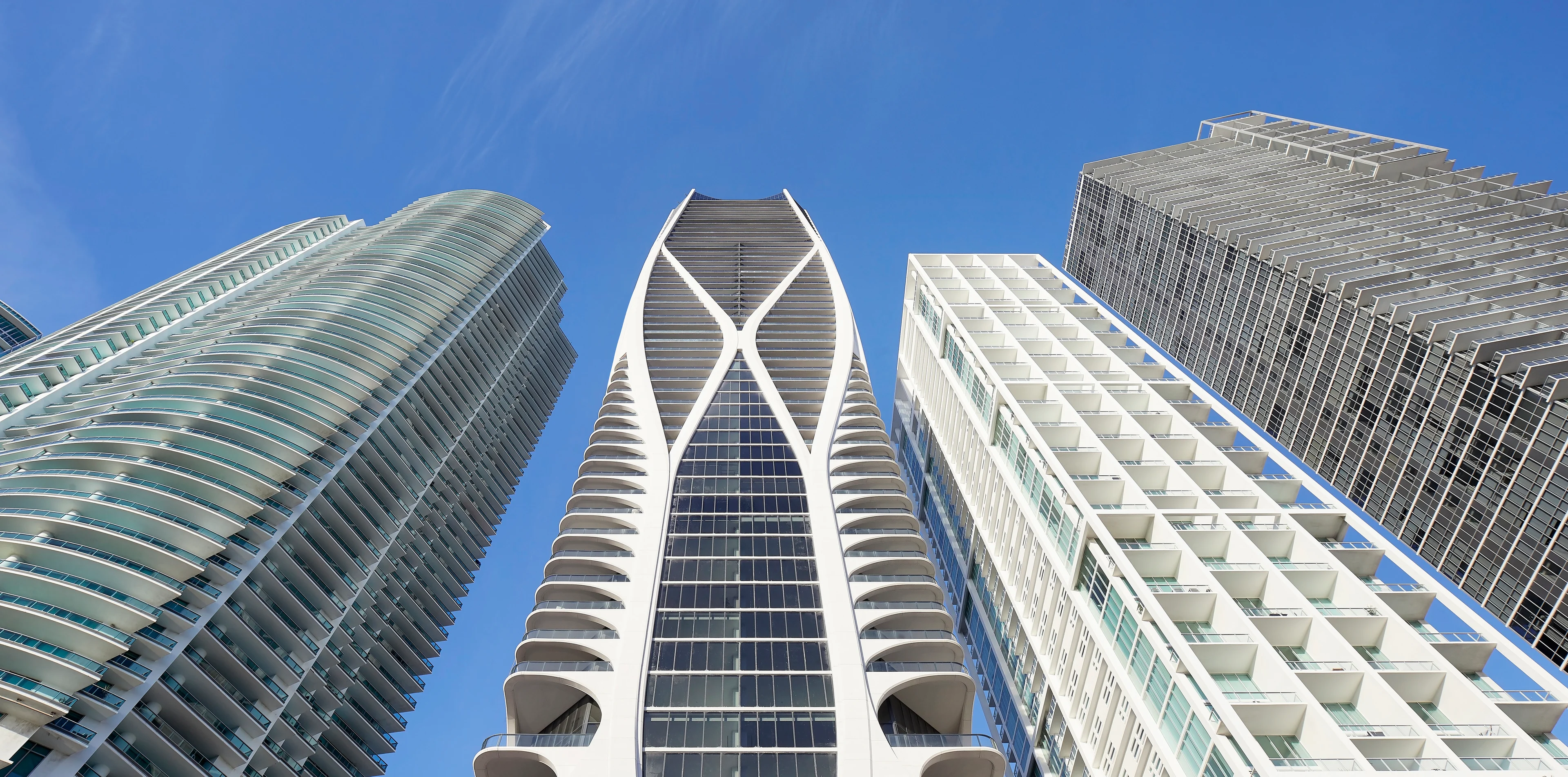
One Thousand Museum is a 62-storey residential tower opposite Museum Park in Miami. With views across Biscayne Bay, this popular 30-acre park was redeveloped in 2013 as one of downtown Miami's primary public spaces and includes the city's new art and science museums.
Courtesy of ZHA
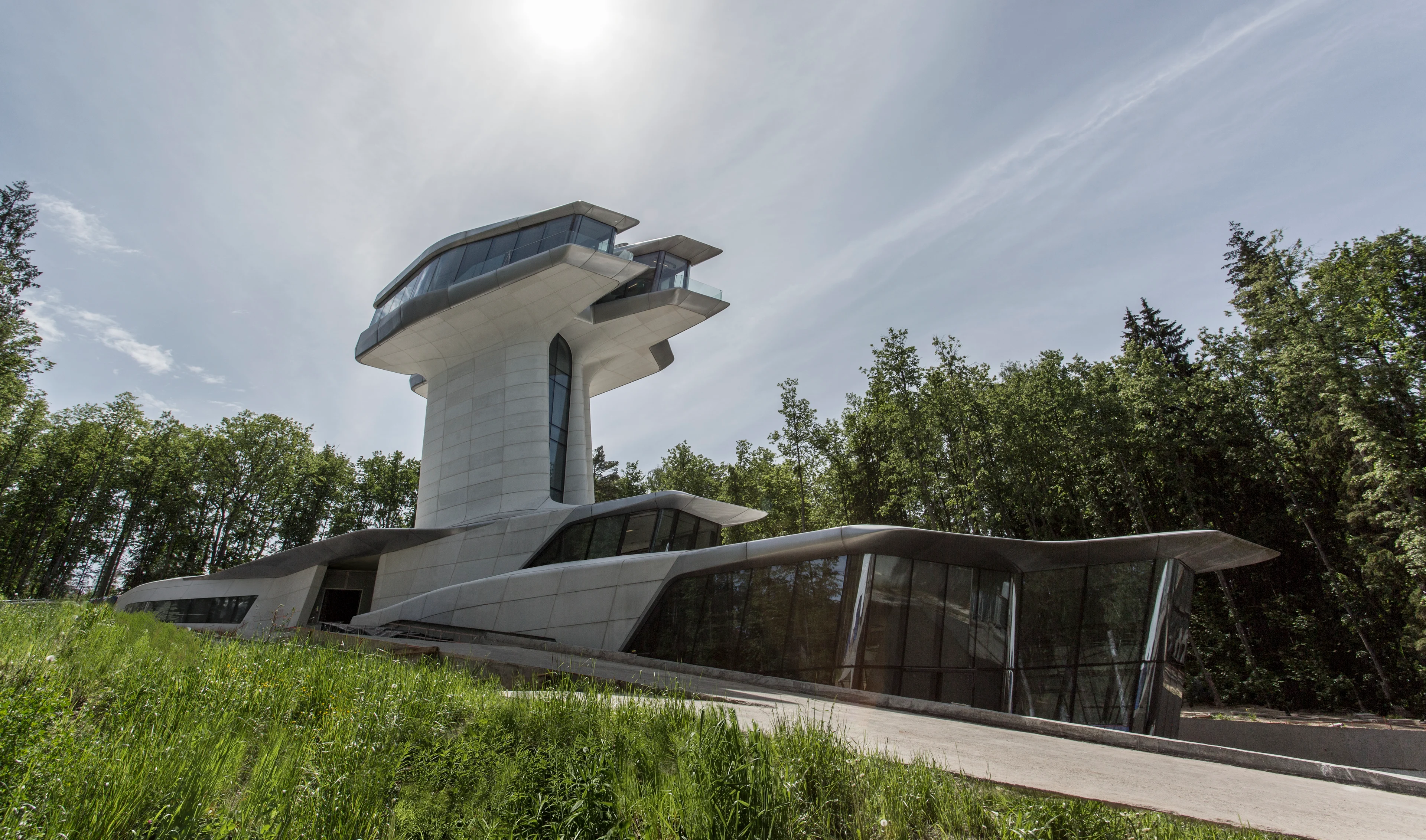
Capital Hill Residence
The client explained to the architect, “I want to wake up in the morning and just see blue sky”, to which Zaha replied, “You realise you have to be above the trees?” The form of the residence is defined by its natural topography with fluid geometries emerging from the landscape and remaining partially embedded within the hillside.
Photograph by Hufton + Crow
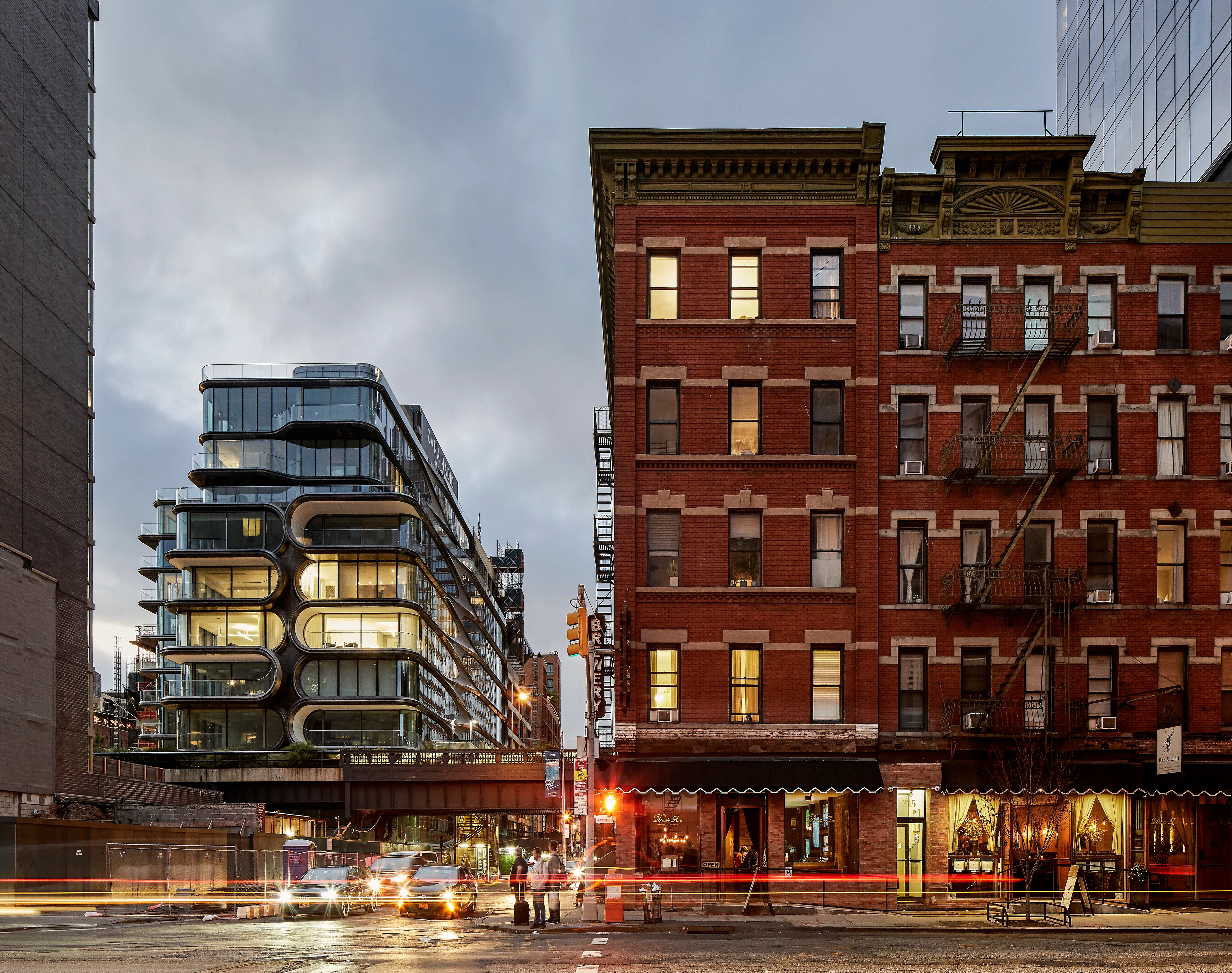
520 West 28th
There is a powerful urban dynamic between the streets of New York and the High Line, a layered civic realm that has developed over generations and in many iterations. 520 West 28th conveys this contextual relationship, applying new ideas and concepts to create the latest evolution of the site’s rich history.
Photograph by Hufton + Crow
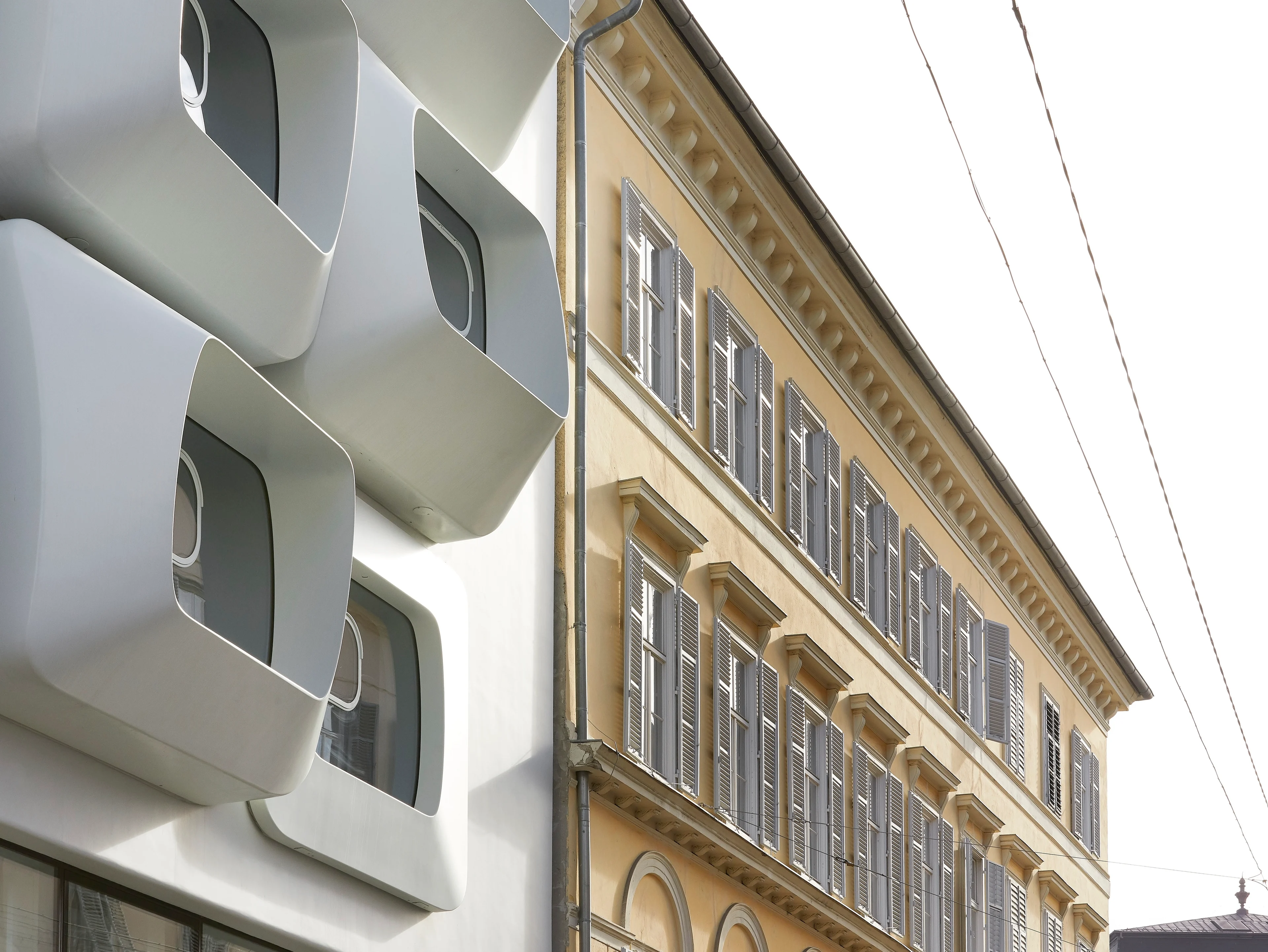
Argos Residences
Home to six universities and two polytechnics, the city of Graz has a long history as a seat of learning and innovation. Continuing this tradition of welcoming pioneers from around the world, Graz’s 60,000 students, academics and local businesses generate an increasing demand for visitor accommodation in the city whose population has grown by 20% since 2001.
01
02
03
04
05
06
07
08
09
10
11
12
13
14
15