
Photograph by Hufton + Crow
Beirut, Lebanon
2006 - 2014
American University of Beirut
Issam Fares Institute, American University of Beirut
Photograph by Hufton + Crow
Photograph by Luke Hayes
Photograph by Luke Hayes
Photograph by Luke Hayes
01
02
03
04
Advancing the university’s academic mission
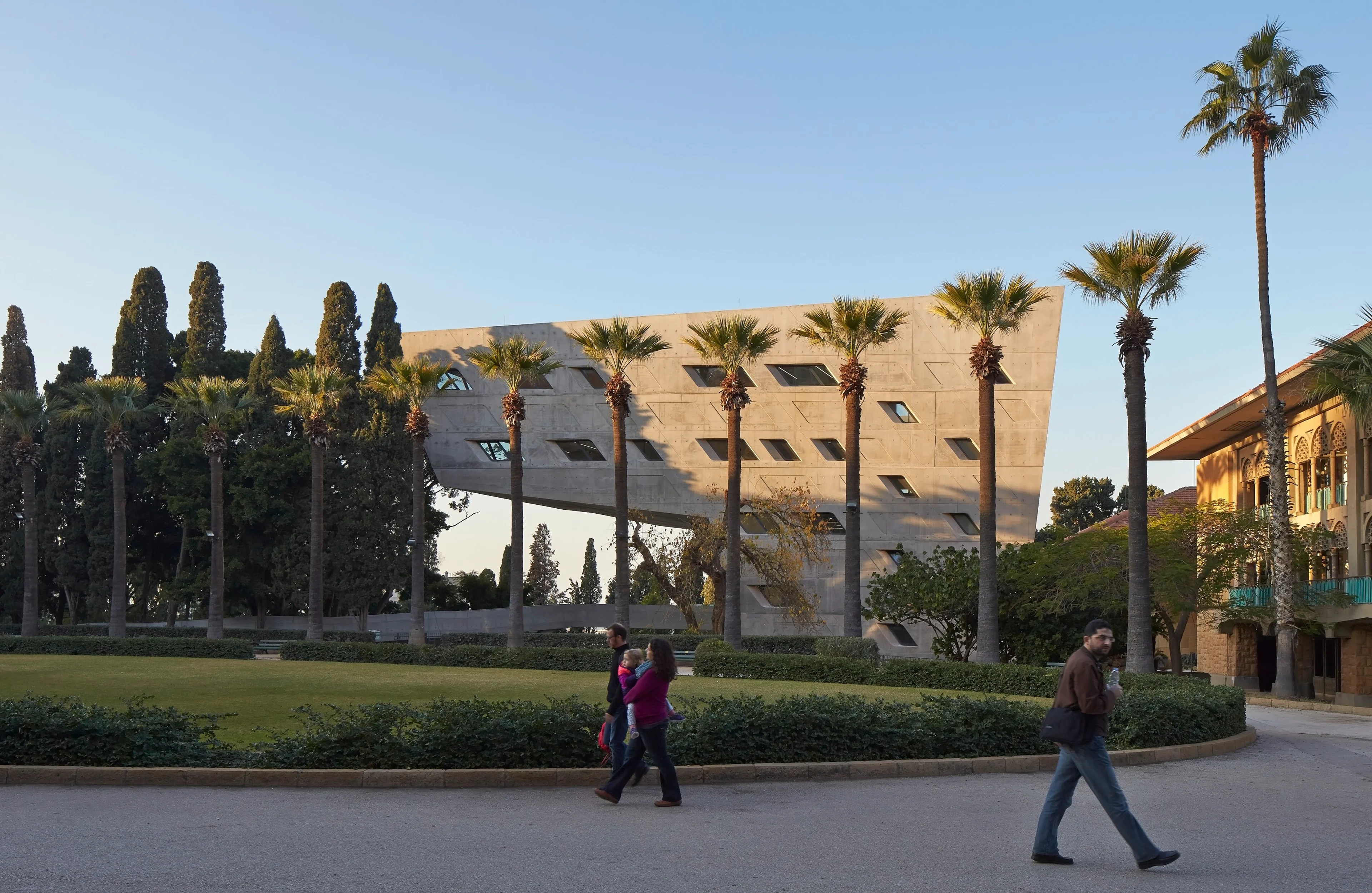
The Issam Fares Institute for Public Policy and International Affairs (IFI) building by ZHA at the American University of Beirut (AUB) continues the on-going implementation of the 2002 AUB Campus Master Plan by Sasaki Associates (in colaboration with Machado and Silvetti, MGT of America, and Dar Al-Handasa, Shair and Partners) to advance the university’s academic mission in the 21st Century with facilities of the highest international standards.
The IFI was established as a neutral, dynamic, civil, and open space where people representing all viewpoints in society can gather and discuss significant issues, anchored in a long-standing commitment to mutual understanding and high quality research. The institute aims to harness, develop and initiate research of the Arab world to enhance and broaden debate on public policy and international relations. It currently works on several programs addressing the region’s issues including the refugee crisis, climate change, food security, and water scarcity, youth, social justice and development, urbanism, and the UN in the Arab world.
Relocating the infirmary closer to the new university hospital presented AUB with the opportunity to build the institute on the constrained site with a 7 metre drop in elevation between its south and north boundaries. The existing AUB campus combines buildings constructed in concrete throughout the 20th Century in a variety of revivalist and modernist styles with different cladding and rendering treatments.
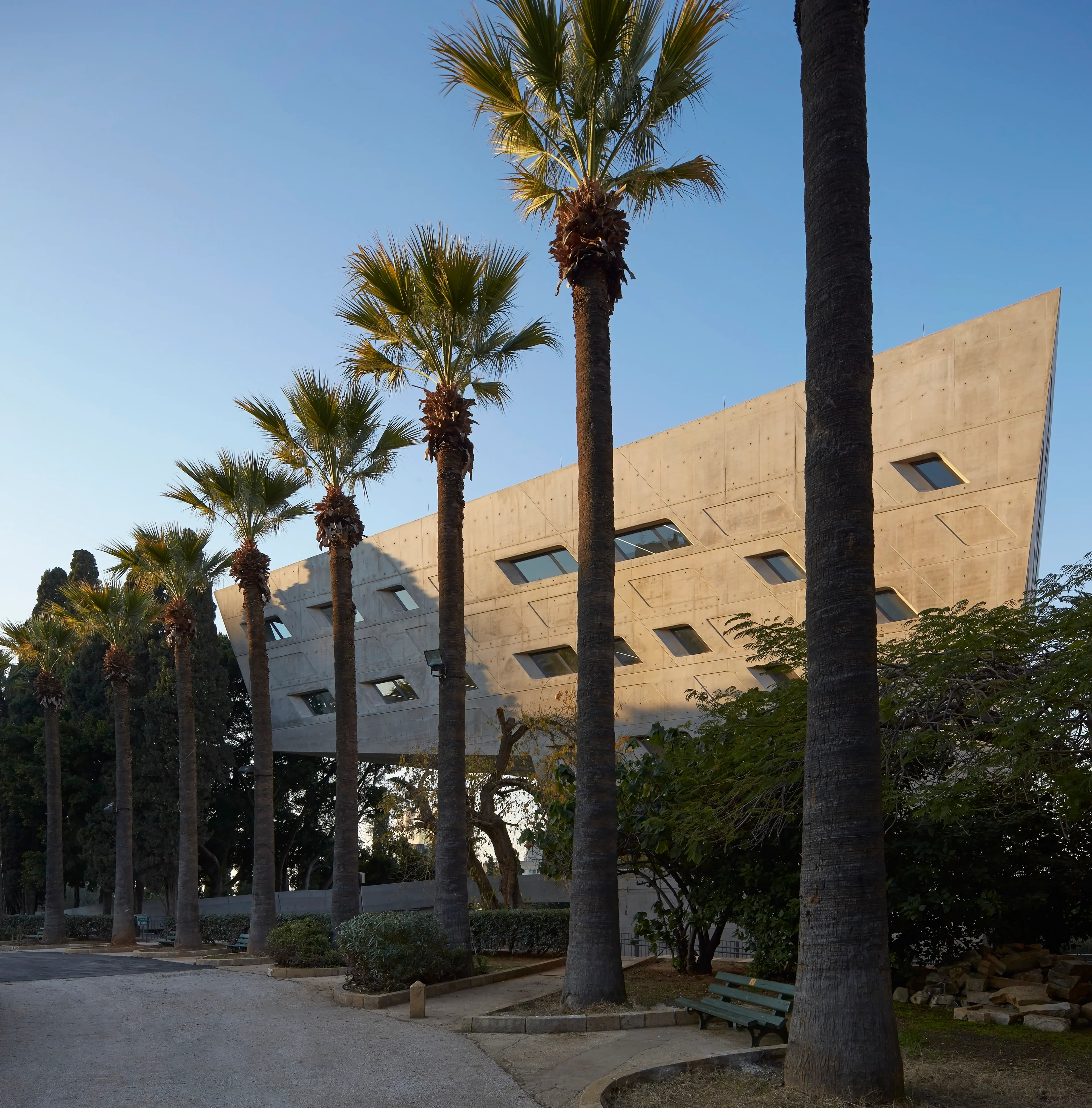
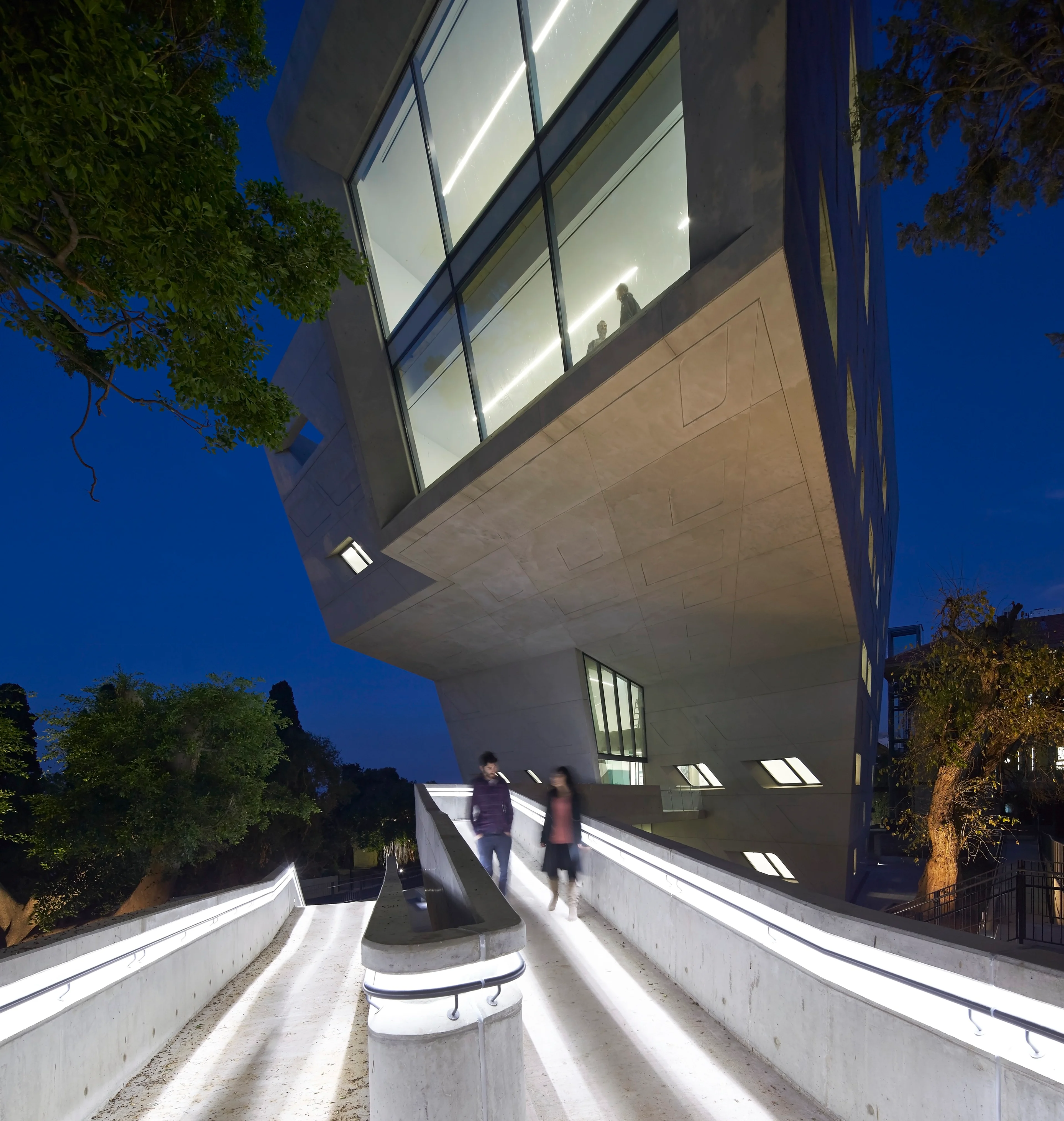
In 2006, the competition jury selected ZHA’s proposal to build the new institute. The design significantly reduces the building’s footprint by ‘floating’ much of the IFI’s facilities above the entrance courtyard to preserve the existing landscape integral to the 2002 master-plan, create a new public space for the campus, and establish links from the university’s Central Oval to the Middle Campus and Mediterranean Sea to the north.
Photograph by Hufton + Crow
Interweaving pathways and views
The 3,000m2 Issam Fares Institute building is defined by the many routes and connections within AUB; interweaving the pathways and views within the campus to create a forum for the exchange of ideas - a centre of interaction and dialogue - at the heart of the university.
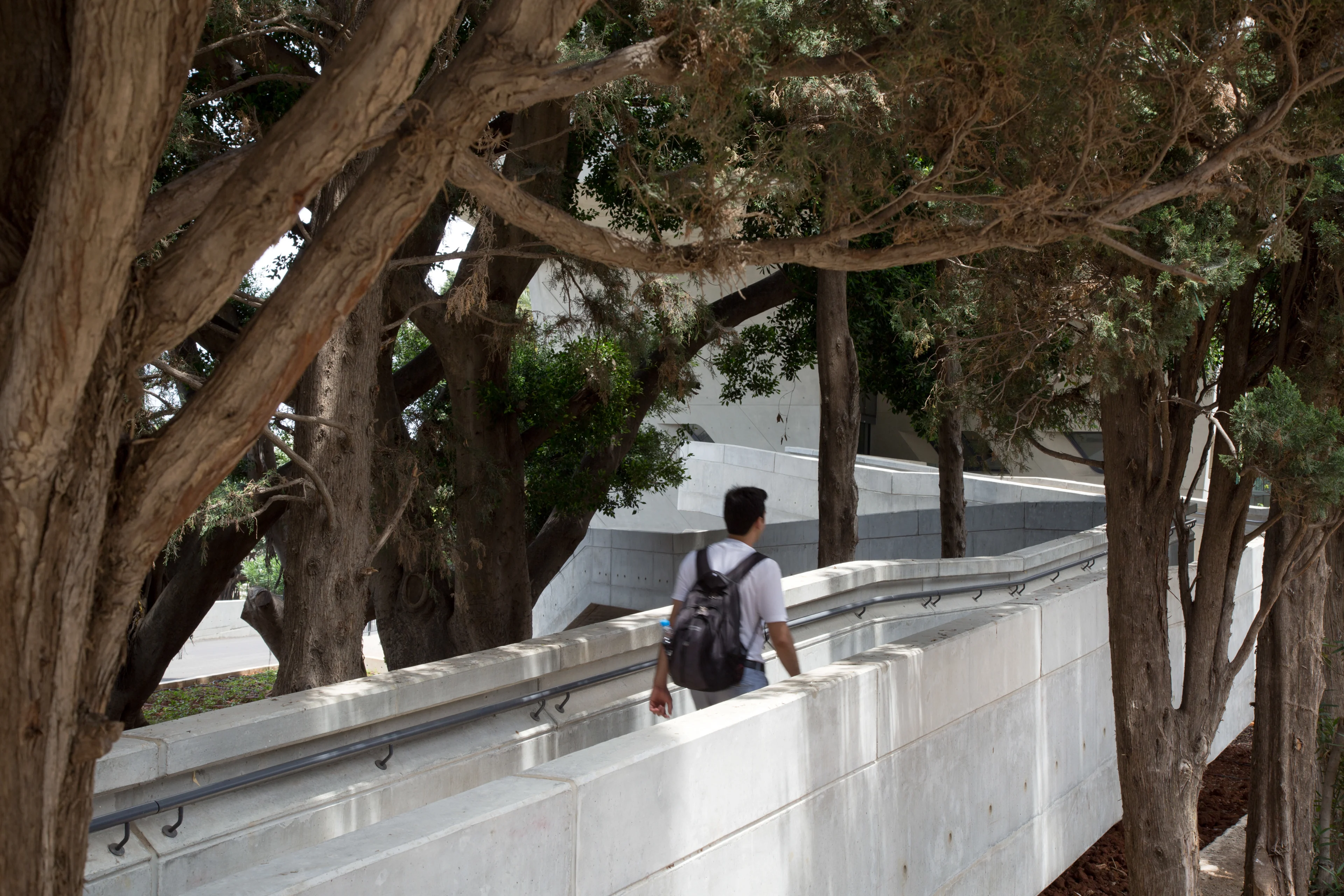
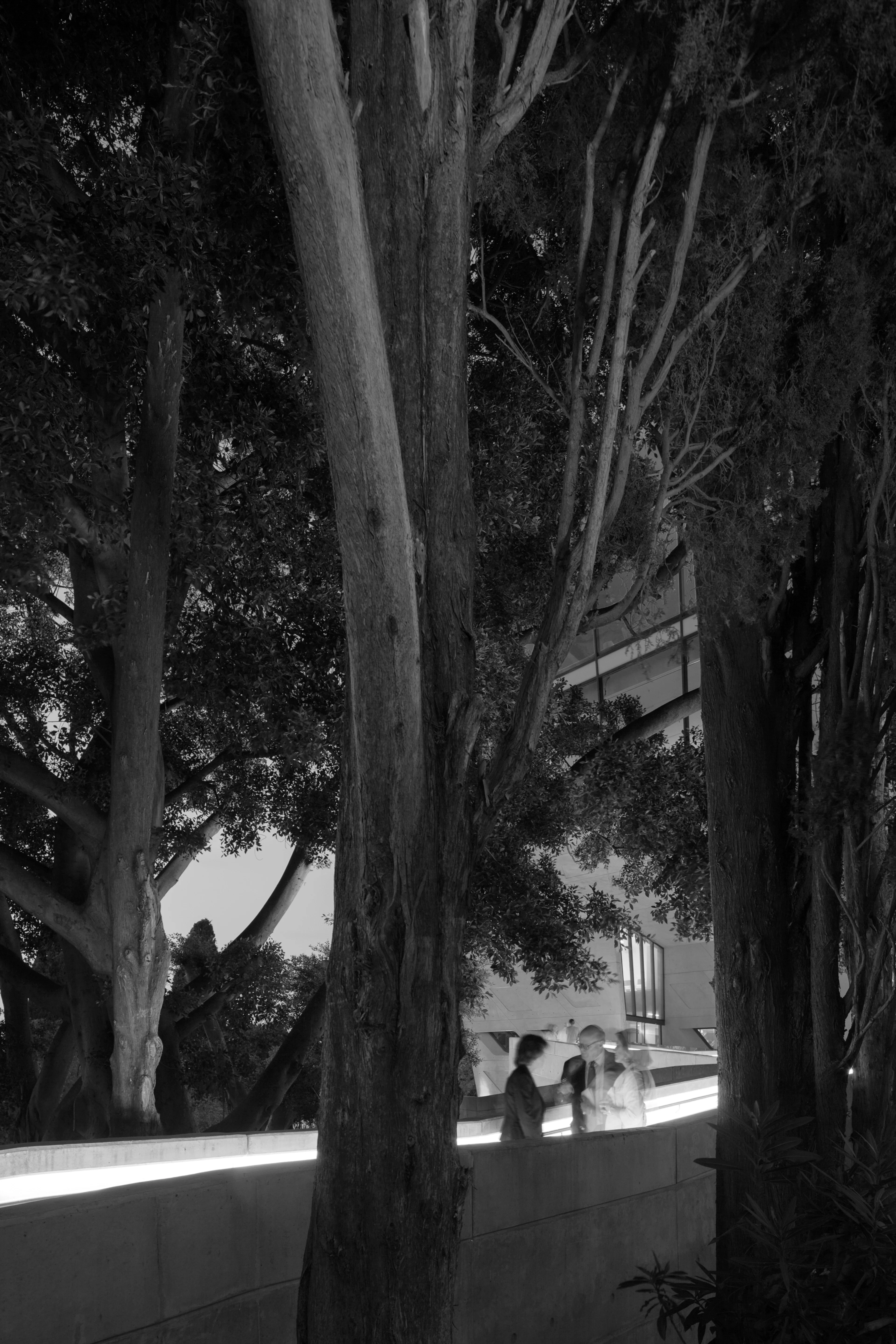
The IFI design introduces new links between the Central Oval with the forested area of the Middle Campus and sea beyond. Existing Ficus and Cypress trees on the IFI site (aged between 120 and 180 years old) are integral to the design. The building emerges from the geometries of intersecting routes as a series of interlocking platforms and spaces for research, engagement and discourse.
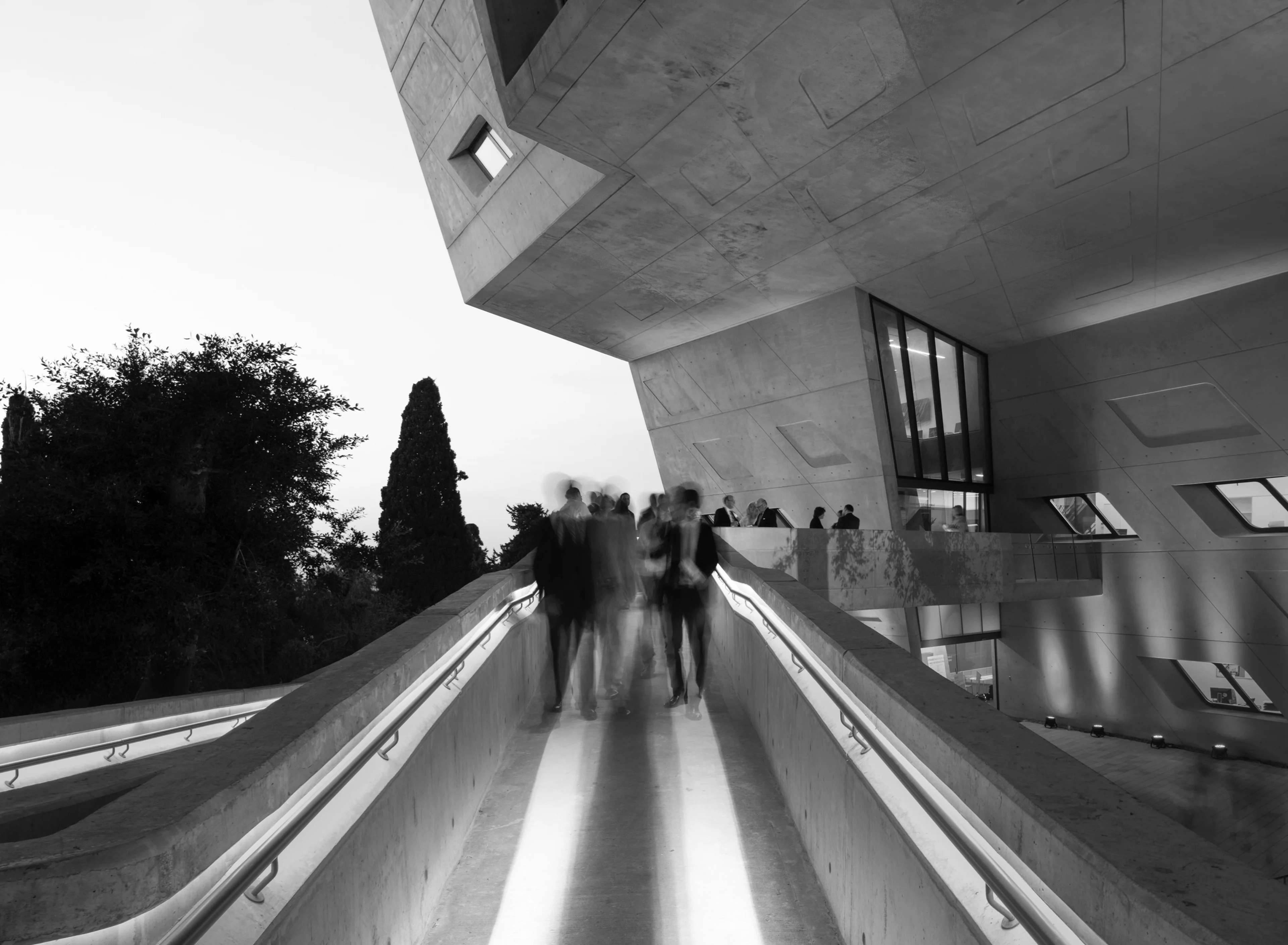
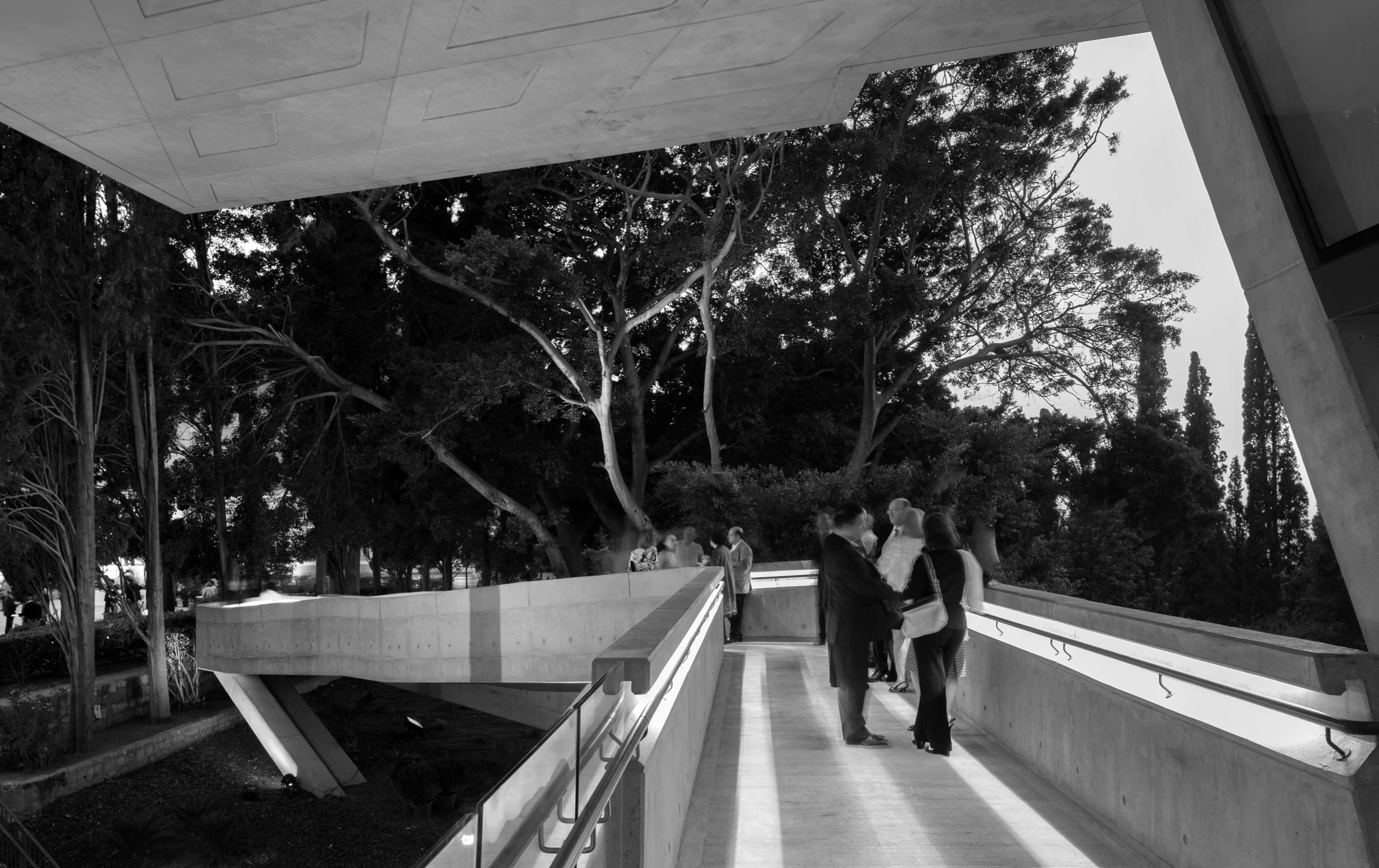
The institute invites the community inside via the many connections and paths that converge at its double-height entrance courtyard. This new civic space for the university is a covered outdoor terrace and extension of the shaded area beneath the existing trees - a place for chance meetings and informal discussion - located at the nexus of pathways that traverse the site.
A ramp leads between the trees to connect the research lounges on the second floor directly with the campus, while the first floor seminar room and offices are accessed at grade from the east and public courtyard to the west. These routes meet within the IFI to describe the atrium hall; establishing the institute as a crossroads - a central hub for students, faculty, researchers and visitors.
Tradition and expertise
The IFI’s reading room, conference workshops and research rooms ‘float’ above the exterior courtyard. The 100-seat auditorium is on the lowest level with its own entrance to the north, enabling the institute to host larger conferences and presentations without disrupting students, fellows and researchers working throughout the building. Internal partitions are in ink-pigmented glass to enable communication and interaction.
The building takes full advantage of the region’s tradition and expertise of working with in-situ concrete. Passive design measures, high efficiency active systems and recycled water technologies minimise the building’s impact on the local and wider environment.
The IFI’s design builds upon the institute’s mission as a catalyst and connector between AUB, researchers and the global community. Routes, views and links within the campus converge to define the IFI as a three-dimensional intersection; a space for university’s students, fellows and visitors to meet, connect and engage with each other and the wider world.
Education
Explore more of our educational buildings
From an academy in London awarded the RIBA Stirling Prize to a 23,000 square metre international research centre in Uzbekistan, discover our education projects.
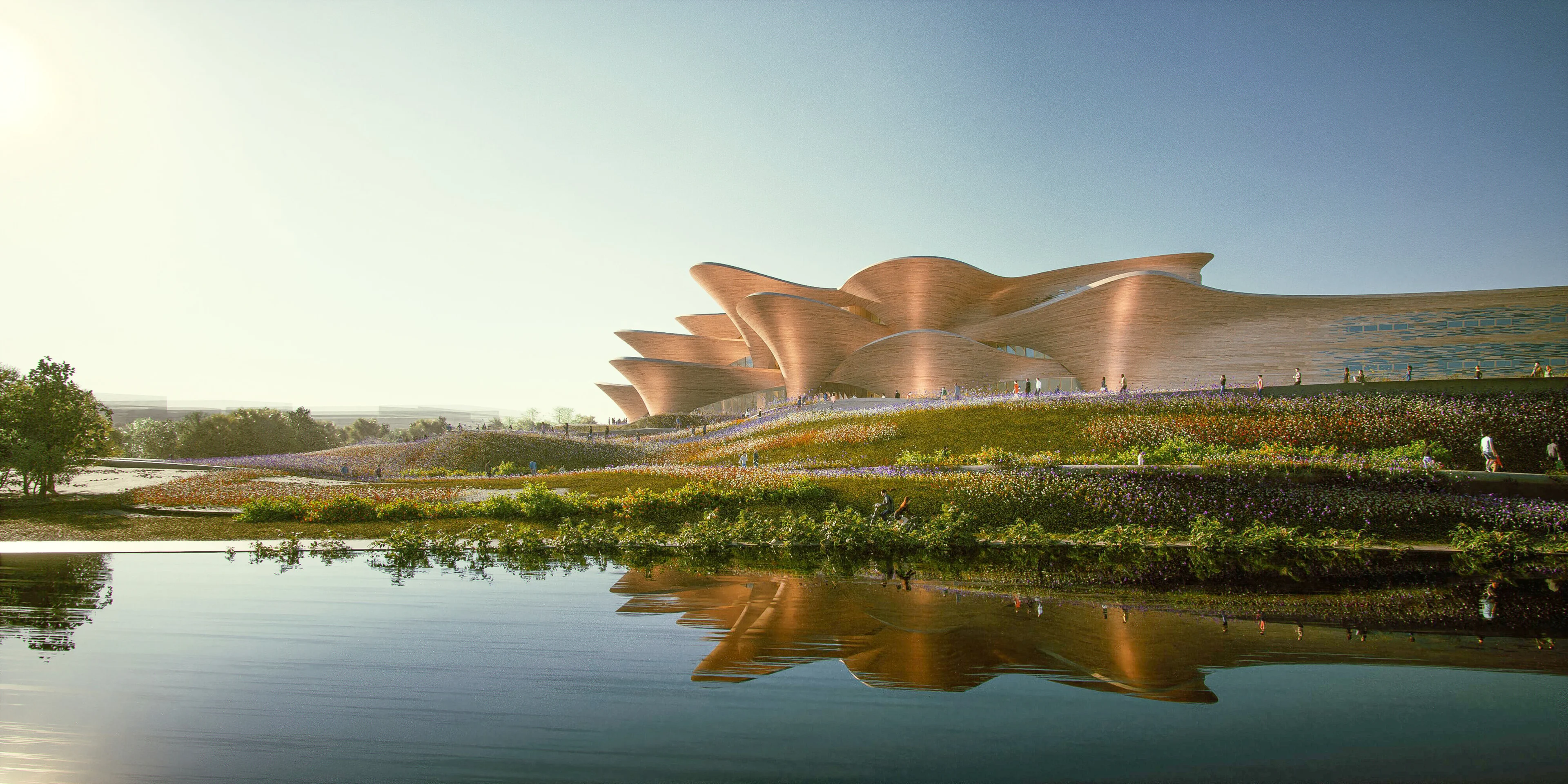
Songshan Lake Performance and Exhibition Centre
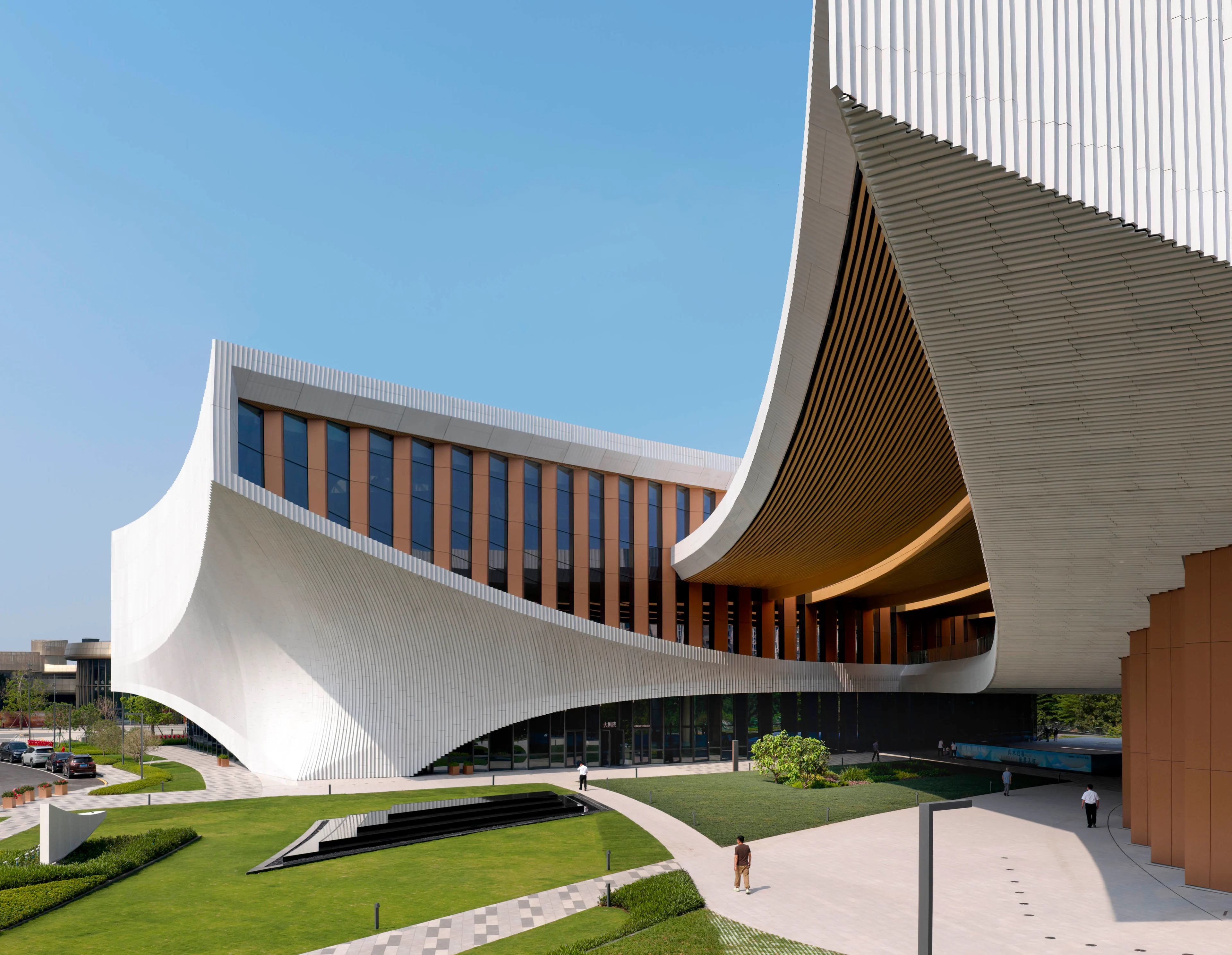
Located in Dongguan within the Greater Bay Area of southern China’s Pearl River estuary, the new Songshan Lake Exhibition and Performance Centre is at the heart of a mixed-use masterplan to revitalize the Yuehe Lake waterfront.
Courtesy of ZHA
River View
Alisher Navoi Institute
The Alisher Navoi International Scientific Research Centre will incorporate the Navoi State Museum of Literature, Auditorium, International Research Centre and School.
Render by Brick Visual
Roofline
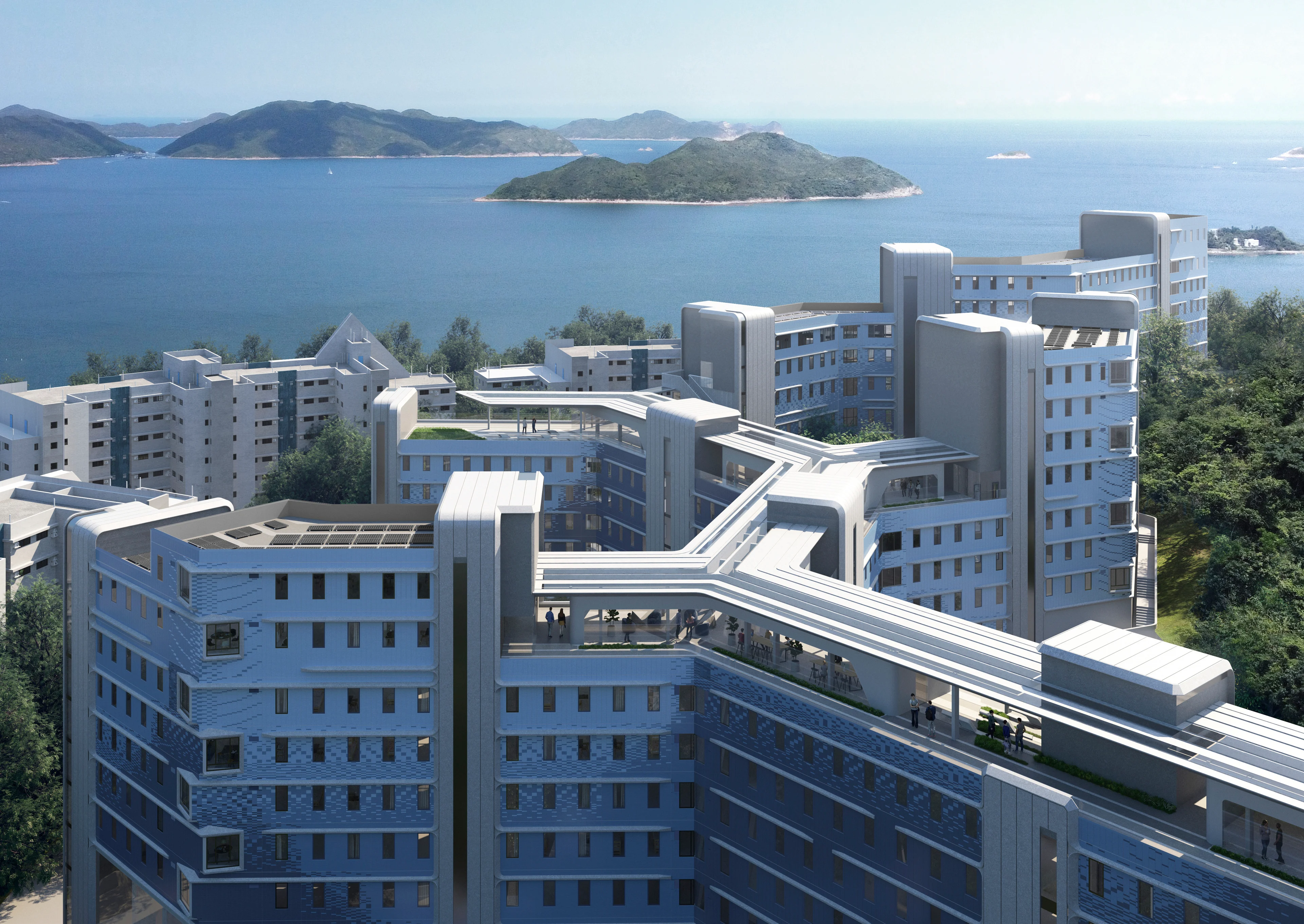
Jockey Club i-Village at HKUST
Established in 1991, Hong Kong University of Science & Technology (HKUST) has become a leading research institution consistently ranked amongst the best in Asia and around the globe. Over half of the university’s 16,000 students enrolled in the 2019-2020 academic year are from overseas, creating an urgent demand for new residential facilities within its Clear Water Bay campus.
Photograph by Luke Hayes
School for displaced children, Turkey 2016
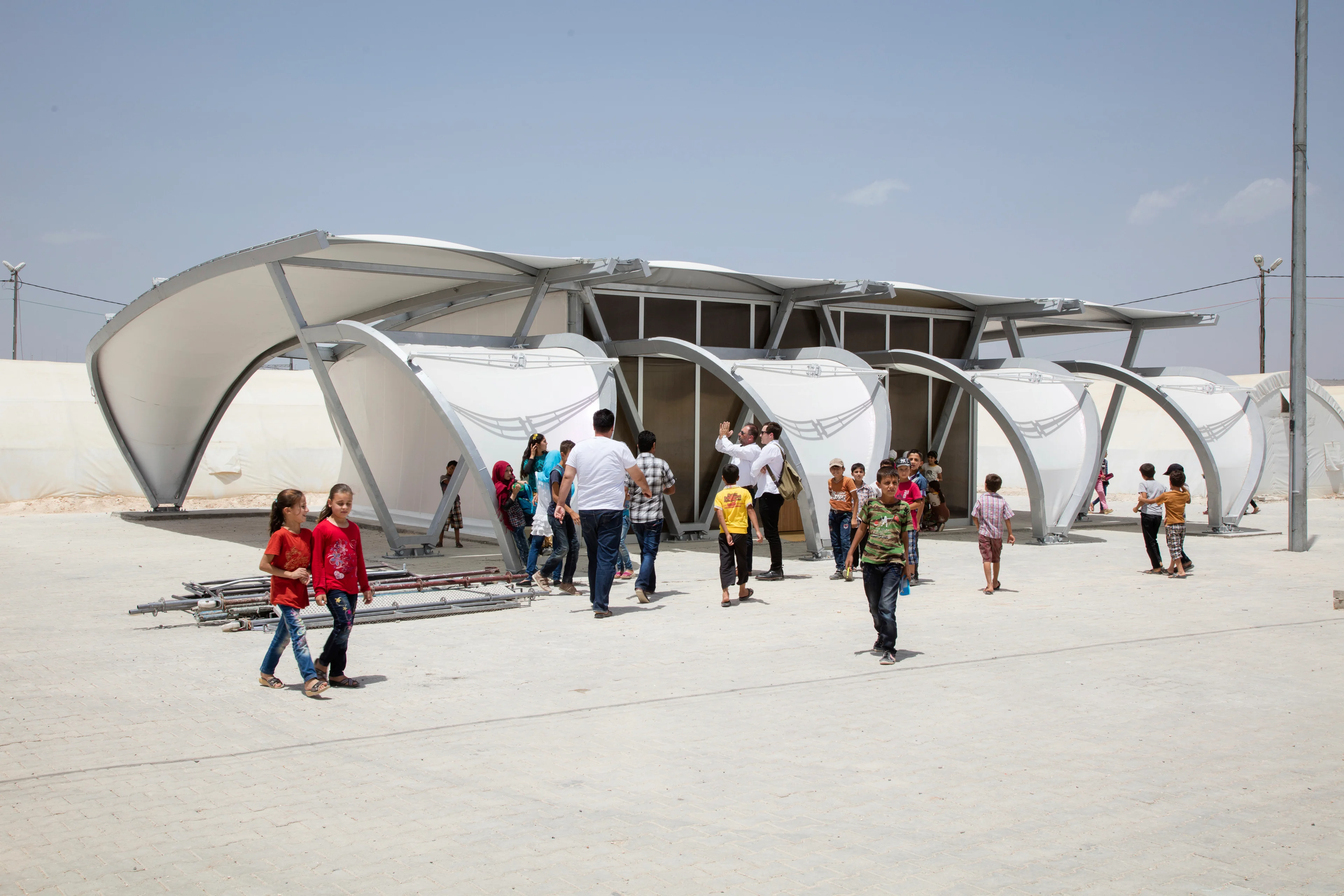
EAA Foundation Tents
Designed for use as schools, clinics and emergency shelters in refugee and displaced communities, the tents are a joint venture between ZHA and the Education Above All Foundation (EAA).
Photograph by Luke Hayes
Grace Middle School Entrance Terrace
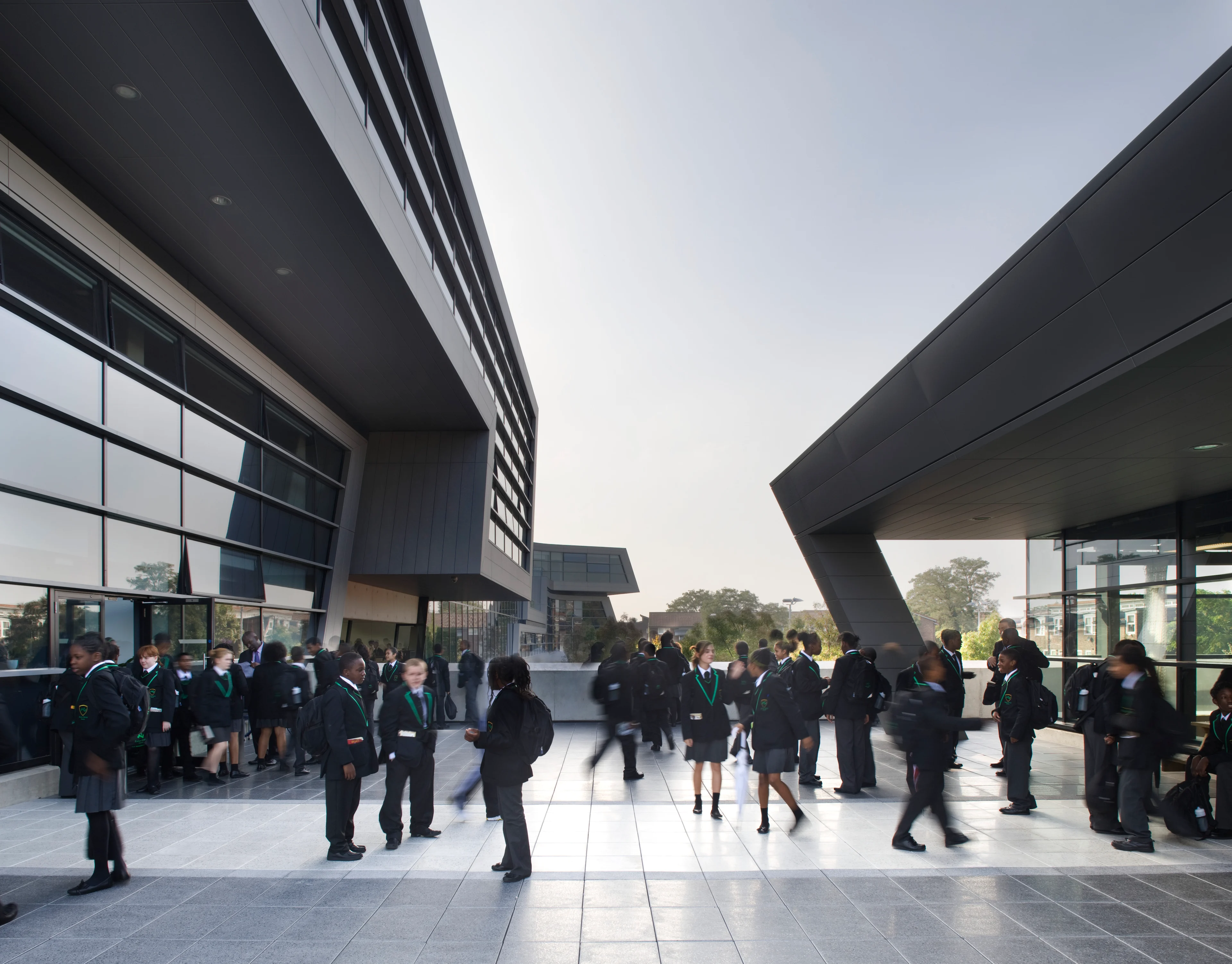
Evelyn Grace Academy
An opportunity to broaden the educational diversity of this active and historic London area. Following the principle of ‘schools within schools’, the design generates natural patterns of division within highly functional spaces which give each of the four smaller schools a distinct identity, both internally and externally.
Photograph by Luke Hayes
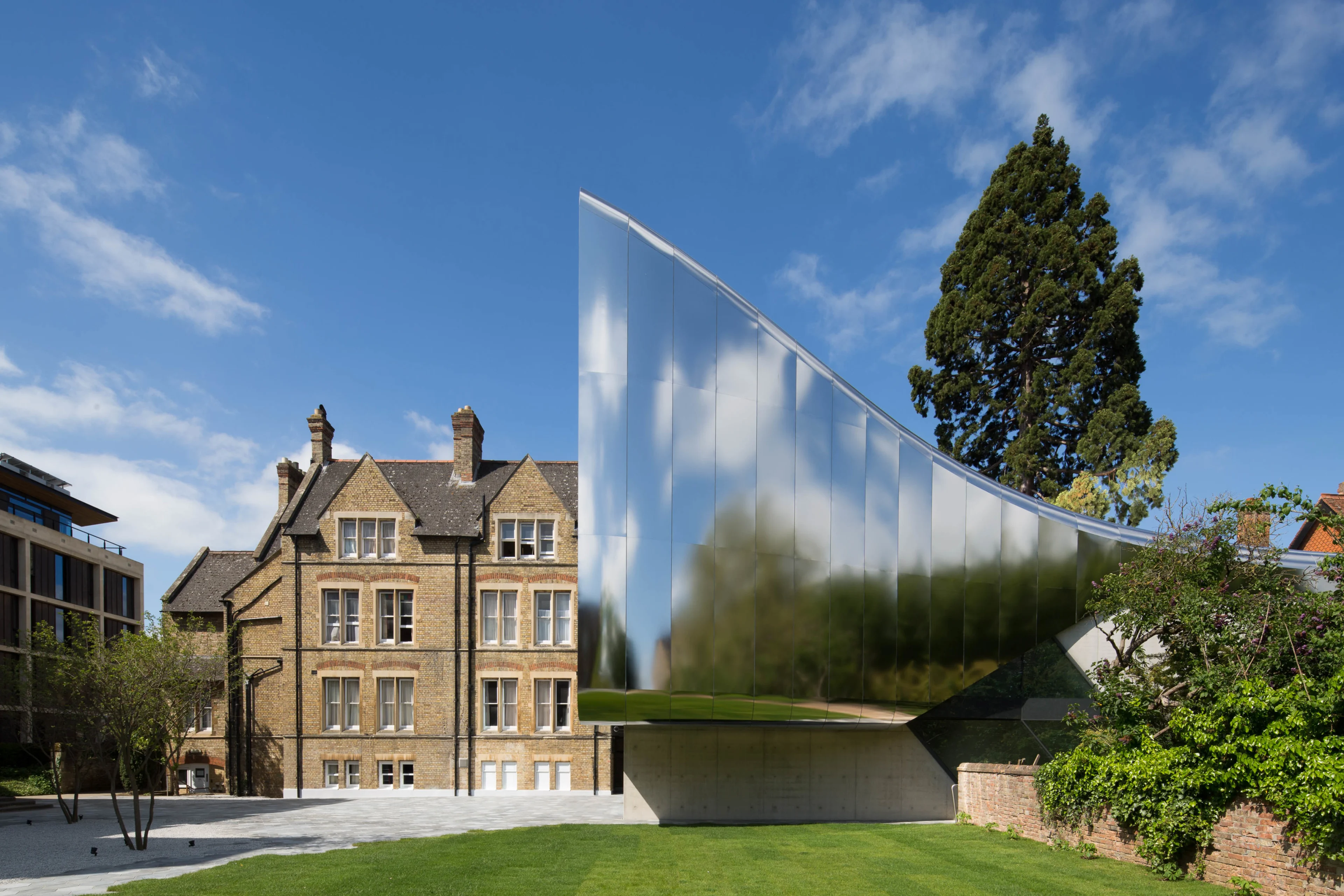
Investcorp Building for Oxford University St Antony’s College
The new Investcorp Building for the Middle East Centre provides 1,127m² of additional floor space and a new 117-seat lecture theatre; doubling the space available for the Middle East Centre’s expanding library & archive, and providing optimum conditions to conserve and manage the centre’s collections that were previously stored in the basement of 66 Woodstock Road.
Photograph by Julian Faulhaber
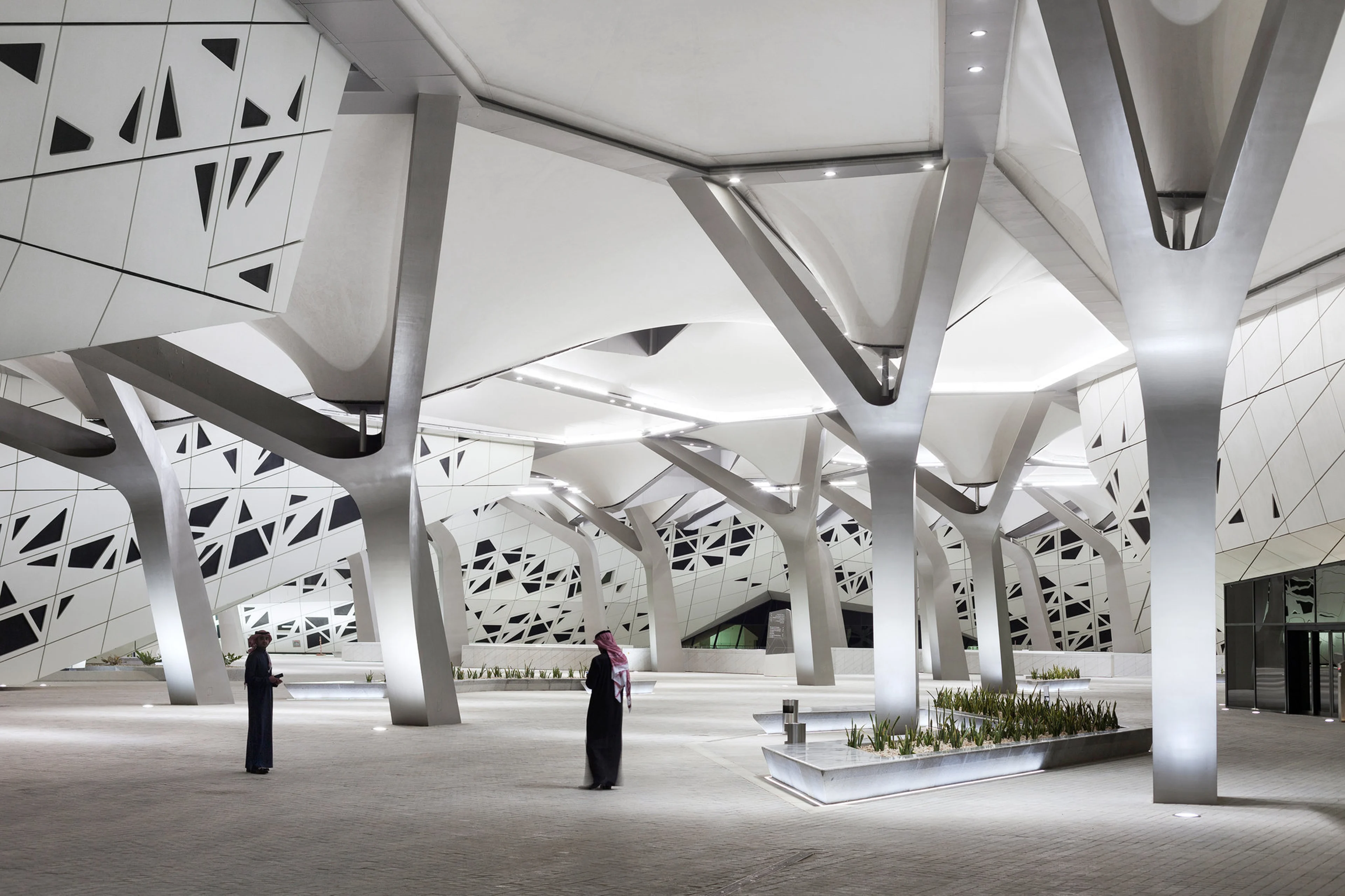
King Abdullah Petroleum Studies and Research Center (KAPSARC)
KAPSARC is a non-profit institution for independent research into policies that contribute to the most effective use of energy to provide social well-being across the globe. KAPSARC develops policies and economic frameworks that reduce the environmental impact and overall costs of energy supply and enable practical technology-based solutions to use energy more efficiently.
Photograph by Iwan Baan
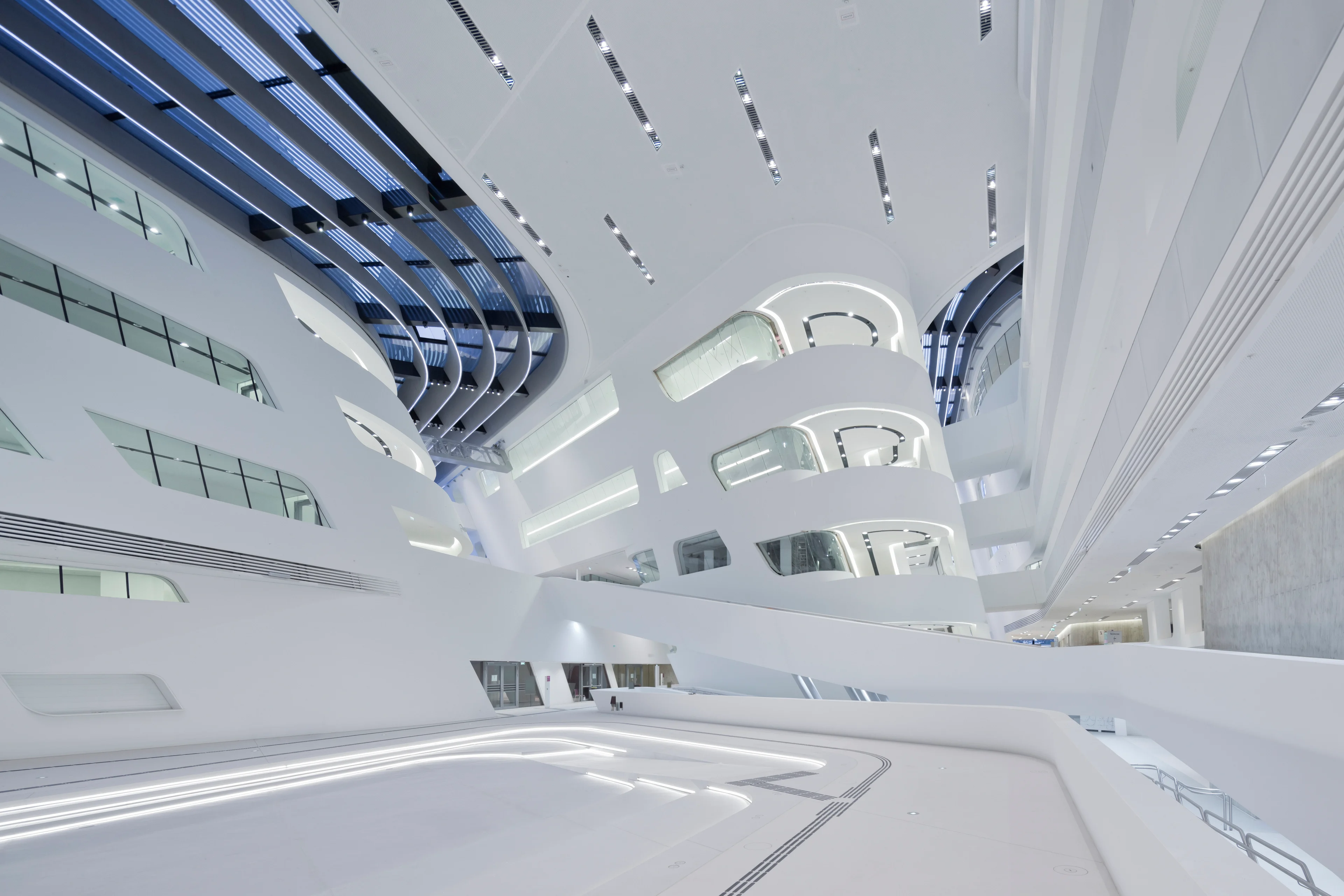
Library & Learning Centre University of Economics Vienna
The new Library and Learning Centre rises as a polygonal block from the heart of the new University campus. The interior of the LLC is informed by the external landscape of the masterplan which maps out the different levels.
Photograph by Iwan Baan
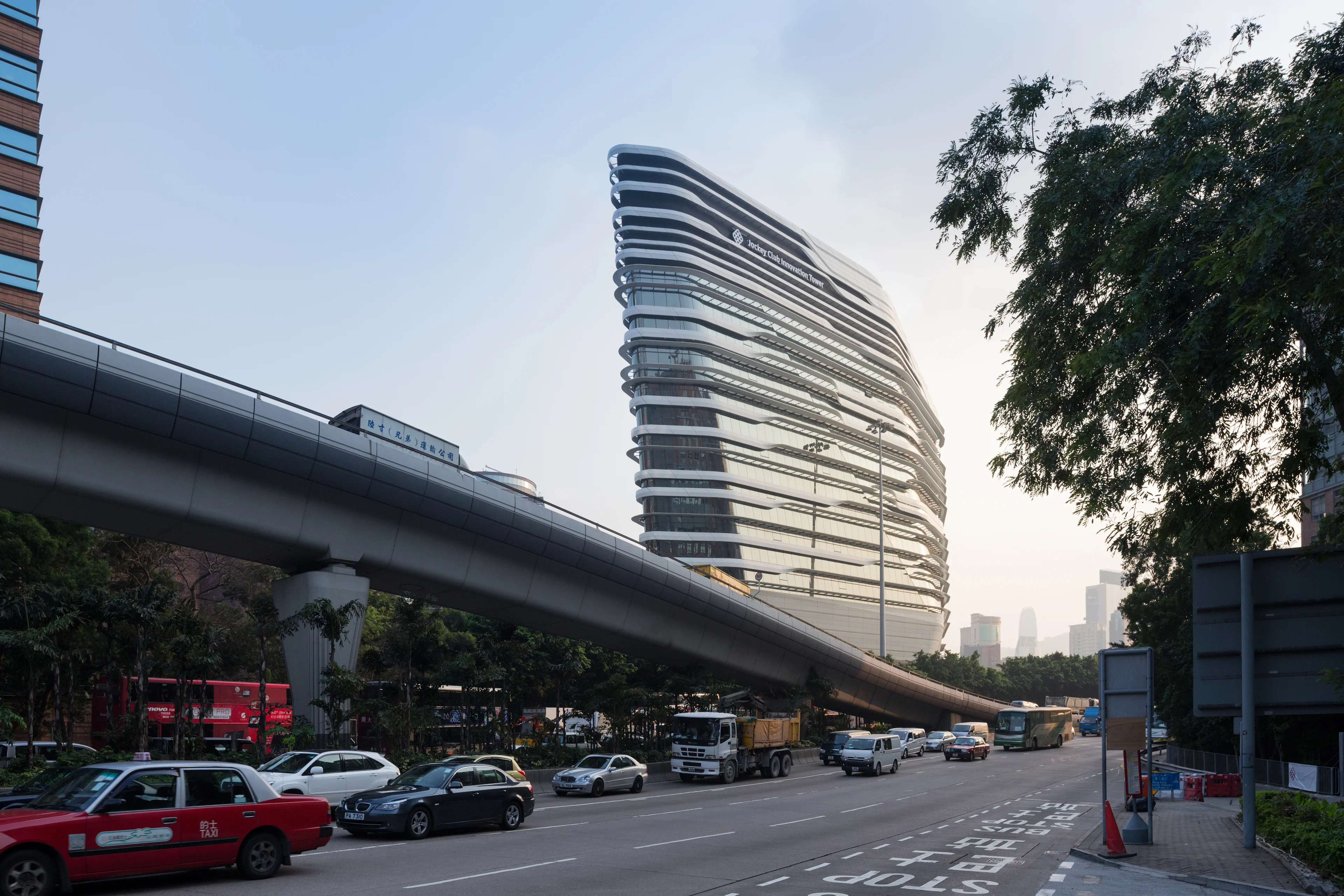
Jockey Club Innovation Tower
The Jockey Club Innovation Tower (JCIT) is home to the Hong Kong Polytechnic University (PolyU) School of Design, and the Jockey Club Design Institute for Social Innovation.
Photograph by Luke Hayes
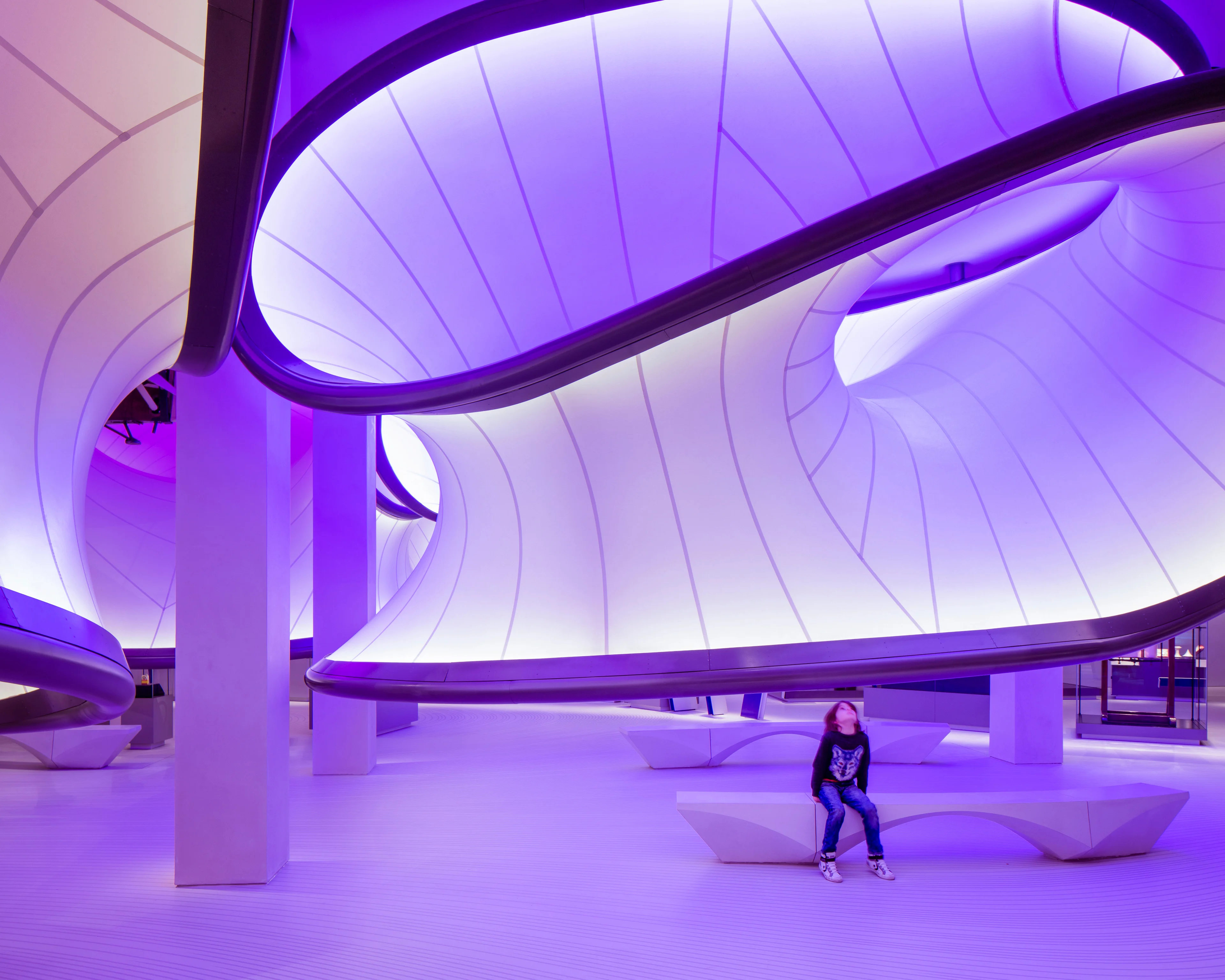
Mathematics: The Winton Gallery, Science Museum
Mathematics: The Winton Gallery brings together remarkable stories, historical artefacts and design to highlight the central role of mathematical practice in all our lives, and explores how mathematicians, their tools and ideas have helped build the modern world over the past four centuries.
01
02
03
04
05
06
07
08
09
10