
Associate Director
Dip Arch, OrdAR, ARB
London, UK
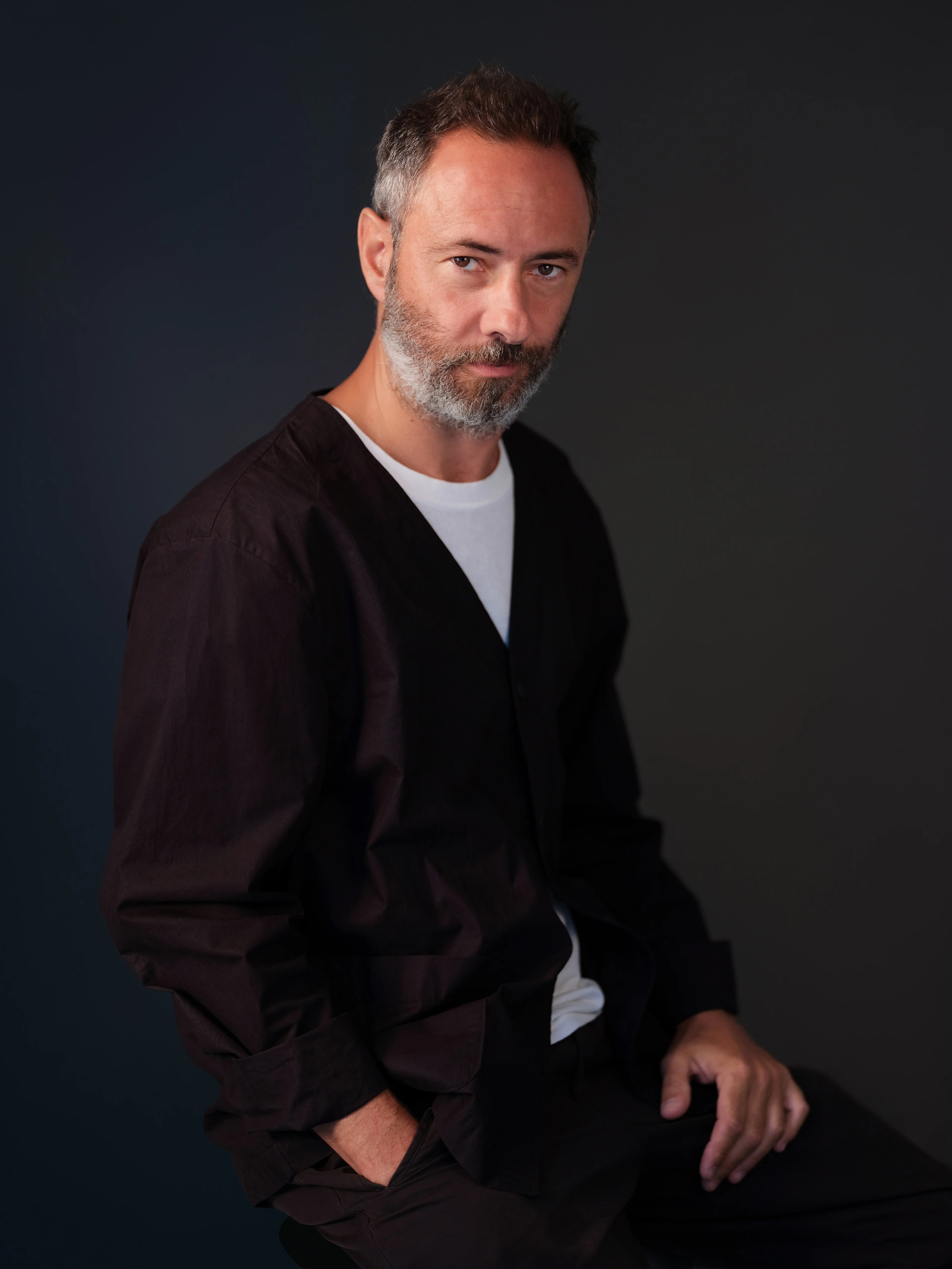
Michele Salvi
Photograph by Frederic Aranda ©
About Michele
Profile
Michele specialises in managing and delivering international projects, from concept to completion, across multiple typologies, including transport, hospitality, residential, and mixed-use developments. With expertise in façade design and rationalisation, he ensures architectural innovation is paired with practical execution. He played a key role in a number of winning schemes in the Baltics, including Rail Baltica Ulemiste Passenger Terminal in Tallinn Estonia, Vilnius Railway Station, Vilnius Airport T5 and Vilnius Business Centre.
Beyond project work, Michele has been instrumental in training and mentoring young architects, sharing his knowledge and fostering professional growth. His contributions extend to editorial projects, having been a key member of the team behind the publication of the Morpheus book.
Prior to ZHA, Michele worked as a researcher and designer at GR.est and Avatar Architettura, where he explored new possibilities in architecture, design, and communication. His approach combines creative vision with technical precision, delivering impactful projects that push the boundaries of contemporary design.
Photograph by Hufton + Crow
Featured Projects
Key Projects
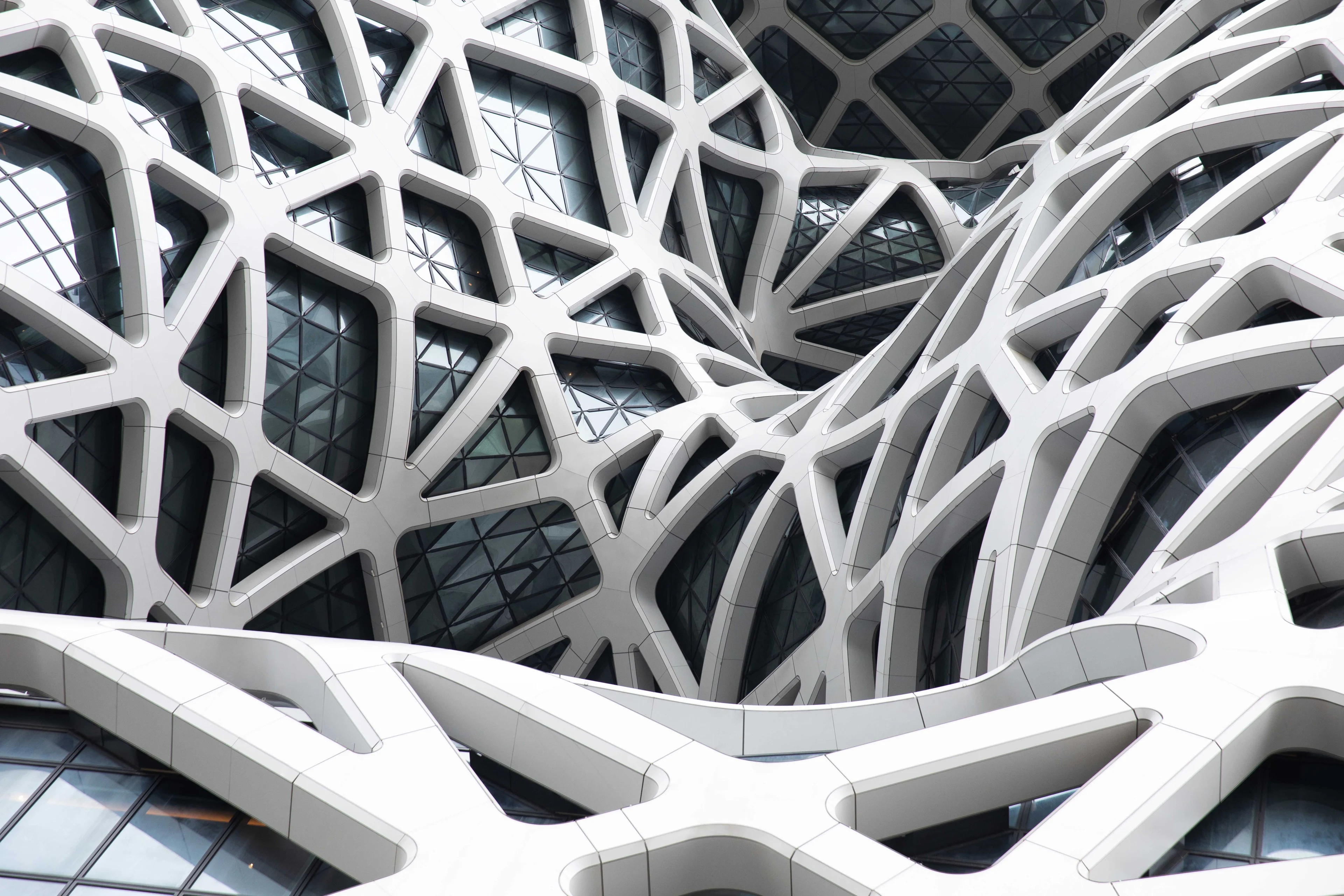
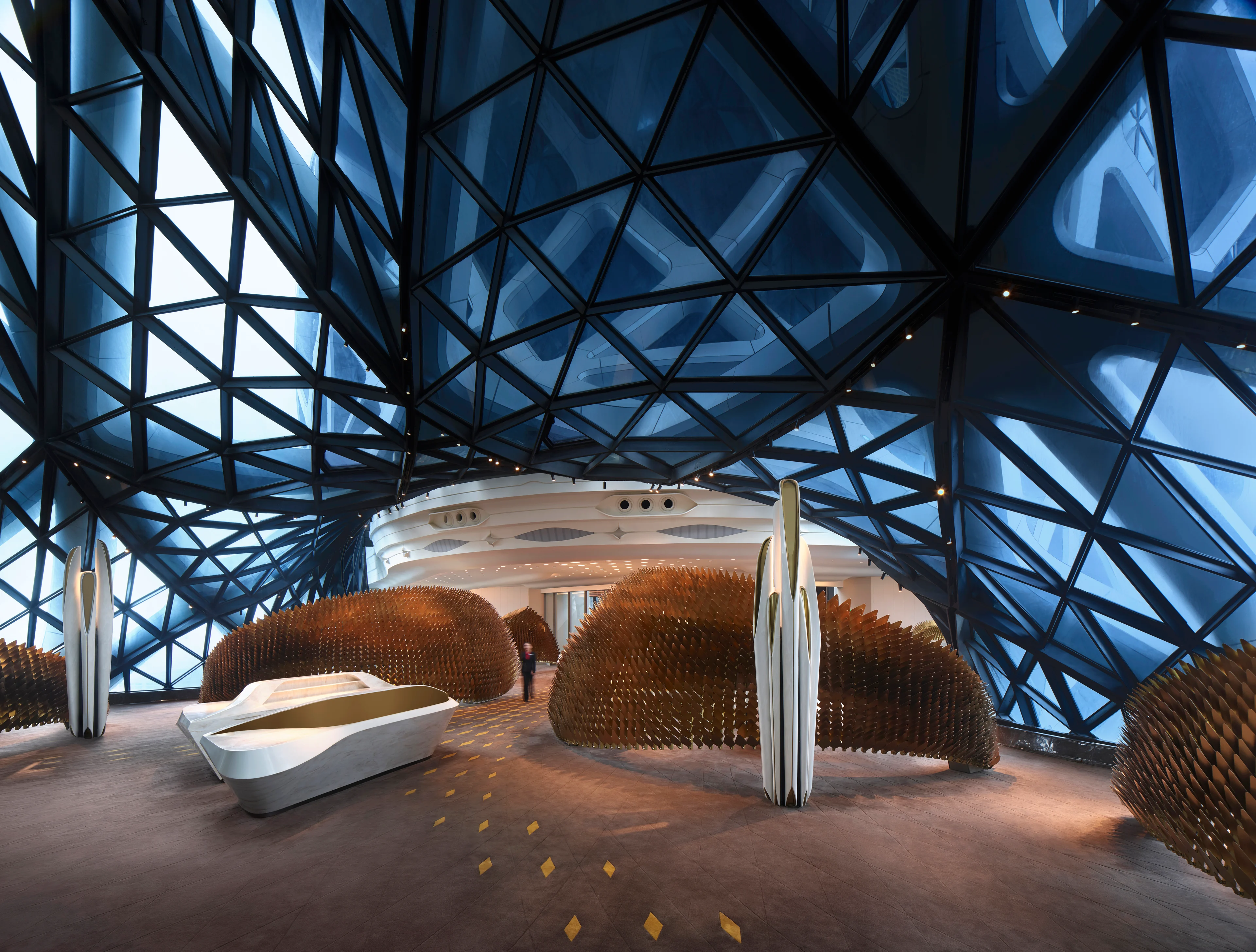
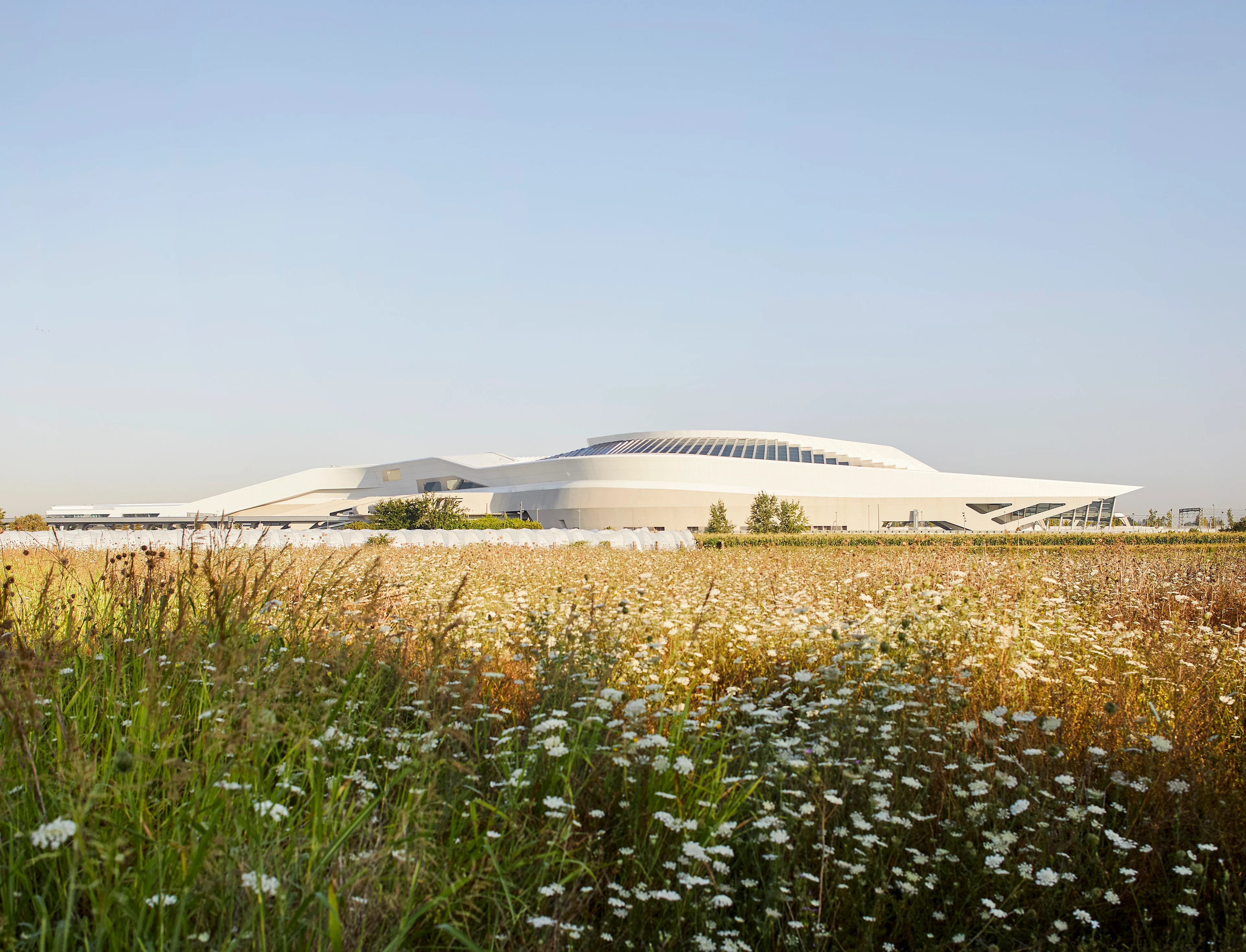
From the world’s first free-form high-rise exoskeleton optimizes the interiors by creating spaces that are uninterrupted by supporting walls or columns, to a key interchange station in Italy, discover highlights of Michele's notable projects at ZHA.
Photograph by Hufton + Crow
Education & Professional Philosophy
Michele completed his Diploma in Architecture at Università degli studi di Firenze in Italy where he graduated cum laude in 2023.
Having joined ZHA over 20 years ago, Michele has grown alongside the practice. Outside work, he finds joy in exploring nature and sailing.
Projects
Selected Projects
Explore a selection of projects Michele has contributed to since joining ZHA.
Photograph by Virgile Simon Bertrand
Hospitality
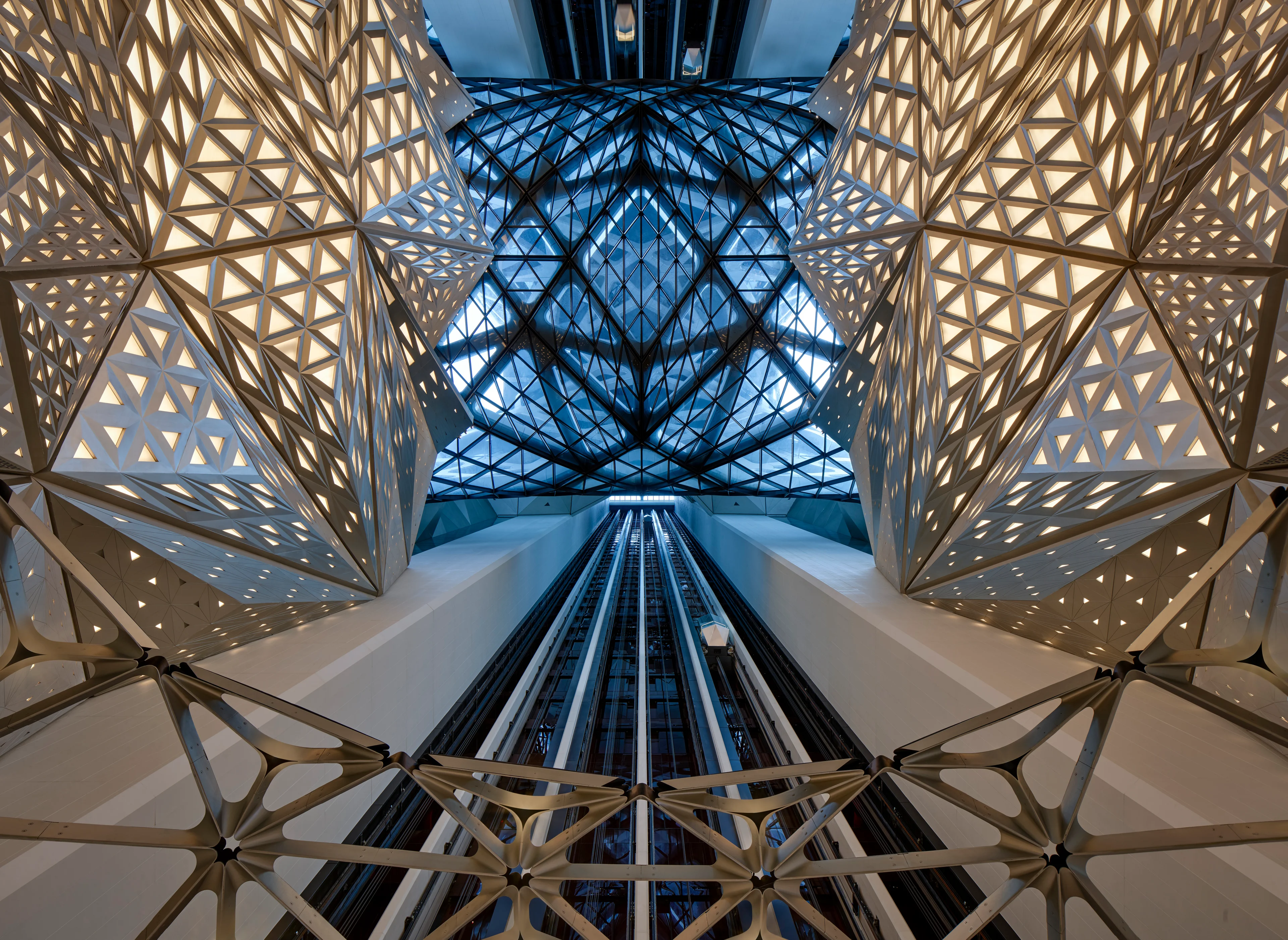
Morpheus Hotel & Resort at City of Dreams Macao
The world’s first free-form high-rise exoskeleton optimises the interiors by creating spaces that are uninterrupted by supporting walls or columns. Three horizontal vortices generate the voids through the building and define the hotel’s dramatic internal public spaces.
Photograph by Hufton + Crow
Transport + Infrastructure
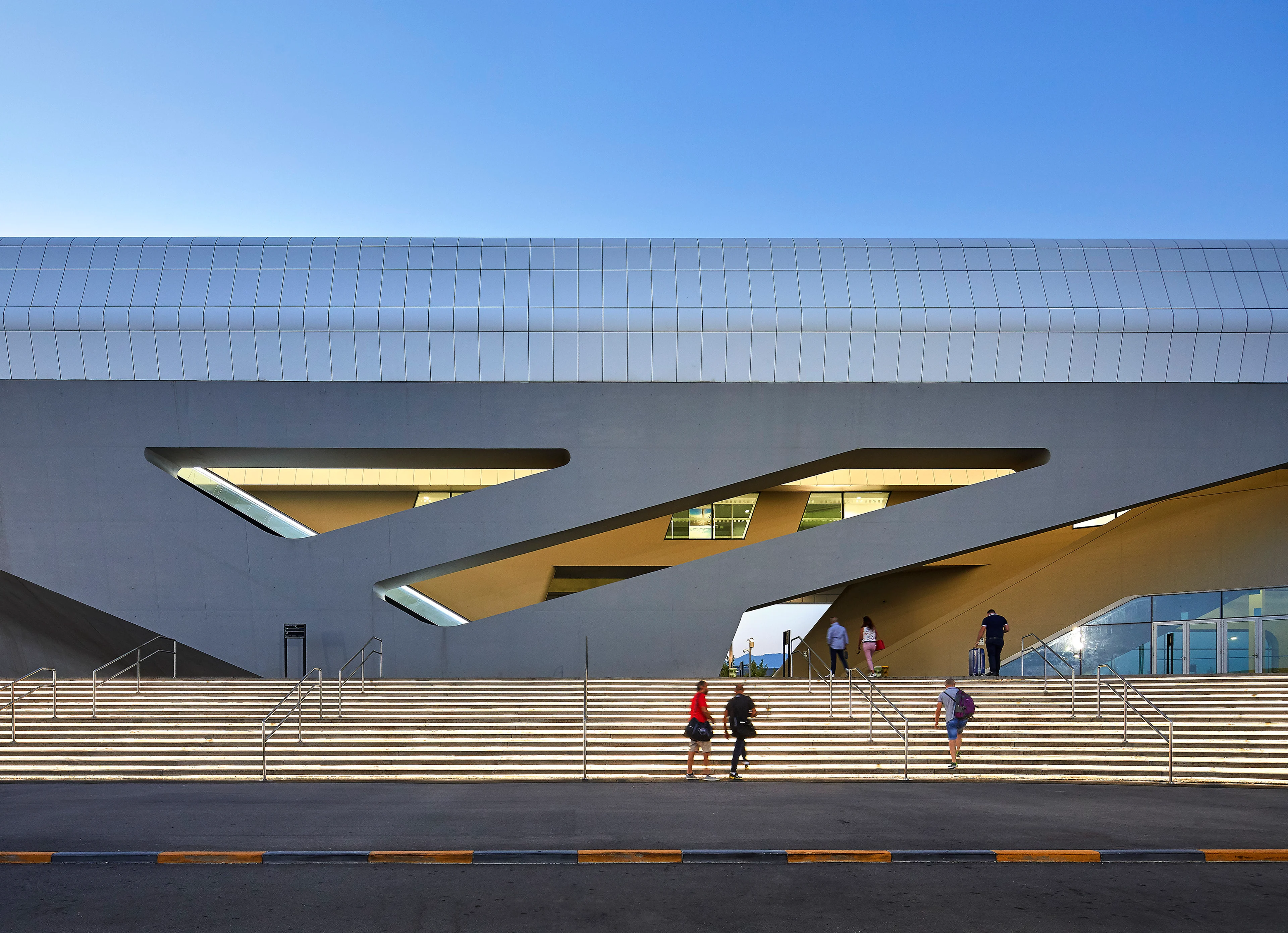
Napoli-Afragola High Speed Train Station
The new rail station at Napoli Afragola is designed as one of southern Italy’s key interchange stations serving four high speed inter-city lines, three inter-regional lines and a local commuter line.
Transport + Infrastructure
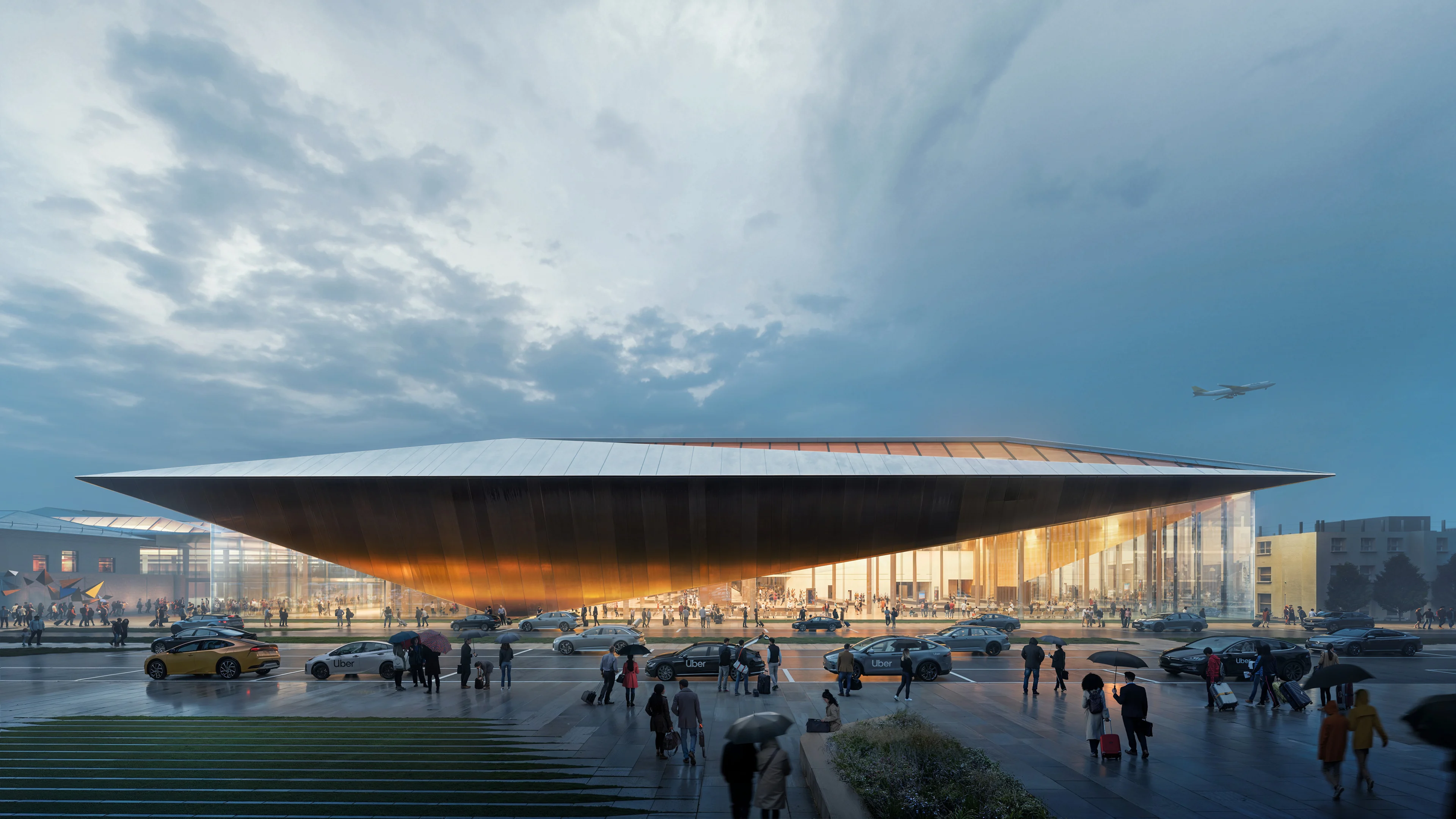
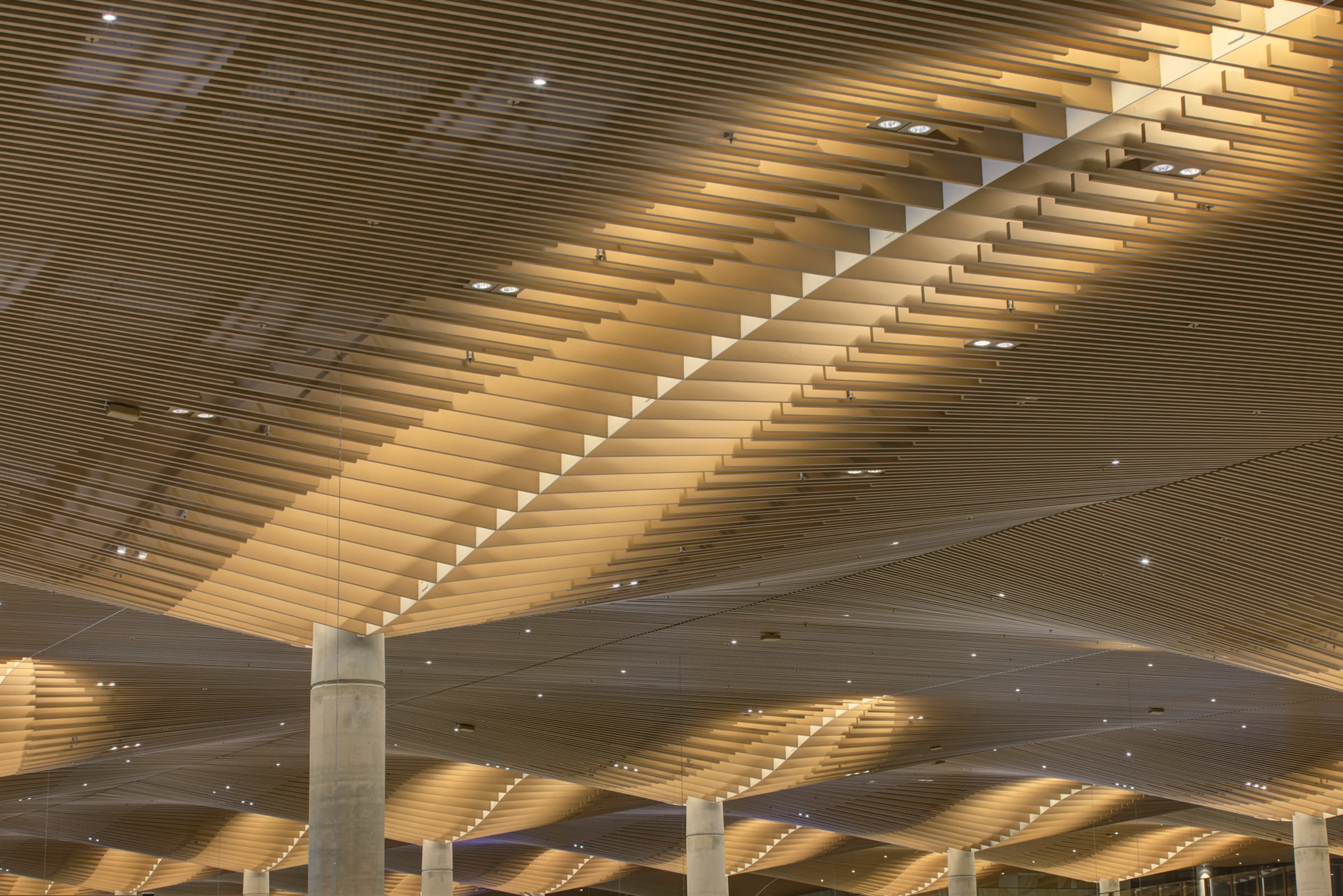
Vilnius Airport Terminal
ZHA's design draws from Lithuanian cultural heritage, incorporating traditional motifs and art forms within a contemporary architectural language. The terminal's modular geometry originates from the rhombus, a triangular shape that holds significant meaning in Baltic folklore.
Render by Negativ
Transport + Infrastructure
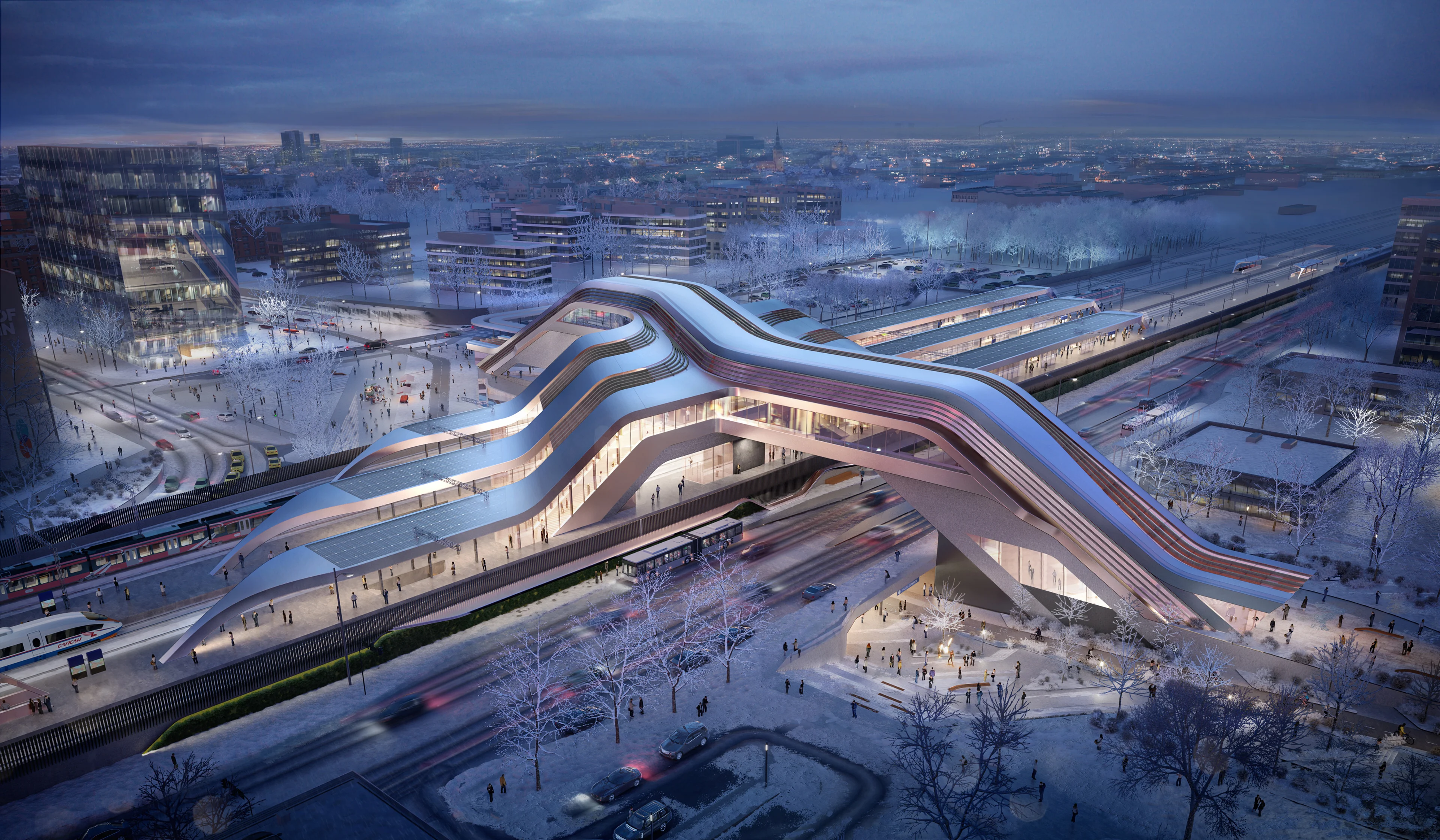
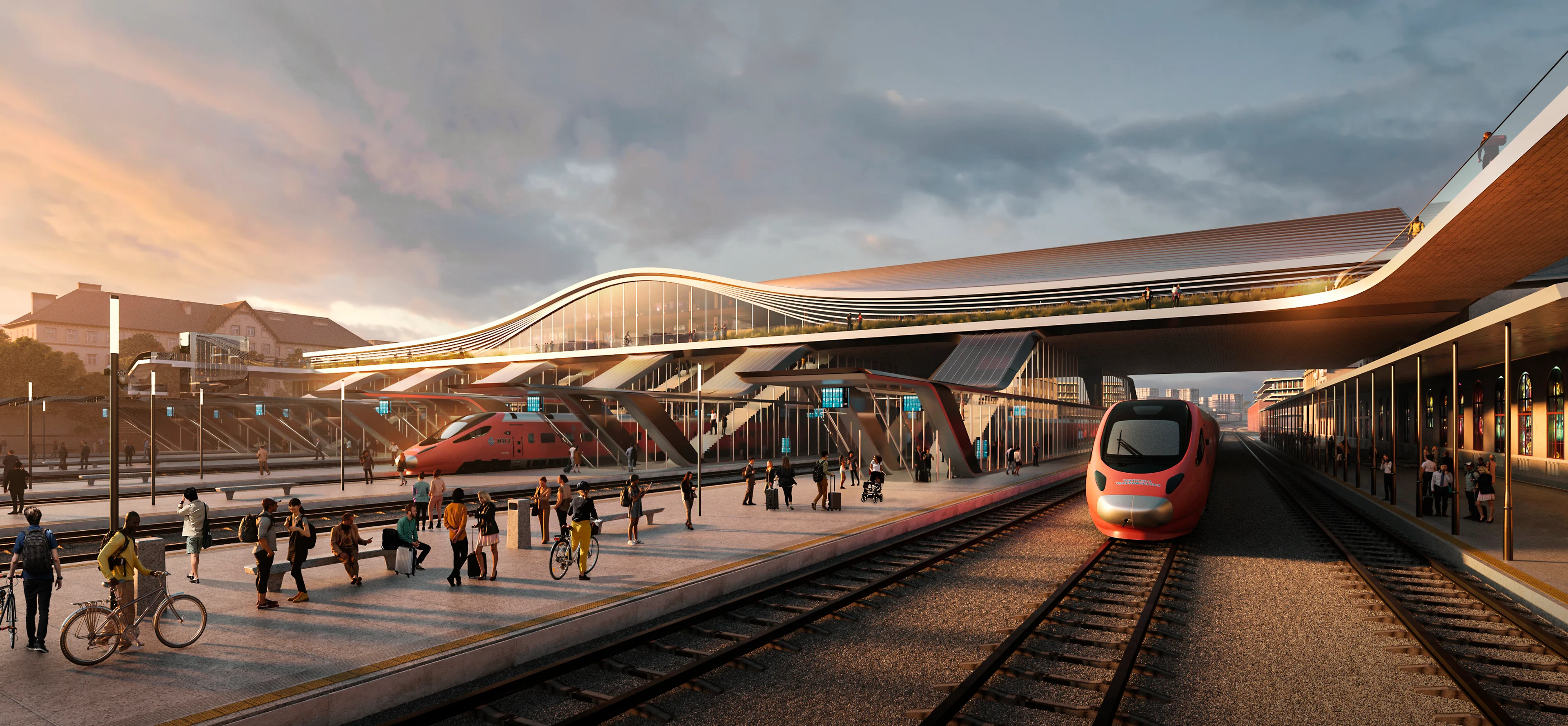
Rail Baltic Ülemiste Terminal
A multi-modal transport hub for the city’s commuters as well as international rail passengers and air travellers using the adjacent Tallinn Airport, the Ülemiste Passenger Terminal is designed as a connecting bridge linking together districts of Tallinn currently separated by the railway tracks that dissect the city.
Offices
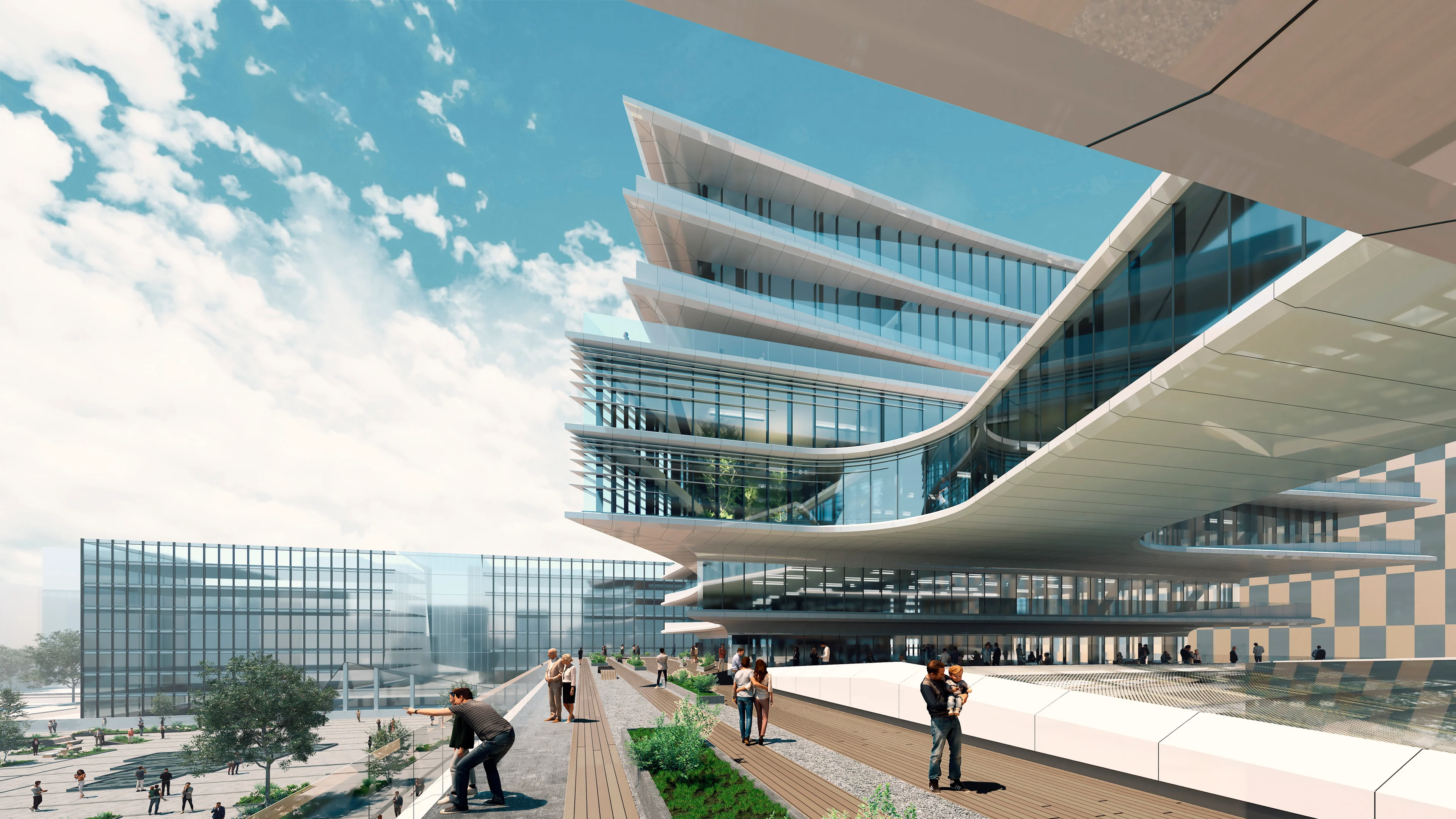
Vilnius Business Stadium
Integrated within the Vilnius City Plan and the popular public square adjacent to the site, Business Stadium Central will be a new gathering place for the city.
Courtesy of ZHA, render by Negativ
Transport + Infrastructure
Vilnius Railway Station
ZHA’s ‘Green Connect’ proposal for Vilnius Railway Station creates an integrated transportation hub for the 21st century with new civic spaces enveloped by nature
Culture
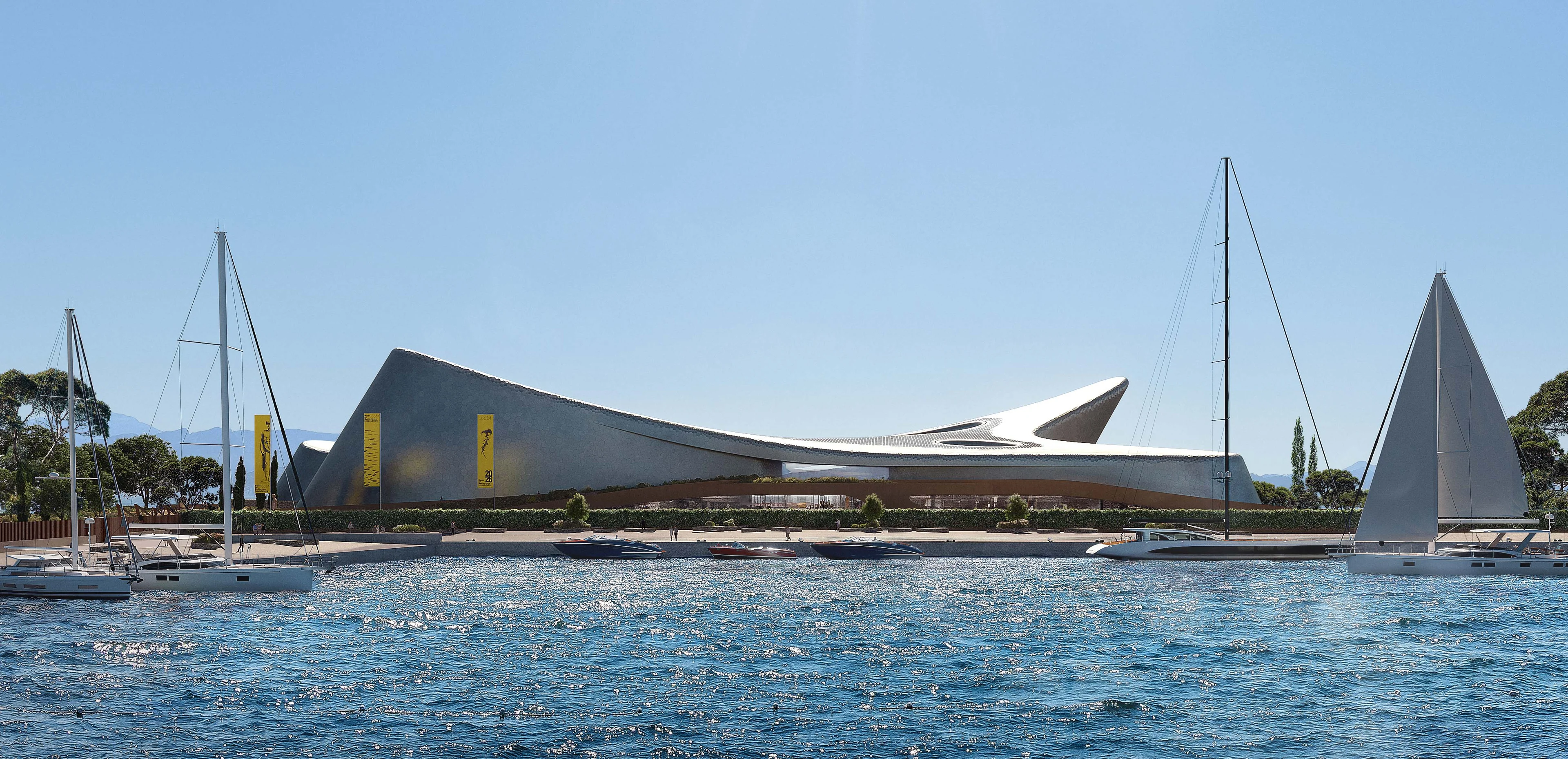
Museum of the Mediterranean
Located on a narrow strait, separating continental Italy from Sicily, the Regium Waterfront marks the city of Reggio Calabria as a Mediterranean cultural capital. Drawing inspiration from the radial symmetry of the starfish, the structure, housing museum and performing arts centre, stands as a beacon visible from land and sea.
Photograph by Brett Boardman Photography
Transport + Infrastructure
Western Sydney International Airport
ZHA and Cox Architecture have won the international design competition for the new Western Sydney Airport (WSA) and been appointed as Master Architect for the project. The ZHA/COX team was selected from a broad field of forty national and international applicants that was narrowed to five selected design competitors.
01
02
03
04
05
06
07
08