
Render by X UniverseCG, courtesy of MoHUP
Muscat, Oman
2024 - TBC
MoHUP
Al Khuwair Masterplan
Render by X UniverseCG, courtesy of MoHUP
Render by X UniverseCG, courtesy of MoHUP
Render by X UniverseCG, courtesy of MoHUP
Render by X UniverseCG, courtesy of MoHUP
01
02
03
04
Prioritising the well-being of residents and visitors
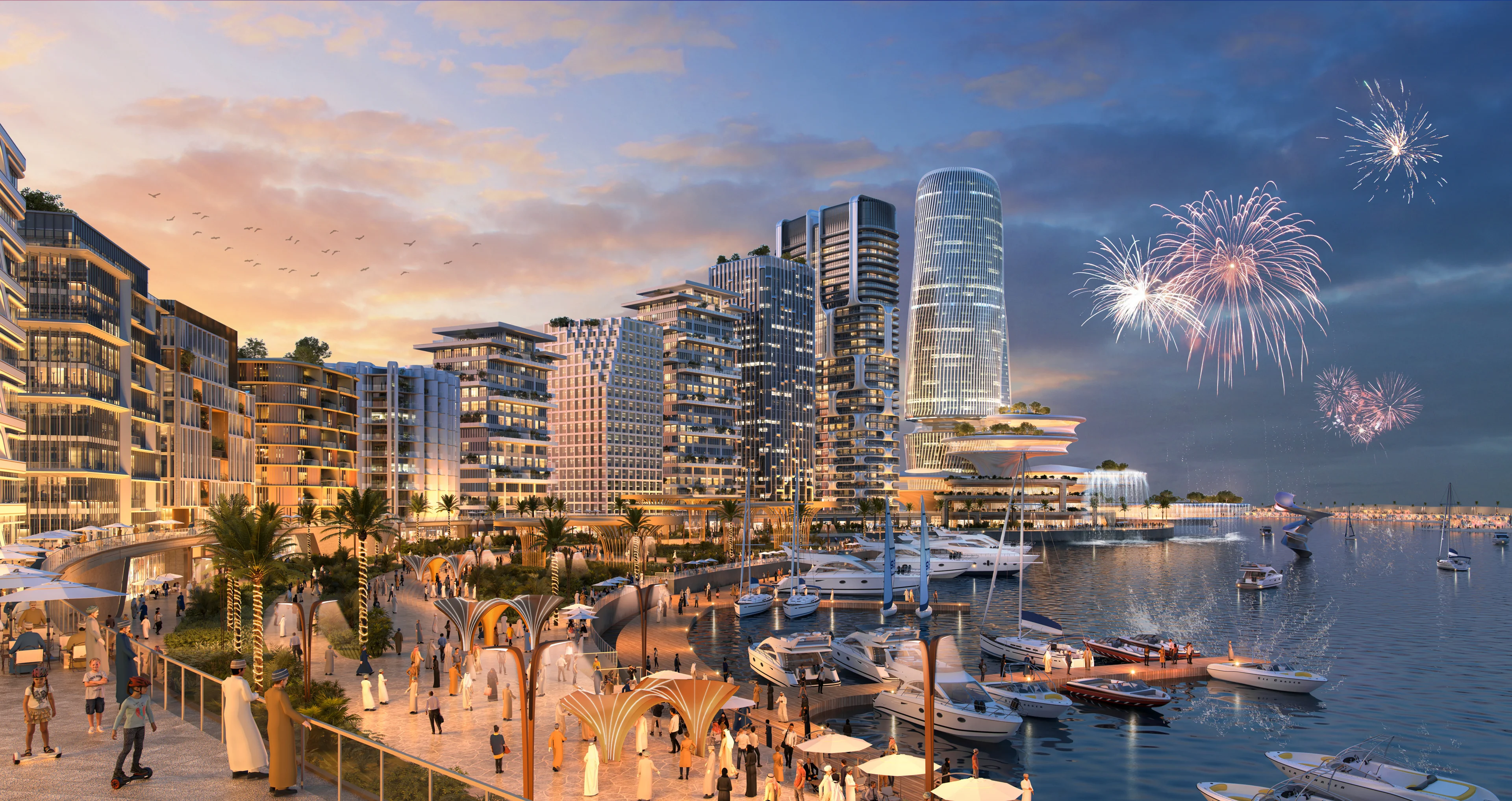
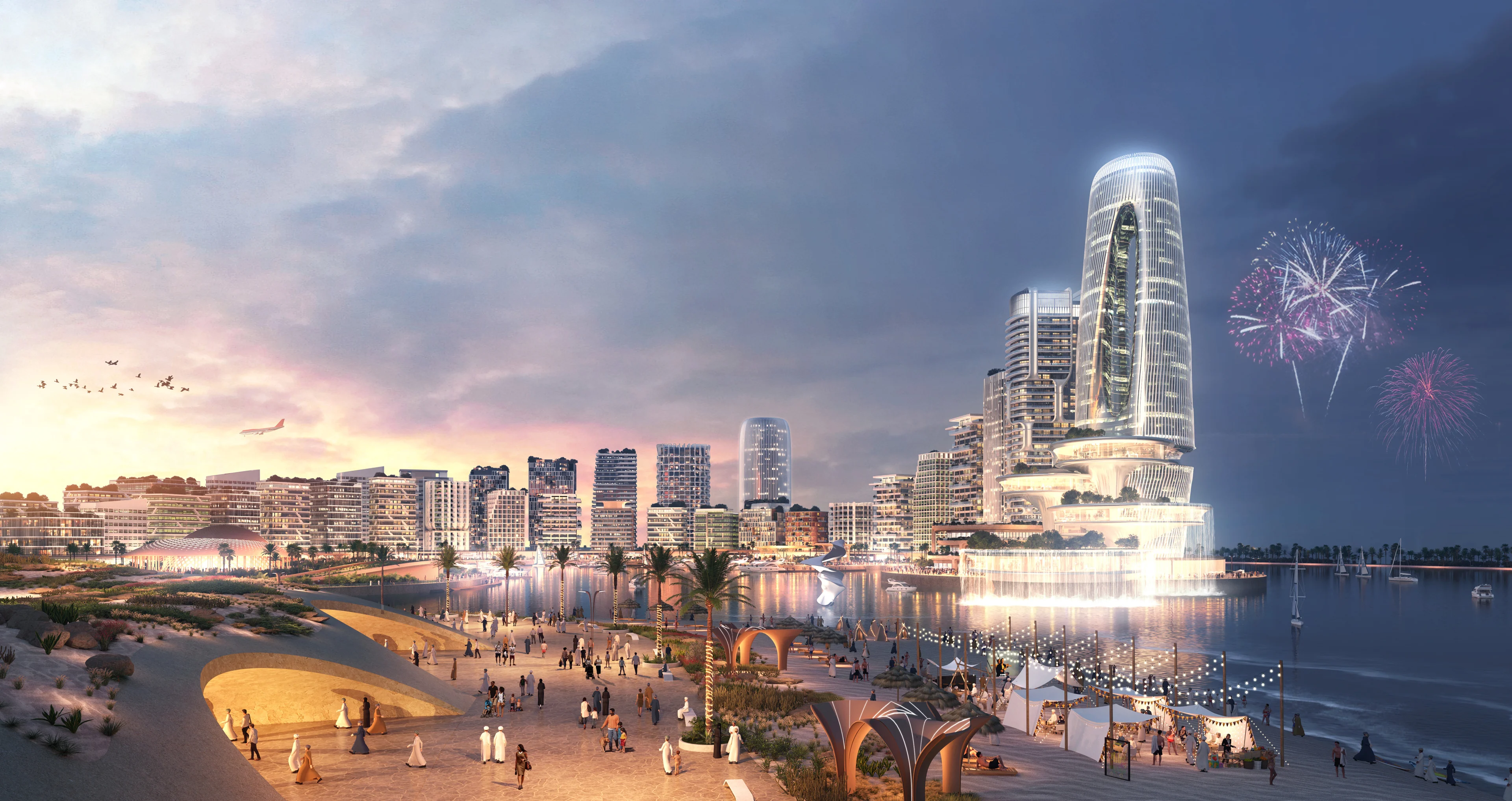
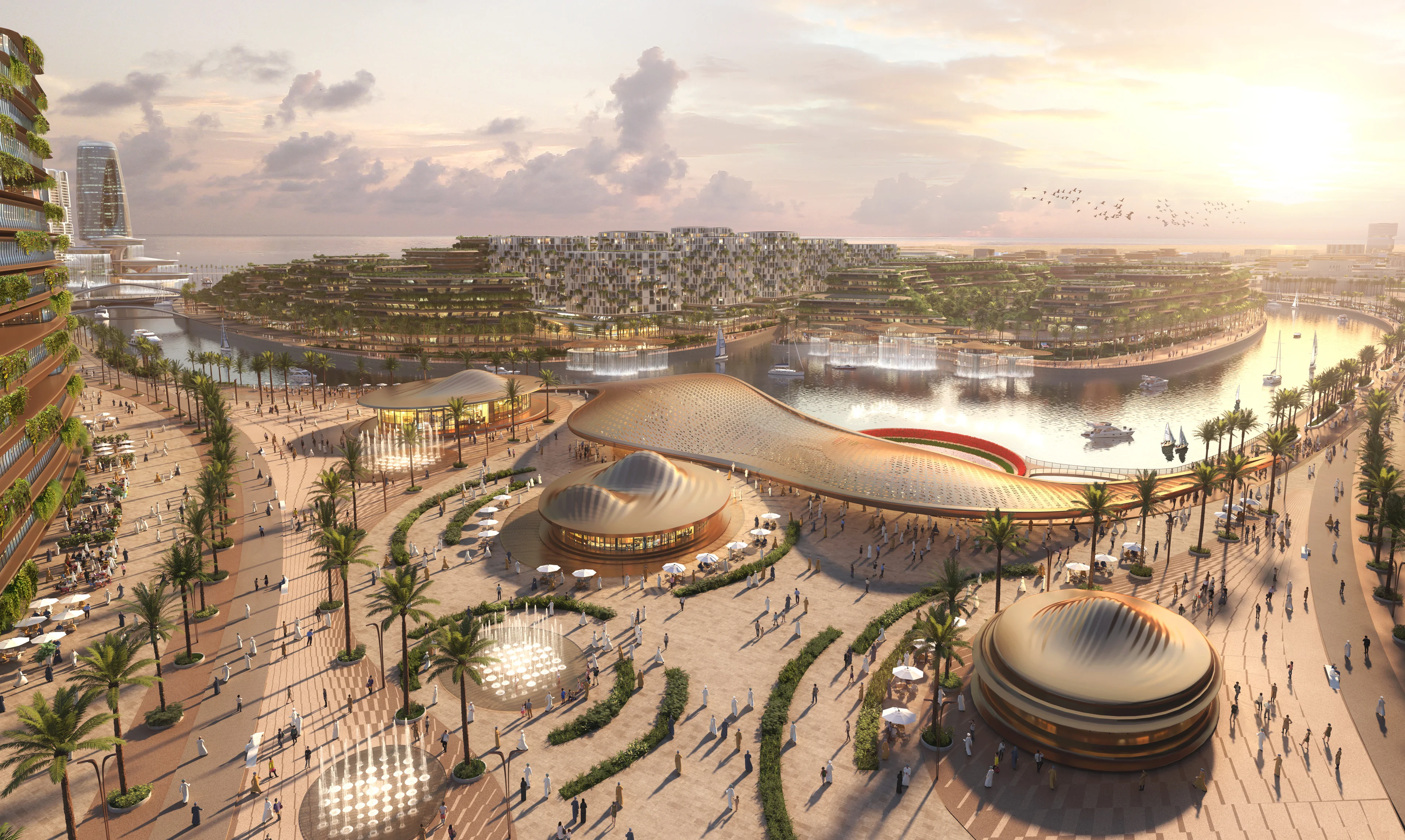
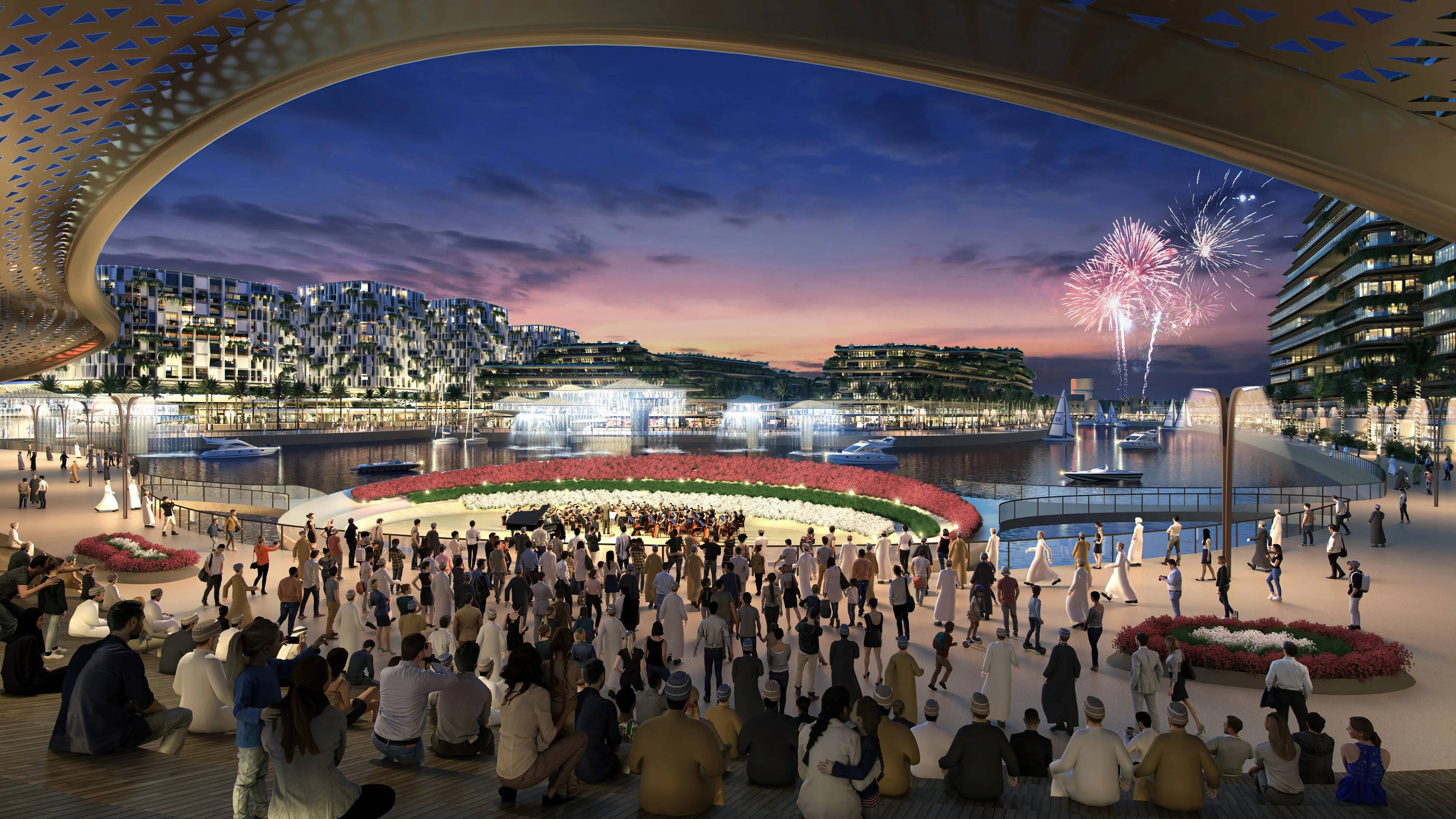
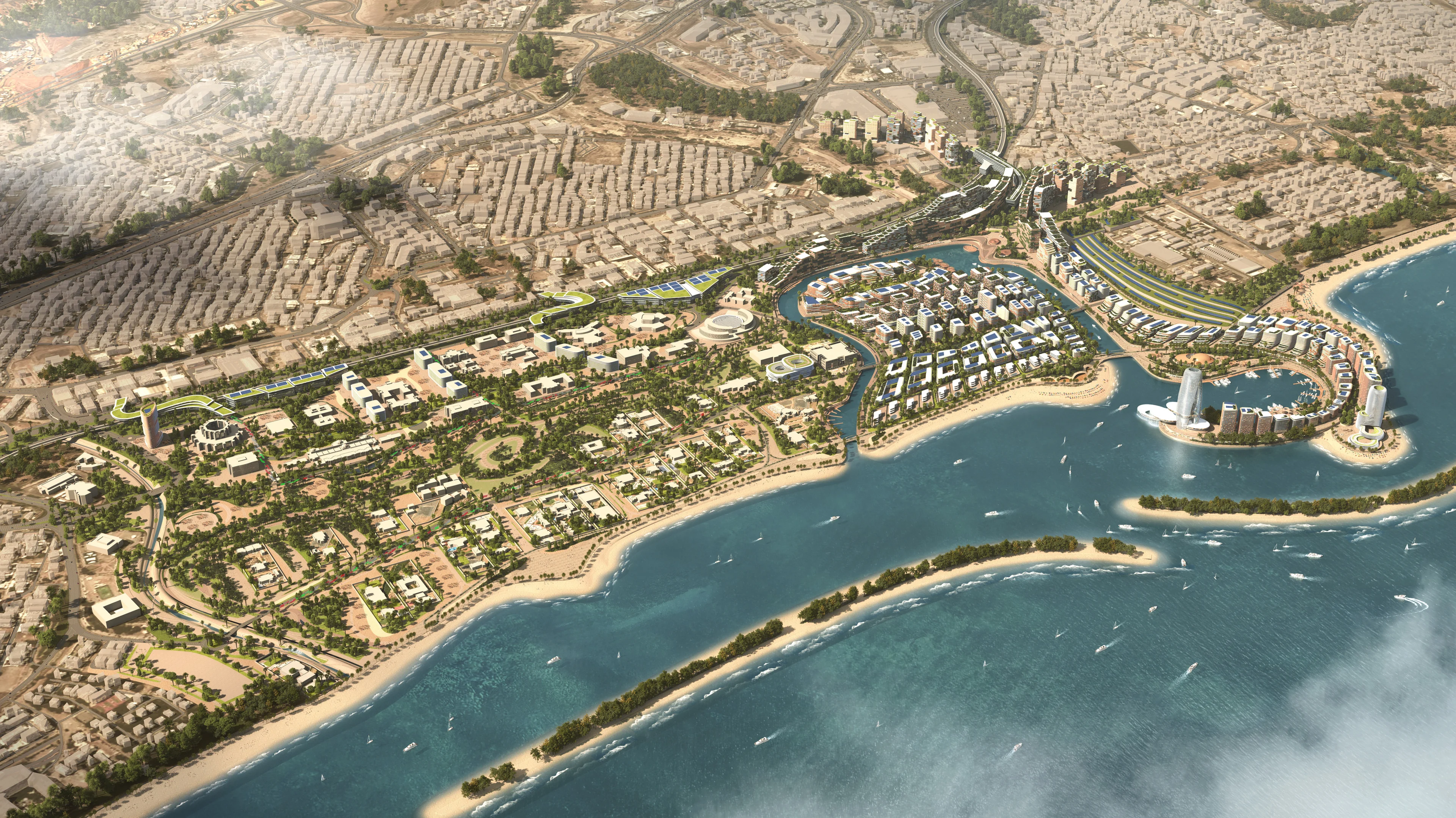
Oman’s Ministry of Housing and Urban Planning (MoHUP) has announced the masterplan for a reimagined waterfront development in downtown Muscat, the nation’s capital. Designed by ZHA, the $1.3bn Al Khuwair Muscat Downtown and Waterfront Development will span 3.3 million m² and is set to revitalise the area.
The sustainability-led design prioritises the well-being of residents and visitors, redefining urban living in Oman as Muscat’s population is anticipated to almost double from 1.5 million to 2.7 million inhabitants by 2040. The city is also increasingly popular with international visitors, welcoming over 3 million tourists last year. Responding to this rapid growth, ZHA’s design will transform this existing administrative and industrial area of Muscat into a vibrant new urban district with an expected population of 64,500.
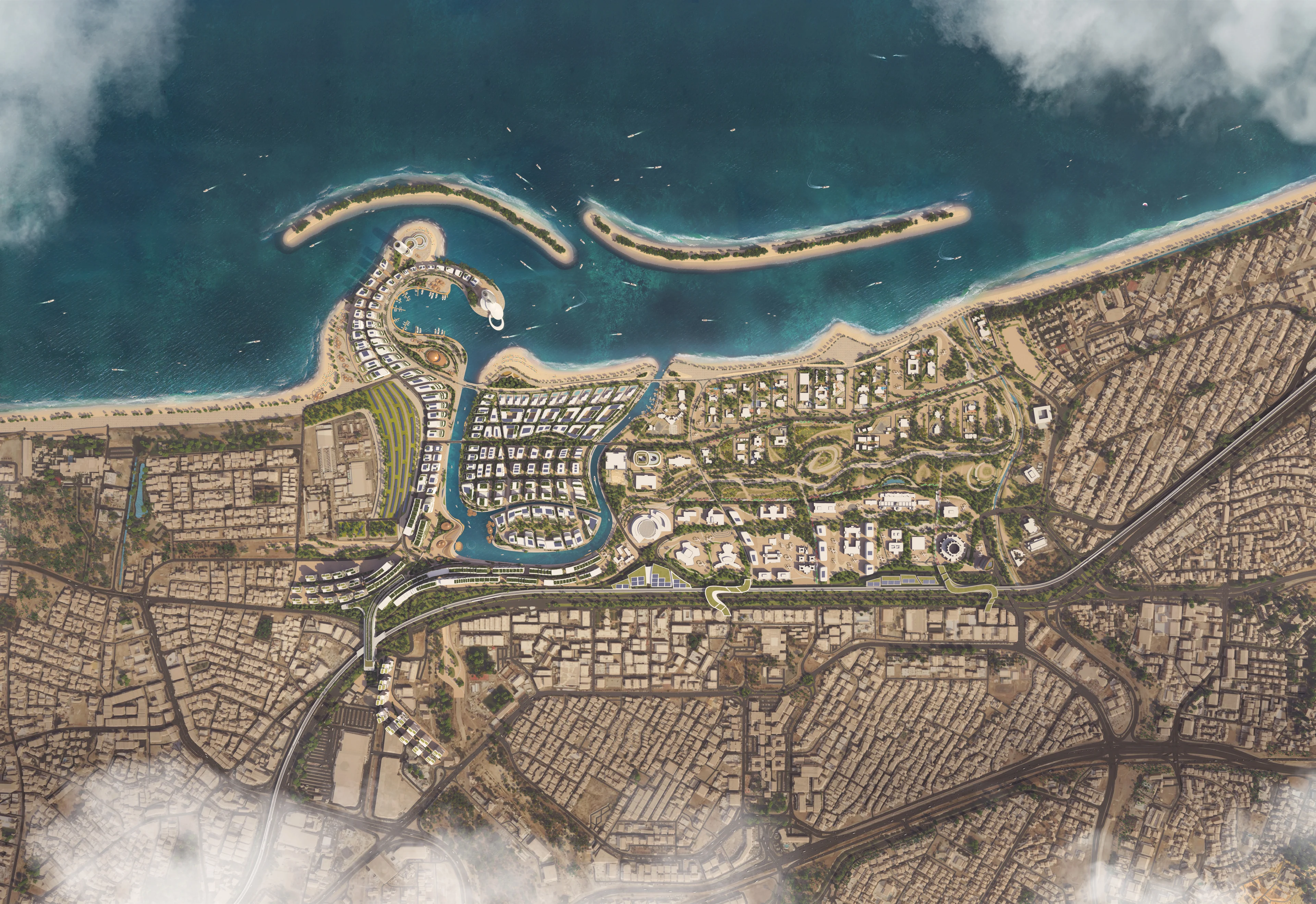
The district will comprise five key areas: a marina, a recreational waterfront lined with beaches and sports facilities, a canal walkway, a cultural quarter and a Ministry campus. Incorporating residential areas extensive mixed-use developments catering to government and commercial businesses, together with arts, culture, and leisure spaces, the district will be a thriving, environmentally resilient and sustainable development with a 24-hour community.
Prioritising material reuse, including recycled construction materials and responsible sourcing
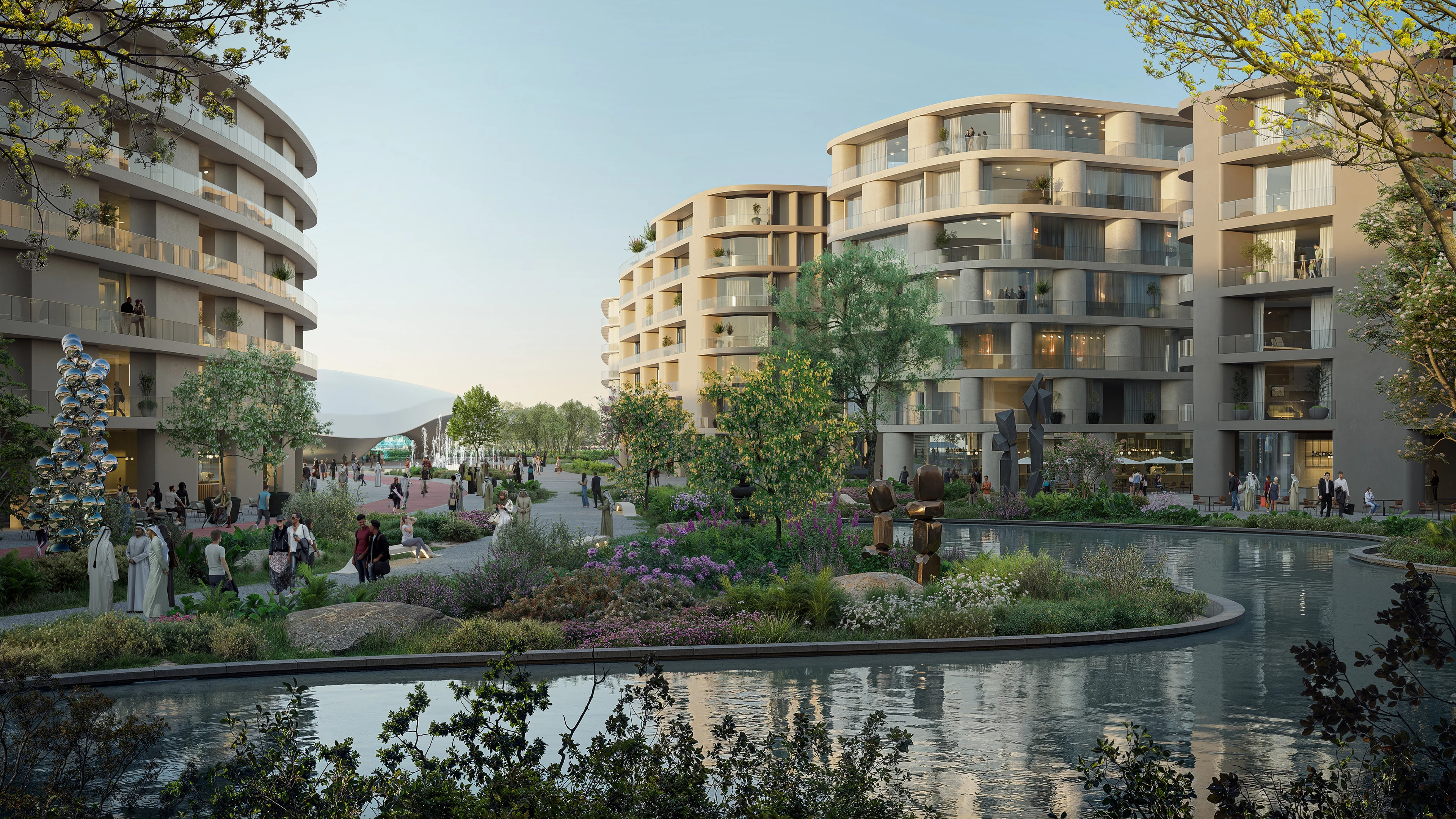
Continuing Muscat’s rich tradition as a historic port city, the Al Khuwair development is informed by local culture, with the marina acting as the cornerstone of the project, catering to residents, visitors, and tourists. It will feature a range of attractions while emphasising green spaces and public realm along the waterfront, including destination dining experiences, luxury retail outlets, health and wellness facilities, hotels, and residential spaces.
MoHUP and ZHA have worked with global engineering, design and advisory practice Buro Happold to implement a materials strategy with specific interventions to assist with climate and coastal resilience, including mitigating any ‘urban heat island’ effects, stormwater management and breakwaters. It prioritises material reuse, including recycled construction materials and responsible sourcing, and buildings within the Ministry campus will be retrofitted and reused through a programme of refurbishments.
Throughout the compact and walkable development, Transport-Oriented Development principles encourage use of public transportation with good connections to transit services underpinning smart mobility, including light rail transit, bus rapid transit and water taxis. Pedestrian activity is encouraged by introducing passive shading and cooling to the public realm, alongside cycle infrastructure to improve the safety and usability of active transport modes, while capitalising on the carbon savings of minimising private vehicle use.
A passive design strategy to limit energy demand and reduce water
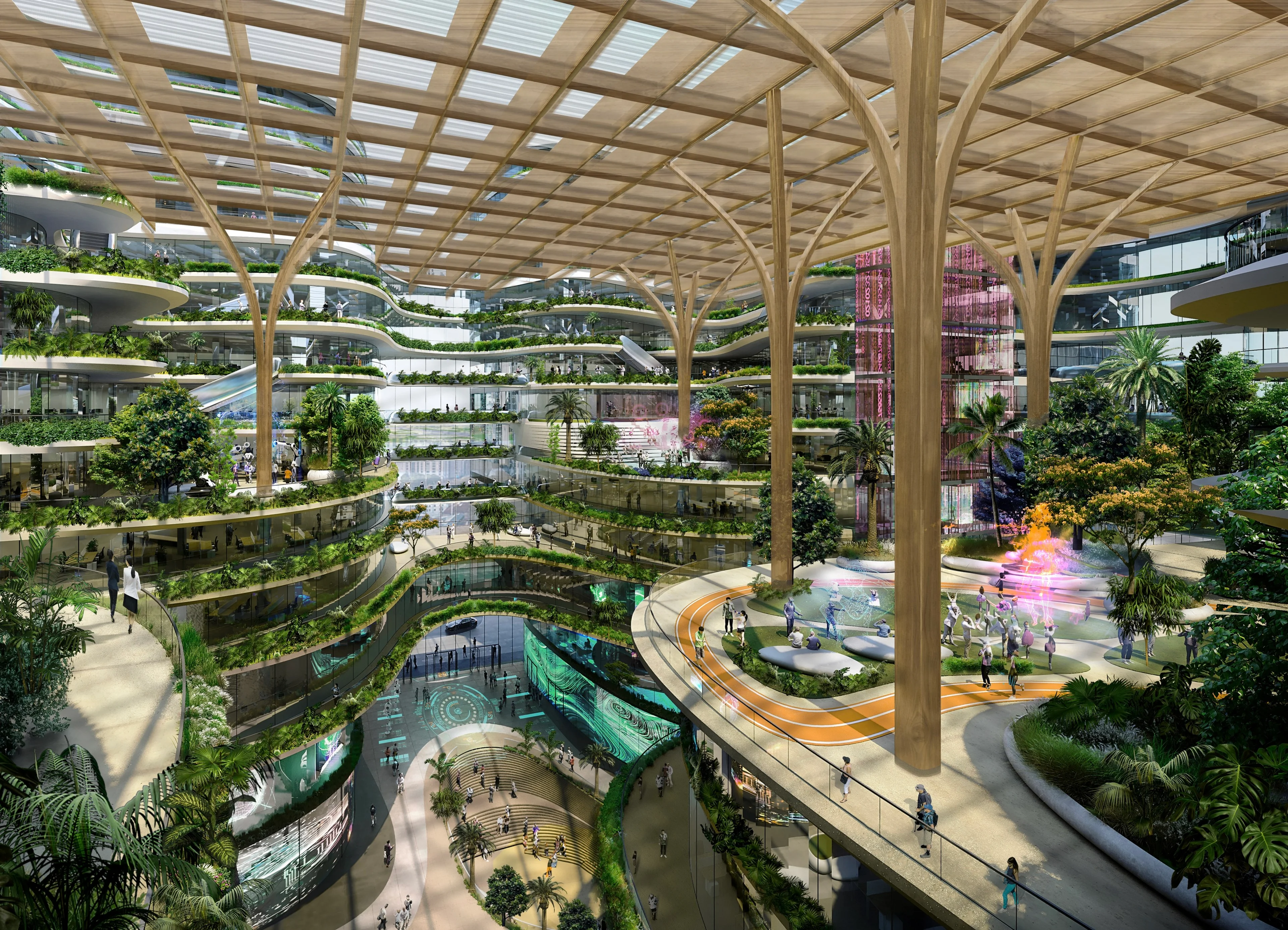
Onsite renewable energy with solar energy will be maximised alongside a passive design strategy to limit energy demand and reduce water use in buildings and landscaping. Additionally, it is targeting a biodiversity net gain of 10% while conserving and restoring native plant species.
The announcement follows the appointment of ZHA to the project as part of 30 agreements signed with the MoHUP last month. MoHUP has also been working with CBRE as the strategic partner responsible for implementing a financially viable, place-led, people-focused development and will establish the governance framework for the management entity overseeing the masterplan.
Contributing to Oman’s projected construction pipeline of more than $33bn, these projects are key to the Oman Vision 2040, which strives to achieve a developed, diversified, and sustainable national economy with fair distribution of development gains and protection of natural resources.
Masterplans
Explore more of our masterplan projects
From research and technology hubs in China and Malaysia to the Port of Tallin, discover our masterplans.
Render by TegMark
Architecture
Masterplans
Khalid Bin Sultan City Masterplan
Designed by ZHA, the masterplan for Khalid Bin Sultan City is adjacent to BEEAH’s acclaimed headquarters in Sharjah.
Render by ZHA
Masterplans
Ibrahim Technopolis Discovery City
The 582-acre Discovery City masterplan will be ZHA’s first project in Malaysia.
Render by Atchain
Masterplans
Huanggang Port Area Masterplan
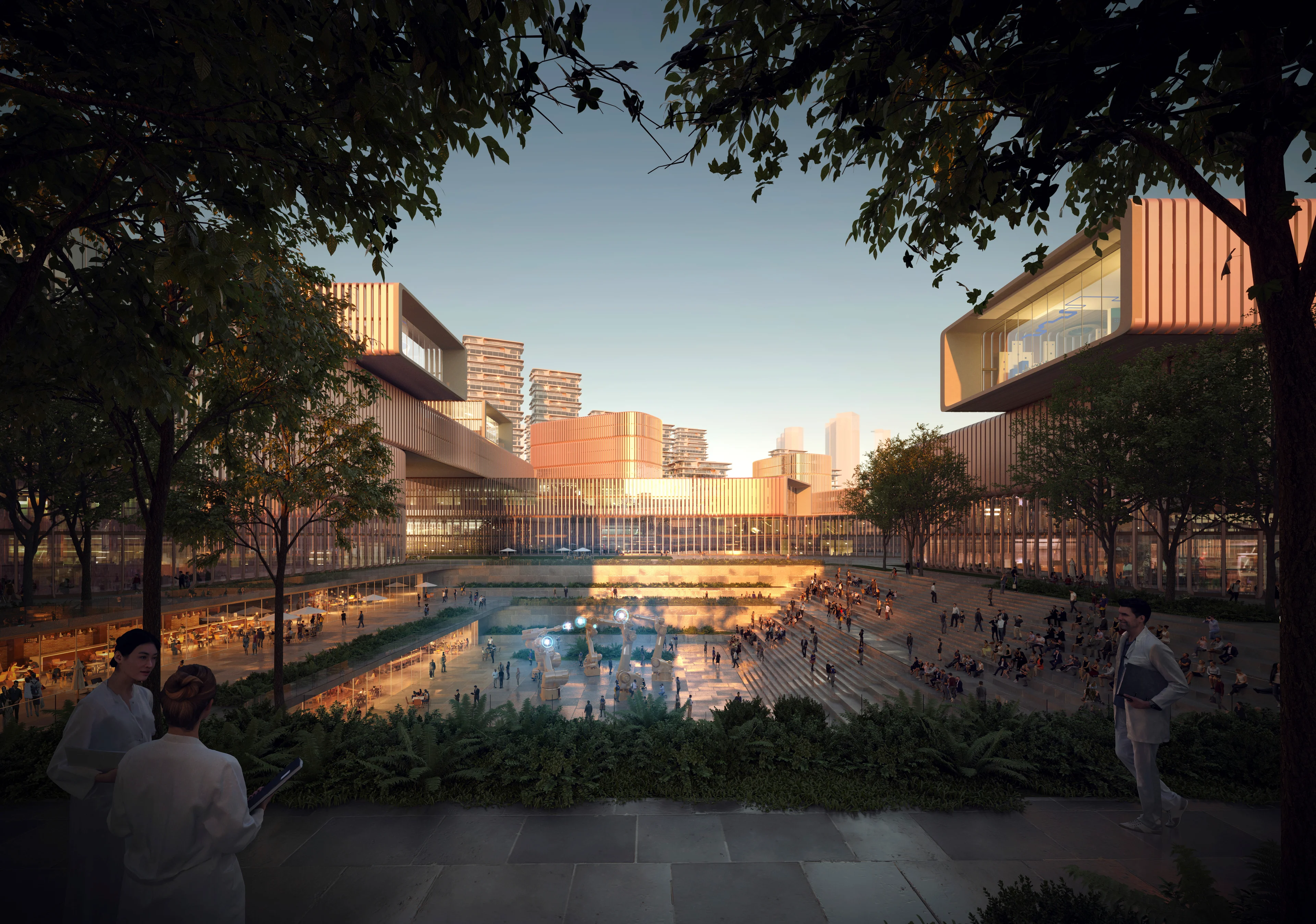
The future Huanggang Port Area masterplan in Shenzhen, China will be an important node of the Guangzhou-Shenzhen Science and Technology Corridor, creating a hub of scientific research and collaboration in industries such as microelectronics, material development, artificial intelligence, robotics, and medical sciences.
Bilbao north facing south night time
Masterplans
Zorrozaurre Masterplan
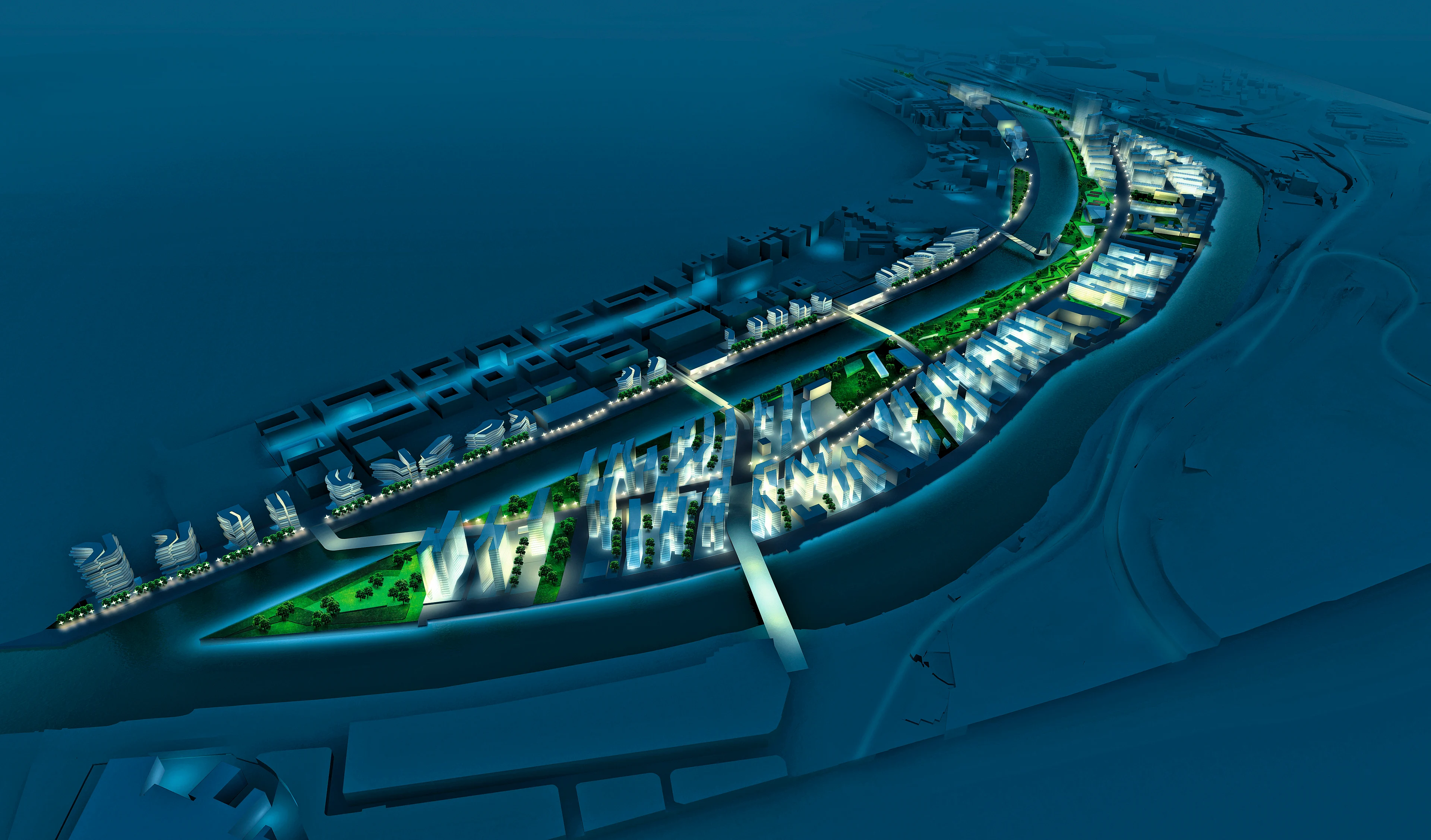
Refurbishment and construction of housing, new industries, tertiary uses, urban and recreational spaces and new connections linking the peninsula, city and surrounding areas.
Courtesy of ZHA
Conceptual mass form
Masterplans
One-North Masterplan
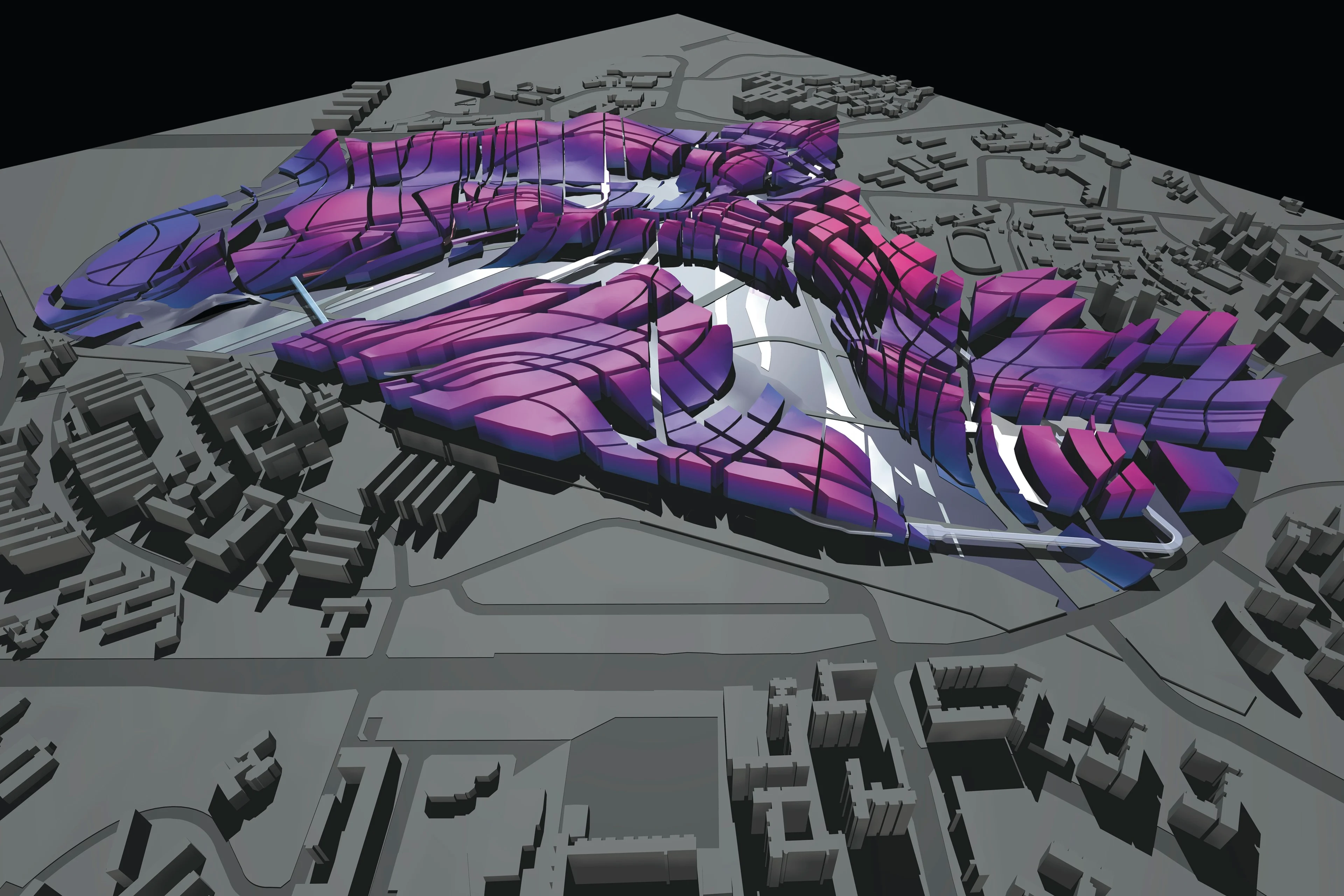
Realising the avant-garde architect’s dream – of an urban architecture which truly embraces the spatial repertoire and morphology of natural landscape formations – One North takes shape, creates its own skyline, in Singapore – applying for the very first time, the concept of artificial landscape formation to an entire urban quarter.
Courtesy of ZHA, render by Negativ
Masterplans
Port of Tallinn Masterplan 2030 for the Old City Harbour
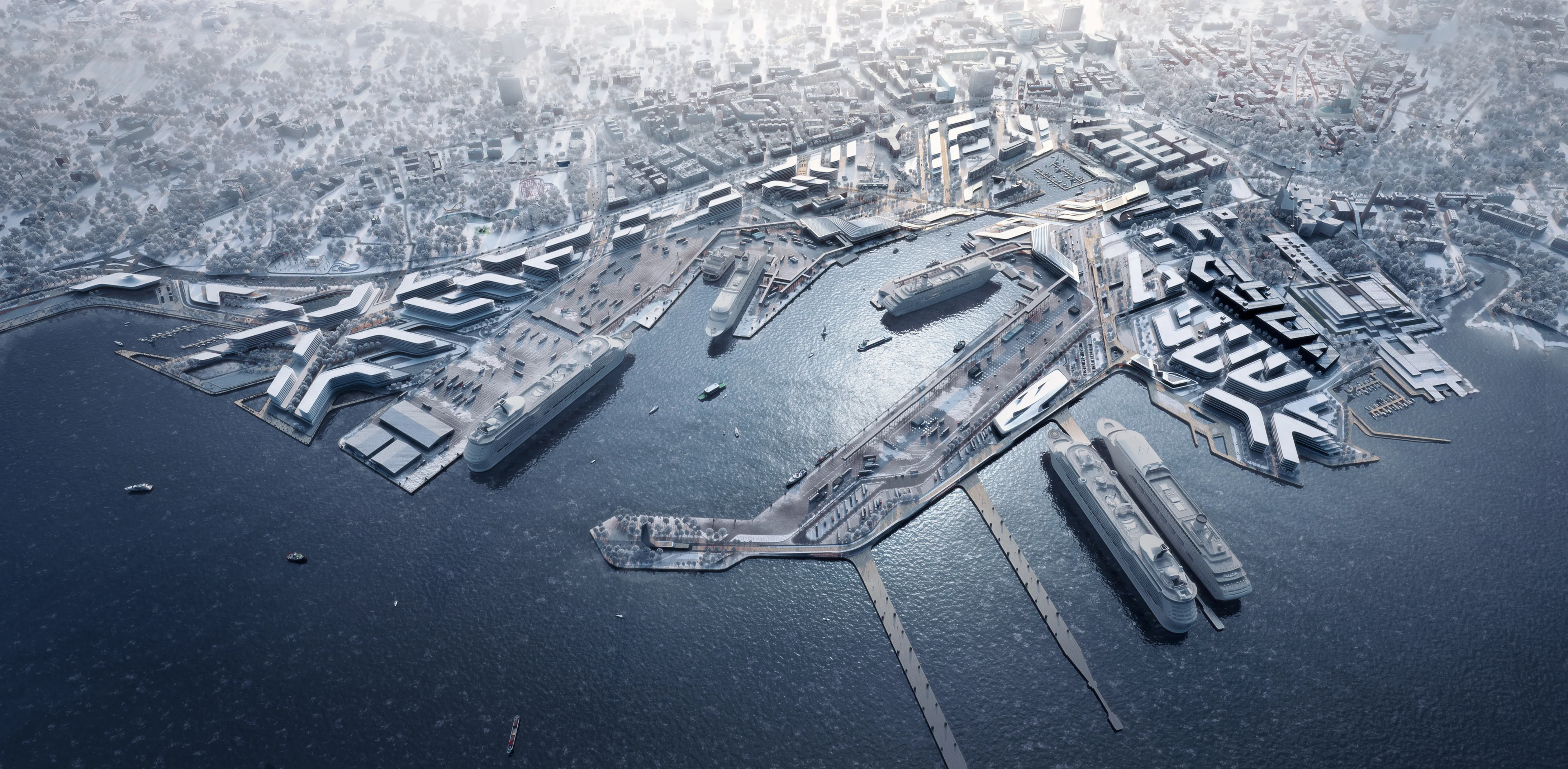
The masterplan re-establishes and reinforces the links with the Port of Tallinn and the Old Town, as well as the links between the city and the sea; providing connectivity from the ferry and cruise terminals to the city centre, and at the same time creating an integrated new neighbourhood for the people of Tallinn.

Masterplans
Unicorn Island Masterplan
A mixed-use masterplan for 70,000 researchers, office staff, residents and visitors, Unicorn Island has been designed to enhance the well-being of its community; its design influenced by principles within the region’s historical natural engineering projects.
01
02
03
04
05
06
07