
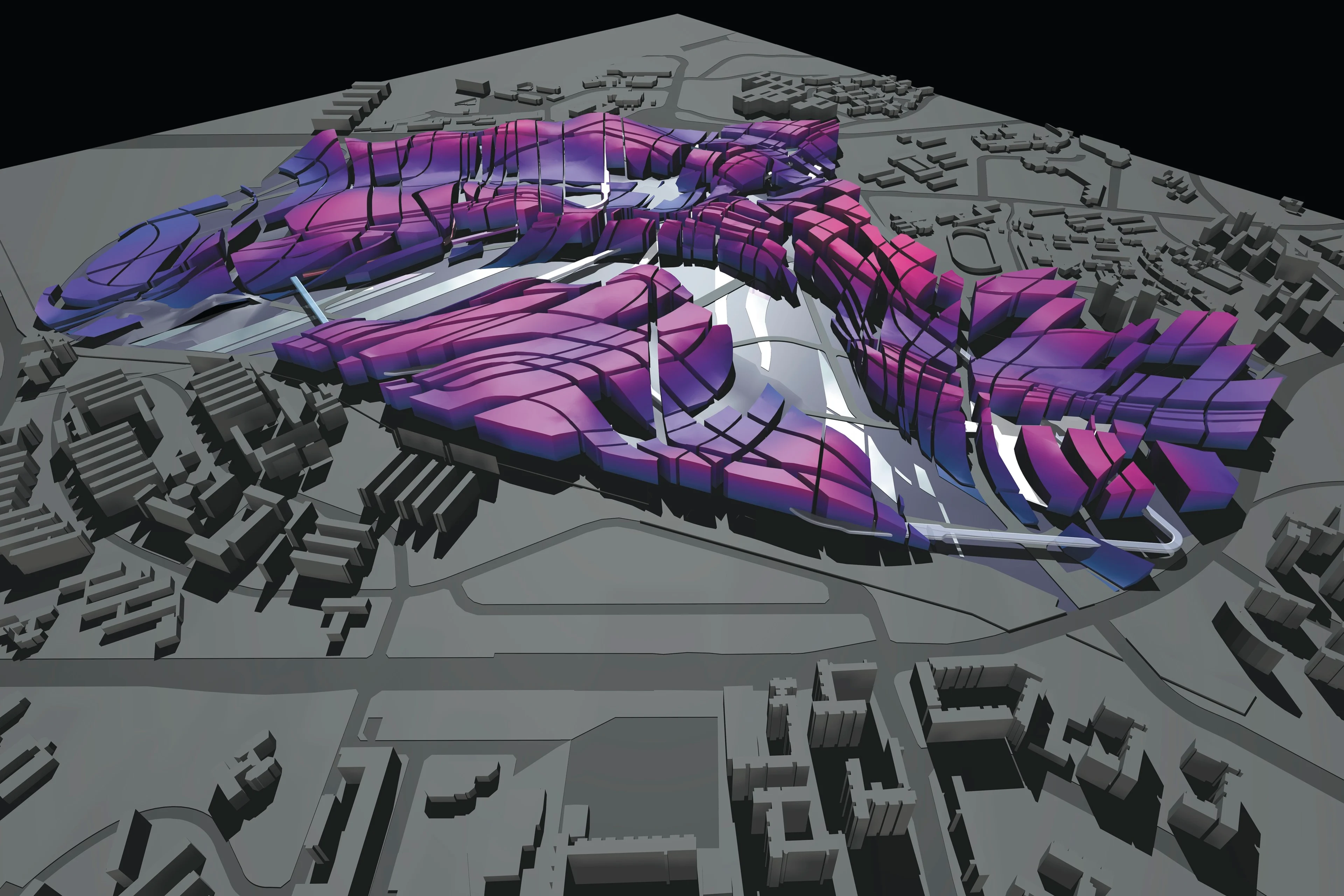
Courtesy of ZHA
Conceptual mass form
Singapore
2001 - 2019
Science Hub Development Group (SHDG), Jurong Town Corporation (JTC)
One-North Masterplan
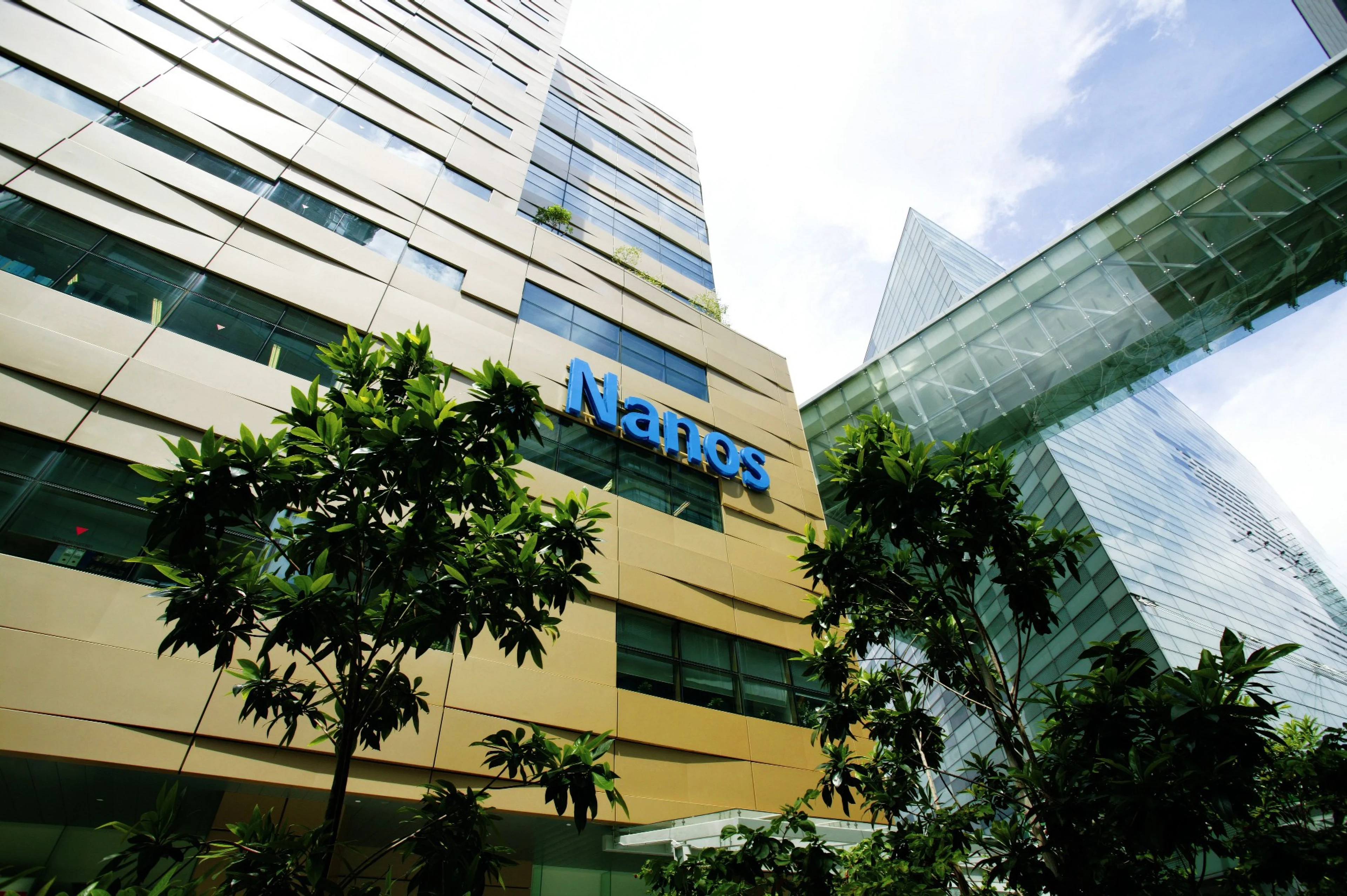
Courtesy of Biopolis, photograph by Ken Seet
Phase One
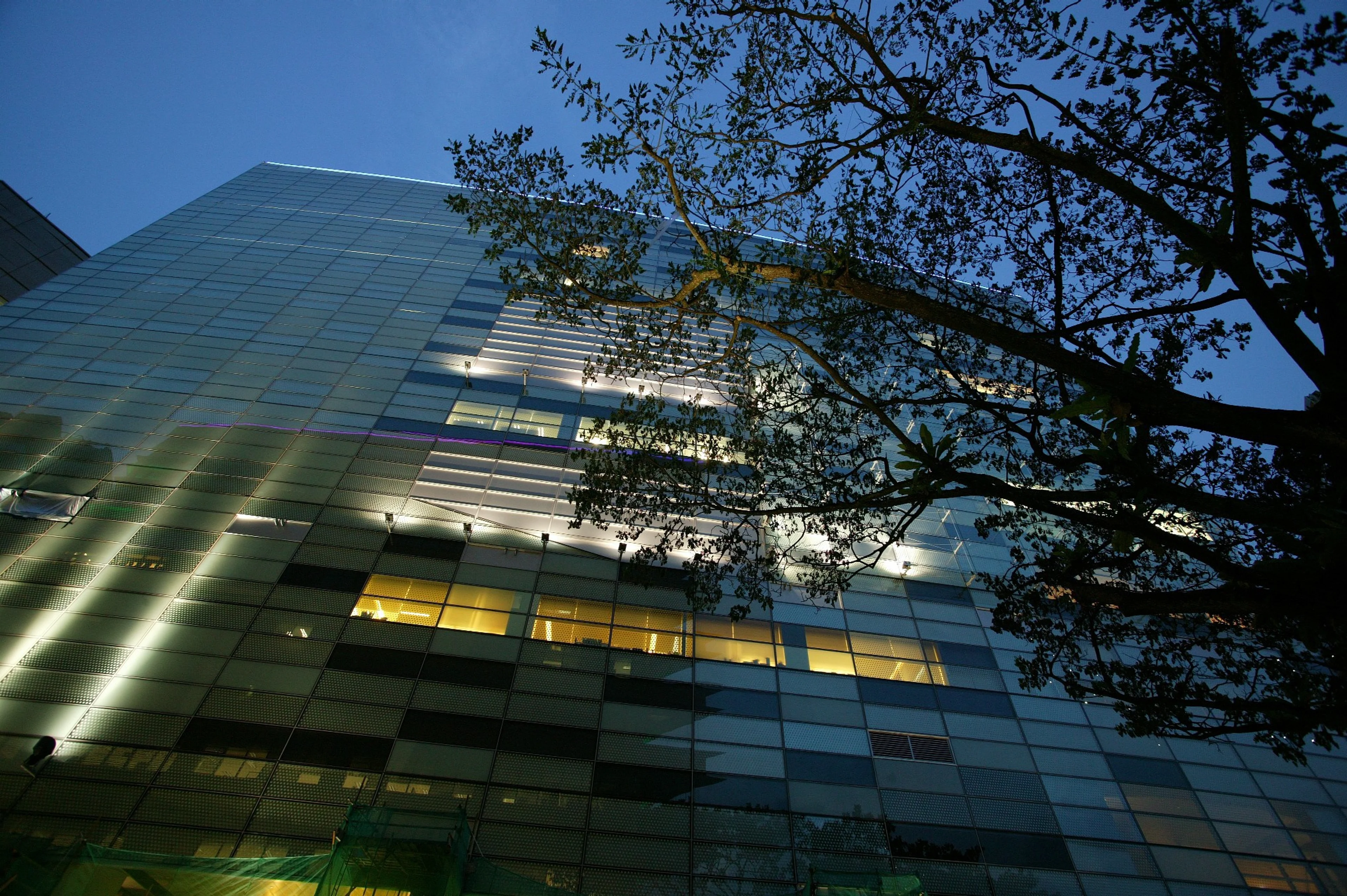
Courtesy of Biopolis, photograph by Ken Seet
Phase One
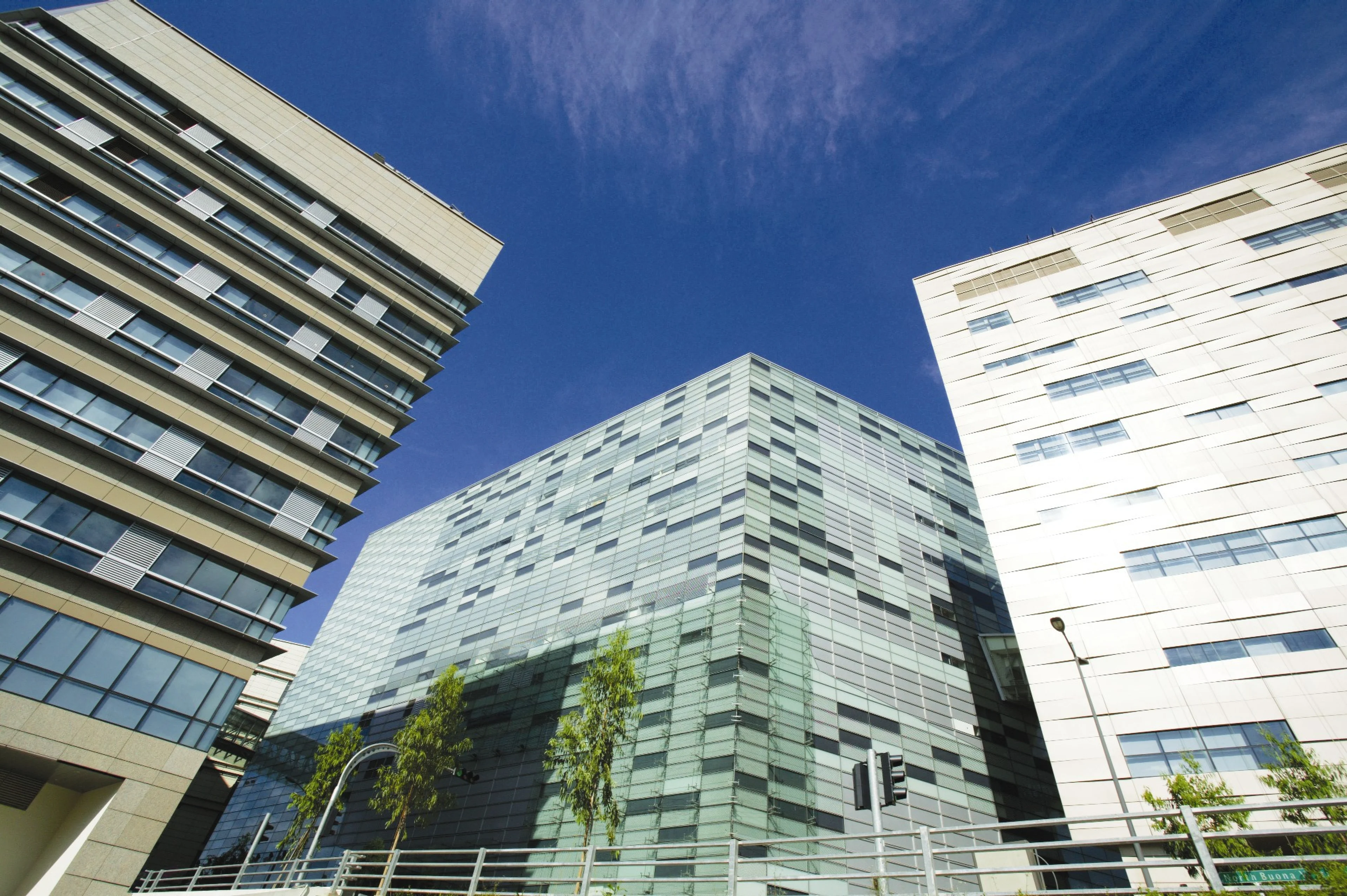
Courtesy of Biopolis, photograph by Ken Seet
Phase One
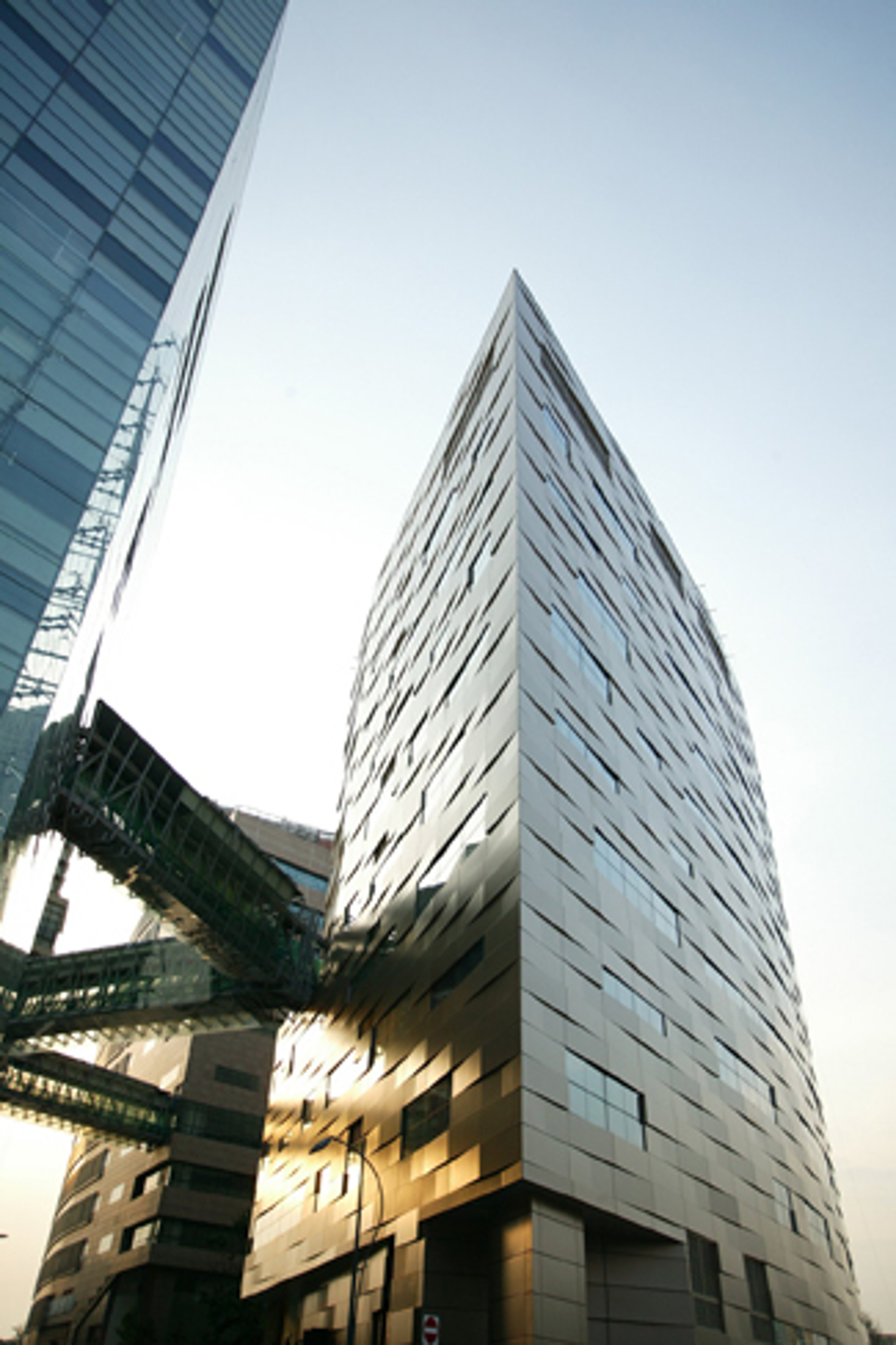
Courtesy of Biopolis, photograph by Ken Seet
Phase One
01
02
03
04
An original urban skyline and identifiable panorama
The possibility of an urban architecture that exploits the spatial repertoire and morphology of natural landscape formations has been a consistent theme within the creative trajectory of ZHA for nearly 20 years. Indeed the very first moment of international recognition was already informed by a productive analogy with landscape conditions, here with geological form: The wining competition entry for the Hong Kong Peak in 1982.
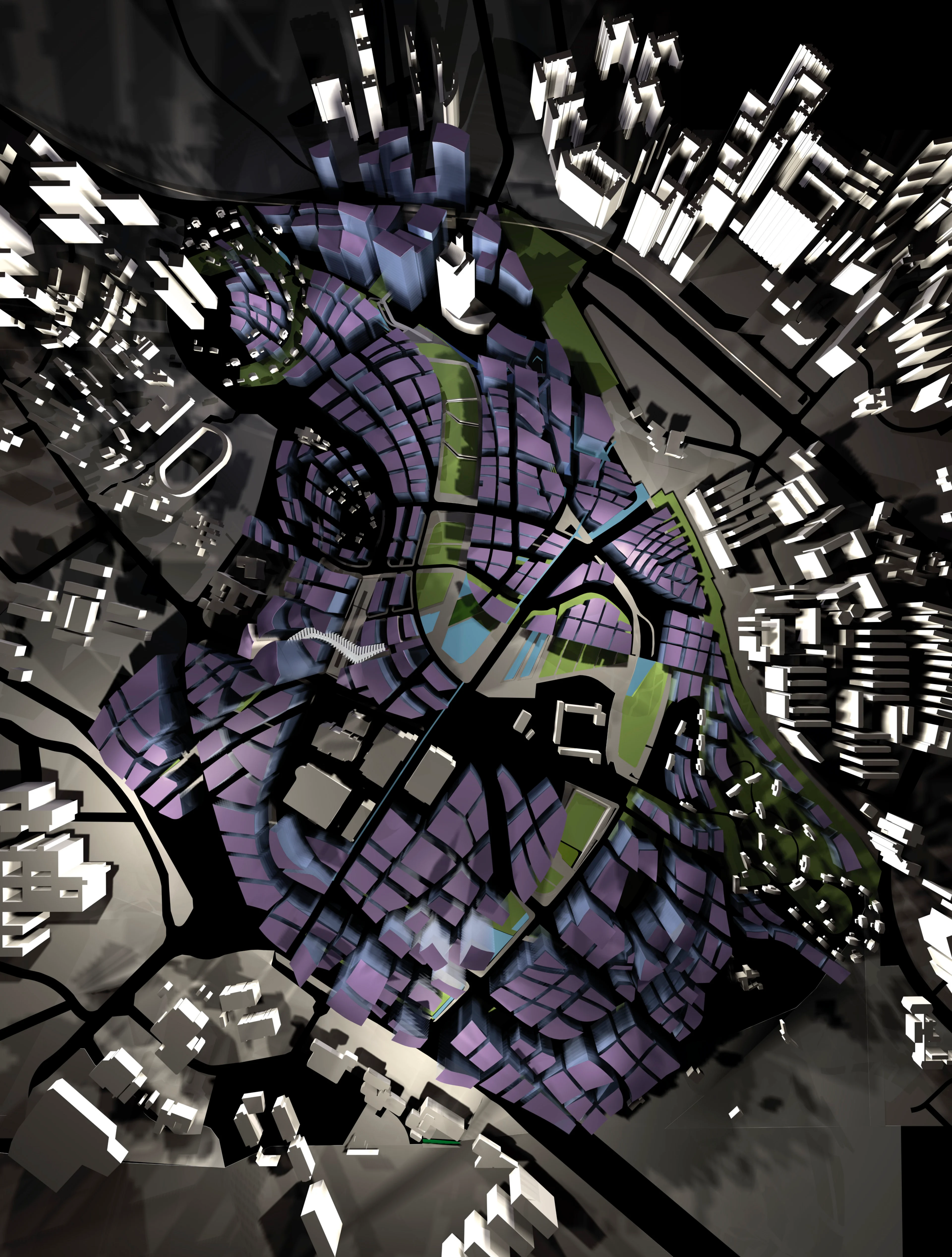
The proposal for the Vista master plan - for the first time - applies the concept of artificial landscape formation to the articulation of the whole urban quarter.
Strong sense of identity - The scheme offers an original urban skyline and identifiable panorama visible from without as well as from the park in the heart of the new urban quarter. The rich diversity of squares and alleys engenders a unique sense of place within the various microenvironments.
Absorbing and harmonizing all the divergent contextual orientations
Unity in difference - The concept of the gently undulating, dune-like urban mega-form gives a sense of spatial coherence that has become rare in the modern metropolis. The regulation of the building heights is normal planning procedure and easily instituted. The powerful aesthetic potential that lies dormant in this ordinary planning tool has never been exploited before. An unusual degree of aesthetic cohesion and unity is achieved by allowing the roof surfaces to join in the creation of softly modulated surface. At the same time a huge variety of built volumes - tall, low, wide, small - is brought under the spell of a unifying force.
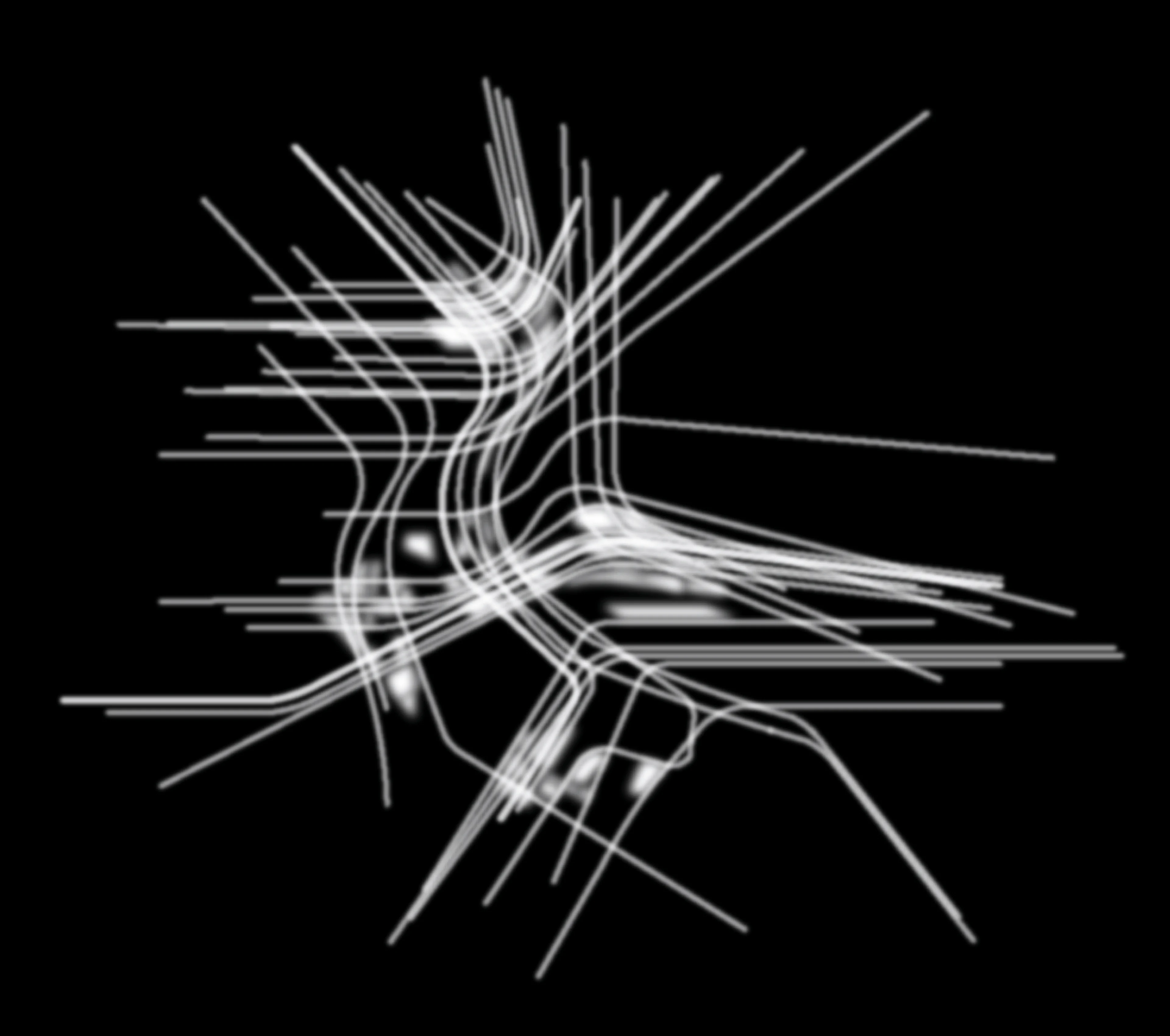
Integrating heterogeneity - The softly swaying pattern of lines that defines the streets, paths as well as the built fabric allows the mediation and integration of the various heterogeneous urban grids of the adjacent areas. The curvilinear pattern is able to absorb and harmonize all the divergent contextual orientations.
Courtesy of ZHA
Balanced interweaving of contrasts between local heritage and new economy
Flexibility without chaos - The proposed morphological system allows for infinite variation within the bounds of a strong formal coherence and lawfulness. This is a great advantage of working with a “natural” geometry rather than with a strict Platonic geometry. The form is “free” and therefore malleable at any stage of its development while traditional interpretations of Platonic figures (squares, circles, strict axes etc.) are too exacting and therefore vulnerable to corruption and degradation by later adaptations. The proposed natural morphology is no less lawful and cohesive than the Platonic system; but it is much more pliant and resilient, always able to absorb adaptations into its system of natural beauty.
The idea of an artificial landscape formation occurs not only on the level of the overall urban form. Not only the mega-form but also some of the micro-environments could benefit from the landscape analogy. In particular in hub areas where one of the possibilities of developing could be to introduce a raised plaza level about 5 meter above the street level. Since these areas would need to be well serviced by street access, parking and deliveries, while at the same time aspiring to a lively pedestrian scene, it seems opportune to double the ground surface in these areas. This would allow to bring the elevated APMS system onto the same level with the plane of pedestrian communication. These raised plazas would not be vast, flat and vacant fields but would be articulated through terraces and gentle slopes. These raised grounds will be connected to the ground proper through the interiors of the buildings as well as by means of broad staircases and shallow ramps on the exterior.
Within ZHA’s oeuvre there is a long series of urban schemes, which explore various artificial landscapes as a means to sculpt public space and to impregnate it with public programme. These schemes manipulate and multiply the ground surface by means of sloping, warping, peeling or terracing the ground.
Three important advantages may be achieved by such manipulation: The visual orientation within the public realm is enhanced by means of tilting the plane into view and allowing for vistas overlooking the scene from above. By means of a gentle differentiation of slopes, ridges, terraces etc. the ground plane can be used to choreograph and channel movements across the plane in an unobtrusive and suggestive manner. The landscaped surface is rich with latent places. Articulations like shallow valleys or hills might give a foothold to gatherings and become receptacles for outdoor events without otherwise predetermining or obstructing the field.
Vista Xchange contains one of the three epicentres initiating the urban technopole at One-North, defined by the broad range of producer services associated with the new economy industries. Thus, Vista Xchange’s identity will not stem from a single-industry synergy; the plan for Vista Xchange highlights the balanced interweaving of contrasts between local heritage and new economy to articulate an alternative, strong identity.
An intense concentration of one-north’s corporate and business-services activity
Mobility
The initial plan for One-North establishes the street and park as active resources for the pursuit of economic vitality, and side streets and crossing streets promote a complex urban ecology with layered patterns of movement and a diversity of social and economic life. The mobility plan for Vista Xchange draws the grid of One-North into the area, and establishes a three-dimensional system. The plan balances a range of different kinds of movement in the service of overall spatial quality, and offers instruments to tie the heritage, hilltops, and park into the transport system and to Buona Vista Centre, effectively multiplying the range of activities and destinations. As the long-term urban and economic goals of One-North depend upon social vibrancy, the mobility plan focuses upon the publicly accessible ground. Pedestrian movement is given a subtle, but definitive priority over car traffic, and public transport is emphasized.
Urban Lobby
When Buona Vista Centre comes to be built in the 3rd phase of Vista Xchange’s development, it will be the heart of this urban district. The analogy with the heart is an appropriate one, for it is compact and powerful, and yet also open and fluid. It is constructed to effectively manage multi-directional movement, and also to demonstratively accommodate an intense concentration of One-North’s corporate and business-services activity.
Masterplans
Explore our other masterplans
Render by X UniverseCG, courtesy of MoHUP
Masterplans
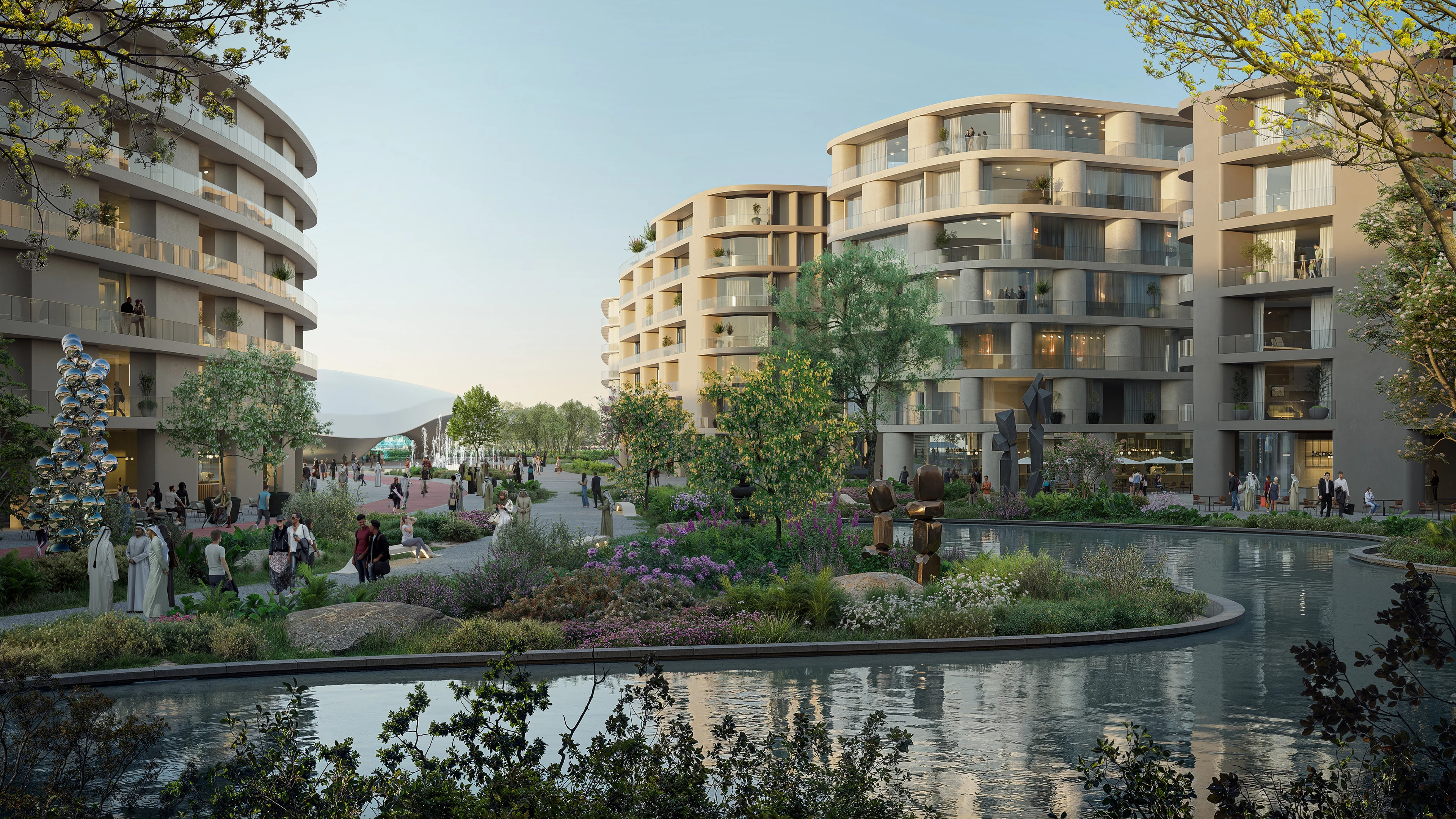
Al Khuwair Masterplan
Designed by ZHA, the $1.3bn Al Khuwair Muscat Downtown and Waterfront Development will span 3.3 million m² and is set to revitalise the area.
Render by TegMark
Architecture
Masterplans
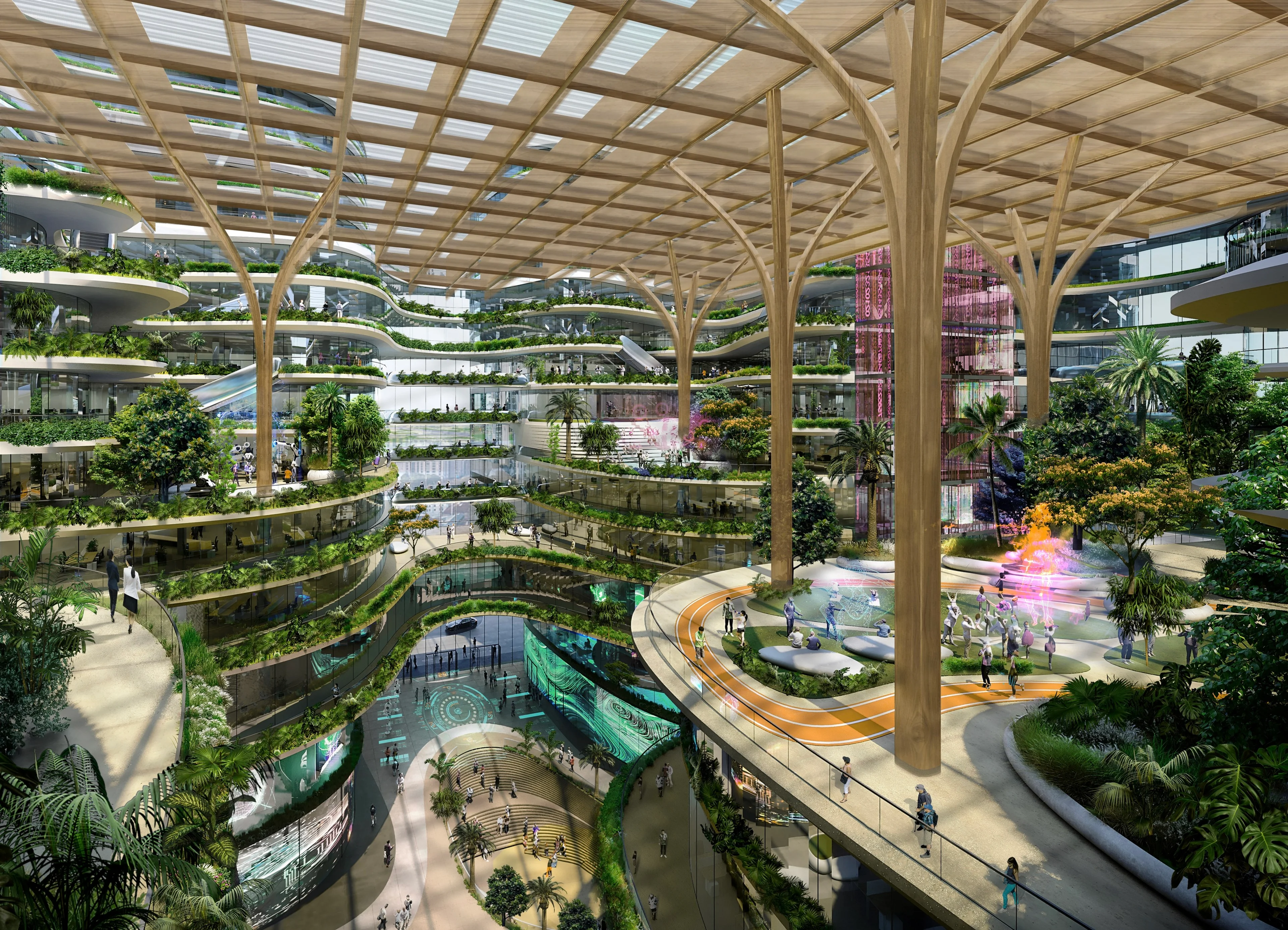
Khalid Bin Sultan City Masterplan
Designed by ZHA, the masterplan for Khalid Bin Sultan City is adjacent to BEEAH’s acclaimed headquarters in Sharjah.
Render by ZHA
Masterplans
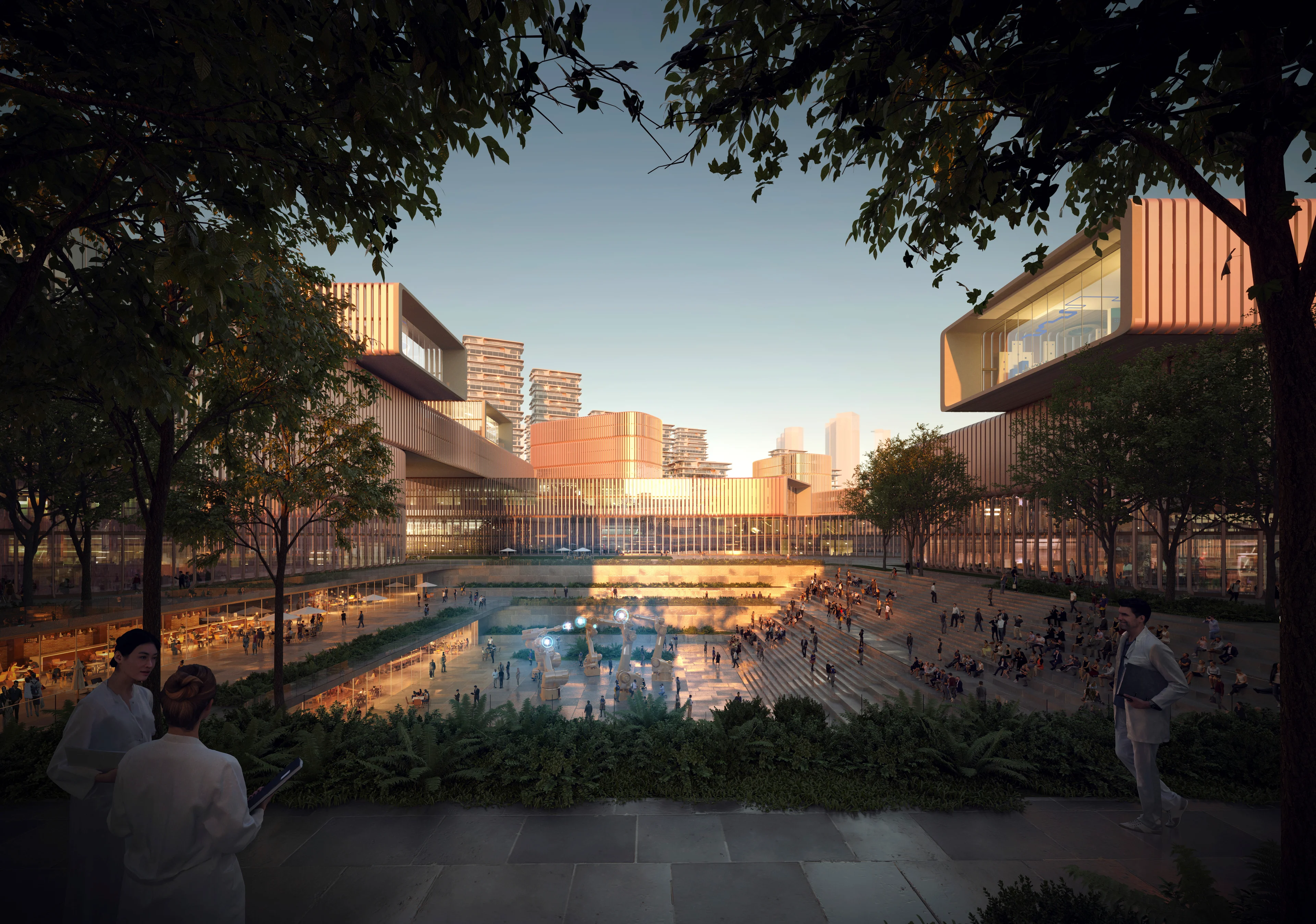
Ibrahim Technopolis Discovery City
The 582-acre Discovery City masterplan will be ZHA’s first project in Malaysia.
Render by Atchain
Masterplans
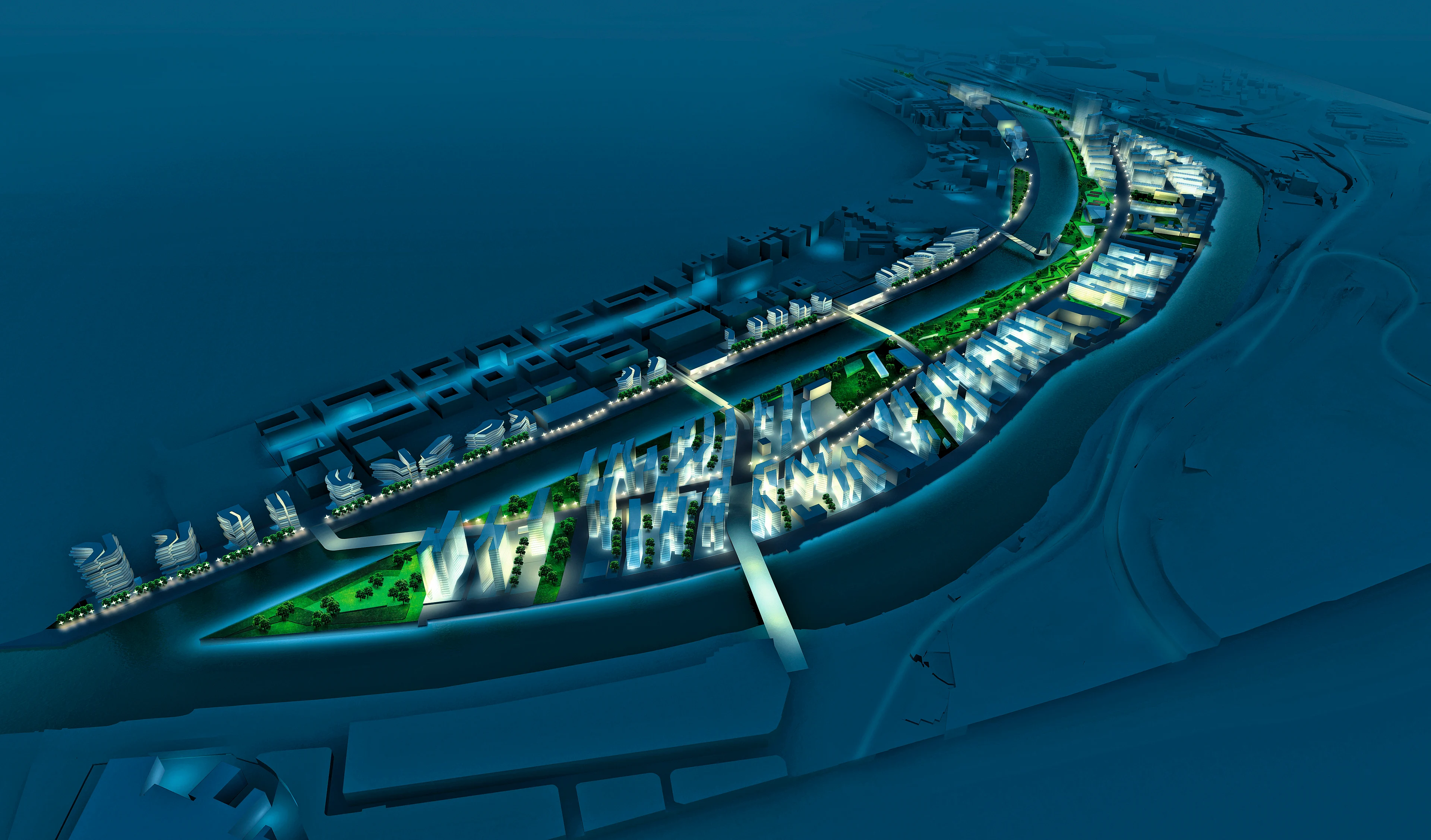
Huanggang Port Area Masterplan
The future Huanggang Port Area masterplan in Shenzhen, China will be an important node of the Guangzhou-Shenzhen Science and Technology Corridor, creating a hub of scientific research and collaboration in industries such as microelectronics, material development, artificial intelligence, robotics, and medical sciences.
Bilbao north facing south night time
Masterplans
Zorrozaurre Masterplan
Refurbishment and construction of housing, new industries, tertiary uses, urban and recreational spaces and new connections linking the peninsula, city and surrounding areas.
Courtesy of ZHA, render by Negativ
Masterplans
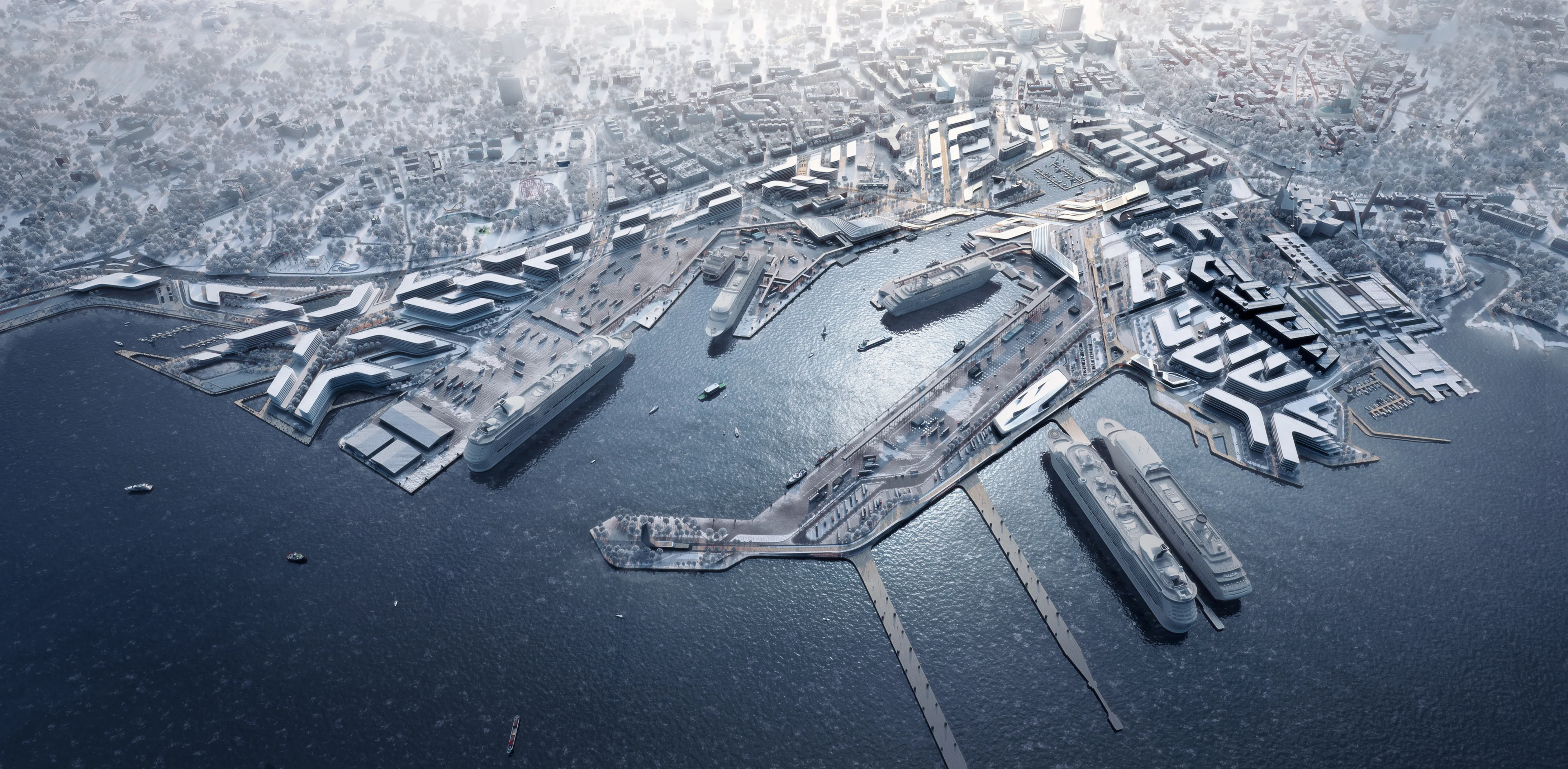
Port of Tallinn Masterplan 2030 for the Old City Harbour
The masterplan re-establishes and reinforces the links with the Port of Tallinn and the Old Town, as well as the links between the city and the sea; providing connectivity from the ferry and cruise terminals to the city centre, and at the same time creating an integrated new neighbourhood for the people of Tallinn.

Masterplans
Unicorn Island Masterplan
A mixed-use masterplan for 70,000 researchers, office staff, residents and visitors, Unicorn Island has been designed to enhance the well-being of its community; its design influenced by principles within the region’s historical natural engineering projects.
01
02
03
04
05
06
07