
Shanghai, China
2020 - TBC
China Energy Conservation and Environmental Protection Group (CECEP)
CECEP Shanghai Campus
Photograph by Xue Liang 薛亮
November 2023
Photograph by Xue Liang 薛亮
November 2023
Photograph by Xue Liang 薛亮
November 2023
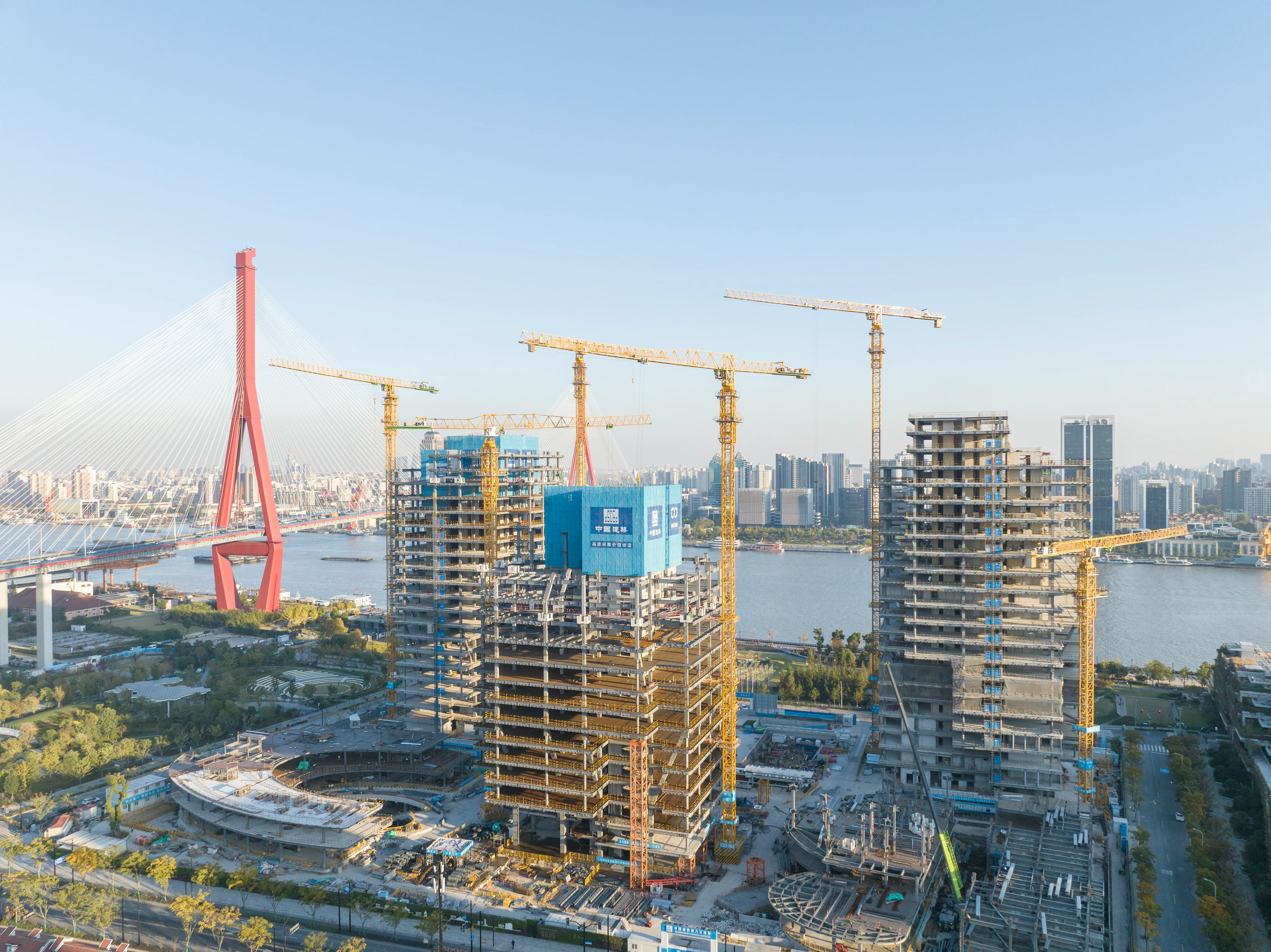
Photograph by Xue Liang 薛亮
November 2023
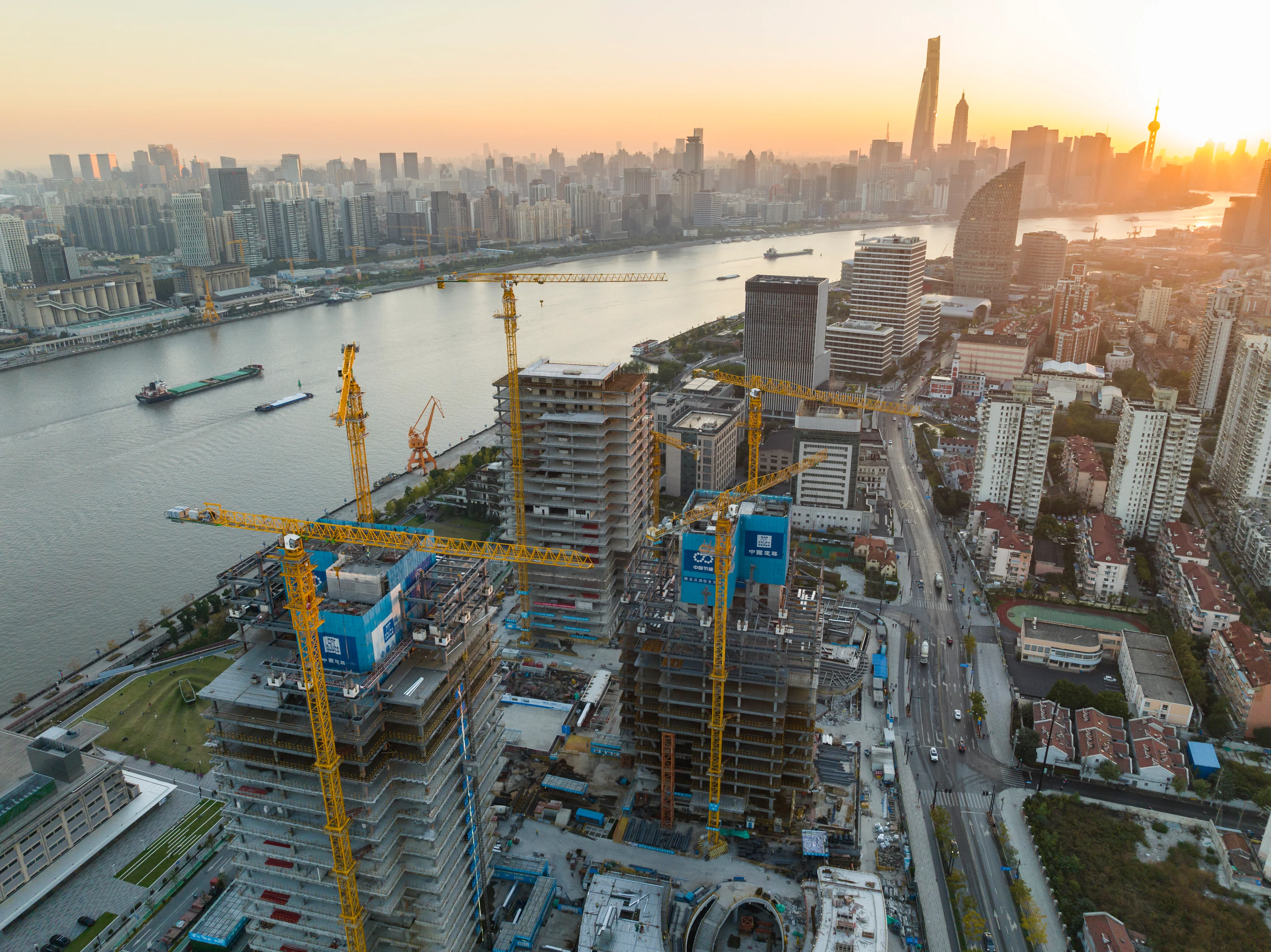
Photograph by Xue Liang 薛亮
November 2023
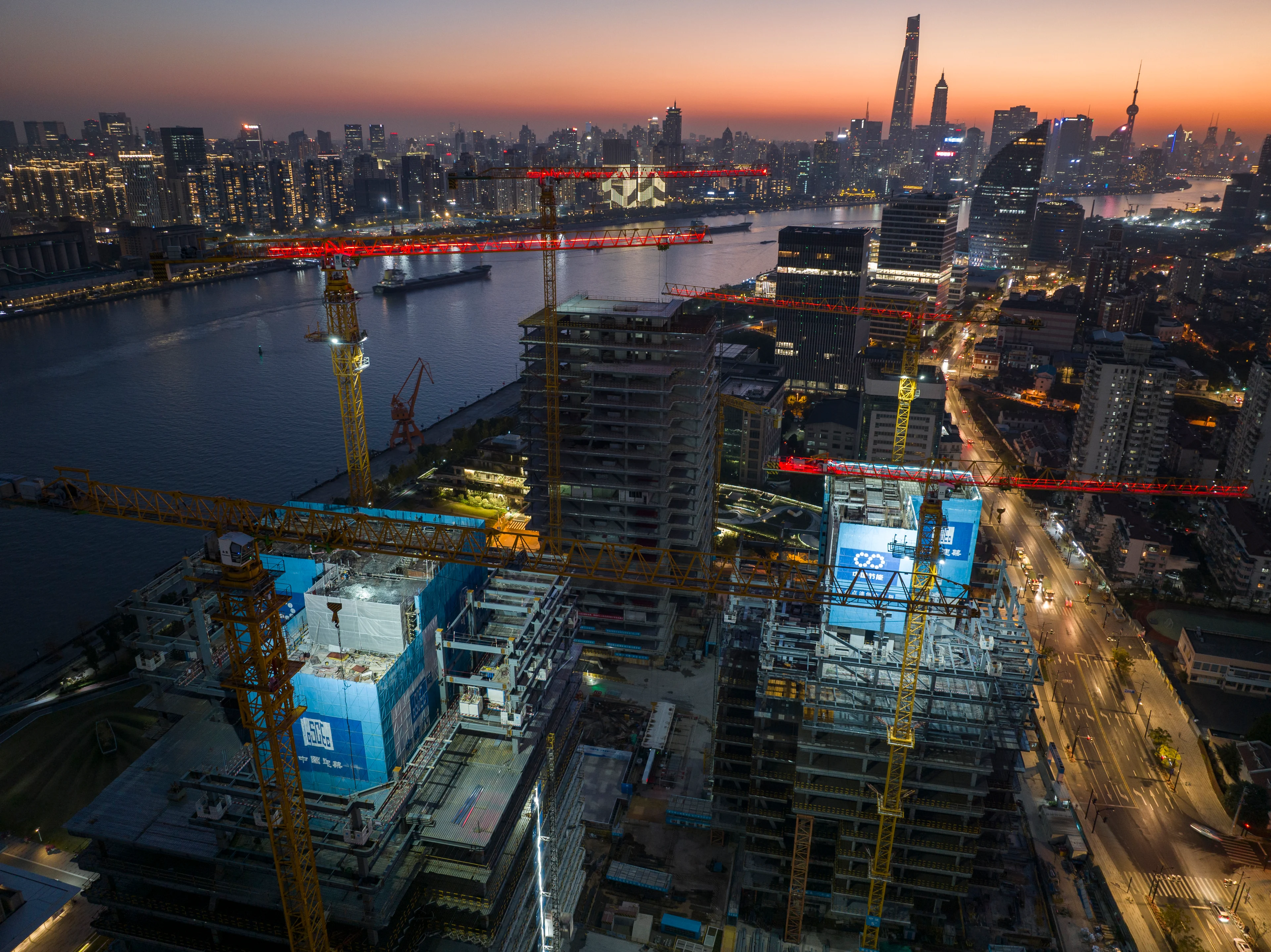
Photograph by Xue Liang 薛亮
November 2023
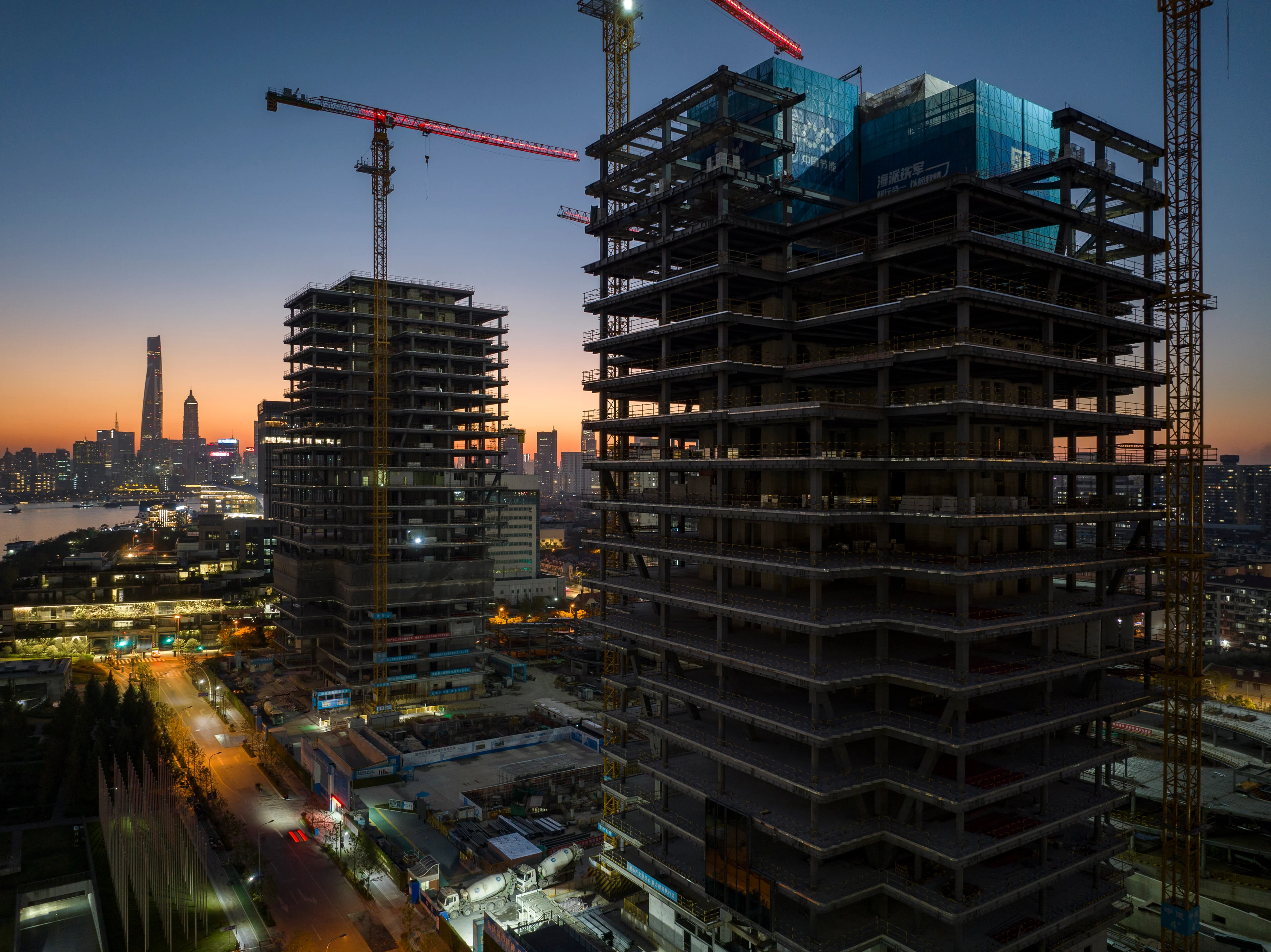
Photograph by Xue Liang 薛亮
November 2023
Photograph by Xue Liang 薛亮
September 2023
01
02
03
04
05
06
07
08
China’s leading energy conservation and environmental protection enterprise
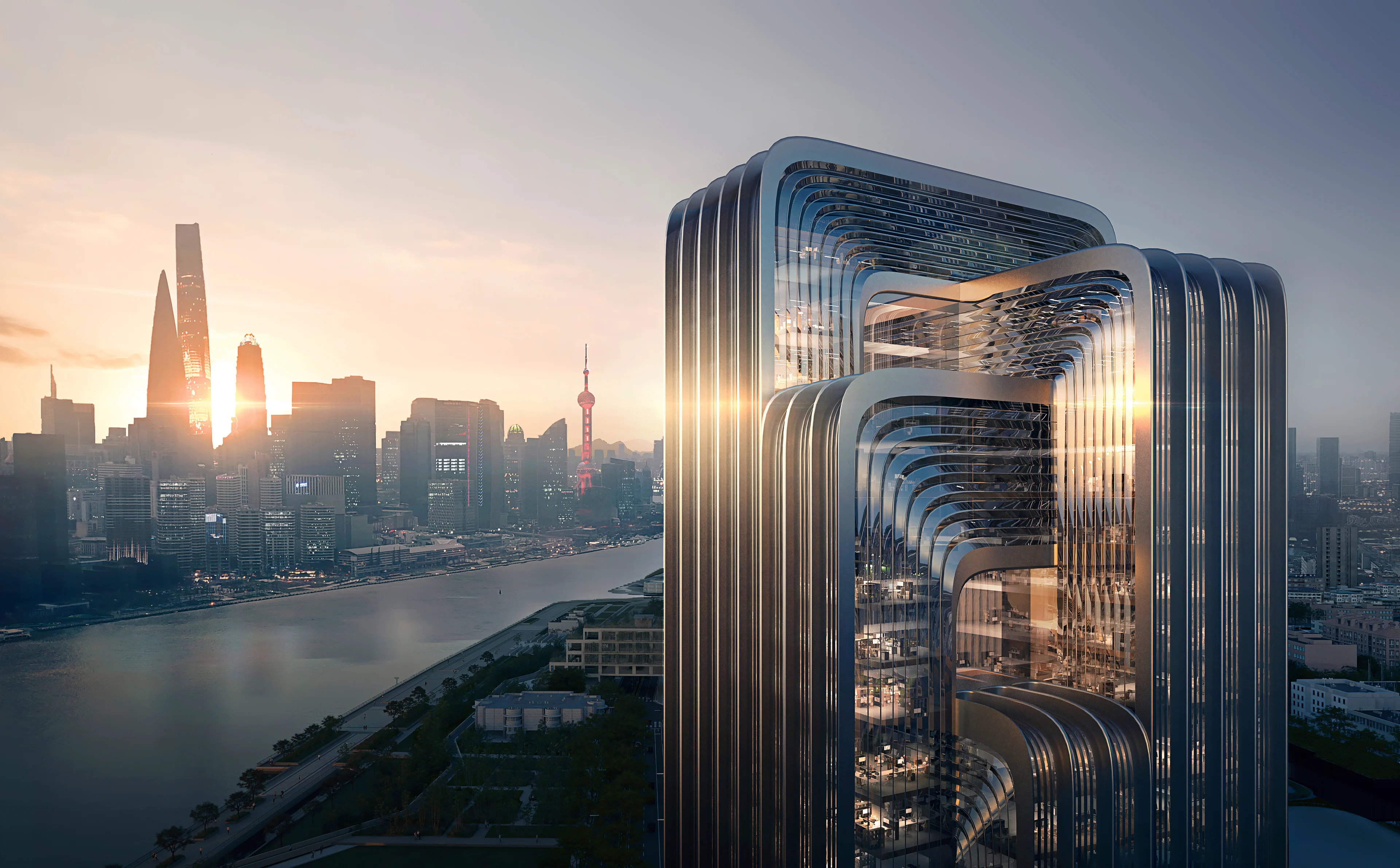
Following the international design competition, ZHA has been selected to build the new Shanghai campus of the China Energy Conservation and Environmental Protection Group (CECEP).
CECEP is China’s leading energy conservation and environmental protection enterprise; developing projects with a focus on renewable energy technologies that include: solar, hydroelectric and wind power generation; as well as environmental conservation initiatives such as water collection, treatment and recycling including the 2019 appointment to provide new ecological restoration and environmental protection projects for the Yangtze River.
Continuing their commitment to renewable energy and environmental conservation, the new CECEP campus in Shanghai has been designed to be the ‘greenest’ building in the city with sustainability embedded into every aspect of its design and construction to achieve more than 90 credits in China’s exacting Three Star Green Building Rating system - the highest score for any building in Shanghai.
Setting new benchmarks for the city in energy conservation, energy efficiency and sustainability
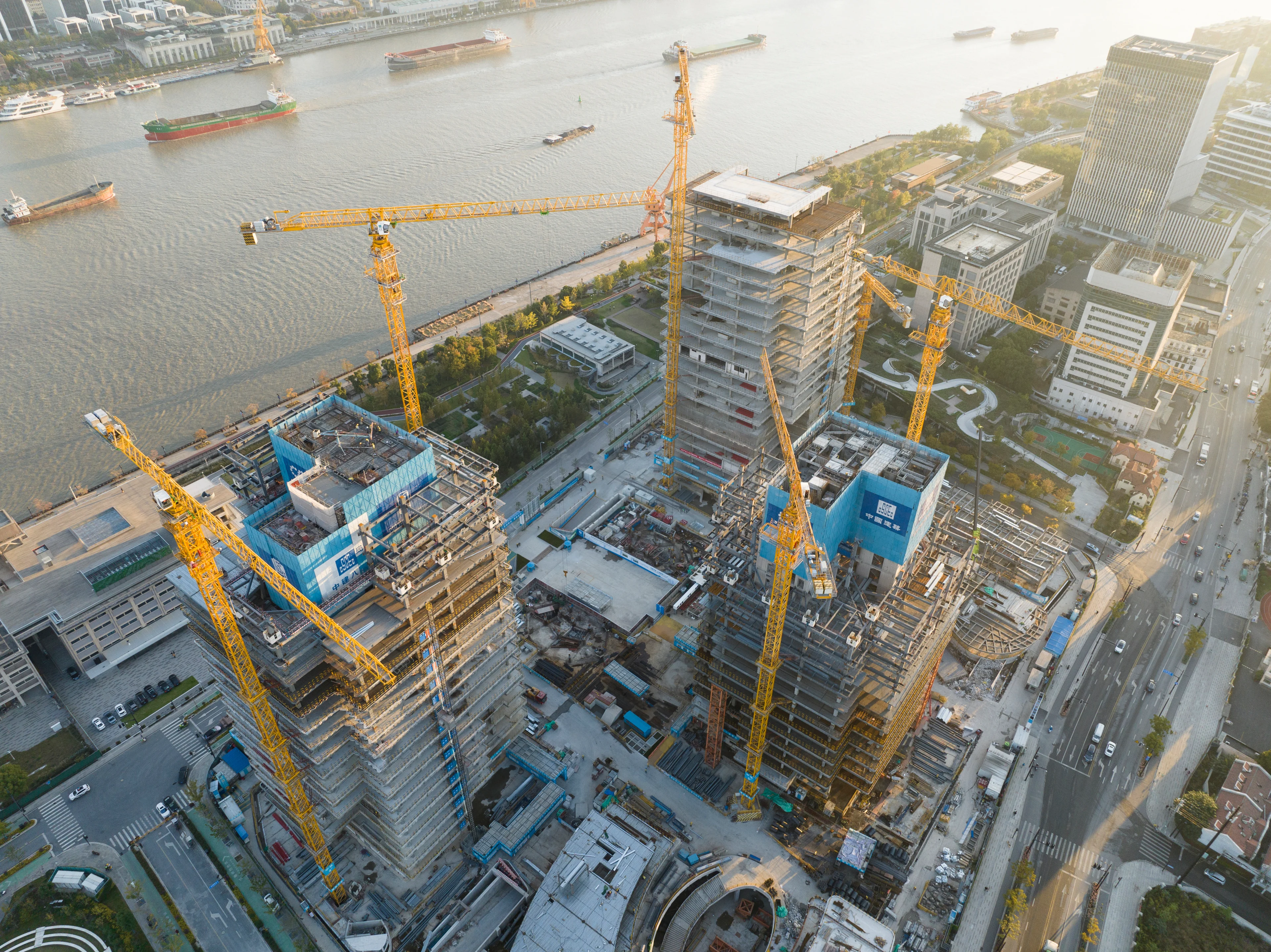
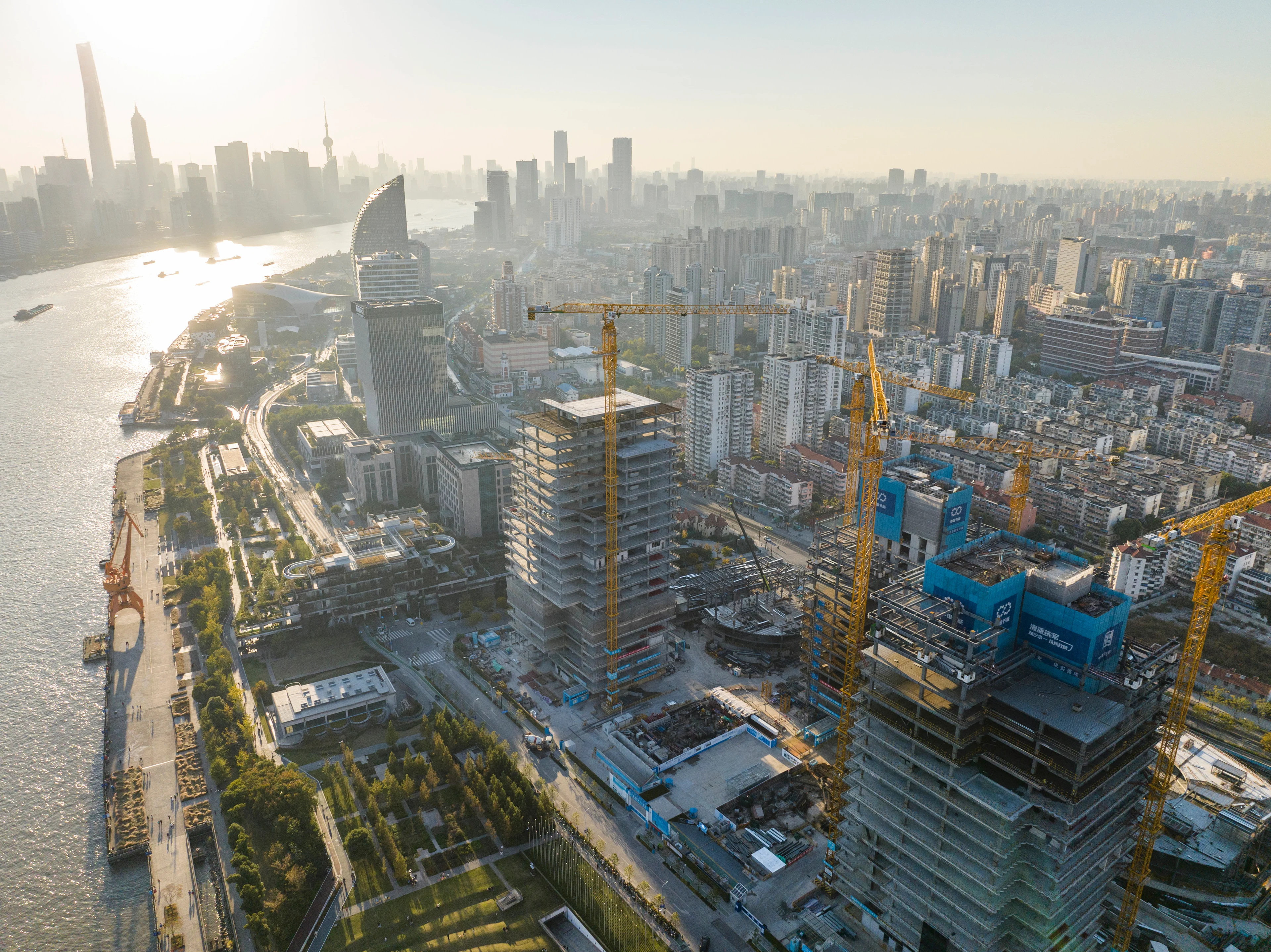
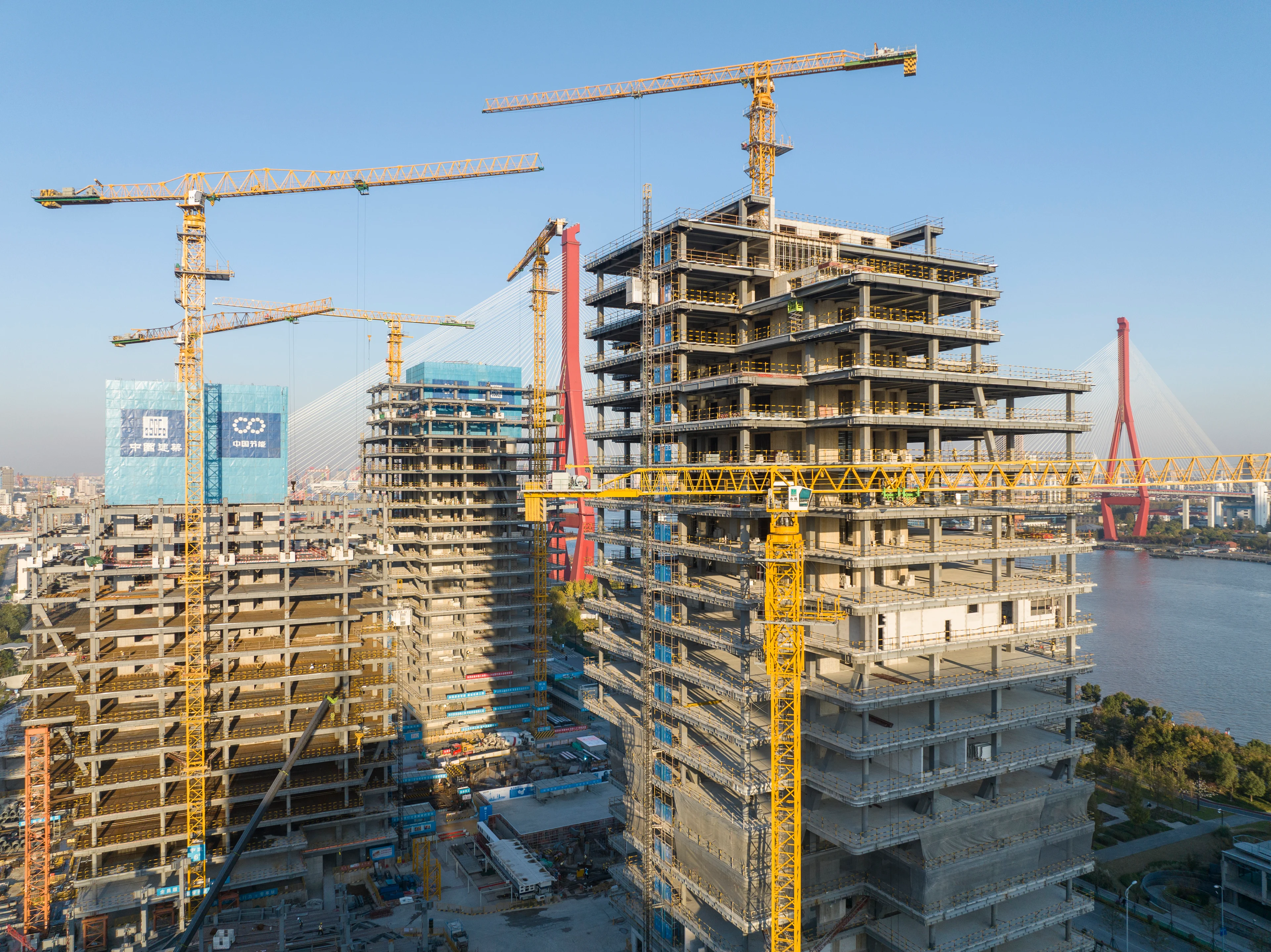
The 218,000m2 campus sets new benchmarks for the city in energy conservation, energy efficiency and sustainability. Located adjacent to the Yangpu Bridge on the Huangpu River, the design responds to its riverfront site and is defined by the history and dynamism of Shanghai. A mixed-use urban campus of three office towers, shopping, dining and leisure facilities linked together by a park that connects directly with the city and river, the new project echoes CECEP’s commitment to environmental education by creating vital new public spaces for its staff and neighbouring communities to enjoy the natural world.
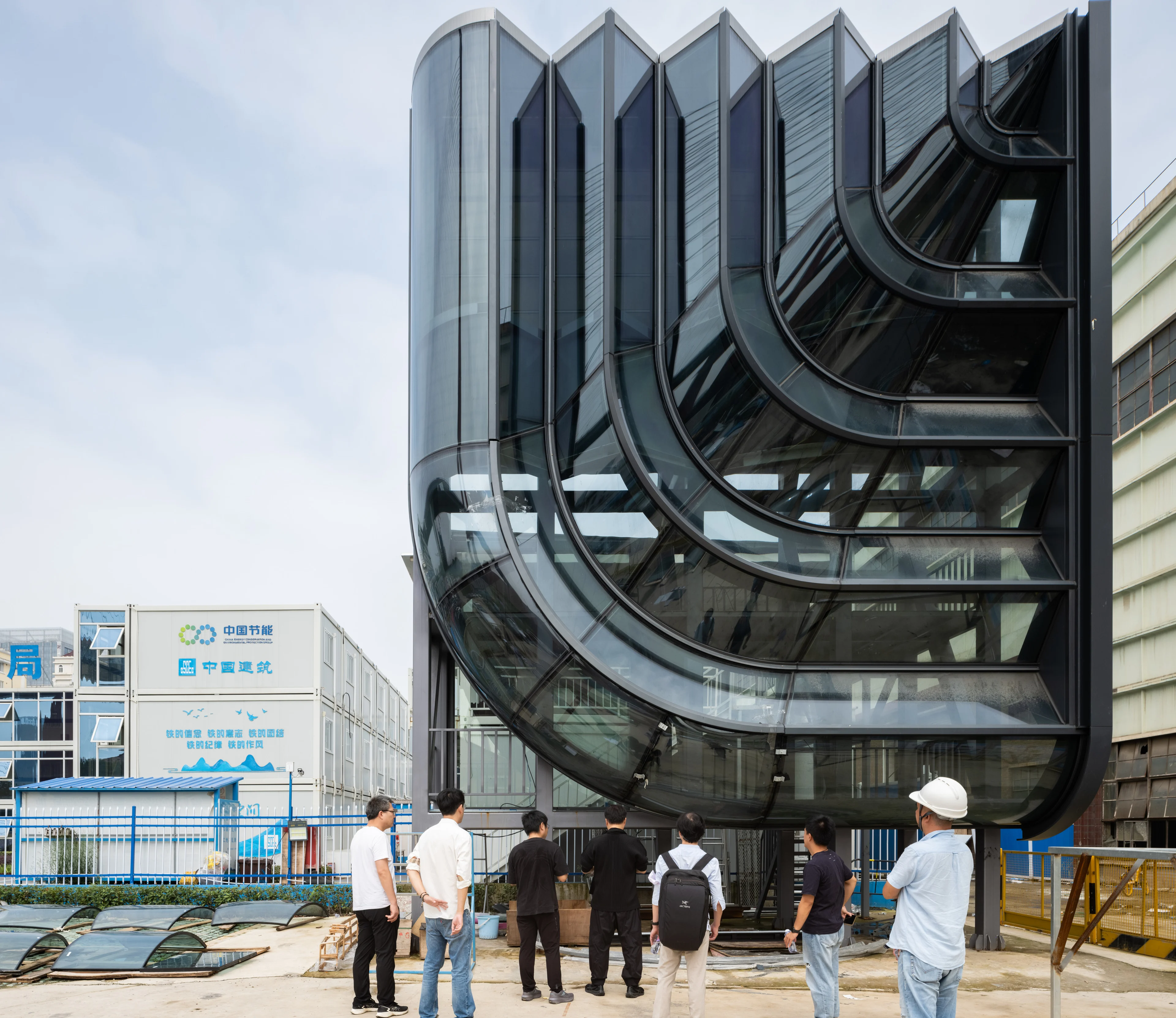
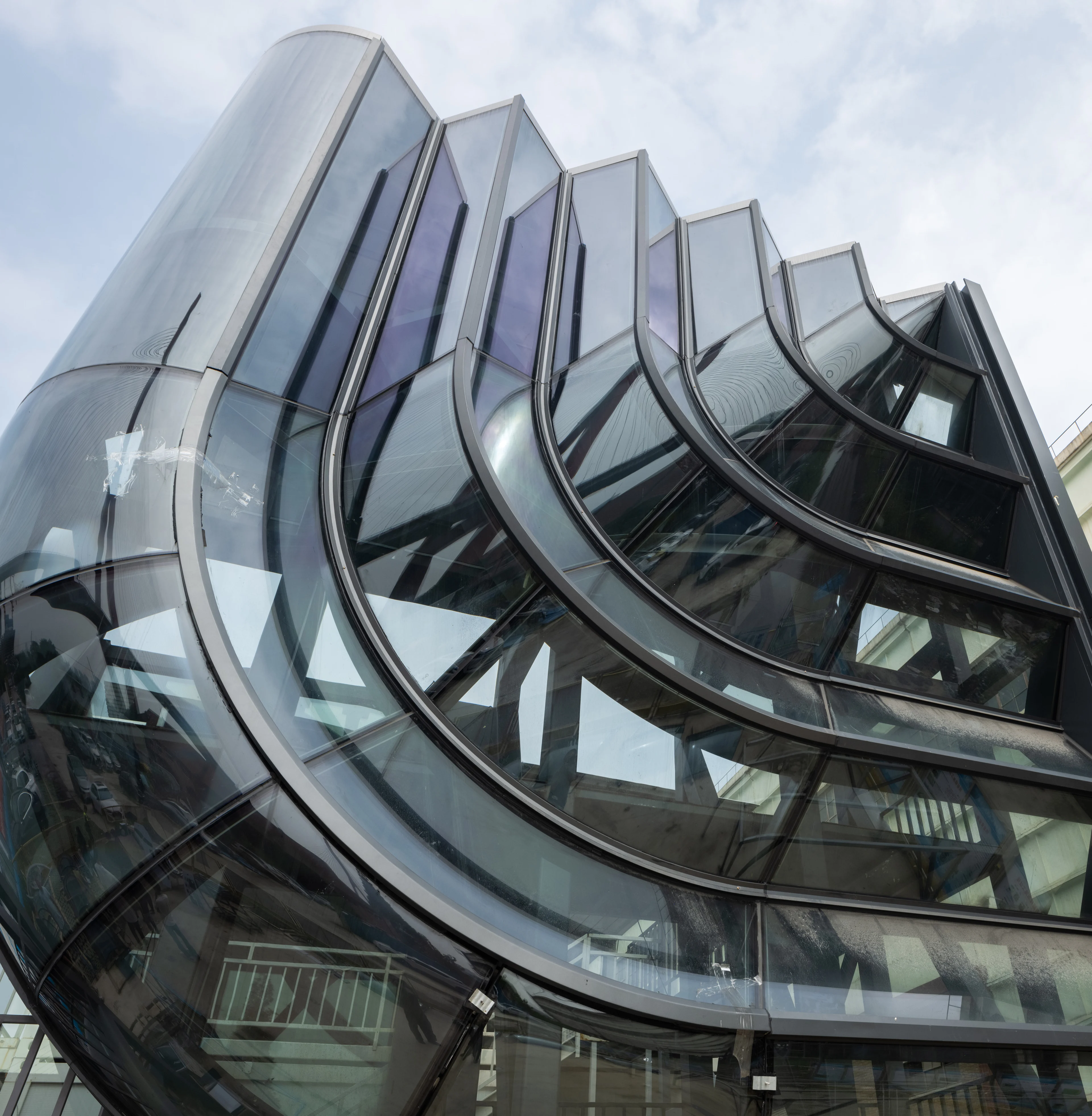
Composed as a series of interlocking rings that reduce its perceived scale, the design creates public spaces within the elevations in a series of external sky lobbies connecting interior and interior spaces.
Using advanced modelling tools developed by ZHA to optimise architectural massing, orientation and facade-to-floor ratios, the project integrates passive design principles to reduce energy consumption and minimise solar heat gain, together with external shading that maximises views towards the river while eliminating direct solar radiation.
The design also renovates and reuses the old Minghua Sugar Factory that exists on the site. Built in 1930, this industrial building will be repurposed to host CEPEC’s many education and community engagement programmes.
Photograph by Xue Liang 薛亮
September 2023
A biophilic design that enhances indoor-outdoor connectivity
Incorporating rainwater harvesting to irrigate expansive green spaces and landscaping in a biophilic design that enhances indoor-outdoor connectivity, the design also minimises cooling demand through optimised external shading.
With Shanghai’s significant temperature differences between day and night, each building’s integrated thermal mass also provides reductions in both heating and cooling consumption. Extensive use of locally-produced, prefabricated components will reduce the project’s embodied carbon and also support the local economy while procurement will prioritize the use of recycled materials.
Photovoltaics located at roof level and within the facades are connected to battery storage and a micro-grid to provide on-site energy production that will reduce energy consumption by 25%.
Optimised energy usage
In addition to high-efficiency heating and ventilation with waste heat recovery, together with cooling systems using non-potable water, the new campus will also use thermal ice storage for cooling. Ice generated by chillers at night using off peak electricity is stored in thermal tanks then used for cooling during the day to significantly reduce peak daytime electrical consumption when the cooling load is highest.
The building management system will continually monitor the interior environment and automatically react to changes in internal conditions such as variations in temperature, air quality, natural daylight, or number of occupants. To reduce energy consumption and prolong their lifespan, these intelligent systems will also collate data to predict and optimise energy usage.
The new campus will use 5G network capability to operate intelligent management and biometric security systems that will eliminate contact with communal surfaces by staff and visitors.
Offices
Discover more of our office buildings
From a Sharjah company headquarters designed to achieve net-zero energy consumption to a tower that anchors the masterplan for a newly revitalised district of Milan, discover our latest office buildings.
Render by Devisual
Z8 Tower
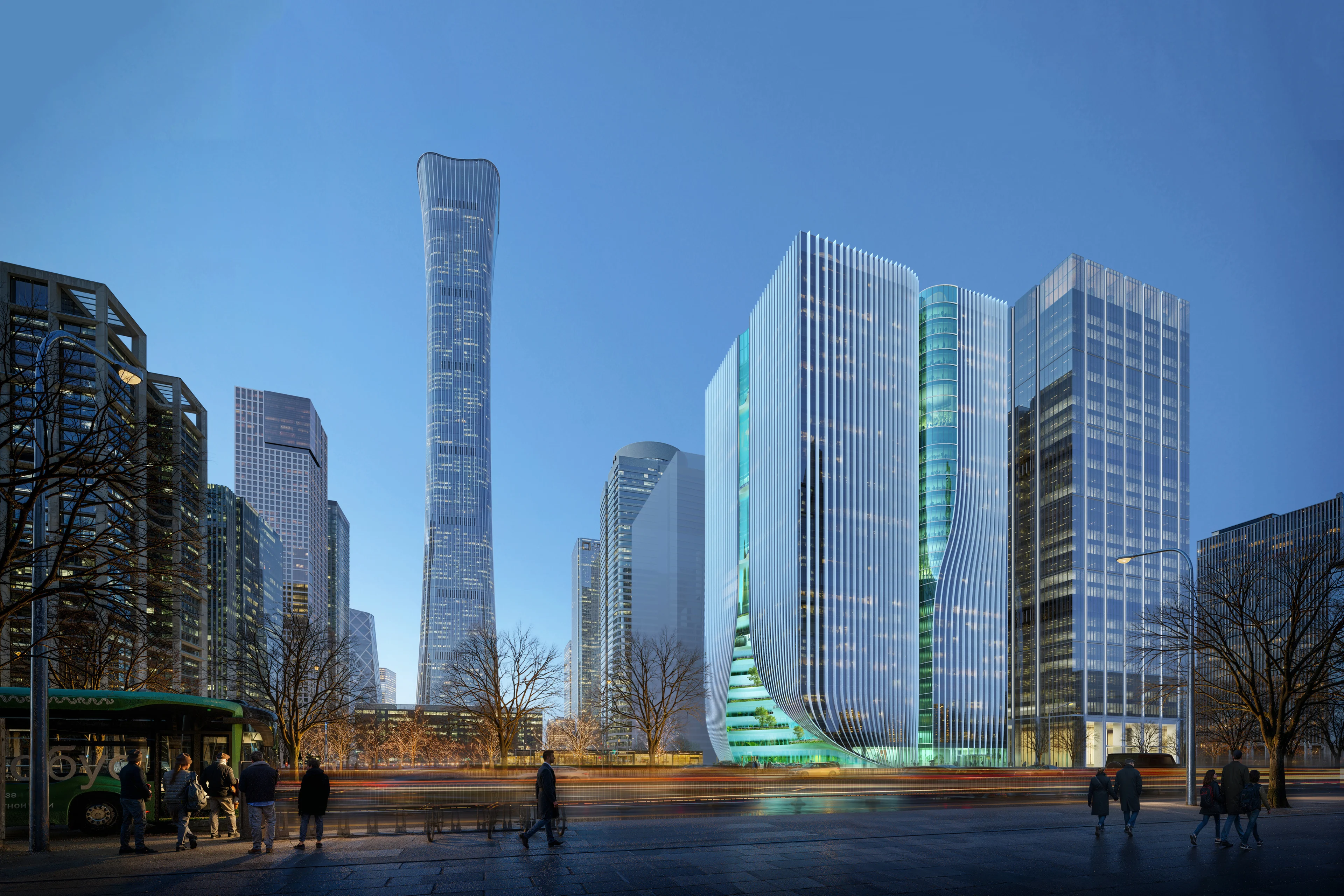
Located in the core of Beijing’s Central Business District (CBD) at the intersection of Jianguo Road and Jinhe East Road, the new Z8 Tower faces the CBD’s central park and is defined by the historic alignment and urbanism of the city’s Chang’an Avenue.
Photograph by Hufton + Crow
National Bank of the Republic of Kazakhstan
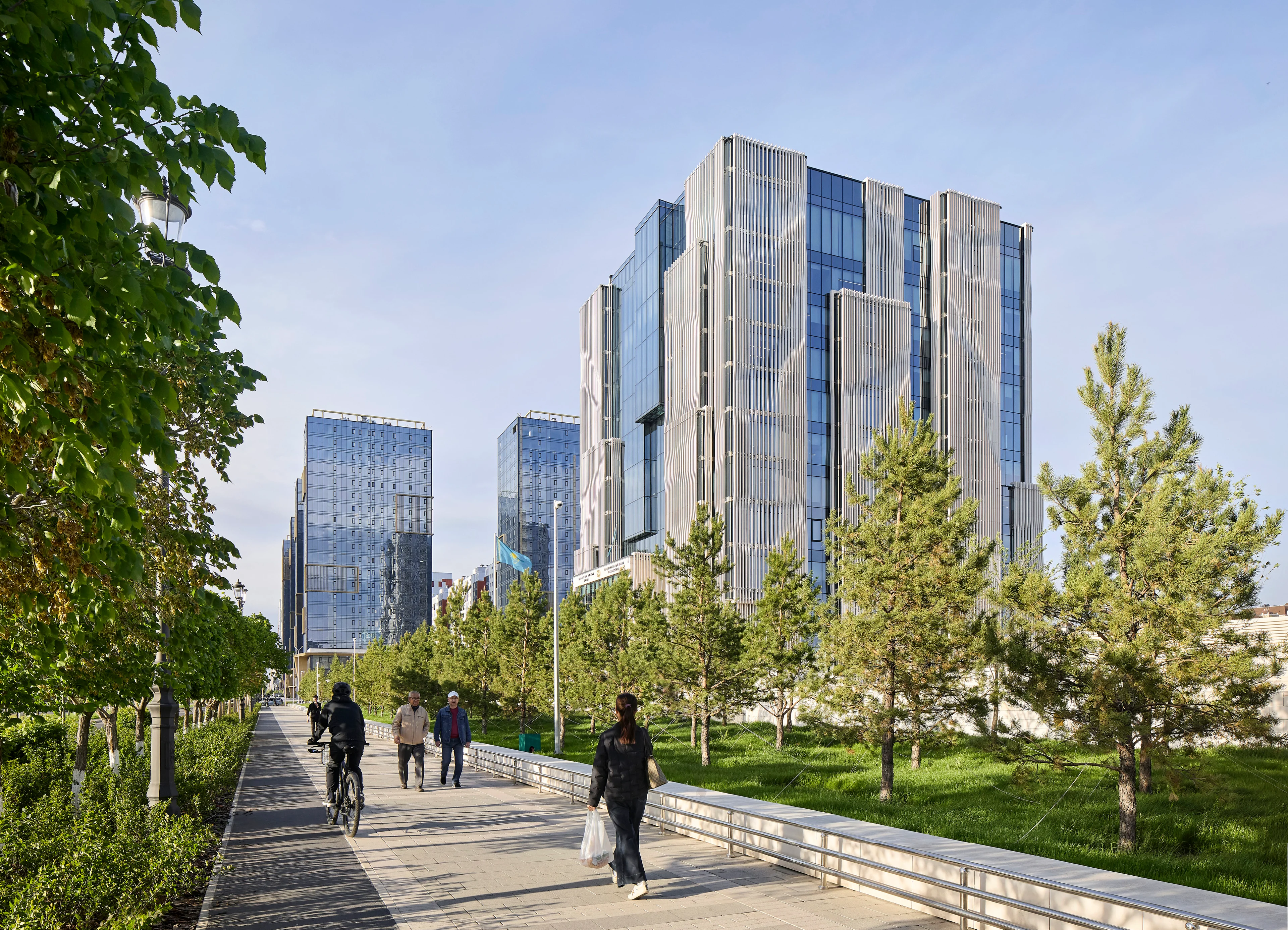
The new headquarters of the National Bank of the Republic of Kazakhstan (NBRK) in Astana houses the bank’s departments within a single, integrated campus accommodating up to 800 employees and conveys the institution’s longstanding commitment to fiscal stability.
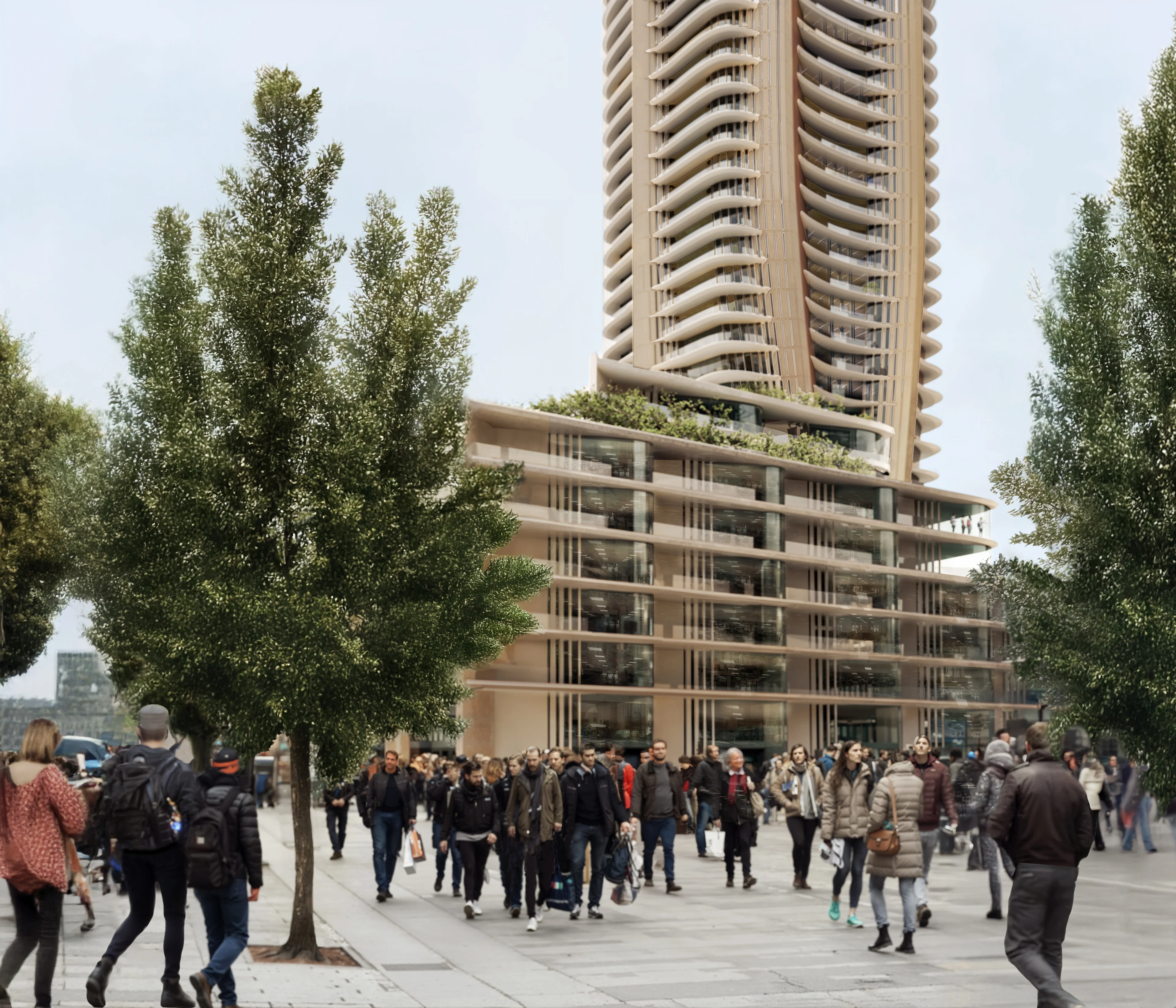
Alta Tower
ZHA collaborating with Bureau Cube Partners (BCP) has been selected as winners of the international competition to design the new Alta Tower in New Belgrade, Serbia.
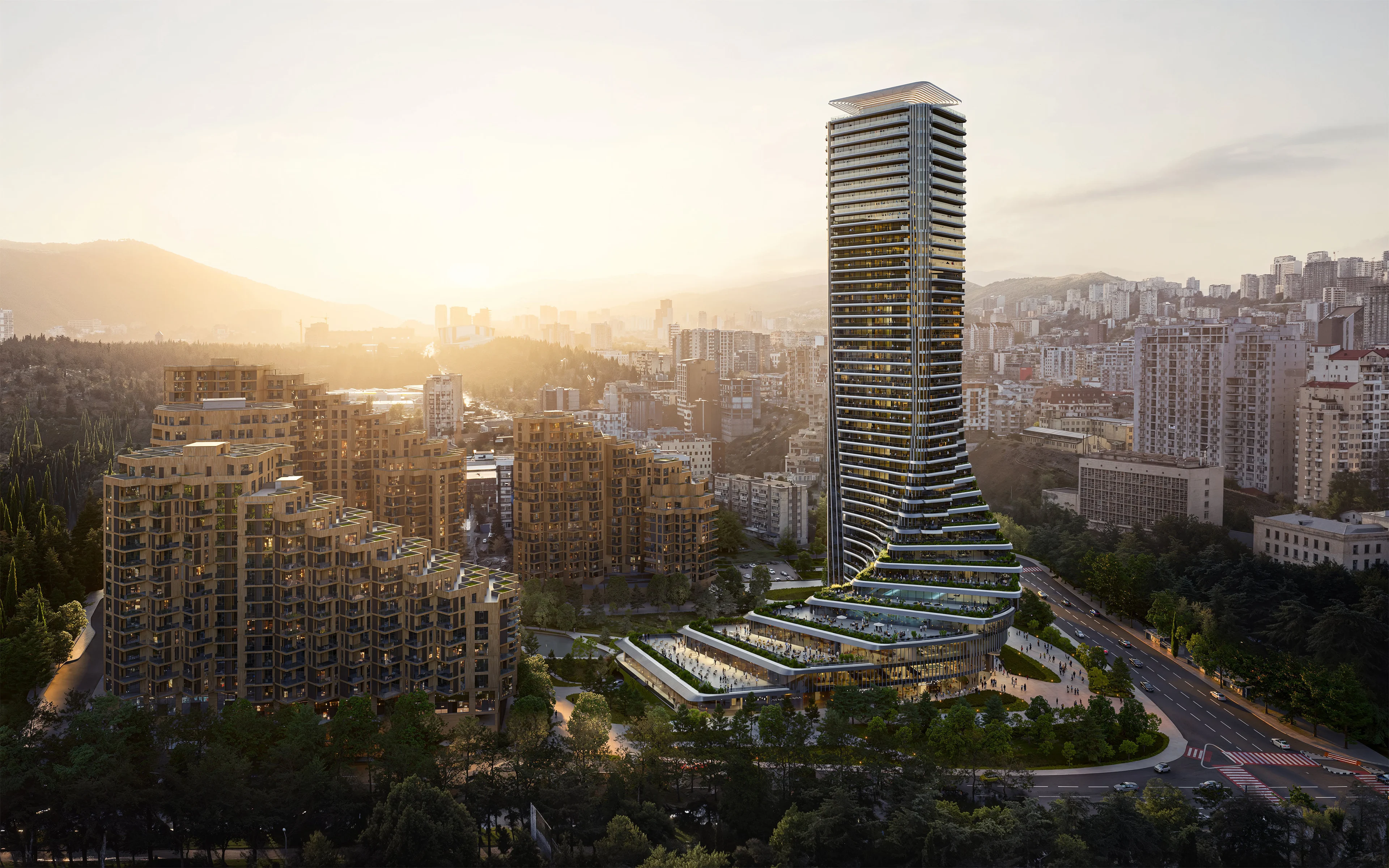
Cityzen Mixed-Use Development
Serving as the gateway to the Cityzen community, a new civic hub in the west of Tbilisi, Cityzen Tower is ZHA's first project in Georgia.
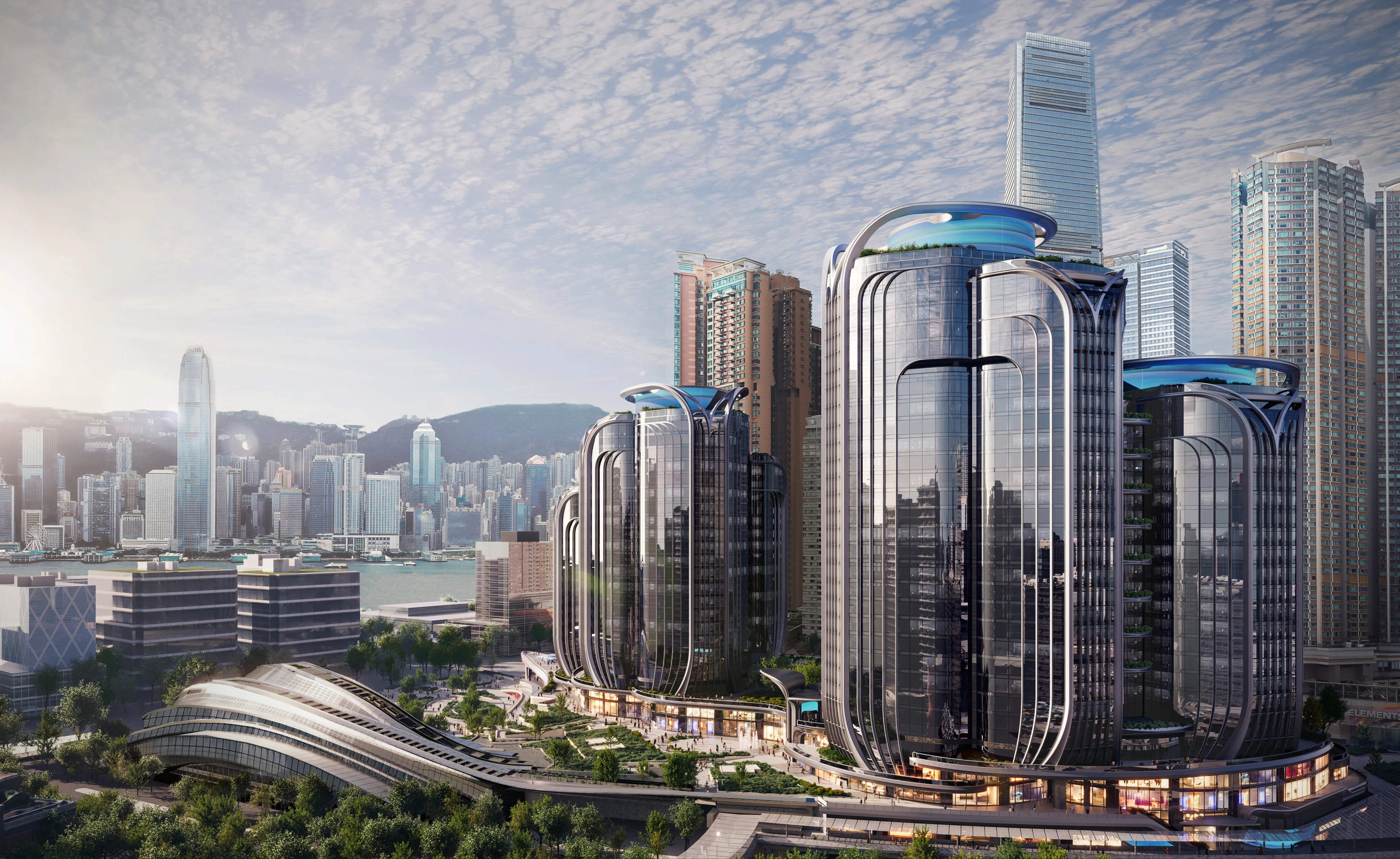
Render by Hayes Davidson
International Gateway Centre
Adjacent to the West Kowloon Cultural District, the 3.2 million sq. ft. development above Hong Kong’s High Speed Rail West Kowloon Terminus connects established and emerging neighbourhoods with a network of public gardens and landscaped plazas.
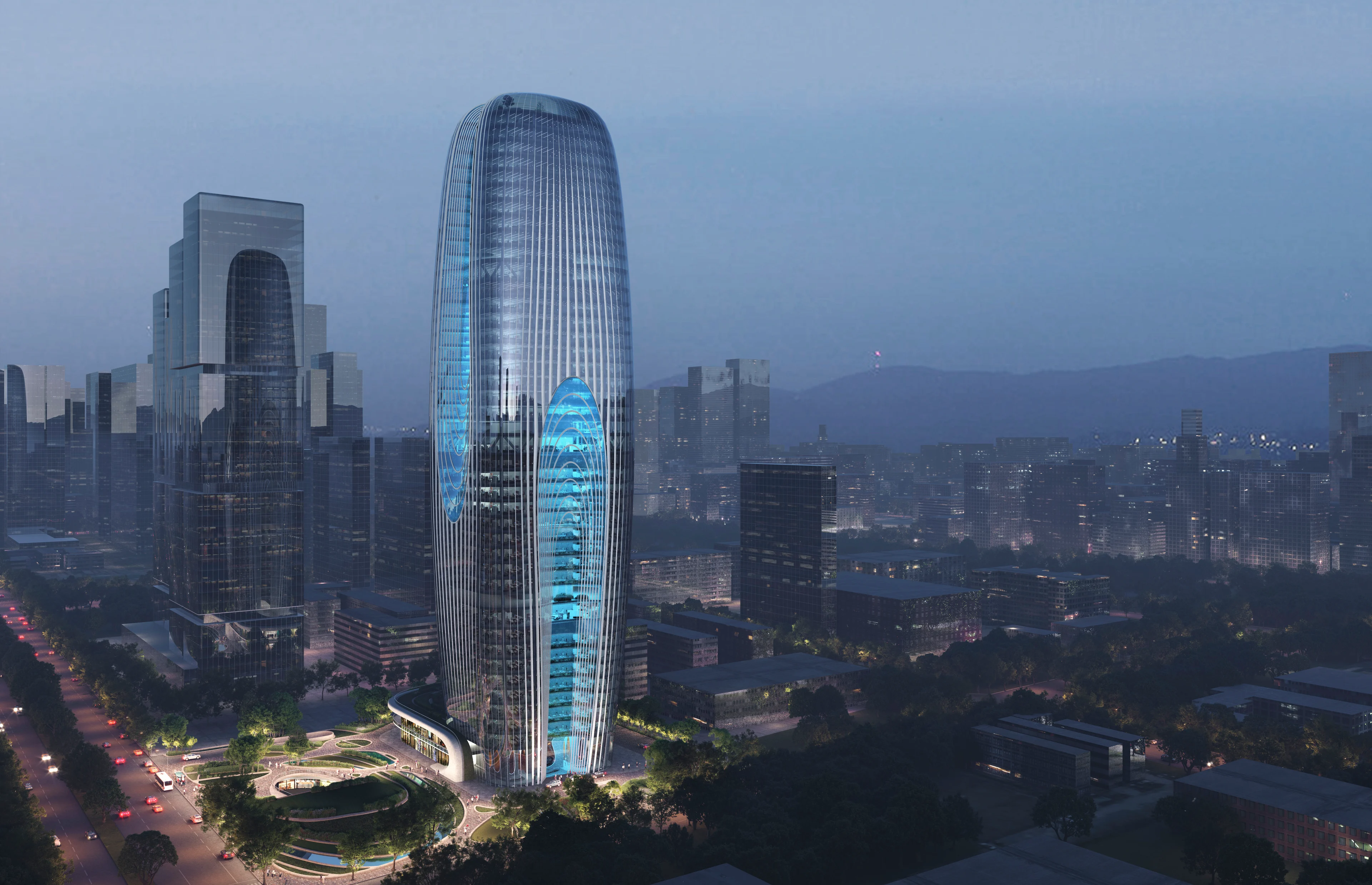
Daxia Tower
Demarcating the centre of Xi’an’s business district, Daxia Tower’s gently curving silhouette is accentuated by layers of patterned glazing and dramatic atriums that bring natural light deep into its floorplates. Creating a cascade of planted interior terraces that echo mountainside waterfalls, each atrium gives panoramic views over the historic city and the growing high-tech zone.
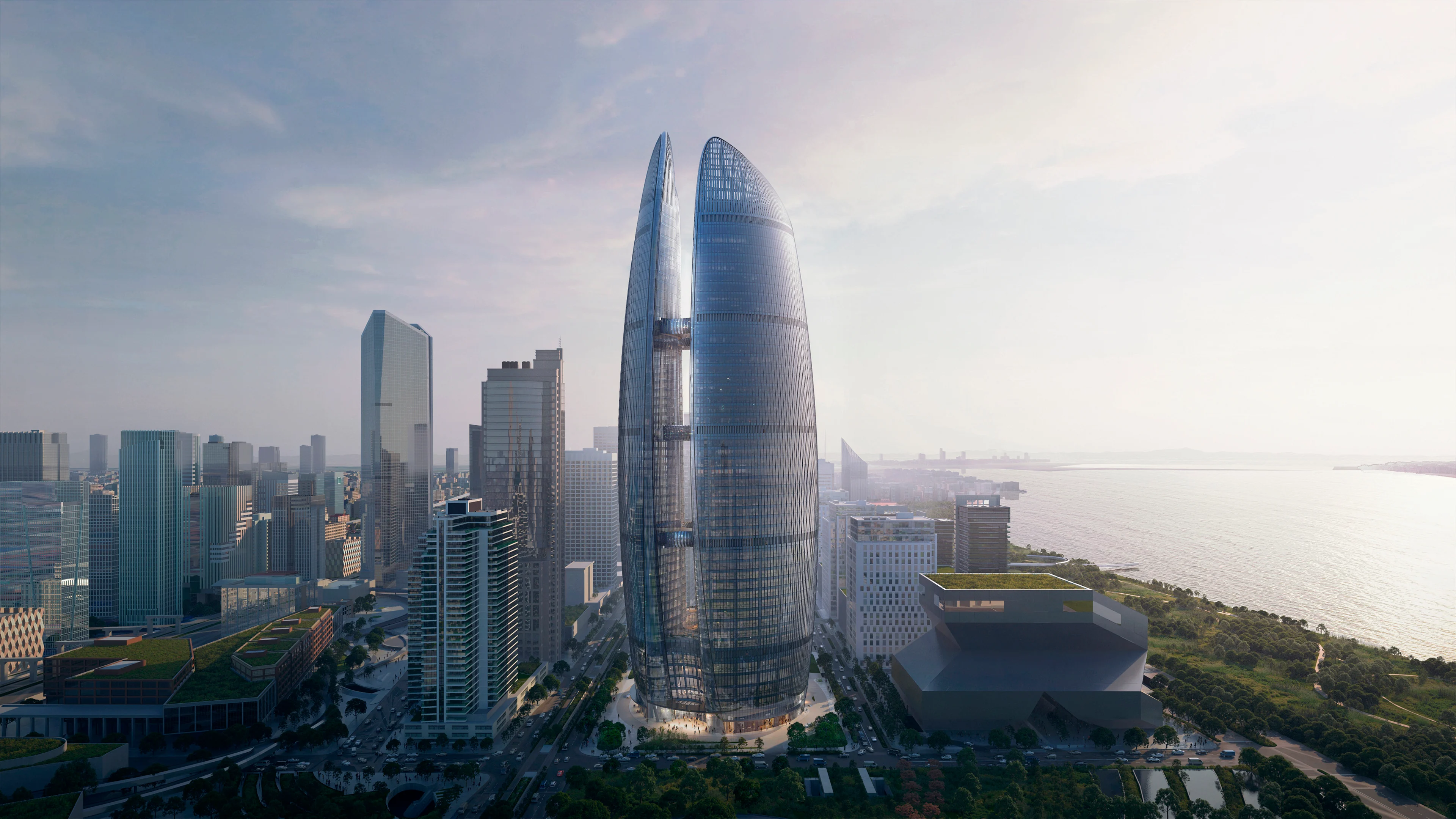
Render by Negativ
Taikang Financial Centre
The new Taikang Financial Centre will be a centre of excellence, developing effective systems and networks that will provide a new ecosystem of support for people of all ages across China. Using the new technologies developed within the Taikang Financial Centre, the group will continue its commitment to supporting community development, healthcare, education and well-being throughout the country.
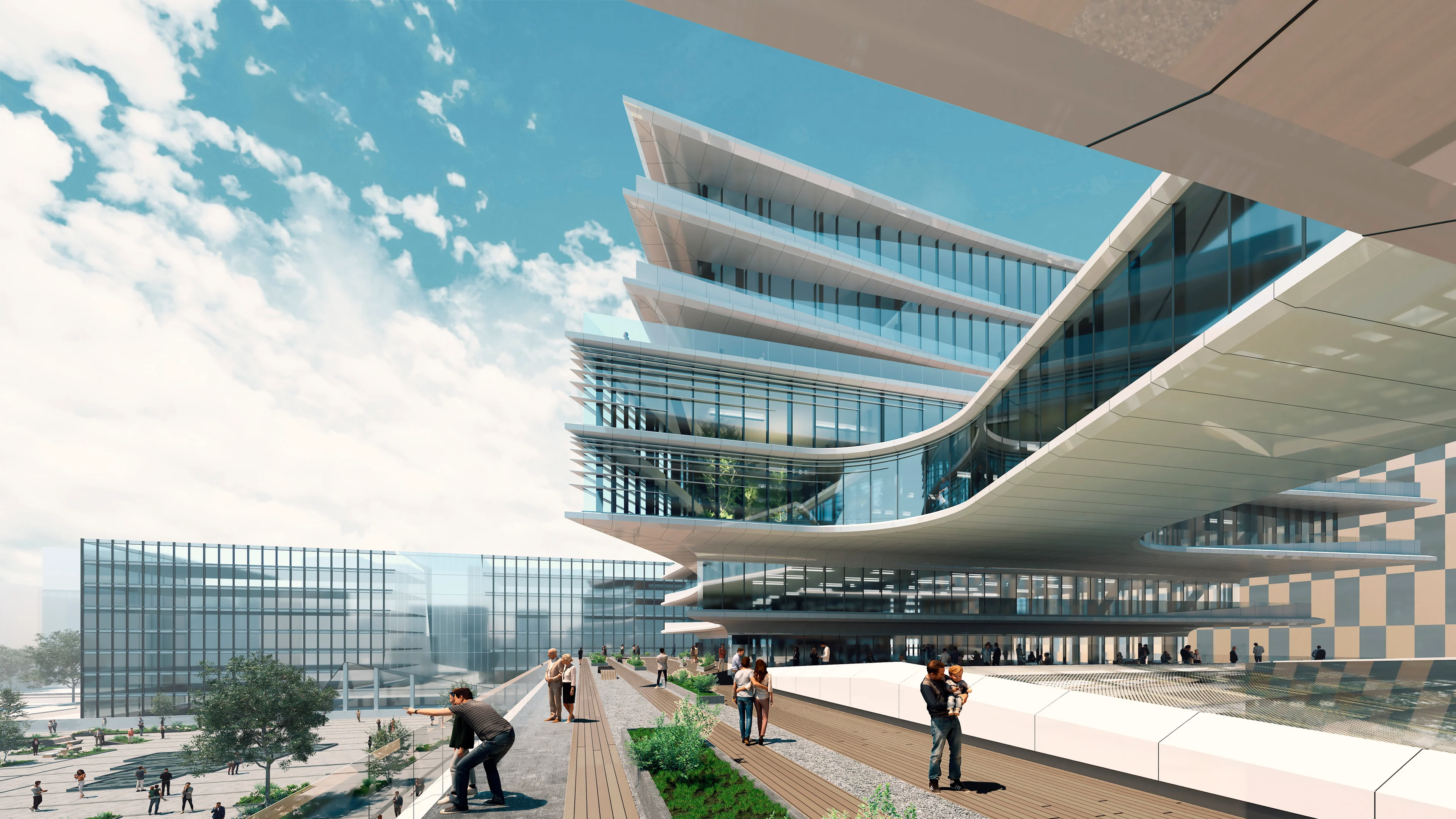
Vilnius Business Stadium
Integrated within the Vilnius City Plan and the popular public square adjacent to the site, Business Stadium Central will be a new gathering place for the city.
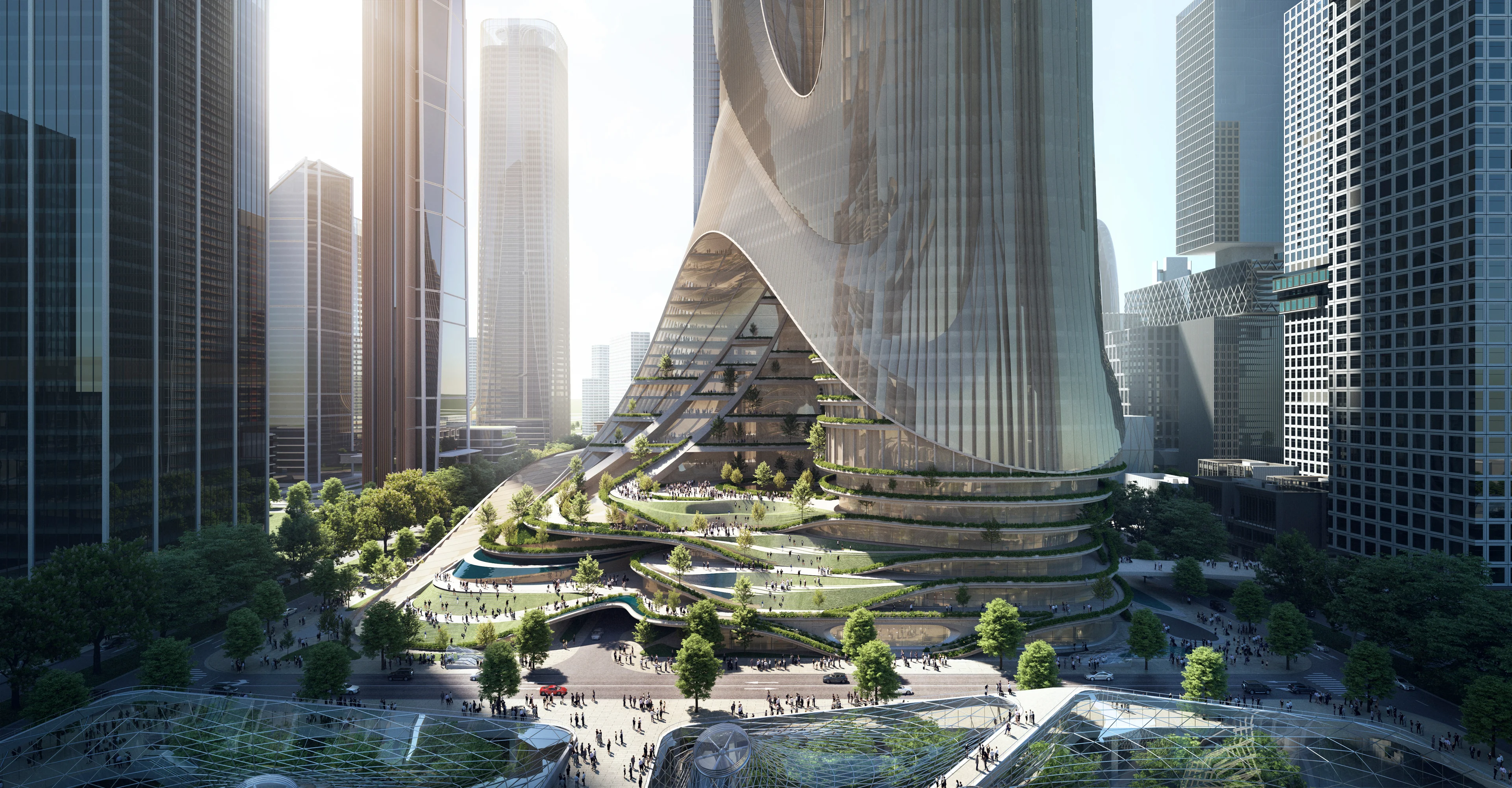
Courtesy of Brick Visual
Tower C in Shenzhen Bay Super Headquarters Base
The design of Tower C integrates the city and nature within its central green axis with the transit orientated development (TOD) of Shenzhen’s new spine, creating a ‘superscape’ that will become a tower of the future within the Super Headquarters Base.
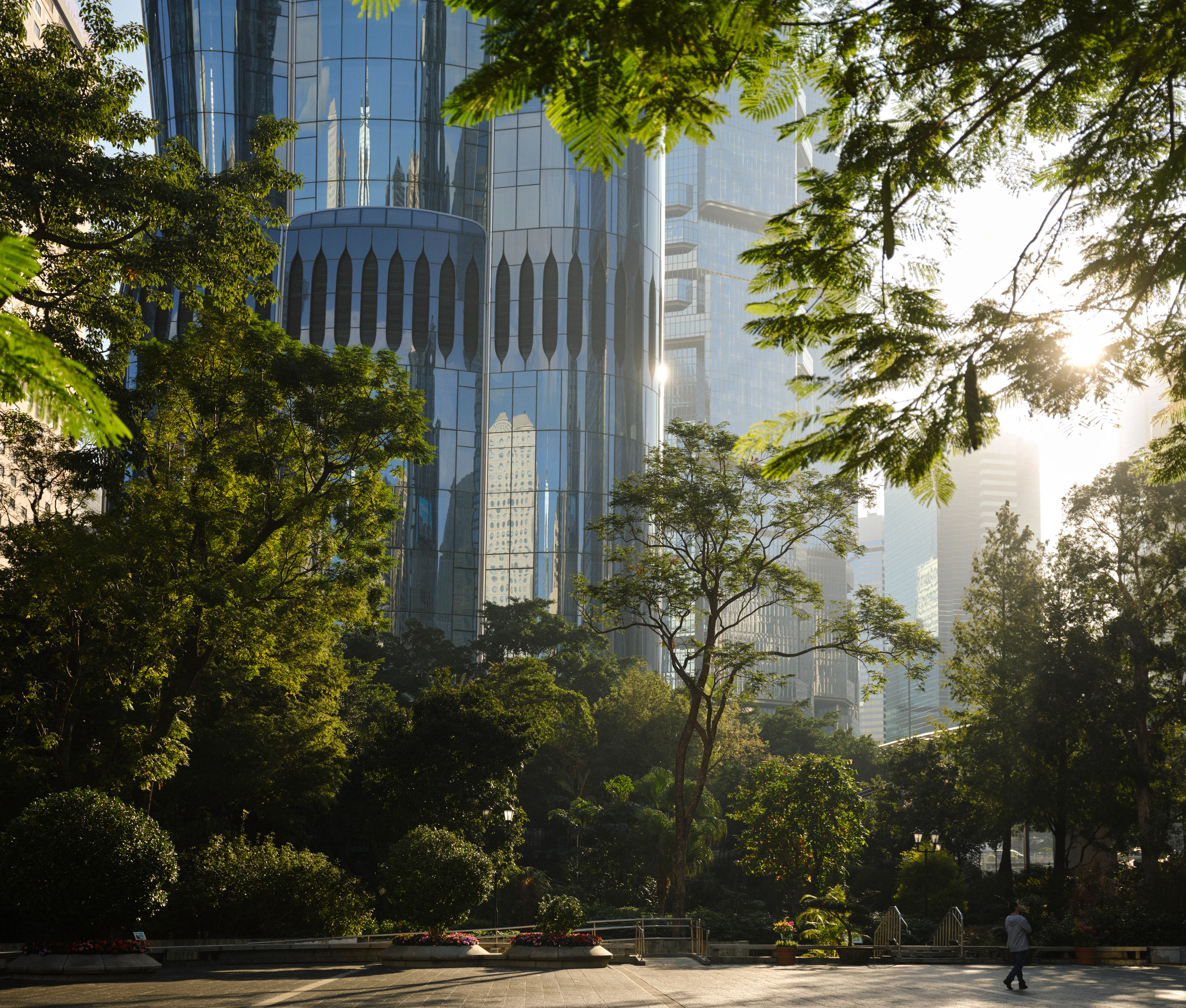
Photograph by Virgile Simon Bertrand
The Henderson
Developed on the world’s most valuable site purchased by Henderson Land, the 36-storey tower's design shelters new civic plazas enveloped by nature, creating an urban oasis in the centre of the city. Accommodating enhanced workplace flexibility, the building’s smart management system creates a contactless pathway for all occupants, eliminating all contact with communal surfaces.
Courtesy of ZHA
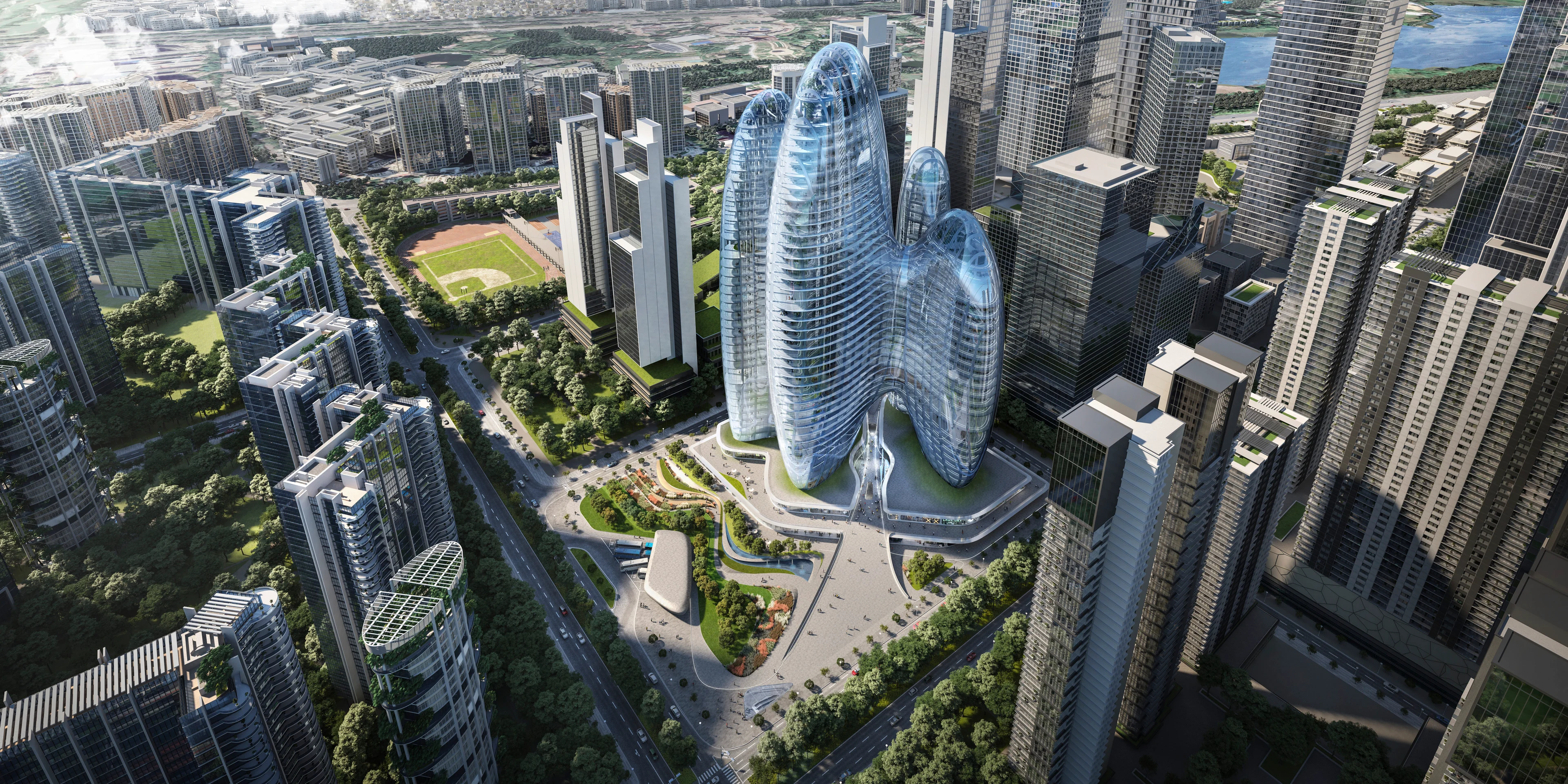
OPPO Headquarters
Conceived as four interconnected towers reaching a height of 200m (42 floors), the 185,000 sq.m design incorporates two towers of flexible, open-plan spaces linked by a 20-storey vertical lobby, and two external service towers providing vertical circulation.
Photograph by Hélène Binet
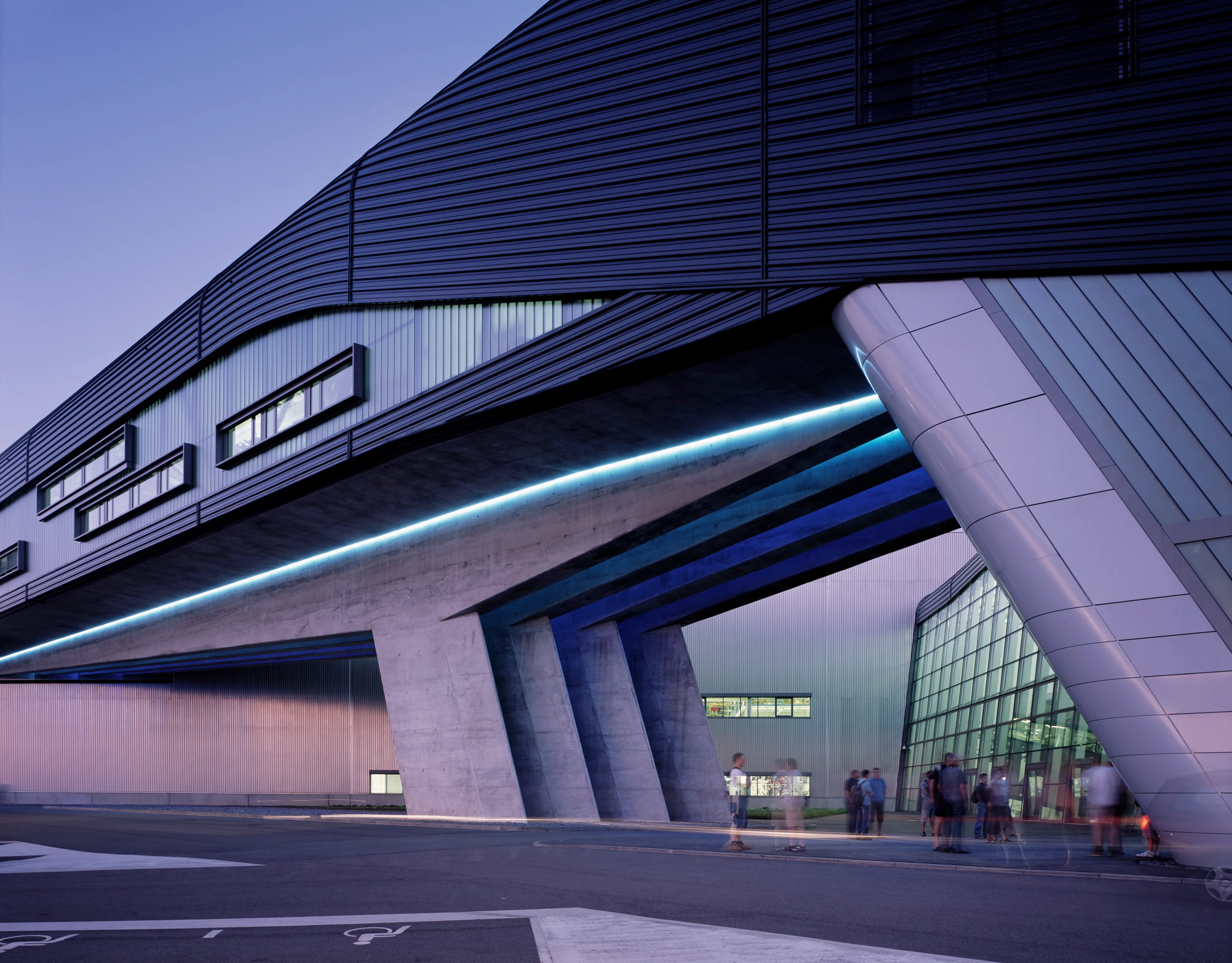
BMW Central Building
Our Central Building for BMW constituted a radical reinterpretation of the traditional office – transforming the building and the functions it contains into a more dynamic, engaging ‘nerve-centre’ or ‘communication knot’ – funneling all movement around the manufacturing complex through a space that transcends conventional white collar/blue collar spatial divisions.
Photograph by Hufton + Crow
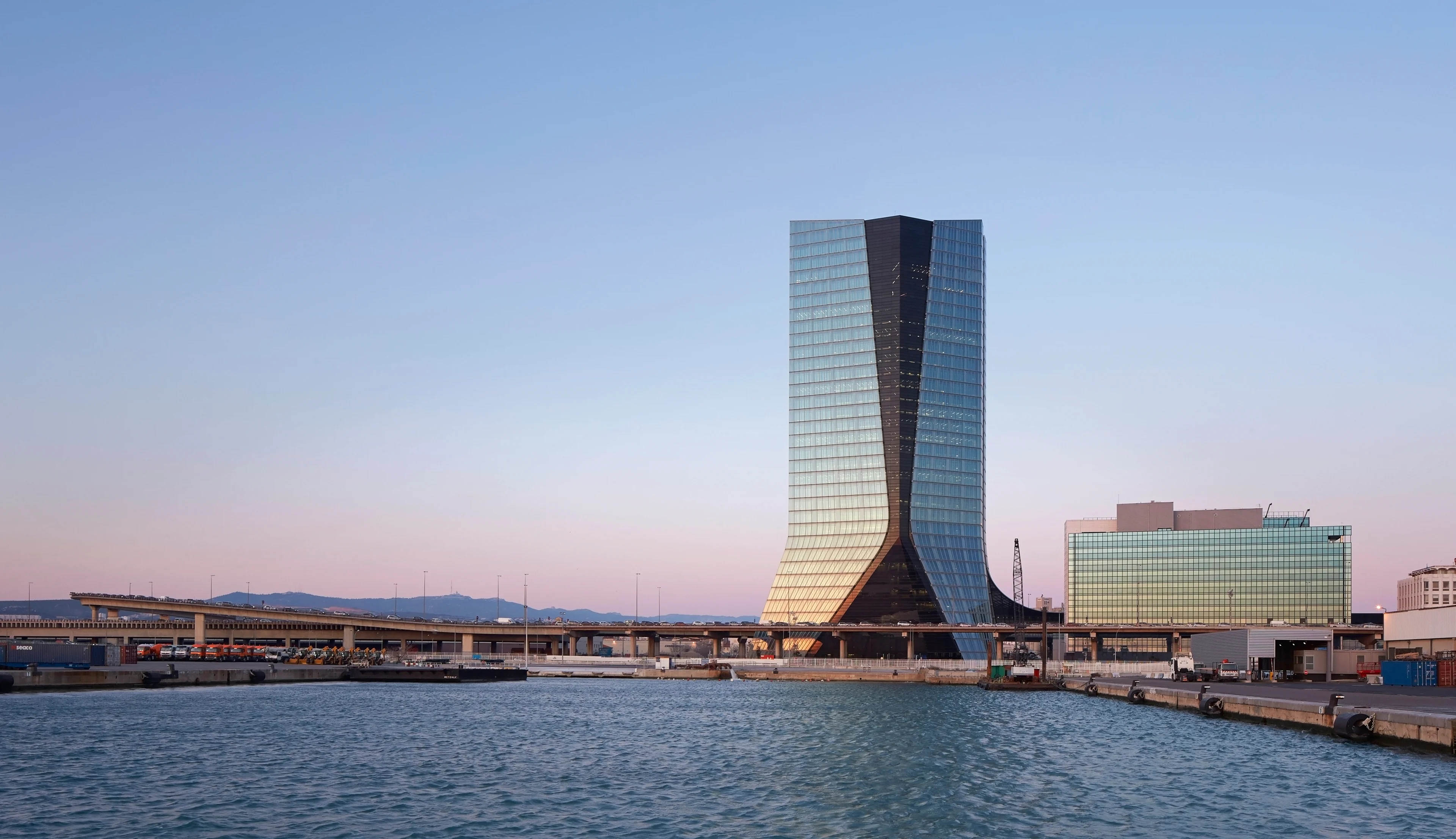
CMA CGM Headquarters
Rising in a metallic curving arc that slowly lifts and accelerates skywards into the dramatic vertical geometry of its revolutionary forms. With its ultimate coordinate 142.8 metres above the ground, a gateway to the city from both land and sea, an iconic vertical element that interacts with Marseille’s other significant landmarks.
Photograph by Hufton + Crow
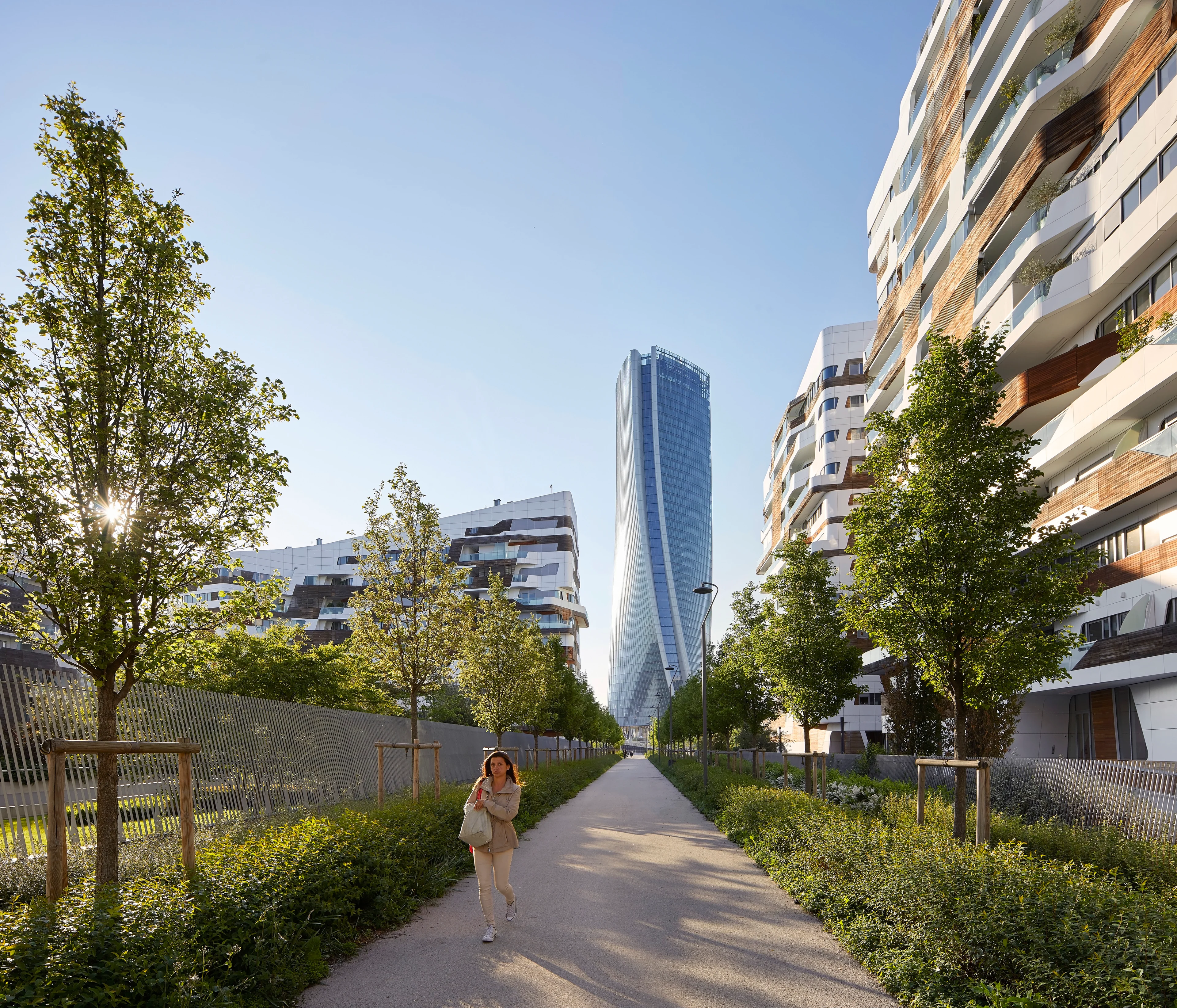
Generali Tower
Generali Tower
Generali Tower is within the CityLife masterplan that has redeveloped Milan’s abandoned trade fair grounds following the fair’s relocation to Rho Pero in 2005.
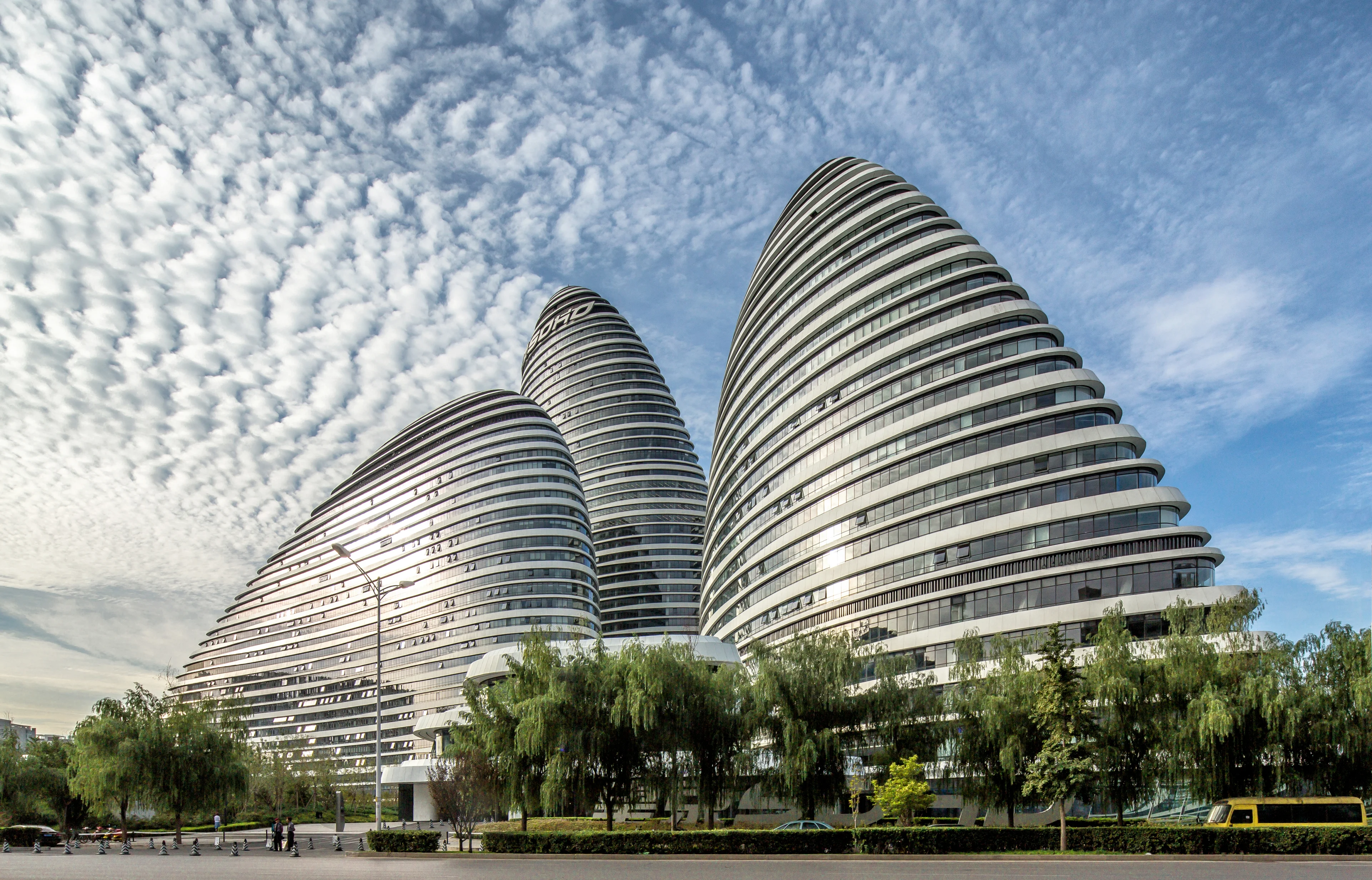
Courtesy of Soho China, photograph by Jerry Yin
Wangjing SOHO
Located in Wangjing’s centre, Wangjing Soho is a mixed-use development consisting of three towers 118, 127, 200 metres in height designed as three interweaving ‘mountains’ that fuse building and landscape to bring together the surrounding community with a new 60,000m² public park. The design responds to the flows of the city and allows natural daylight into each building from all directions.
01
02
03
04
05
06
07
08
09
10
11
12
13
14
15