
Photograph by Hufton + Crow
Beijing, China
2009 - 2012
SOHO China Ltd.
Galaxy SOHO
Photograph by Hufton + Crow
Photograph by Iwan Baan
Photograph by Iwan Baan
Photograph by Hufton + Crow
Photograph by Hufton + Crow
Photograph by Iwan Baan
01
02
03
04
05
06
A composition of four continuous, flowing volumes
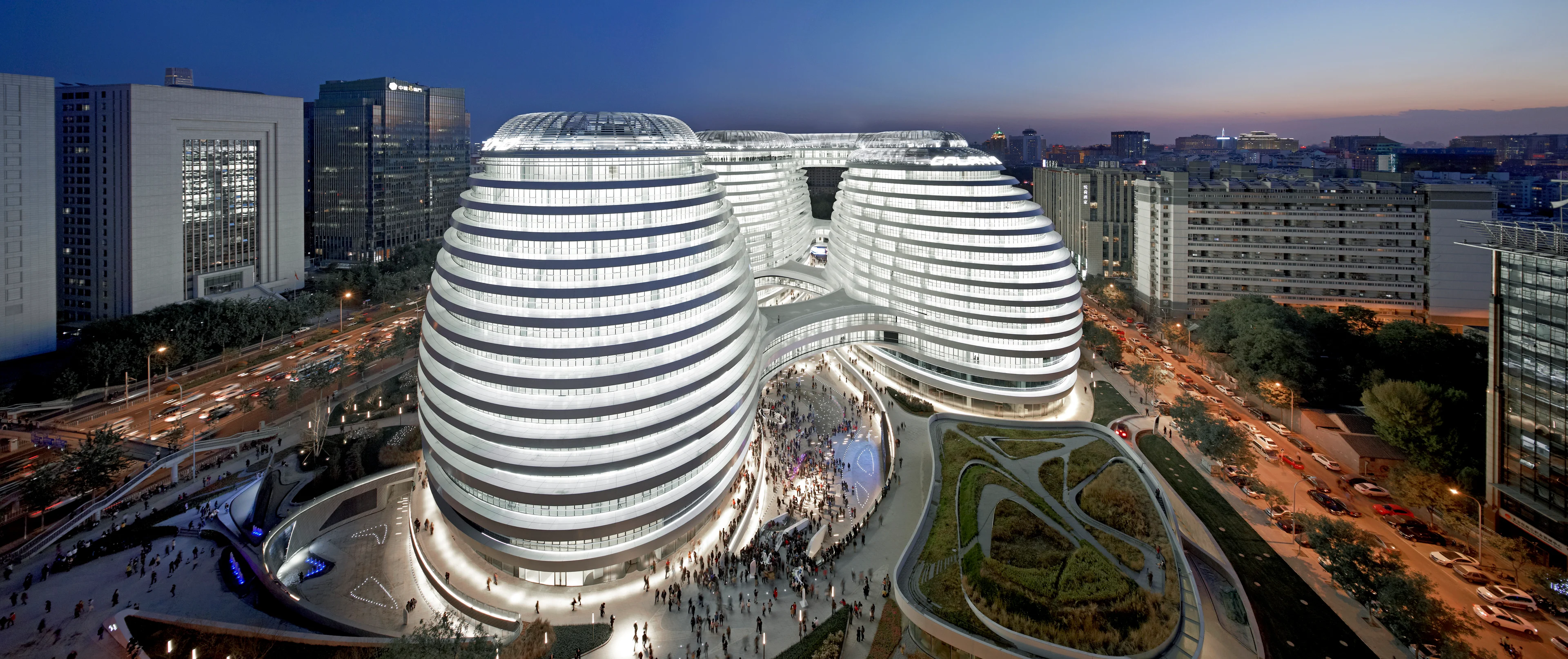
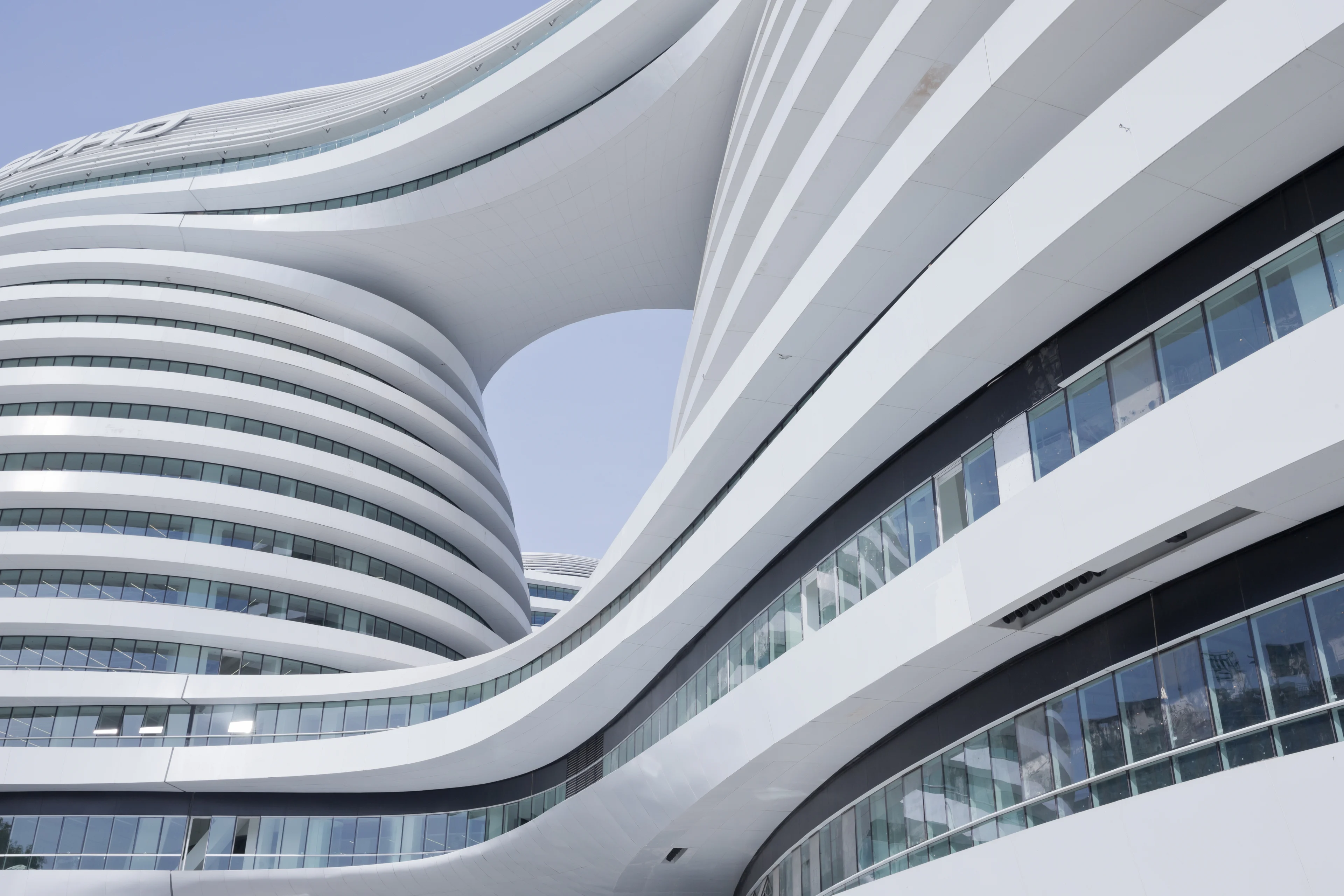
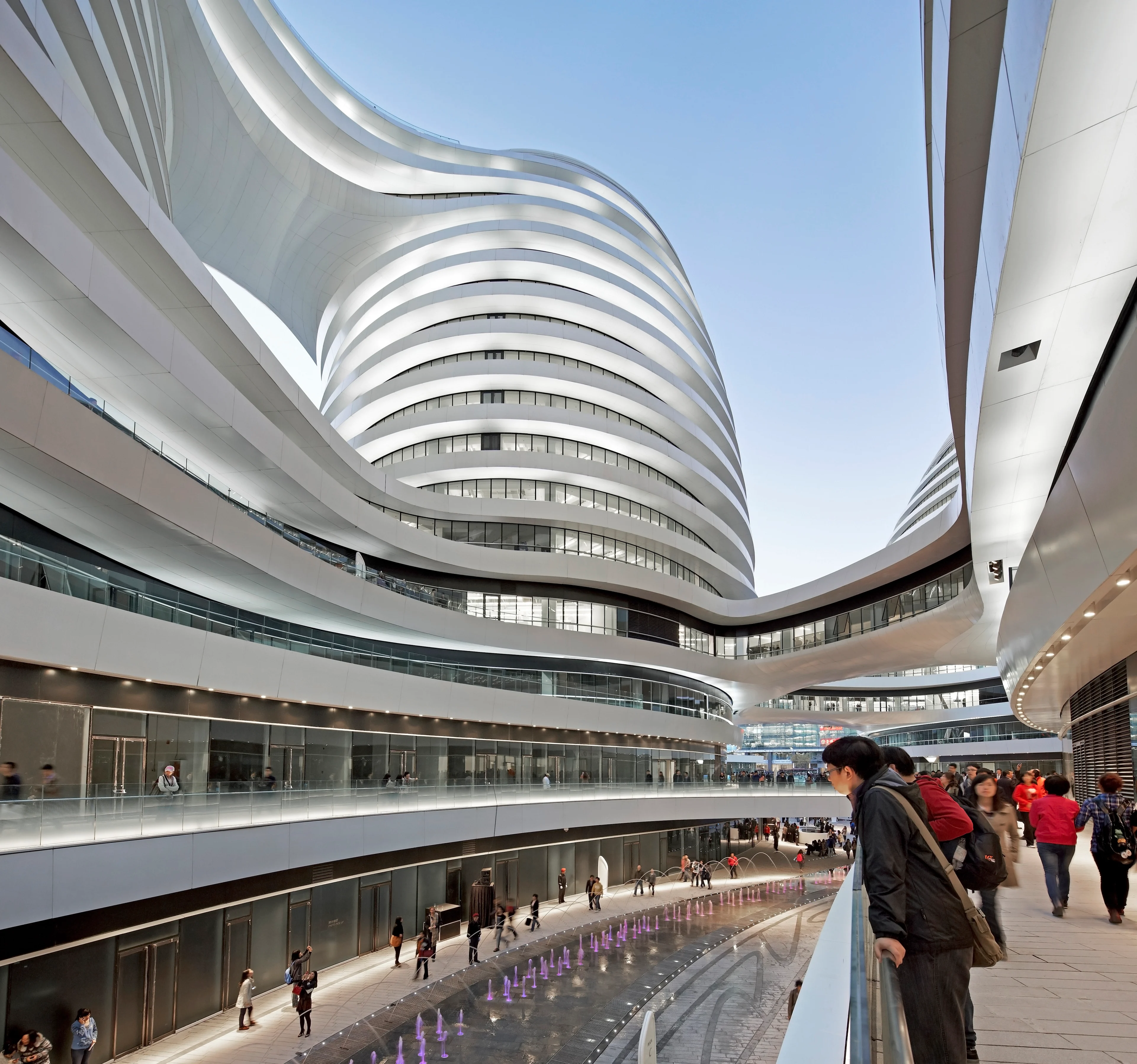
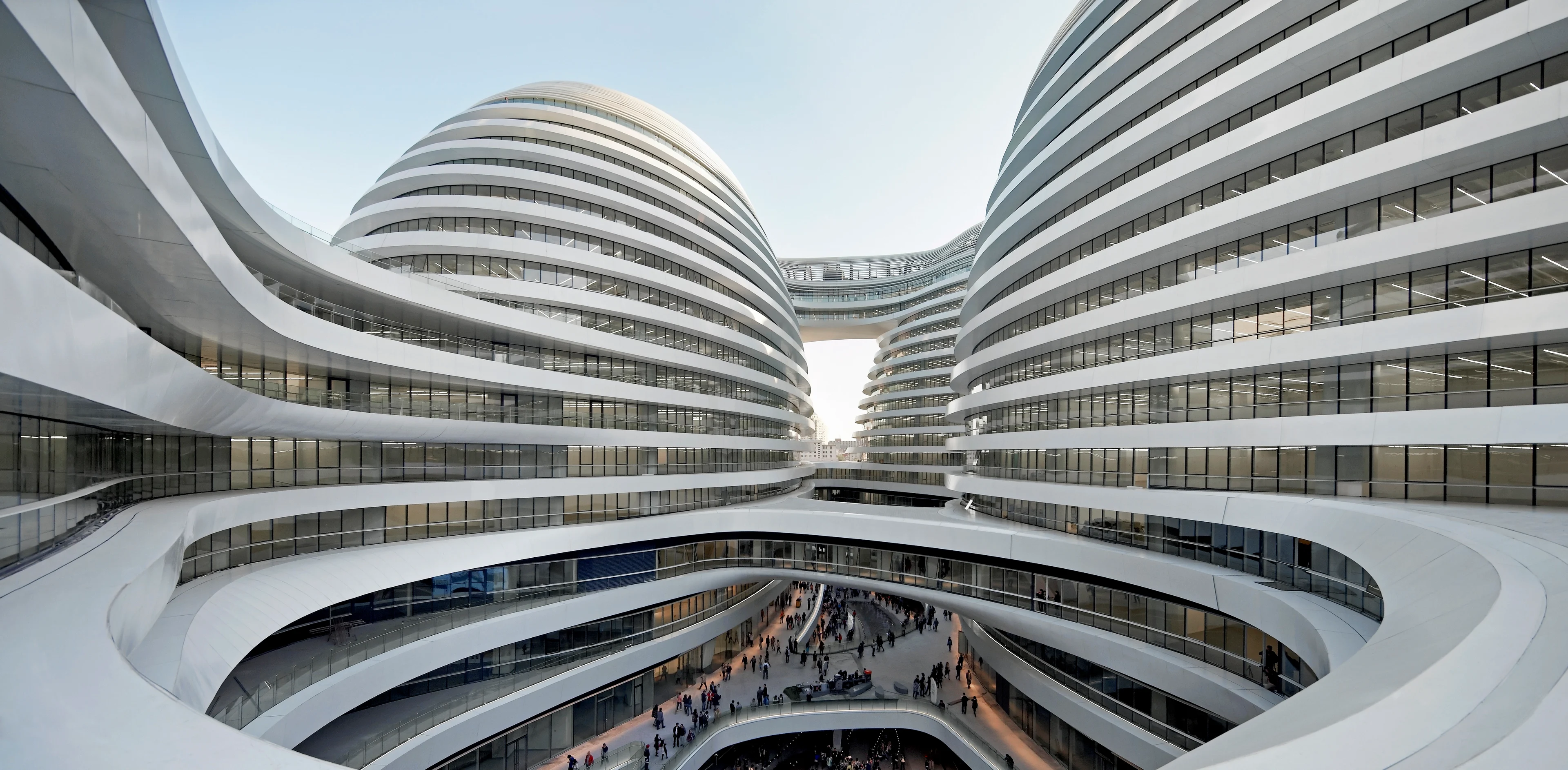
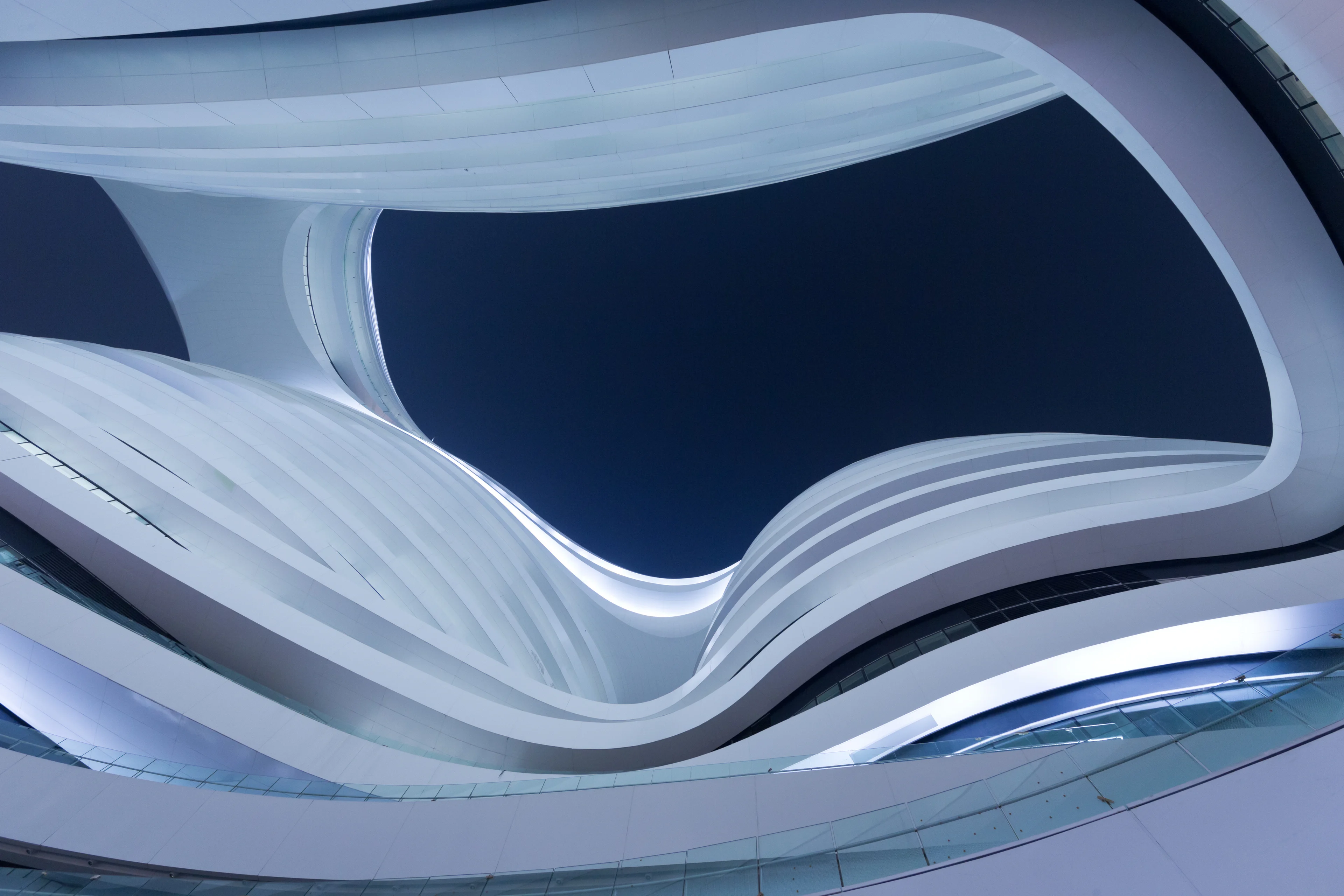
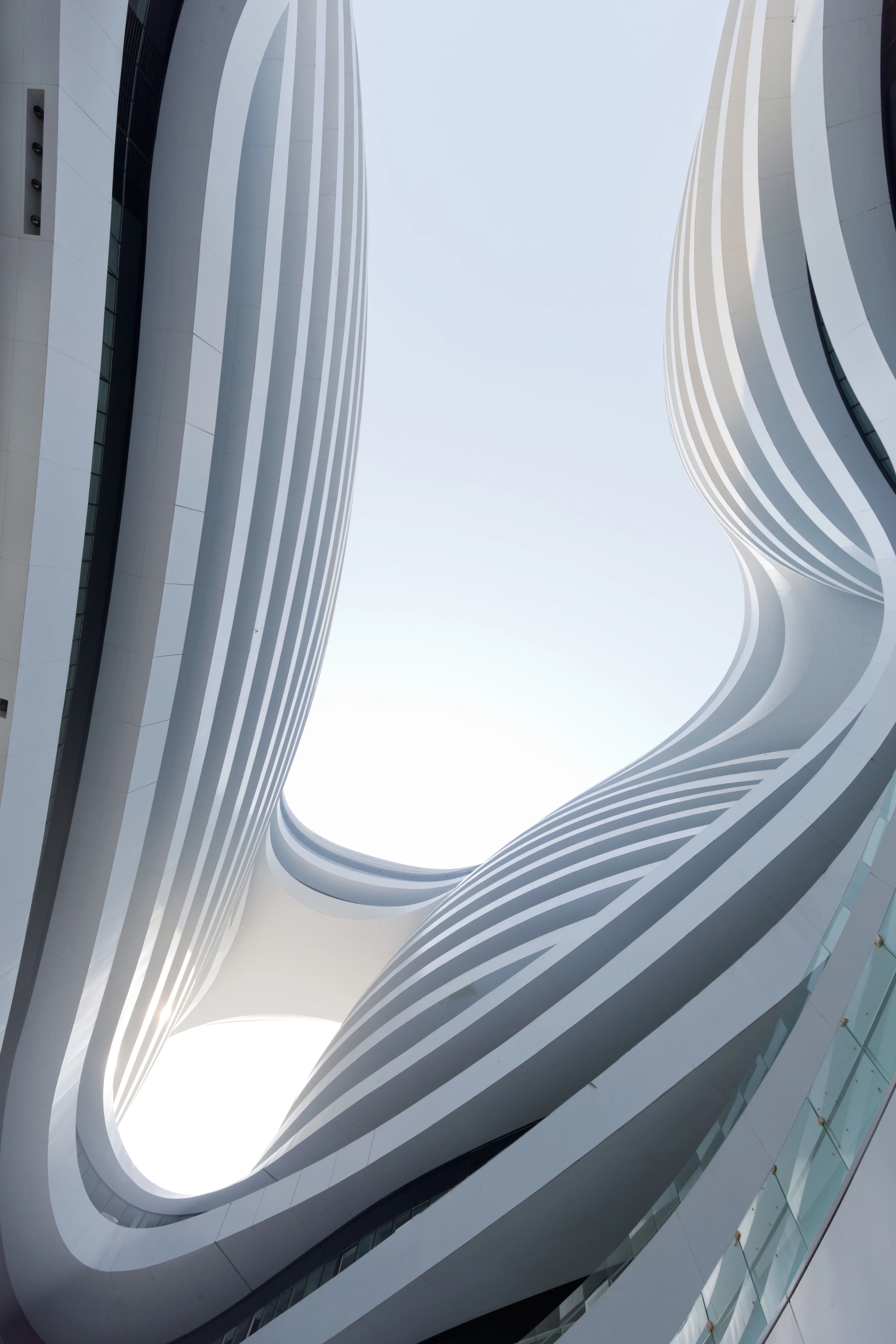
The Galaxy SOHO project in central Beijing for SOHO China is a 330,000m2 office, retail and entertainment complex that is an integral part of the living city, inspired by the grand scale of Beijing. Its architecture is a composition of four continuous, flowing volumes that are set apart, fused or linked by stretched bridges. These volumes adapt to each other in all directions, generating a panoramic architecture without corners or abrupt transitions that break the fluidity of its formal composition.
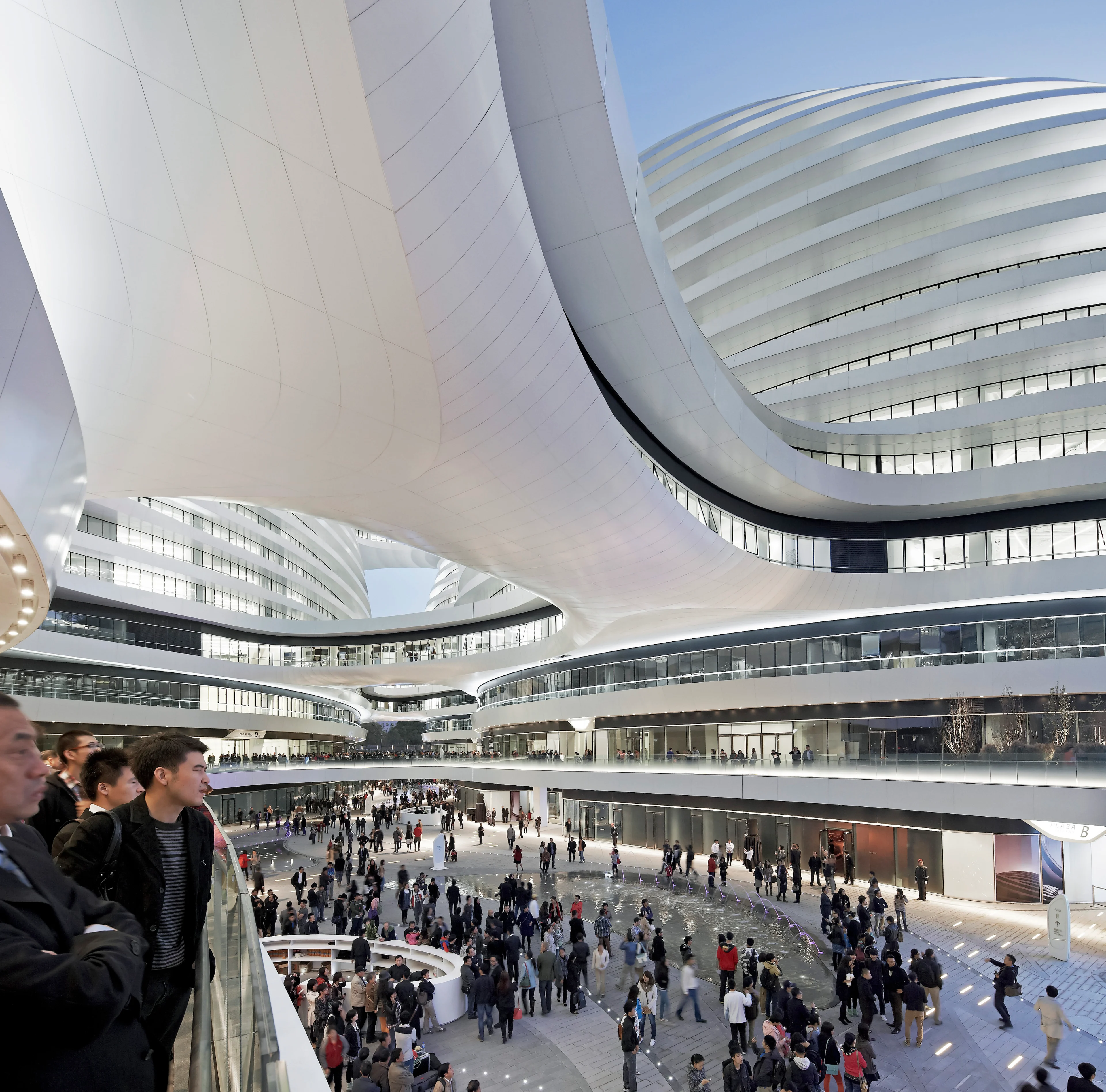
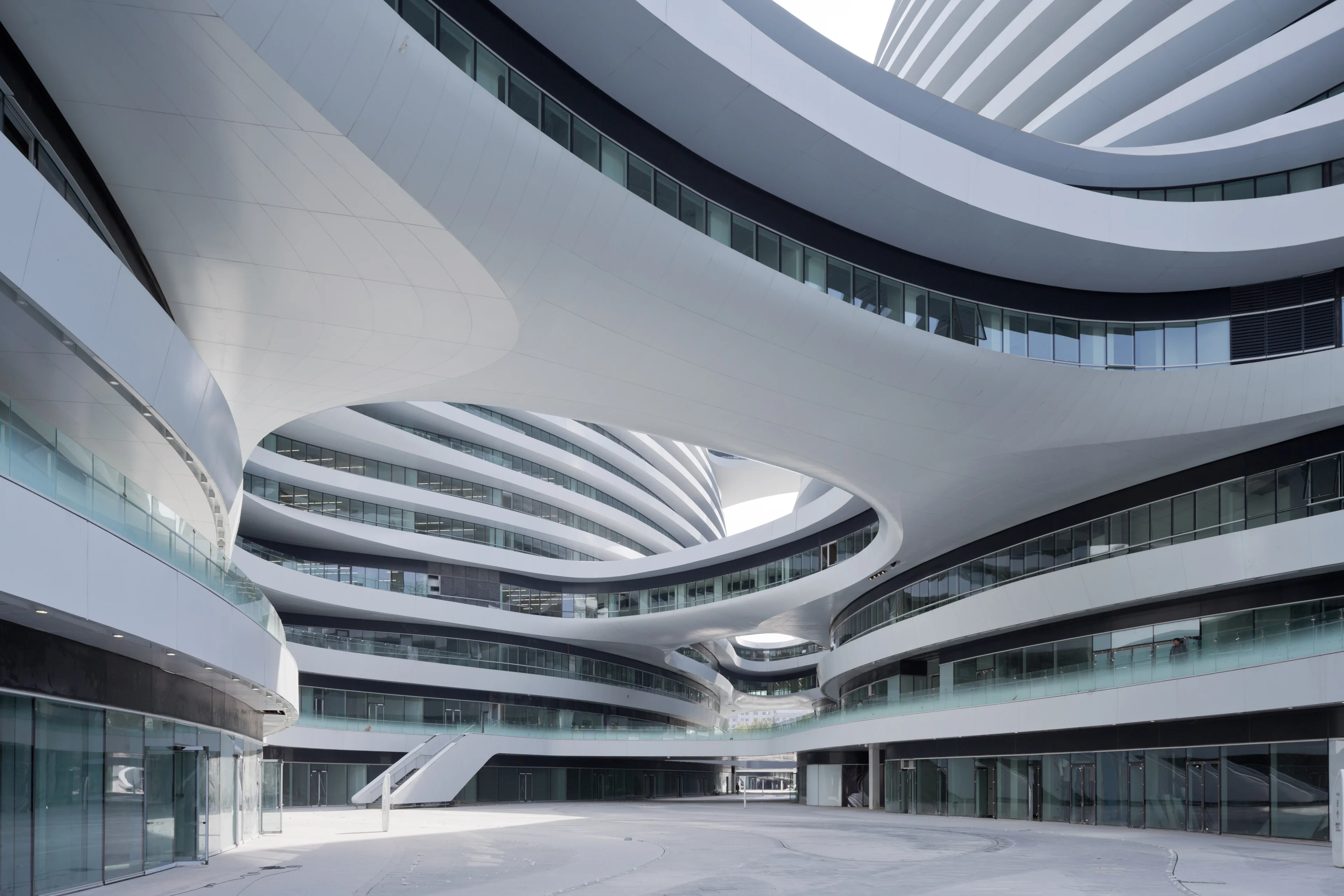
The great interior courts of the project are a reflection of traditional Chinese architecture where courtyards create an internal world of continuous open spaces. Here, the architecture is no longer composed of rigid blocks, but instead comprised of volumes which coalesce to create a world of continuous mutual adaptation and fluid movement between each building. Shifting plateaus within the design impact upon each other to generate a deep sense of immersion and envelopment. As users enter deeper into the building, they discover intimate spaces that follow the same coherent formal logic of continuous curvelinearity.
The lower three levels of Galaxy SOHO house public facilities for retail and entertainment. The levels immediately above provide work spaces for clusters of innovative businesses. The top of the building is dedicated to bars, restaurants and cafés that offer views along one of the greatest avenues of the city.
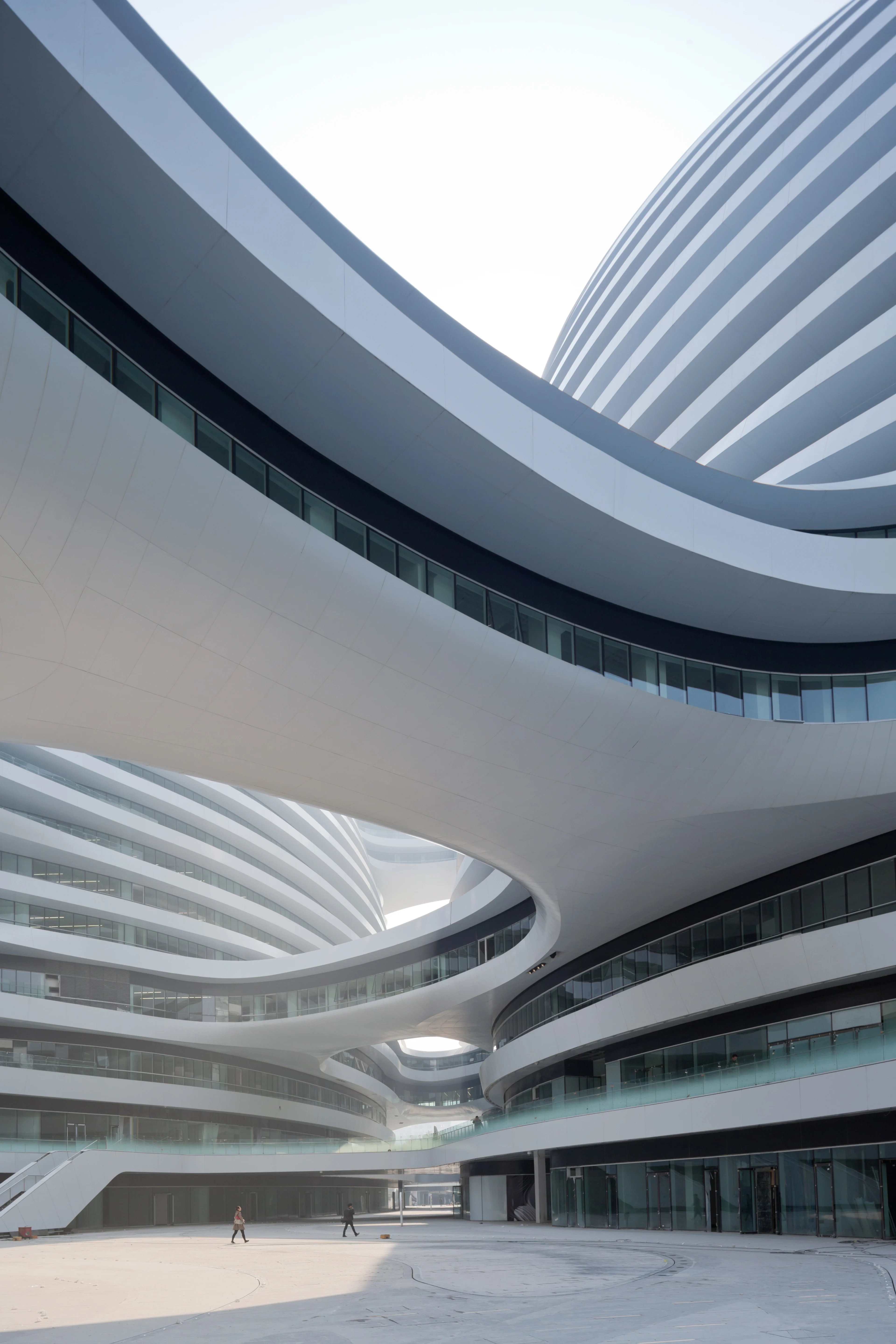
Photograph by Iwan Baan
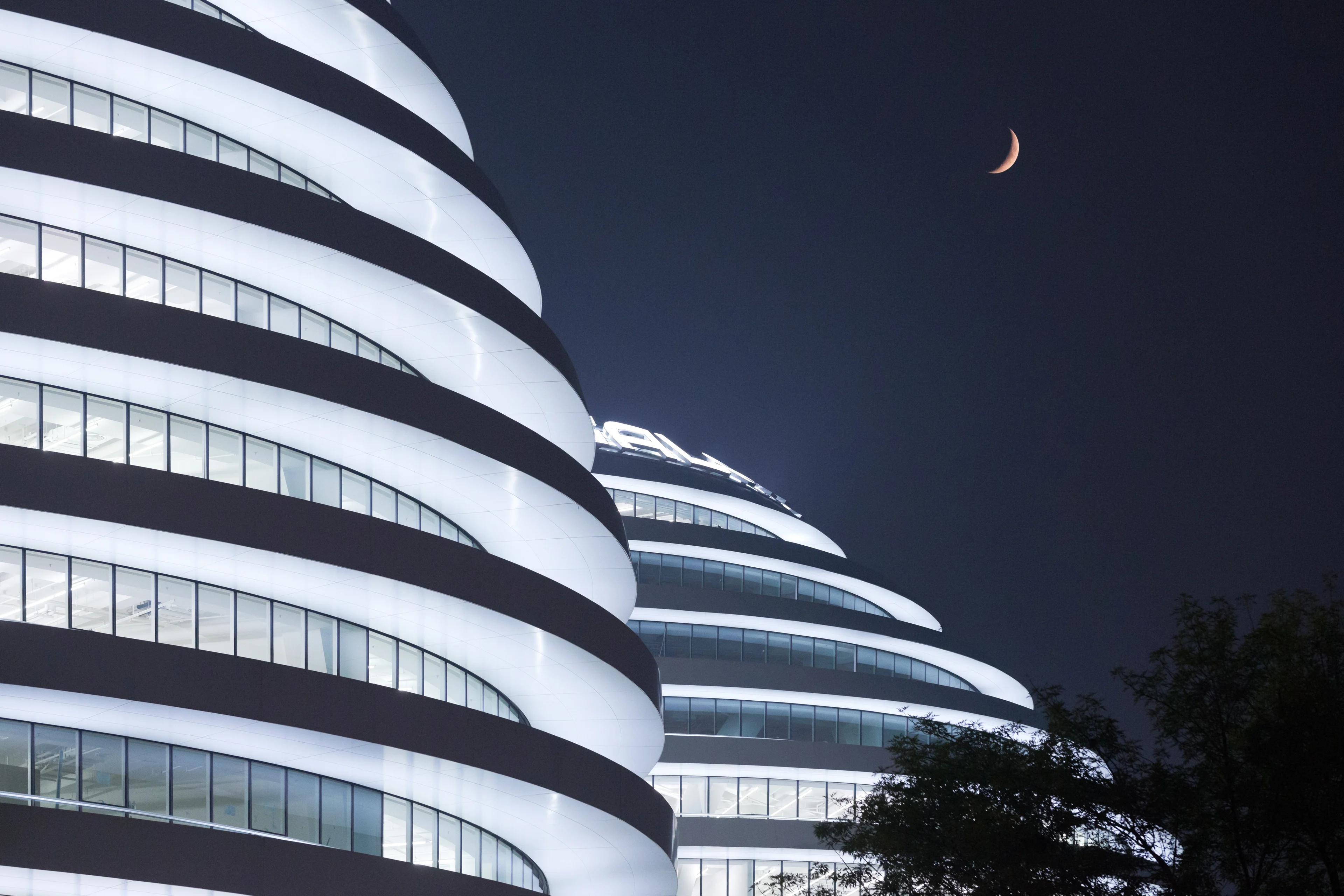
Different functions interconnected through intimate interiors
These different functions are interconnected through intimate interiors that are always linked with the city, helping to establish Galaxy SOHO as a major urban landmark for Beijing.
Galaxy Soho won the ‘Best Public Space Award’ from the China Design Association as well as a Silver Award from the Architectural Society of China. Receiving an RIBA International Award, Galaxy SOHO was also nominated for the prestigious RIBA Lubetkin Prize. The RIBA Jury citation: “Galaxy SOHO’s design is distinctly urban rather than suburban, civic as much as it is commercial. Its generous, interconnected public spaces flow into each other and have made Galaxy SOHO one of the city’s popular landmarks. By breaking the building’s mass into four flowing asymmetric domes of varying height, the design allows light into the deep-plan floor-plates. Each structure encloses a glazed atrium around which the internal circulation is arranged. Flowing bands of white aluminium and glass give the development an almost geological solidity and presence.”
Galaxy SOHO was the first of five successful collaborations between ZHA and SOHO China, totalling 1.5 million m2 (16 million square feet) of award-winning office and retail space. With all units in Galaxy SOHO sold before completion, Forbes Magazine detailed: “SOHO China Shares Rise On Profits of Completed ZHA Project: The company said its profit bulged by 172% from a year earlier to $1.7 billion in part on the completion of a high-profile project designed by ZHA.”
Offices
Discover more of our office buildings
From a Sharjah company headquarters designed to achieve net-zero energy consumption to a tower that anchors the masterplan for a newly revitalised district of Milan, discover our latest office buildings.
Render by Devisual
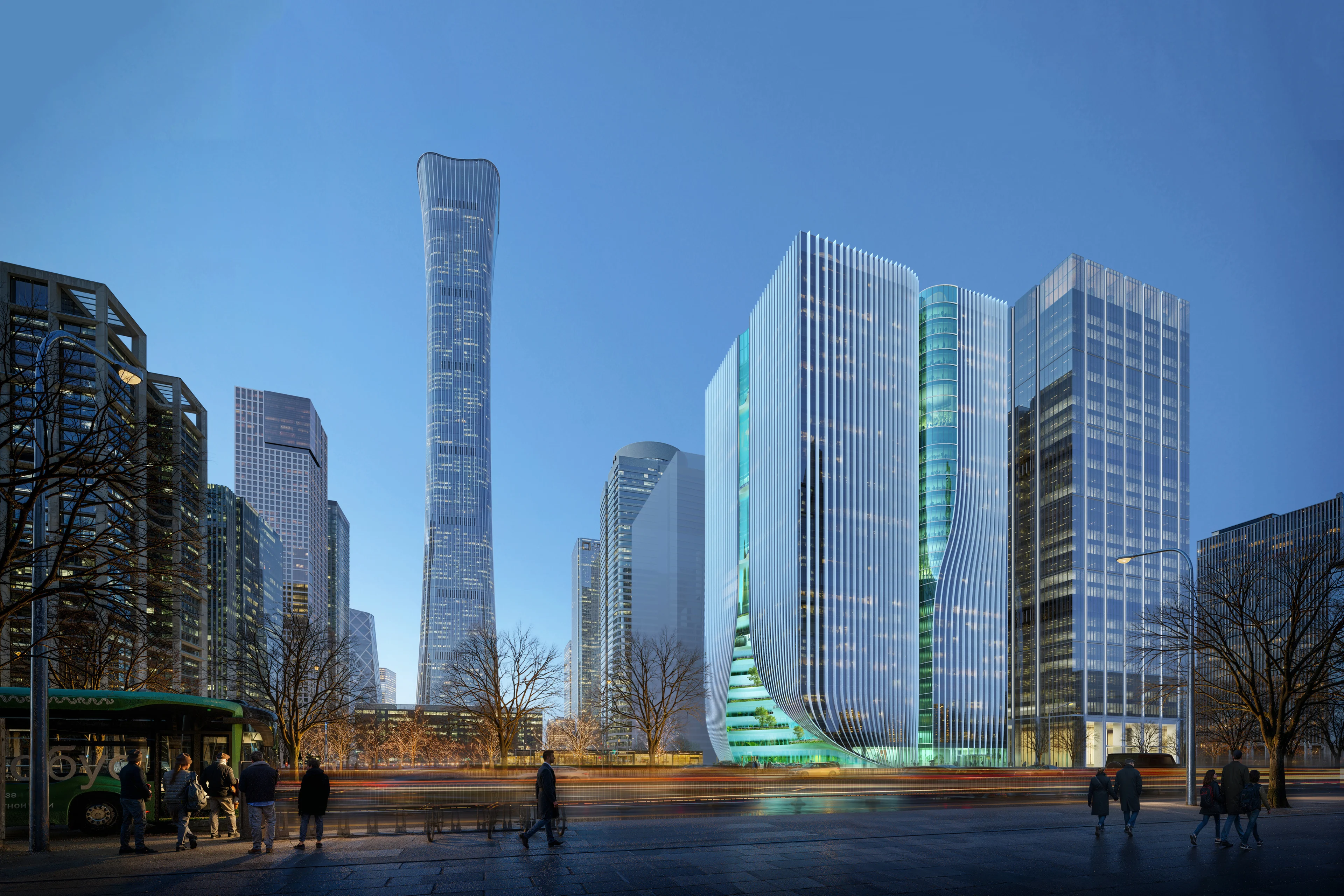
Z8 Tower
Located in the core of Beijing’s Central Business District (CBD) at the intersection of Jianguo Road and Jinhe East Road, the new Z8 Tower faces the CBD’s central park and is defined by the historic alignment and urbanism of the city’s Chang’an Avenue.
Photograph by Hufton + Crow
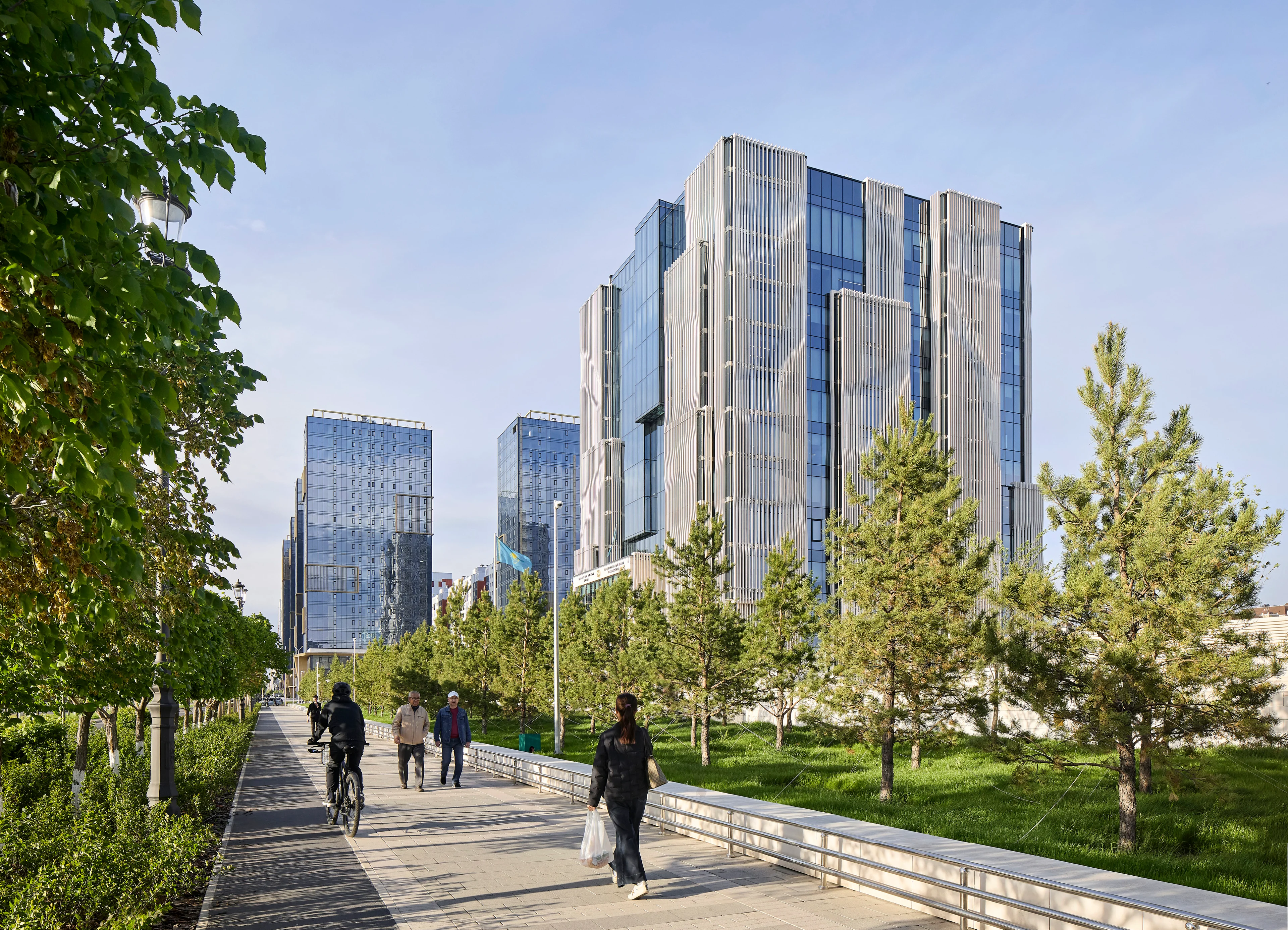
National Bank of the Republic of Kazakhstan
The new headquarters of the National Bank of the Republic of Kazakhstan (NBRK) in Astana houses the bank’s departments within a single, integrated campus accommodating up to 800 employees and conveys the institution’s longstanding commitment to fiscal stability.
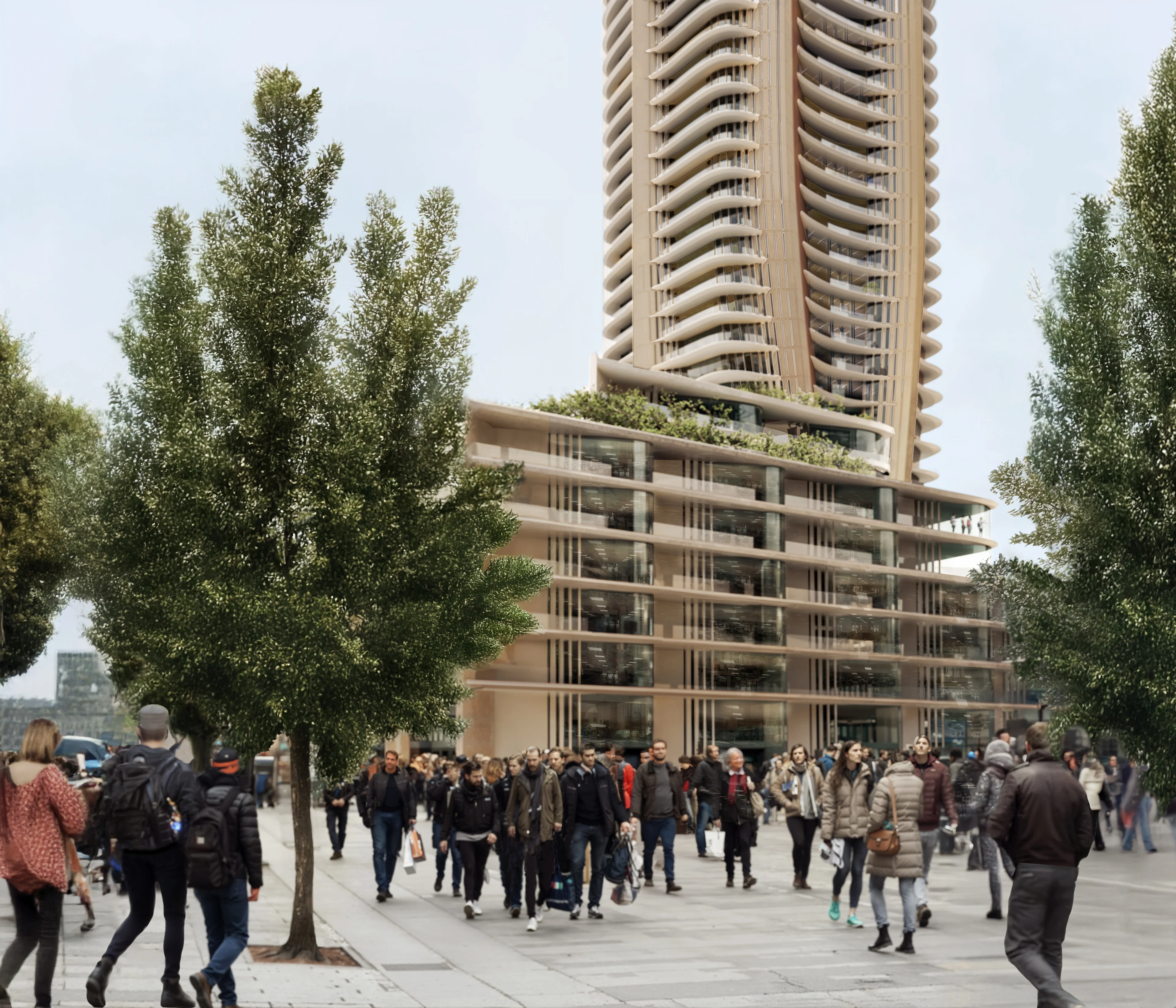
Alta Tower
ZHA collaborating with Bureau Cube Partners (BCP) has been selected as winners of the international competition to design the new Alta Tower in New Belgrade, Serbia.
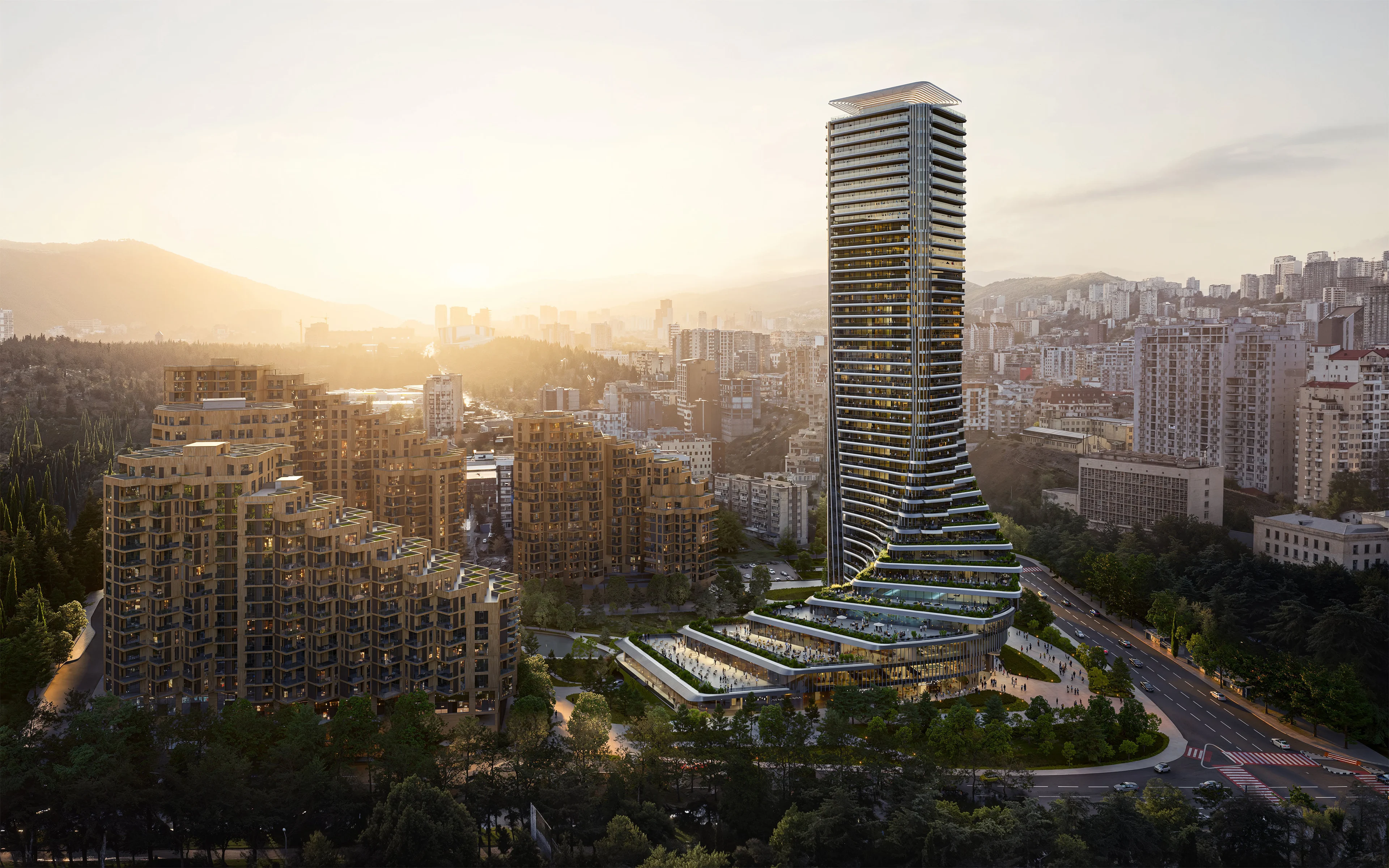
Cityzen Mixed-Use Development
Serving as the gateway to the Cityzen community, a new civic hub in the west of Tbilisi, Cityzen Tower is ZHA's first project in Georgia.
Render by Hayes Davidson
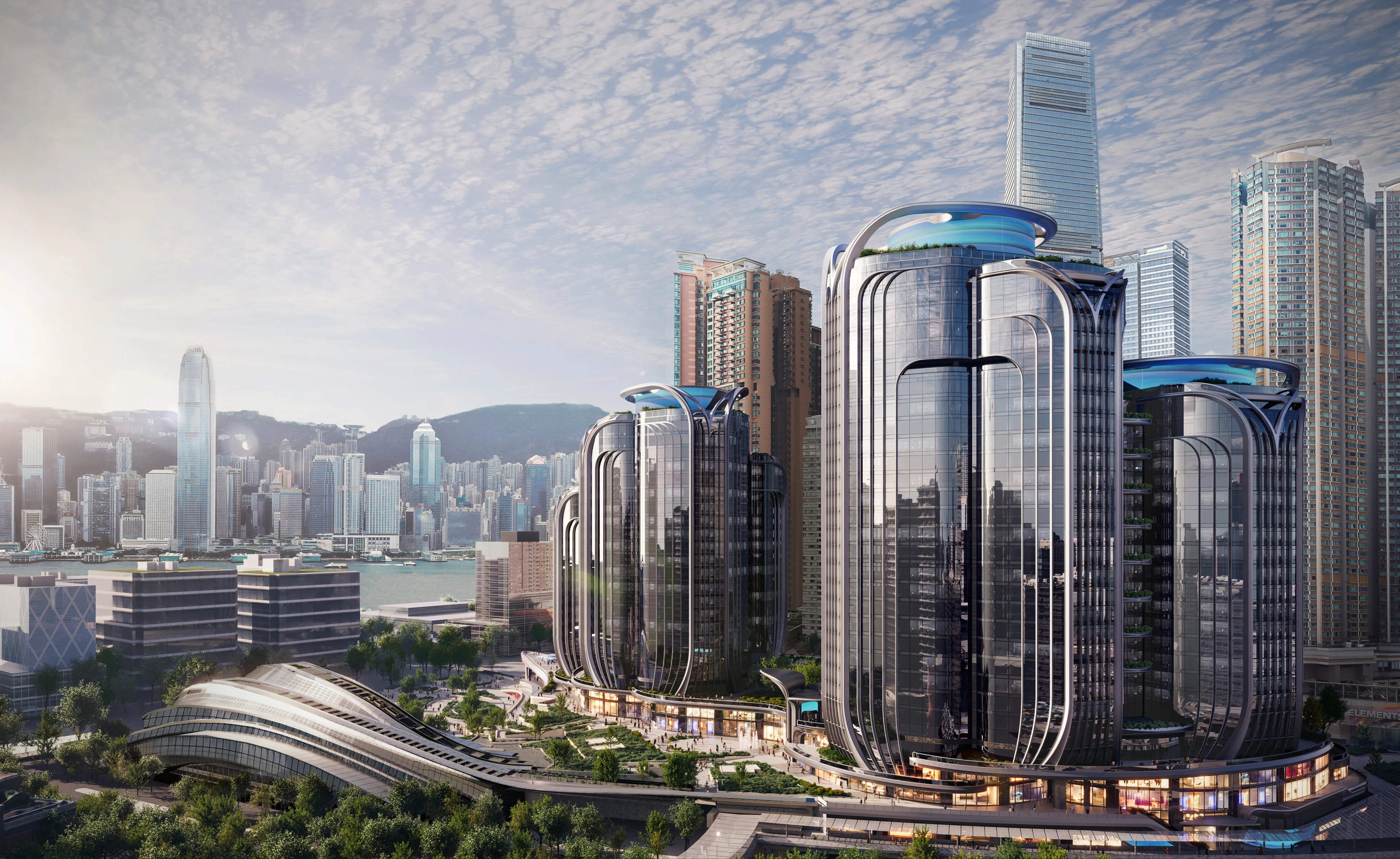
International Gateway Centre
Adjacent to the West Kowloon Cultural District, the 3.2 million sq. ft. development above Hong Kong’s High Speed Rail West Kowloon Terminus connects established and emerging neighbourhoods with a network of public gardens and landscaped plazas.
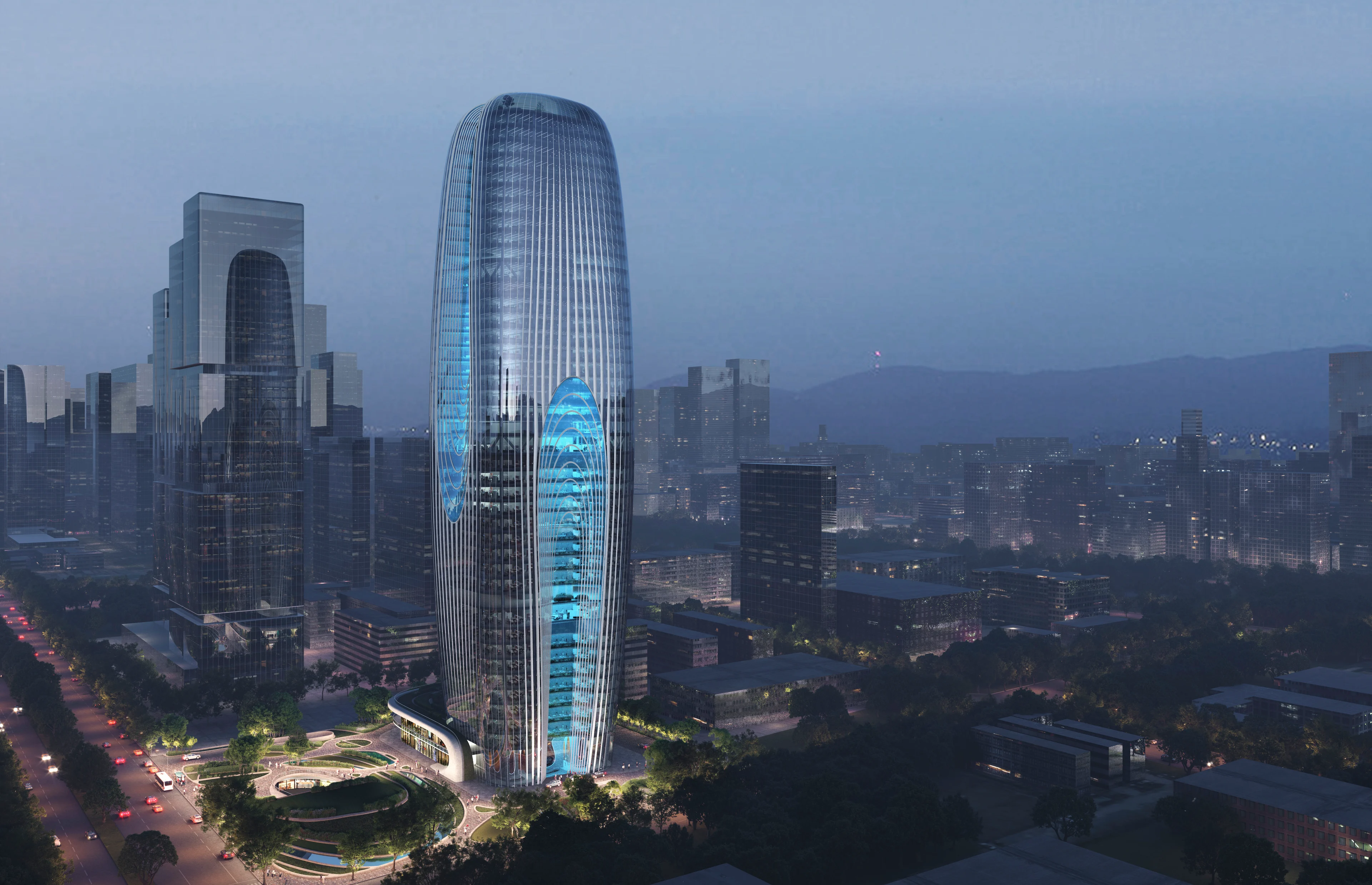
Daxia Tower
Demarcating the centre of Xi’an’s business district, Daxia Tower’s gently curving silhouette is accentuated by layers of patterned glazing and dramatic atriums that bring natural light deep into its floorplates. Creating a cascade of planted interior terraces that echo mountainside waterfalls, each atrium gives panoramic views over the historic city and the growing high-tech zone.
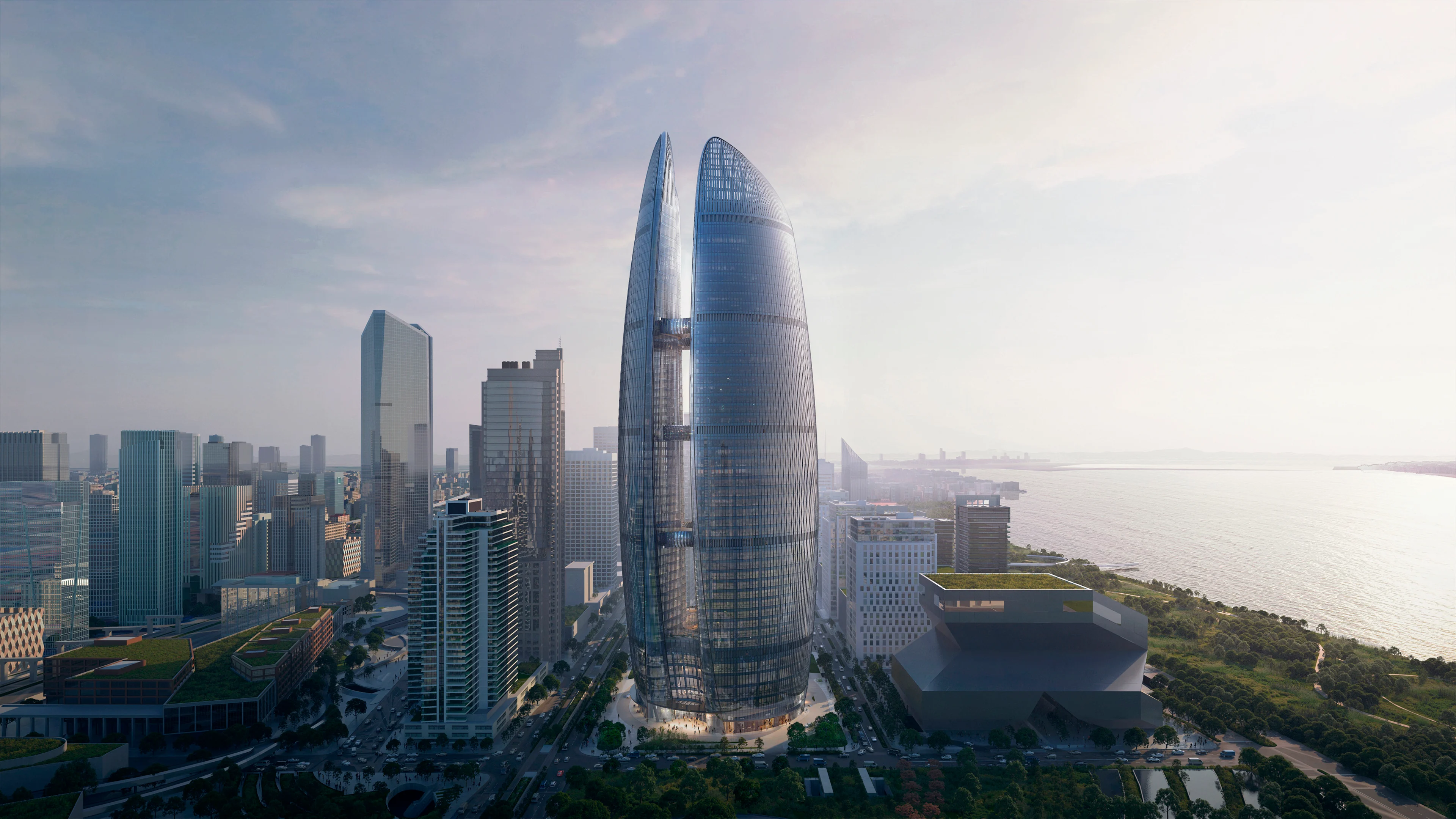
Render by Negativ
Taikang Financial Centre
The new Taikang Financial Centre will be a centre of excellence, developing effective systems and networks that will provide a new ecosystem of support for people of all ages across China. Using the new technologies developed within the Taikang Financial Centre, the group will continue its commitment to supporting community development, healthcare, education and well-being throughout the country.
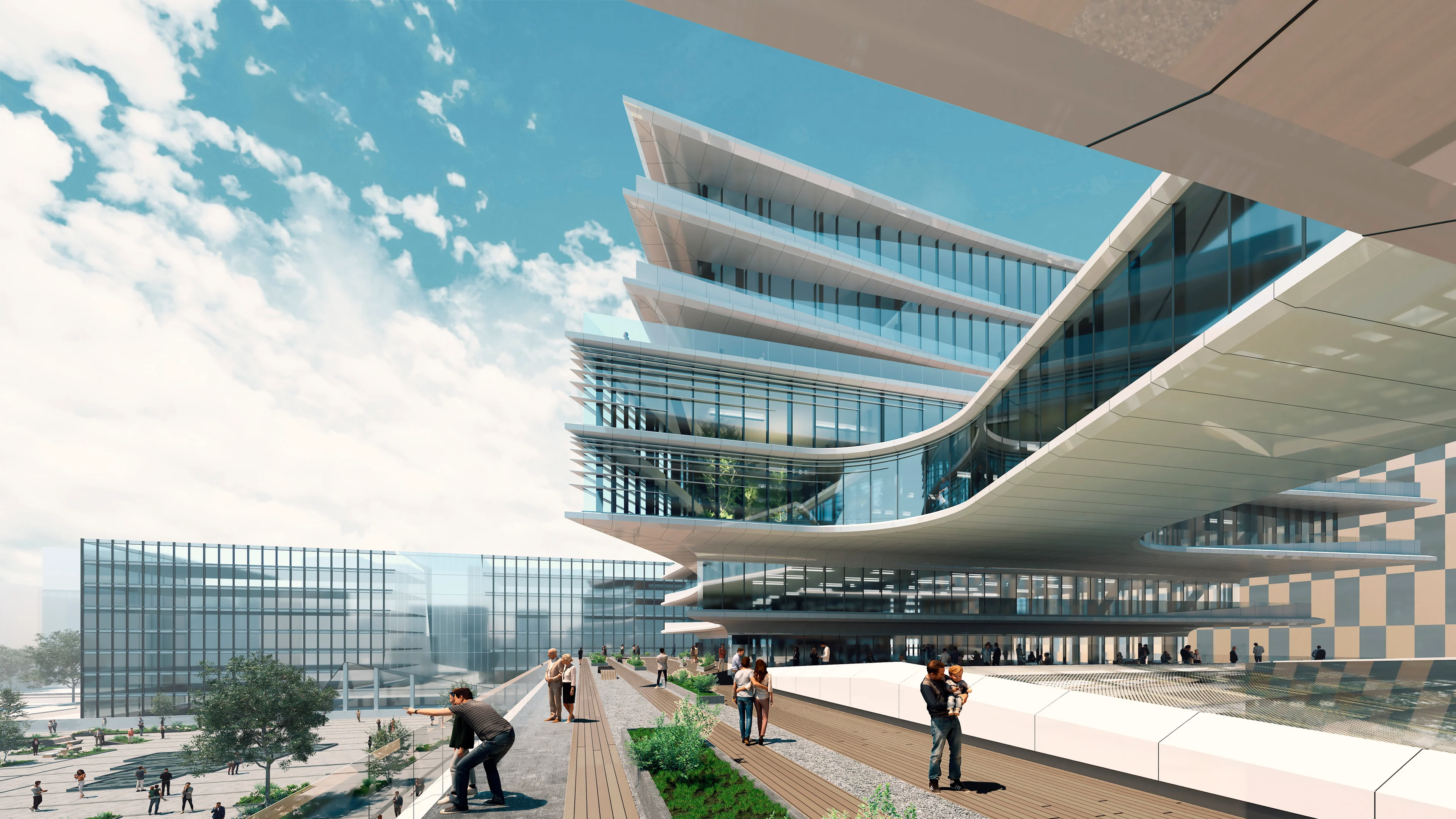
Vilnius Business Stadium
Integrated within the Vilnius City Plan and the popular public square adjacent to the site, Business Stadium Central will be a new gathering place for the city.
Courtesy of Brick Visual
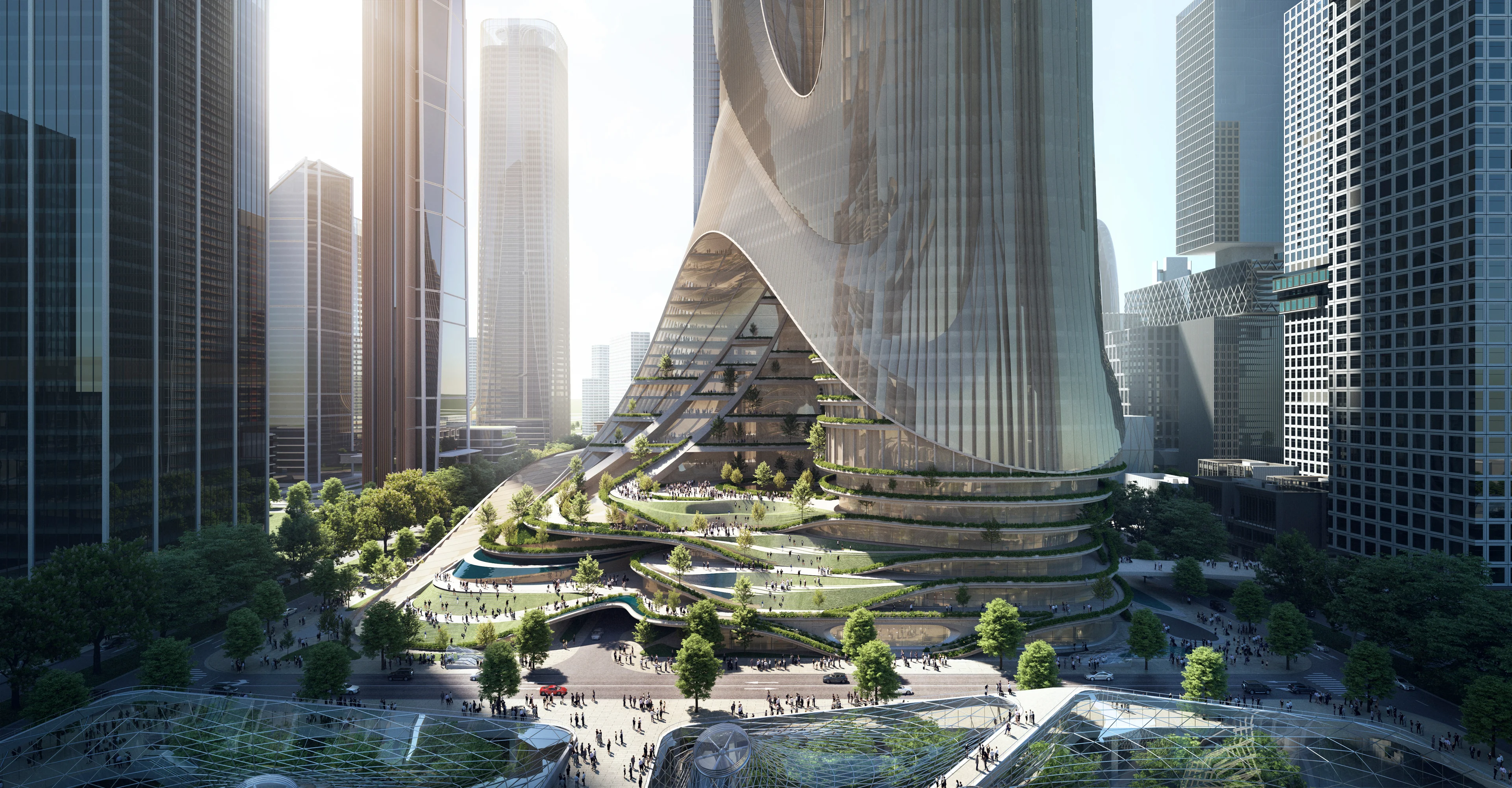
Tower C in Shenzhen Bay Super Headquarters Base
The design of Tower C integrates the city and nature within its central green axis with the transit orientated development (TOD) of Shenzhen’s new spine, creating a ‘superscape’ that will become a tower of the future within the Super Headquarters Base.
Photograph by Virgile Simon Bertrand
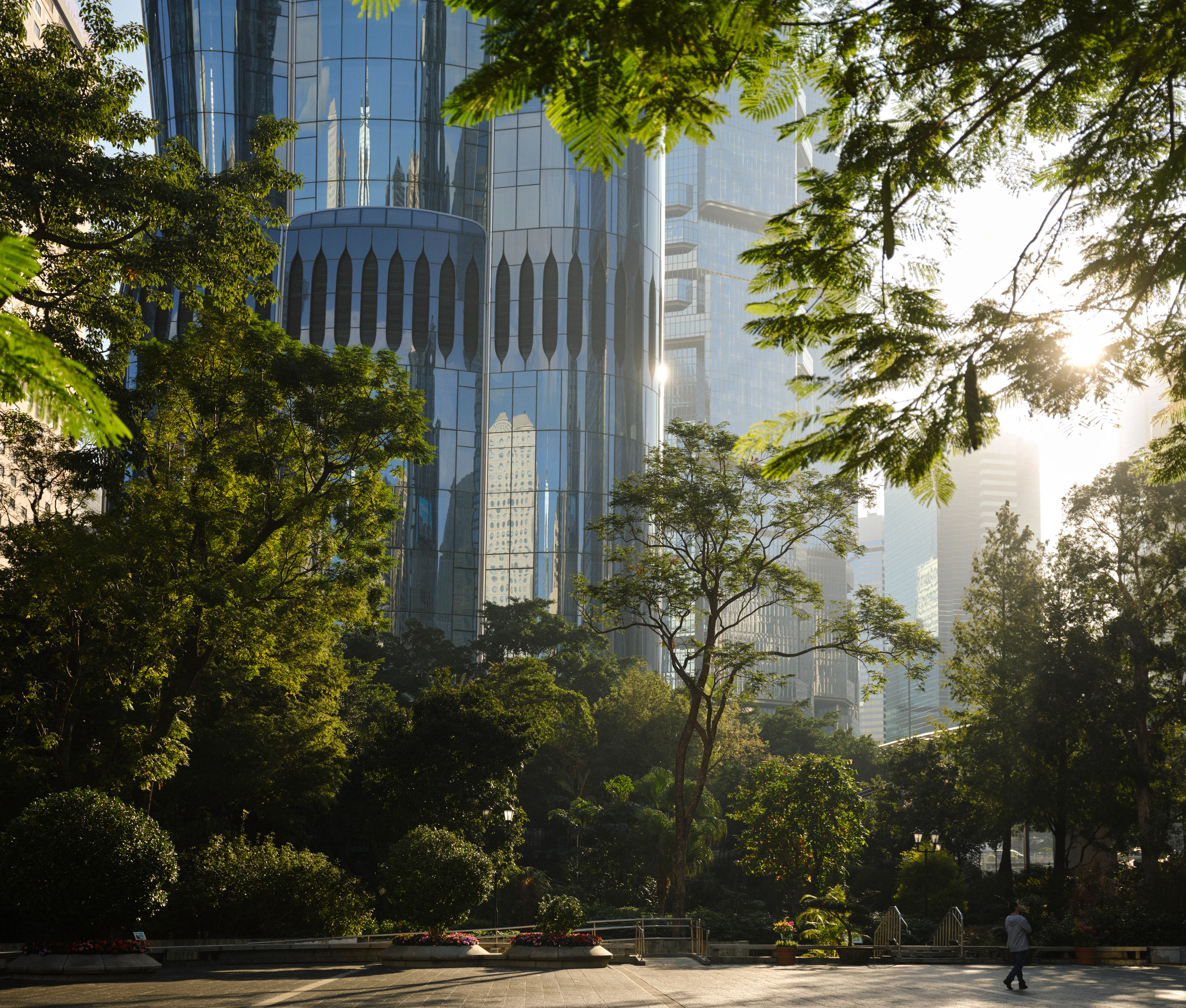
The Henderson
Developed on the world’s most valuable site purchased by Henderson Land, the 36-storey tower's design shelters new civic plazas enveloped by nature, creating an urban oasis in the centre of the city. Accommodating enhanced workplace flexibility, the building’s smart management system creates a contactless pathway for all occupants, eliminating all contact with communal surfaces.
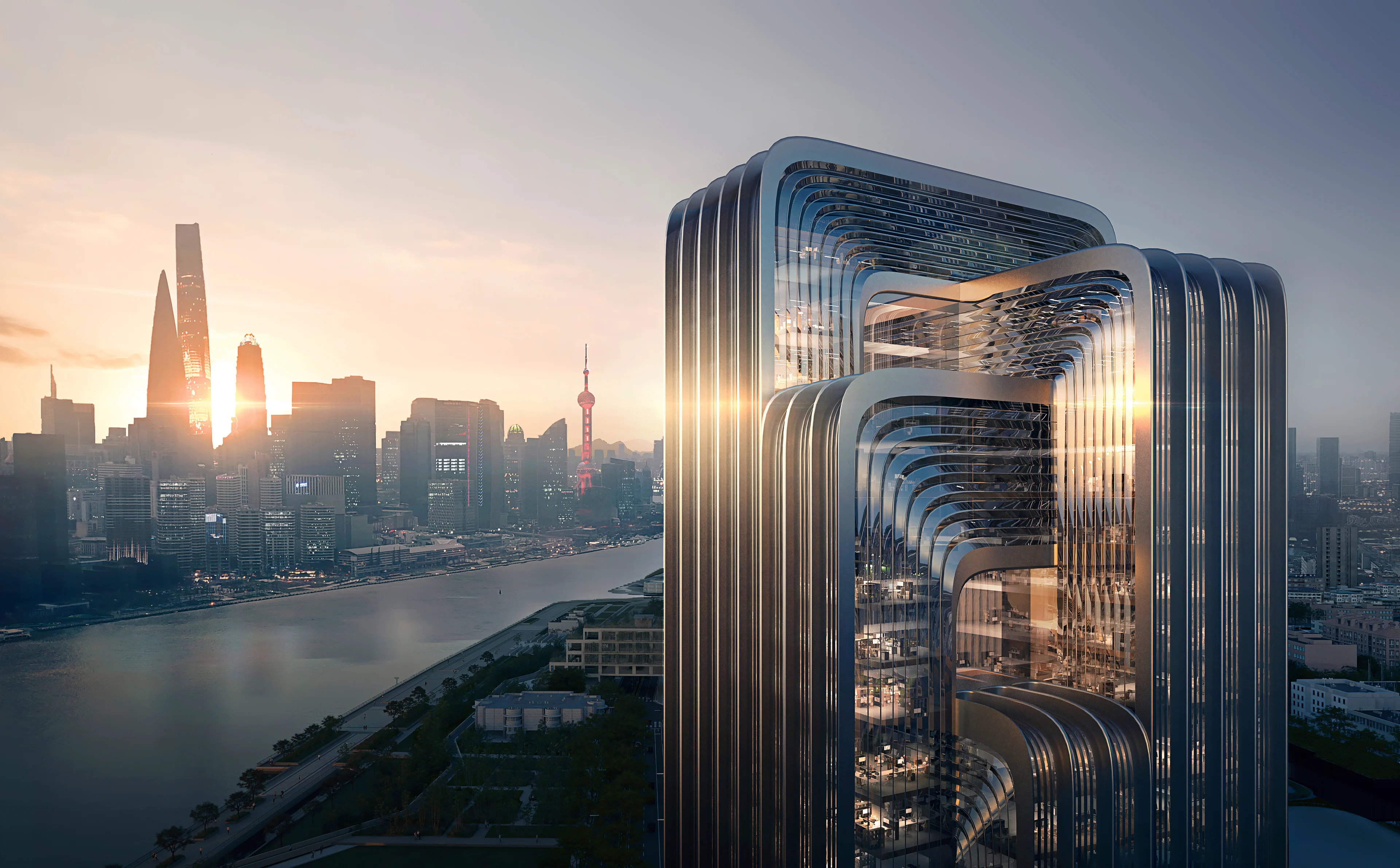
CECEP Shanghai Campus
The 218,000m² campus sets new benchmarks for the city in energy conservation, energy efficiency and sustainability.
Courtesy of ZHA
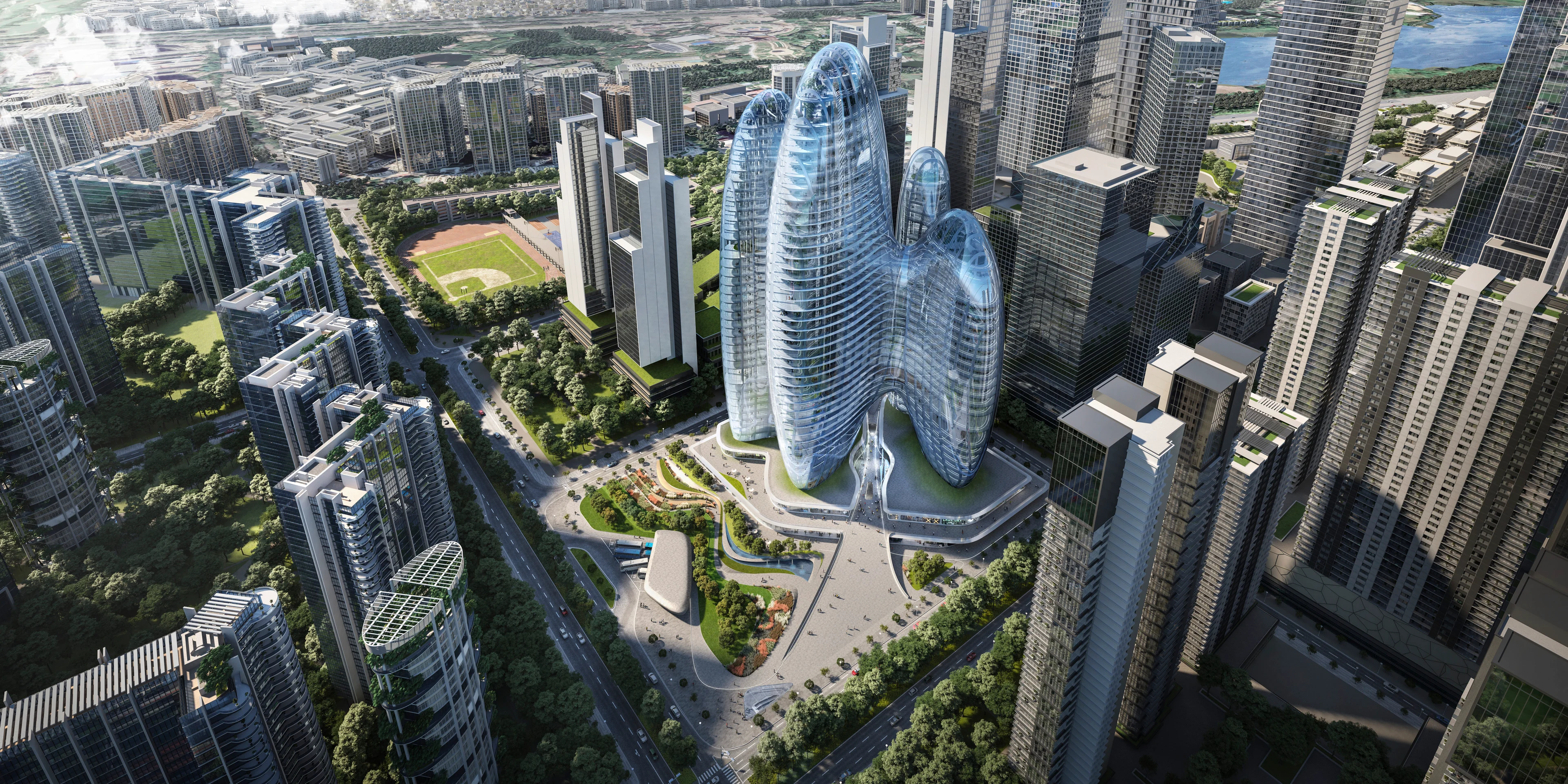
OPPO Headquarters
Conceived as four interconnected towers reaching a height of 200m (42 floors), the 185,000 sq.m design incorporates two towers of flexible, open-plan spaces linked by a 20-storey vertical lobby, and two external service towers providing vertical circulation.
Photograph by Hélène Binet
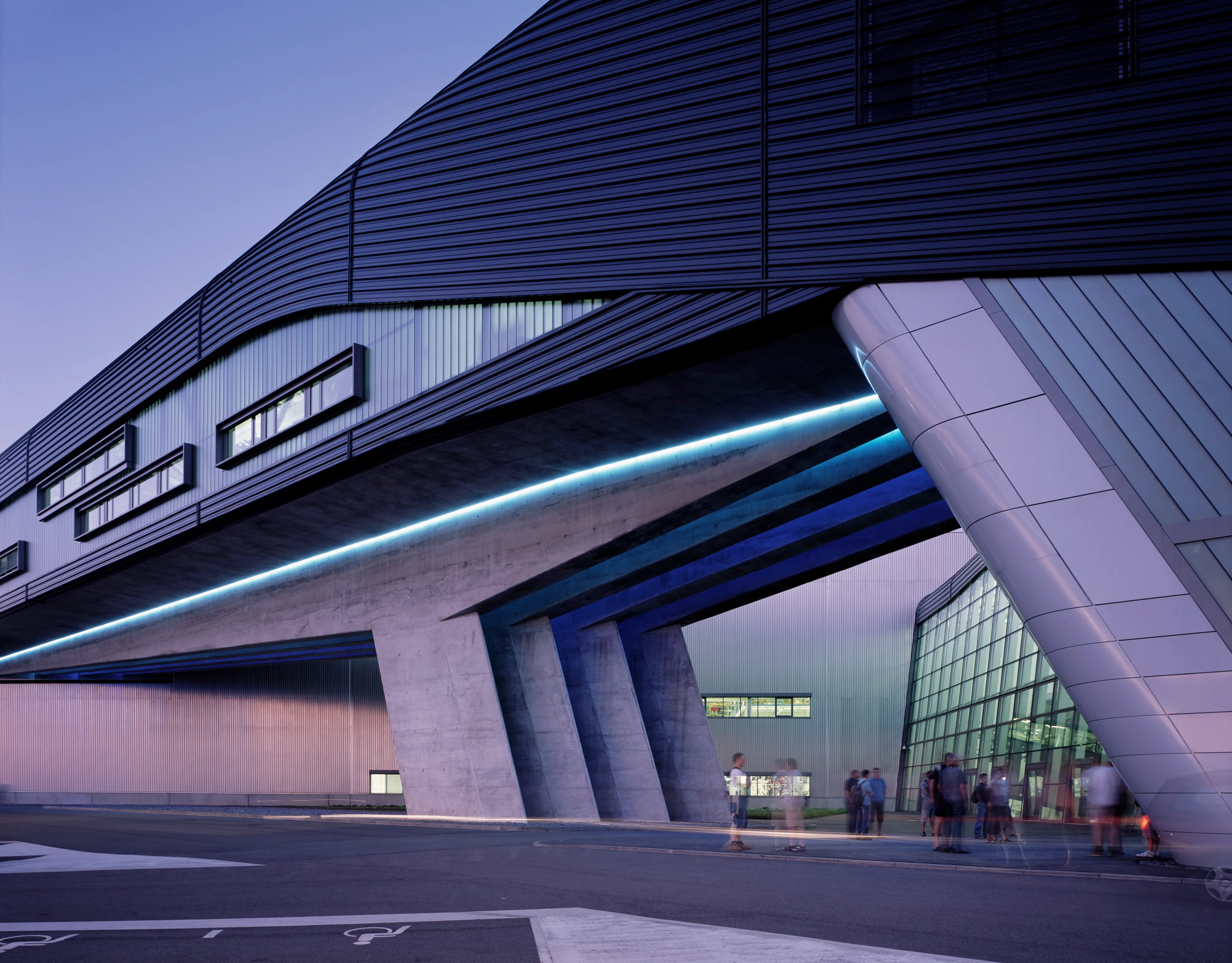
BMW Central Building
Our Central Building for BMW constituted a radical reinterpretation of the traditional office – transforming the building and the functions it contains into a more dynamic, engaging ‘nerve-centre’ or ‘communication knot’ – funneling all movement around the manufacturing complex through a space that transcends conventional white collar/blue collar spatial divisions.
Photograph by Hufton + Crow
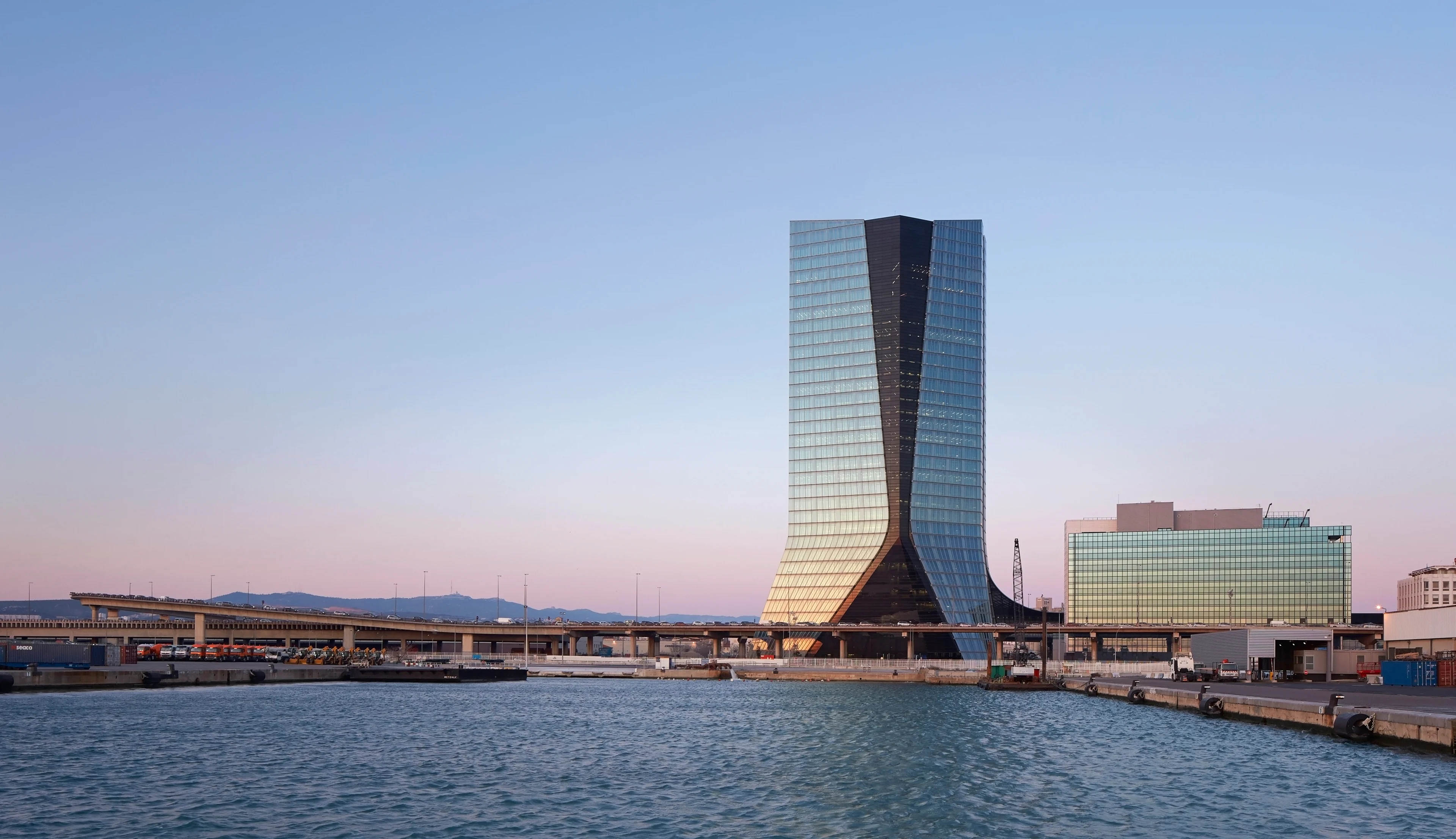
CMA CGM Headquarters
Rising in a metallic curving arc that slowly lifts and accelerates skywards into the dramatic vertical geometry of its revolutionary forms. With its ultimate coordinate 142.8 metres above the ground, a gateway to the city from both land and sea, an iconic vertical element that interacts with Marseille’s other significant landmarks.
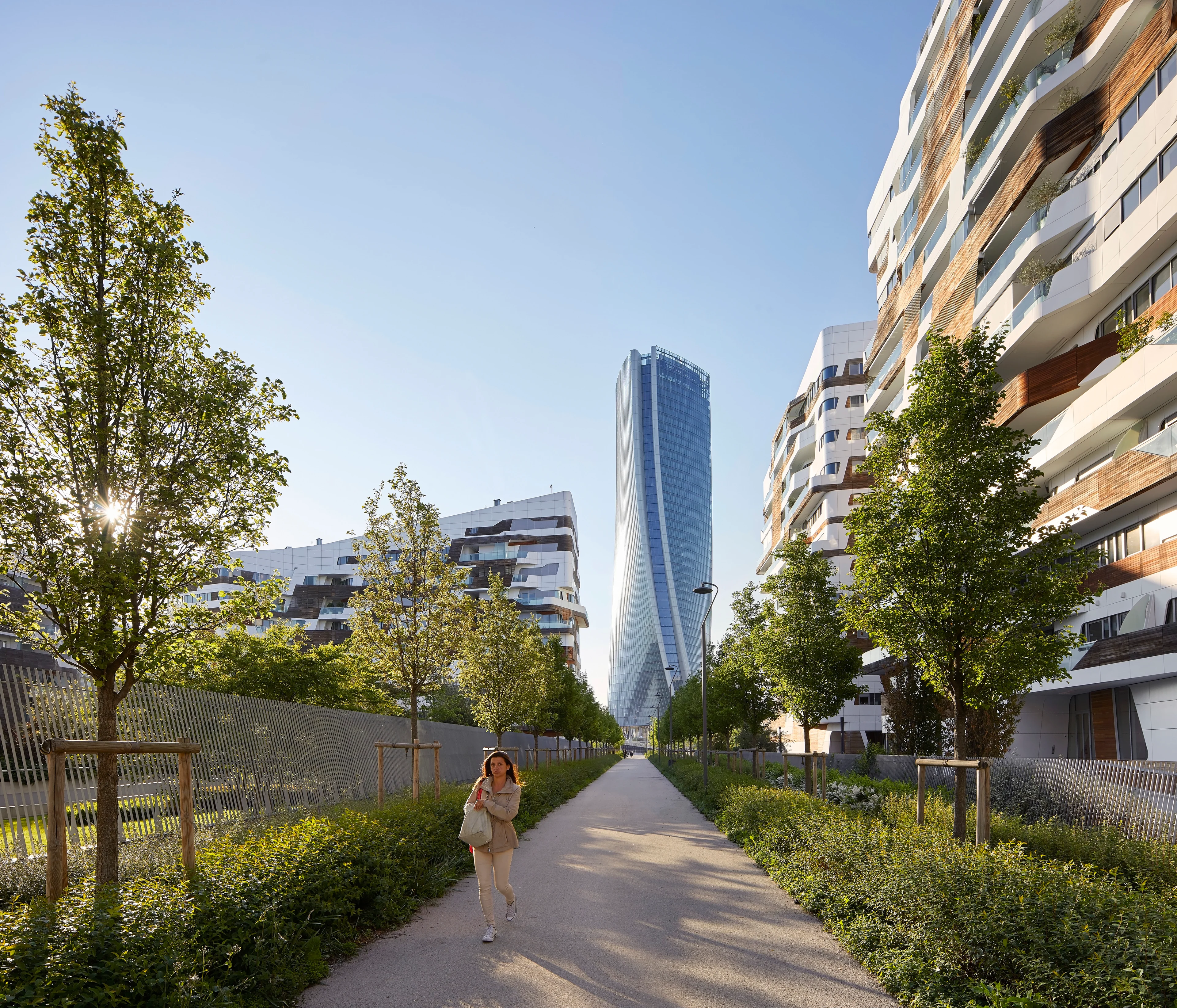
Photograph by Hufton + Crow
Generali Tower
Generali Tower
Generali Tower is within the CityLife masterplan that has redeveloped Milan’s abandoned trade fair grounds following the fair’s relocation to Rho Pero in 2005.
01
02
03
04
05
06
07
08
09
10
11
12
13
14
15