
Associate Director
BSc, B Arch, M Arch UD, ARB, RIBA
London, UK
Craig Kiner
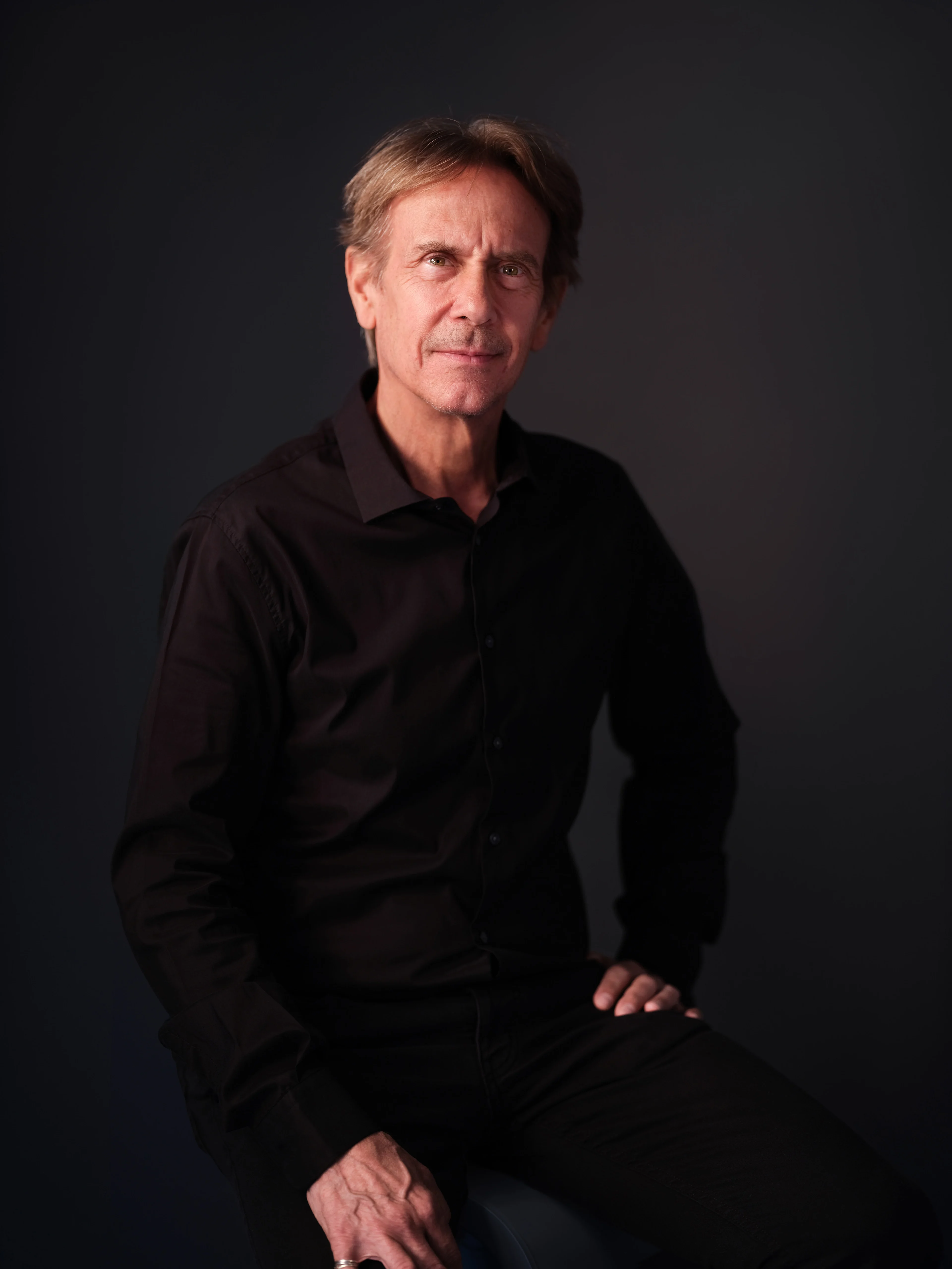
Photograph by Frederic Aranda ©
About Craig
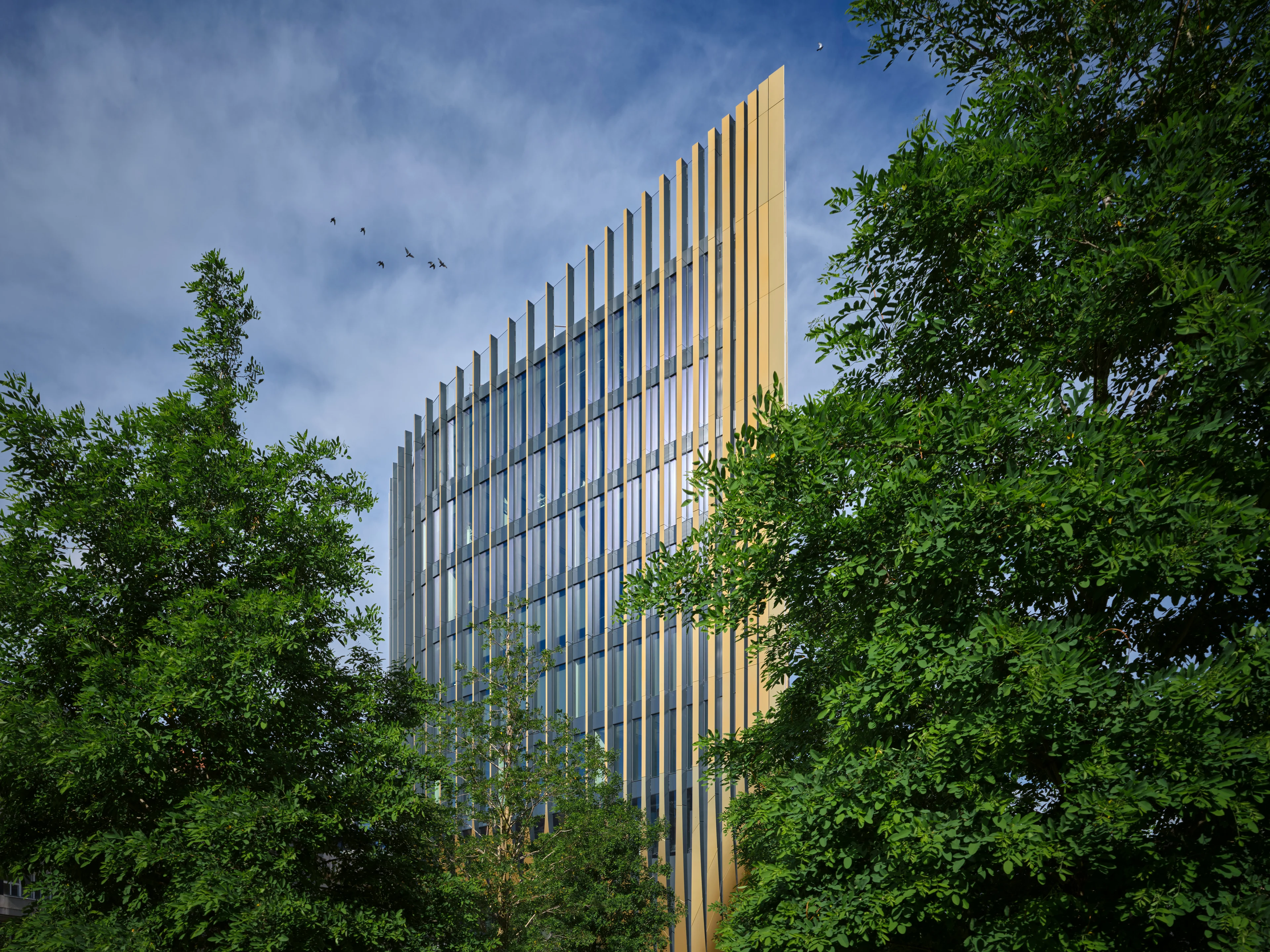
Photograph by BoysPlayNice
Profile
Craig first joined ZHA in 1989 and then returned to the office in 2008. With a background in environmental and urban design, he has extensive knowledge of the built environment, public space and the interrelationships between programming, design, and construction. He has worked on a wide range projects, including residential developments, cultural and arts facilities, large-scale commercial offices, city and town centre masterplans, public realm design, and tall building design. He focuses on people-centric spaces that respect historical contexts whilst promoting design that contributes positively to their surroundings. He mentors prospective young architects and designers, encouraging engagement that aims to create a positive impact for less advantaged youth.
Prior to rejoining ZHA, Craig worked with architectural and multidisciplinary practices, including Kohn Pederson Fox (KPF), Koetter Kim and Associates, and Urban Initiatives, and as Technical Director with Jacobs UK. He played a key role in high-profile architecture and masterplanning projects, such as Canary Wharf Riverside, Battersea Power Station, and the Stratford Town Centre adjacent to the London 2012 Olympics.
Photograph by Hufton + Crow
Featured Projects
Key Projects
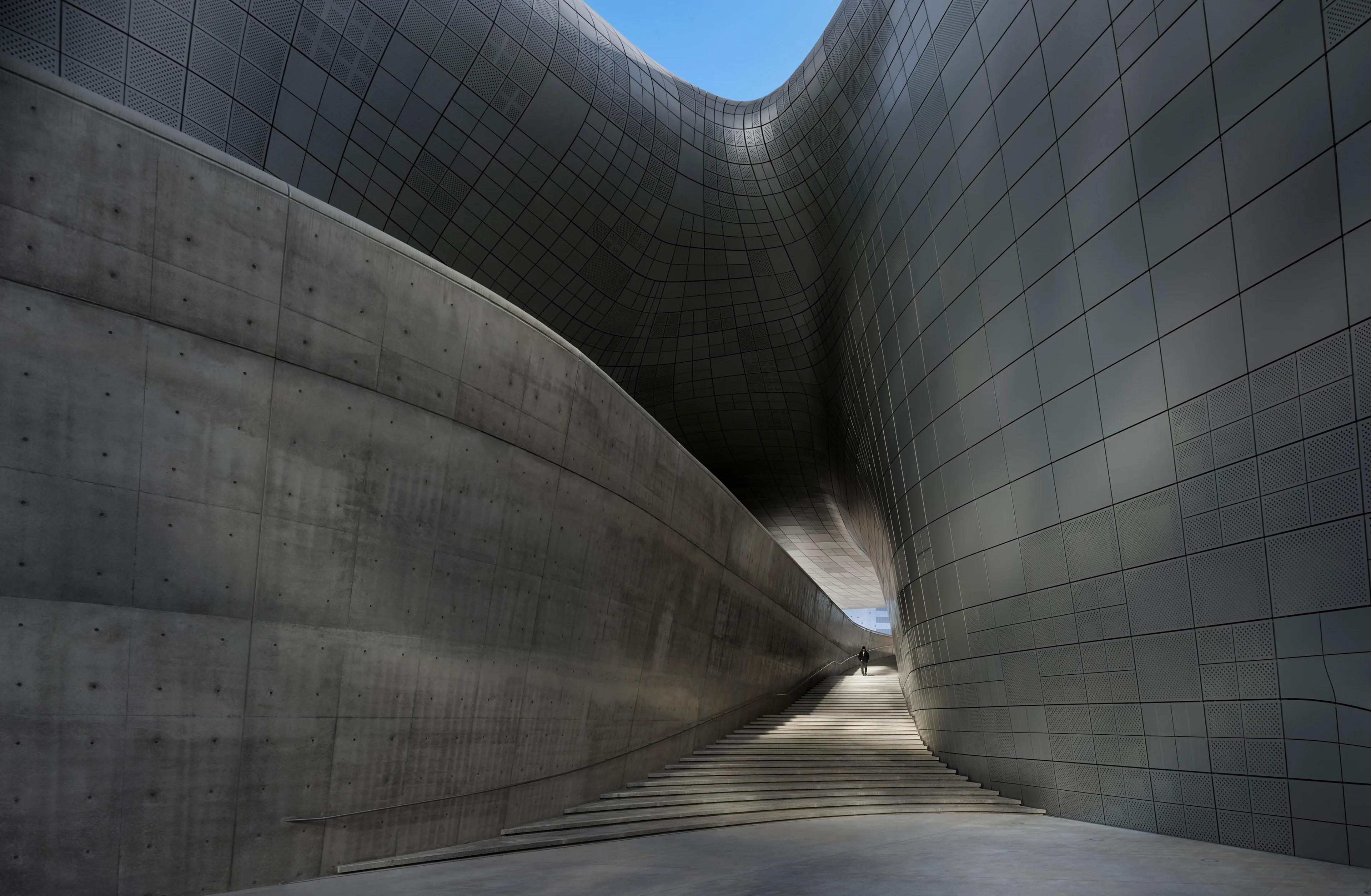
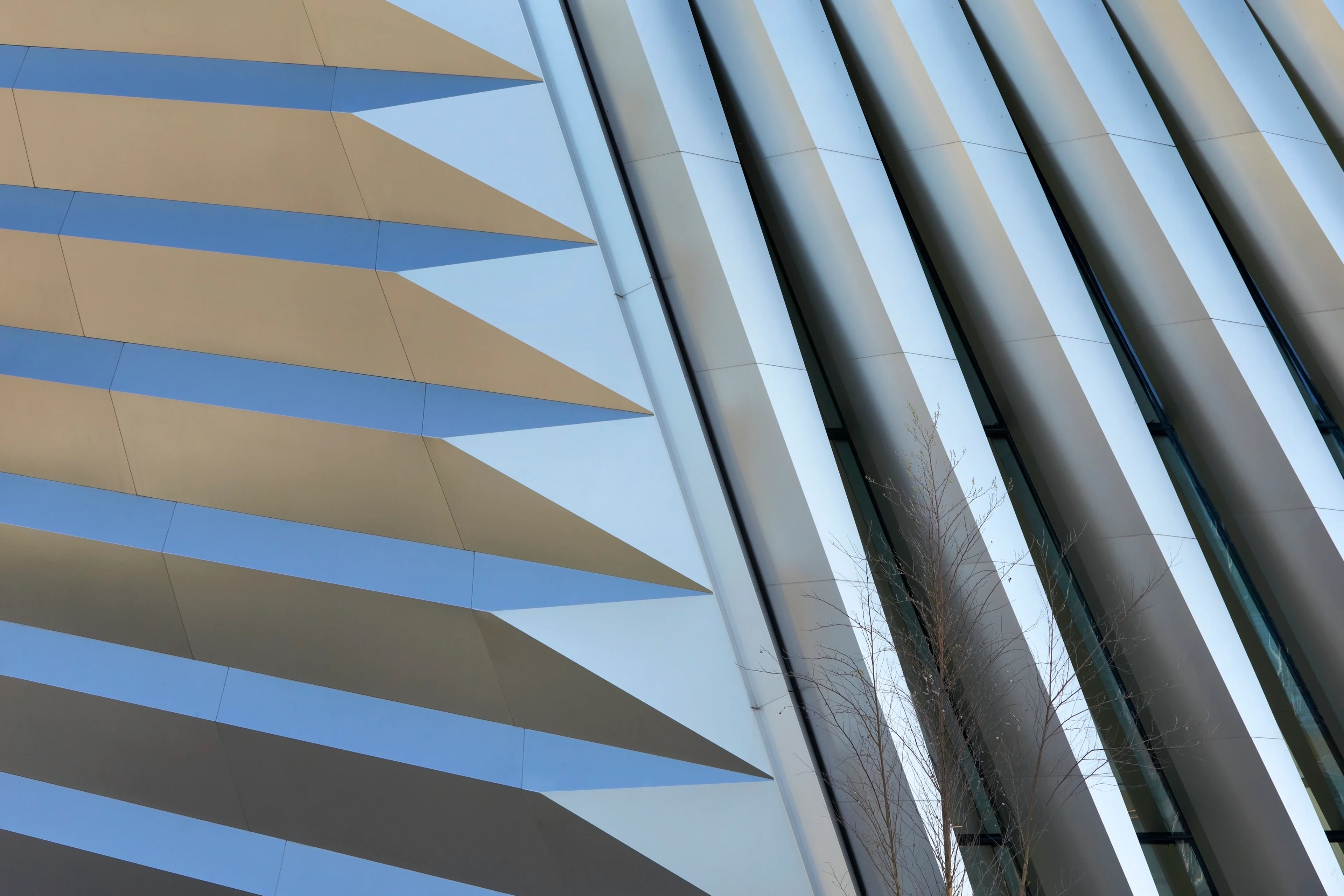
From a museum influenced by a set of movement paths that traverse and border the site, to a cultural hub at the centre of one of the busiest and most historic districts of Seoul, discover highlights of Craig's notable projects at ZHA.
Education & Professional Philosophy
Craig obtained his Bachelor of Architecture and Bachelor of Science in Environmental Design from Kent State University’s School of Architecture in the US, and received his Master of Architecture in Urban Design from the Graduate School of Design (GSD) at Harvard University.
Craig is an Academician at the Academy of Urbanism and a member of the Urban Design Group. He has taught design at the University of East London and the University of Greenwich in London, and provided guidance as a student mentor and liaison officer at Harvard University. Actively engaged in academia as a visiting critic and panellist, he is passionate about speaking at juries and events on environmental issues and energy use.
Craig values the experience of hand-building and crafting as vital ways of interpreting the built environment. Outside of work, he enjoys drawing, painting, and creating custom furniture. His latest project is a sideboard that integrates a wine fridge, cabinets, and shelves.
Projects
Selected Projects
Explore a selection of projects Craig has contributed to since joining ZHA.

Photo by Boys Play Nice
HERO Masarycka_4000px
Offices
Masaryčka
The Masaryčka building in Prague is defined by circulation routes which will provide access to new civic spaces for the city.
Courtesy of ZHA, render by Negativ
Masterplans
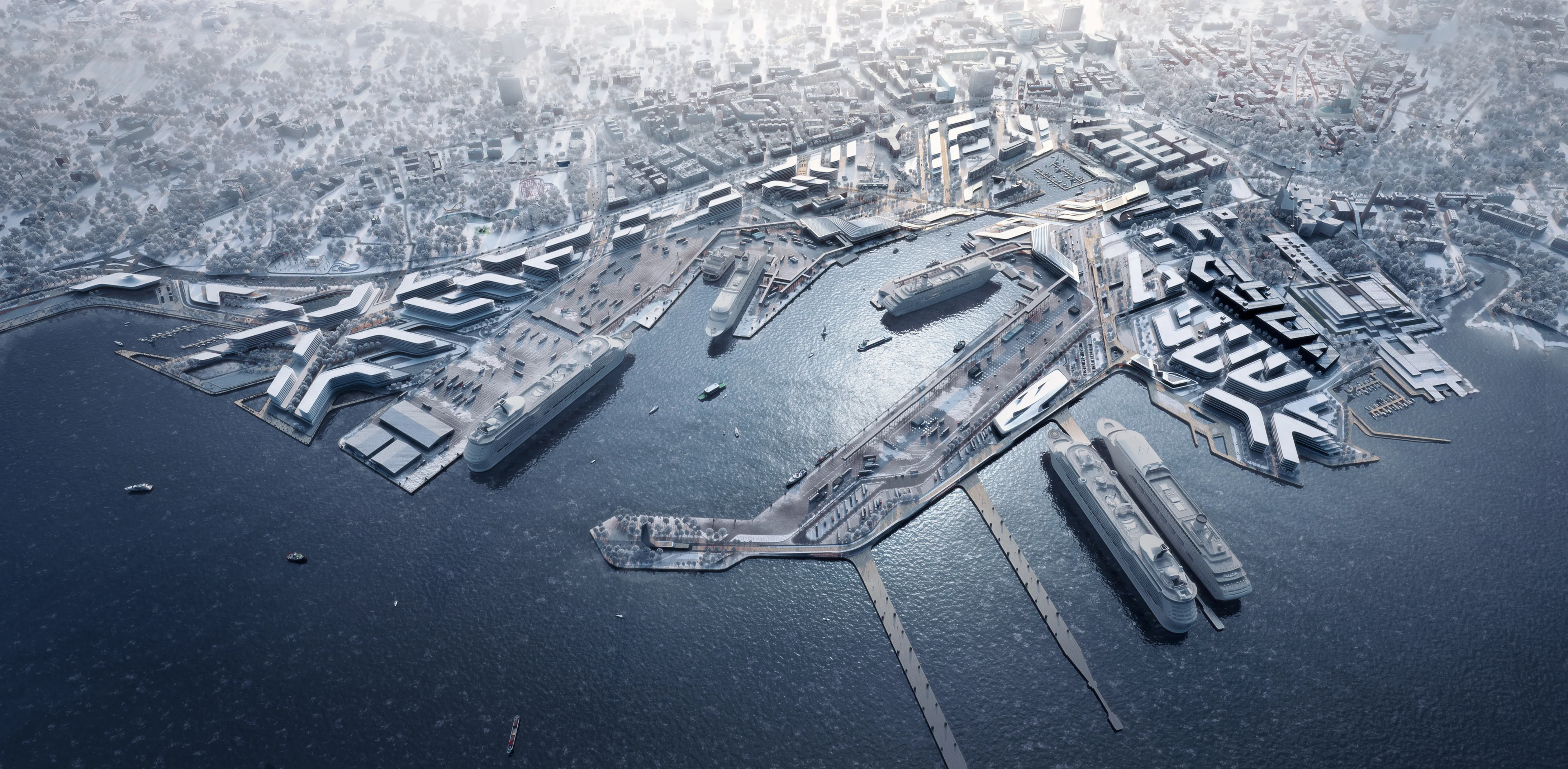
Port of Tallinn Masterplan 2030 for the Old City Harbour
The masterplan re-establishes and reinforces the links with the Port of Tallinn and the Old Town, as well as the links between the city and the sea; providing connectivity from the ferry and cruise terminals to the city centre, and at the same time creating an integrated new neighbourhood for the people of Tallinn.
Photograph by Julian Faulhaber
Education
Offices
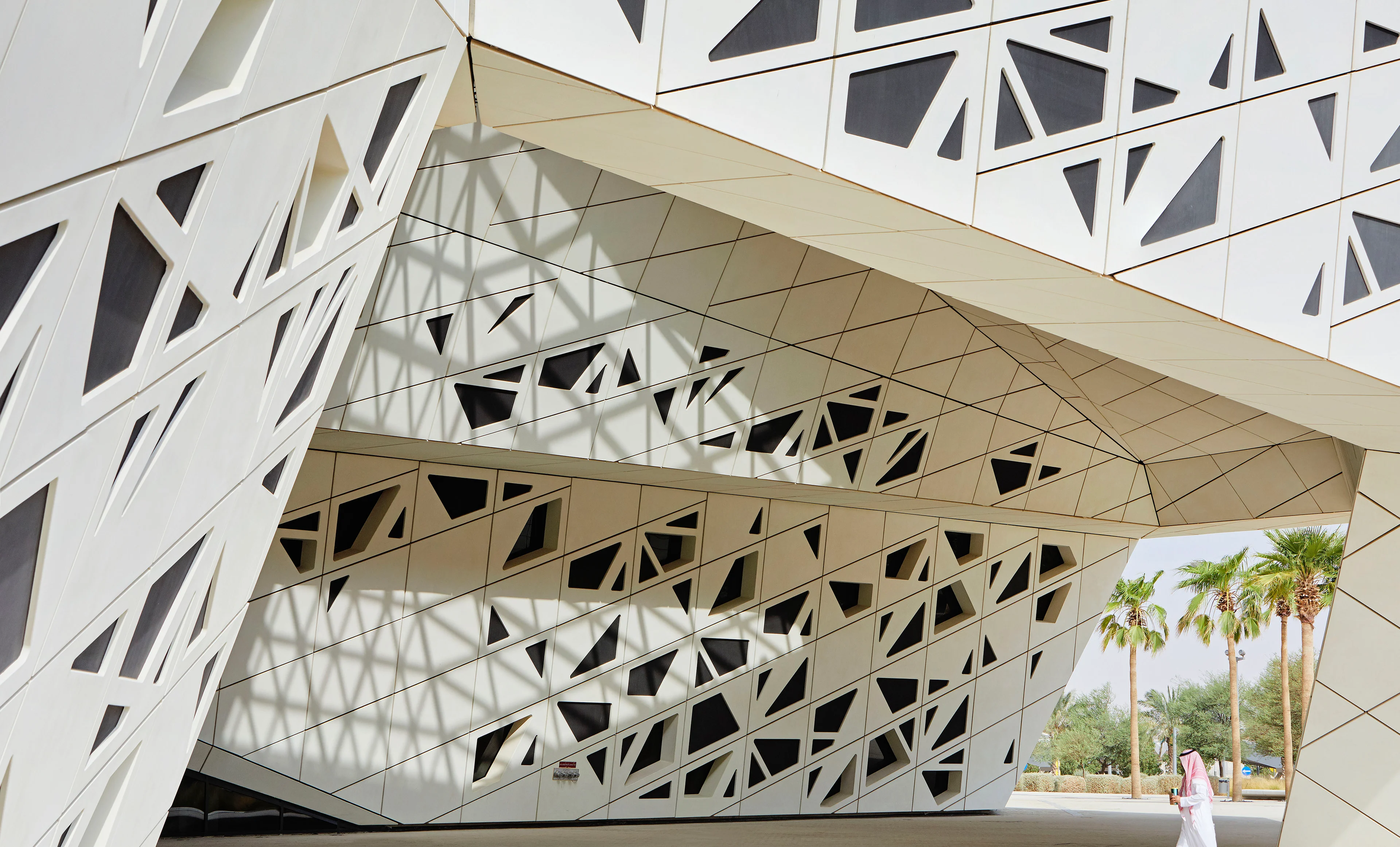
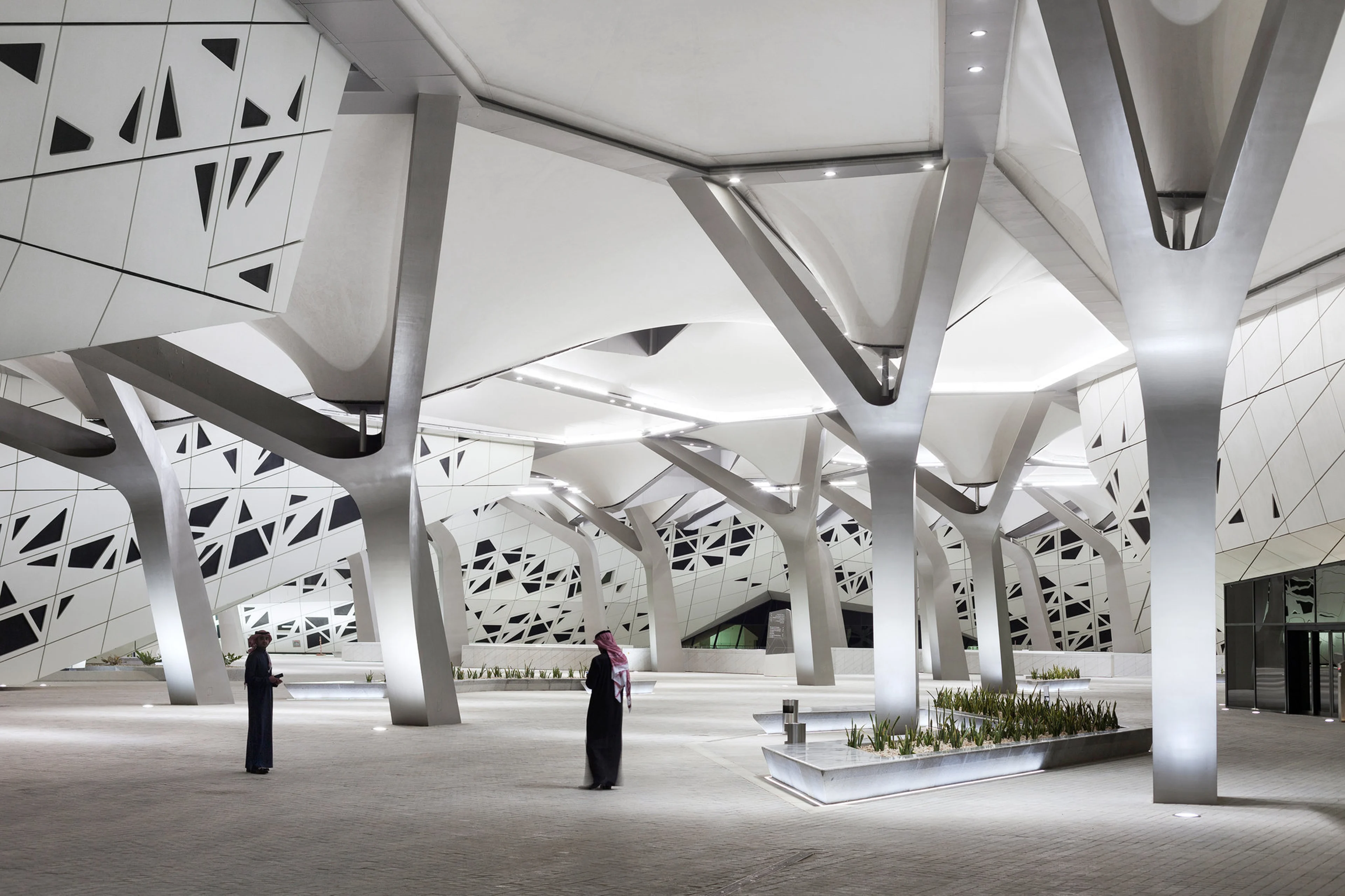
King Abdullah Petroleum Studies and Research Center (KAPSARC)
KAPSARC is a non-profit institution for independent research into policies that contribute to the most effective use of energy to provide social well-being across the globe. KAPSARC develops policies and economic frameworks that reduce the environmental impact and overall costs of energy supply and enable practical technology-based solutions to use energy more efficiently.
Photograph by Virgile Simon Bertrand
Culture
Civic
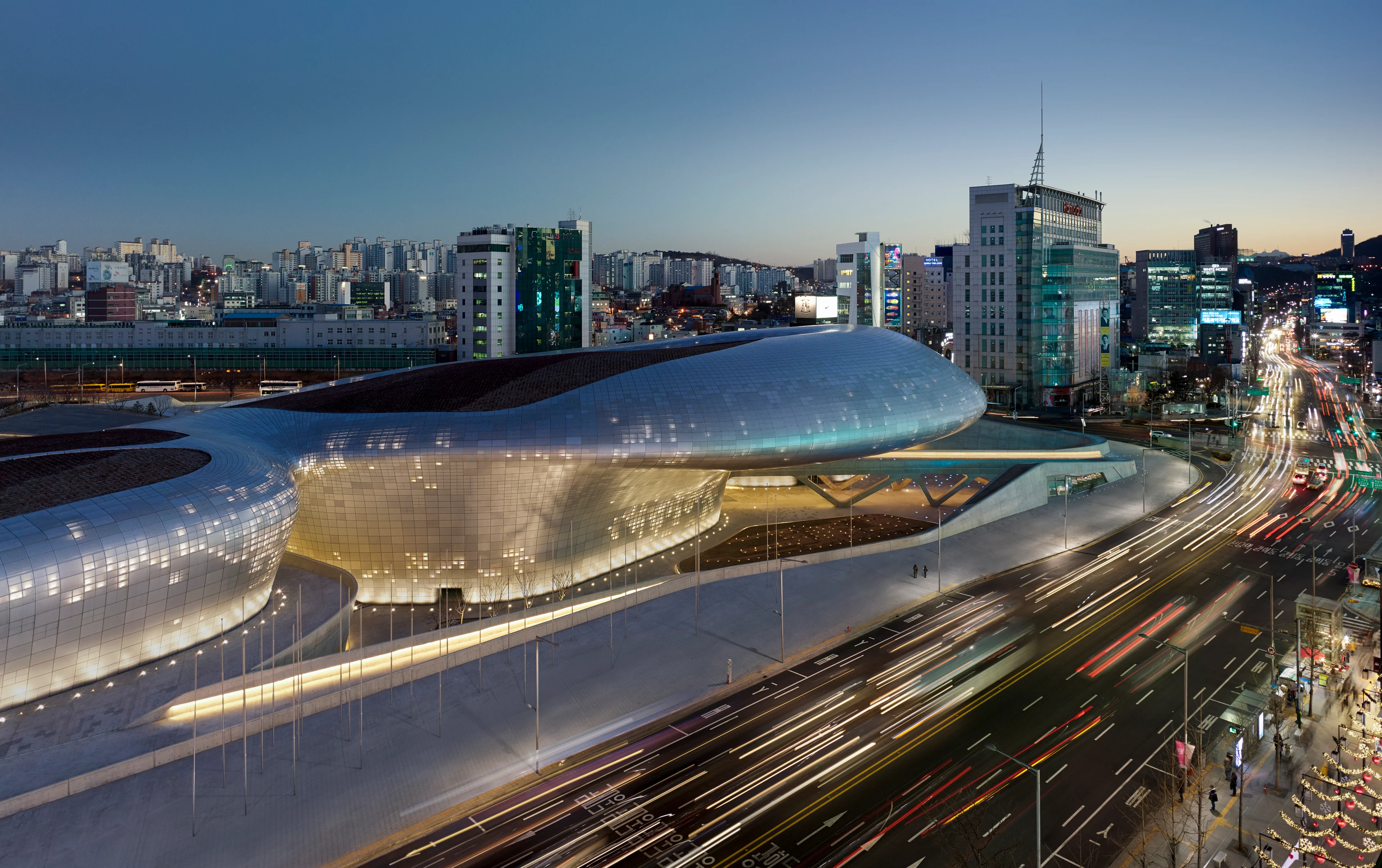
Dongdaemun Design Plaza
The DDP has been designed as a cultural hub at the centre of one of the busiest and most historic districts of the city. It is a place for people of all ages; a catalyst for the instigation and exchange of ideas and a place for new technologies and media to be explored - presenting an ever-changing menu of exhibitions and events that feeds the cultural vitality of the city.
Photograph by Hufton + Crow
Culture
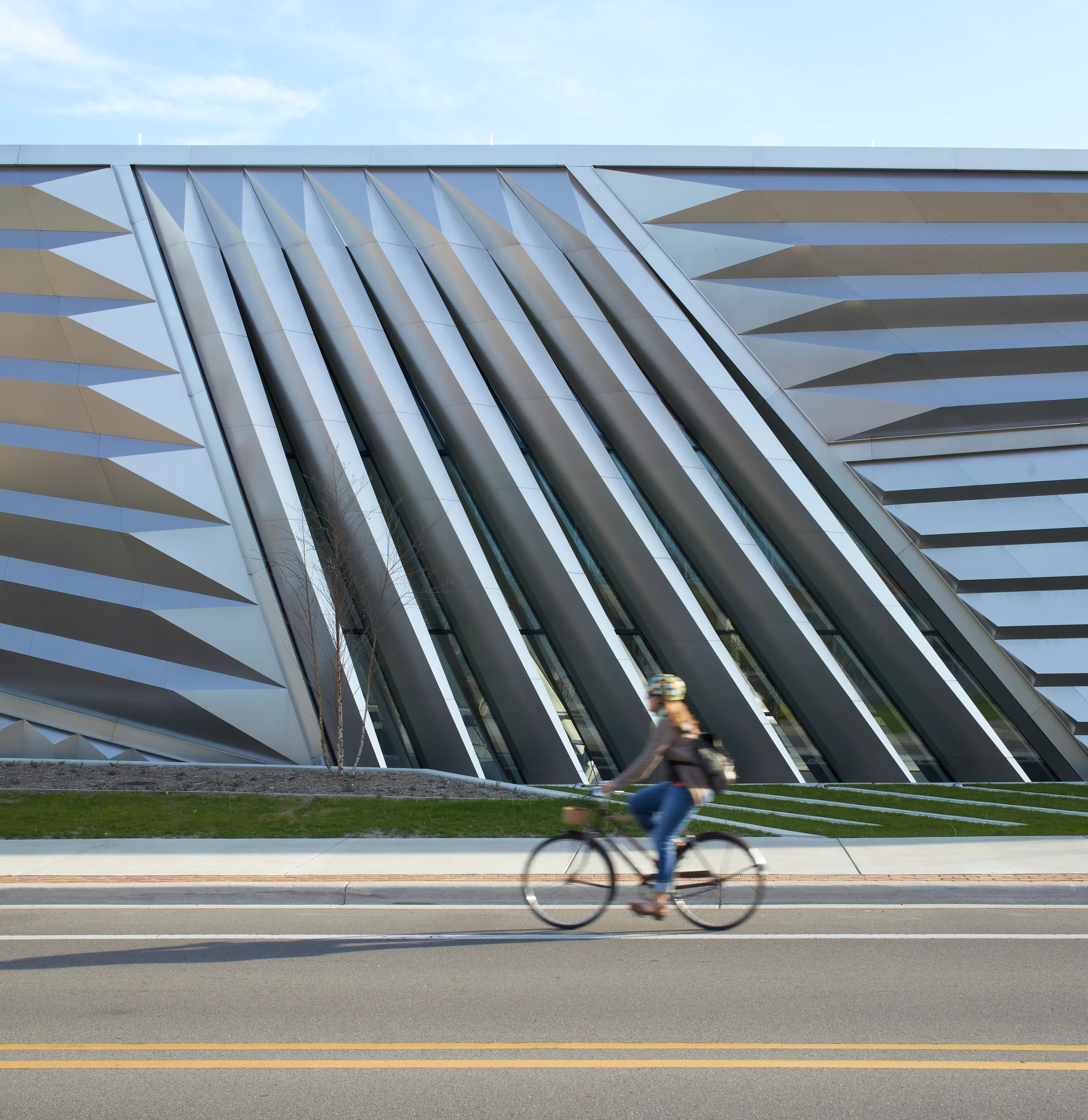
Eli & Edythe Broad Art Museum
Echoing and extending the many circulatory and visual connections that define its surrounding topography, the museum forms itself by extending and folding these connections through a series of pleats, producing a structure that changes as visitors move past and through it – creating great curiosity yet never fully revealing its content.
Photograph by ©Christian Richters/VIEW
Civic
Culture
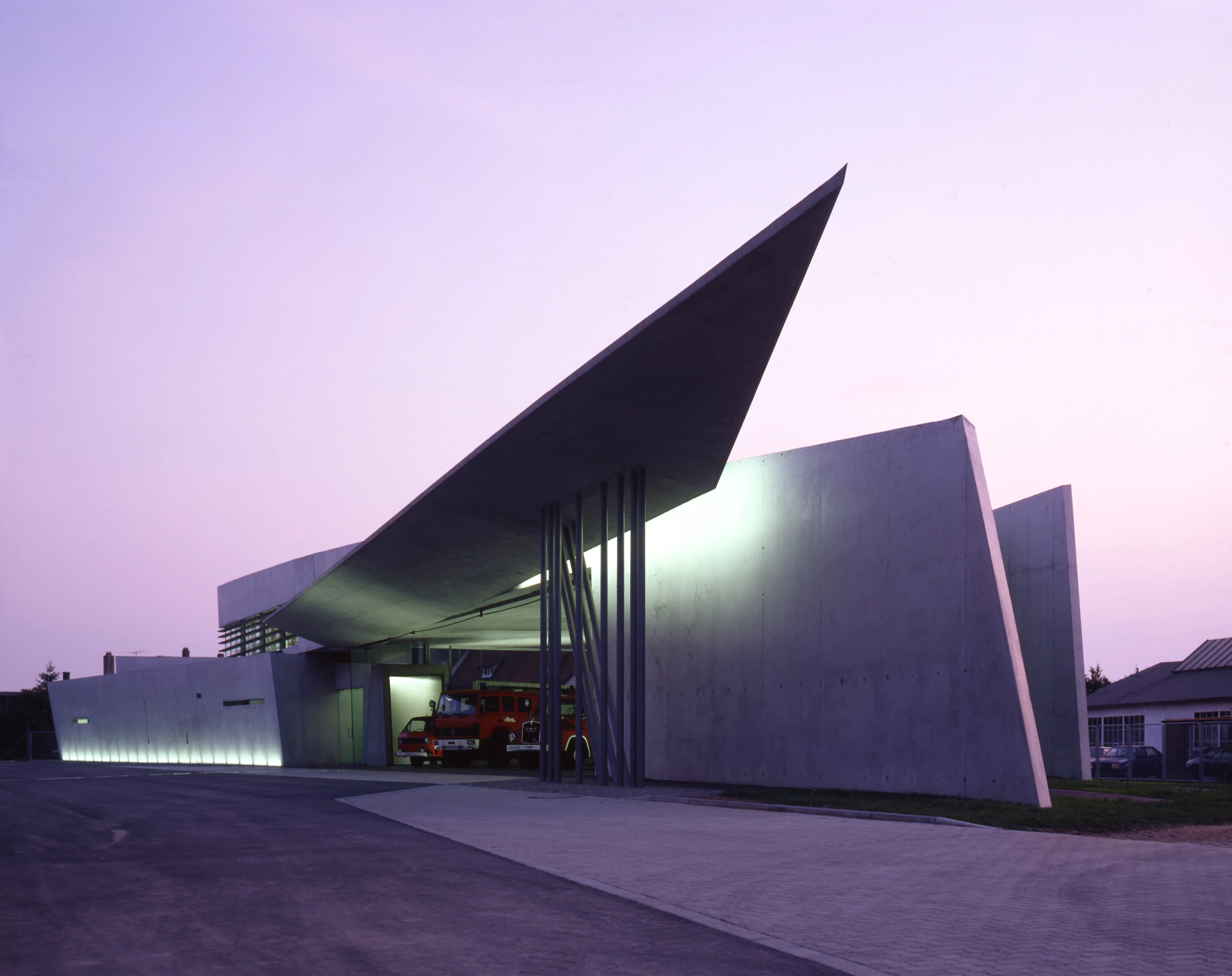
Vitra Fire Station
Conceived as the end-note to existing factory buildings, the Vitra Fire Station defines rather than occupies space – emerging as a linear, layered series of walls, between which program elements are contained – a representation of ‘movement frozen’ – an ‘alert’ structure, ready to explode into action at any moment.
01
02
03
04
05
06