
Photograph by ©Christian Richters/VIEW
Weil am Rhein, Germany
1990 - 1993
Vitra International AG
Vitra Fire Station
Photograph by ©Christian Richters/VIEW
Photograph by ©Christian Richters/VIEW
Photograph by Hélène Binet
Postcard for 1878 Prima Swarovski Postcard Selection
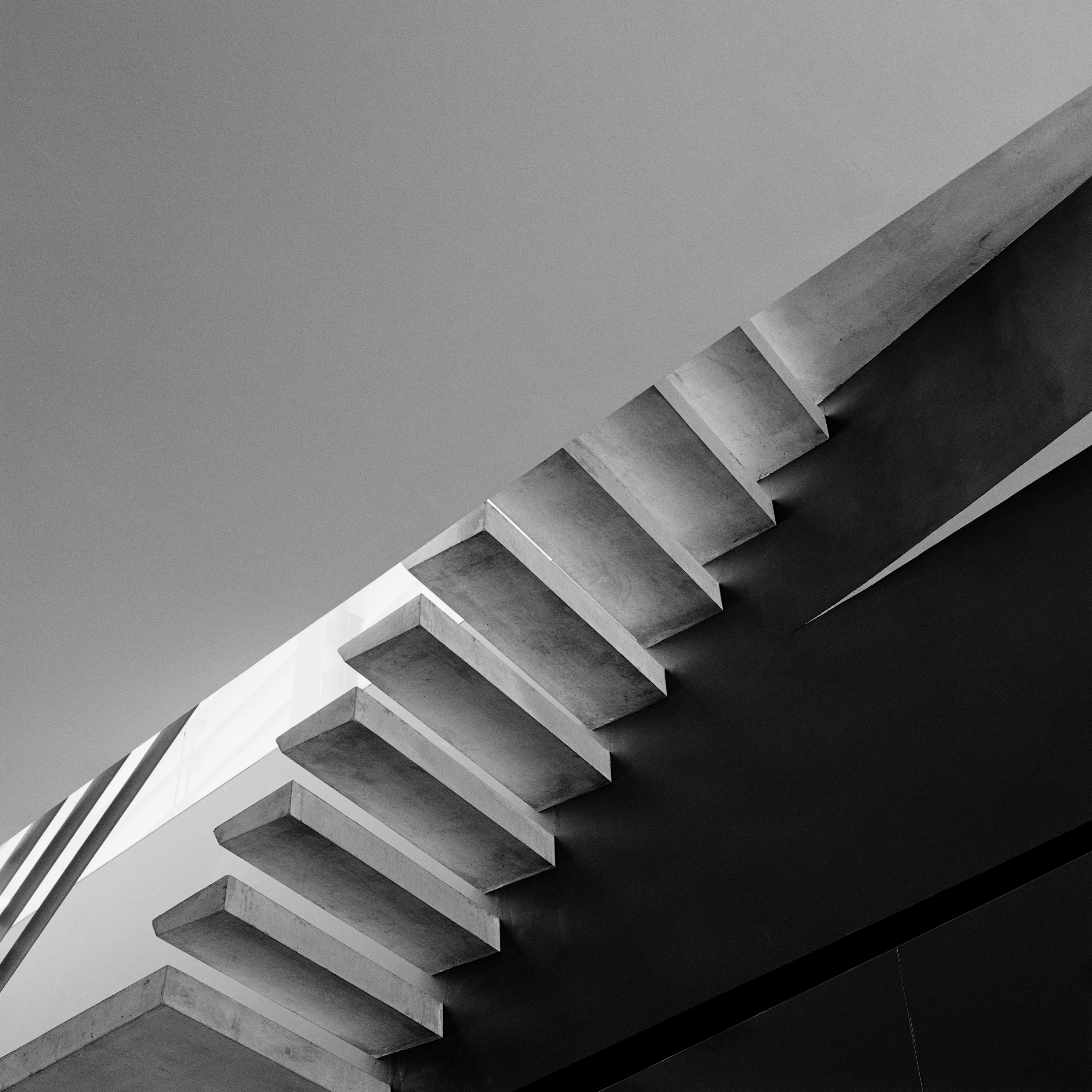
Photograph by Hélène Binet
Postcard for 1878 Prima Swarovski Postcard Selection
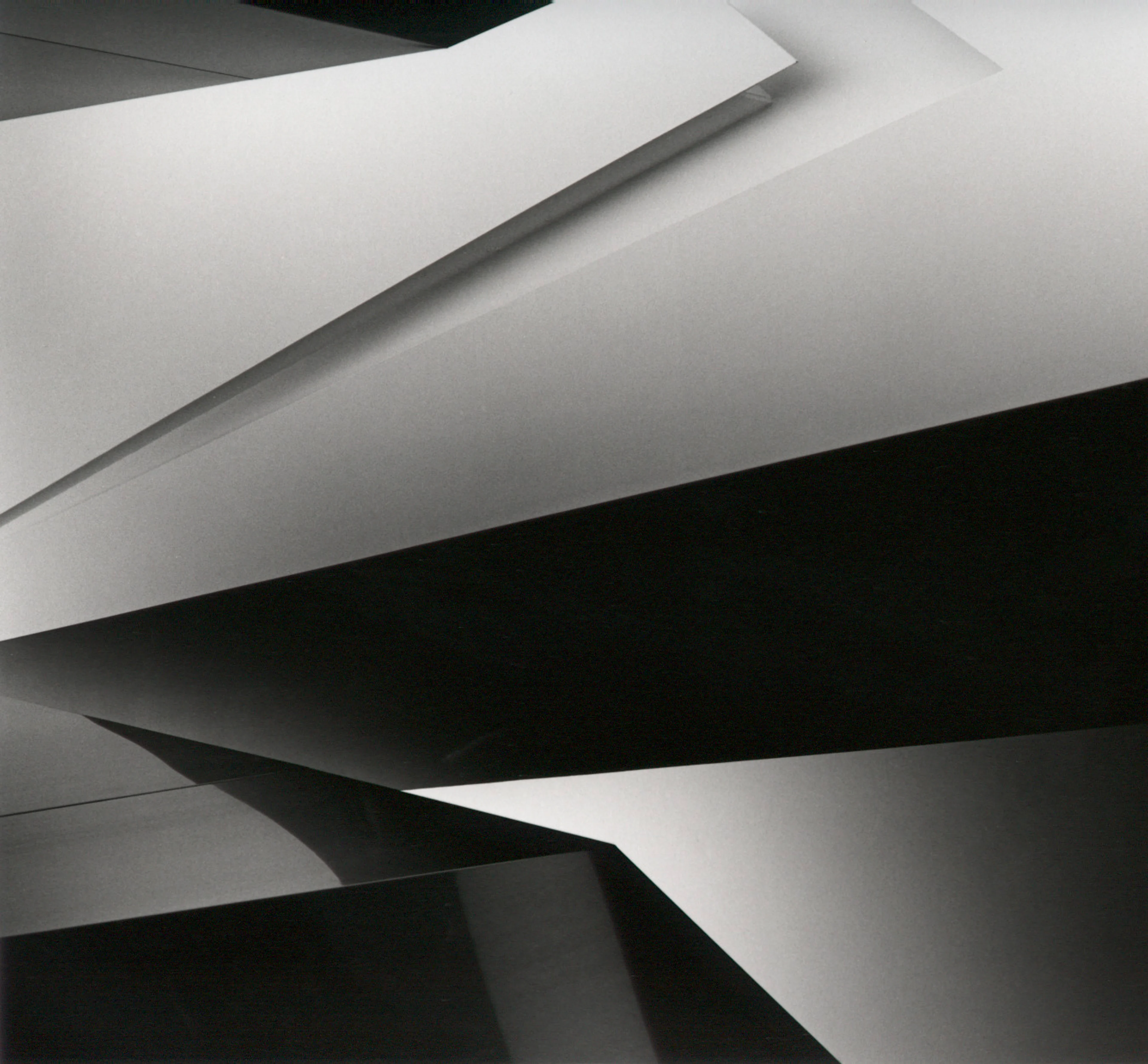
Photograph by Hélène Binet
01
02
03
04
05
Defining rather than occupying space
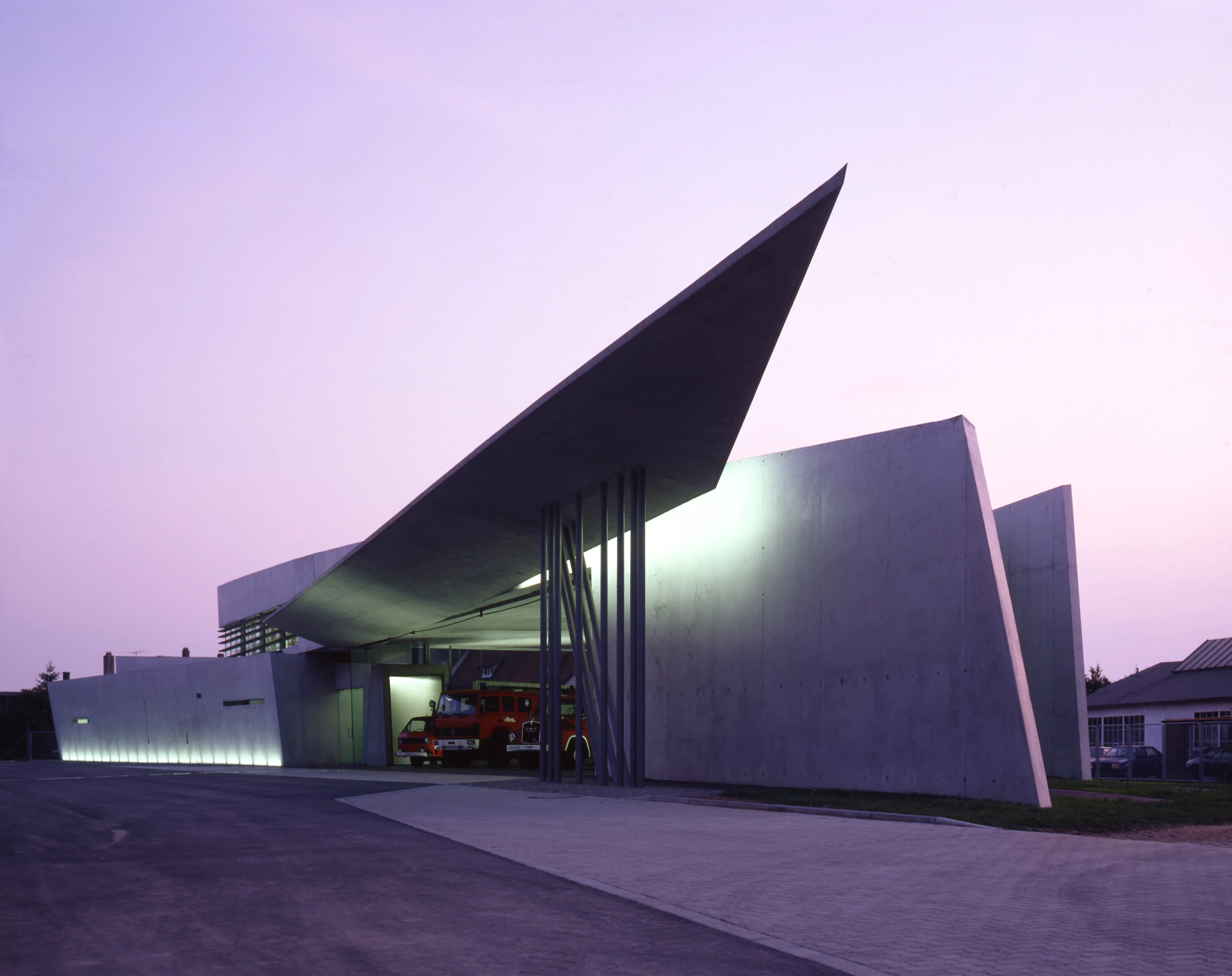
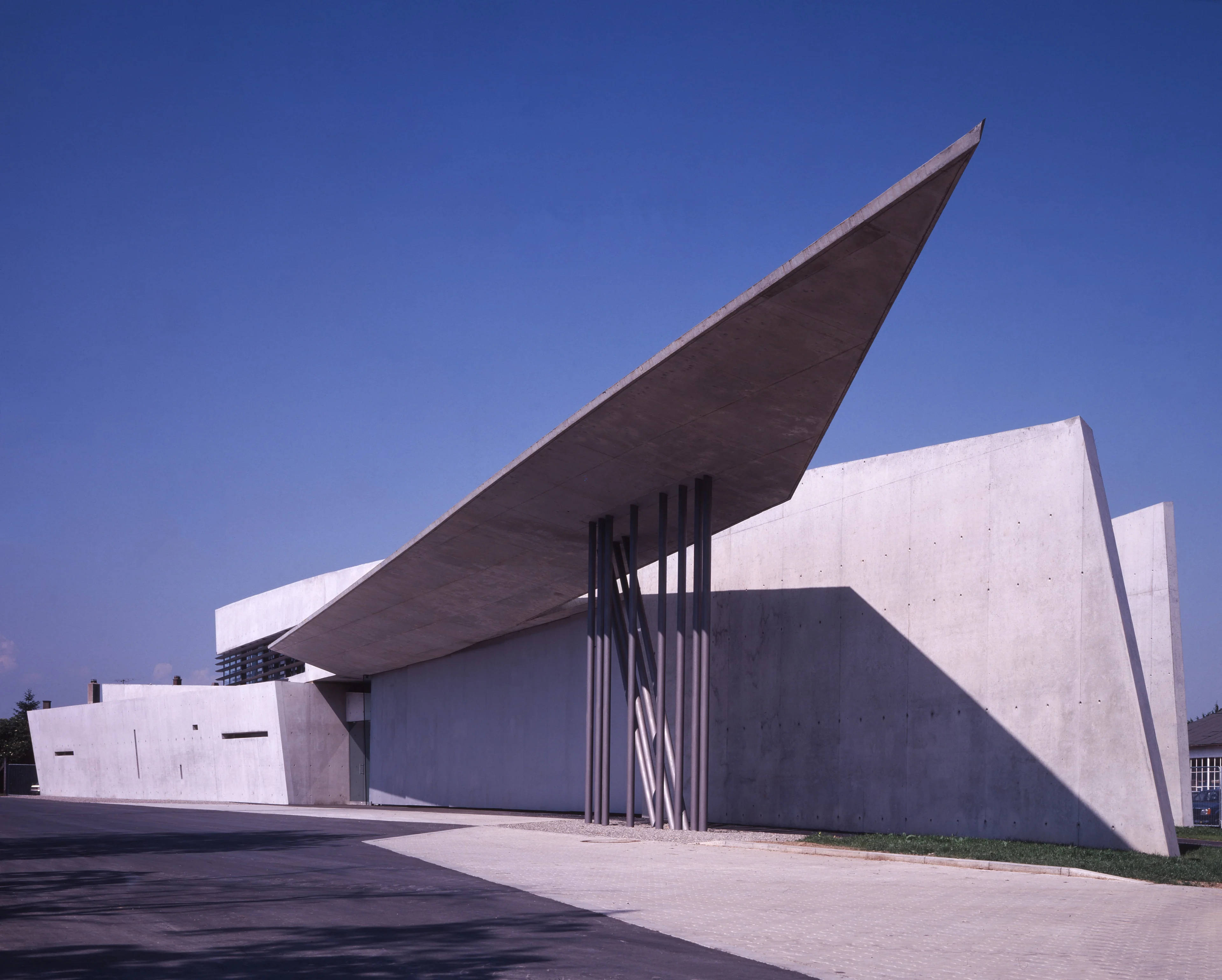
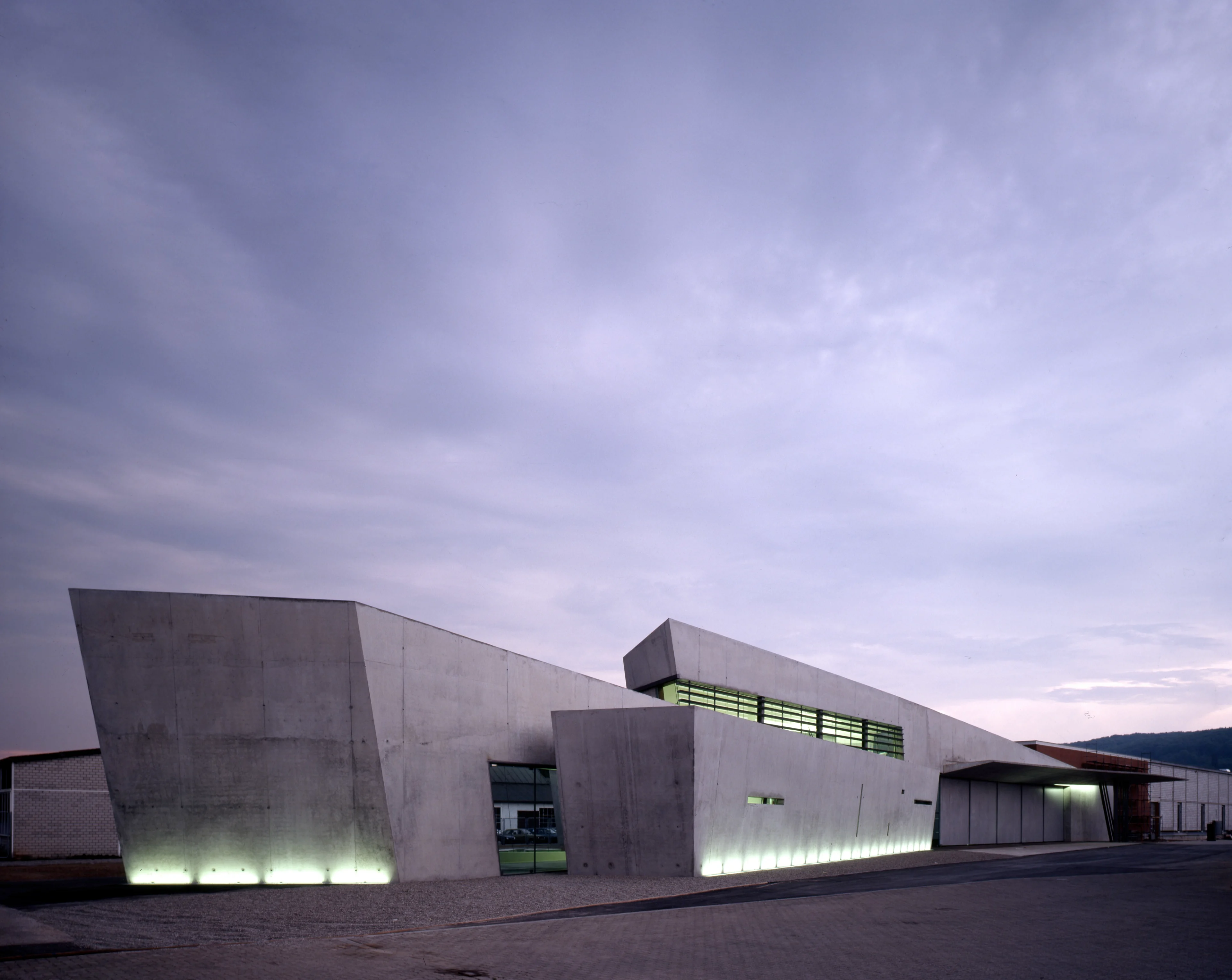
Conceived as the end-note to existing factory buildings, the Vitra Fire Station defines rather than occupies space – emerging as a linear, layered series of walls, between which program elements are contained – a representation of ‘movement frozen’ – an ‘alert’ structure, ready to explode into action at any moment.
An initial study of the Vitra factory site informed our designs for the Vitra Fire Station – a building conceived as the key element within a linear landscaped zone, the artificial extension of linear patterns in adjacent fields and vineyards – designed as a connecting unit rather than an isolated object; defining rather than occupying space.
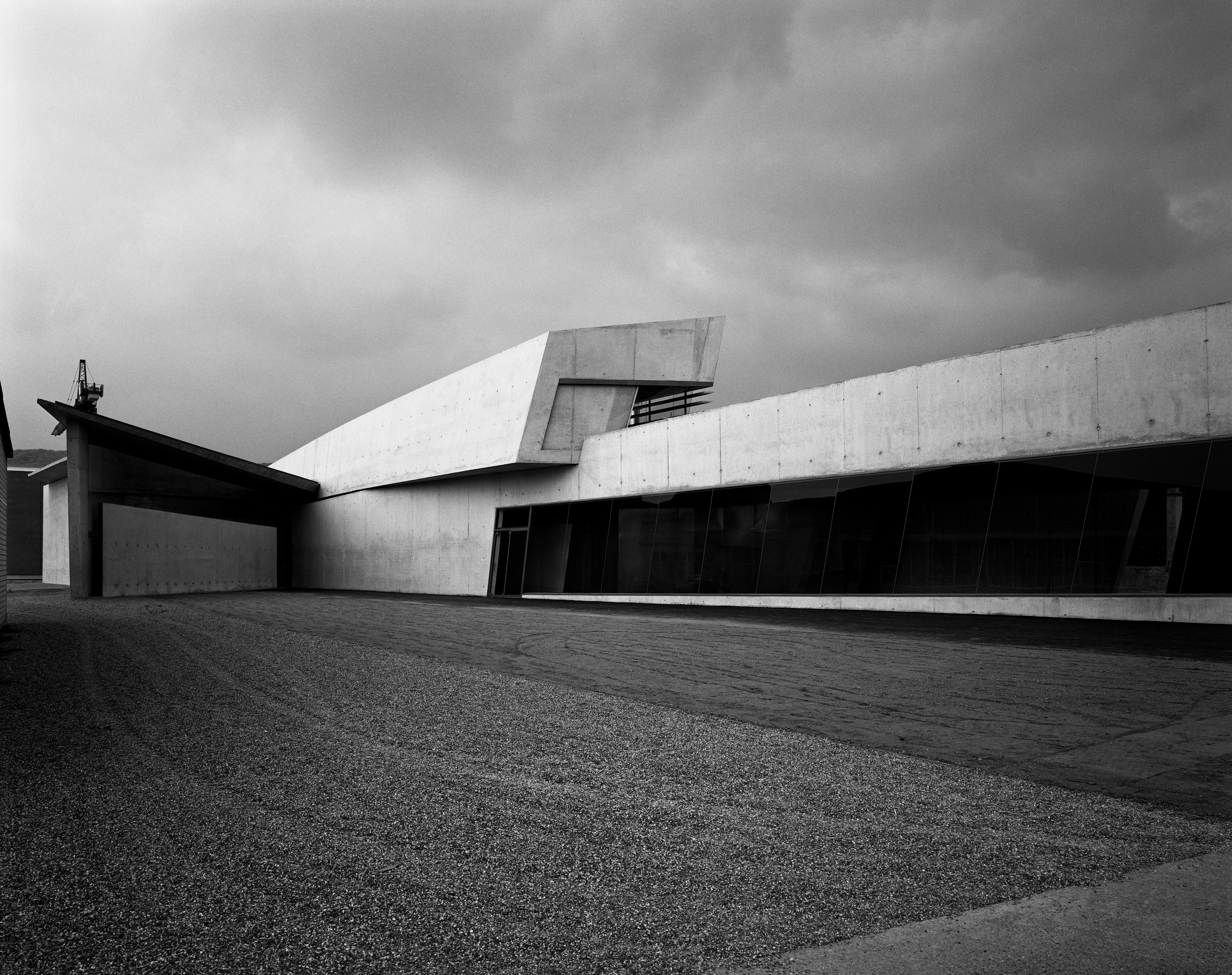
The new fire station – long, linear, narrow – emerges as a layered series of tilted and breaking walls, between which program elements are contained within spaces visible only from a perpendicular viewpoint.
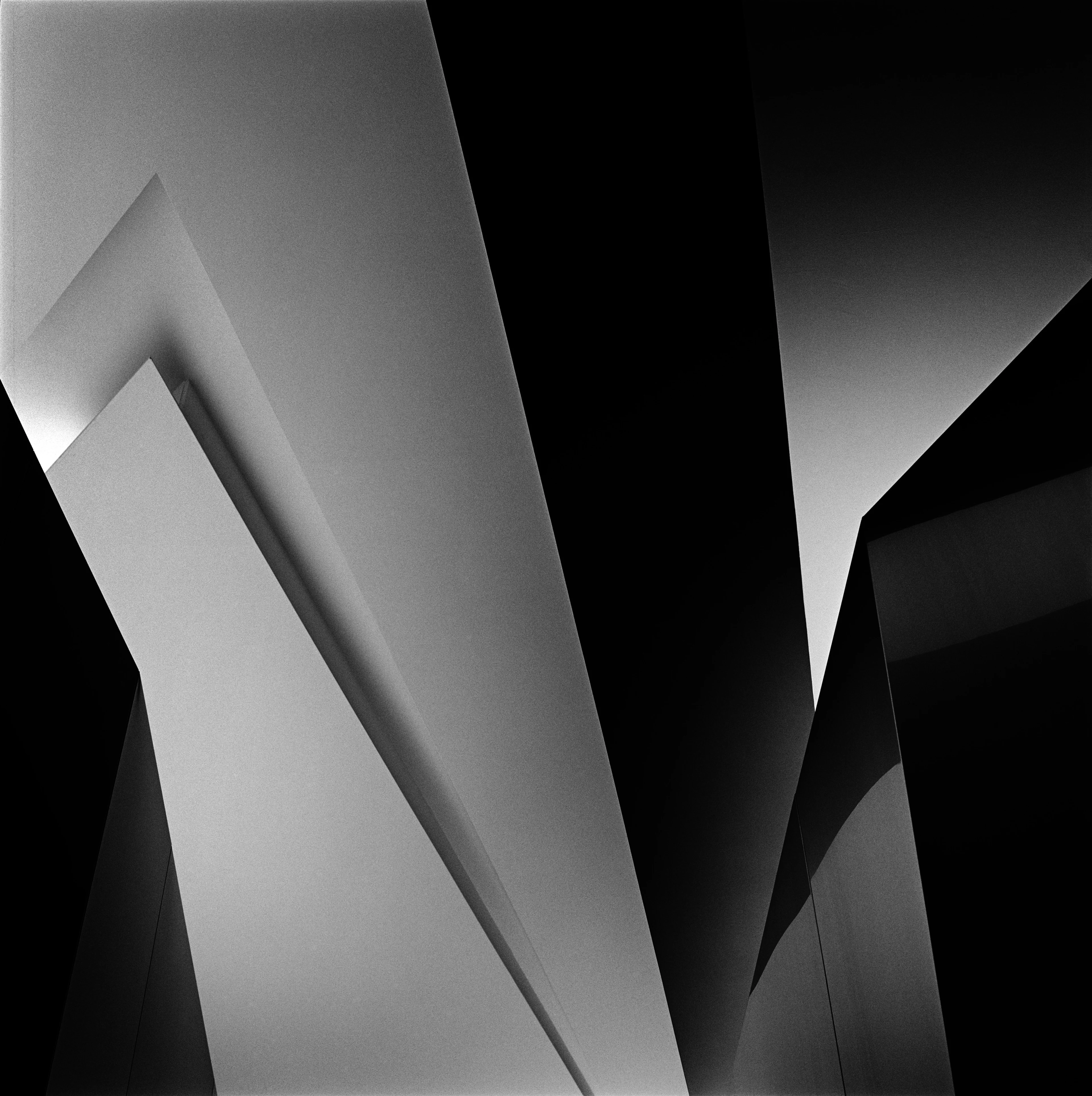
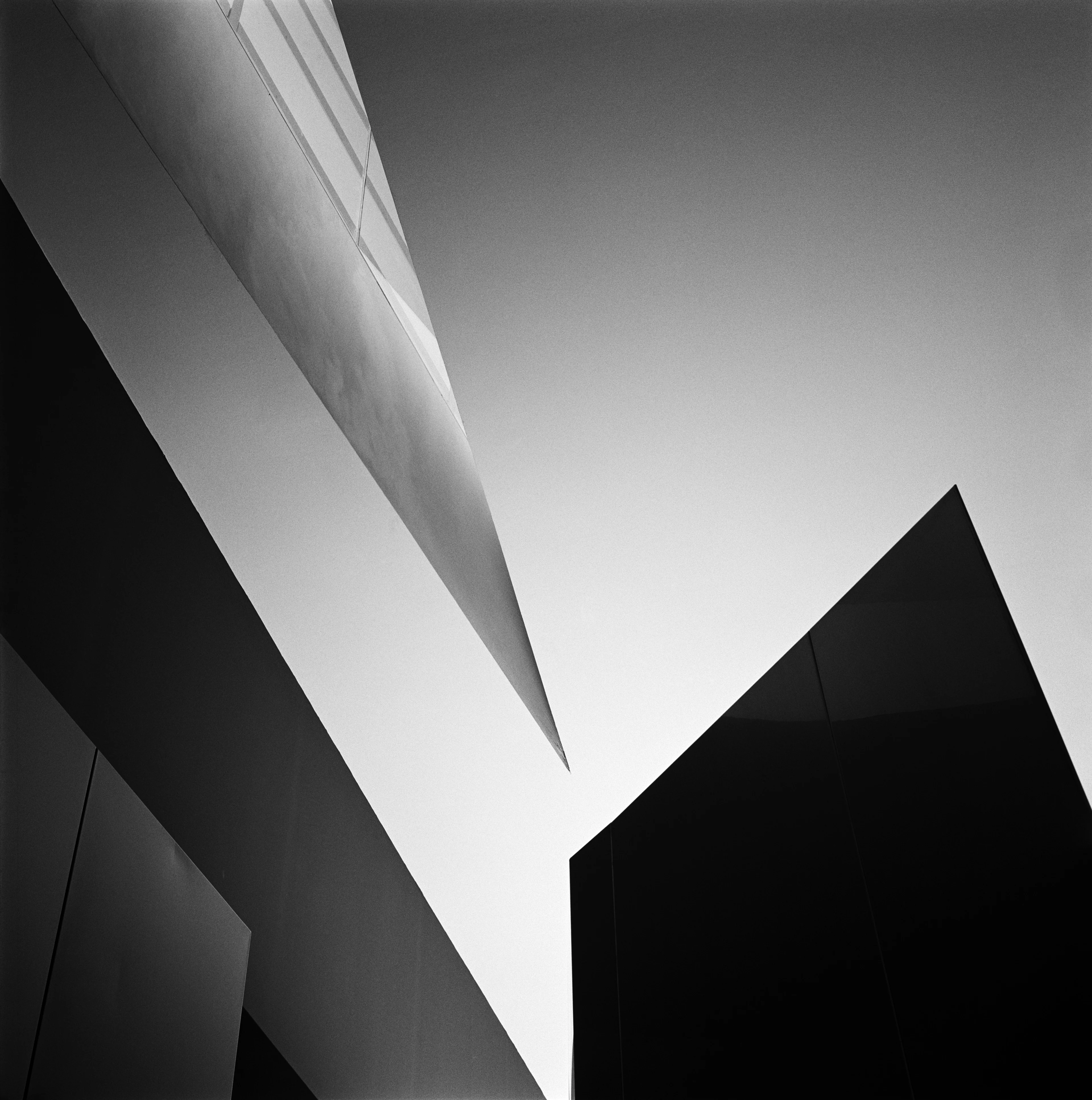
Photograph by Hélène Binet
Postcard for 1878 Prima Swarovski Postcard Selection
Movement, frozen
On passing, brilliant red fire vehicles are glimpsed, their lines of movement inscribed in surrounding asphalt – a visual grammar also used to inscribe the ritualized exercises completed by fire teams.
This building is ‘movement frozen’ – a vivid, lucid expression of the tensions necessary to remain ‘alert’, to explode into action as required. Walls appear to slide one across the other, main sliding doors form a ‘moving’ wall.
The whole building is constructed from exposed, reinforced in-situ concrete, marked by the sharpness of all edges and the absence of all edgings and claddings to retain the clarity and simplicity of this prismatic volume.
This same absence of detail informed the frameless glazing, the sliding planes enclosing the garage, and the treatment of the interior spaces, in which lines of light are direct, logical and precise.
Civic
Discover more of our civic spaces
From Beijing’s largest and most advanced convention and exhibition centre to a public plaza that unites the historically divided city of Nicosia, discover our latest civic projects.
Photograph by Hufton + Crow
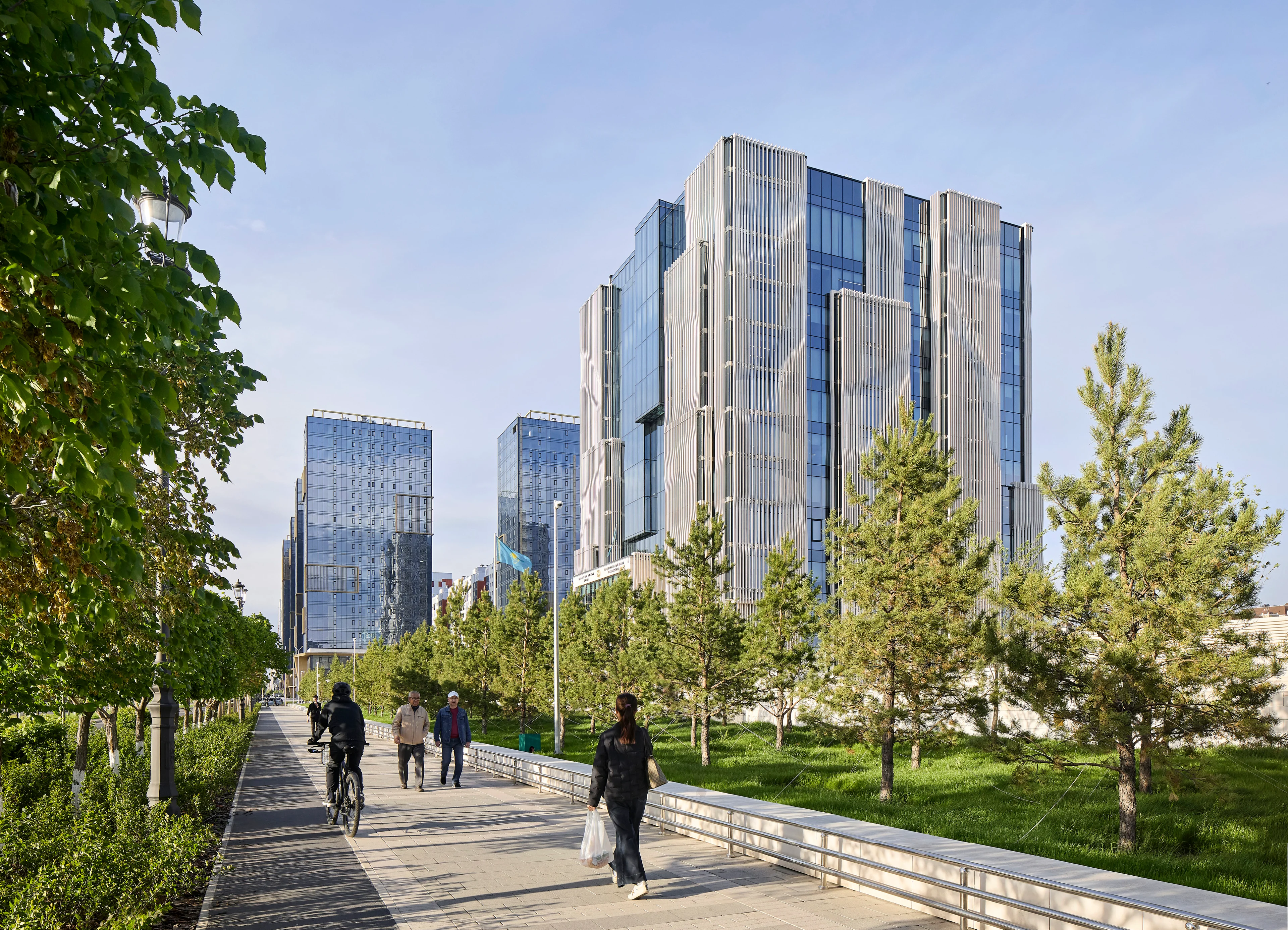
National Bank of the Republic of Kazakhstan
The new headquarters of the National Bank of the Republic of Kazakhstan (NBRK) in Astana houses the bank’s departments within a single, integrated campus accommodating up to 800 employees and conveys the institution’s longstanding commitment to fiscal stability.
Songshan Lake Performance and Exhibition Centre
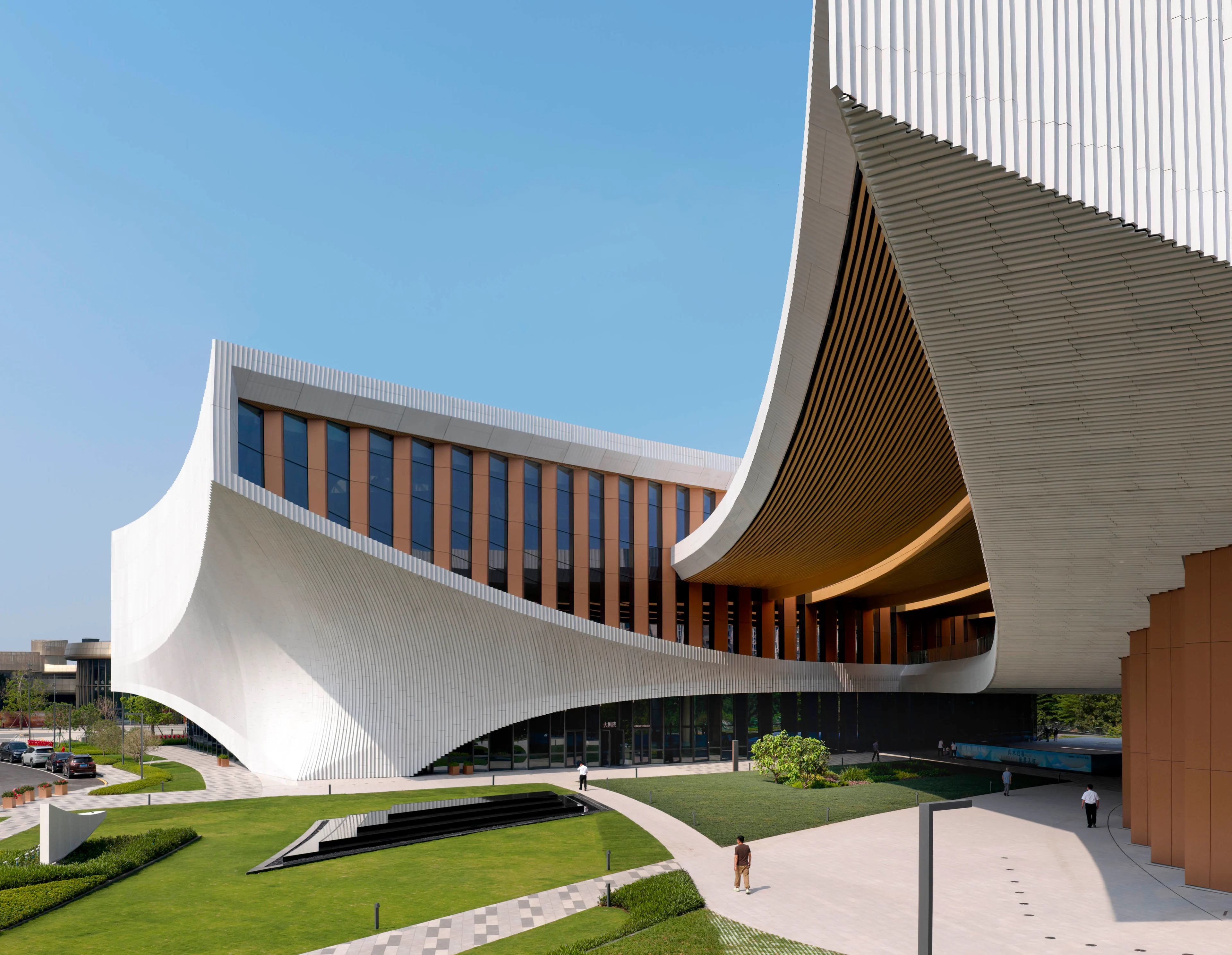
Located in Dongguan within the Greater Bay Area of southern China’s Pearl River estuary, the new Songshan Lake Exhibition and Performance Centre is at the heart of a mixed-use masterplan to revitalize the Yuehe Lake waterfront.
Render by X-Universe
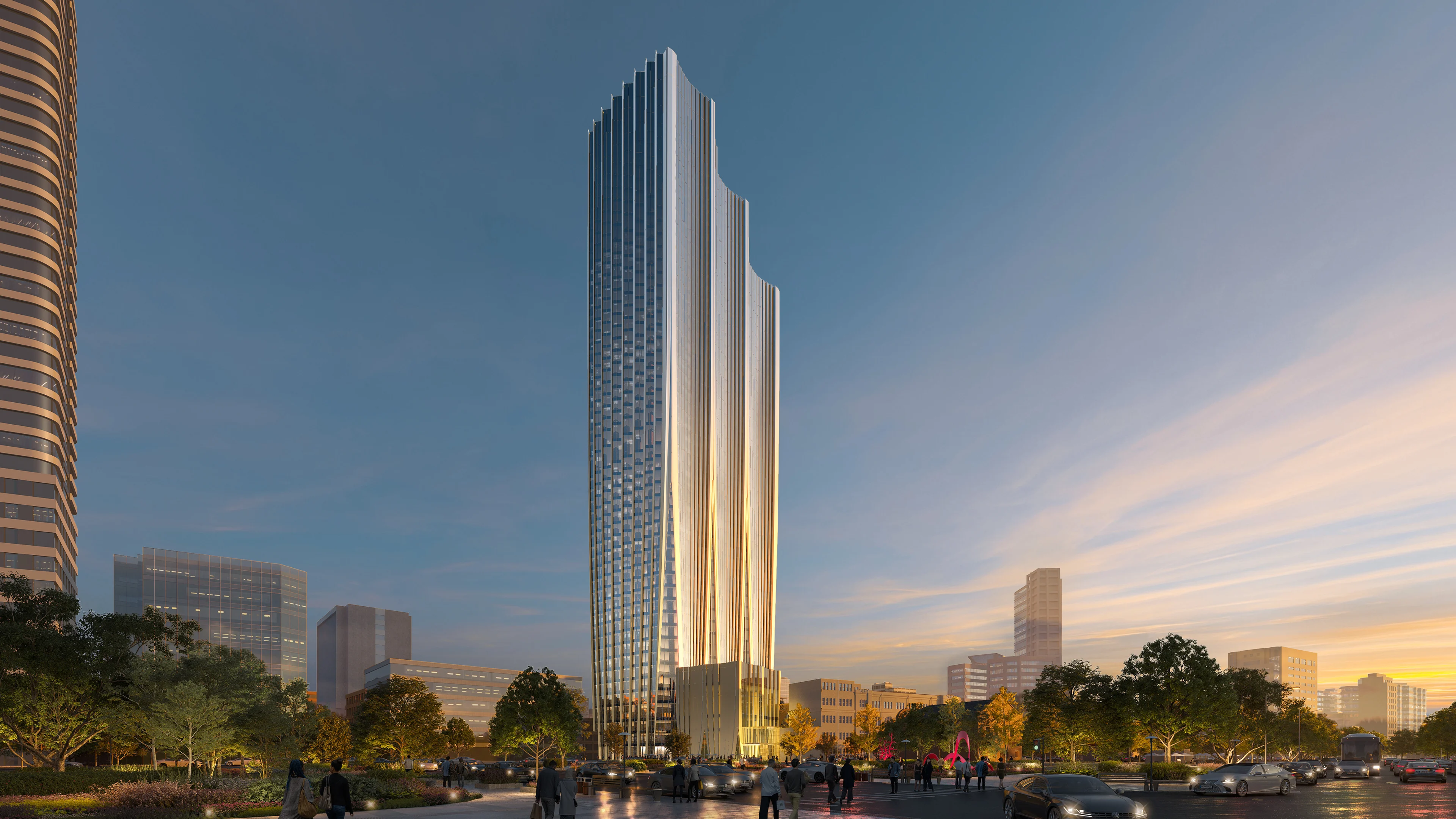
National Innovation, Creativity and Finance Center
Located in the heart of Taipei’s Beimen district—the city’s financial hub—NICFC will house four institutions of the Financial Supervisory Commission that include the stock exchange, futures exchange, depository & clearing corporation.
Qiantang Bay Cultural District
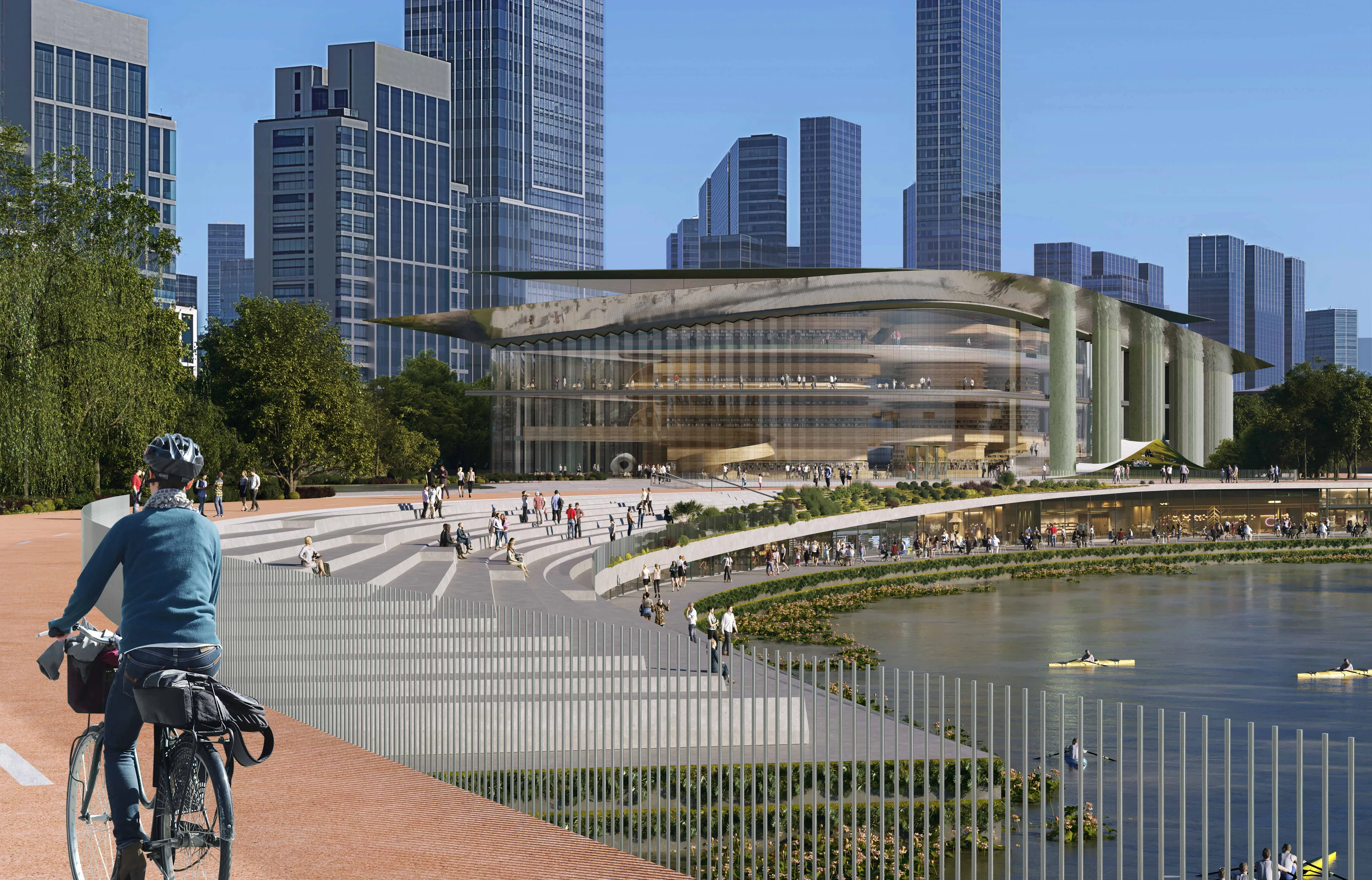
A series of new landscaped parklands, terraces and gardens along the Zhedong Canal within the Xiaoshan district of Hangzhou
Render by X Universe
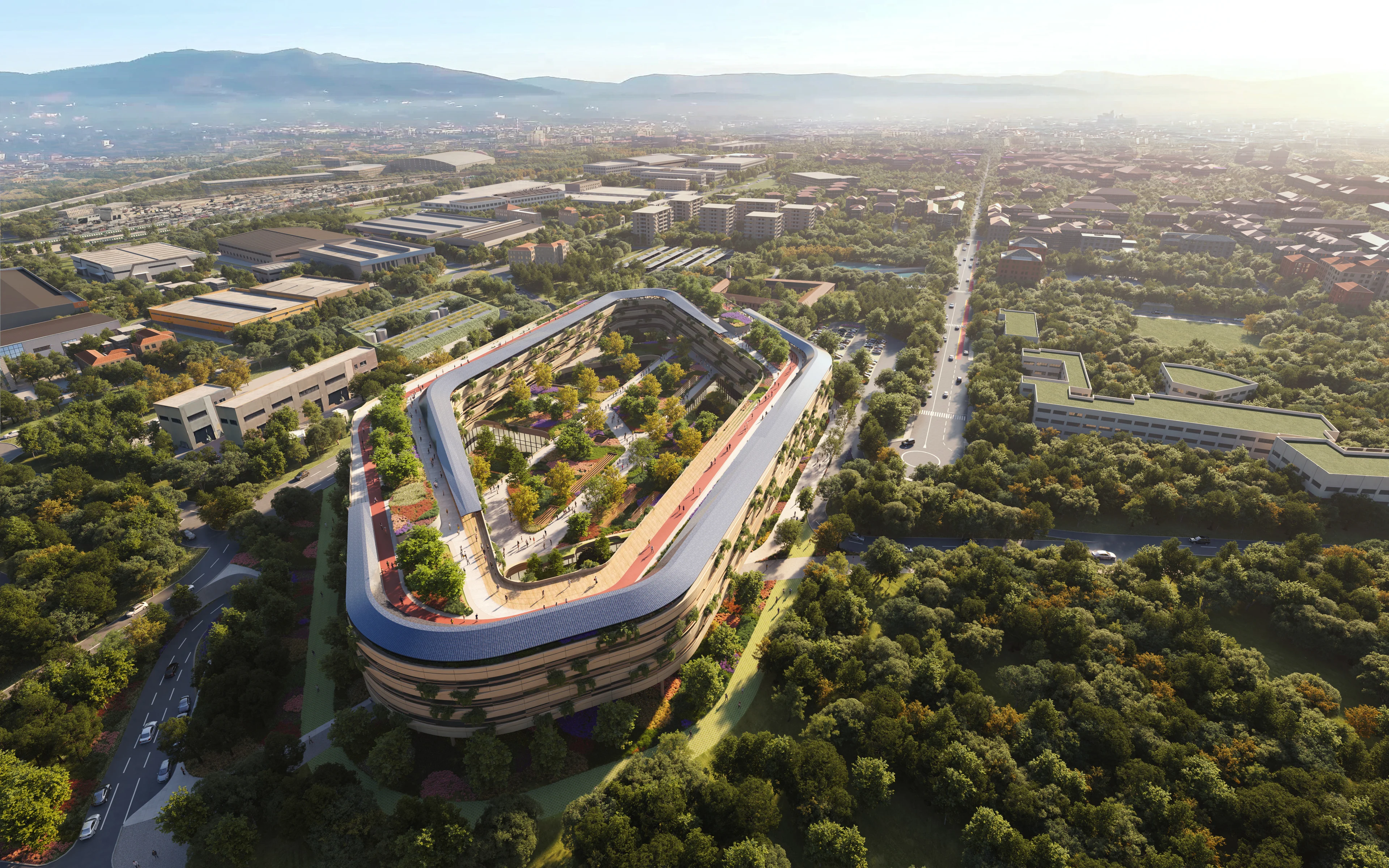
Malpensa Hospital
The international competition to design Malpensa Hospital (Grande Ospedale della Malpensa) has been awarded to ZHA in partnership with RINA (team leader), Studio Plicchi, WSP, STI Engineering and BC Building Consulting.
Photograph by Virgile Simon Bertrand
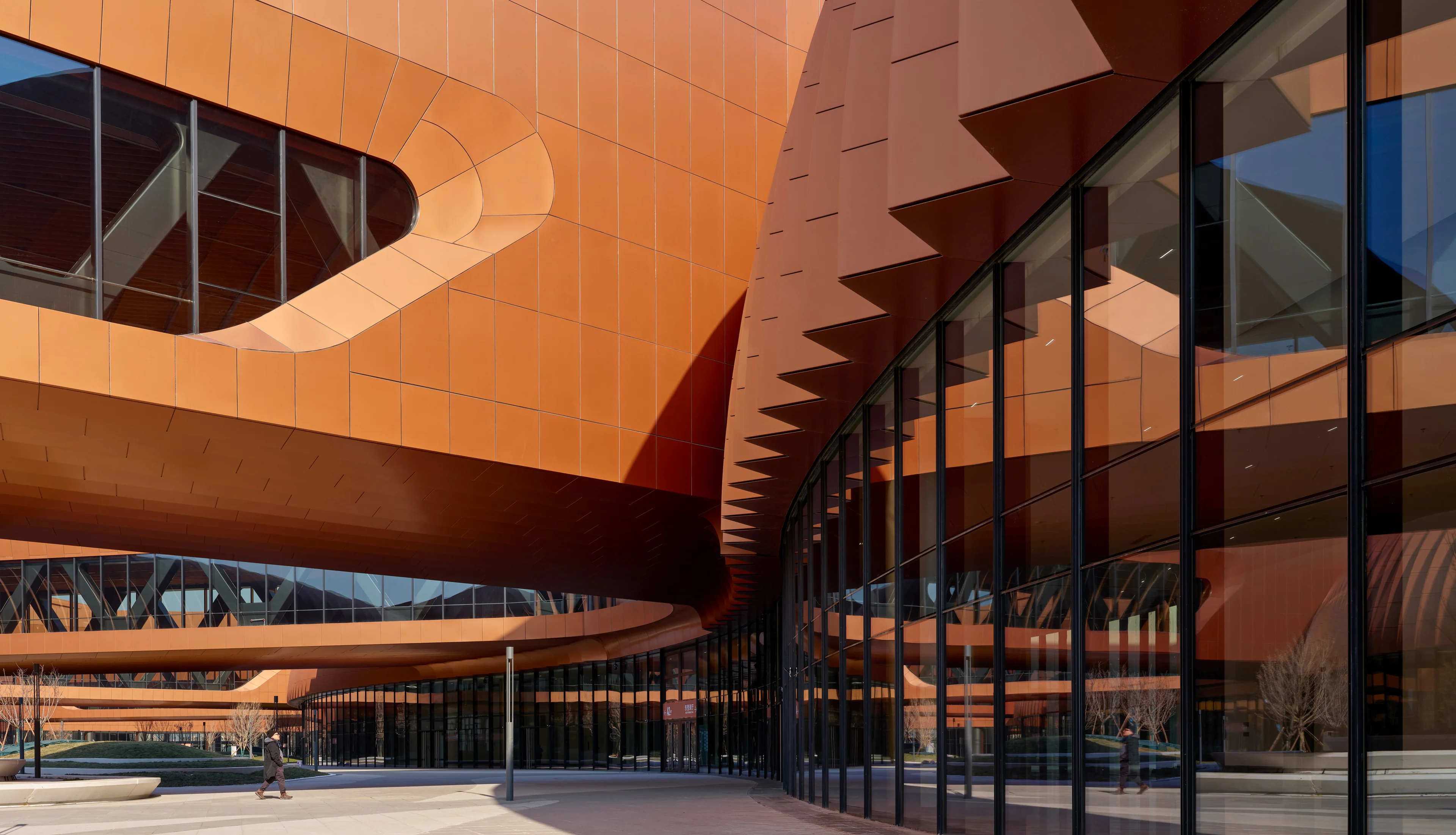
Capital International Exhibition & Convention Centre
As the cultural, academic and civic centre of China, Beijing has also developed into one of the world’s centres of communication and scientific research.
Photograph by ©K.Arkatites
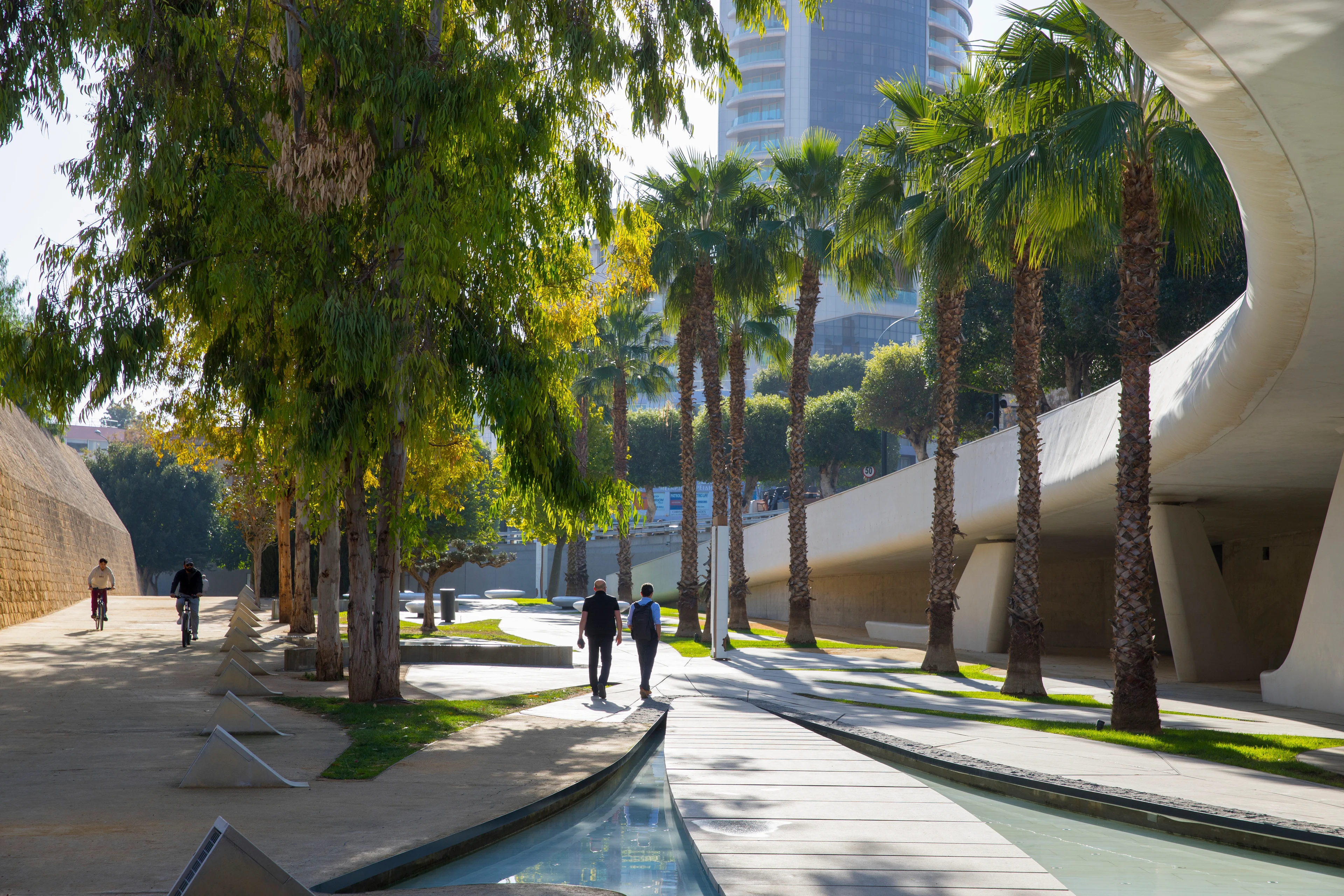
Eleftheria Square
Establishing Eleftheria Square as the city’s primary gathering space, ZHA design creates new connections intended to unite a divided capital. Nicosia’s massive Venetian fortifications separate the old city from its modern districts, while the city’s ‘Green Line’ divides the capital into two disparate communities.
Photograph by Werner Huthmacher
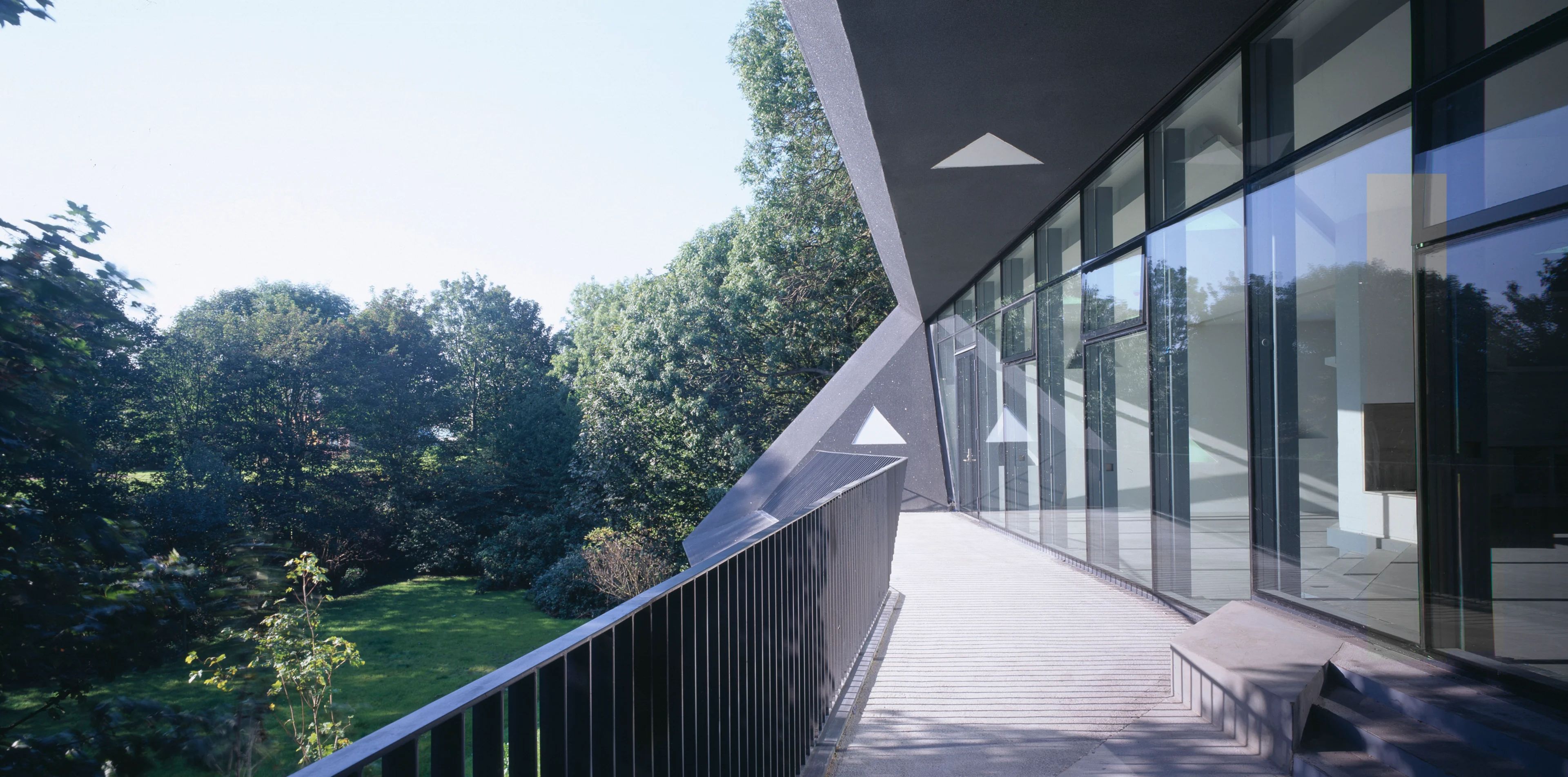
Maggie's Fife Cancer Centre
Domestic in scale but unique in execution, Maggie’s Fife Cancer Centre is set on the edge of a hollow adjacent to Victoria Hospital: a distinctive protected environment providing a haven for cancer patients. Designed to create a transition between the natural and the man-made, it forms a gateway to the surrounding landscape.
Photograph by Hélène Binet
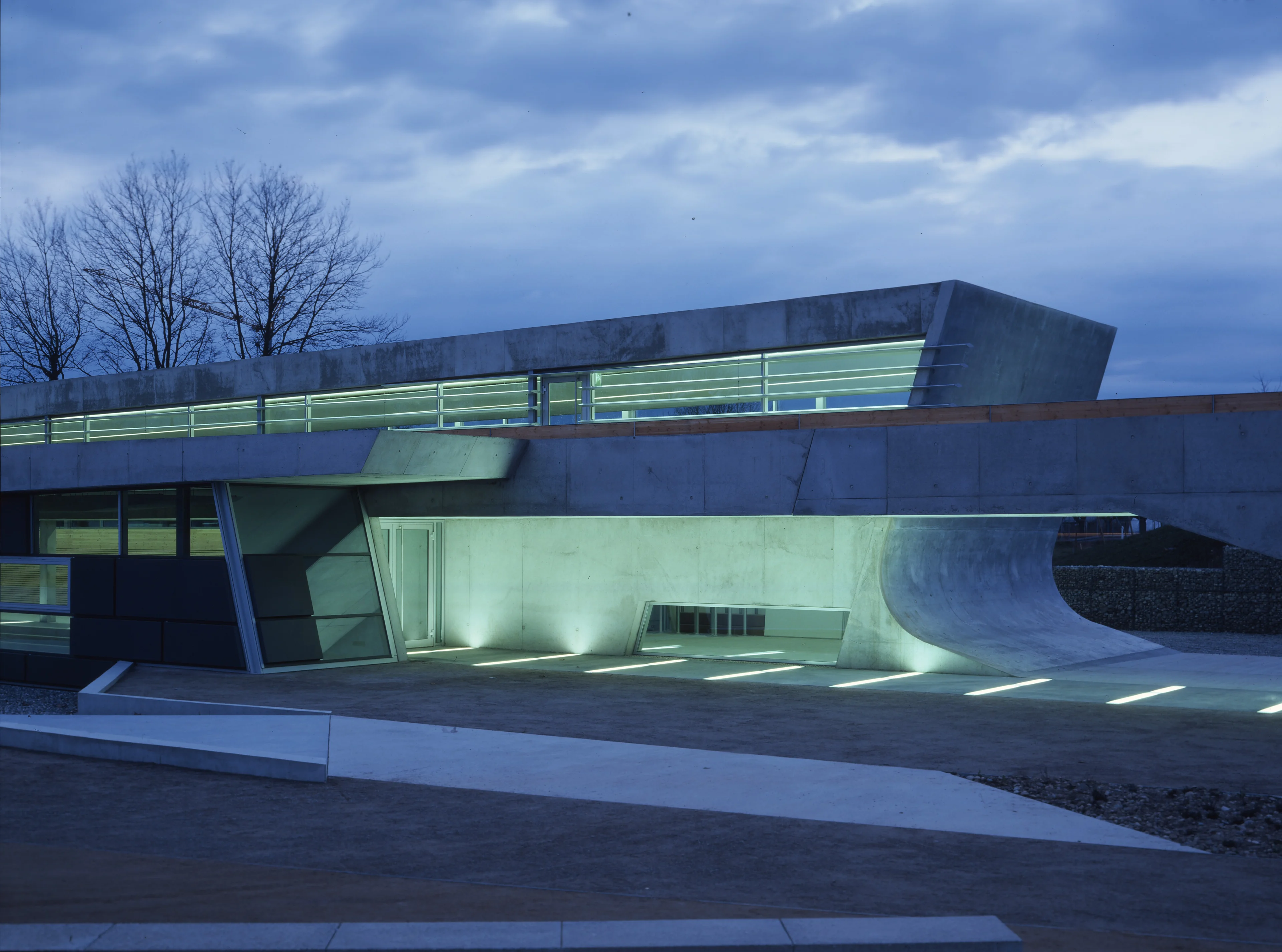
Landesgartenschau / Landscape Formation One
The project is designed to serve as an event and exhibition space for the garden festival in Weil am Rhein 1999. The suggested structure does not sit in the landscape as an isolated object, but emerges from the fluid geometry of the surrounding network of paths.
Photograph by Hufton + Crow
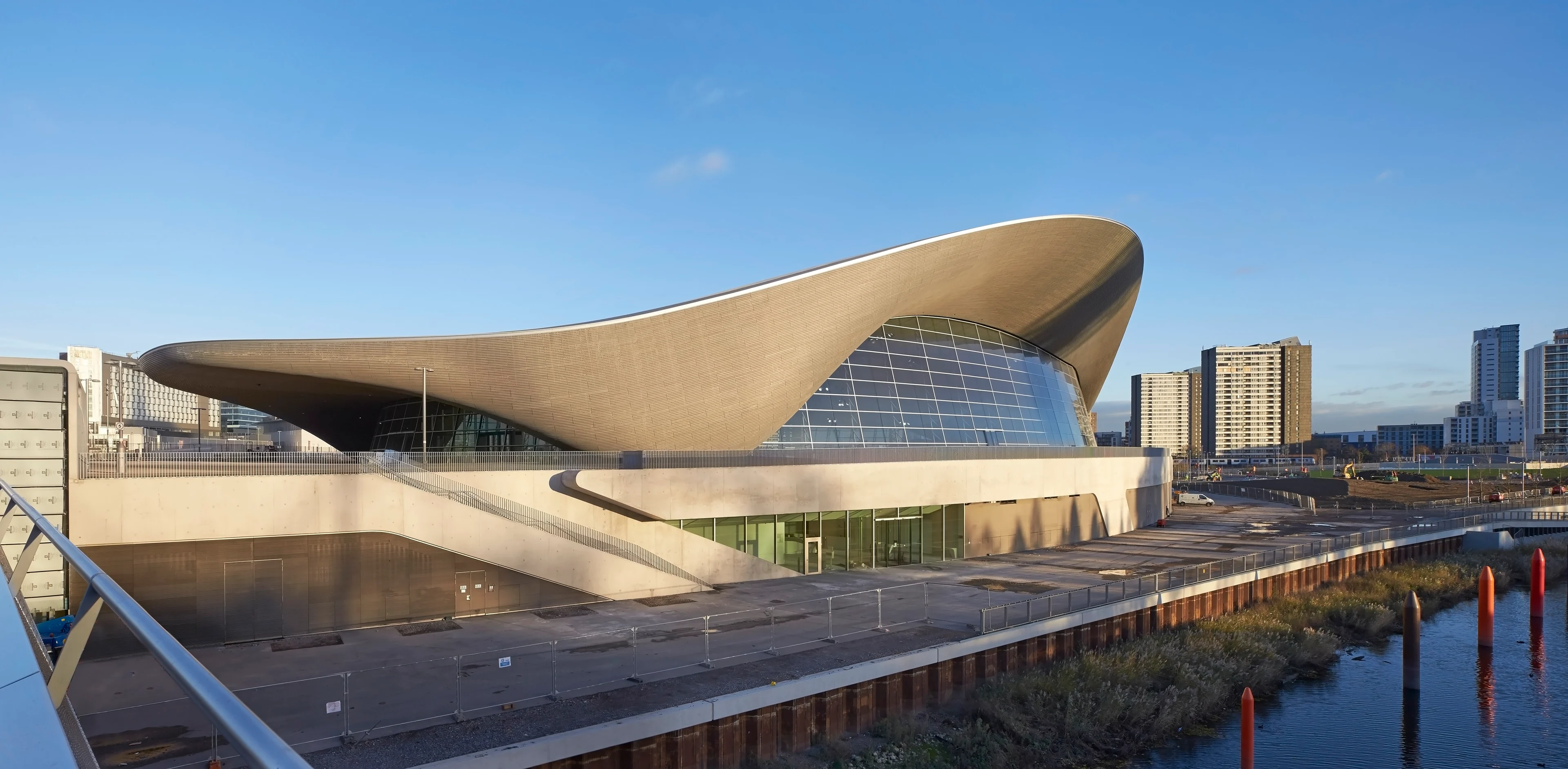
Legacy Mode : December 2013
London Aquatics Centre
A concept inspired by the fluid geometry of water in motion, creating spaces and a surrounding environment in sympathy with the river landscape of the Olympic Park. An undulating roof sweeps up from the ground as a wave, enclosing the pools of the Centre with its unifying gesture.
Photograph by Virgile Simon Bertrand
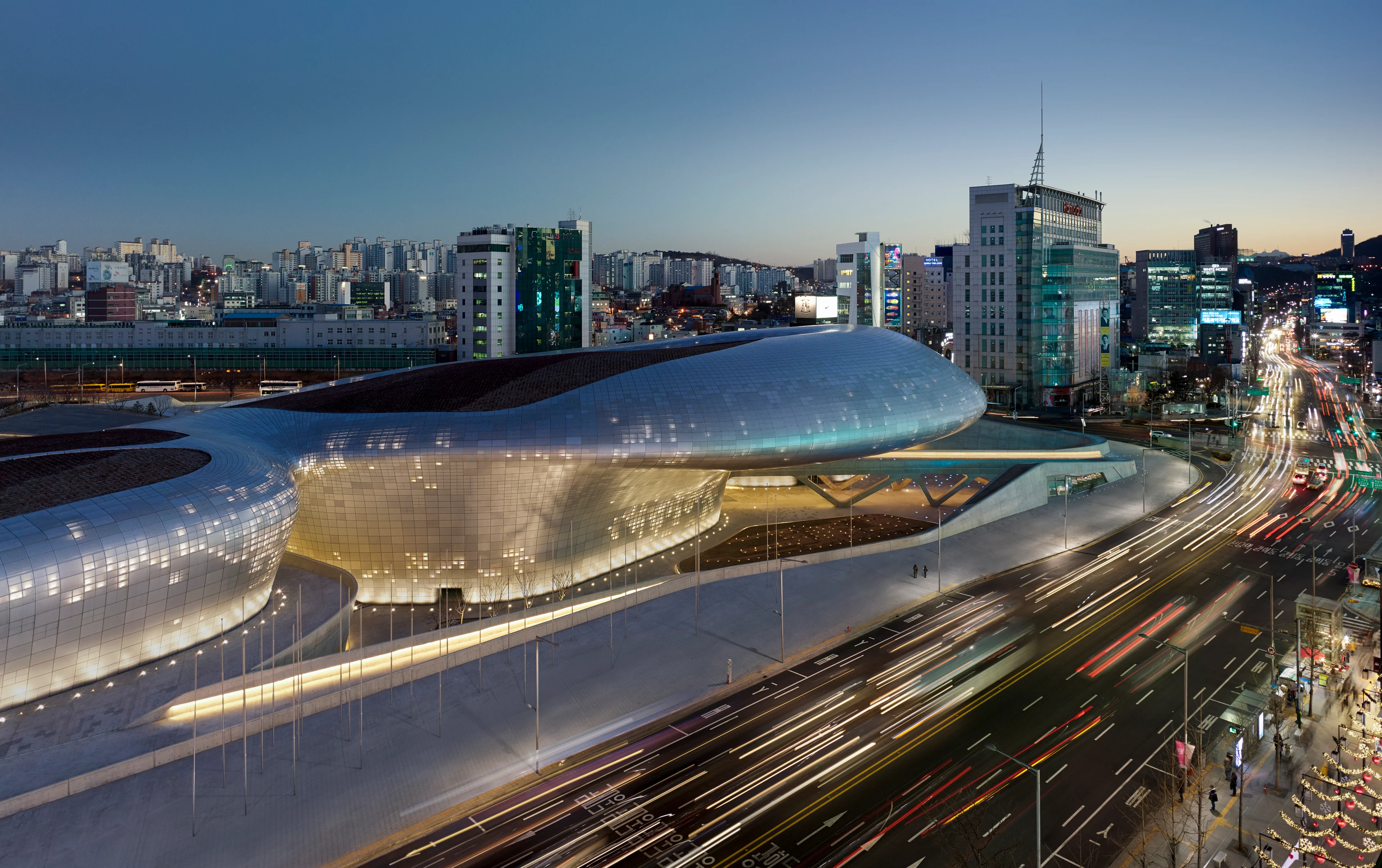
Dongdaemun Design Plaza
The DDP has been designed as a cultural hub at the centre of one of the busiest and most historic districts of the city. It is a place for people of all ages; a catalyst for the instigation and exchange of ideas and a place for new technologies and media to be explored - presenting an ever-changing menu of exhibitions and events that feeds the cultural vitality of the city.
Photograph by Piet Niemann
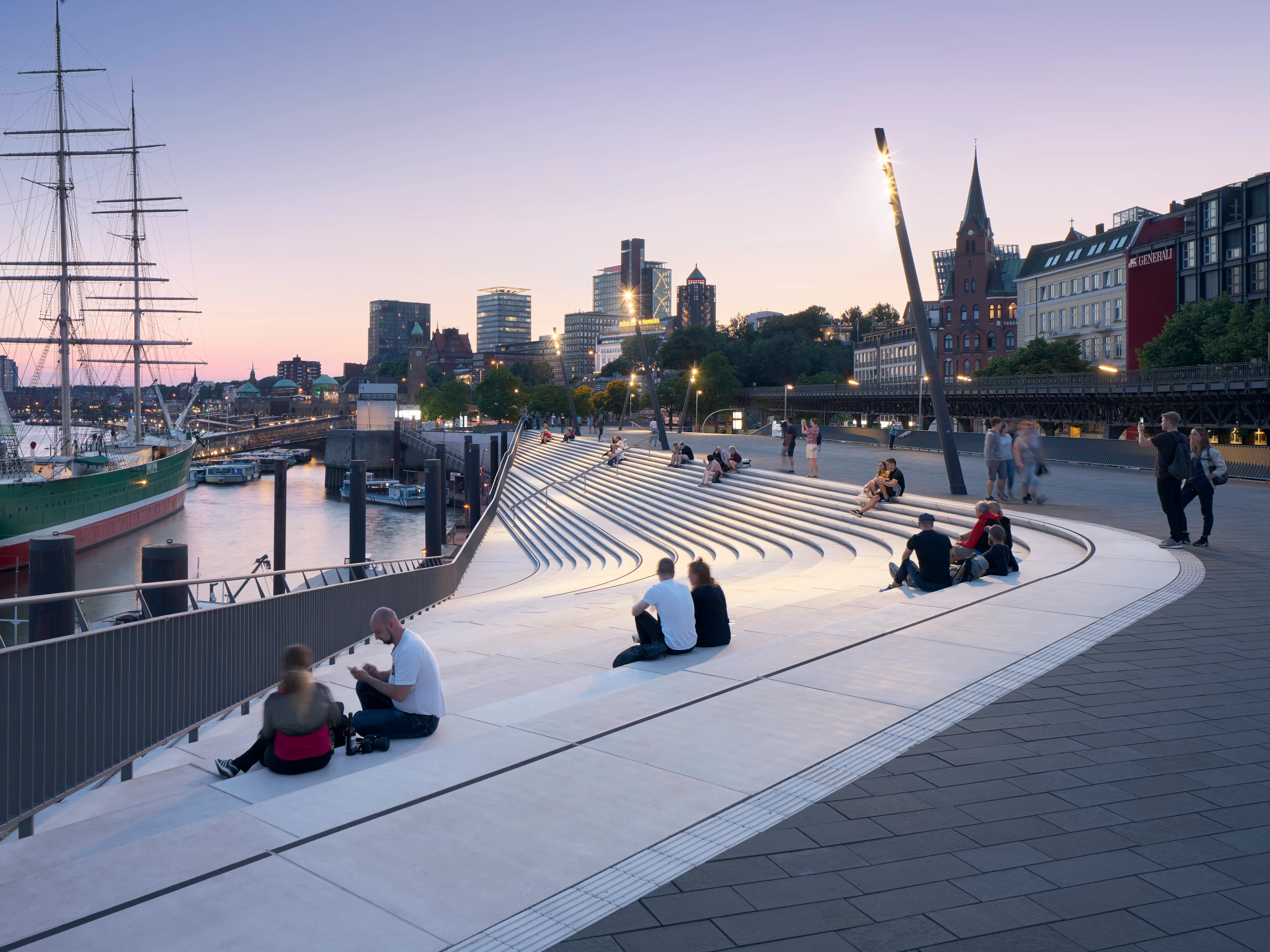
Niederhafen River Promenade
Located at Niederhafen on the Elbe River between St. Pauli Landungsbrücken and Baumwall in Hamburg, the upgraded 625m river promenade is integral to the modernisation and reinforcement of the city’s flood protection system.
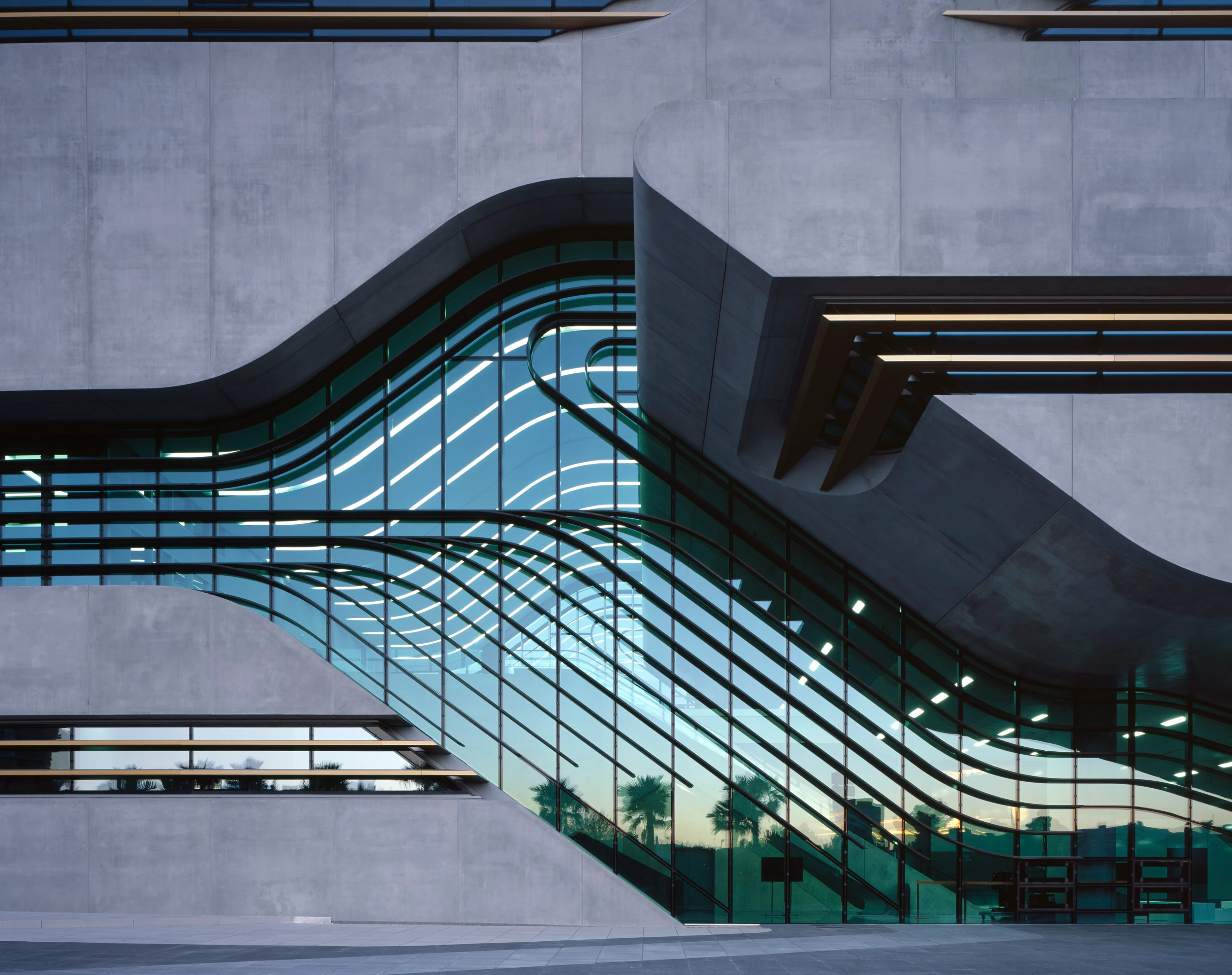
Photograph by Hélène Binet
Set Two
Pierresvives Archive & Library
The Pierresvives building for the department de l’Herault is the unification of three institutions – the archive, the library and the sports department – within a single envelope. These various parts combine to create a building with a strong single identity when viewed at a distance, but as one moves closer, the division into three parts becomes apparent.
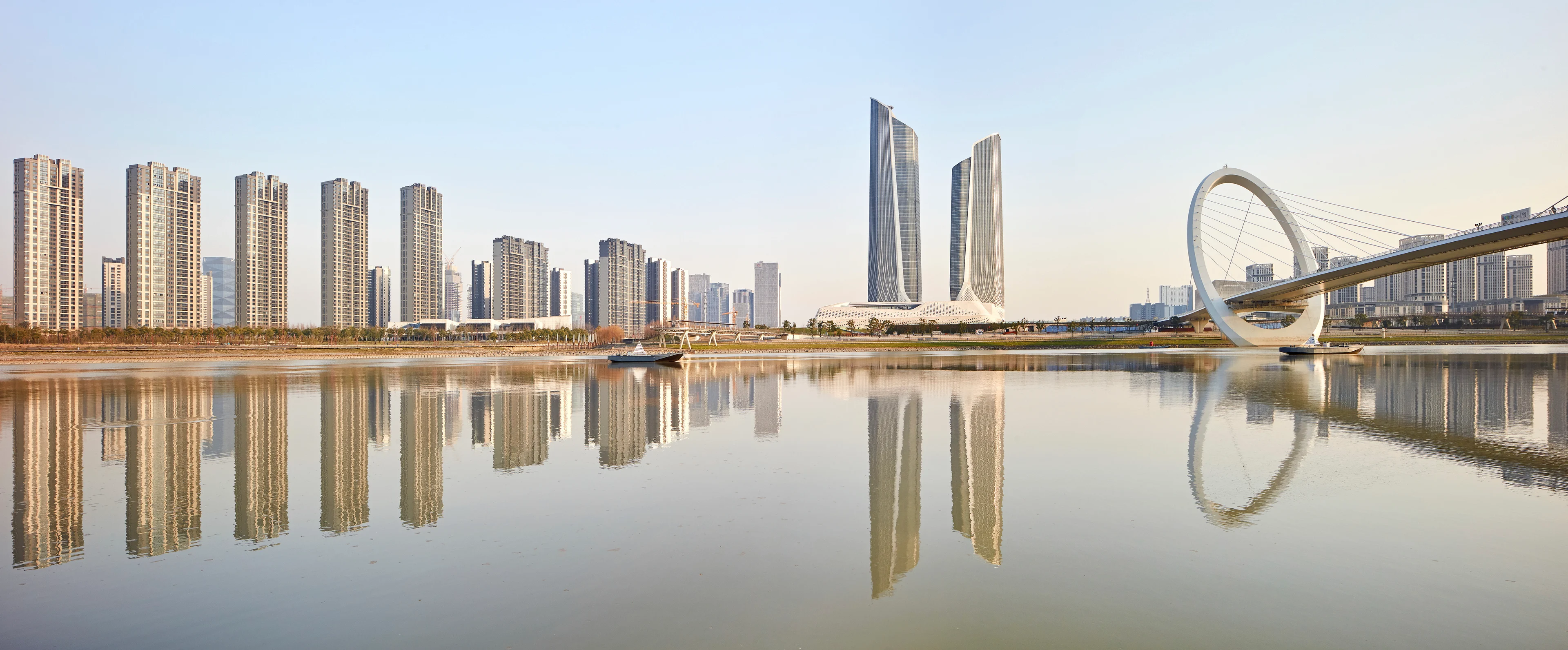
Photograph by Hufton + Crow
Jumeirah Nanjing Hotel & International Youth Cultural Centre
The Nanjing International Youth Cultural Centre harnessed the energy of the 2014 Youth Olympic Games to create a project with a lasting legacy that has enhanced and also regenerated its setting; acting as both an anchor and a catalyst for future investment in Nanjing’s Hexi New Town.
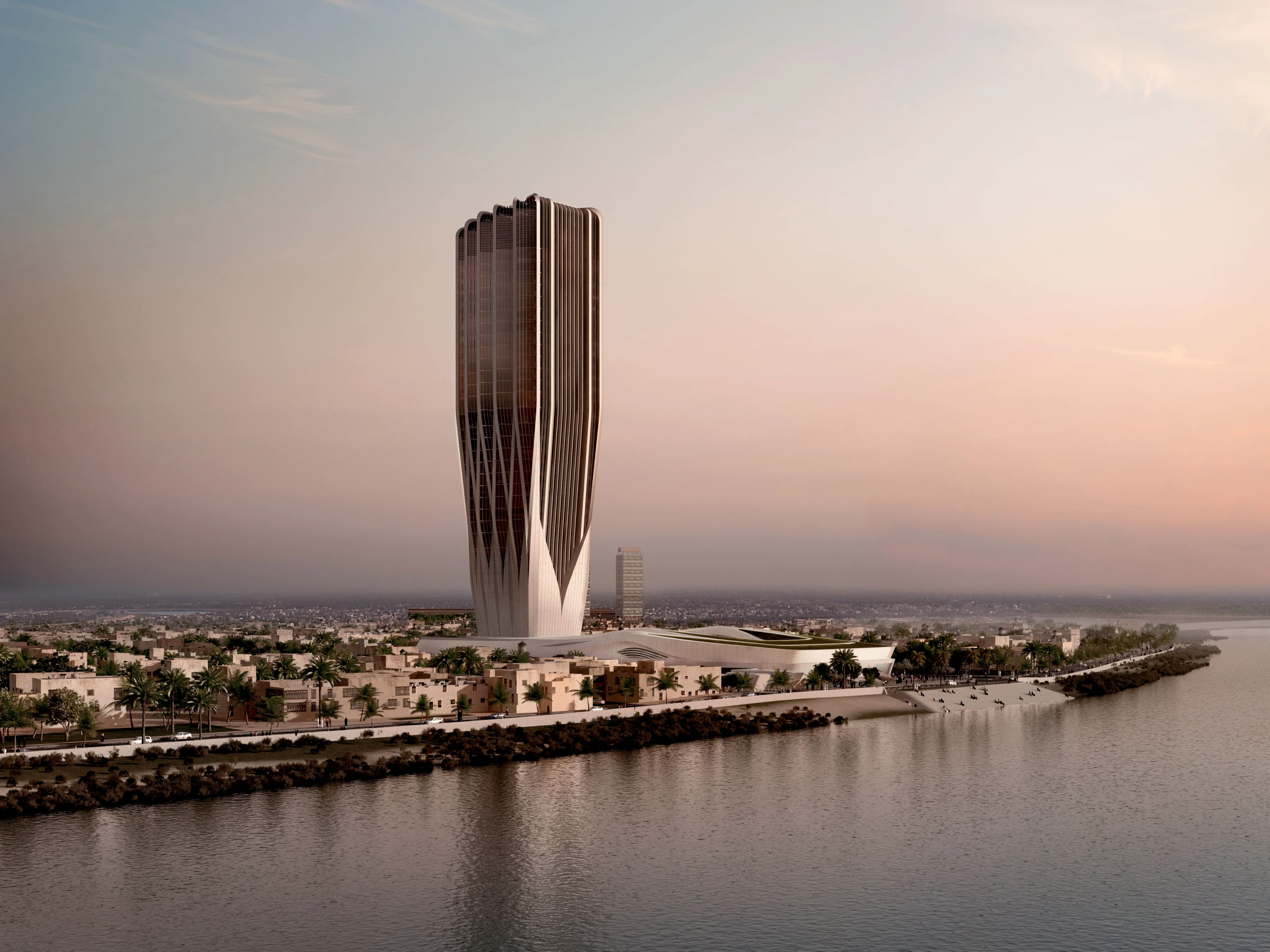
Courtesy of ZHA
Central Bank of Iraq
Rising from the sloping banks of the Tigris River in Baghdad, the design for the new headquarters of the Central Bank of Iraq (CBI) conveys the core values at the heart of the institution: Solidity, Stability and Sustainability.
01
02
03
04
05
06
07
08
09
10
11
12
13
14
15