
Render by X Universe
Malpensa, Italy
2025
Design
Malpensa Hospital
Render by X Universe
Render by X Universe
Render by X Universe
Render by X Universe
01
02
03
04
New medical campus
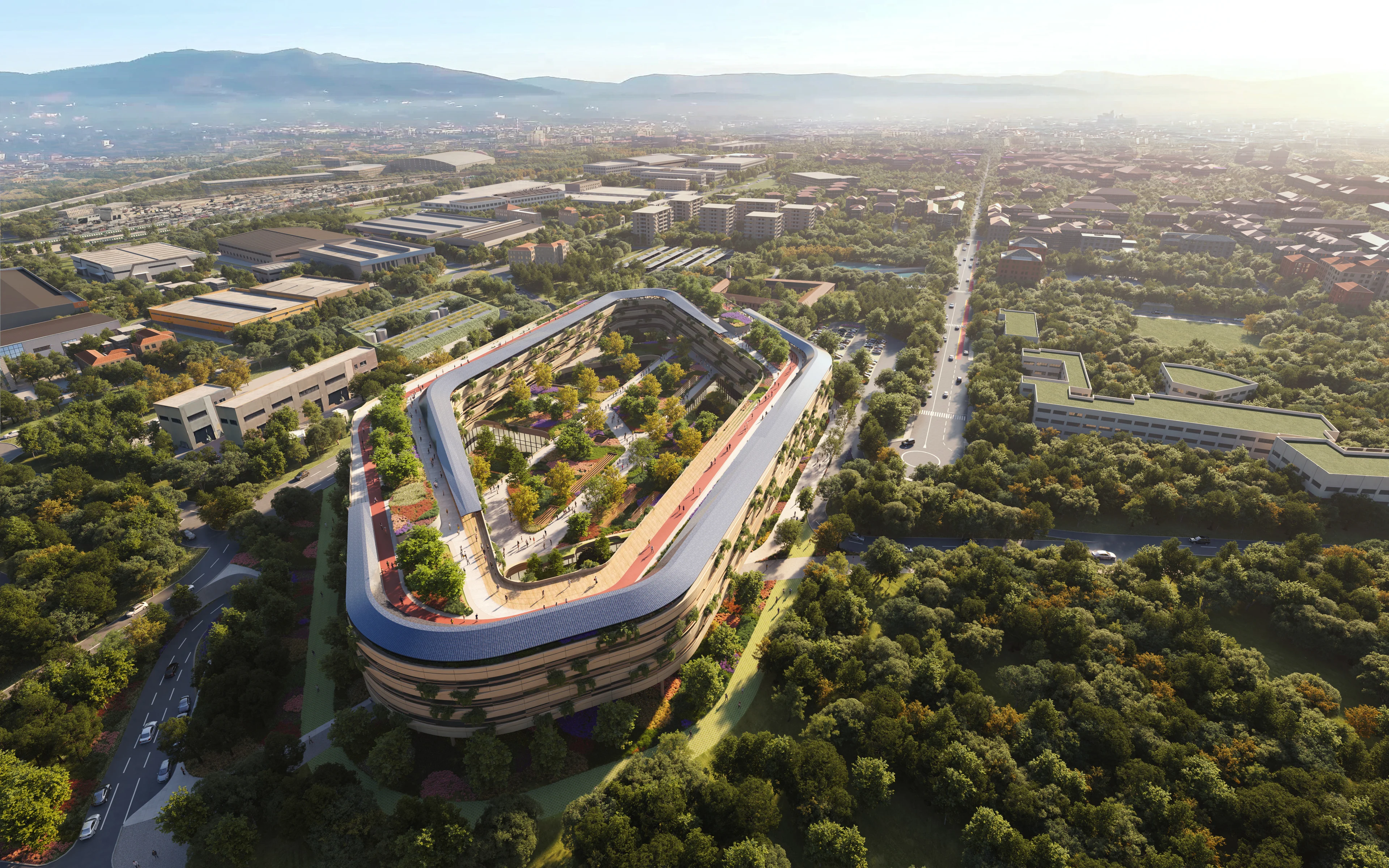
The new medical campus will unite the old Gallarate and Busto Arsizio hospitals into a single facility providing 21st century healthcare to serve almost one million residents living in the region between Milan and Varese.
Commissioned by the Lombardy Regional Health Authority, the design of Malpensa Hospital will meet the evolving requirements of the Olona Valley, ensuring flexibility to accommodate new technologies without comprising operational effectiveness and efficiency.
The new hospital’s design addresses three fundamental priorities: meeting the region’s growing demand for healthcare, integrating advanced medical technology with human-centric design and ensuring the community has access to medical services of the highest quality.
The project represents the holistic integration of healthcare innovation, local heritage preservation and ecological regeneration, creating an inclusive and sustainable campus to serve its community today while adapting to the needs of tomorrow.
Hospital’s modular construction enables future expansion
Designed to respond to evolving health challenges and climate conditions, the hospital’s modular construction enables future expansion and rapid reconfiguration in emergencies. This approach meets the growing healthcare needs of the region while combining advanced medical technologies with a design focused on individual comfort.
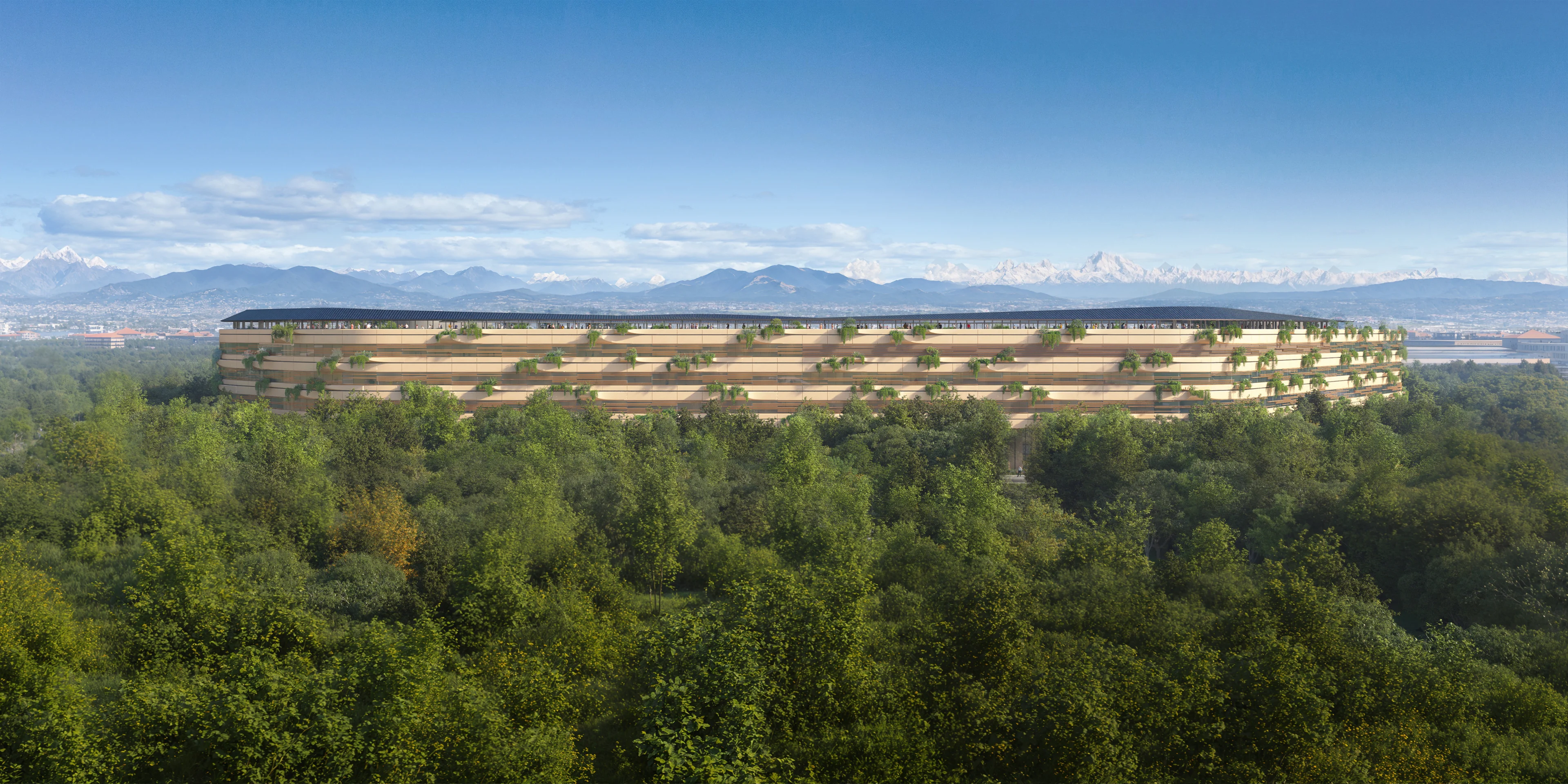
A compact structure comprising five above-ground levels and one basement, the hospital will encompass approximately 90,000m² organised by intensity of care that includes emergency services, surgery and critical-care within a multifunctional operating block with radiology, interventional and diagnostic rooms.
The hospital will incorporate extensive outpatient and inpatient facilities, maternal and infant care wards in addition to diagnostic and therapy zones with treatment rooms. The design also accommodates first and second level clinics, further clinics for maternal-infant healthcare, together with specialist areas for rehabilitation, laboratories and logistics. Every facility within the hospital is designed to be easily reconfigured to meet evolving needs.
The hospital’s dedicated circulation pathways for visitors, patients, staff and goods will minimise interference and reduce risk of contamination, with a clear separation between the routes used by the public and routes used by technicians and healthcare providers. Separate elevators for medical materials, goods and waste are strategically located to avoid interference with patients and visitors. The installation of an automated delivery system throughout the hospital will ensure patients and staff benefit from the most efficient logistical services.
Human-centric design principles underpin the architecture
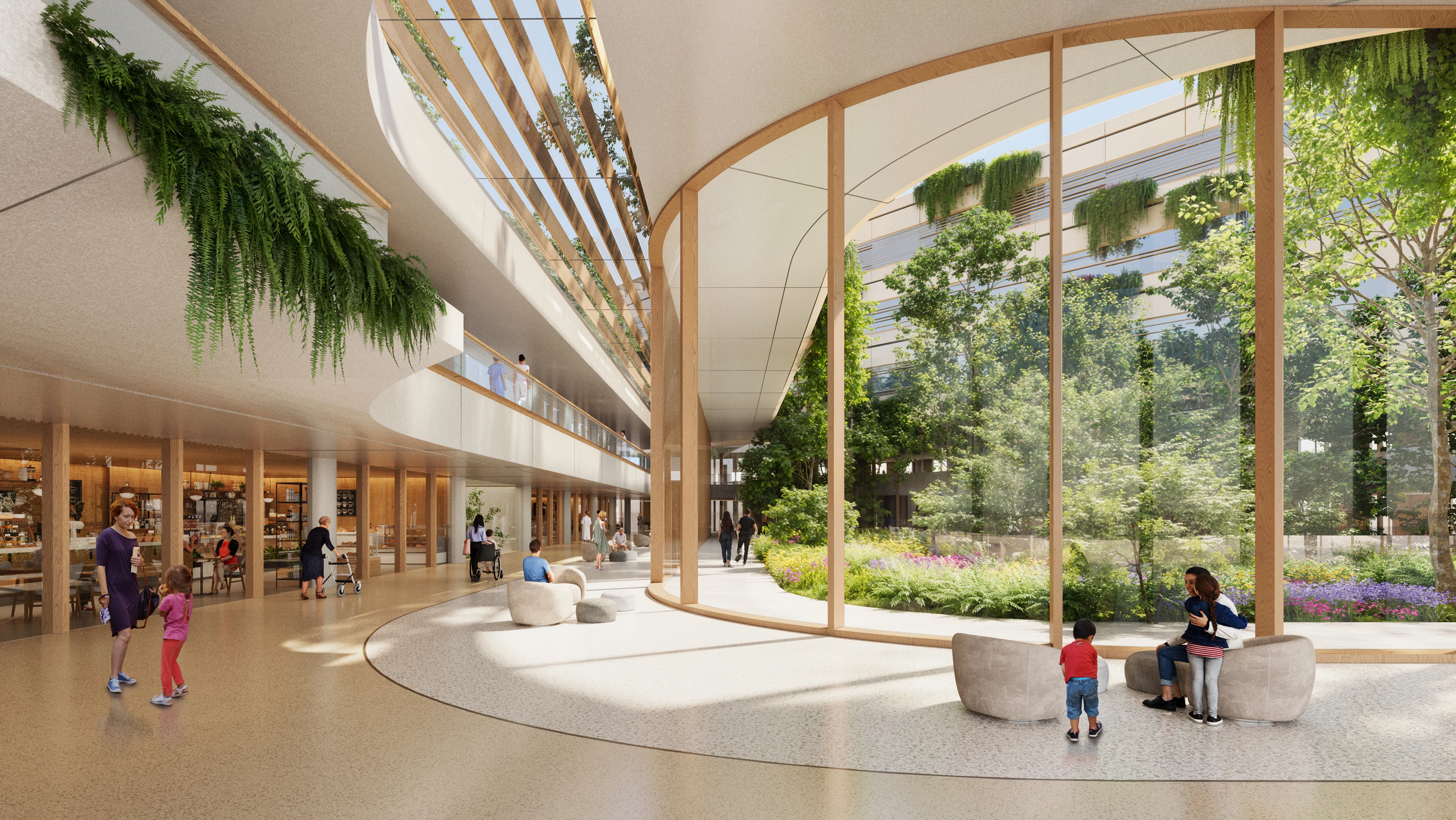
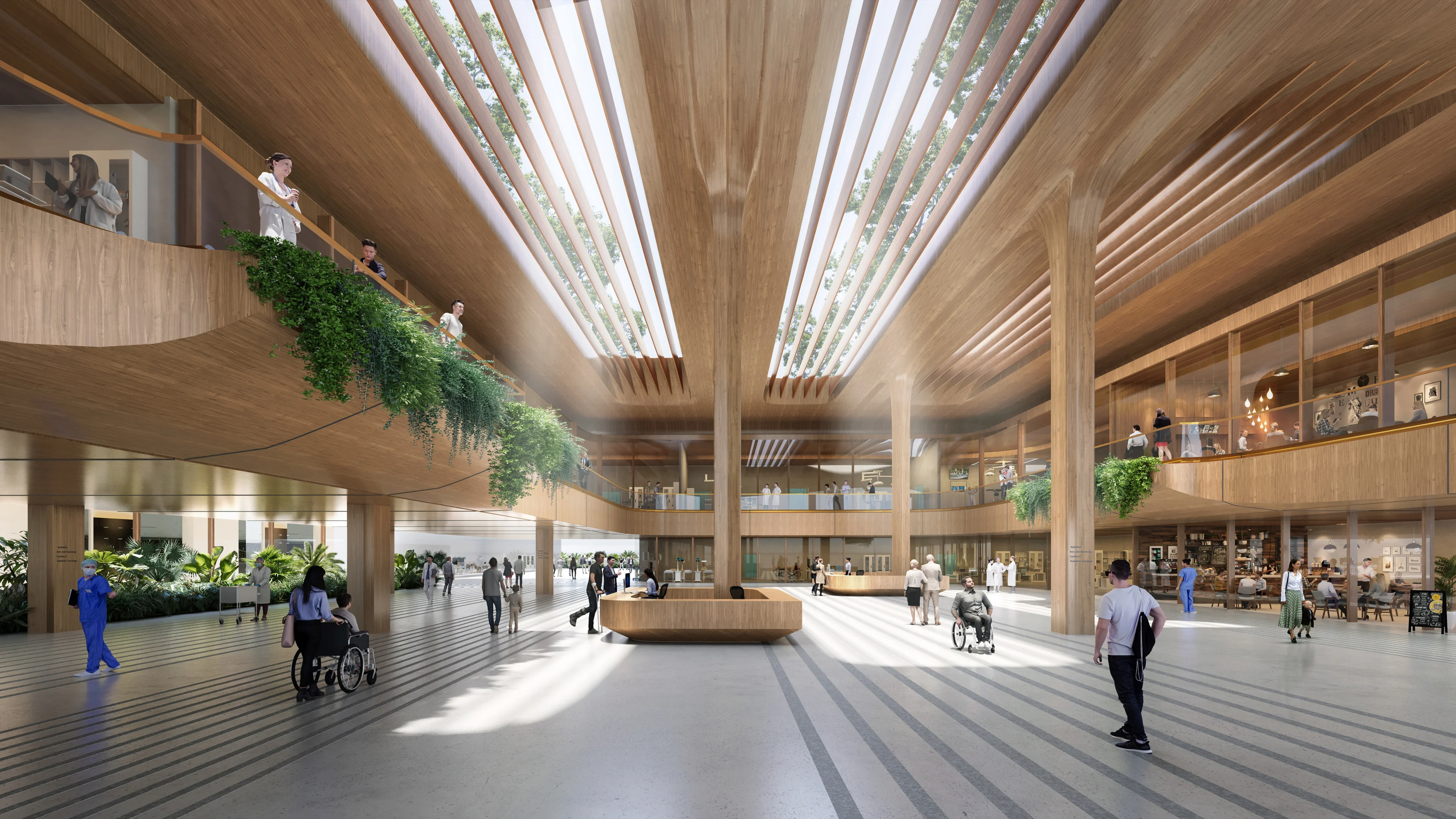
The design prioritises privacy and comfort to reduce anxiety by creating respite zones for patients and staff alike. At ground level, a central “Main Street” acts as a public axis, linking the entrance plaza and landscaped areas, reinforcing accessibility and community integration. Indoor spaces are defined to optimise natural light and acoustic comfort, creating an environment that supports health and well-being.
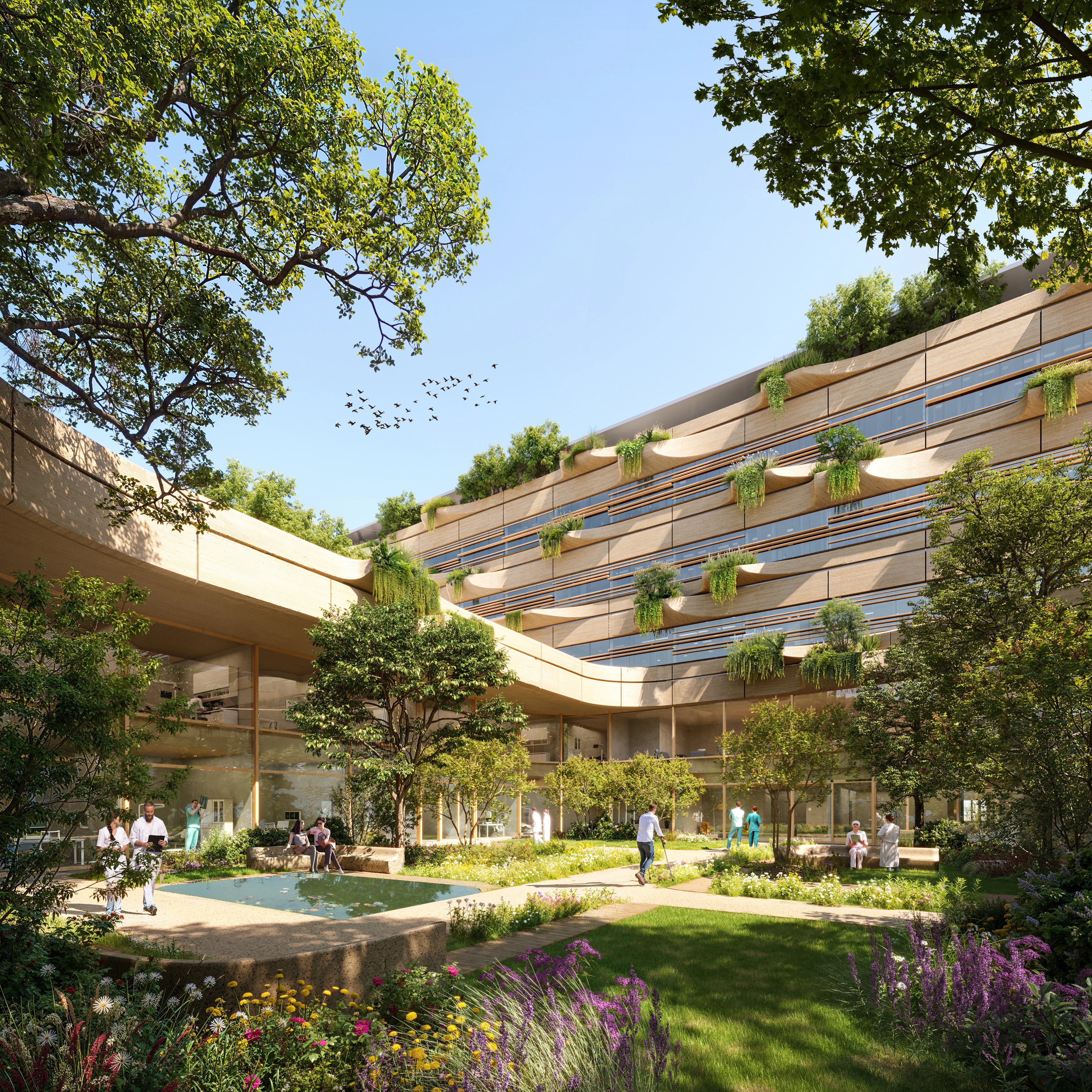
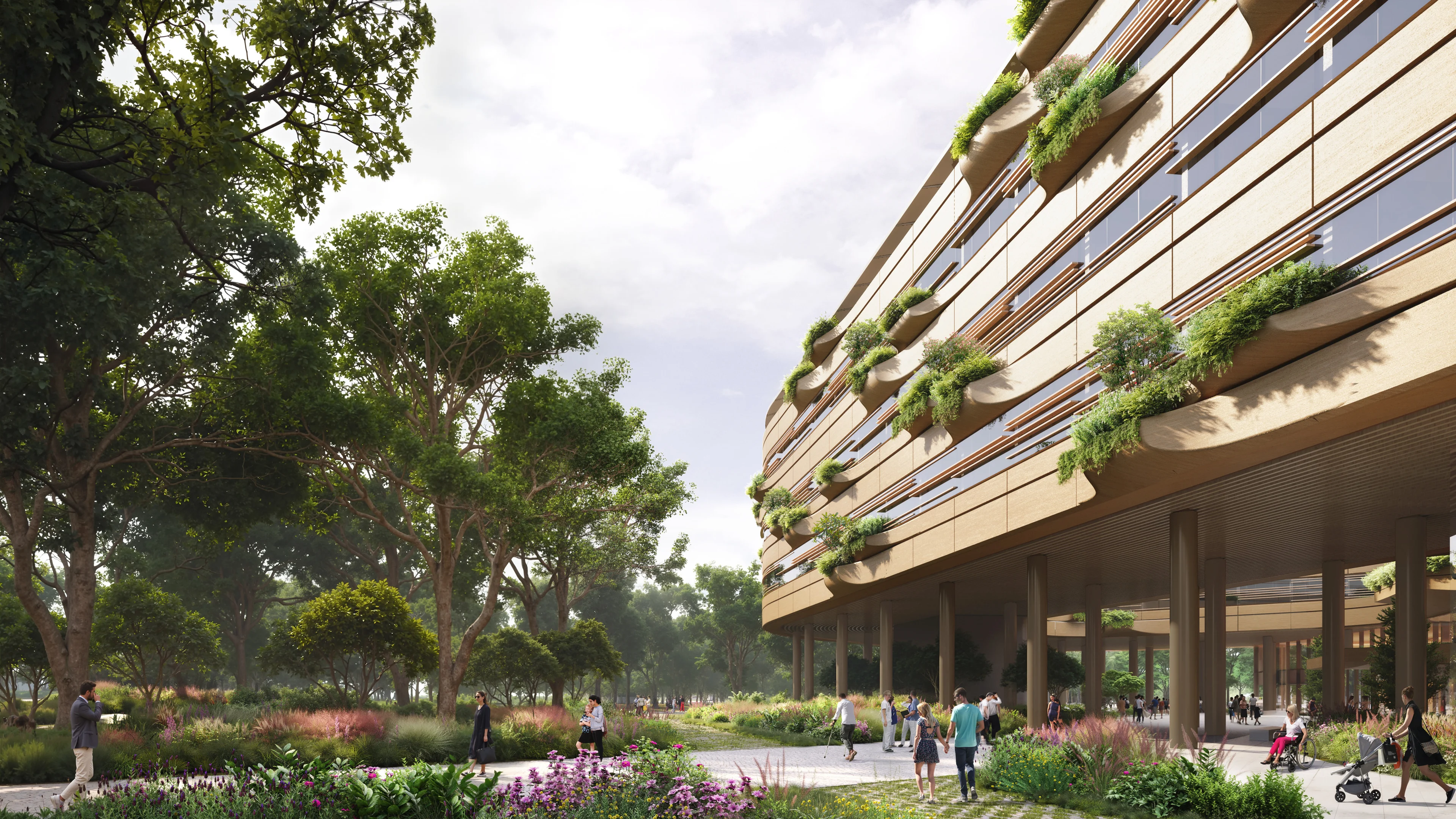
Human-centric design principles underpin the architecture—providing gardens, courtyards and landscaped rooftop terraces offering a variety of different spaces for rehabilitation and relaxation. The interiors are composed with a material palette promoting a therapeutic environment. Areas for socialising, education and cultural activities will enable the hospital to cultivate the strongest relationships with its local communities to enhance every aspect of patient care, while universal design integrates tactile maps, multilingual signage and barrier-free circulation.
The site is rich in natural heritage, surrounded by forests and agricultural land within the Regional Ecological Network and close to the Parco Regionale della Valle del Ticino. Embracing biophilic principles, the hospital’s landscape design preserves these ecosystems, minimizing hydrological impact, and also embedding the historic Cascina dei Poveri—an ancient rural complex dating to the 12th–13th century—within the campus, honouring its heritage and creating a new gathering place for the local community.
Incorporating effective passive design strategies, the hospital is designed to exceed CAM compliance environmental performance standards, with the potential to achieve the highest sustainability certification using renewable energy sources and the implementation of smart building systems.
Render by X Universe
Malpensa Hospital will provide the highest quality of patient care
Seamlessly connected to its surrounding communities by a network of dedicated public access routes from Via Quintino Sella and SS33, the new hospital can also be accessed via its extensive public transport links, cycling paths and pedestrian walkways.
The facades of the new medical campus comprise modular aluminium rainscreen panels with integrated planters and solar shading chosen for durability, recyclability and low embodied carbon. Interiors feature natural finishes such as wood and textiles to enhance the sense of comfort, calmness and security for all patients, visitors and staff.
Employing advanced modular prefabrication technologies to reduce waste, investment and construction time, all materials are selected for their low CO₂ footprint, recycled content and compliance with rigorous EPD and LCA standards. Operational efficiency throughout the campus is enhanced by a high-performance building envelope and solar shading to reduce cooling demand by 30%, while a photovoltaic system exceeding 1 MWp will supply roughly a quarter of the hospital’s electricity needs. A hybrid heating system is prepared for hydrogen integration, ensuring long-term adaptability.
Designed with the possibility to incorporate new smart technologies including advanced building management systems and digital twin models, the project has the capacity to implement the most effective predictive maintenance programmes and optimise energy performance.
Preserving existing woodland while introducing new wetlands and bioswales to capture and reuse stormwater and enhance biodiversity, the landscaping of the campus will include new public parks and gardens with drought-resistant planting to reduce evaporation and irrigation demand.
Embedded within its surrounding natural environment, Malpensa Hospital will provide the highest quality of patient care in an innovative, climate-responsive and human-centred medical campus, unifying advanced healthcare and responsible ecological stewardship of the Olona Valley.
Civic
Discover more of our civic spaces
From Beijing’s largest and most advanced convention and exhibition centre to a public plaza that unites the historically divided city of Nicosia, discover our latest civic projects.
Photograph by Hufton + Crow
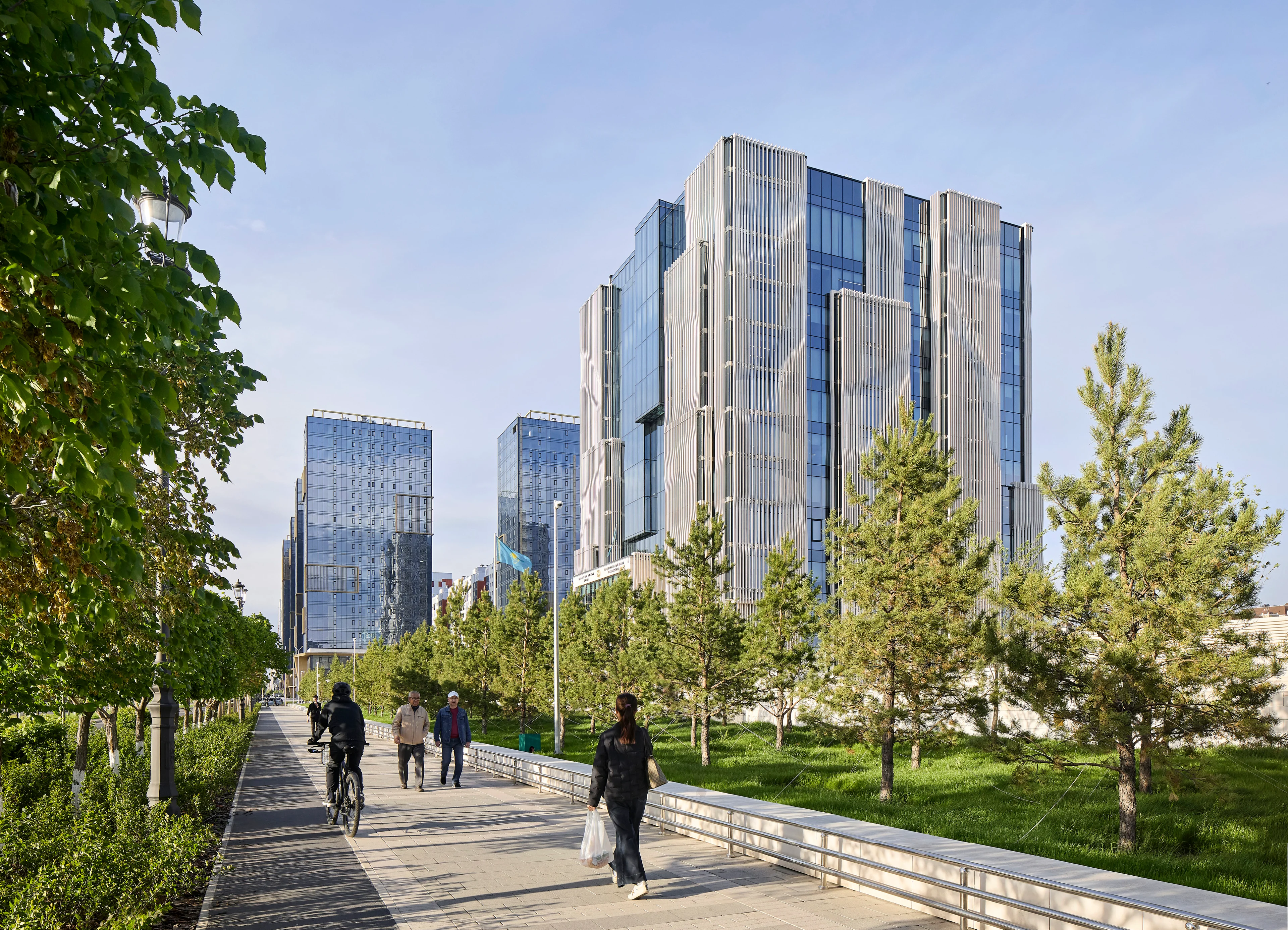
National Bank of the Republic of Kazakhstan
The new headquarters of the National Bank of the Republic of Kazakhstan (NBRK) in Astana houses the bank’s departments within a single, integrated campus accommodating up to 800 employees and conveys the institution’s longstanding commitment to fiscal stability.
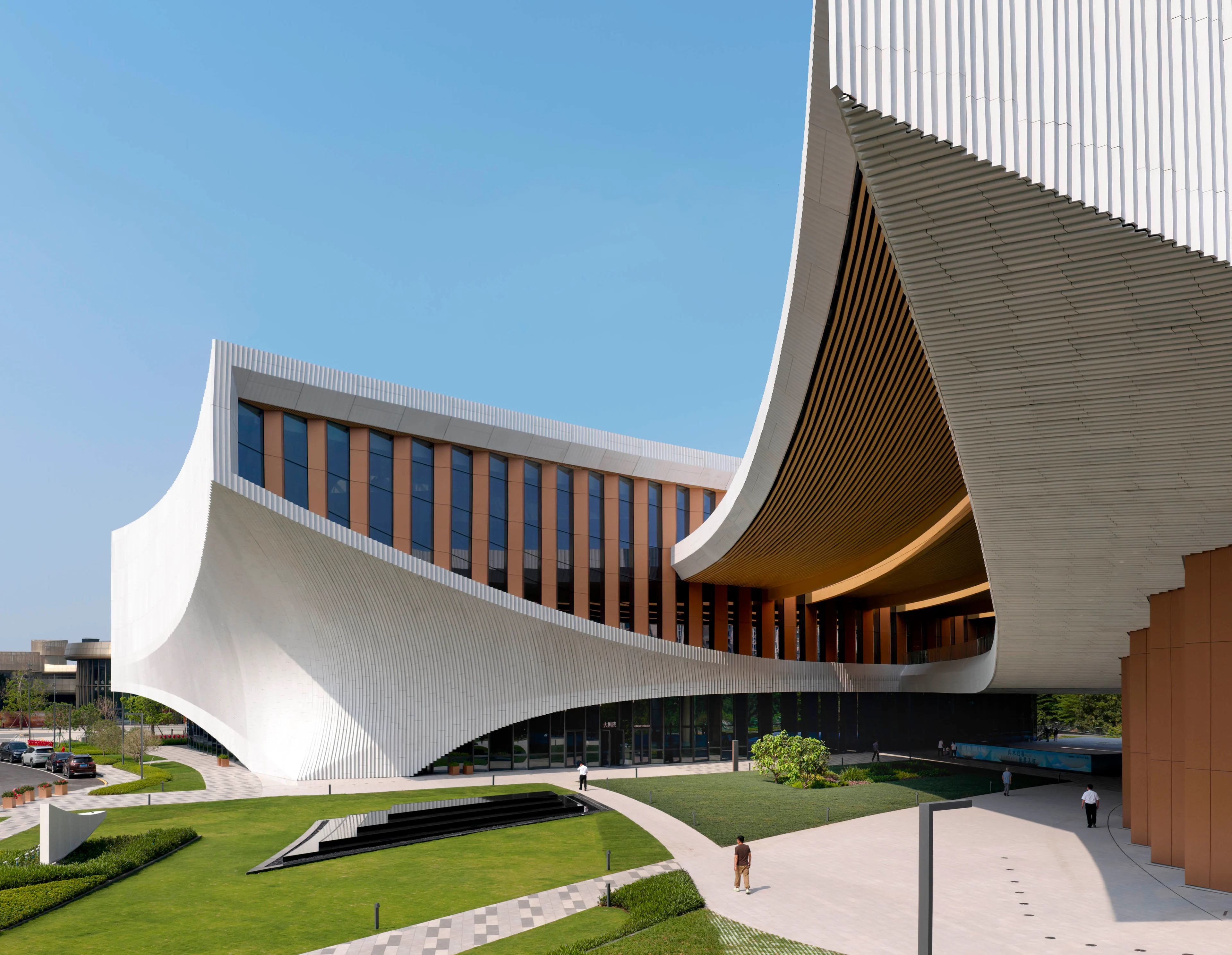
Songshan Lake Performance and Exhibition Centre
Located in Dongguan within the Greater Bay Area of southern China’s Pearl River estuary, the new Songshan Lake Exhibition and Performance Centre is at the heart of a mixed-use masterplan to revitalize the Yuehe Lake waterfront.
Render by X-Universe
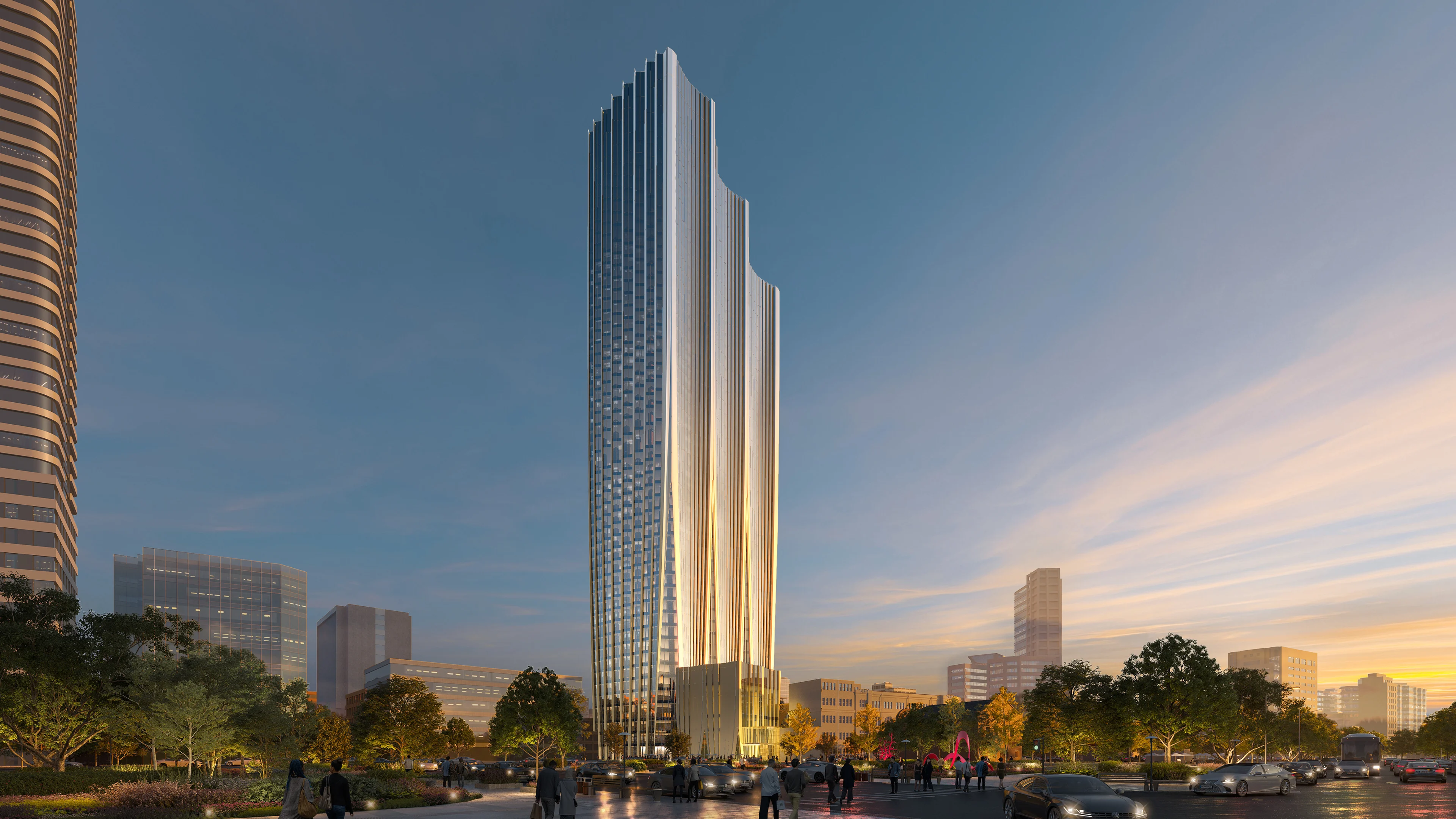
National Innovation, Creativity and Finance Center
Located in the heart of Taipei’s Beimen district—the city’s financial hub—NICFC will house four institutions of the Financial Supervisory Commission that include the stock exchange, futures exchange, depository & clearing corporation.
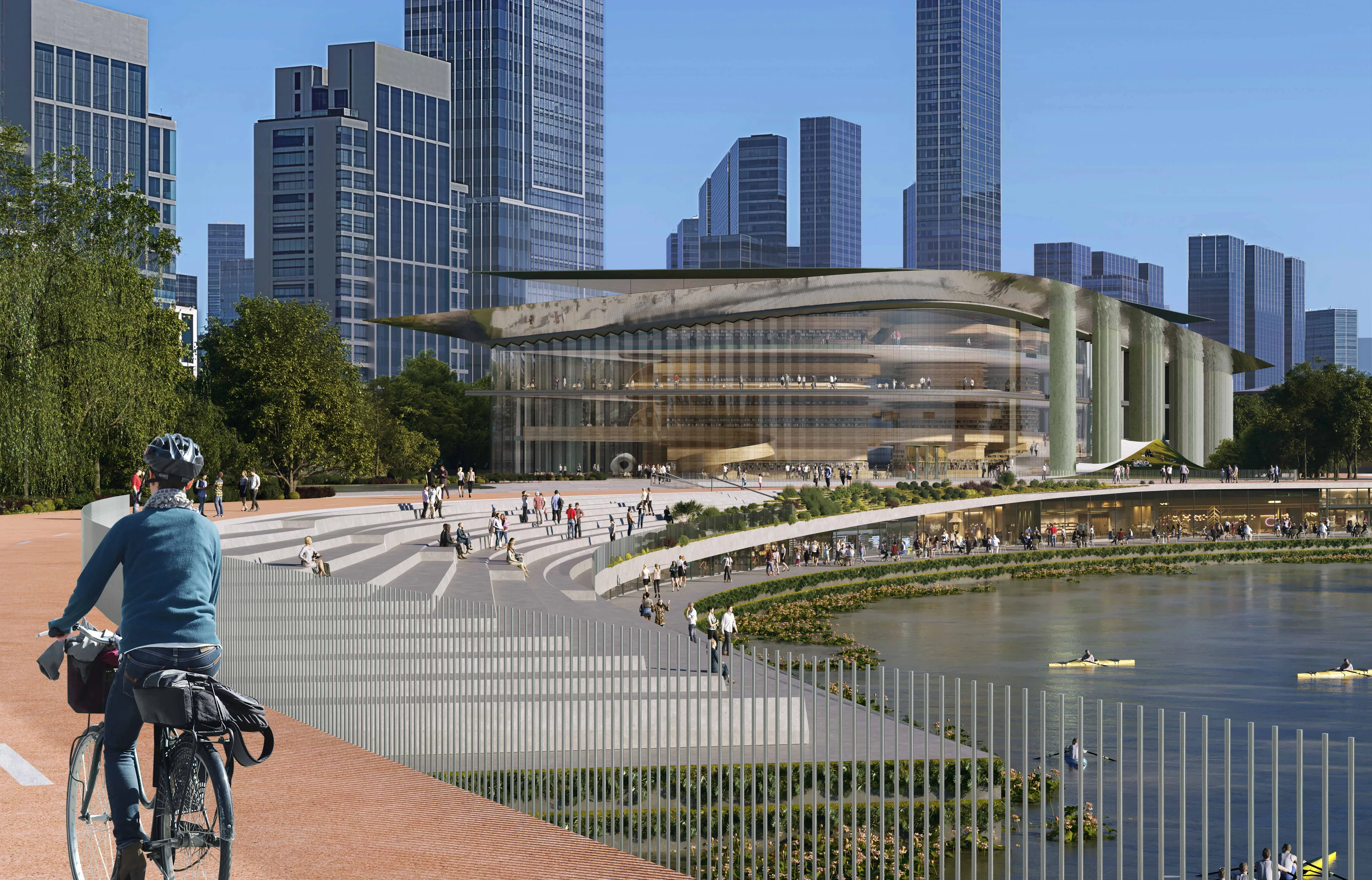
Qiantang Bay Cultural District
A series of new landscaped parklands, terraces and gardens along the Zhedong Canal within the Xiaoshan district of Hangzhou
Photograph by Virgile Simon Bertrand
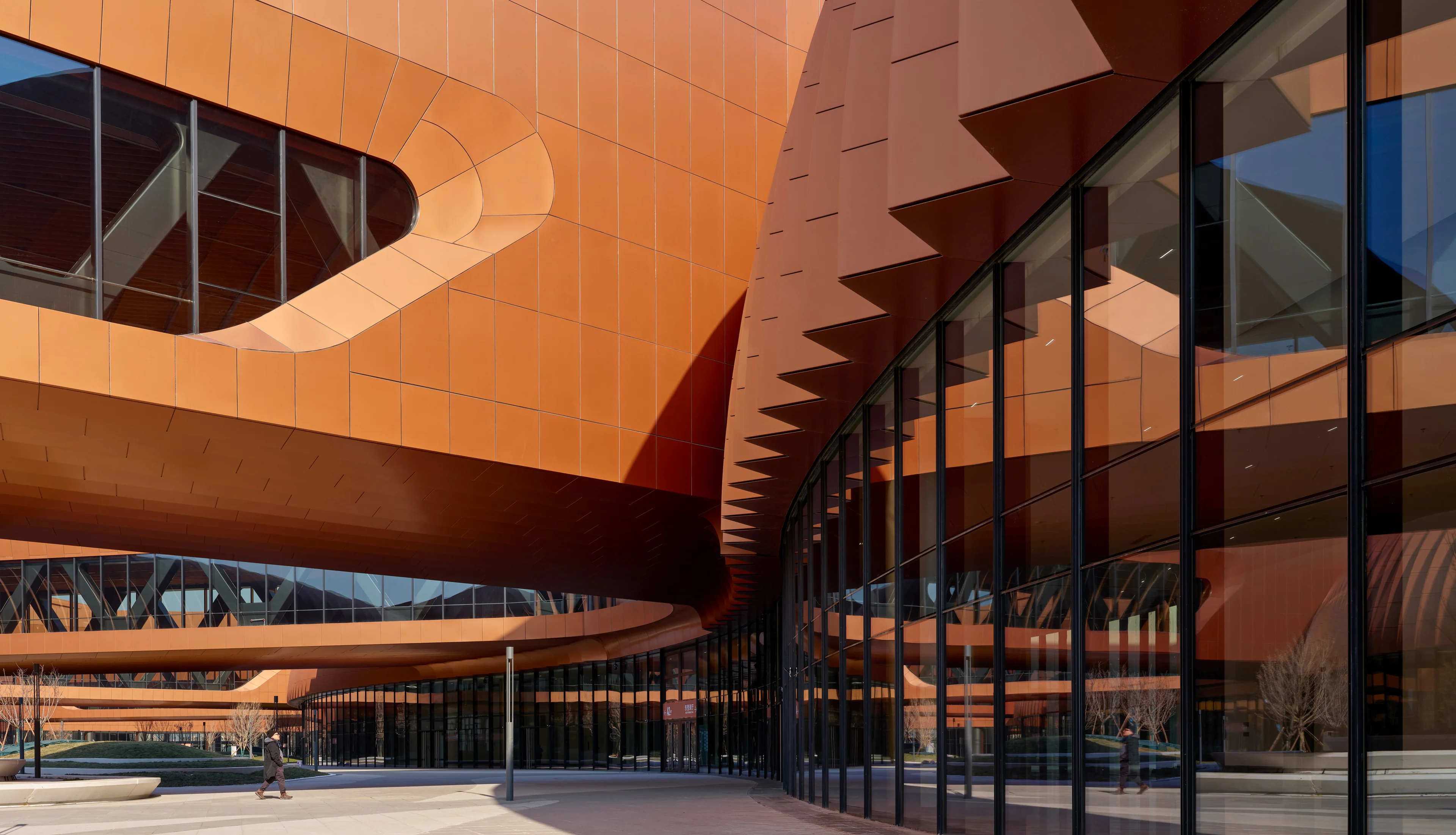
Capital International Exhibition & Convention Centre
As the cultural, academic and civic centre of China, Beijing has also developed into one of the world’s centres of communication and scientific research.
Photograph by ©K.Arkatites
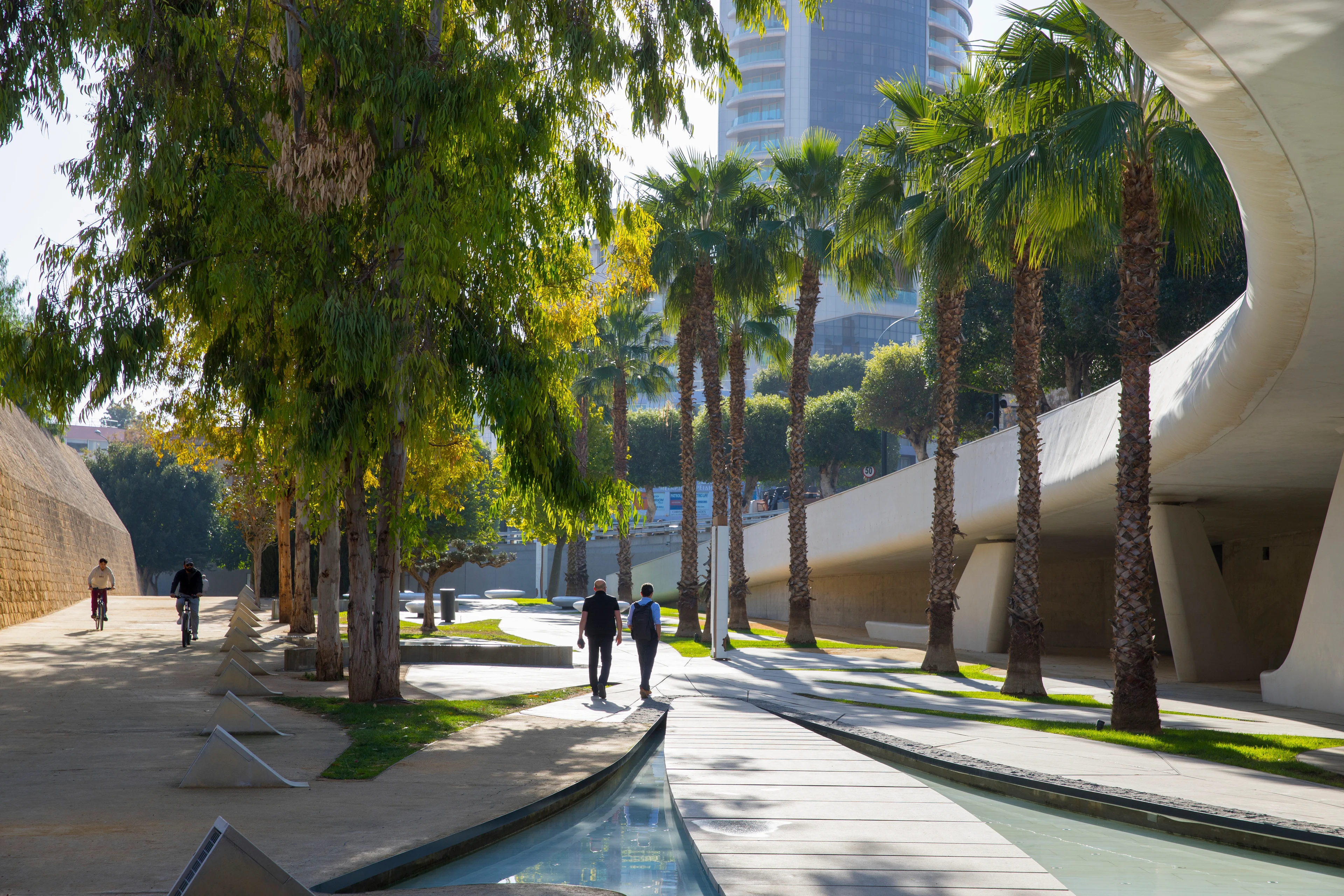
Eleftheria Square
Establishing Eleftheria Square as the city’s primary gathering space, ZHA design creates new connections intended to unite a divided capital. Nicosia’s massive Venetian fortifications separate the old city from its modern districts, while the city’s ‘Green Line’ divides the capital into two disparate communities.
Photograph by Werner Huthmacher
Maggie's Fife Cancer Centre
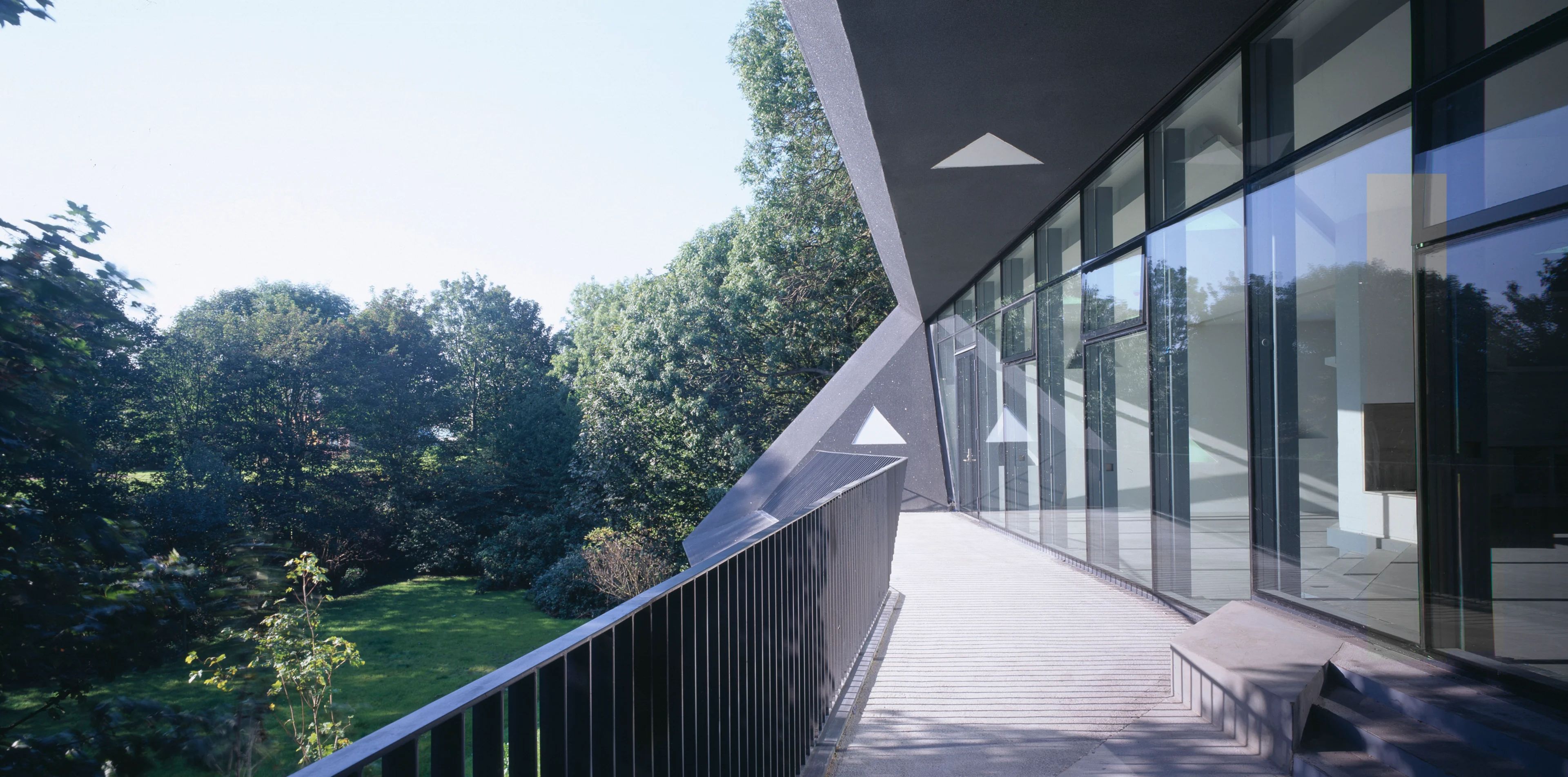
Domestic in scale but unique in execution, Maggie’s Fife Cancer Centre is set on the edge of a hollow adjacent to Victoria Hospital: a distinctive protected environment providing a haven for cancer patients. Designed to create a transition between the natural and the man-made, it forms a gateway to the surrounding landscape.
Photograph by ©Christian Richters/VIEW
Vitra Fire Station
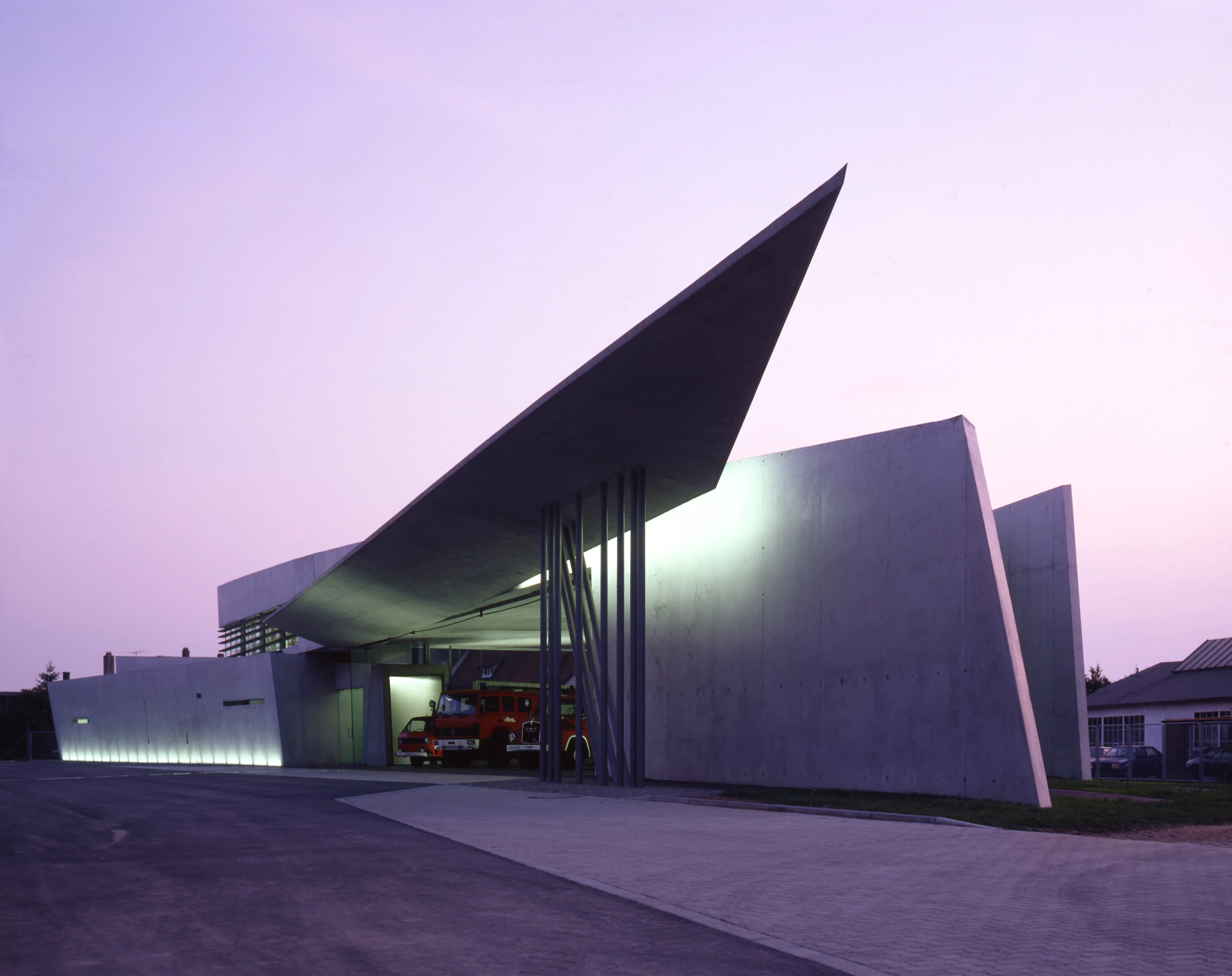
Conceived as the end-note to existing factory buildings, the Vitra Fire Station defines rather than occupies space – emerging as a linear, layered series of walls, between which program elements are contained – a representation of ‘movement frozen’ – an ‘alert’ structure, ready to explode into action at any moment.
Photograph by Hélène Binet
Landesgartenschau / Landscape Formation One
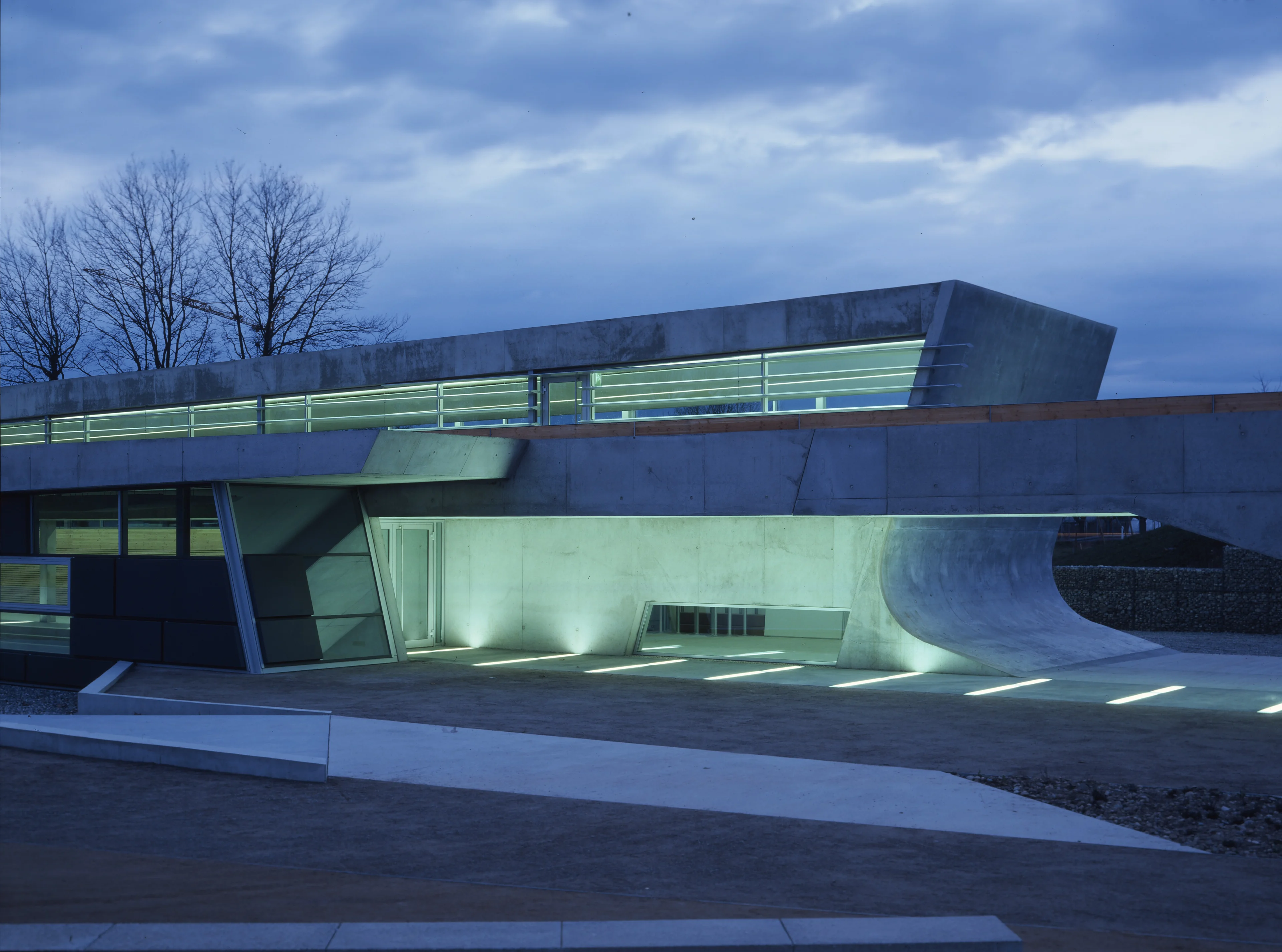
The project is designed to serve as an event and exhibition space for the garden festival in Weil am Rhein 1999. The suggested structure does not sit in the landscape as an isolated object, but emerges from the fluid geometry of the surrounding network of paths.
Photograph by Hufton + Crow
Legacy Mode : December 2013
London Aquatics Centre
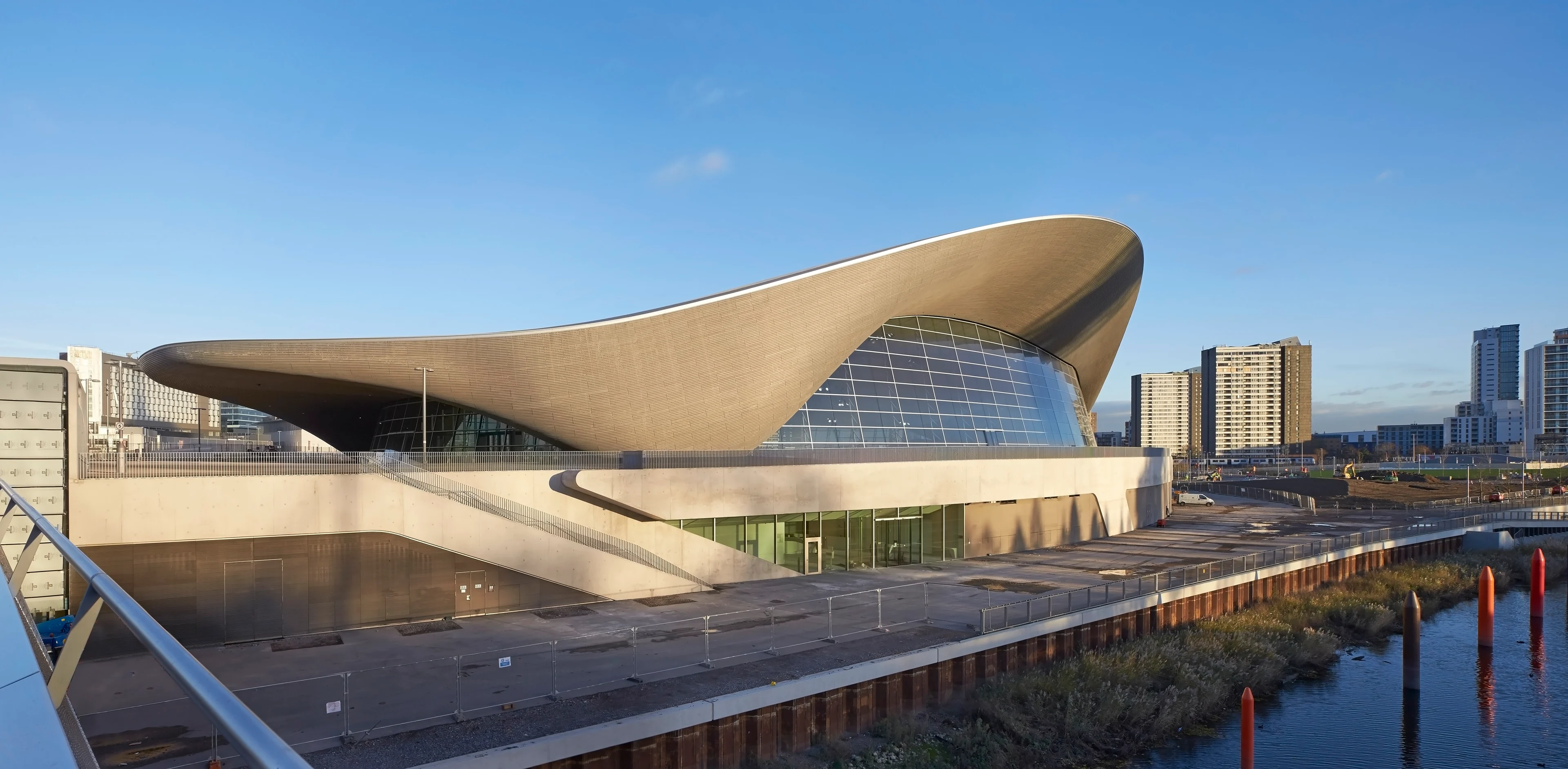
A concept inspired by the fluid geometry of water in motion, creating spaces and a surrounding environment in sympathy with the river landscape of the Olympic Park. An undulating roof sweeps up from the ground as a wave, enclosing the pools of the Centre with its unifying gesture.
Photograph by Virgile Simon Bertrand
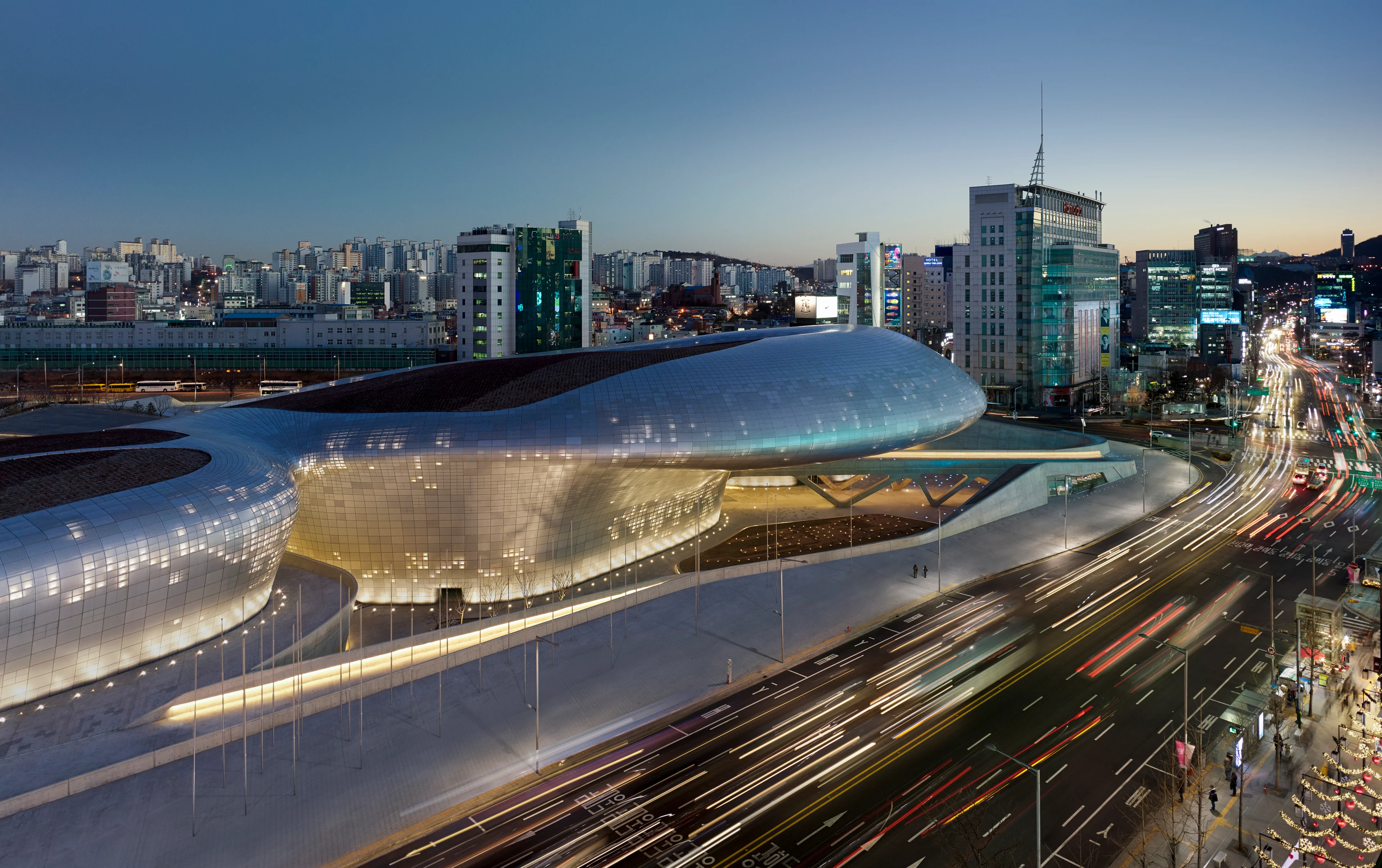
Dongdaemun Design Plaza
The DDP has been designed as a cultural hub at the centre of one of the busiest and most historic districts of the city. It is a place for people of all ages; a catalyst for the instigation and exchange of ideas and a place for new technologies and media to be explored - presenting an ever-changing menu of exhibitions and events that feeds the cultural vitality of the city.
Photograph by Piet Niemann
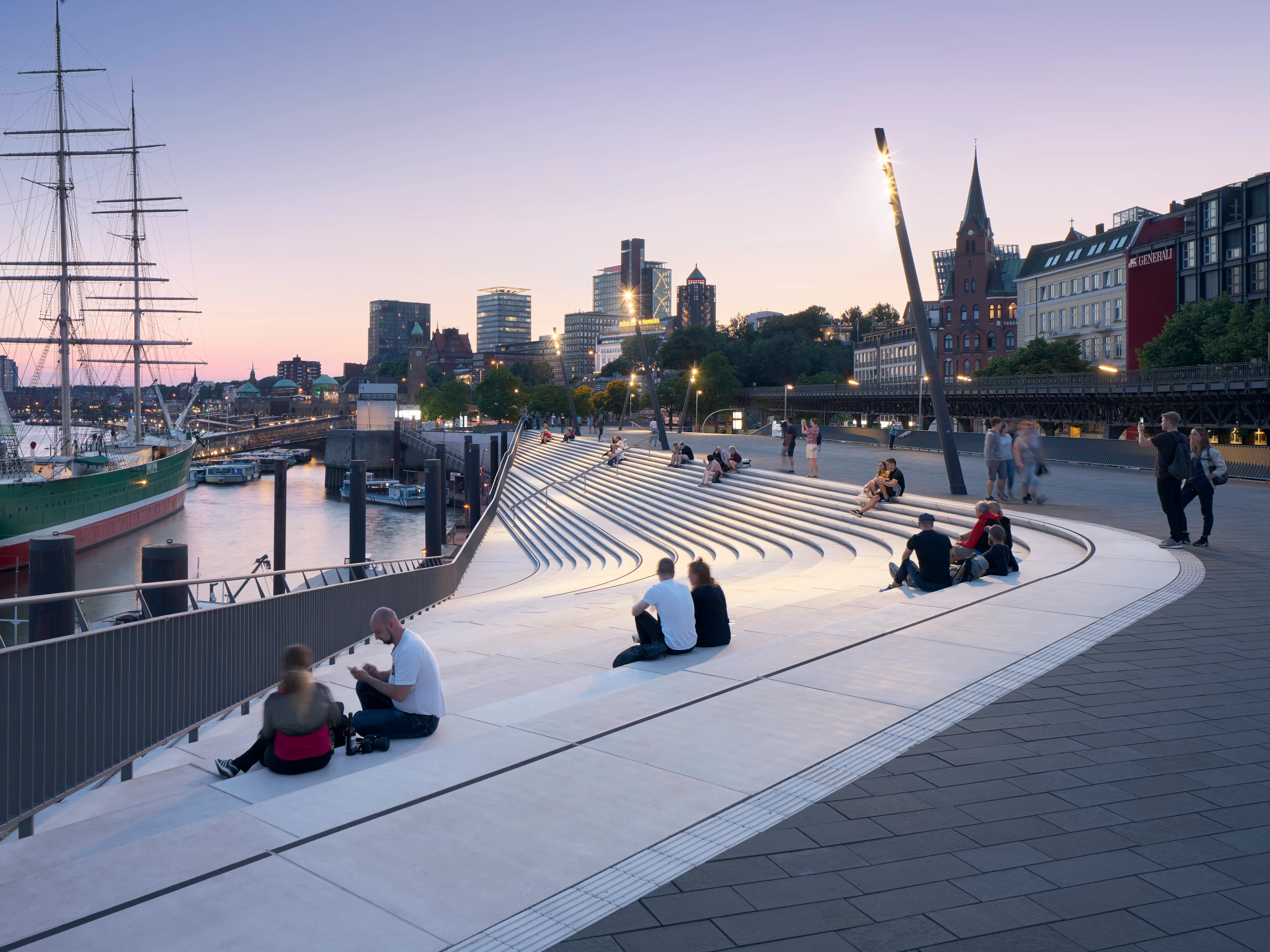
Niederhafen River Promenade
Located at Niederhafen on the Elbe River between St. Pauli Landungsbrücken and Baumwall in Hamburg, the upgraded 625m river promenade is integral to the modernisation and reinforcement of the city’s flood protection system.
Photograph by Hélène Binet
Set Two
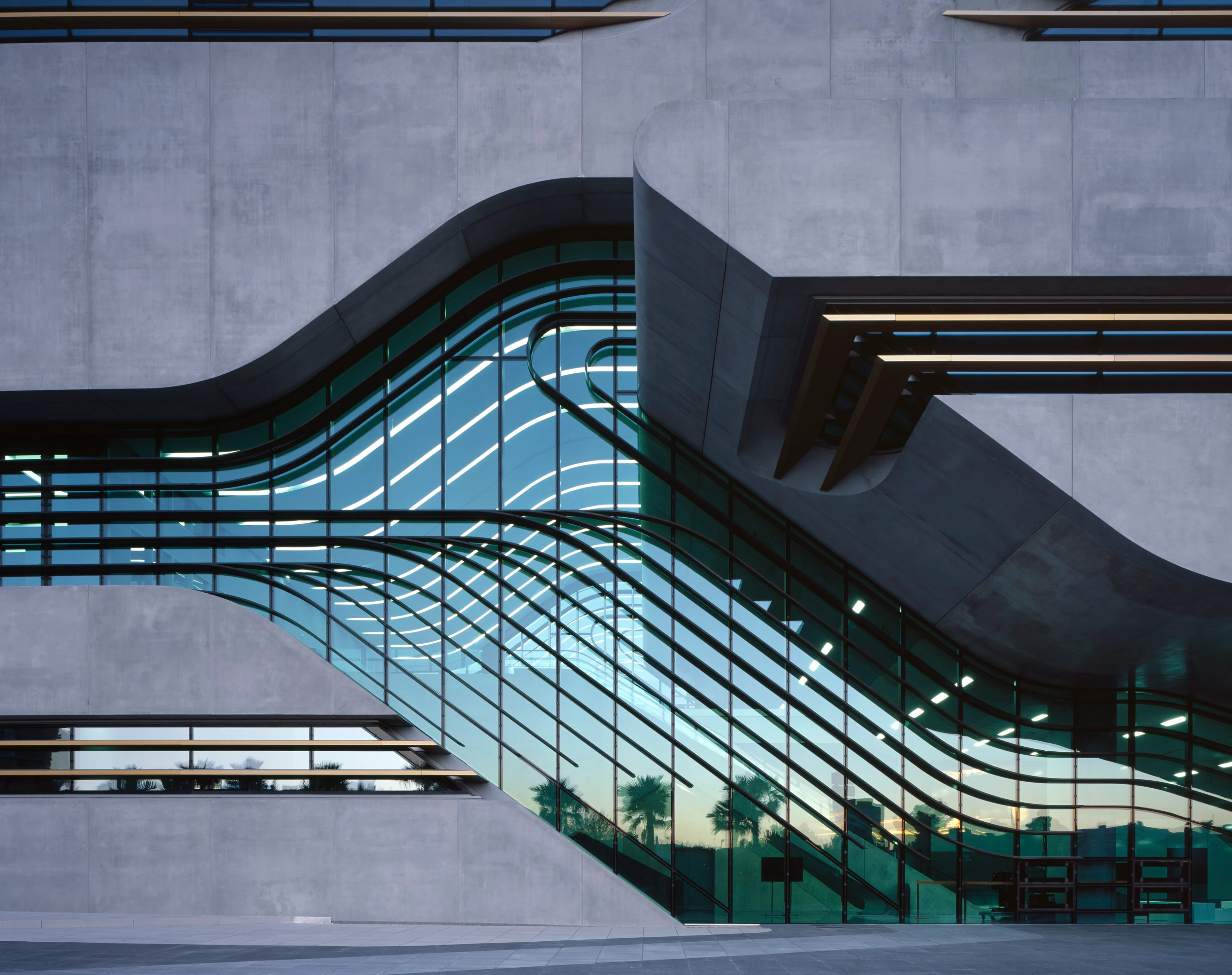
Pierresvives Archive & Library
The Pierresvives building for the department de l’Herault is the unification of three institutions – the archive, the library and the sports department – within a single envelope. These various parts combine to create a building with a strong single identity when viewed at a distance, but as one moves closer, the division into three parts becomes apparent.
Photograph by Hufton + Crow
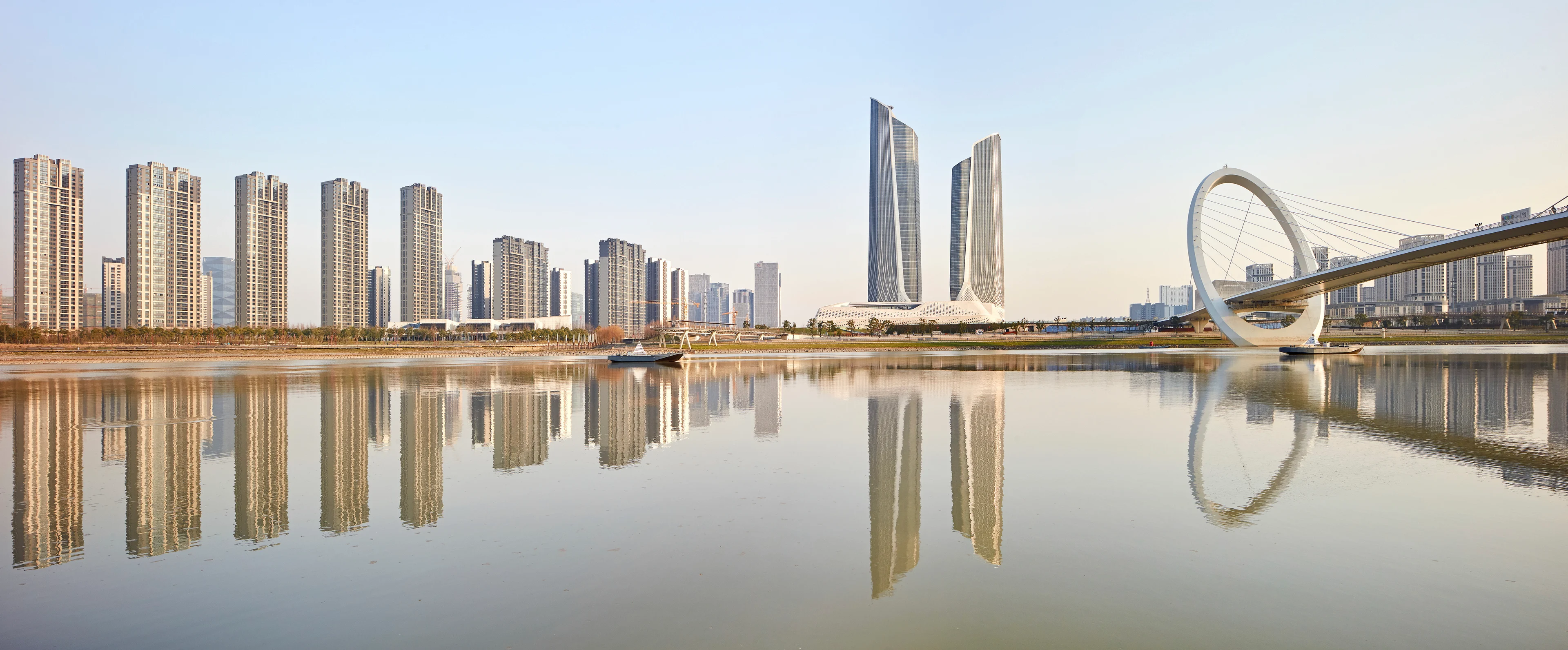
Jumeirah Nanjing Hotel & International Youth Cultural Centre
The Nanjing International Youth Cultural Centre harnessed the energy of the 2014 Youth Olympic Games to create a project with a lasting legacy that has enhanced and also regenerated its setting; acting as both an anchor and a catalyst for future investment in Nanjing’s Hexi New Town.
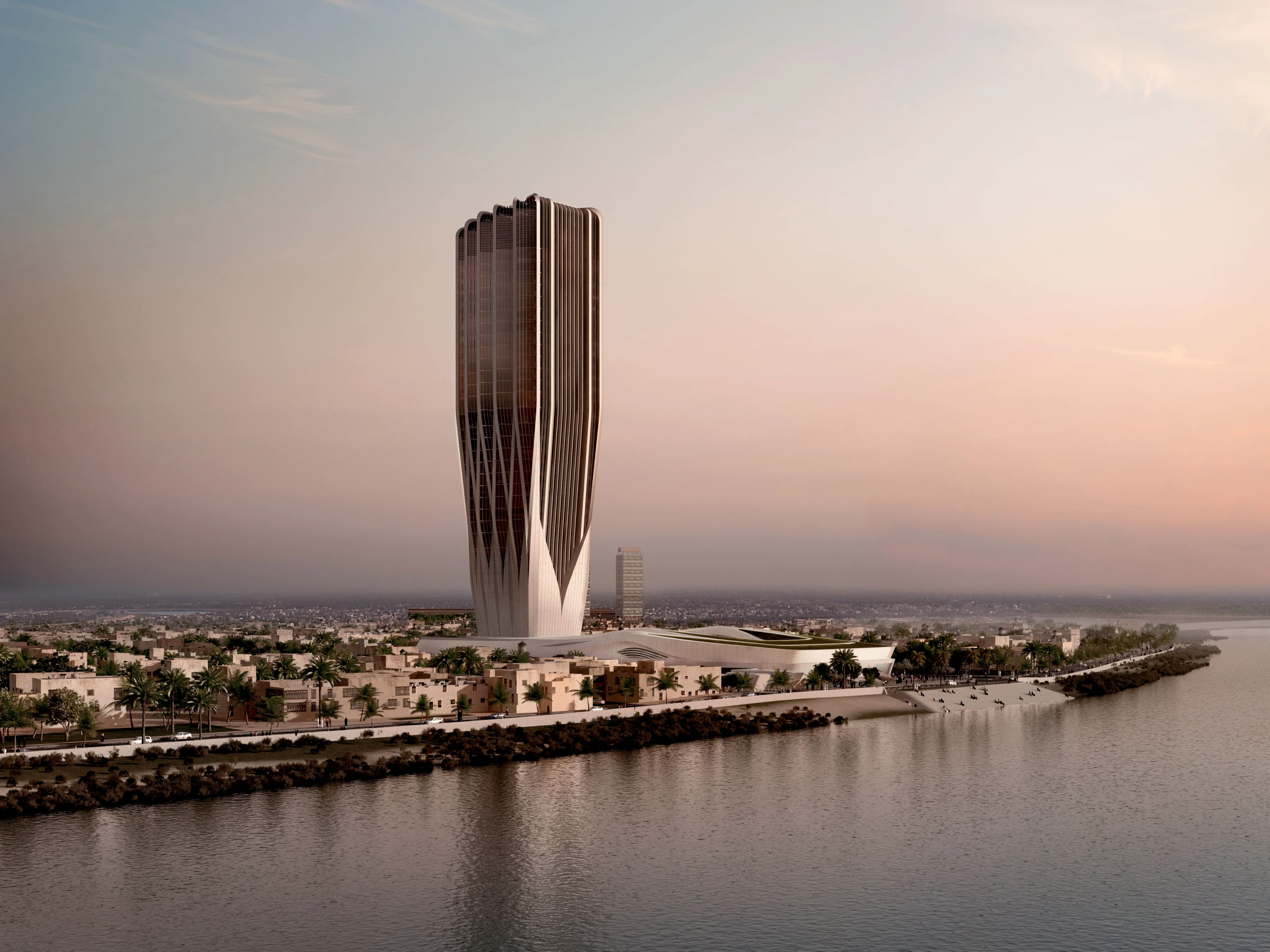
Courtesy of ZHA
Central Bank of Iraq
Rising from the sloping banks of the Tigris River in Baghdad, the design for the new headquarters of the Central Bank of Iraq (CBI) conveys the core values at the heart of the institution: Solidity, Stability and Sustainability.
01
02
03
04
05
06
07
08
09
10
11
12
13
14
15