
Photograph by Hufton + Crow
Legacy Mode : December 2013
London, United Kingdom
2005 - 2011
Olympic Delivery Authority
London Aquatics Centre
Photograph by Hufton + Crow
Legacy Mode : December 2013
Photograph by Hufton + Crow
Legacy Mode : December 2013
Photograph by Hufton + Crow
Legacy Mode : December 2013
Photograph by Hufton + Crow
Olympic Mode : August 2011
Photograph by Hufton + Crow
Legacy Mode : December 2013
01
02
03
04
05
Sweeping up from the ground as a wave
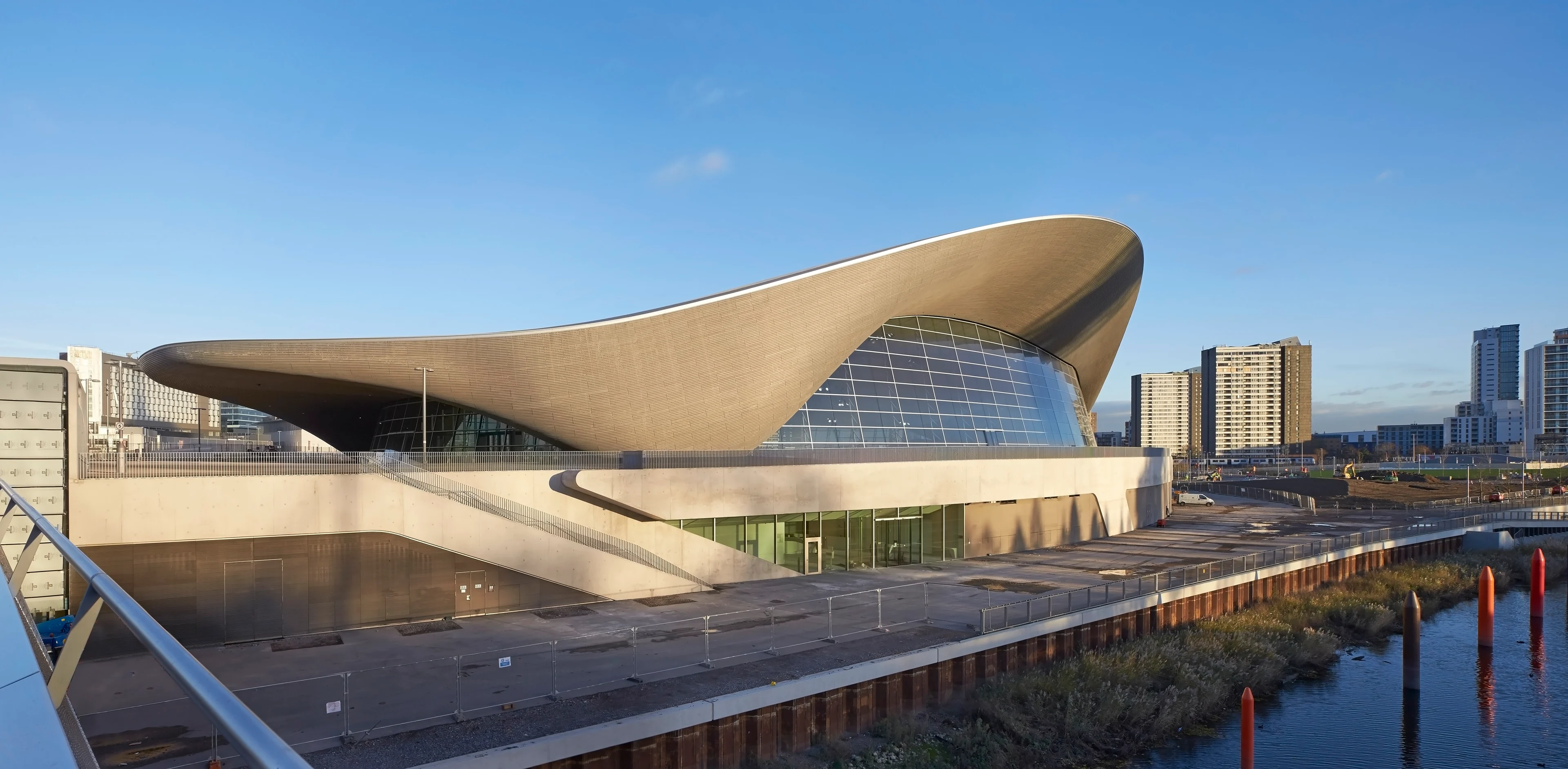
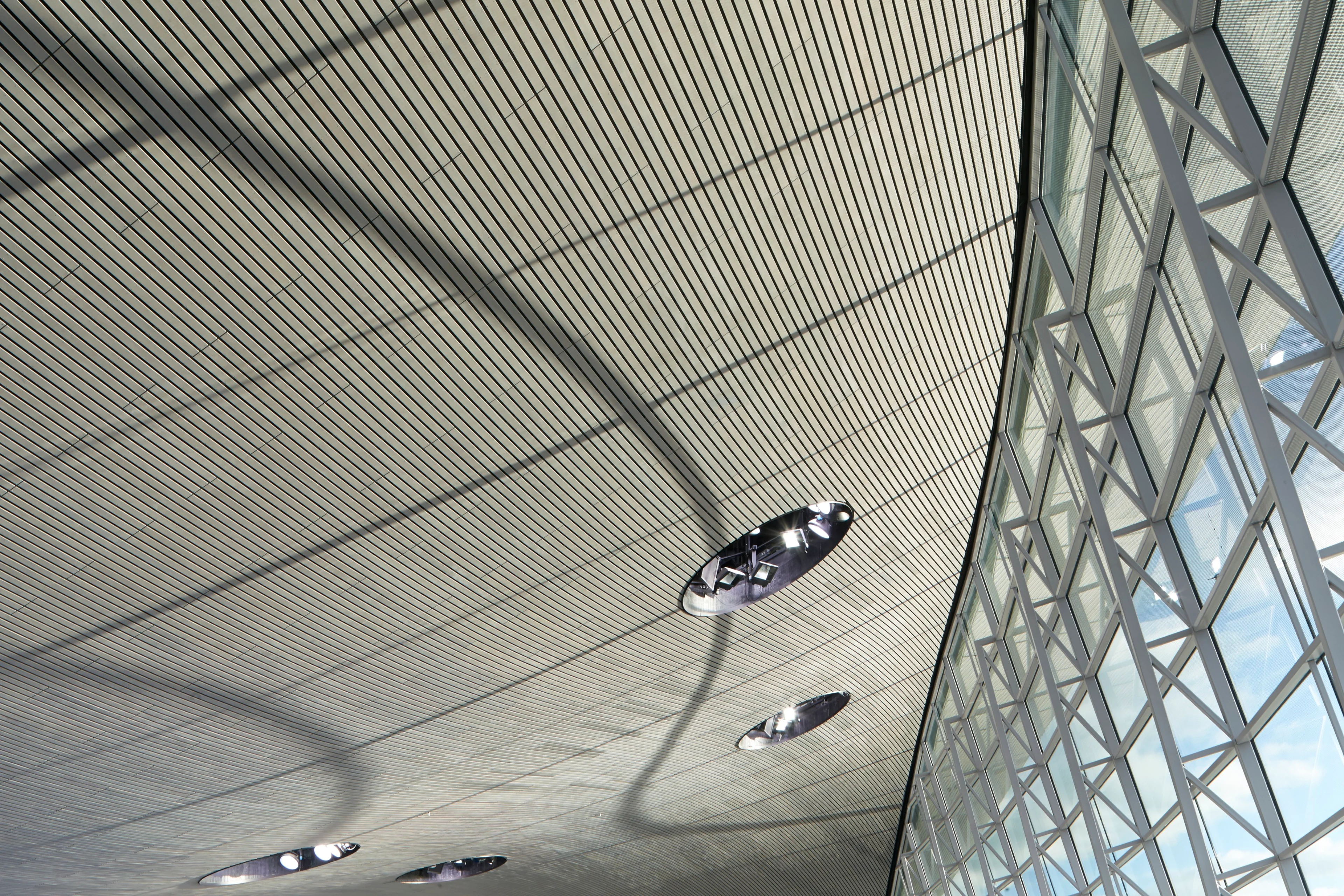
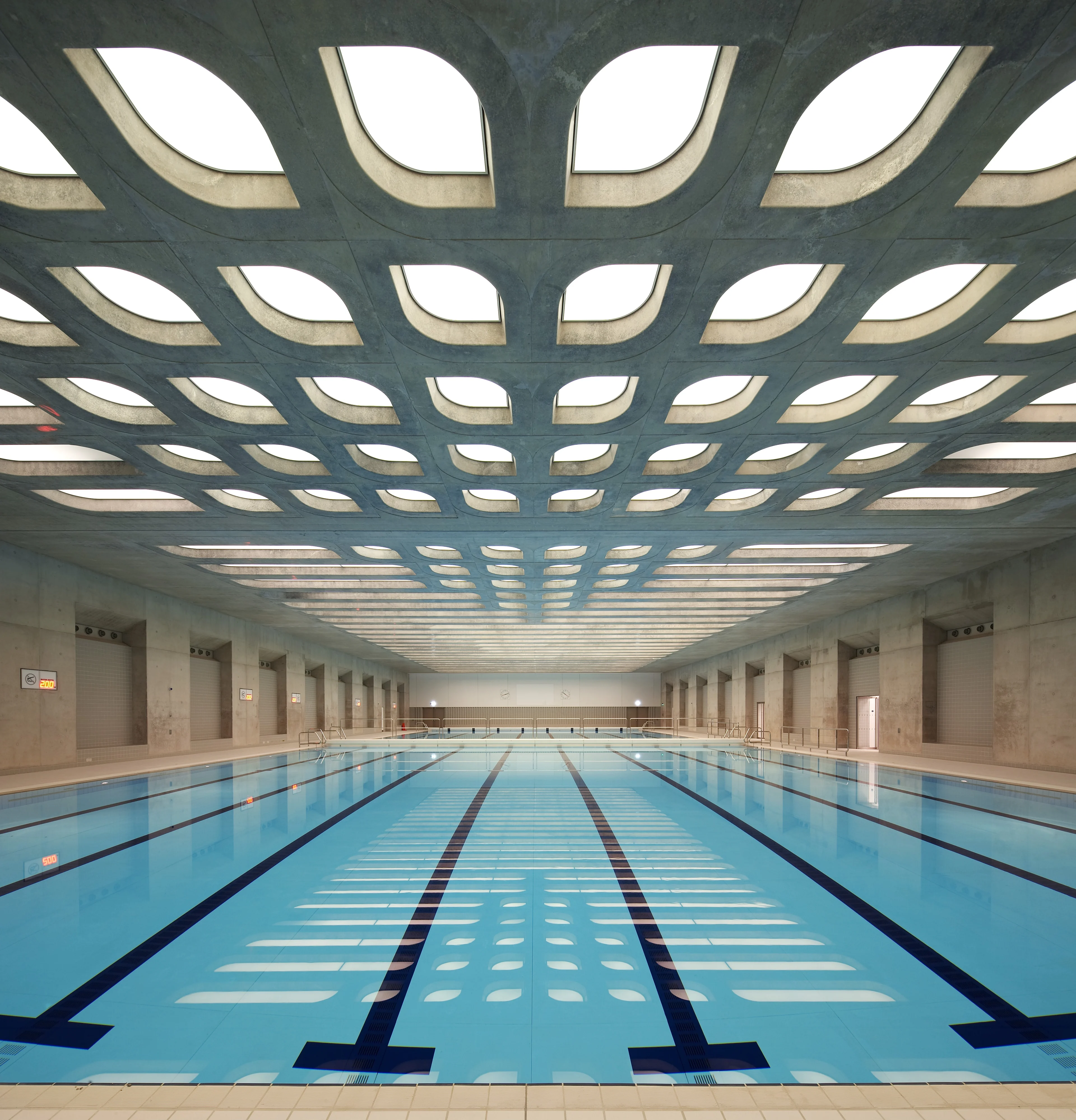
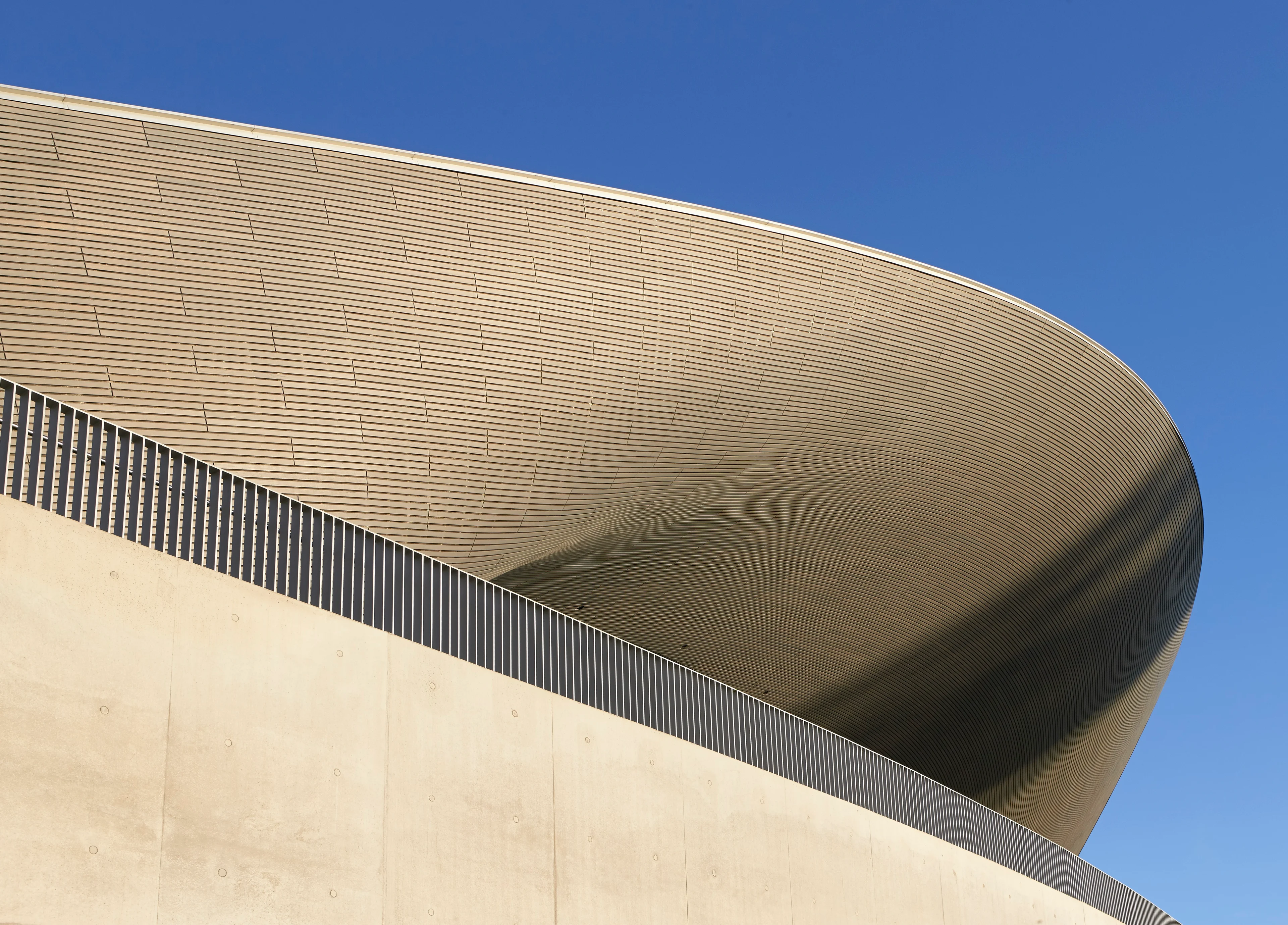
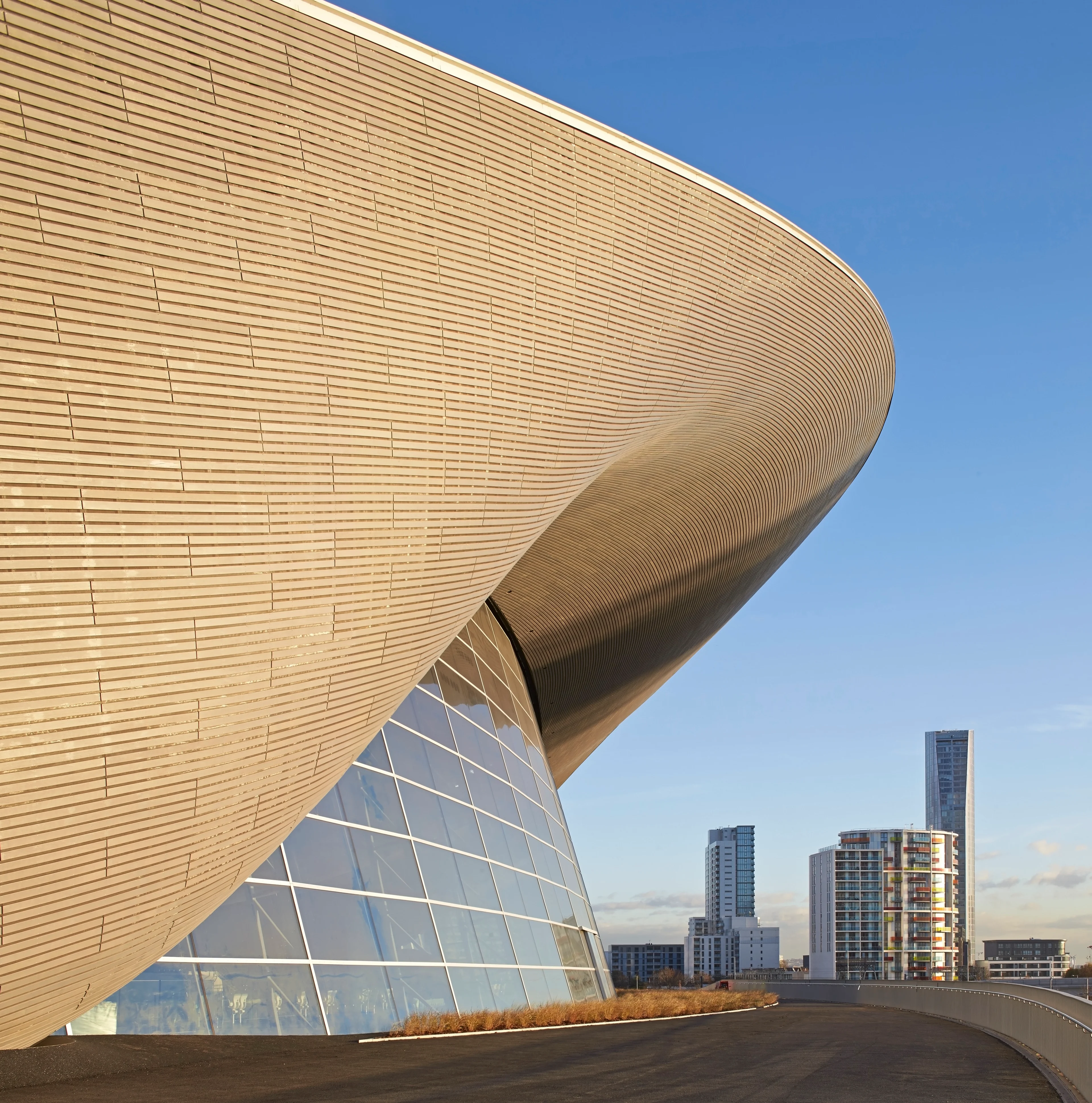
An undulating roof sweeps up from the ground as a wave - enclosing the pools of the Centre with its unifying gesture of fluidity, whilst also describing the volume of the swimming and diving pools.
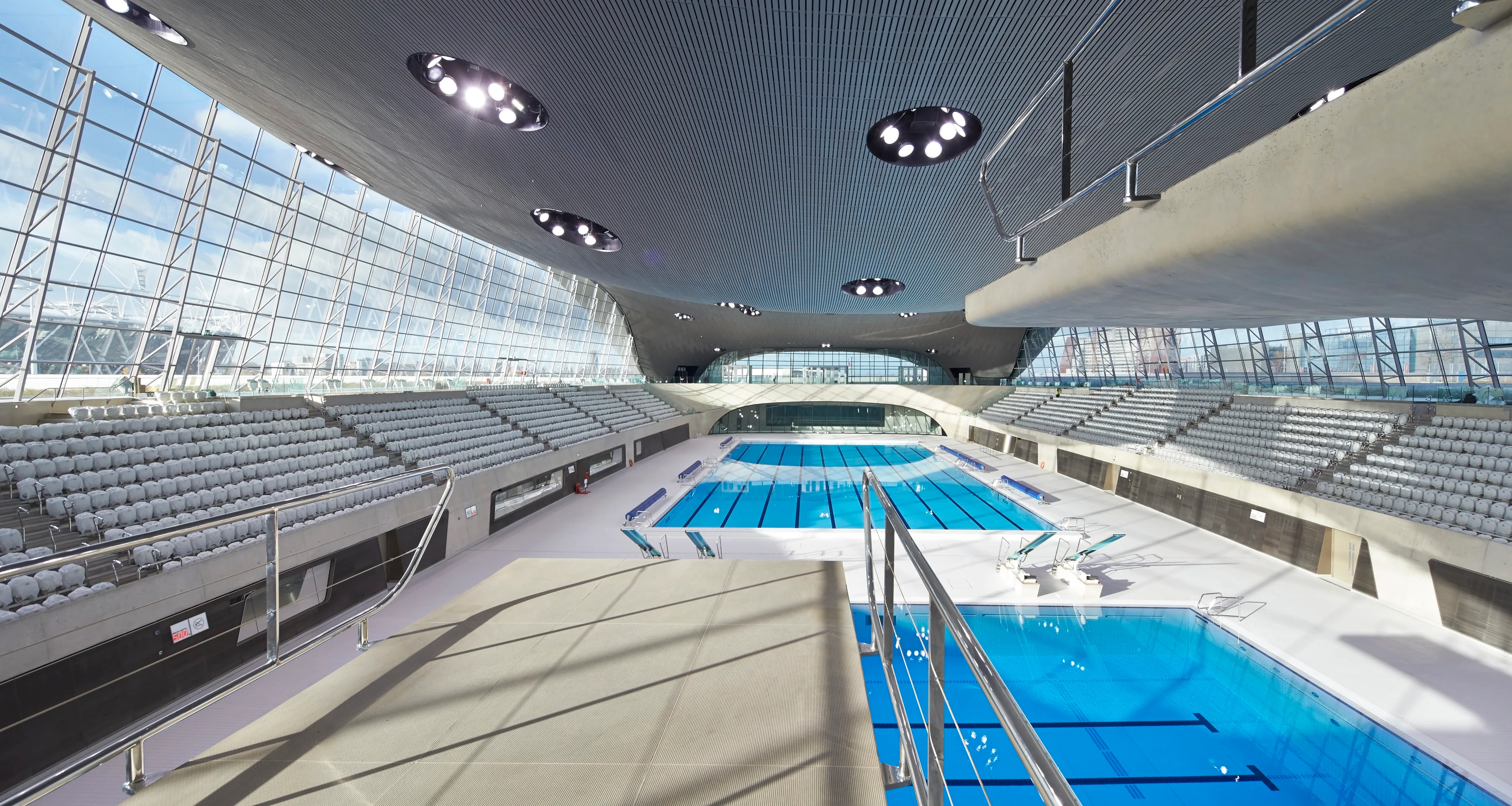
The London Aquatics Centre is designed to have the flexibility to accommodate the size and capacity of the London 2021 Olympic Games whilst also providing the optimum size and capacity for use in Legacy mode after the 2012 Games.
The London Aquatics Centre is located at the south eastern edge of Queen Elizabeth Olympic Park on the new Stratford City Bridge giving pedestrian access to the park from the new Stratford City development and public transportation.
Photograph by Hufton + Crow
Legacy Mode : December 2013
The podium cascades around the pool hall
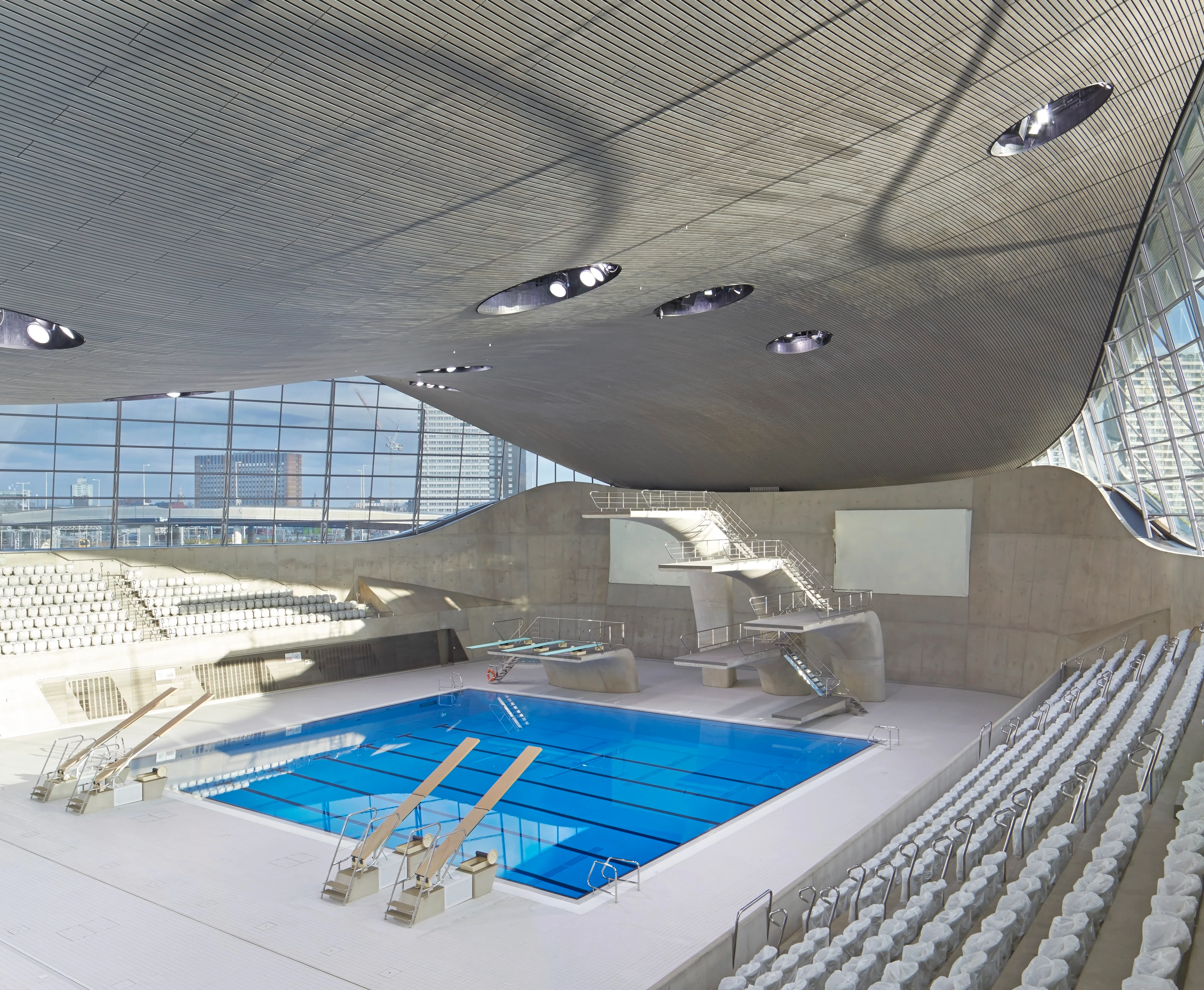
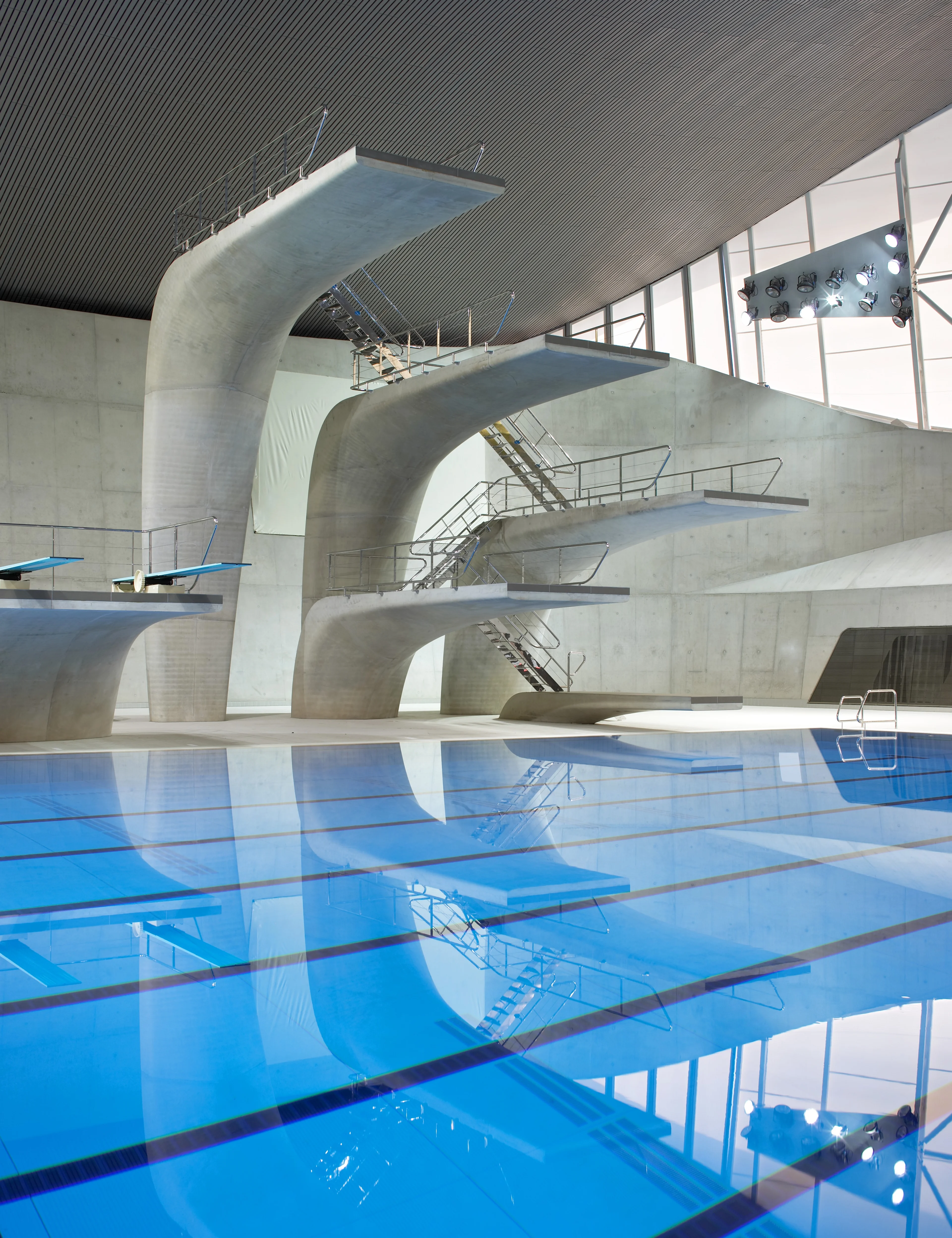
The Aquatics Centre is planned on an orthogonal axis perpendicular to the Stratford City Bridge. Along this axis are laid out the three pools. The training pool is located under the bridge whilst the competition and diving pools are within a large volumetric pool hall.
The overall strategy is to frame the base of the pool hall as a podium by surrounding it and connecting it into the bridge. This podium element allows for the containment of a variety of differentiated and cellular programmatic elements into a single architectural volume which is seen to be completely assimilated with the bridge and the landscape. The podium emerges from the bridge to cascade around the pool hall to the lower level of the canal.
The pool hall is expressed above the podium level by a large roof which arches along the same axis as the pools. Its form is generated by the sightlines for the spectators during the Olympic mode. Double-curvature geometry has been used to create a structure of parabolic arches that define its form.
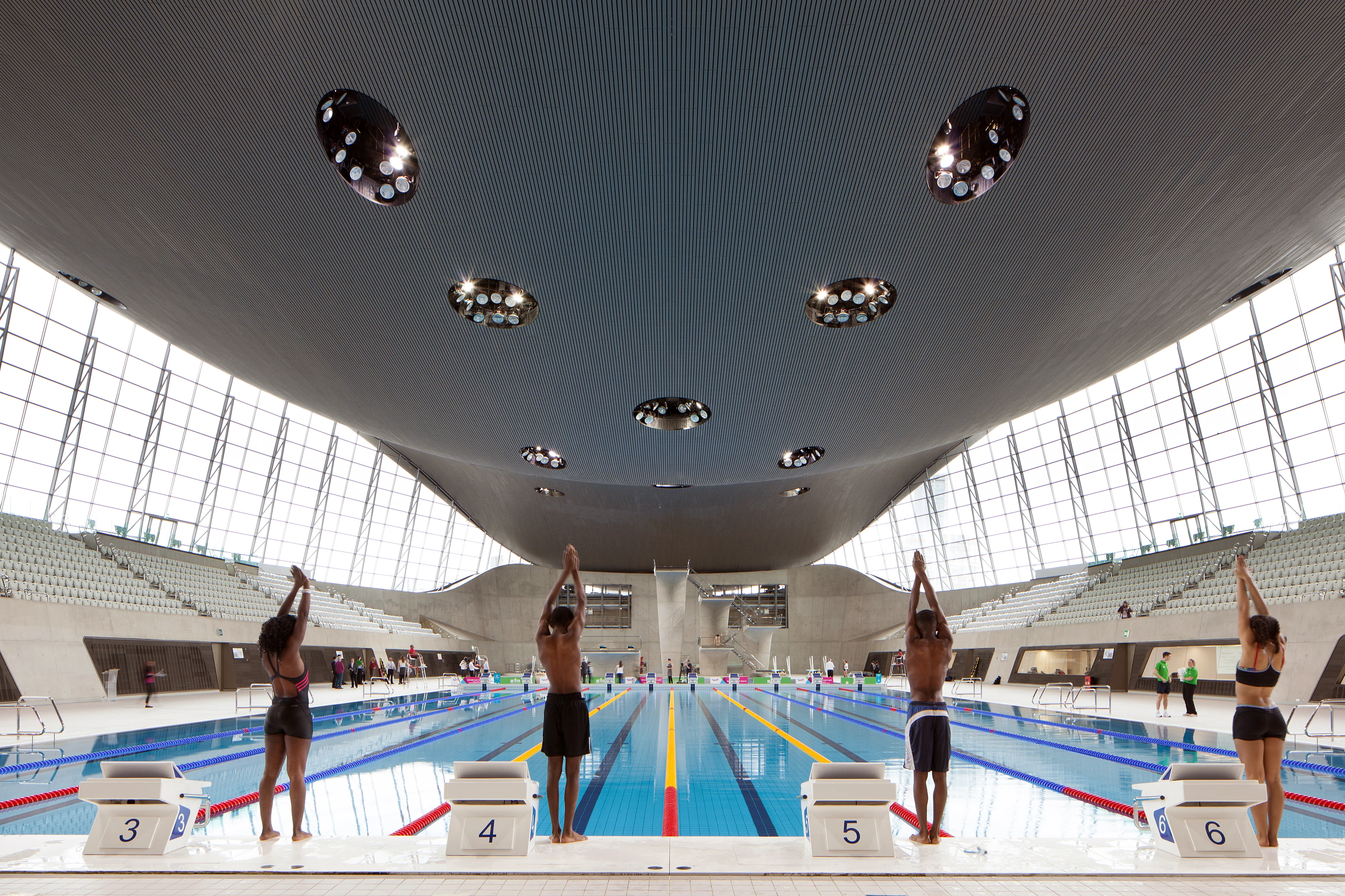
The roof undulates to differentiate volumes
The roof undulates to differentiate the volumes of the competition and diving pools, and extends beyond the pool hall envelope to cover the external areas of the podium and entrance on the bridge.
The roof structure is grounded at three points of the centre (two points at the northwest end on the bridge; and one single point to the south east end). This structural arrangement ensured 7,500 temporary spectator seats could be installed along either side of the pools in Olympic mode (total 15,000 temporary seats) with no structural obstructions.
After the 2012 Olympic and Paralympic Games, this temporary seating has been removed and replaced with glazing panels, leaving a capacity of 2,500 seats for community use and future national/international events, with a significantly reduced pool hall volume.
Sports
Discover more of our sports projects
From the world’s first timber-built football stadium to an international sports centre providing multi-sport facilitites to athletes of all ages, discover our latest sports projects.
Photograph by Virgile Simon Bertrand
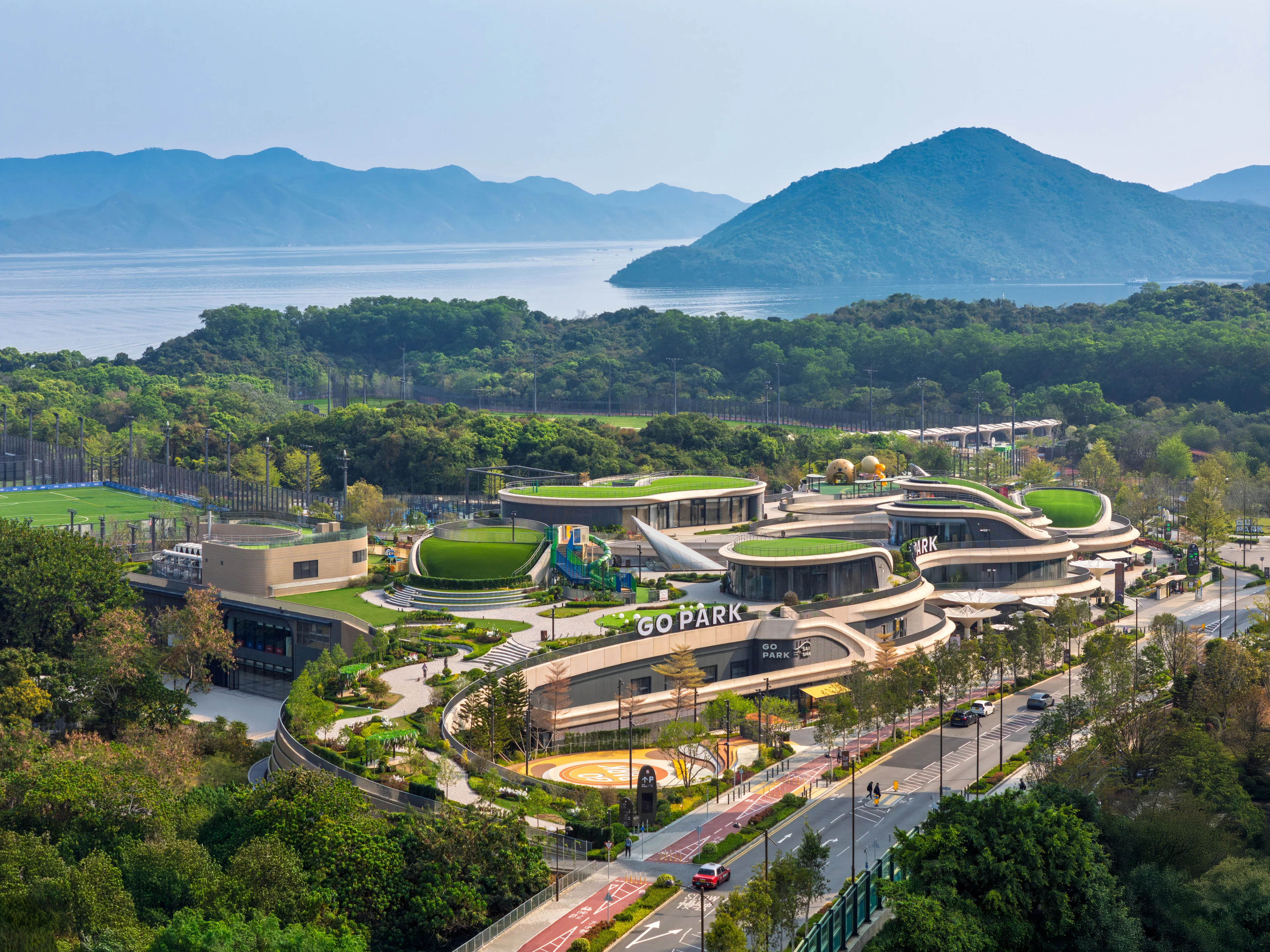
GO PARK Sai Sha
ZHA’s first sports and commercial project in Asia, GO PARK Sai Sha is nestled between the mountains of Hong Kong’s Ma On Shan Country Park and the sheltered waters of Three Fathoms Cove which leads out to the South China Sea.
Photograph by SeilaoJiong 张灏
Sports Centre
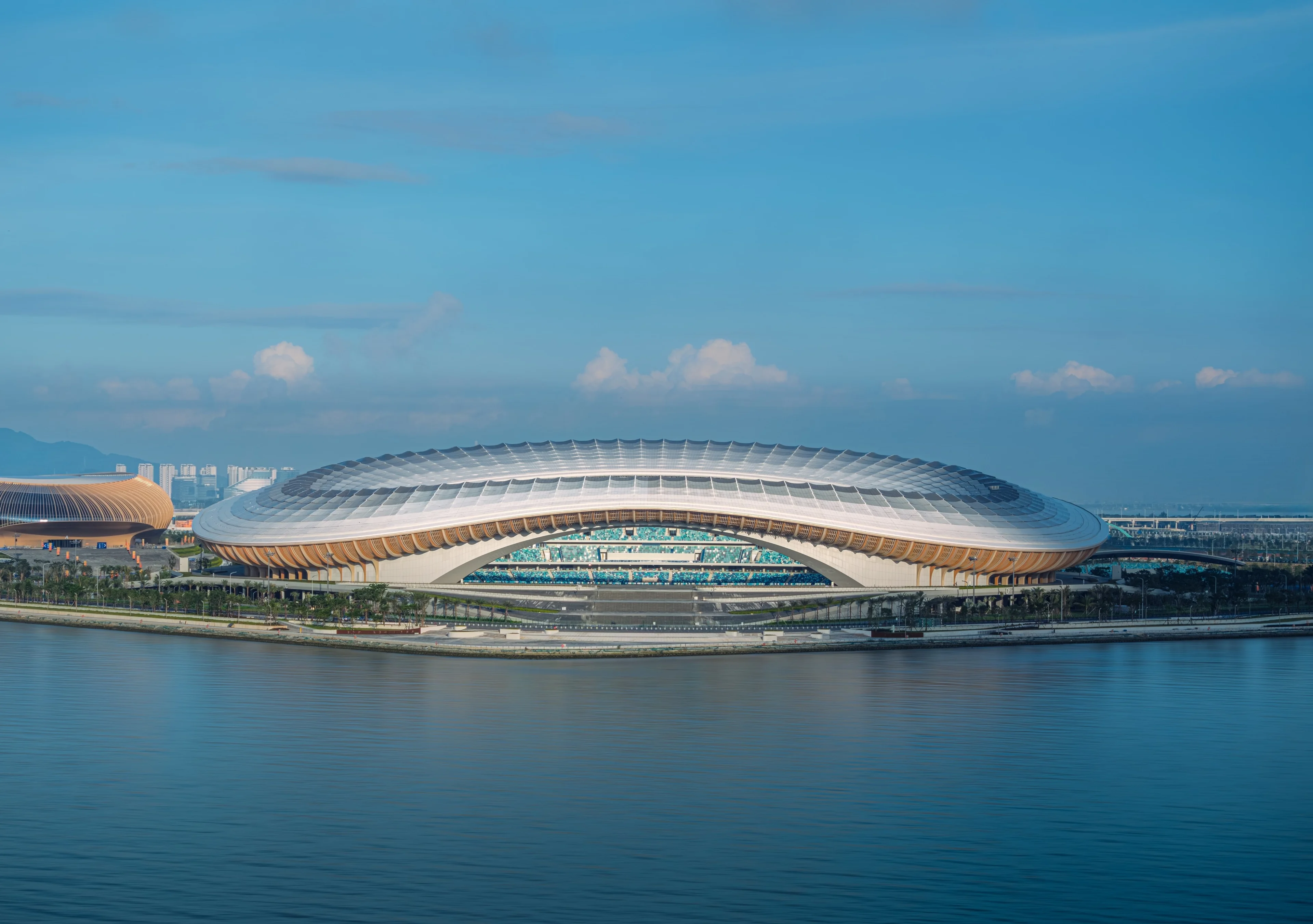
Greater Bay Area Sports Centre
Situated at the southern end of Guangzhou’s Nansha District on the western bank of the historic Pearl River, the Greater Bay Area Sports Centre will serve as an anchor to the new civic, business and residential district at the heart of the Greater Bay Area.
Photograph by Hufton + Crow
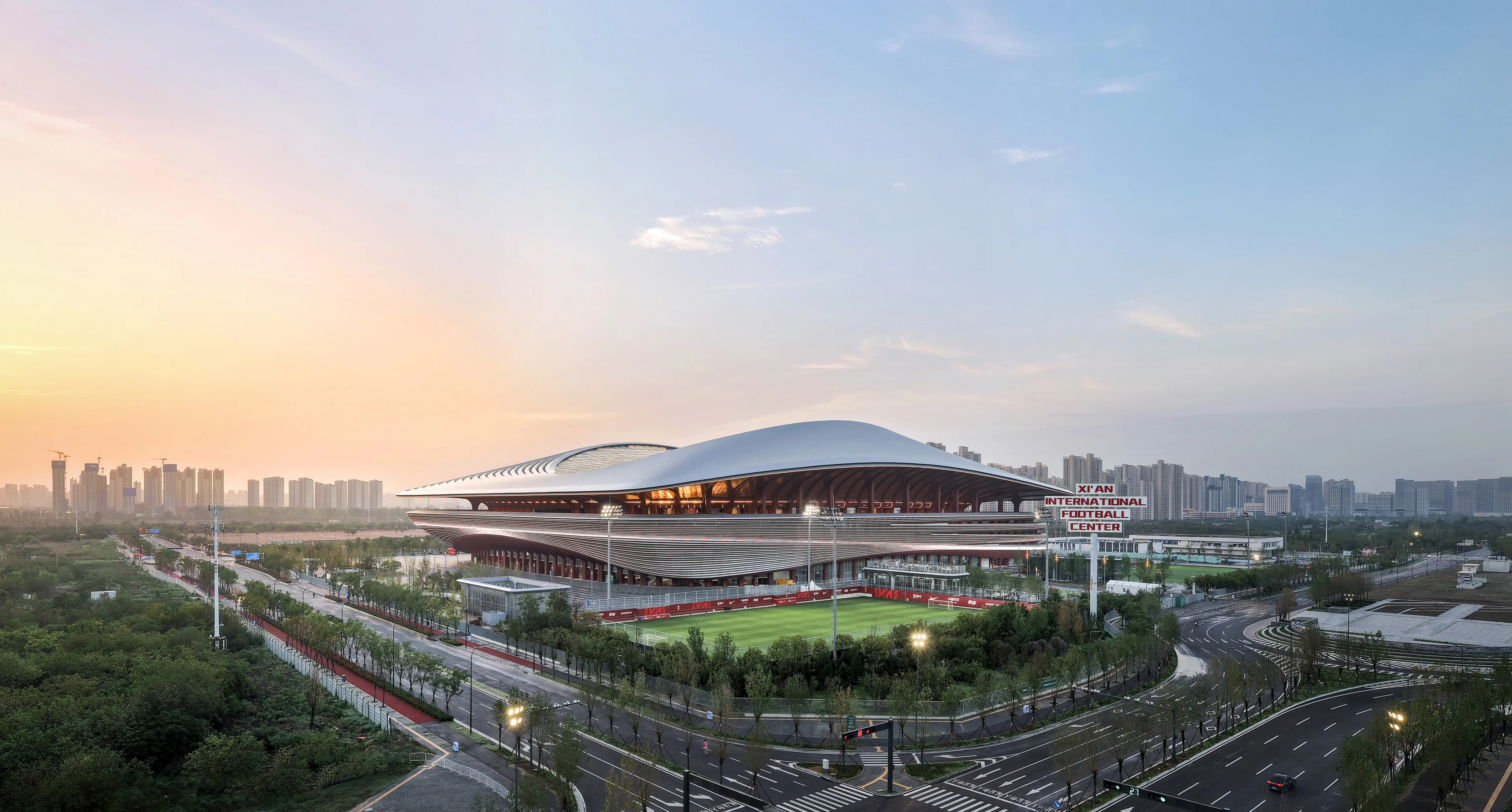
Xi'an International Football Centre
Xi’an International Football Centre’s 60,000-seat stadium and training grounds are integral to the ongoing development of football in China. Initiated by the Chinese Football Association and China’s national sports development organisations, the new football centre provides facilities of the highest standards to nurture the sport across all levels.
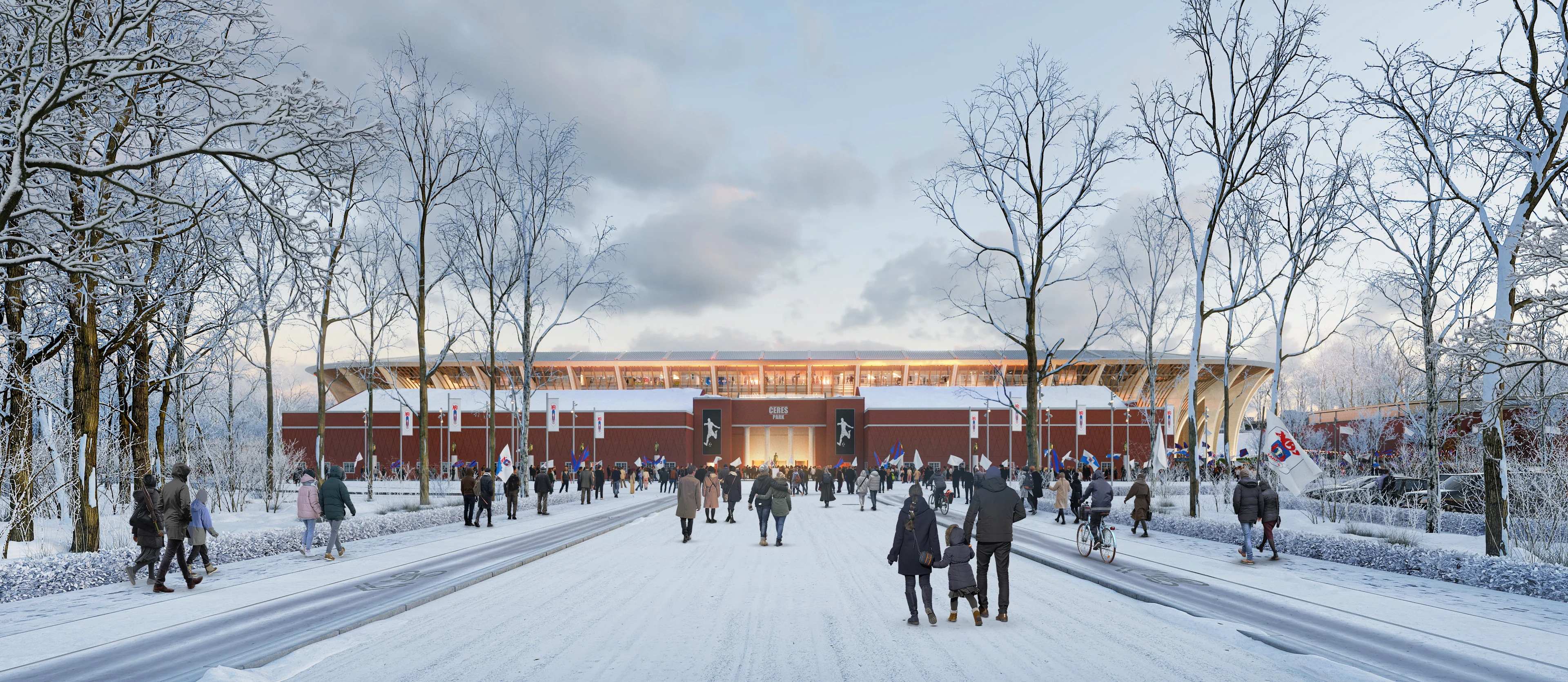
Render by Negativ
Aarhus Stadium
The team comprising ZHA working with architecture, engineering consultancy Sweco and landscape architects Tredje Natur has won the competition to build the new Aarhus football stadium in Denmark.
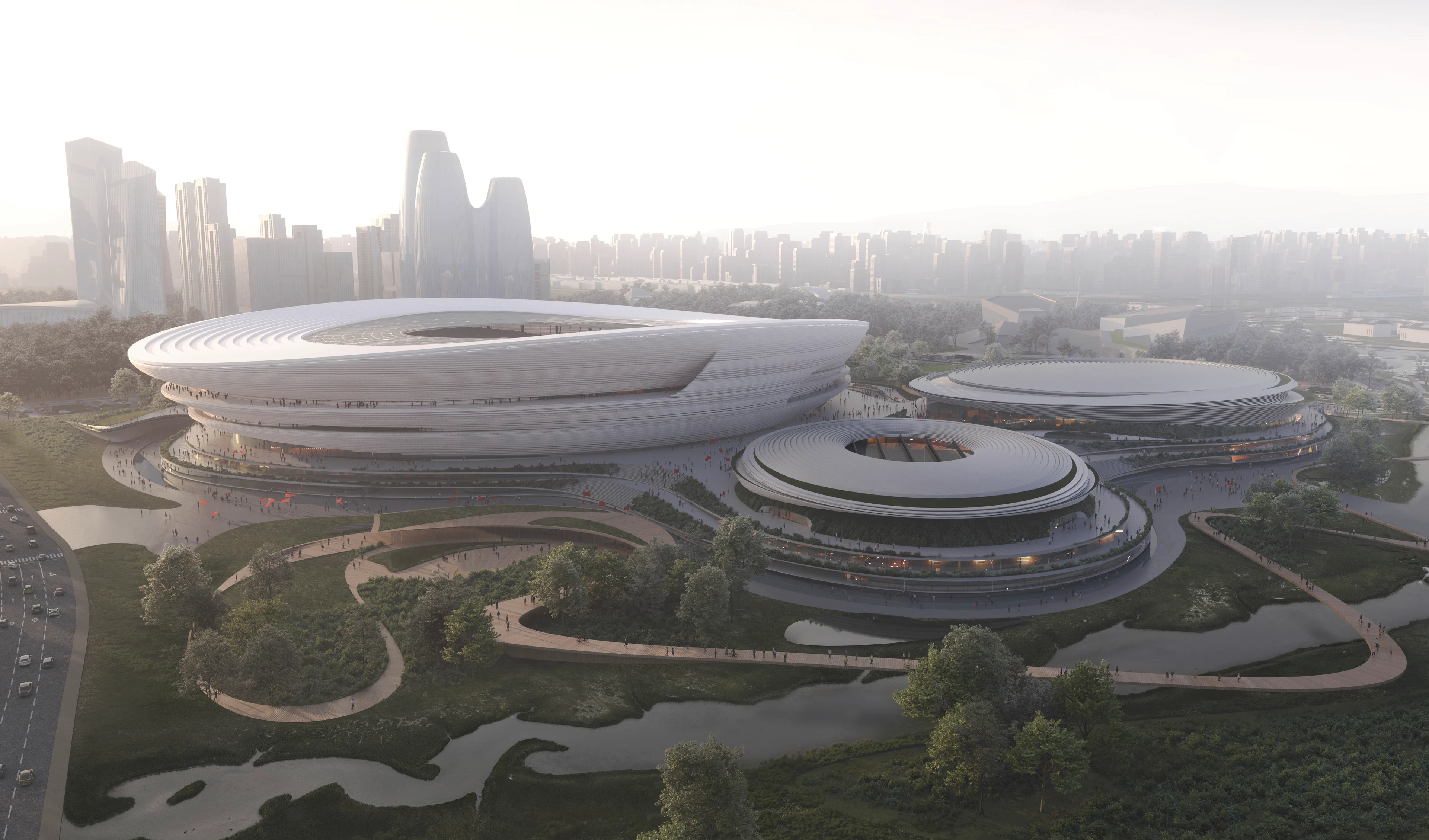
Render by Proloog
Hangzhou International Sports Centre
Located within Hangzhou’s Future Science and Technology Cultural District, the sports centre establishes a new riverfront park and public plazas with direct access to Lines 3 and 5 of the city’s expanding metro network.
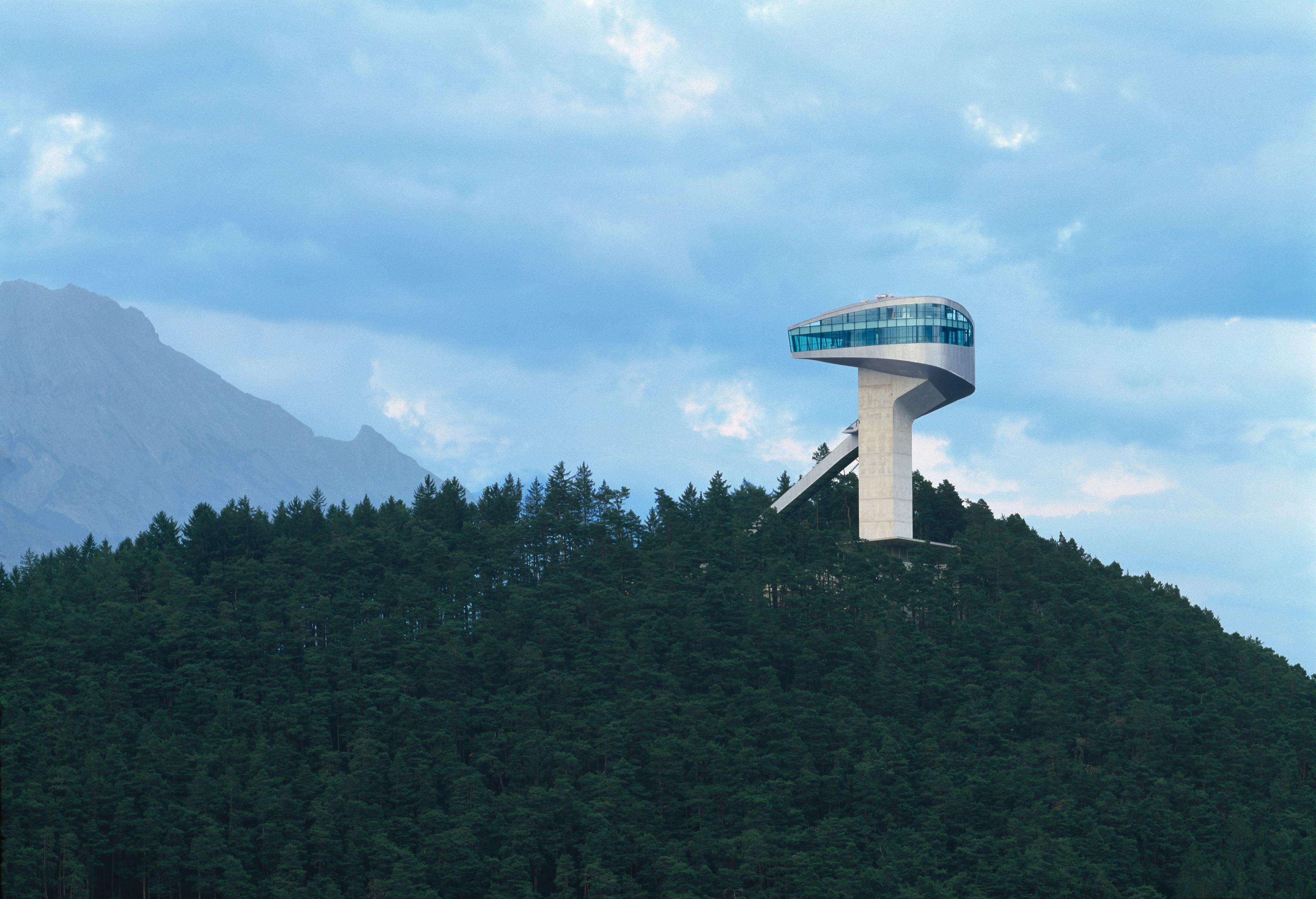
Photograph by Roland Halbe
Bergisel Ski Jump
ZHA's ski jump on Bergisel mountains contains a ski ramp and sports facilities, as well as public spaces, including a tower-top café and viewing terrace. Rising to a height of almost 50m the structure’s distinctive form and silhouette extends the topography of the ski slopes below into the alpine sky above.
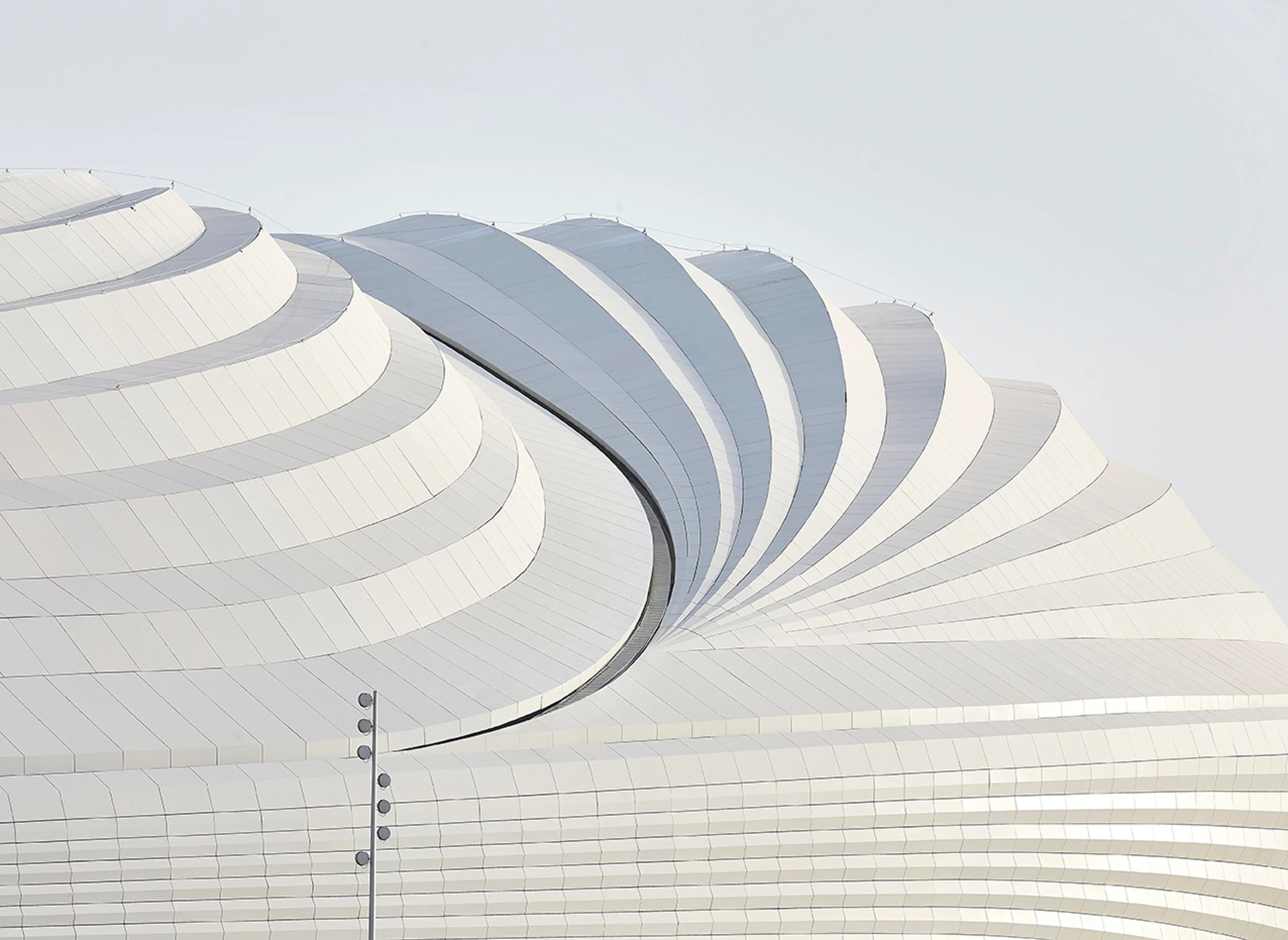
Al Janoub Stadium
Inaugurated on 16 May 2019 by hosting the Amir Cup Final of the Qatar Stars national football league, Al Janoub Stadium was the first new stadium commissioned for the 2022 FIFA World Cup Qatar.
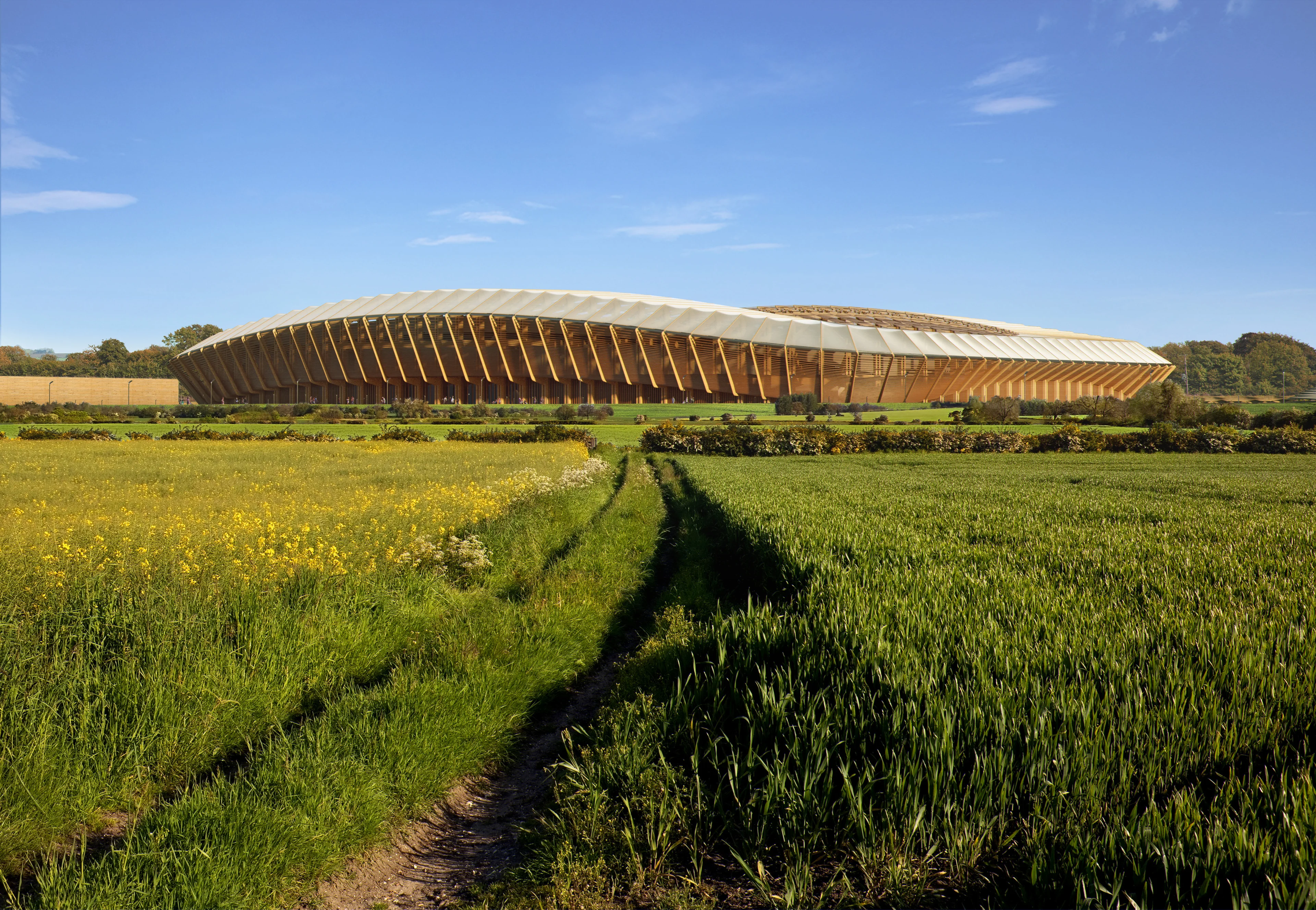
Courtesy of ZHA, render by MIR
Forest Green Rovers Eco Park Stadium
The Eco Park stadium for Forest Green Rovers will be an important addition for the community. The club’s heritage, ambition and vision reflect ZHA’s own, combining the latest material research and construction techniques with new design approaches to build a more ecologically sustainable and inclusive architecture.
01
02
03
04
05
06
07
08