
Render by Proloog
Hangzhou, China
2022 - TBC
Zhejiang Hangzhou Future Science and Technology City Management Committee
Hangzhou International Sports Centre
Render by Brick Visual
Render by Proloog
Render by Proloog
Render by Proloog
01
02
03
04
Accommodating Hangzhou’s growing population
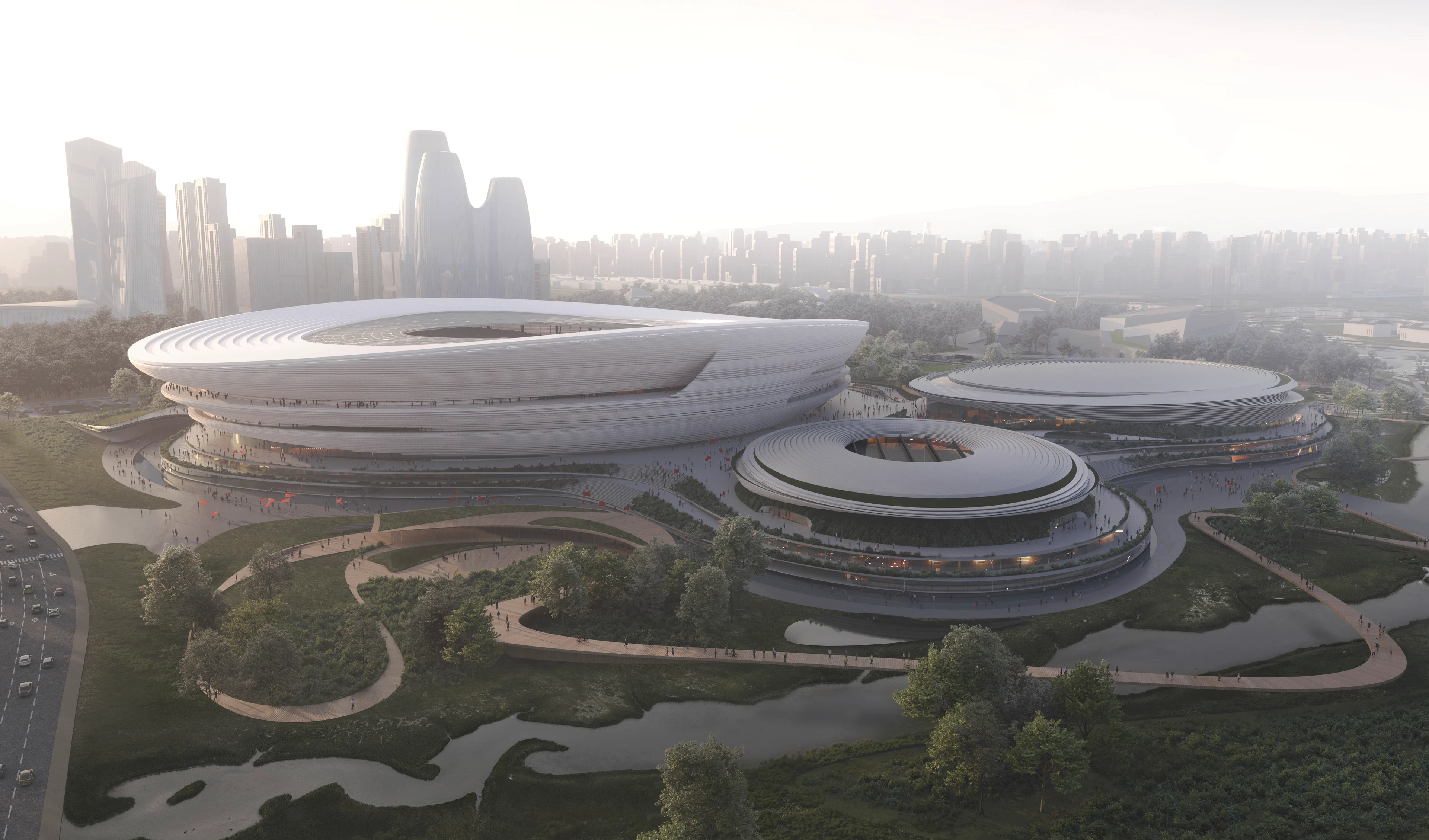
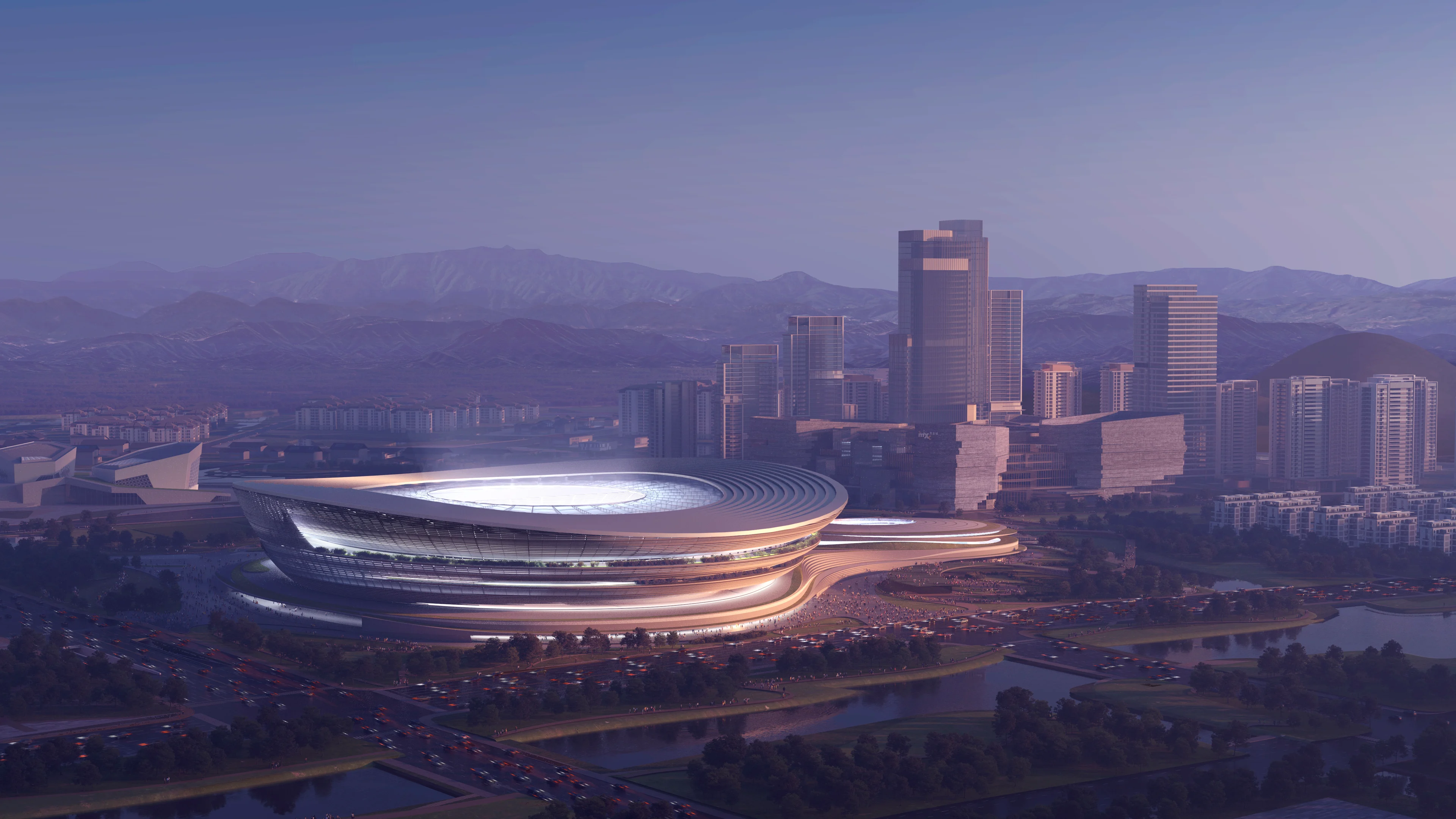
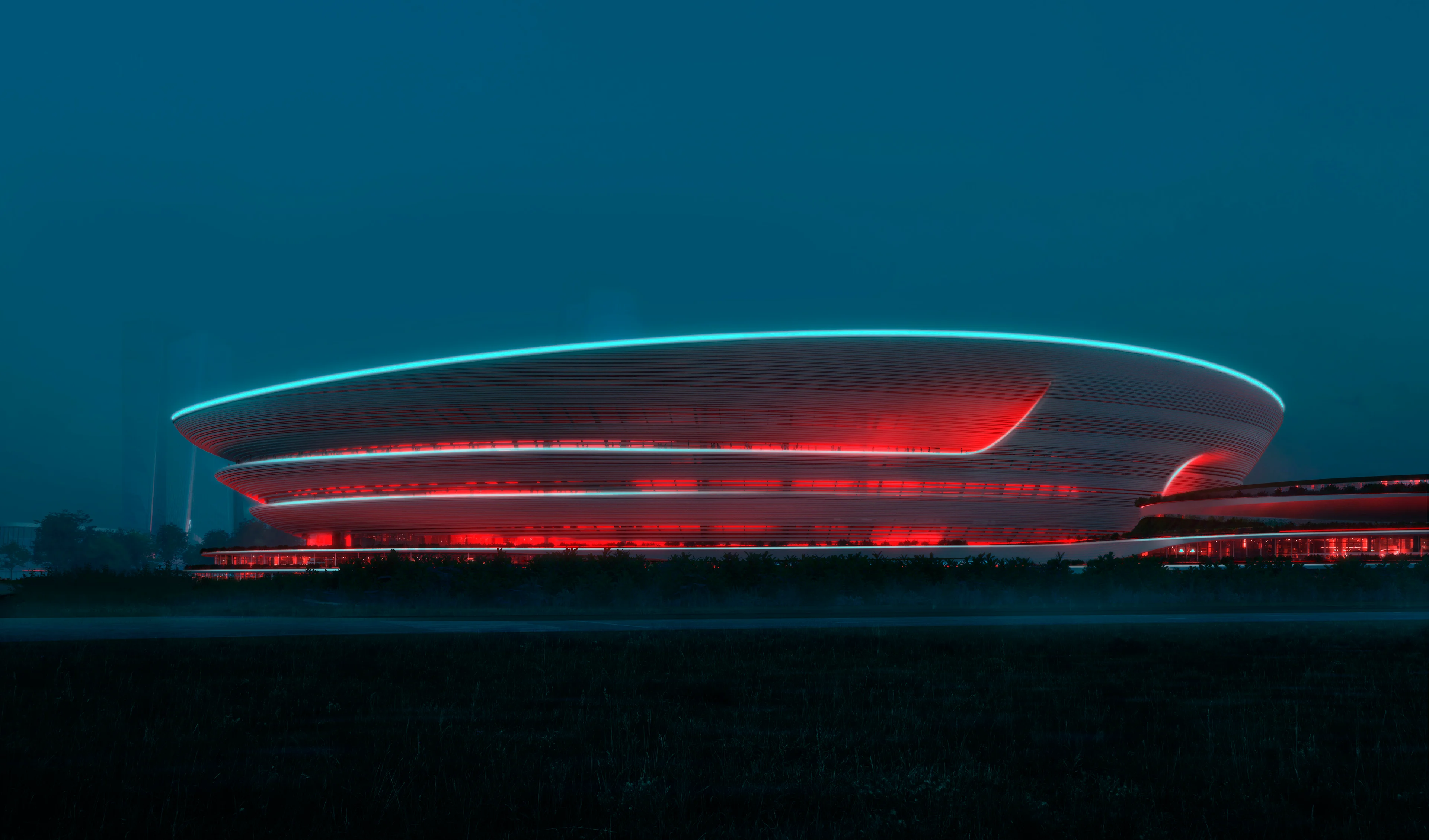
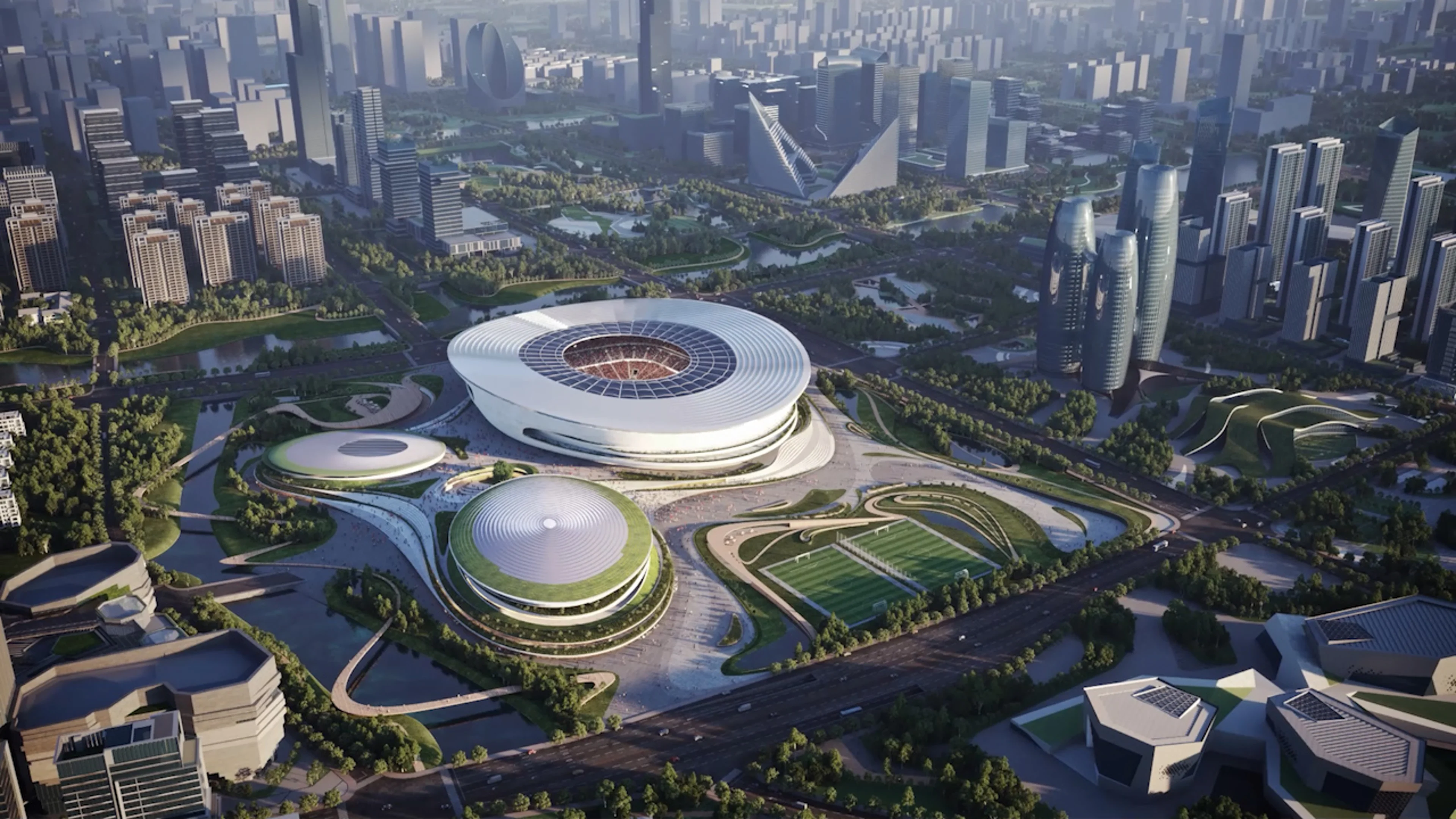
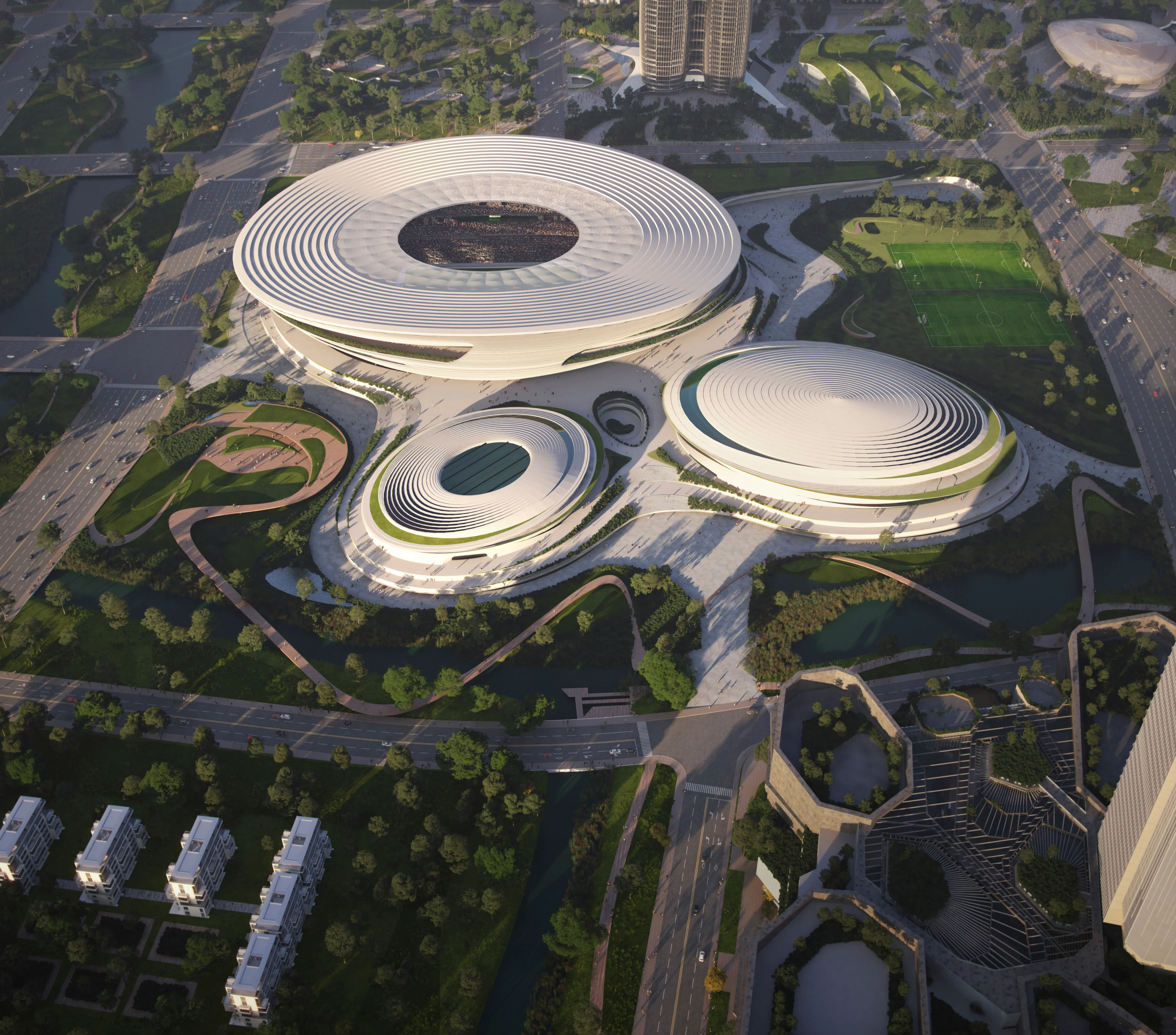
Incorporating a 60,000-seat football stadium and practice pitches, the Hangzhou International Sports Centre’s design also includes a 19,000-seat indoor arena as well as an aquatics centre with two 50-metre pools. Located within Hangzhou’s Future Science and Technology Cultural District, the sports centre establishes a new riverfront park and public plazas with direct access to Lines 3 and 5 of the city’s expanding metro network.
One of the world’s leading centres of e-commerce, Hangzhou is home to many of China’s largest technology companies which attract IT professionals and entrepreneurs from across the country to live and work in the city.
Accommodating Hangzhou’s growing population, the International Sports Centre’s design provides a variety of facilities for grassroots players to professional athletes. The compact design of each venue, together with their orientation and composition, allows almost half of the site to be transformed into new public spaces for the city. Integral to the district’s urban plan and the natural landscapes along the riverbank, the centre incorporates new parks and gathering places for events, recreation and relaxation.
Offering panoramic views
As the largest venue within the centre, the 135,000 sq.m football stadium is situated on the eastern side of the new park to face the city. Located to the west and south of the stadium, the indoor arena and aquatics centre are connected to the stadium by the centre’s layered podium that weaves through the site.
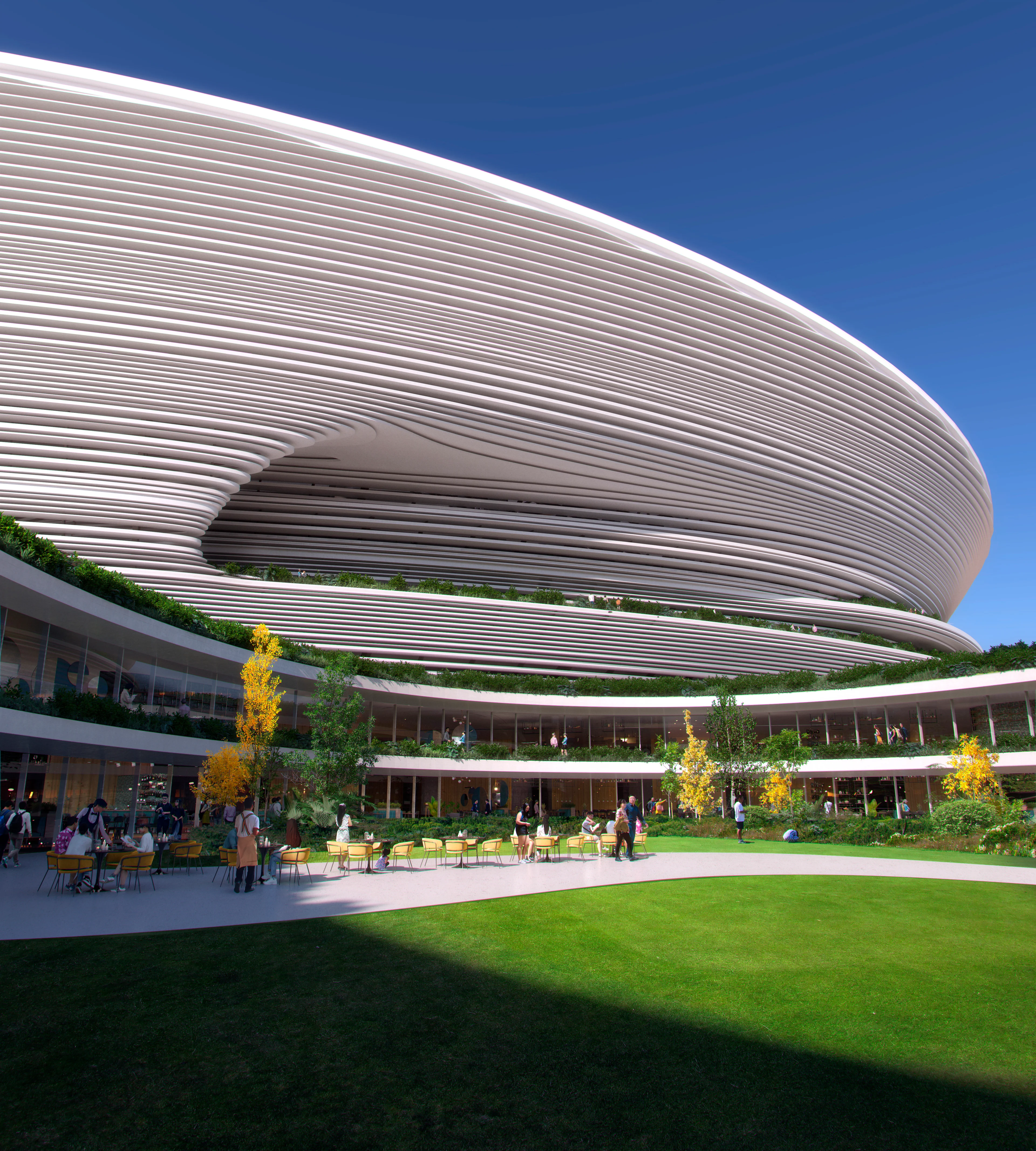
Informed by the terracing of the tea farms on Hangzhou’s surrounding hillsides, the striated 45,000m2 podium houses the sports centre’s ancillary facilities that are shared between the venues including training and fitness halls, locker rooms, offices as well as shops, restaurants and cafes overlooking the podium’s courtyard and terraces.
Unlike the solid façades of most stadiums, the façade of the Hangzhou International Sports Centre’ stadium is open to the exterior with louvres sheltering terraces that host a variety of food and beverage outlets offering panoramic views across the city.
Render by Proloog
Unrestricted views from every seat
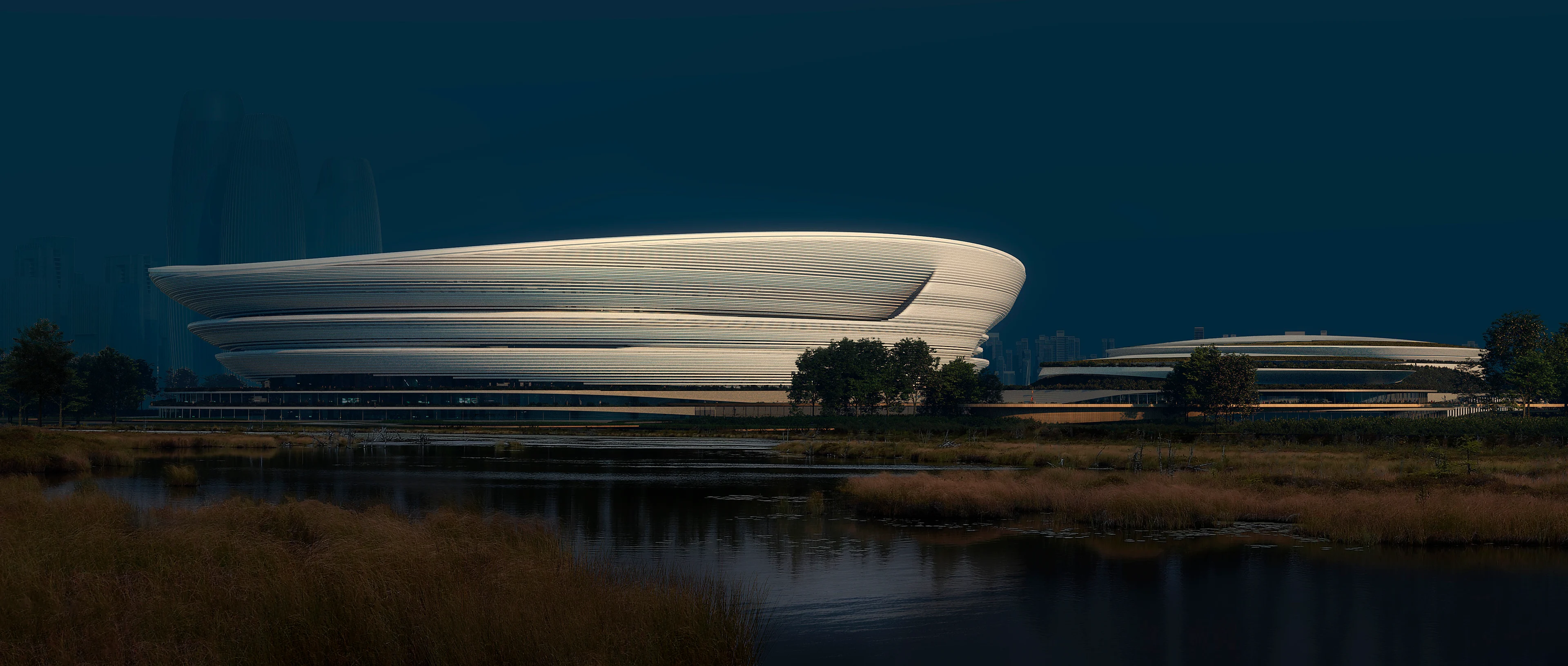
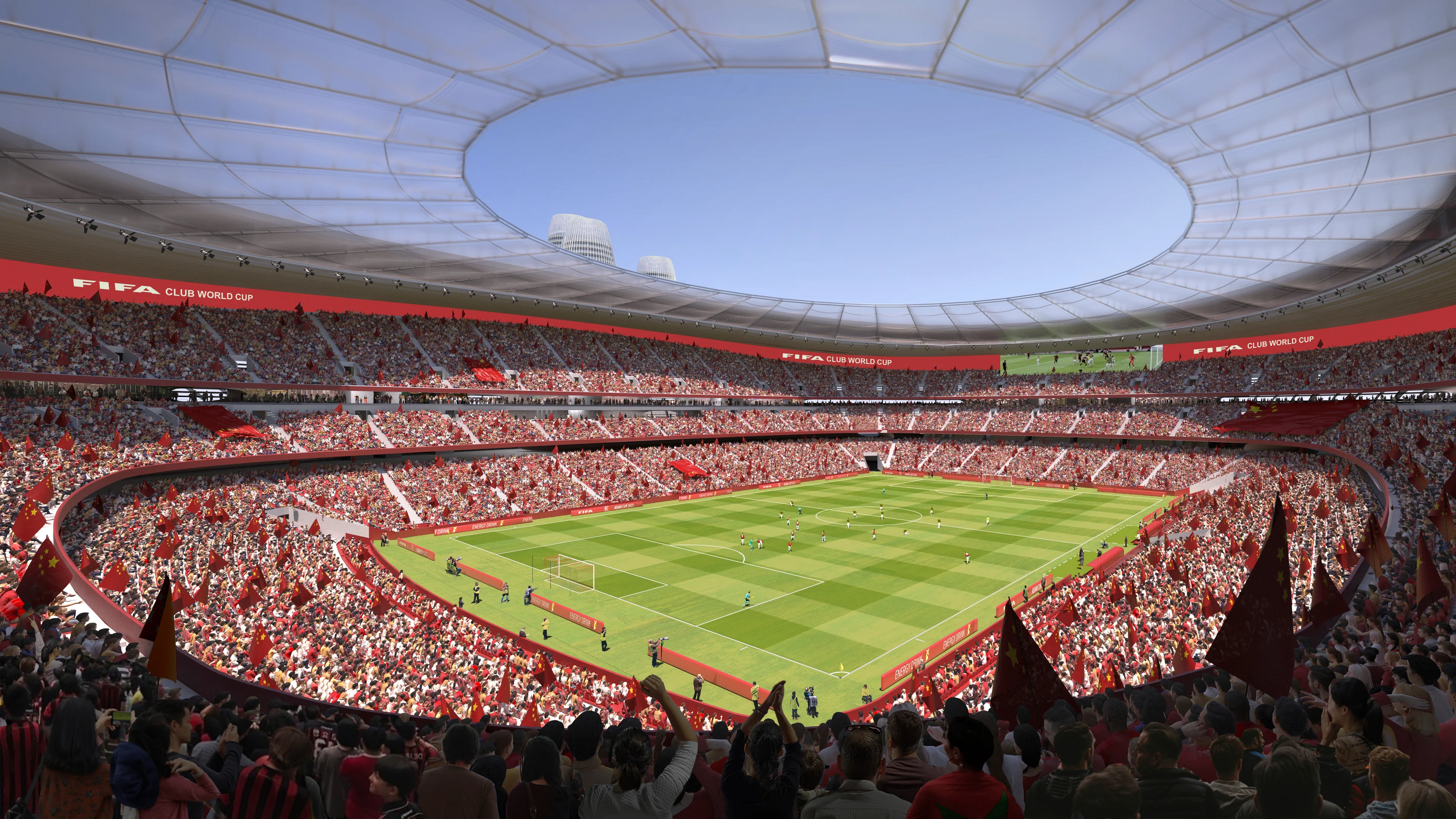
Designed to FIFA standards, the stadium’s seating bowl is configured to bring spectators as close as possible to the field of play and ensure excellent, unrestricted views from every seat; creating an intense matchday atmosphere for players on the pitch and fans seated throughout the stadium. These programmatic requirements define geometries that are expressed as undulations within the louvred façade.
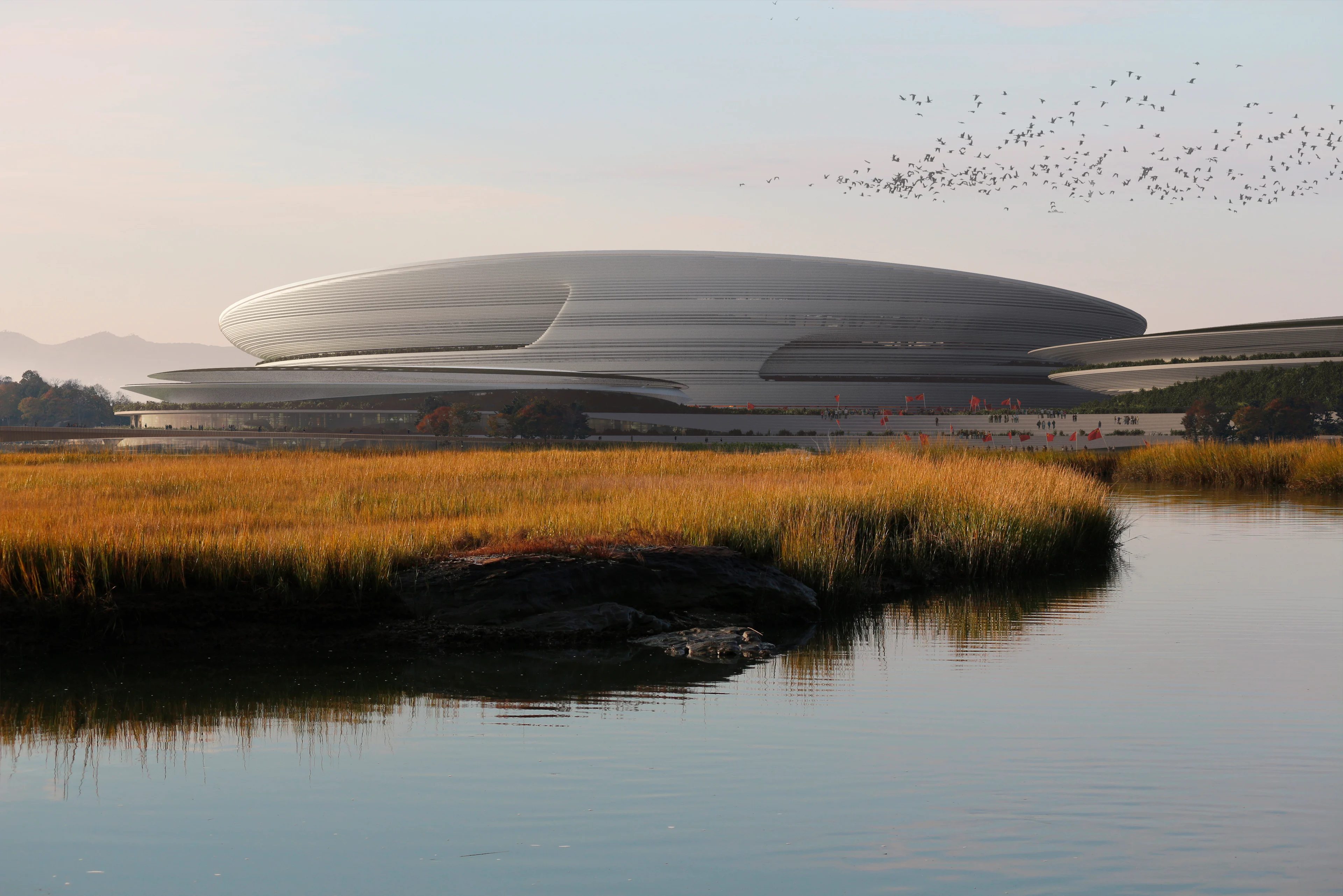
The stadium’s louvred façade blurs the boundary between interior and exterior. The louvres’ materiality and detailing give the stadium a stratified, geological appearance of solidity when viewed from nearby. When viewed from a distance, the louvred façade becomes transparent, connecting the public spaces beneath the stadium’s seating bowl with the city.
With a capacity of 19,000 seats, the 74,000m2 indoor arena can operate independently to the stadium and is designed with maximum operational flexibility to host many of China’s most popular spectator sports such as basketball in addition to large music and cultural events.
Situated on the western edge of the park, the 15,000m2 aquatics centre incorporates two 50-metre pools suitable for competitions, training and teaching at all levels from beginner to elite swimmers and divers. Accommodating district-level competitive events with up to 800 spectators, the pools can also host local schools for lessons, ensuring many thousands of children each week will learn the essential life skill of swimming.
Highest rating of China’s Green Building Program
Located within the warm temperate climate of Hangzhou, the International Sports Centre has been designed to the highest 3-Star rating of China’s Green Building Program with each venue providing optimal conditions using natural hybrid ventilation most of the year. Annual solar irradiation analysis has determined the composition of the façade’s external louvres while photovoltaics will harvest solar power for all venues. Ground heat exchange and recovery systems will ensure the most efficient operations of all facilities.
The centre’s landscaping establishes wetlands along the riverbank that are integral to the district’s drainage network. Collecting and channelling rain and grey water for filtration and re-use, this network uses aquatic flora and fauna native to the region to naturally remove contaminants.
To reduce the embodied carbon throughout the project, ZHA’s optimization processes minimise the amount of materials required for the structure and are integrated with local supply chains and procurement systems that have been developed to increase the recycled and recyclable content.
In contrast to the single-use programming of most large stadiums that only welcome visitors on match days and act as an obstruction to the city’s urban fabric when not in use, the many varied sporting, recreational and leisure facilities of Hangzhou International Sports Centre, in addition to its public plazas and riverfront park, ensure the centre will be a popular gathering place for its community throughout each day and evening.
Sports
Discover more of our sports projects
From the world’s first timber-built football stadium to an international sports centre providing multi-sport facilitites to athletes of all ages, discover our latest sports projects.
Photograph by Virgile Simon Bertrand
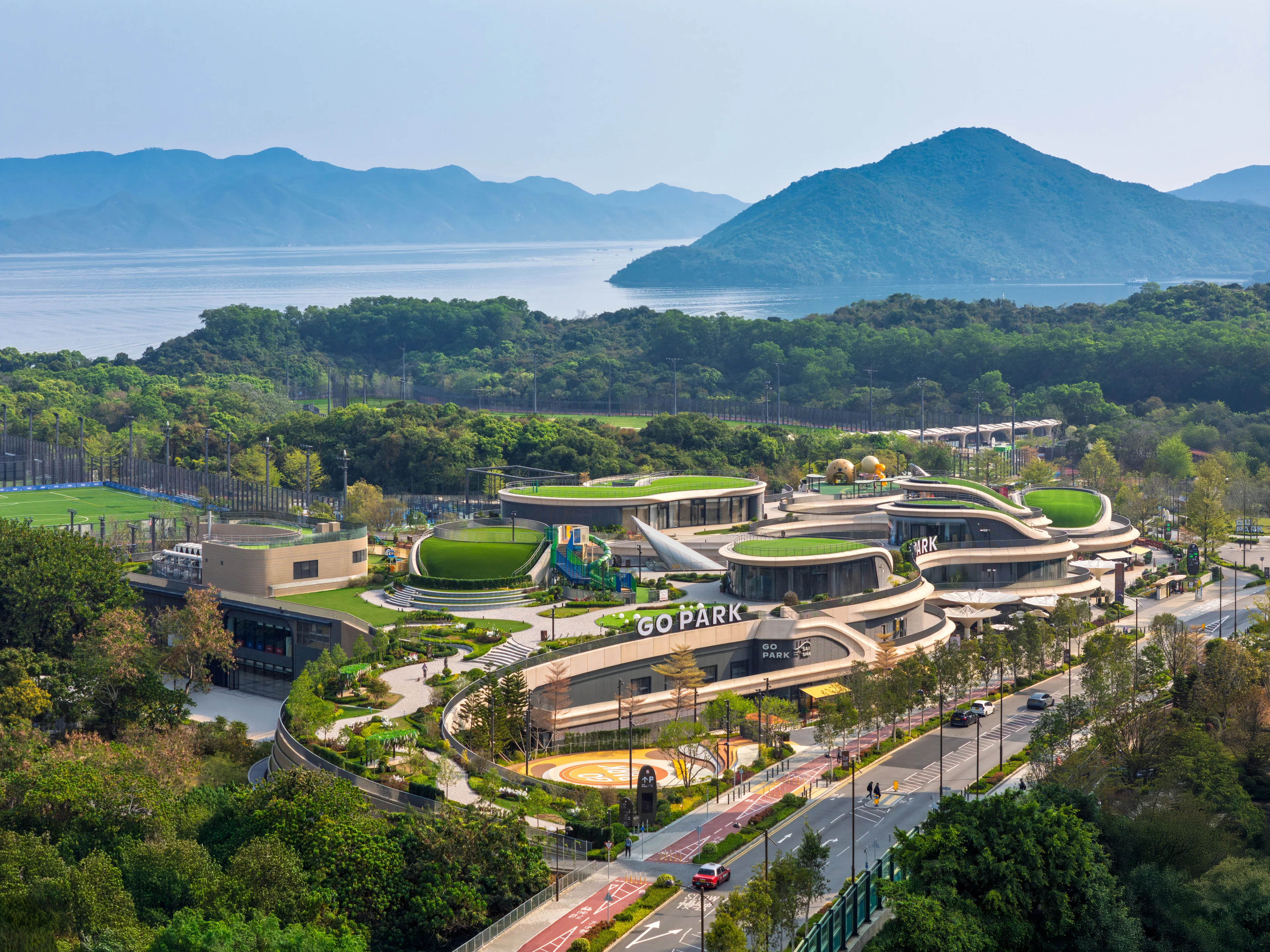
GO PARK Sai Sha
ZHA’s first sports and commercial project in Asia, GO PARK Sai Sha is nestled between the mountains of Hong Kong’s Ma On Shan Country Park and the sheltered waters of Three Fathoms Cove which leads out to the South China Sea.
Photograph by SeilaoJiong 张灏
Sports Centre
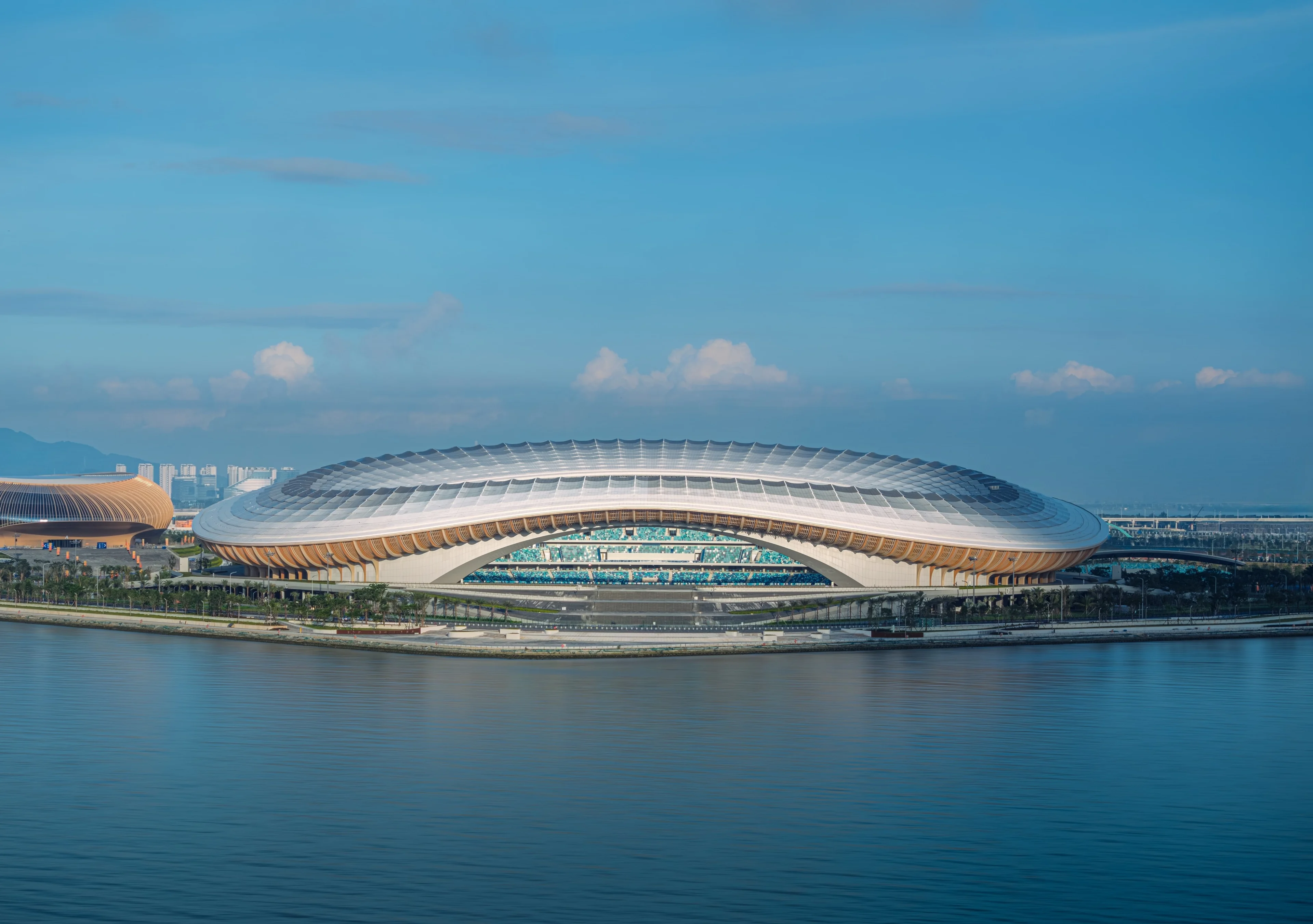
Greater Bay Area Sports Centre
Situated at the southern end of Guangzhou’s Nansha District on the western bank of the historic Pearl River, the Greater Bay Area Sports Centre will serve as an anchor to the new civic, business and residential district at the heart of the Greater Bay Area.
Photograph by Hufton + Crow
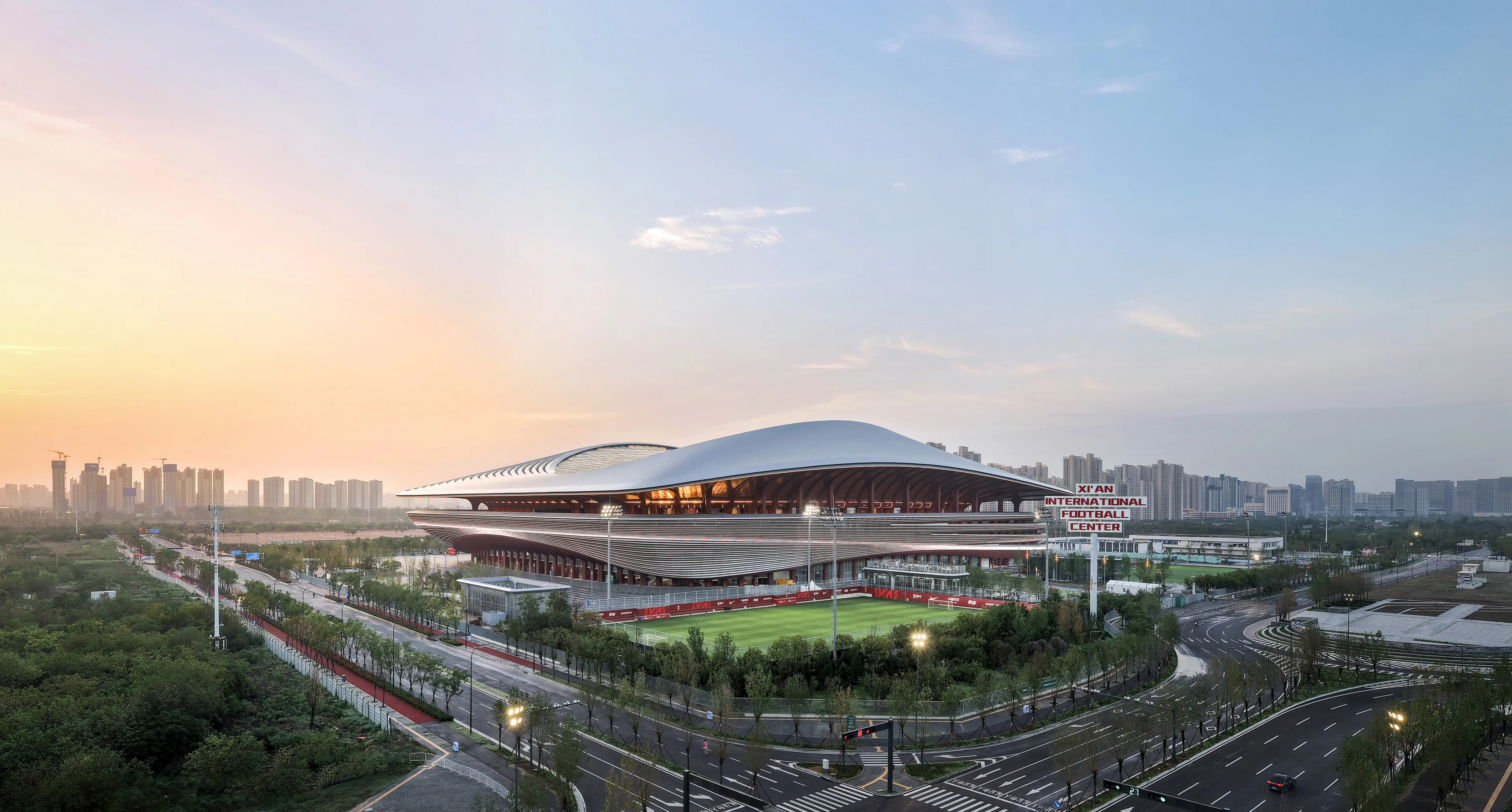
Xi'an International Football Centre
Xi’an International Football Centre’s 60,000-seat stadium and training grounds are integral to the ongoing development of football in China. Initiated by the Chinese Football Association and China’s national sports development organisations, the new football centre provides facilities of the highest standards to nurture the sport across all levels.
Render by Negativ
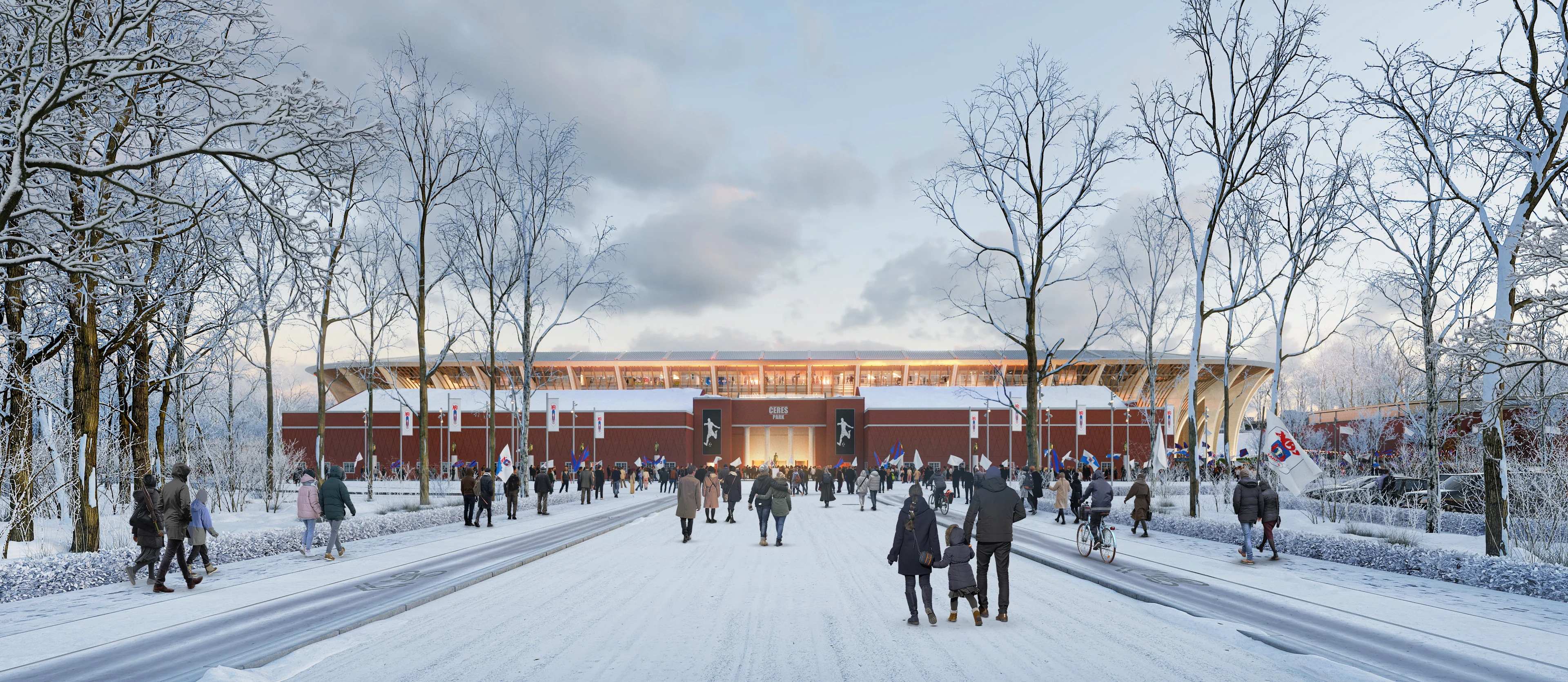
Aarhus Stadium
The team comprising ZHA working with architecture, engineering consultancy Sweco and landscape architects Tredje Natur has won the competition to build the new Aarhus football stadium in Denmark.
Photograph by Hufton + Crow
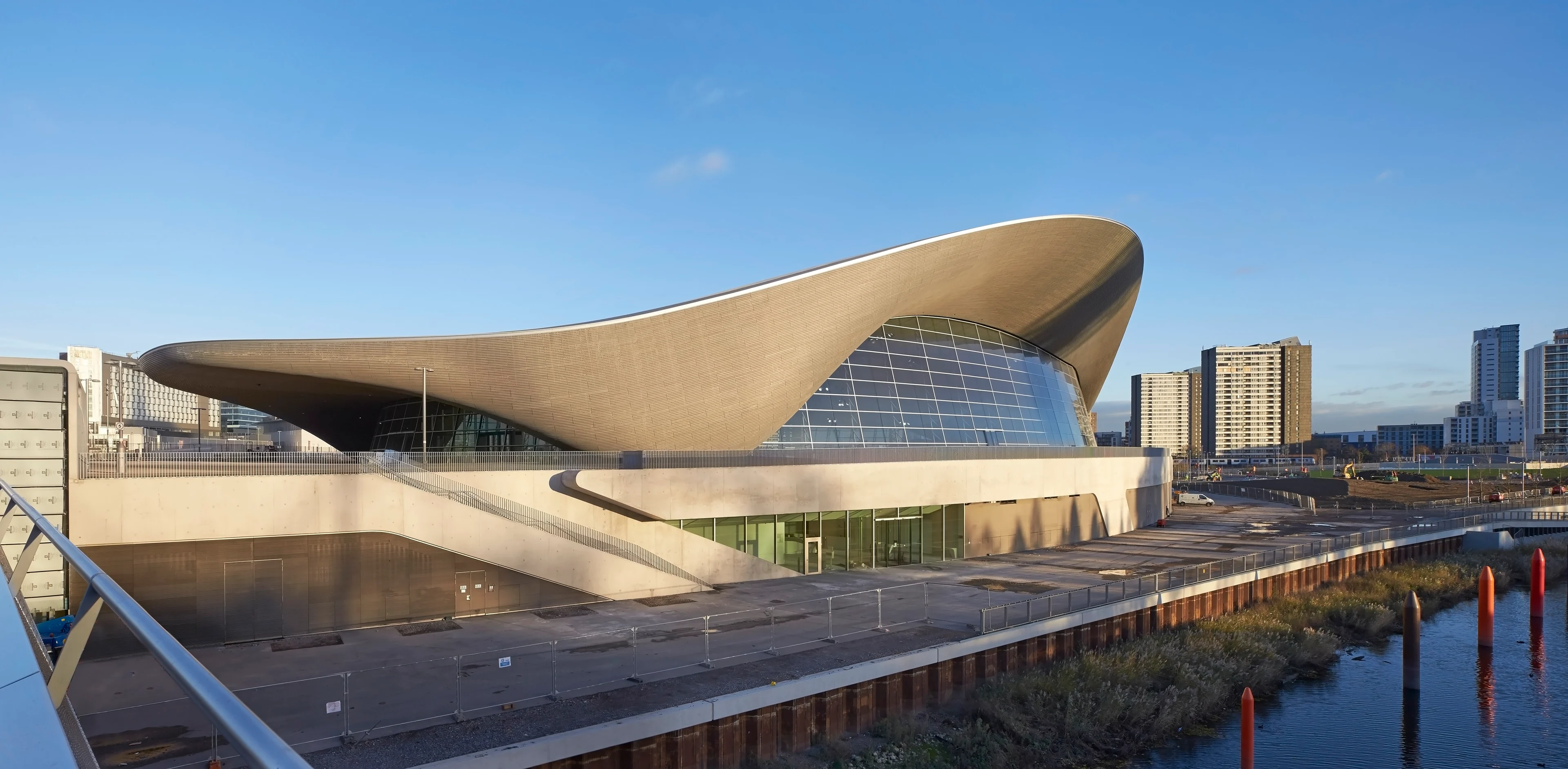
Legacy Mode : December 2013
London Aquatics Centre
A concept inspired by the fluid geometry of water in motion, creating spaces and a surrounding environment in sympathy with the river landscape of the Olympic Park. An undulating roof sweeps up from the ground as a wave, enclosing the pools of the Centre with its unifying gesture.
Photograph by Roland Halbe
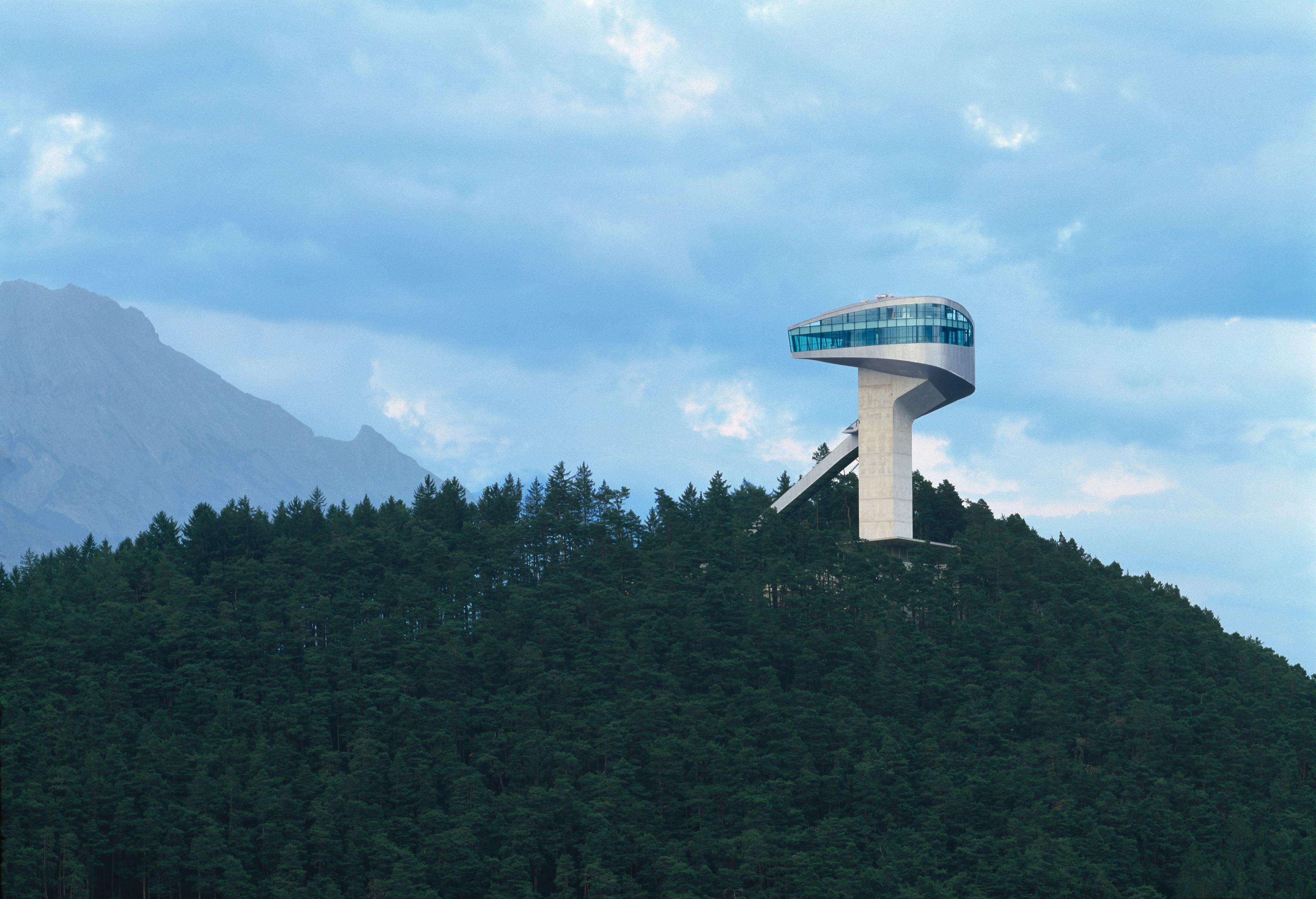
Bergisel Ski Jump
ZHA's ski jump on Bergisel mountains contains a ski ramp and sports facilities, as well as public spaces, including a tower-top café and viewing terrace. Rising to a height of almost 50m the structure’s distinctive form and silhouette extends the topography of the ski slopes below into the alpine sky above.
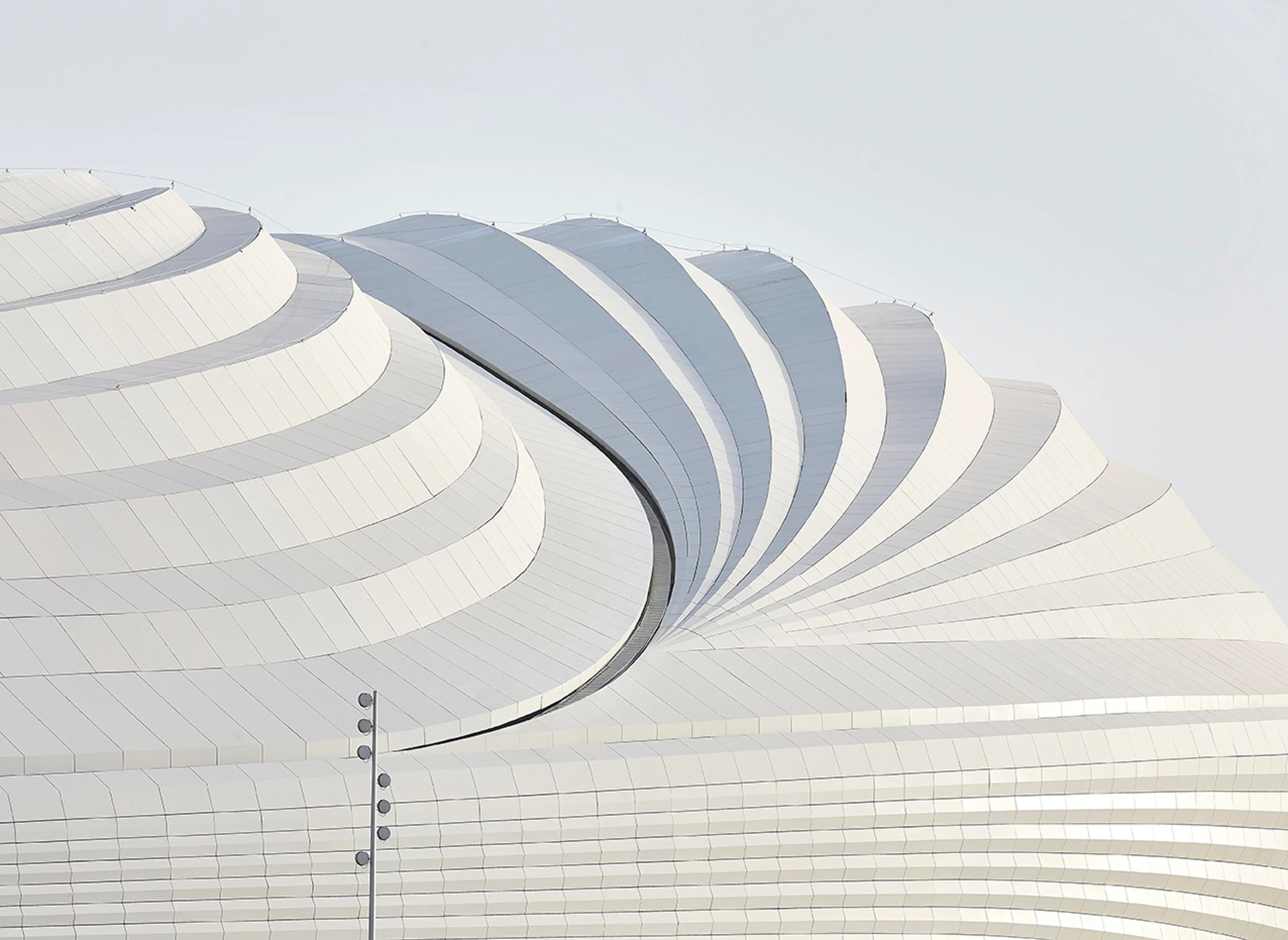
Al Janoub Stadium
Inaugurated on 16 May 2019 by hosting the Amir Cup Final of the Qatar Stars national football league, Al Janoub Stadium was the first new stadium commissioned for the 2022 FIFA World Cup Qatar.
Courtesy of ZHA, render by MIR
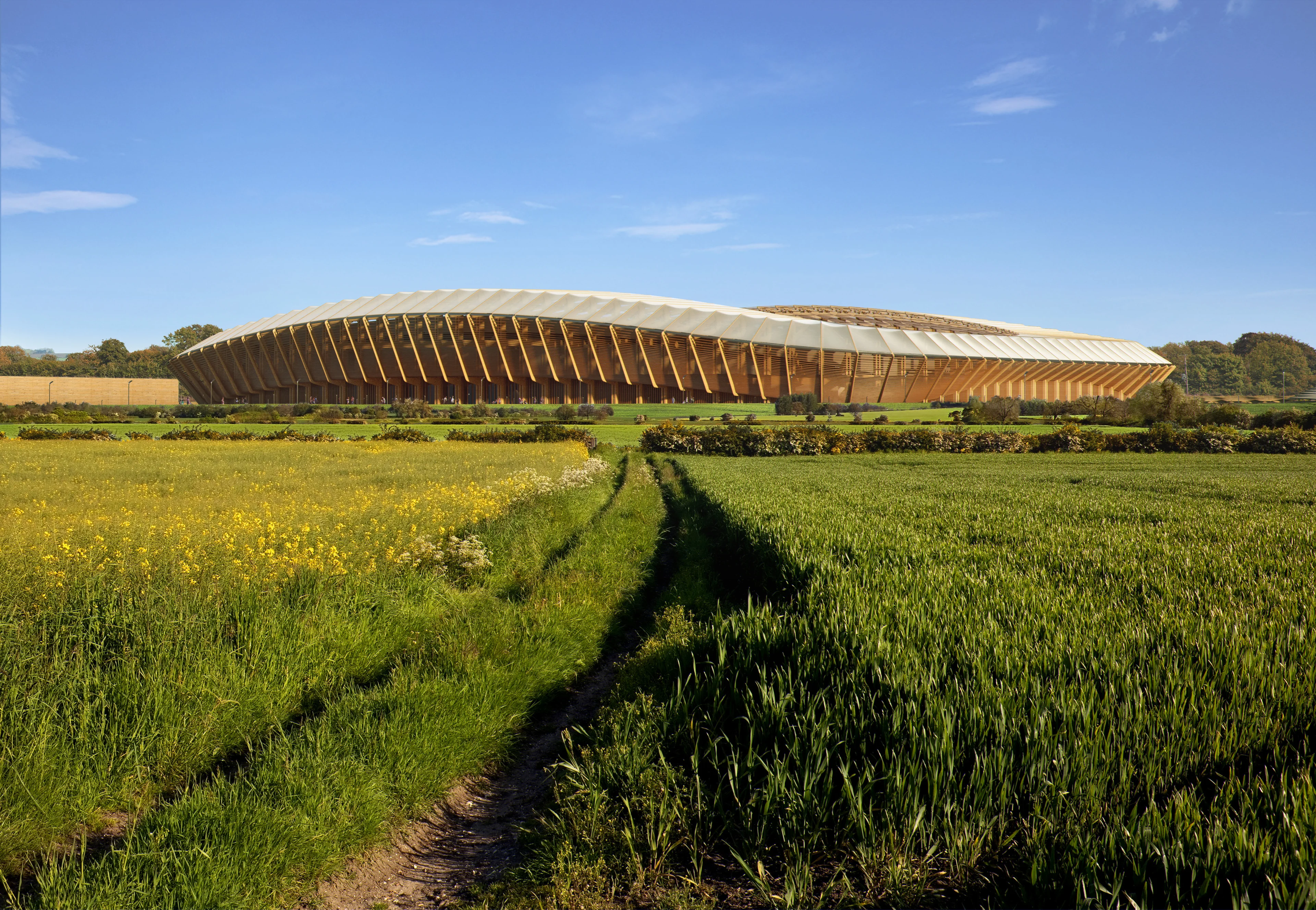
Forest Green Rovers Eco Park Stadium
The Eco Park stadium for Forest Green Rovers will be an important addition for the community. The club’s heritage, ambition and vision reflect ZHA’s own, combining the latest material research and construction techniques with new design approaches to build a more ecologically sustainable and inclusive architecture.
01
02
03
04
05
06
07
08