
Render by X-Universe
Taipei
2025
Chunghwa Post
National Innovation, Creativity and Finance Center
Render by X-Universe
Render by X-Universe
Render by X-Universe
Render by X-Universe
Render by X-Universe
01
02
03
04
05
NICFC will house four institutions of the Financial Supervisory Commission
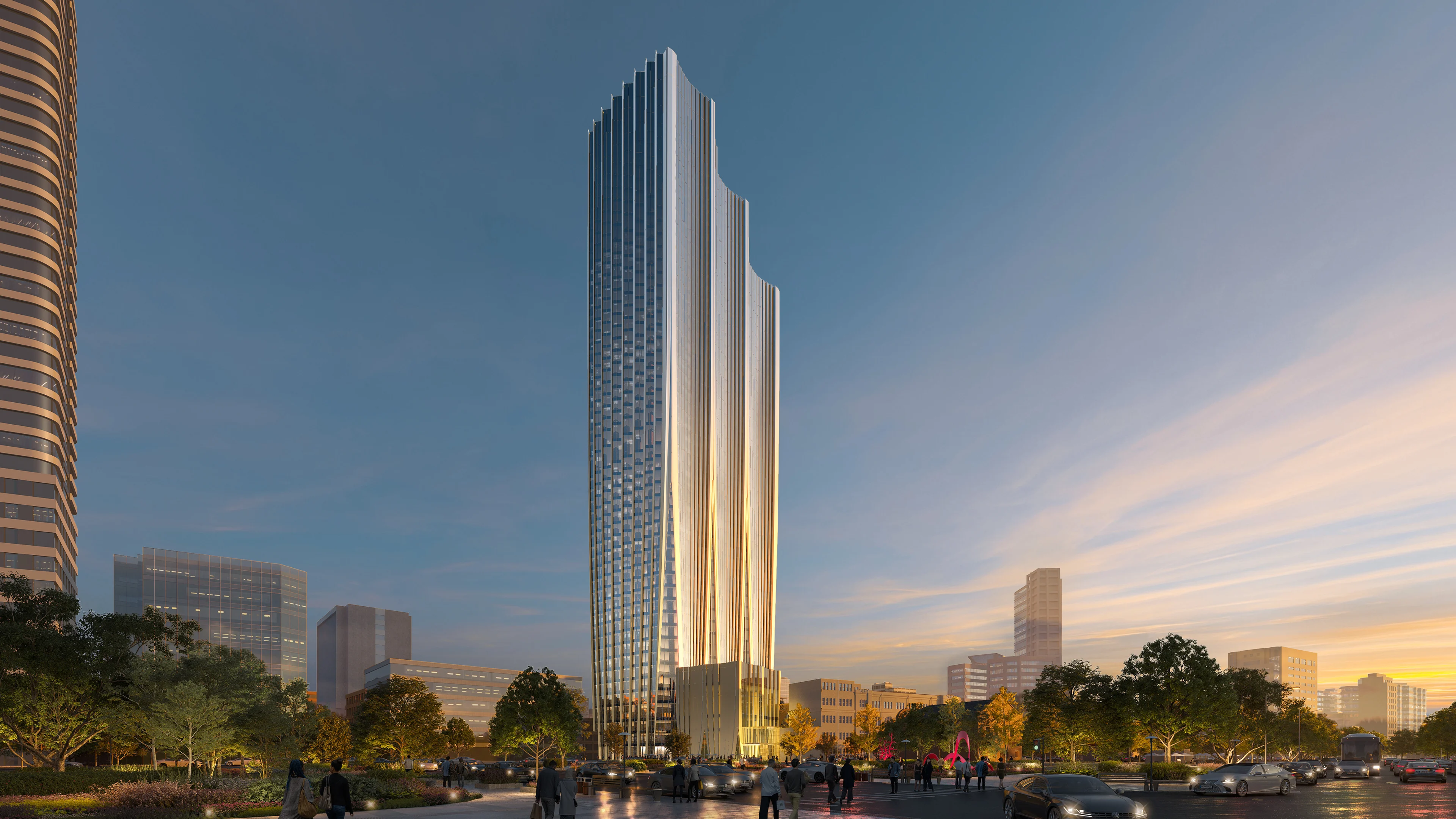
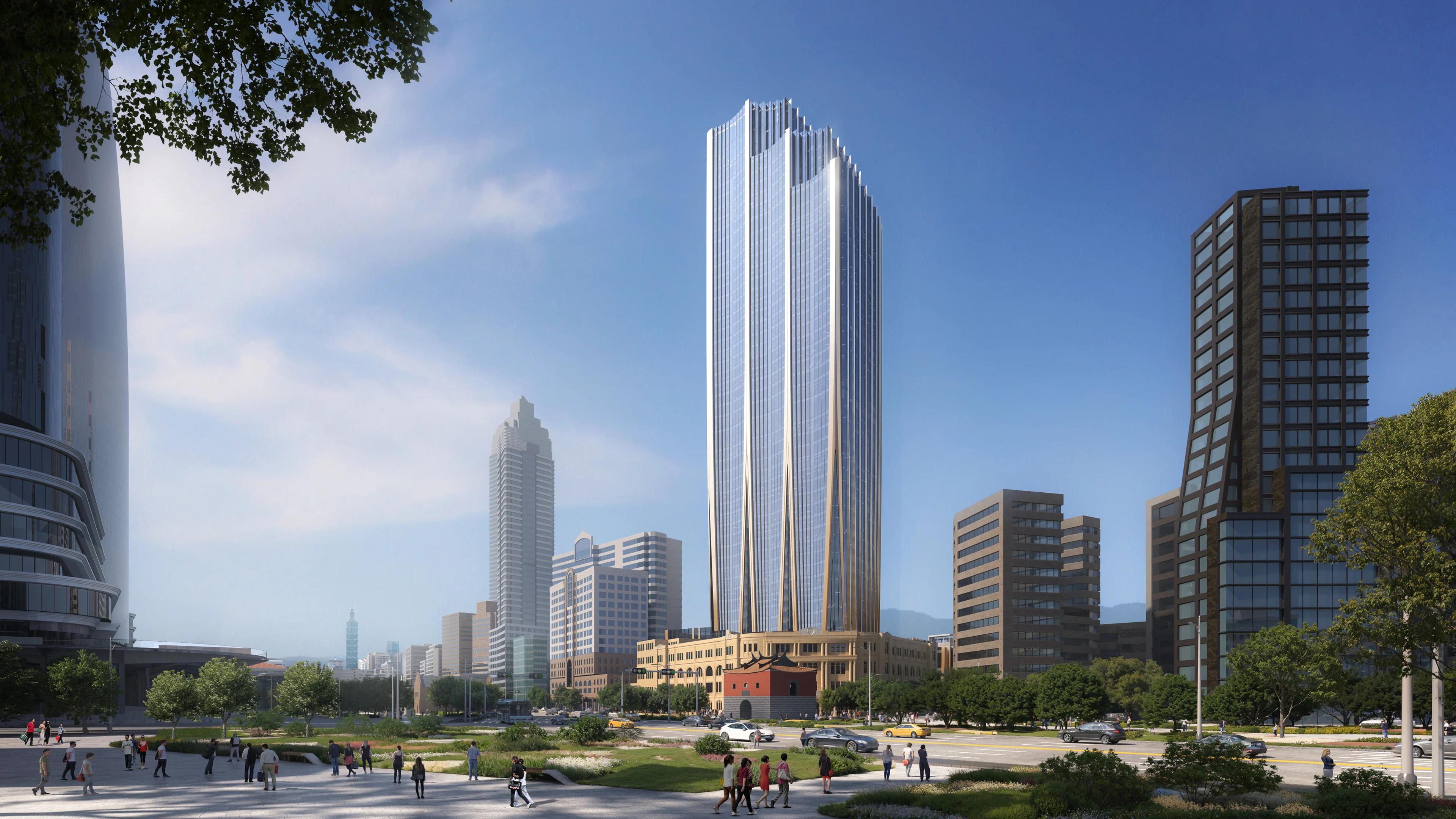
Following the international design competition, ZHA in collaboration with C.Y. Lee & Partners have been announced as designers of the new NICFC (National Innovation, Creativity and Finance Center) in Taipei.
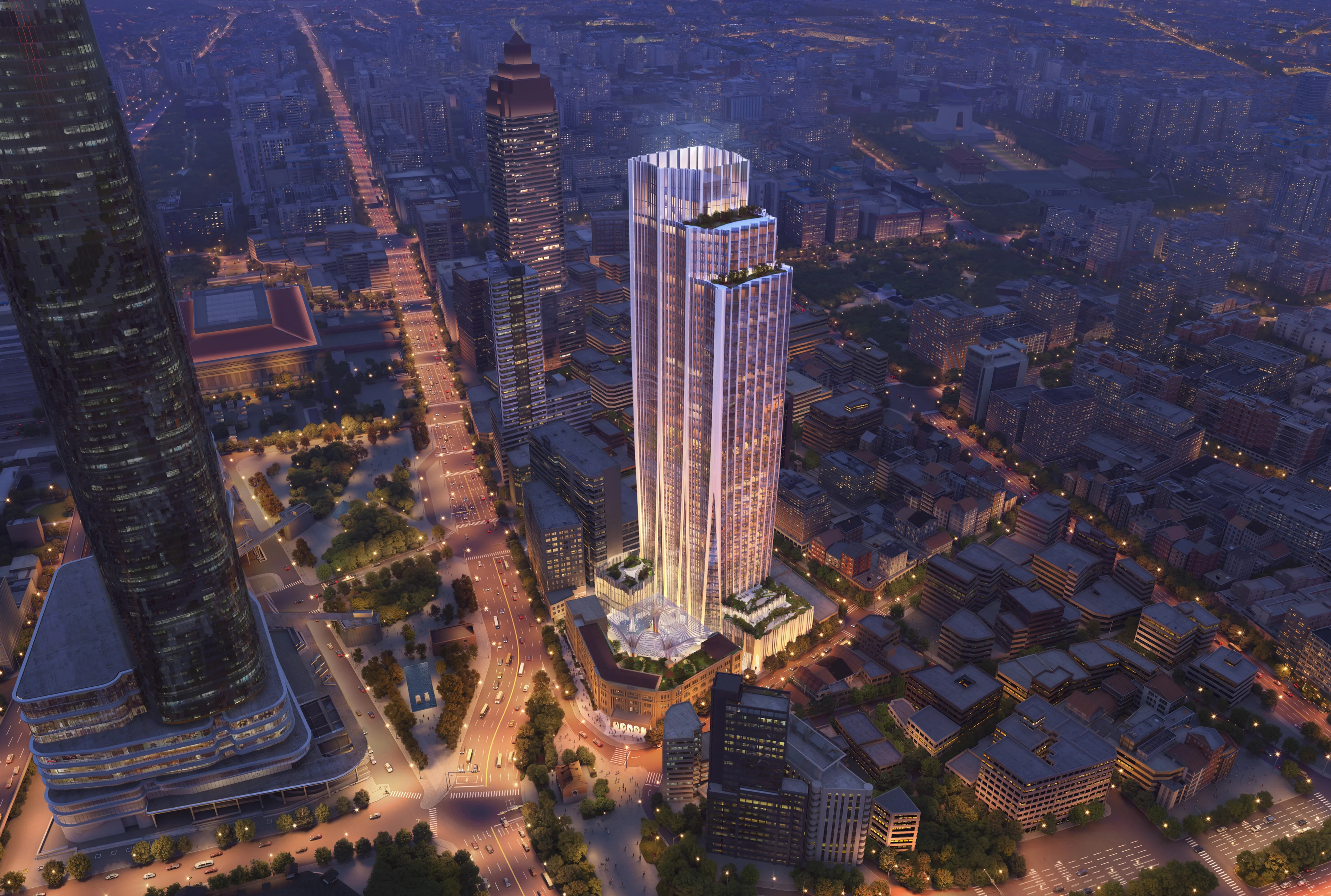
Located in the heart of Taipei’s Beimen district—the city’s financial hub—NICFC will house four institutions of the Financial Supervisory Commission that include the stock exchange, futures exchange, depository & clearing corporation.
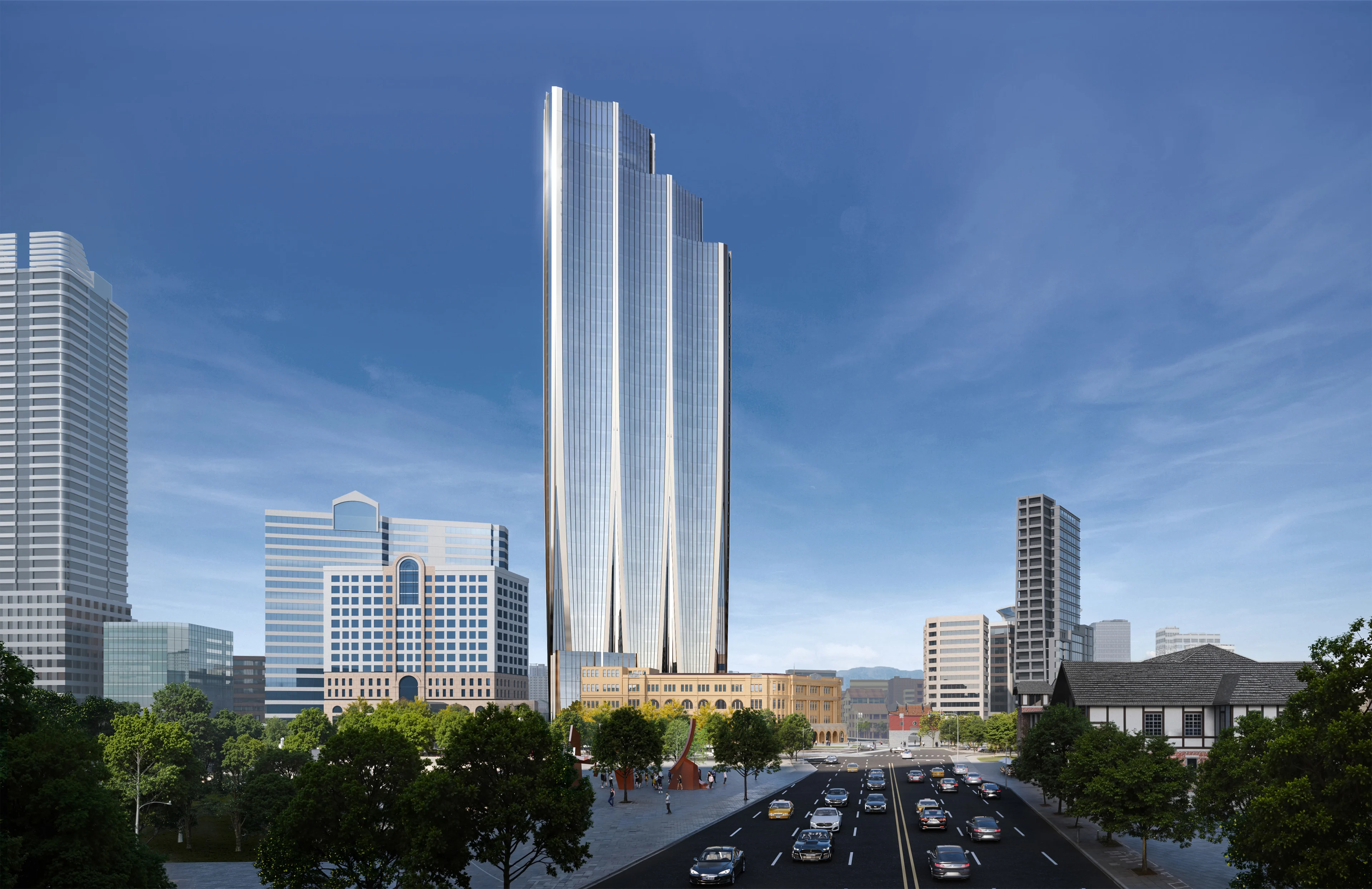
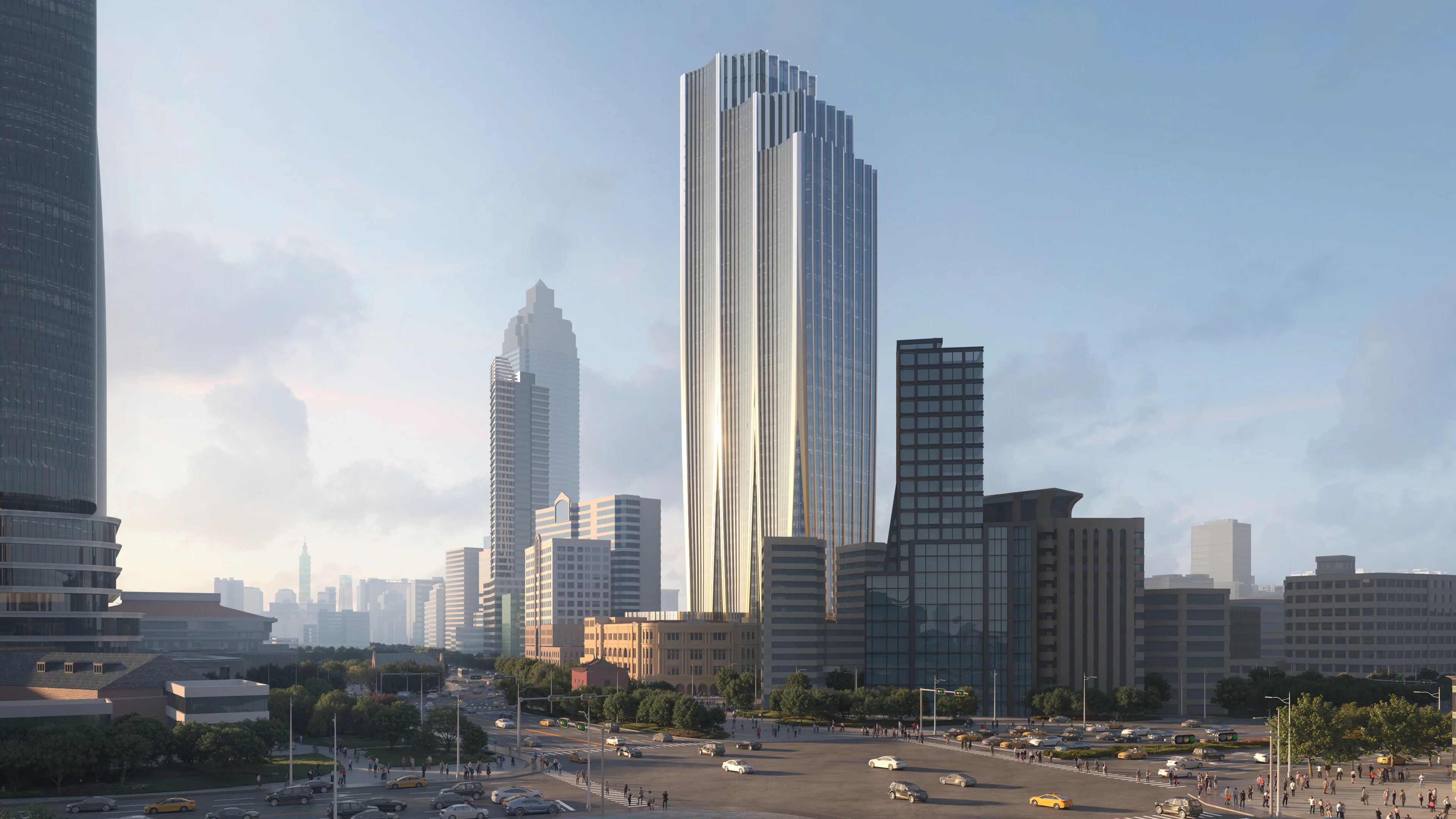
Situated at the intersection of Zhongxiao West Road and Bo’ai Road, NICFC is within one of the city’s busiest districts encompassing Taipei Main Station, the historic post office building and railway museum, Beimen Gate and MRT Station, as well as the many cultural venues around Zhongshan Hall.
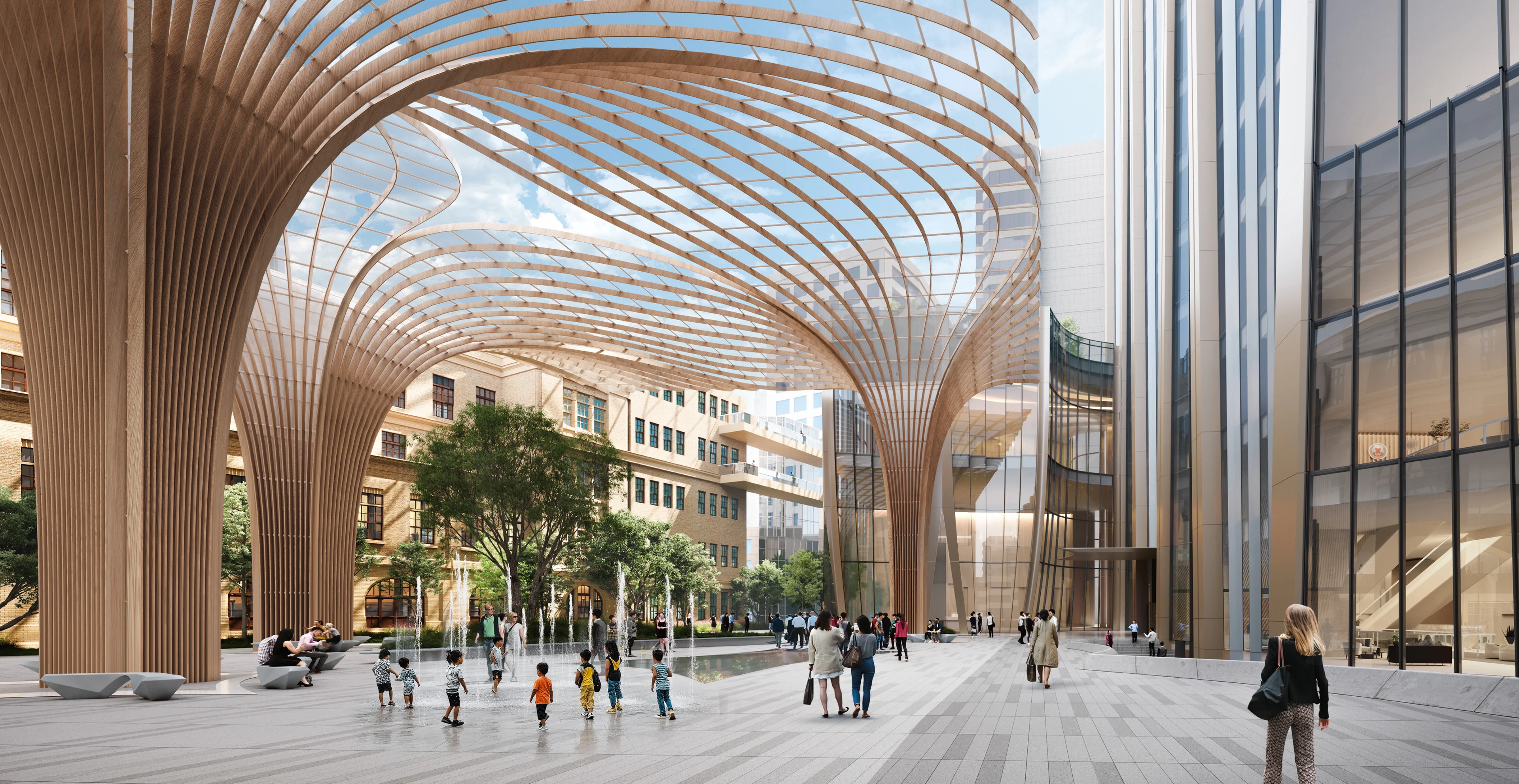
Adhering to requirements established by Taipei’s Western Gateway Project to upgrade the city’s public realm, NICFC's 175,000 sq.m design prioritises walkability and accessibility. Linking the district’s existing civic hubs with a series of interconnected pedestrian plazas, courtyards and walkways, the design preserves Beimen’s urban vistas and streetscapes to ensure the district’s heritage remains legible within the modern city.
Preserving history while creating an important new public spaces
Adjacent to the Taipei Beimen Post Office (a recently restored heritage site that opened in 1930) NICFC will retain the ornate original building and replace its later extensions which are now obsolete. The existing 95-year-old building will be transformed into a museum and cultural venue—preserving its history while creating an important new public space for the city.
Relocating its parcel, mail and administrative services to a new facility with the necessary infrastructure for postal services in the 21st century, the post office’s heritage building will be repurposed with a community hub within its restored portico. Its original interiors will be restored as a postal communications museum with immersive displays, literary archives and artefacts—converting the site into a focal point for residents and visitors that reflects its importance within the city’s history and development.
NICFC’s five-storey podium mirrors the scale of the adjacent 1930’s post office and includes multiple pleated columns supporting a sculptural glazed canopy that shelters a large new courtyard between the old and new buildings for public performances and events.
Stepped back from the adjacent heritage building, the tower's 47-storey design is informed by the organic fluting structures within the flower of the island's native Phalaenopsis Orchid. Unfurling and extending outwards as it grows, this delicate fluting supports the petals and sepals of the Orchid's flower.
Designed to optimise efficiency, flexibility and comfort
Designed to optimise efficiency, flexibility and comfort—achieving floor area usage rates over 70%—distinct zones within the tower are provided for each of the four financial institutions. Offering privacy, vertical integration and adaptability, multiple floors of the tower will provide shared flexible office and meeting spaces, in addition to a conference centre.
Ensuring seamless daily operations and secure event logistics, three independent elevator banks serve the financial institution floors, the rental office floors, together with elevators for dignitaries and services.
Concave bays within the tower’s northern façade give panoramic views of Taipei and beyond to the Qixing and Guanyin mountains. To the east, the tower aligns with the city’s primary axis with views to Taipei 101 and the Xinyi District.
A system of vertical pleats generates a geometric pattern and rhythm within the western façade overlooking the natural landscapes along the banks of the Tamsui River. The tower’s southern façade follows the city’s existing guidelines that accommodate the civic institutions of the administrative district to the south. At higher floors, the tower steps back in layers to provide shading and reduce lateral wind forces.
The architecture ‘breathes’ like a living organism
NICFC’s design incorporates a responsive pleated façade system to regulate solar irradiation and airflow. Defined by the curvature of the tower, this precision engineered system adapts to varying depths and angles to mitigate solar heat gain and guide air flow—enabling the architecture to ‘breathe’ like a living organism, enhancing the tower’s environmental performance in Taipei’s humid subtropical climate.
Targeting dual sustainability certification (LEED Platinum and EEWH Diamond), NICFC is designed to operate at net-zero carbon emissions as a new benchmark for the region.
Balancing energy efficiency with the comfort of occupants, the architectural envelope combines a high-performance double-glazed unitised curtain wall system within a pleated façade. Providing on-site energy generation, photovoltaics will be incorporated within the façade while solar arrays will be installed on the tower's roof.
Employing detailed digital mapping and 3D modelling of the site to optimise orientation, composition and façade performance, the tower’s design incorporates recyclable, low-VOC materials and modular structural systems that will minimise embodied carbon and enhance lifecycle durability. A system of rainwater collection, storage and reuse will reduce water demand from the municipal supply.
Civic
Discover more of our civic spaces
From Beijing’s largest and most advanced convention and exhibition centre to a public plaza that unites the historically divided city of Nicosia, discover our latest civic projects.
Photograph by Hufton + Crow
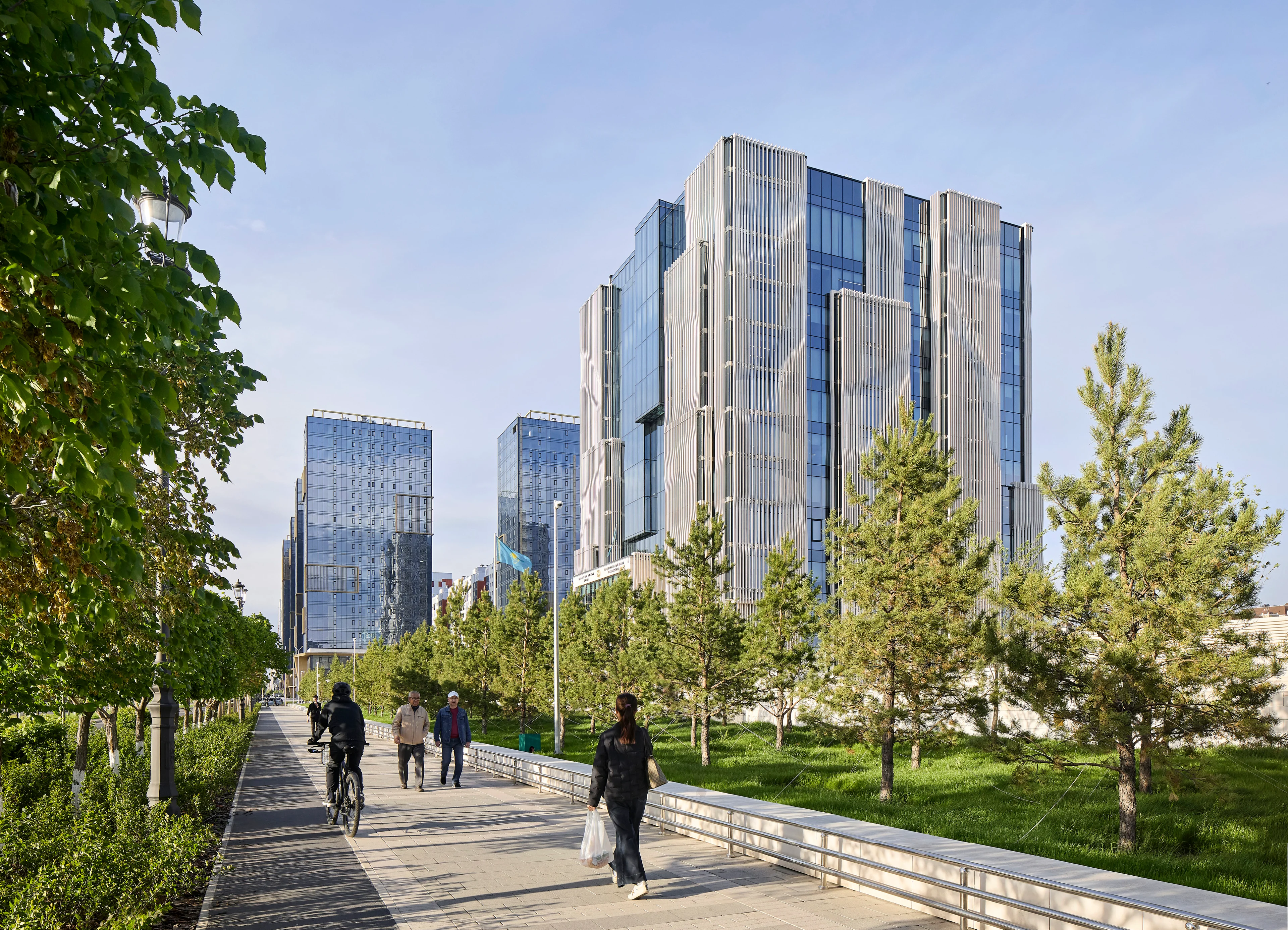
National Bank of the Republic of Kazakhstan
The new headquarters of the National Bank of the Republic of Kazakhstan (NBRK) in Astana houses the bank’s departments within a single, integrated campus accommodating up to 800 employees and conveys the institution’s longstanding commitment to fiscal stability.
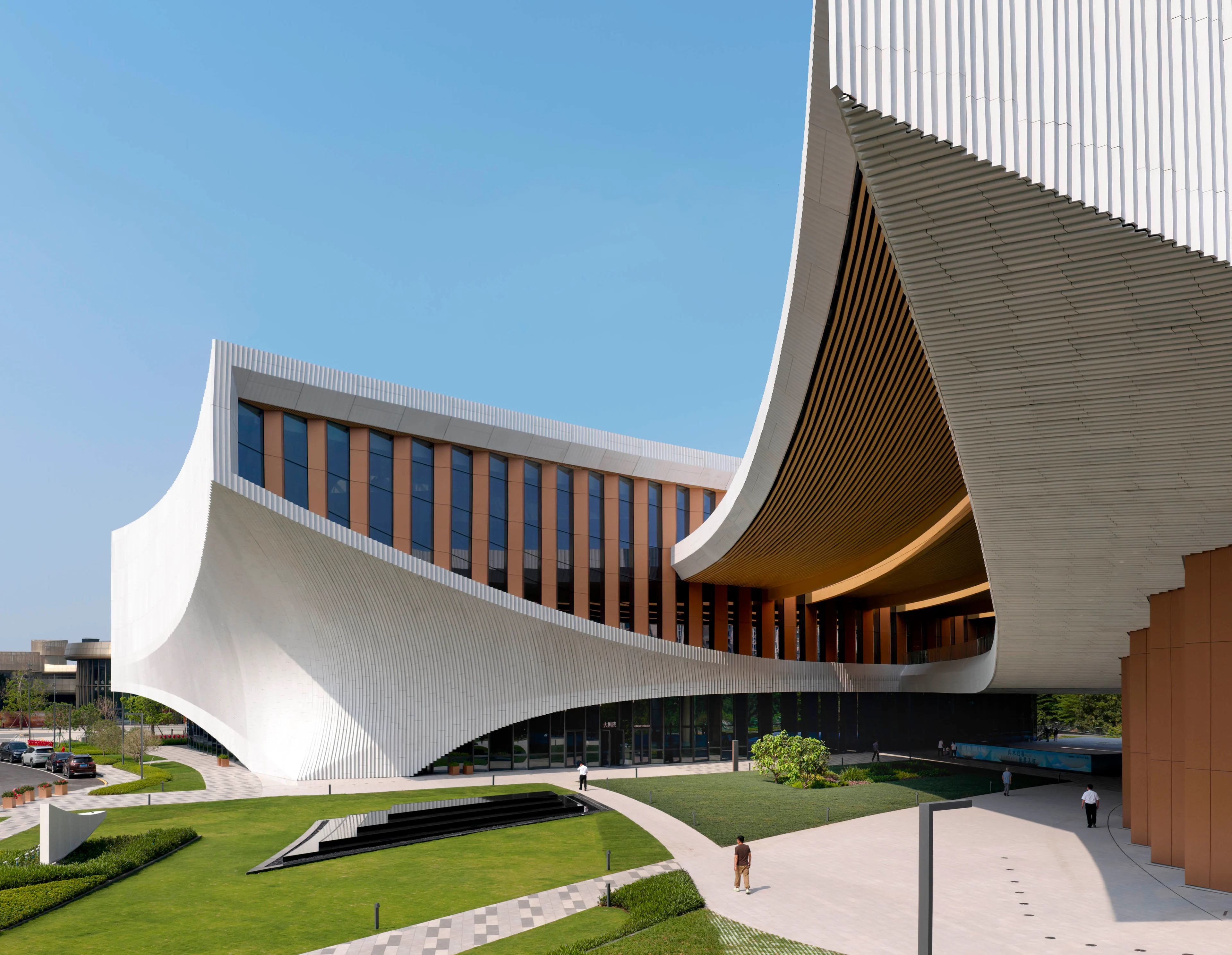
Songshan Lake Performance and Exhibition Centre
Located in Dongguan within the Greater Bay Area of southern China’s Pearl River estuary, the new Songshan Lake Exhibition and Performance Centre is at the heart of a mixed-use masterplan to revitalize the Yuehe Lake waterfront.
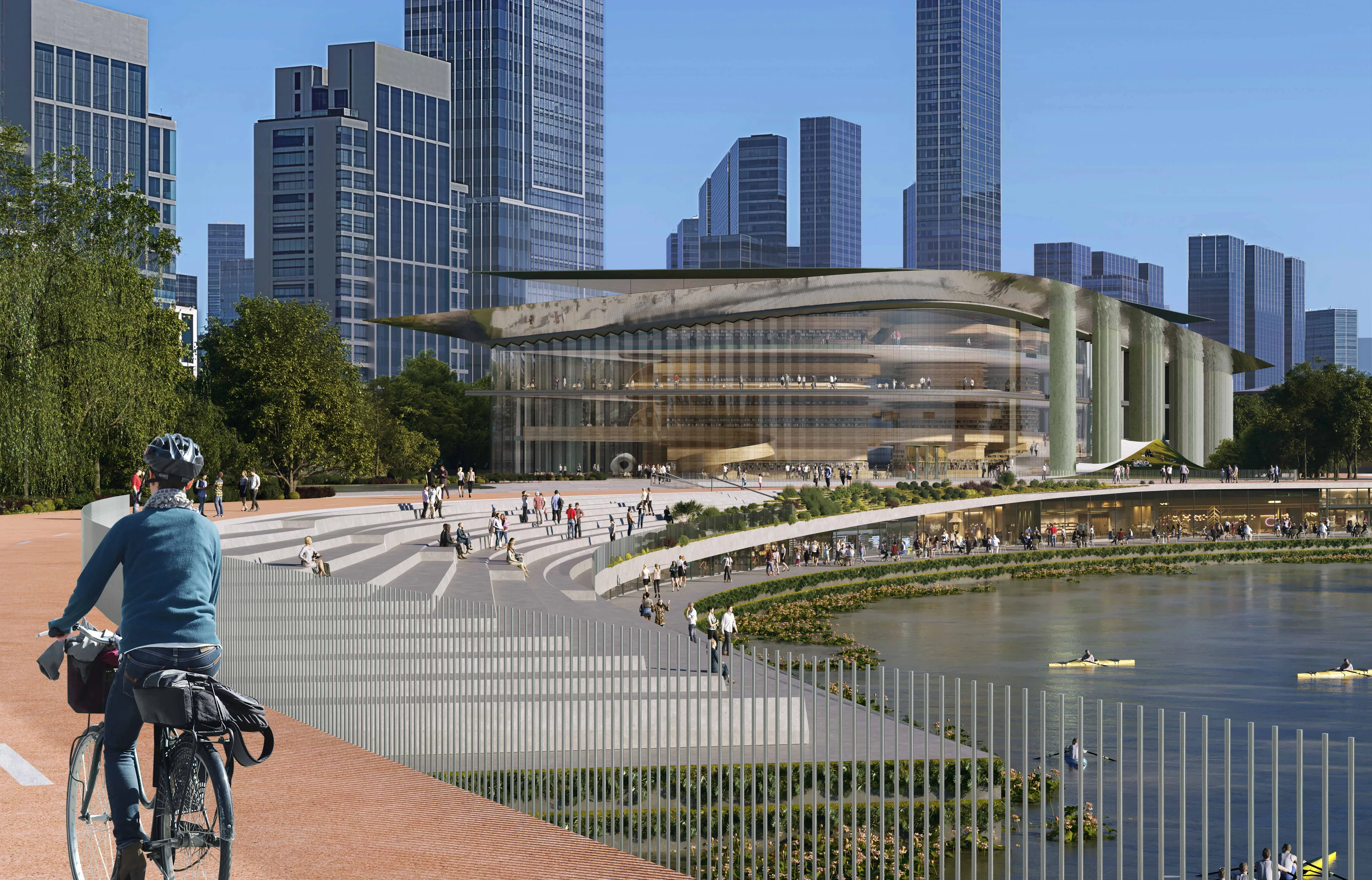
Qiantang Bay Cultural District
A series of new landscaped parklands, terraces and gardens along the Zhedong Canal within the Xiaoshan district of Hangzhou
Render by X Universe
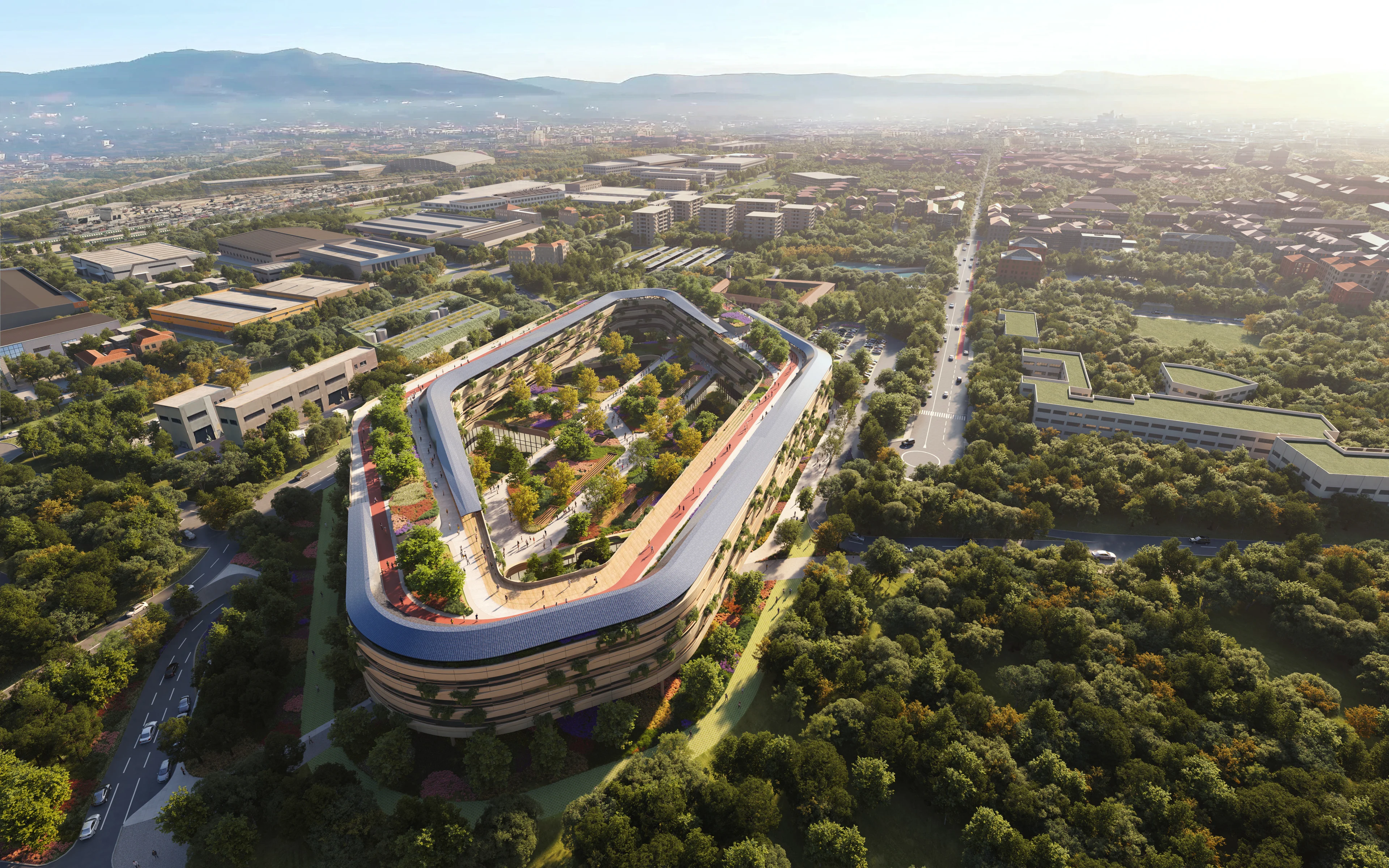
Malpensa Hospital
The international competition to design Malpensa Hospital (Grande Ospedale della Malpensa) has been awarded to ZHA in partnership with RINA (team leader), Studio Plicchi, WSP, STI Engineering and BC Building Consulting.
Photograph by Virgile Simon Bertrand
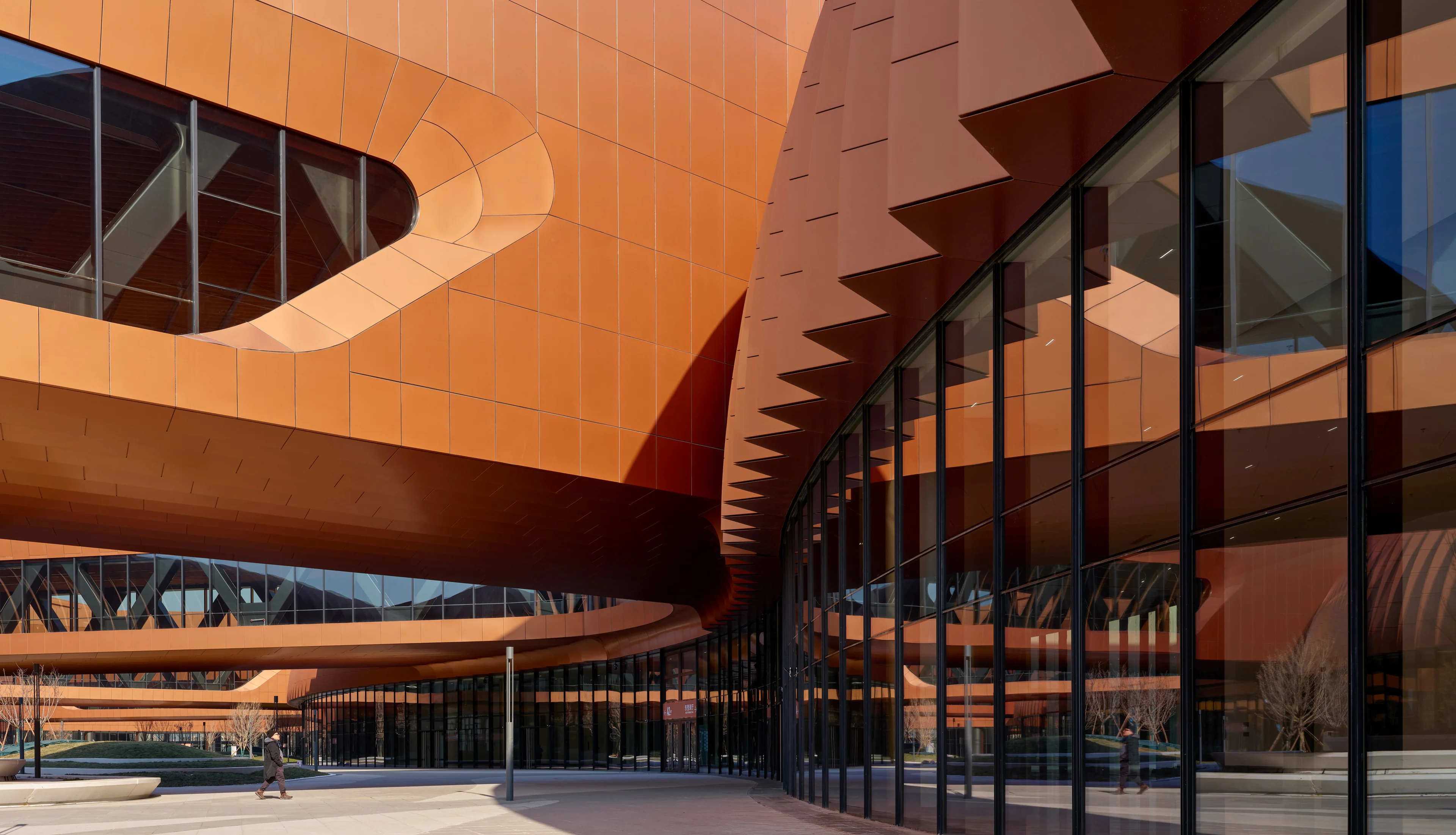
Capital International Exhibition & Convention Centre
As the cultural, academic and civic centre of China, Beijing has also developed into one of the world’s centres of communication and scientific research.
Photograph by ©K.Arkatites
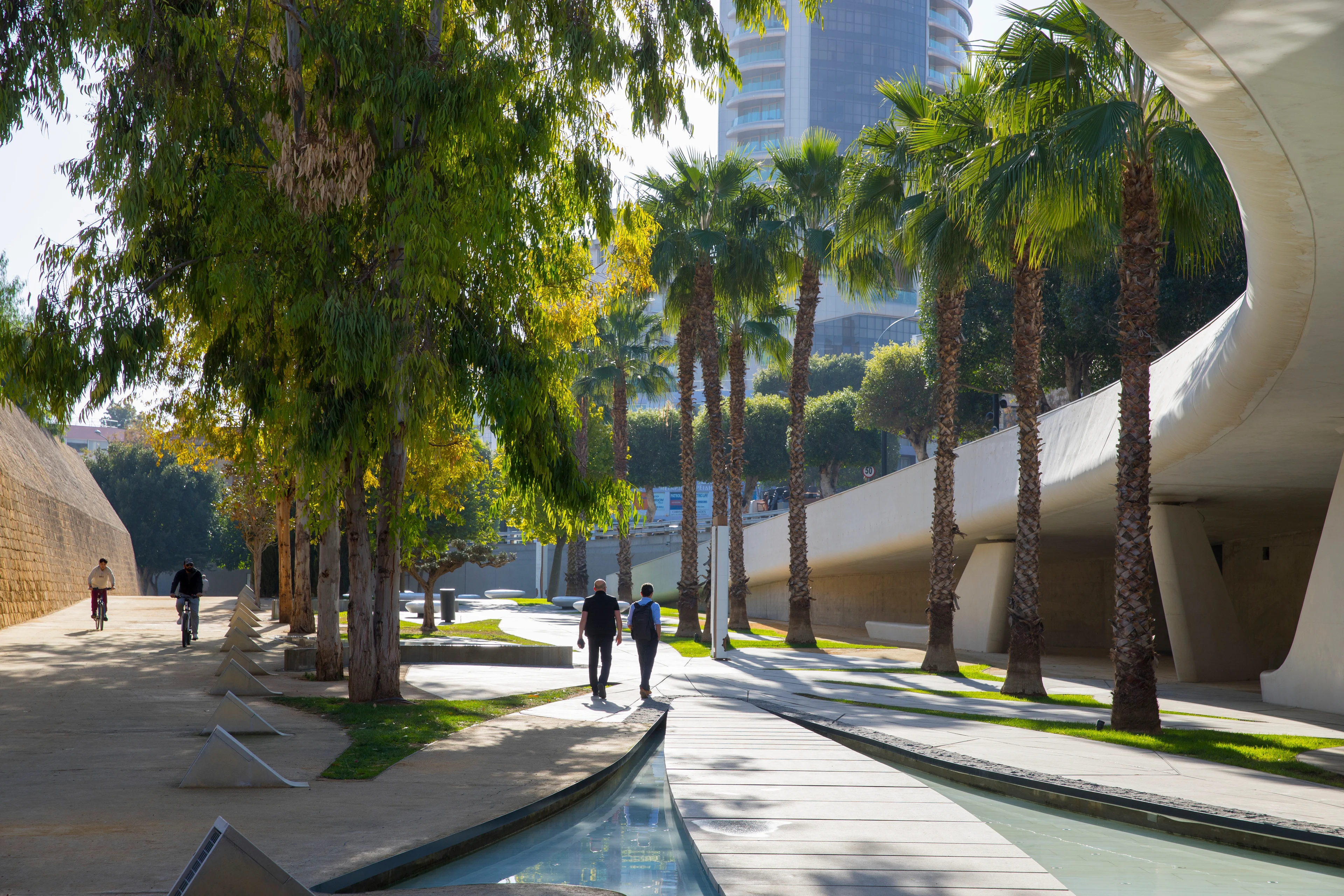
Eleftheria Square
Establishing Eleftheria Square as the city’s primary gathering space, ZHA design creates new connections intended to unite a divided capital. Nicosia’s massive Venetian fortifications separate the old city from its modern districts, while the city’s ‘Green Line’ divides the capital into two disparate communities.
Photograph by Werner Huthmacher
Maggie's Fife Cancer Centre
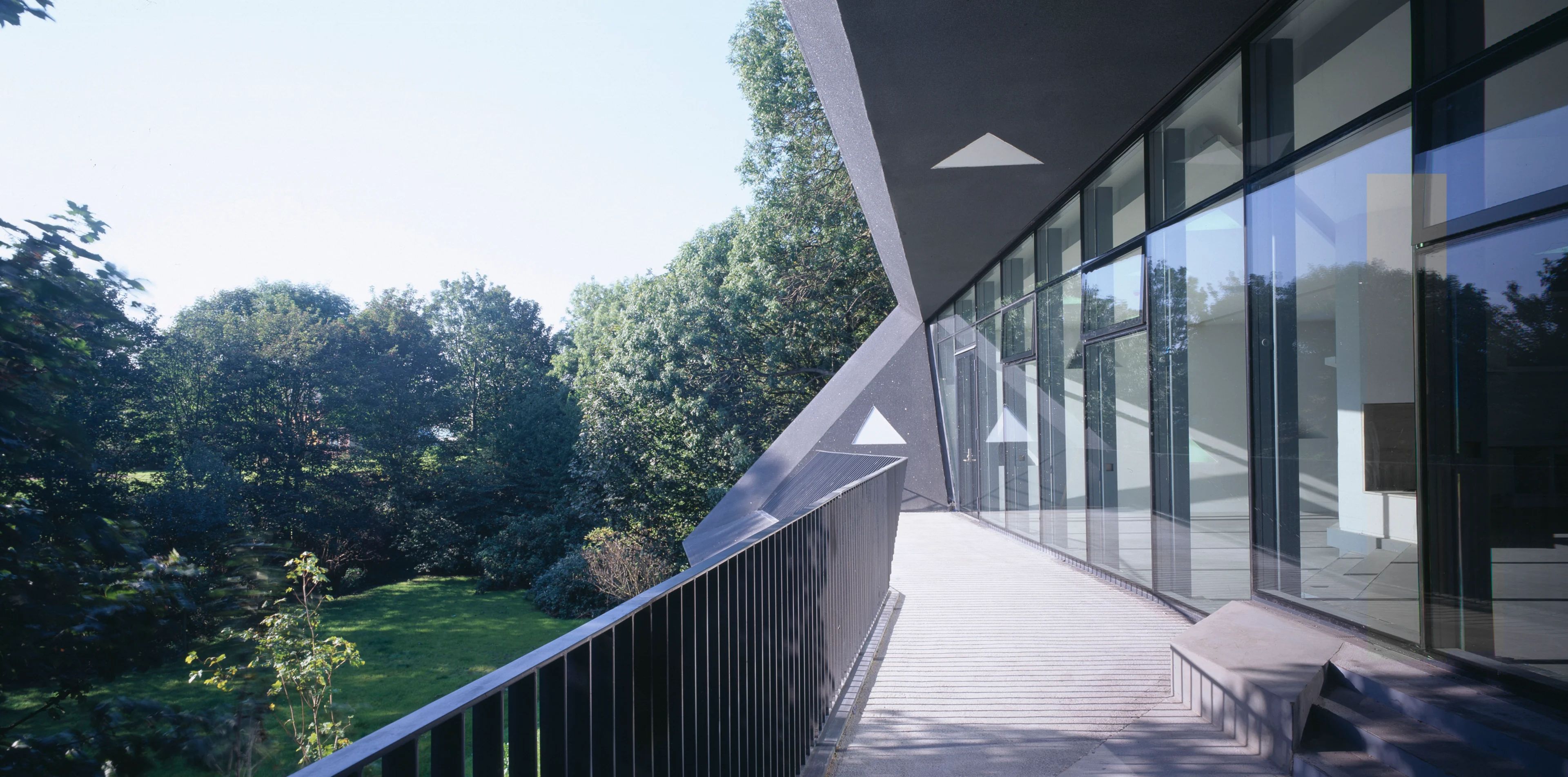
Domestic in scale but unique in execution, Maggie’s Fife Cancer Centre is set on the edge of a hollow adjacent to Victoria Hospital: a distinctive protected environment providing a haven for cancer patients. Designed to create a transition between the natural and the man-made, it forms a gateway to the surrounding landscape.
Photograph by ©Christian Richters/VIEW
Vitra Fire Station
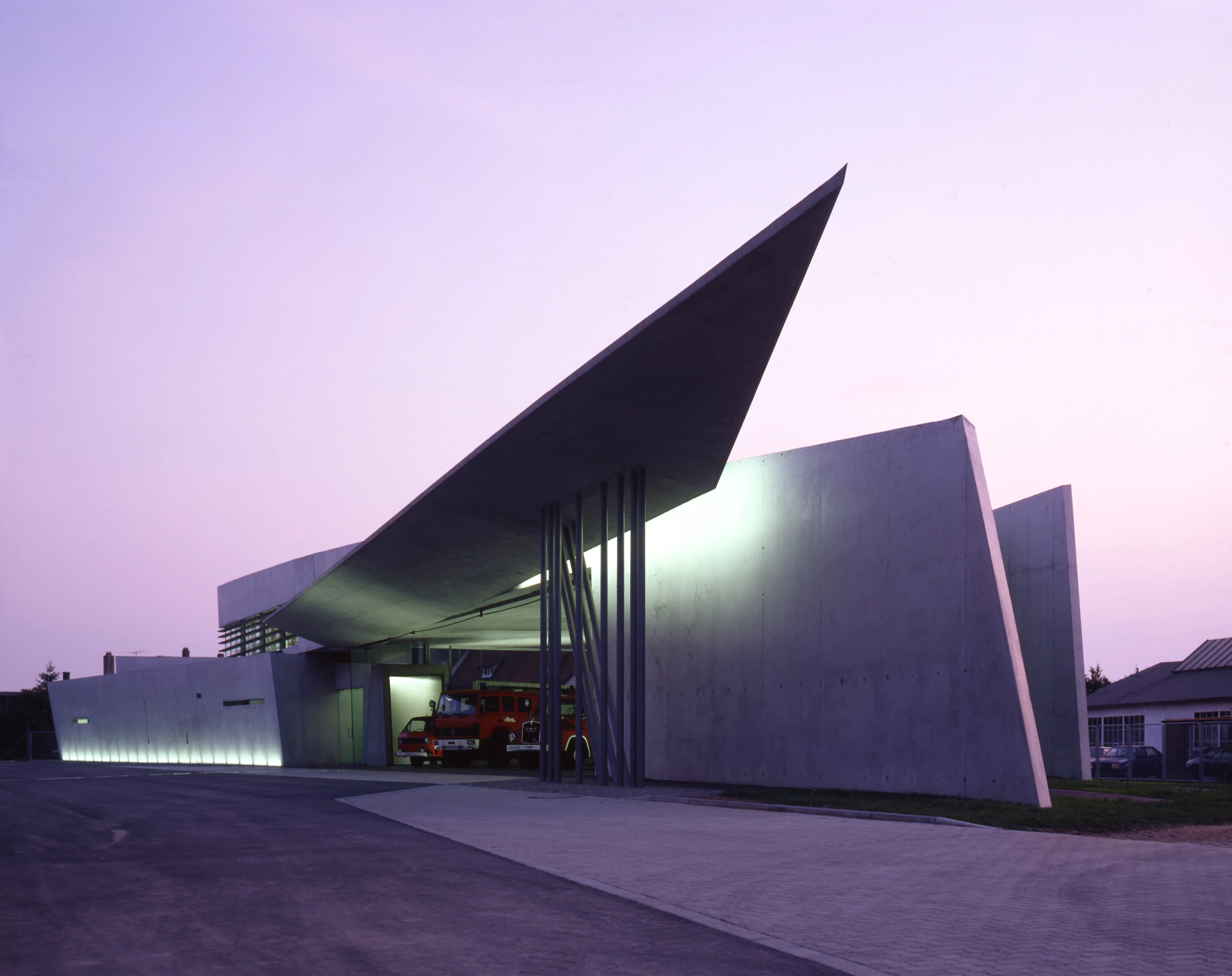
Conceived as the end-note to existing factory buildings, the Vitra Fire Station defines rather than occupies space – emerging as a linear, layered series of walls, between which program elements are contained – a representation of ‘movement frozen’ – an ‘alert’ structure, ready to explode into action at any moment.
Photograph by Hélène Binet
Landesgartenschau / Landscape Formation One
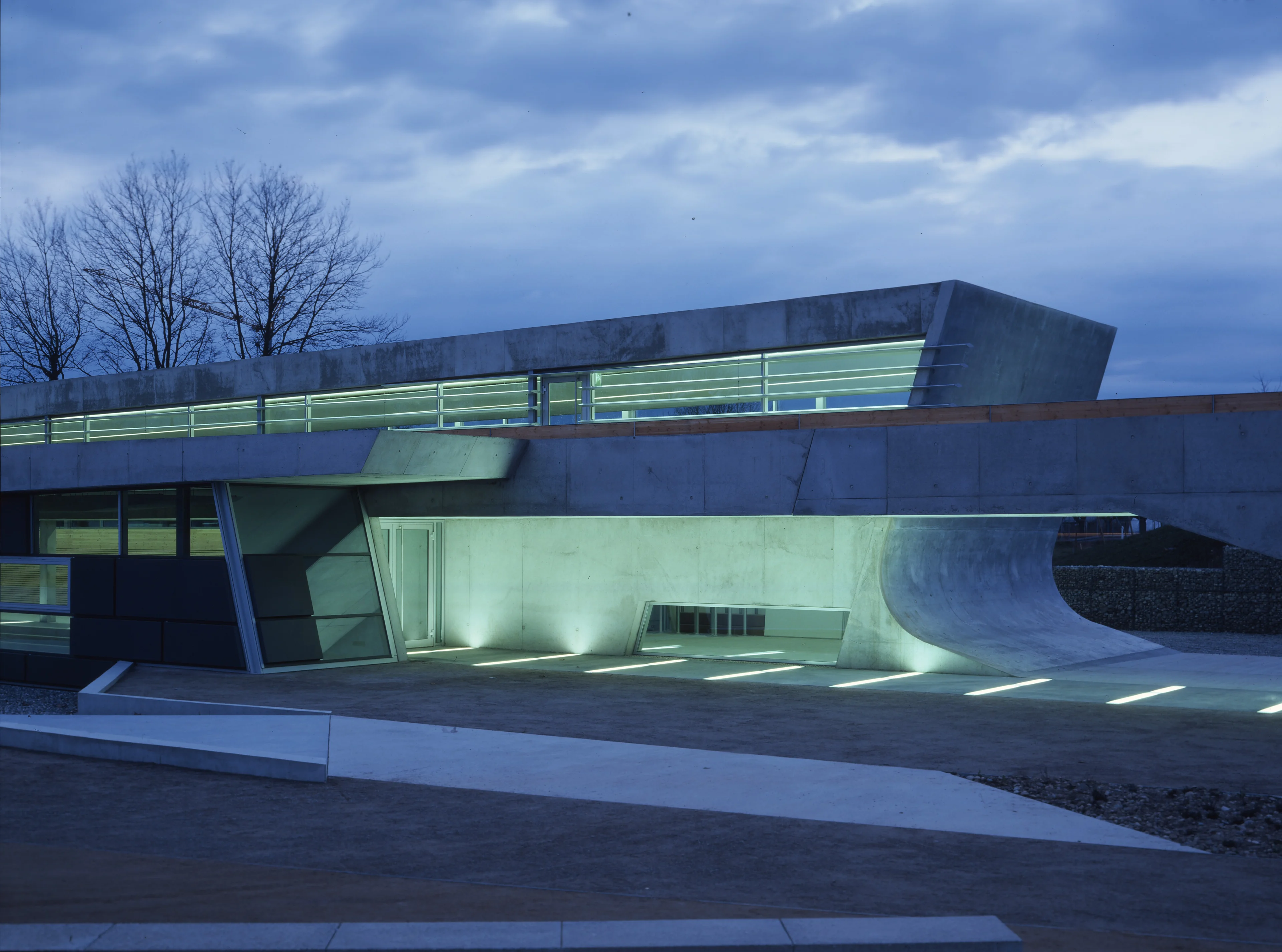
The project is designed to serve as an event and exhibition space for the garden festival in Weil am Rhein 1999. The suggested structure does not sit in the landscape as an isolated object, but emerges from the fluid geometry of the surrounding network of paths.
Photograph by Hufton + Crow
Legacy Mode : December 2013
London Aquatics Centre
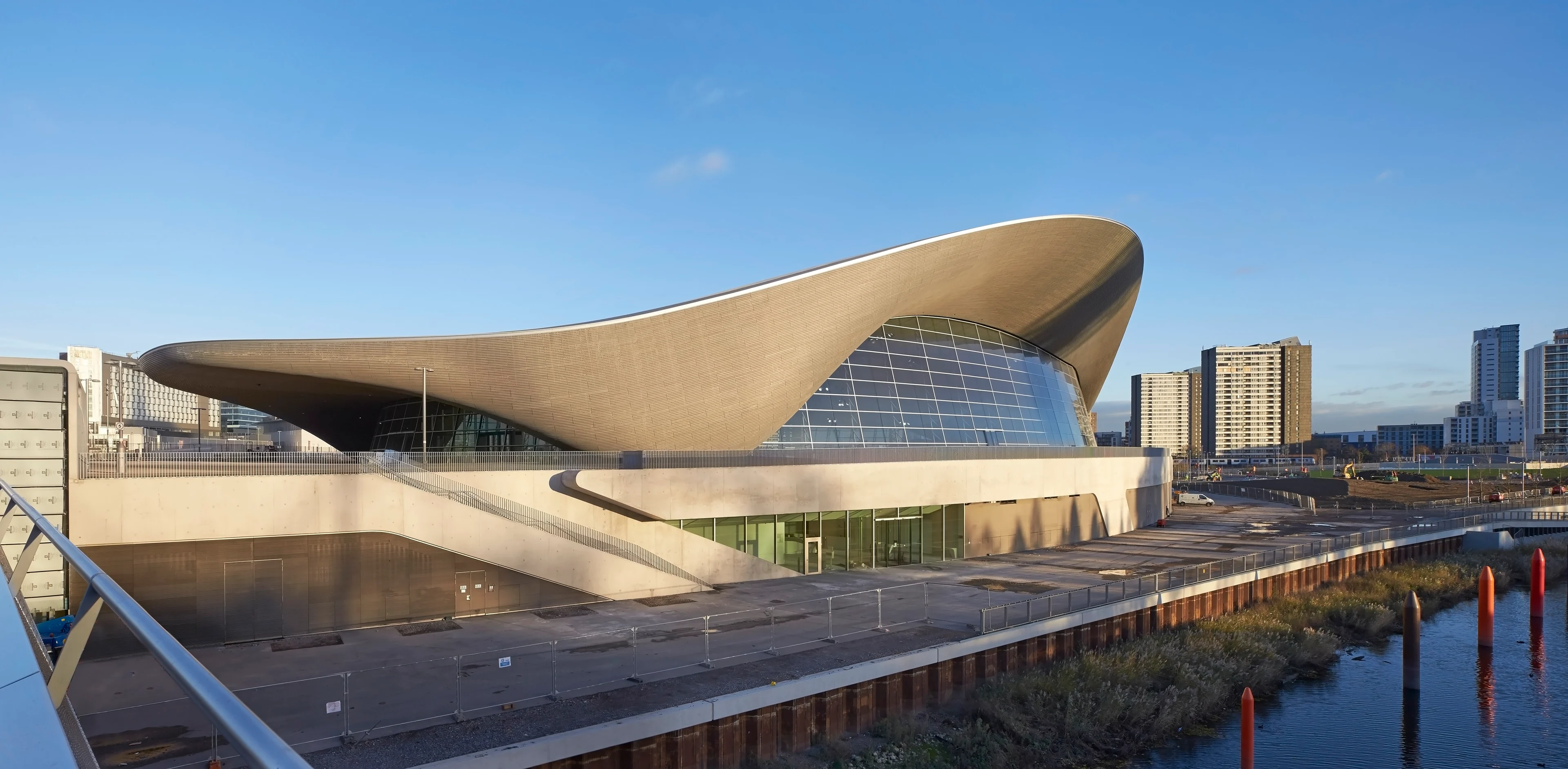
A concept inspired by the fluid geometry of water in motion, creating spaces and a surrounding environment in sympathy with the river landscape of the Olympic Park. An undulating roof sweeps up from the ground as a wave, enclosing the pools of the Centre with its unifying gesture.
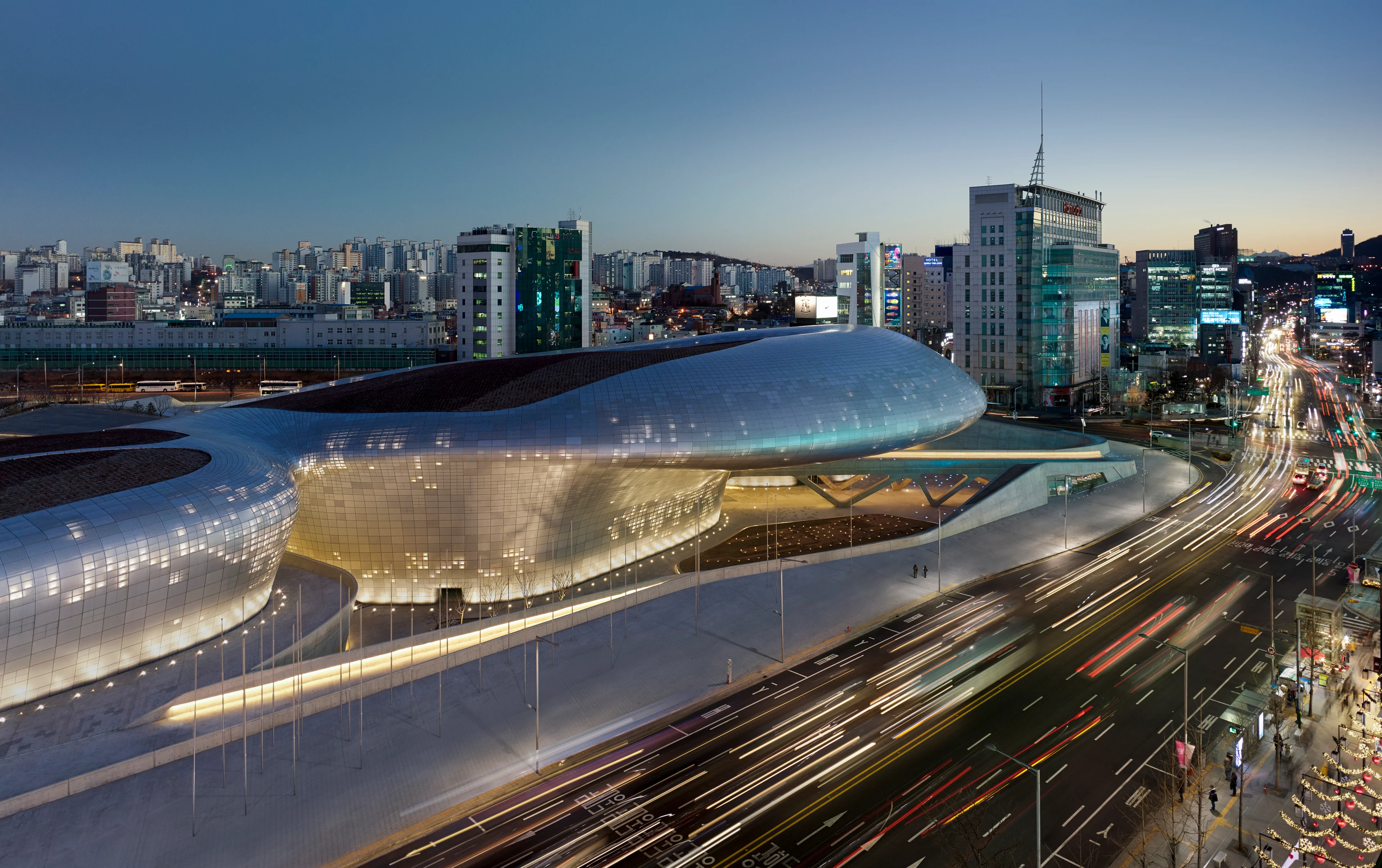
Photograph by Virgile Simon Bertrand
Dongdaemun Design Plaza
The DDP has been designed as a cultural hub at the centre of one of the busiest and most historic districts of the city. It is a place for people of all ages; a catalyst for the instigation and exchange of ideas and a place for new technologies and media to be explored - presenting an ever-changing menu of exhibitions and events that feeds the cultural vitality of the city.
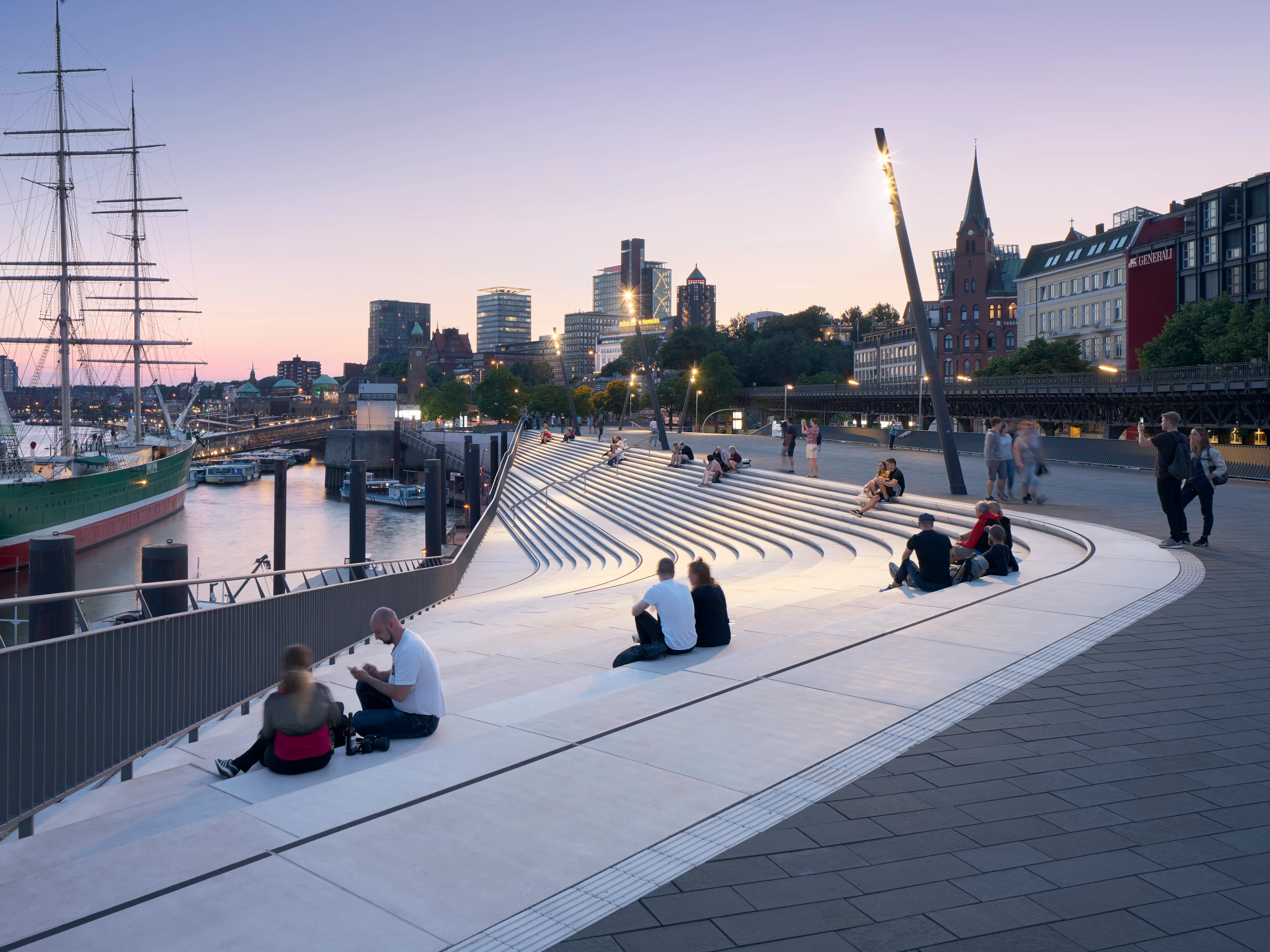
Photograph by Piet Niemann
Niederhafen River Promenade
Located at Niederhafen on the Elbe River between St. Pauli Landungsbrücken and Baumwall in Hamburg, the upgraded 625m river promenade is integral to the modernisation and reinforcement of the city’s flood protection system.
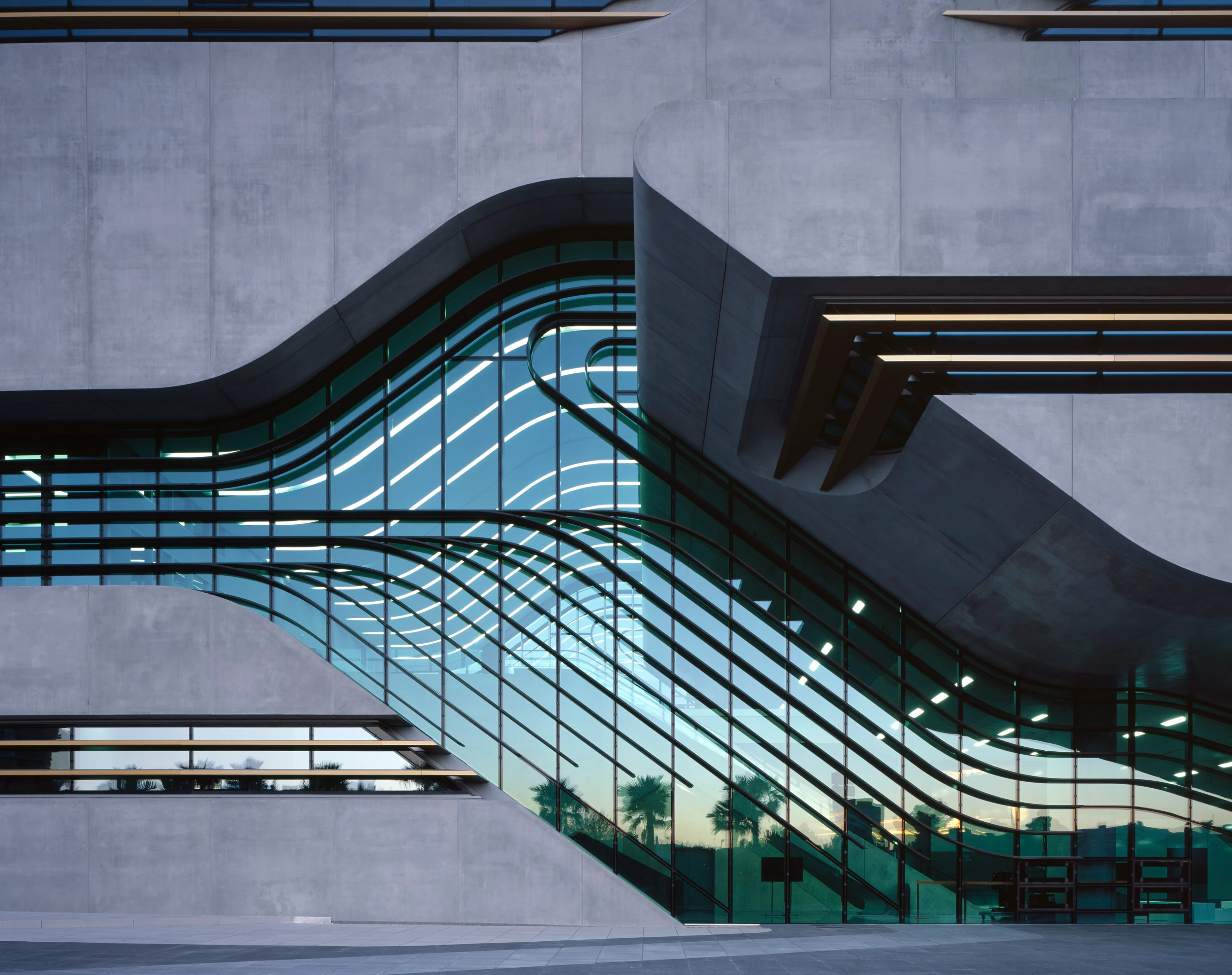
Photograph by Hélène Binet
Set Two
Pierresvives Archive & Library
The Pierresvives building for the department de l’Herault is the unification of three institutions – the archive, the library and the sports department – within a single envelope. These various parts combine to create a building with a strong single identity when viewed at a distance, but as one moves closer, the division into three parts becomes apparent.
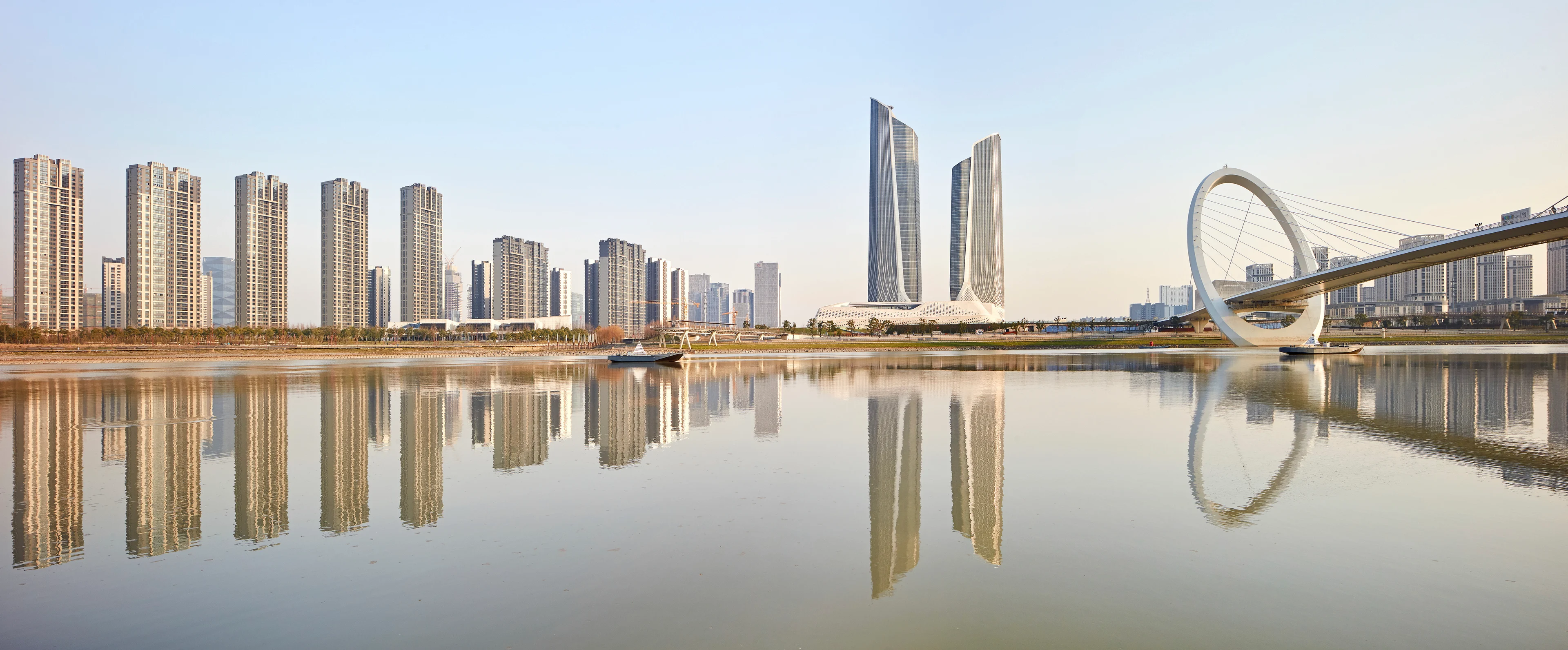
Photograph by Hufton + Crow
Jumeirah Nanjing Hotel & International Youth Cultural Centre
The Nanjing International Youth Cultural Centre harnessed the energy of the 2014 Youth Olympic Games to create a project with a lasting legacy that has enhanced and also regenerated its setting; acting as both an anchor and a catalyst for future investment in Nanjing’s Hexi New Town.
Courtesy of ZHA
Central Bank of Iraq
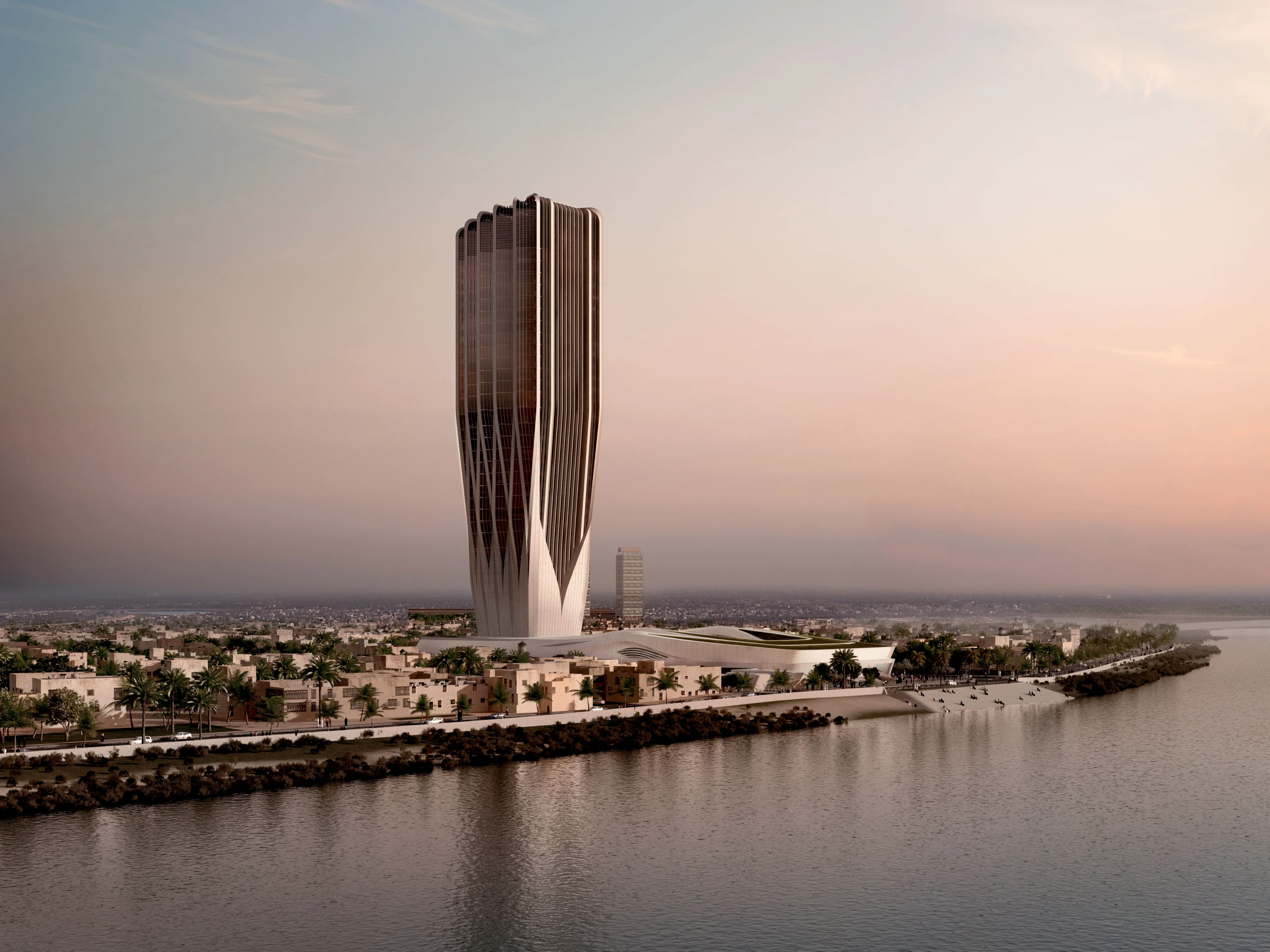
Rising from the sloping banks of the Tigris River in Baghdad, the design for the new headquarters of the Central Bank of Iraq (CBI) conveys the core values at the heart of the institution: Solidity, Stability and Sustainability.
01
02
03
04
05
06
07
08
09
10
11
12
13
14
15