
Mexico City, Mexico
13th December 2018 - 3rd March 2019
Project Correl
Courtesy of ZHA
Project Correl, MUAC, Mexico City 11 Dec 2018 - 3 Mar 2019
Courtesy of ZHA
Project Correl, MUAC, Mexico City 11 Dec 2018 - 3 Mar 2019
Photograph by Julien Loalo
Project Correl, MUAC, Mexico City 11 Dec 2018 - 3 Mar 2019
Courtesy of ZHA
Project Correl, MUAC, Mexico City 11 Dec 2018 - 3 Mar 2019
01
02
03
04
A collaborative experiment in multi-presence virtual reality
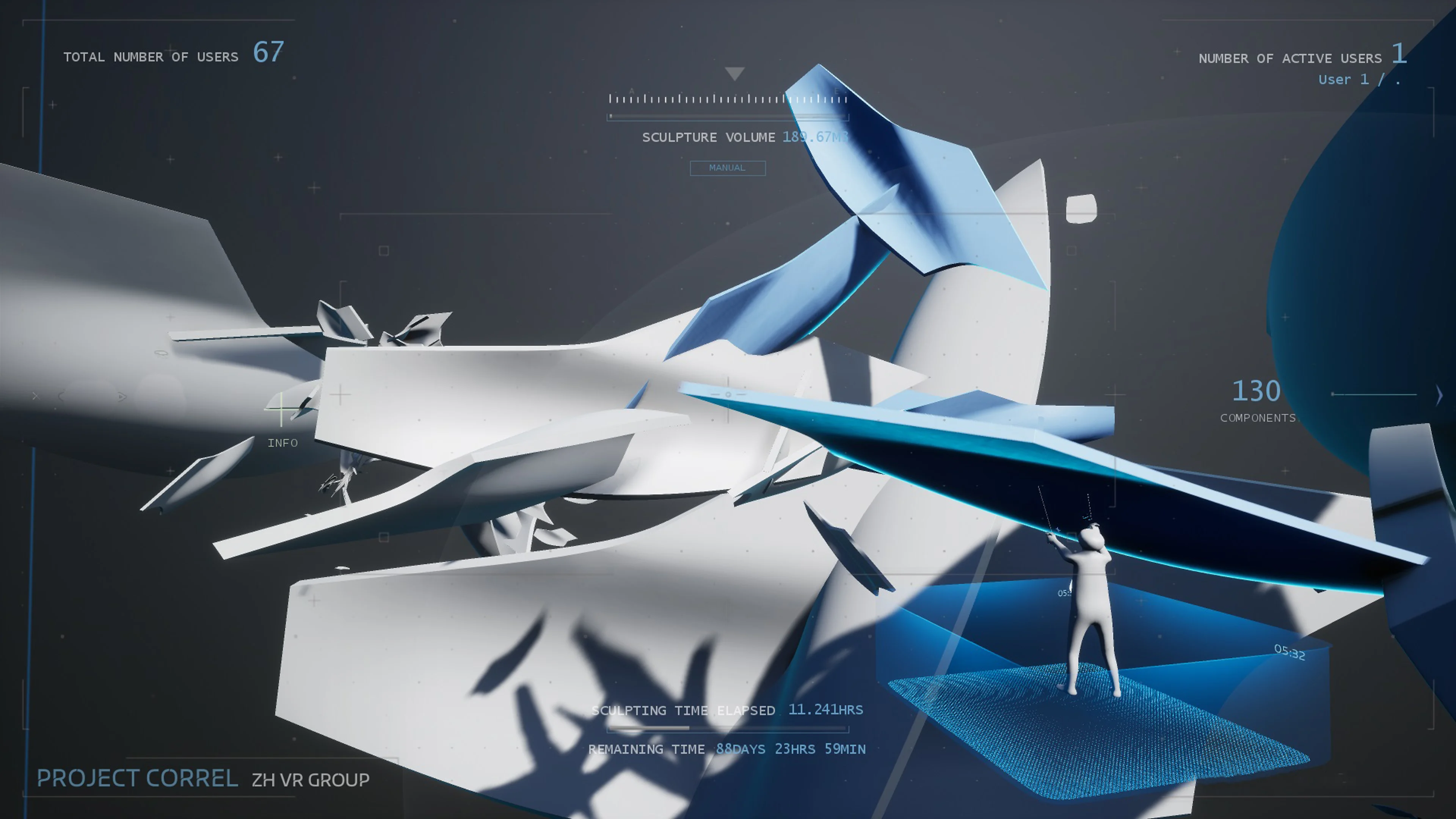
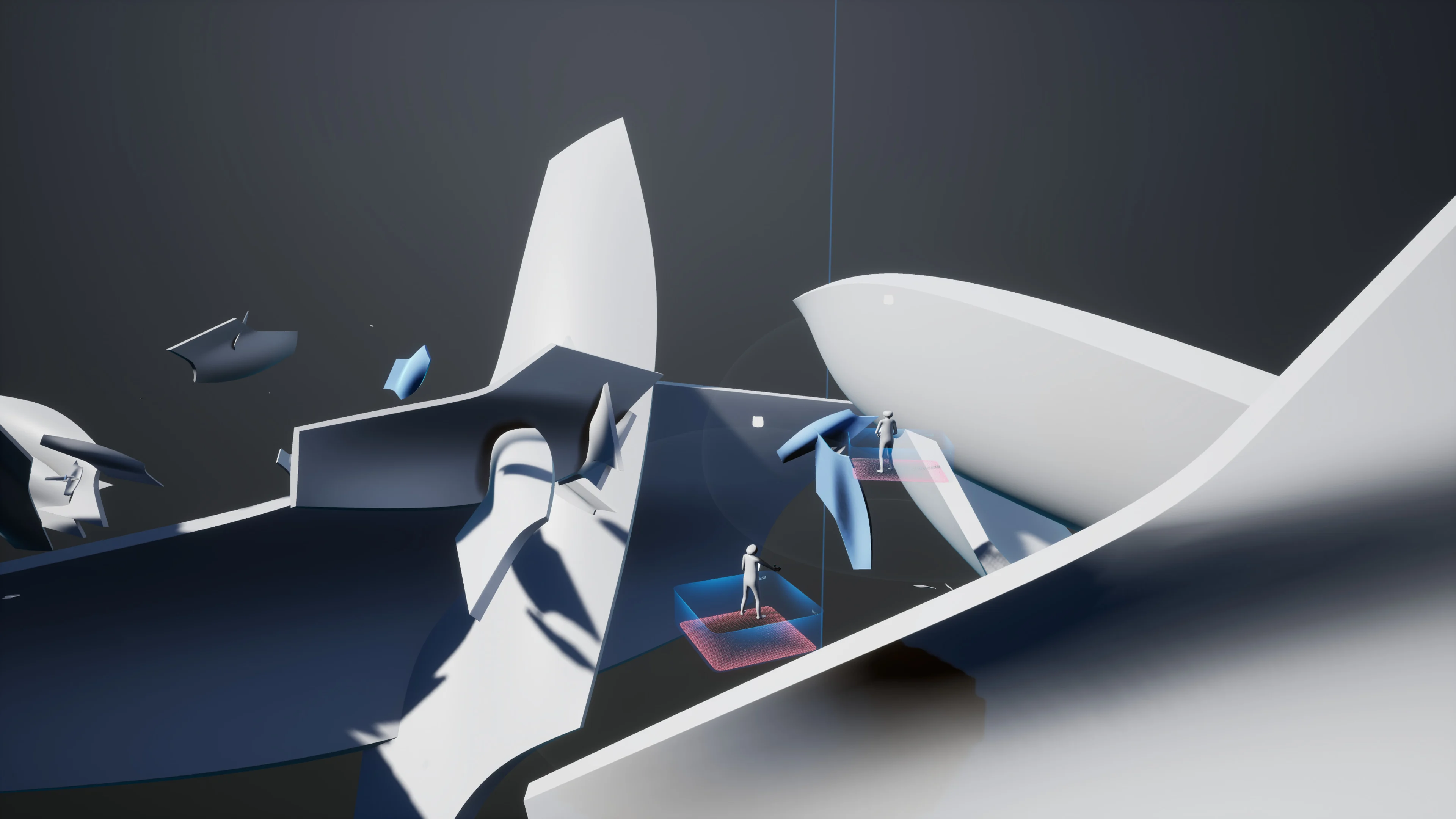
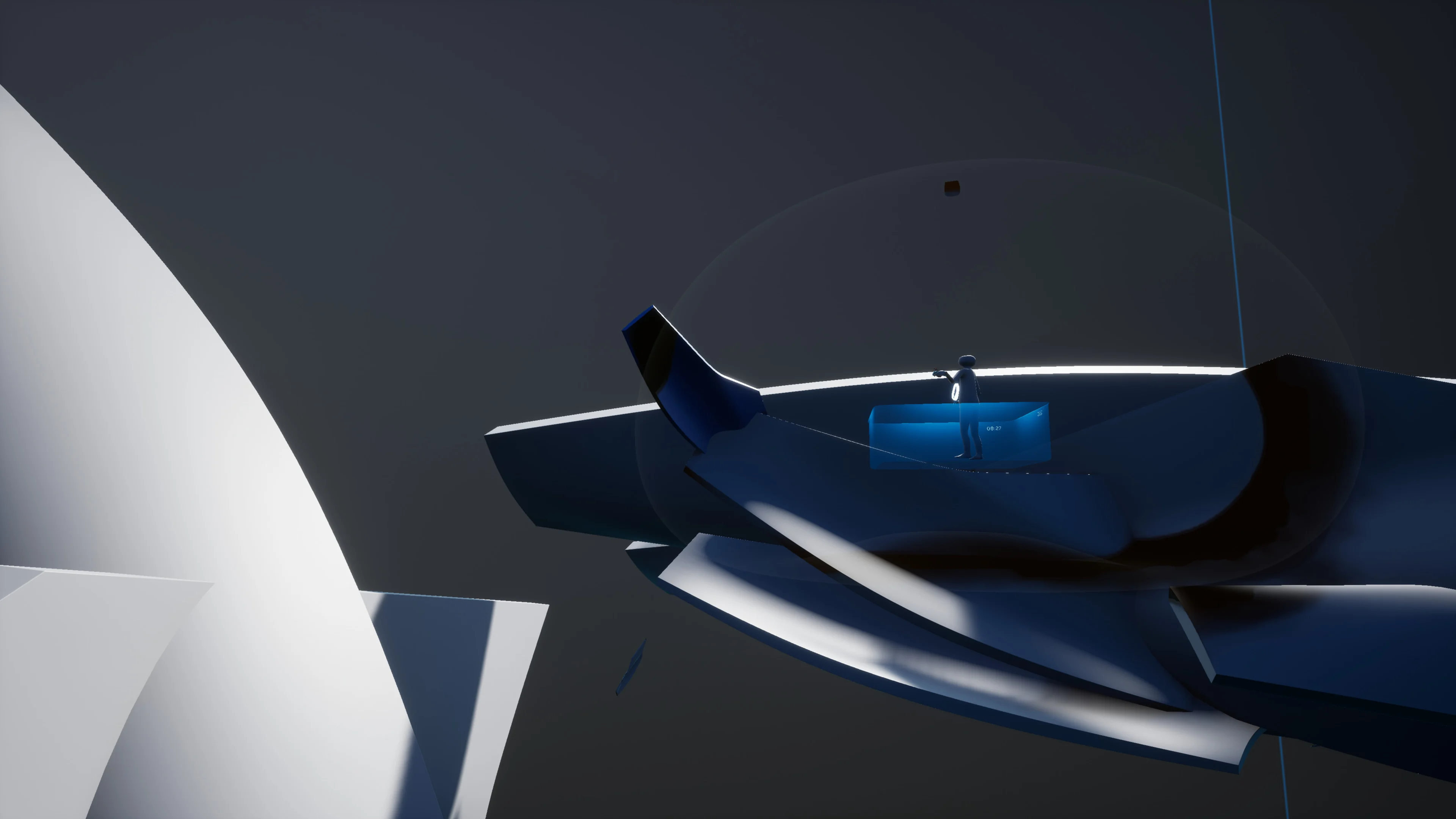
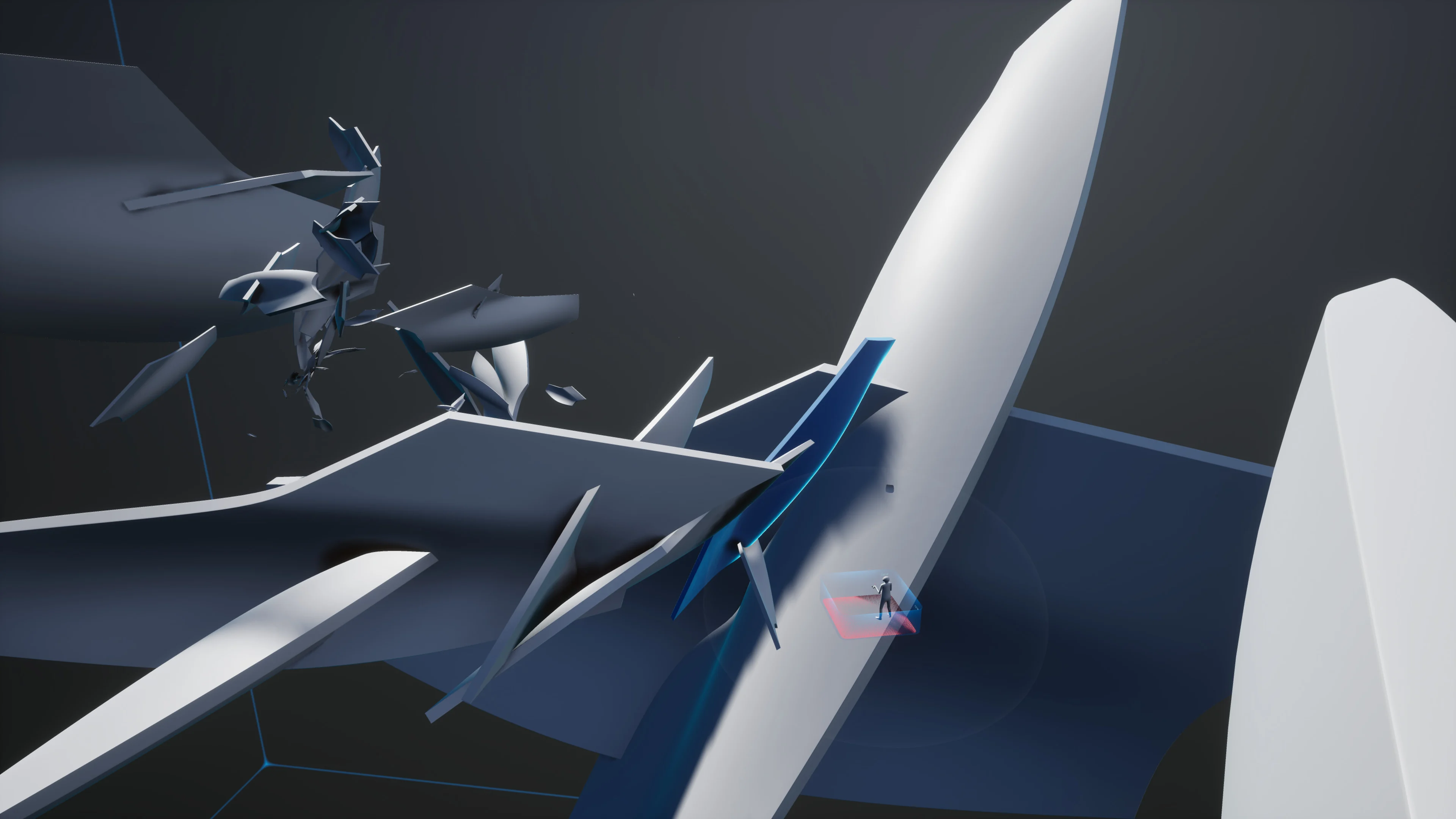
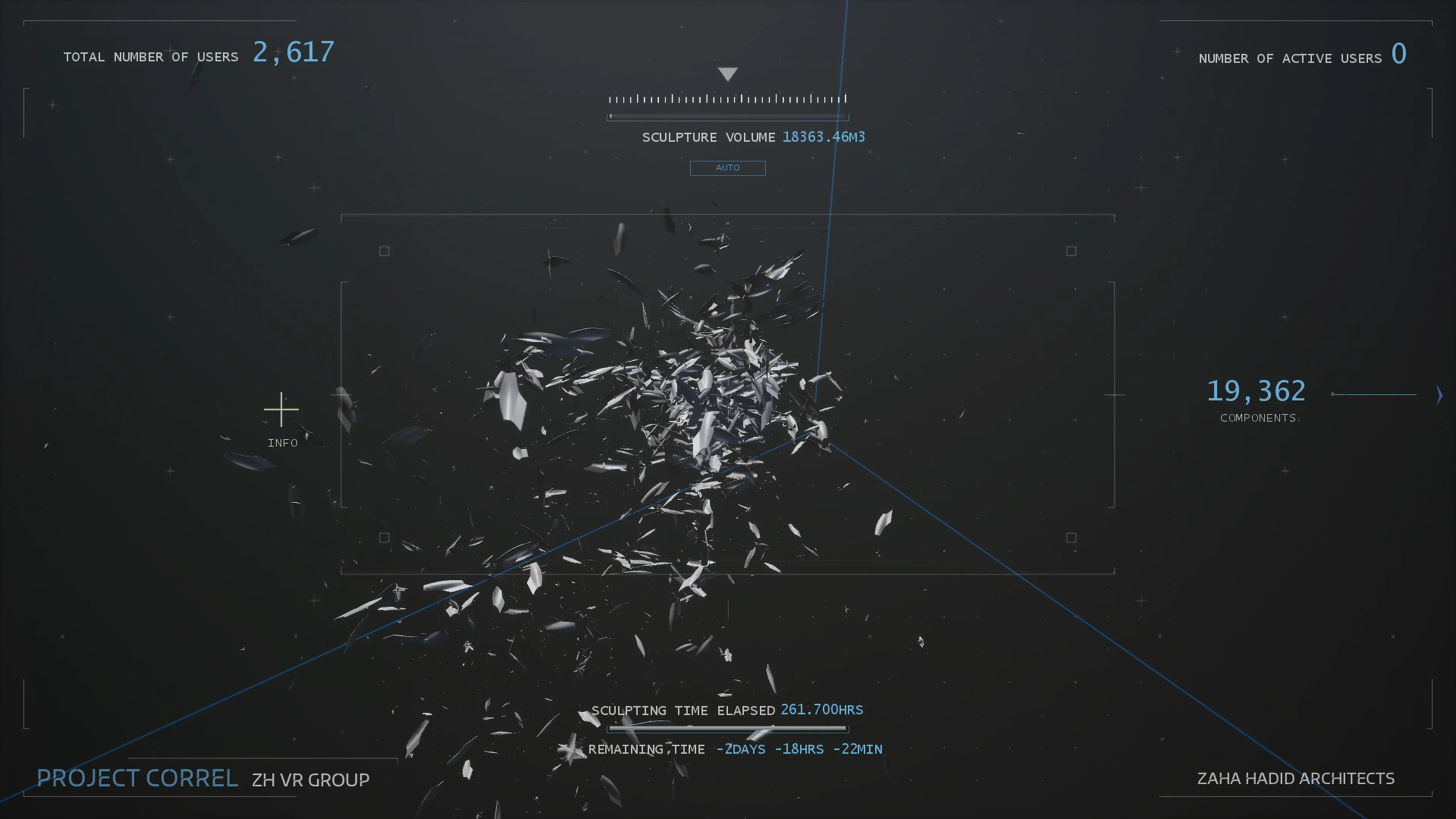
Project Correl is a collaborative experiment in multi-presence virtual reality (VR) illustrating the development of complex assemblies inside virtual space. A shared, digital extension to our physical reality that proposes a dynamic new relationship between human creators and machine logic. Powered by Unreal Engine, Project Correl demonstrates the possibilities of emerging immersive technology in architecture.
Founded in 2014, ZHVR Group is working to shape immersive VR technology for architectural design, including real-time modelling and visualisation tools.
ZHVR Group is focussed on the production of VR as a design tool and researching the potential of specific technologies that can enhance the architectural design process.
Partnering with leaders in the development of immersive software and hardware technologies: Unreal Studio, HP Virtual Reality Solutions, NVIDIA and HTC VIVE, ZHVR Group combined room scale tracking with high powered graphics capabilities to develop Project Correl for ZHA ‘Design As Second Nature’ exhibition at the University Contemporary Art Museum (MUAC) in Mexico City.
Visitors experience scale and digitally augmented design to collectively build a virtual structure
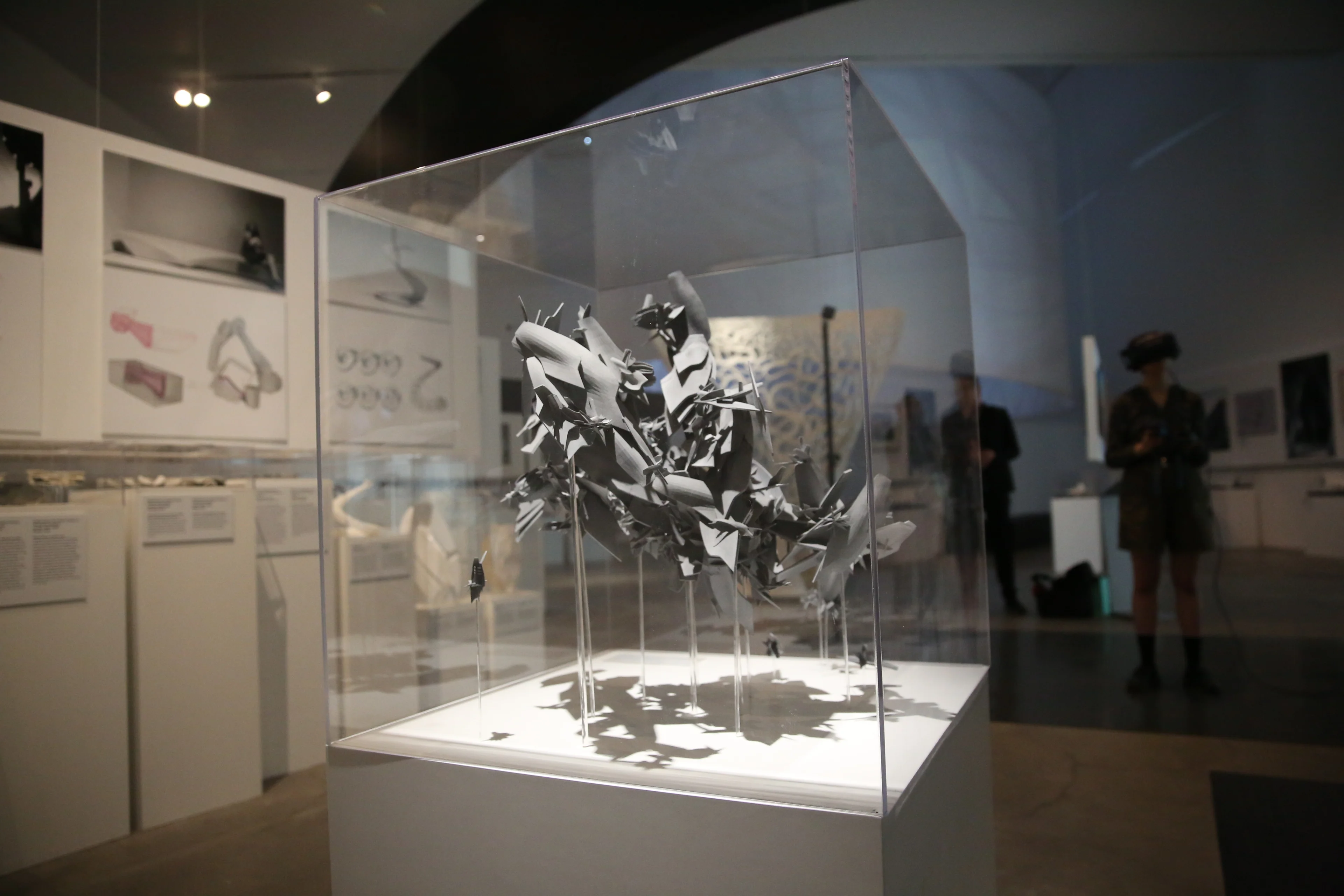
Project Correl invites visitors to the exhibition to collaborate in real-time, experiencing scale and digitally augmented design to collectively build a virtual structure that will grow over the coming months. Progressive iterations of this digital structure will be captured and exhibited in the gallery as scaled 3D-printed models.
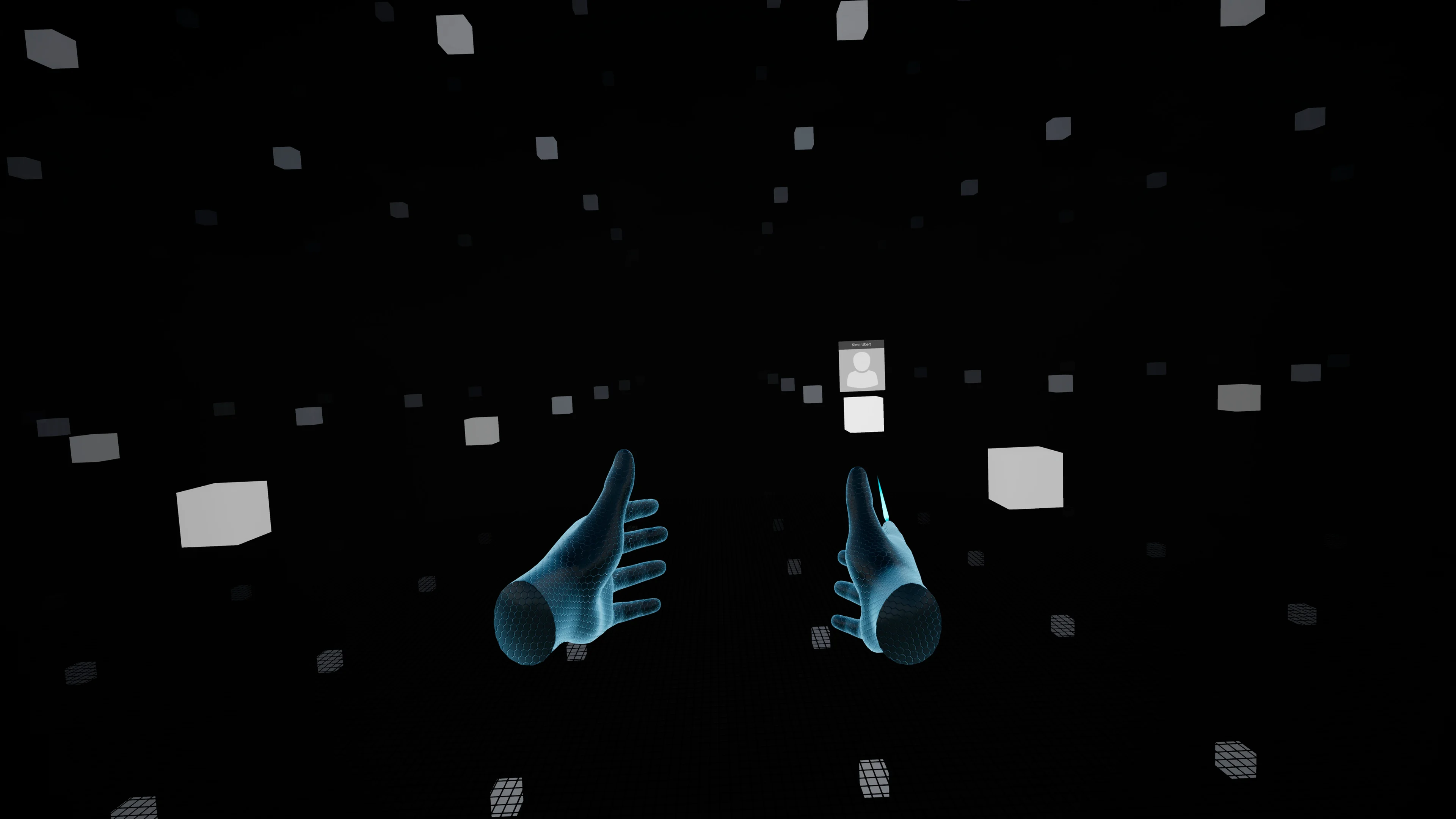
Visitors will be immersed in the virtual environment with up to three others at the same time, moving freely in digital space to select, scale and place components according to their preference and a dynamic set of rules assigned to act depending on the chosen scale of the component. "This is possible thanks to Unreal Studio, the free real-time technology that helps architects visualize our most creative ideas," explains Helmut Kinzler, head of ZHVR Group.
While the virtual construction components and the guiding principles informing the placement algorithms have been designed by ZHA, the scale of the components and their position of placement is entirely up to the visitor.

Research
Virtual Reality
Collaborating with leading hardware and software developers, ZHVR Group focuses on producing and implementing VR design tools, platforms, and applications for design teams and clients; researching VR’s aesthetic potential and ability to enhance architectural design; and engaging with the public to promote understanding of VR’s broader cultural role.
A collective memory defined by principles
Individually placed components will soon disappear from the VR space unless they are connected with others to form a cluster. The more components connected together within any cluster, the longer it will exist in the VR space. Every cluster or component connected directly to the primary structure within the virtual space will remain as a permanent element of the design.
The emerging virtual structure created from the accumulated placement of components acts as a collective memory and is defined by principles that echo systems of growth evident in the natural world, an on-going sector of research by ZHA.
Project Correl presents visitors to ZHA ‘Design As Second Nature’ exhibition at MUAC with a real-time VR experience demonstrating the remarkable possibilities immersive technologies will offer architects to collaborate and design in augmented reality.
Virtual Spaces
Explore more of our virtual spaces
Our pioneering research and development into the world of virtual spaces is rapidly expanding the horizons of our practice.
Courtesy of ZHVR Group + Halina Rice
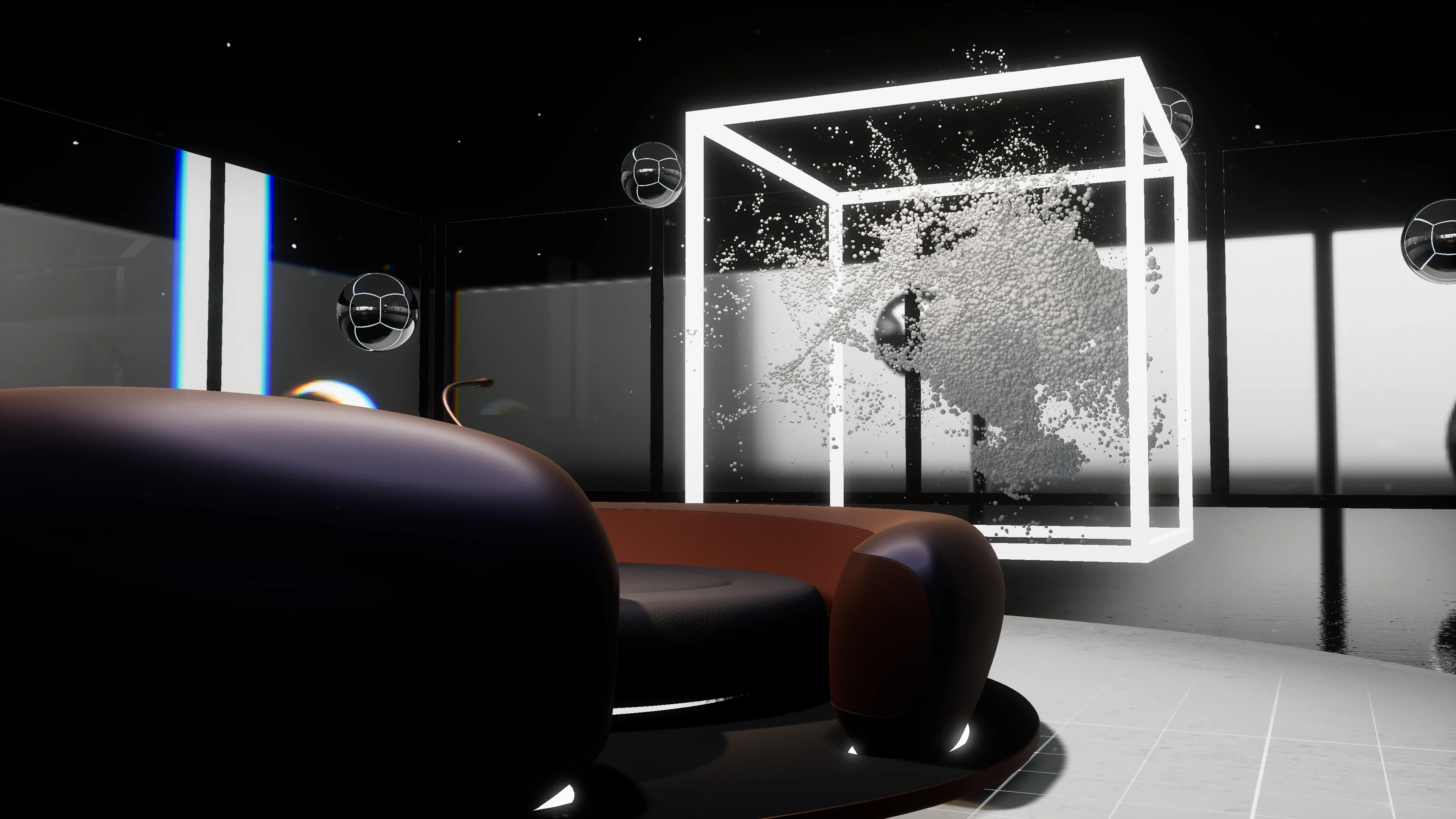
ZHVR LOOP NEW WORLDS
Virtual Spaces
NEW WORLDS: Mixed-Reality Experience
L-Acoustics develops immersive sound technologies for state-of-the-art auditoria and sensory environments. The unrivalled sonic signature and advanced L-ISA Immersive Hyperreal Sound technology deliver ultra-high resolution spatial audio.
Courtesy of ZHA
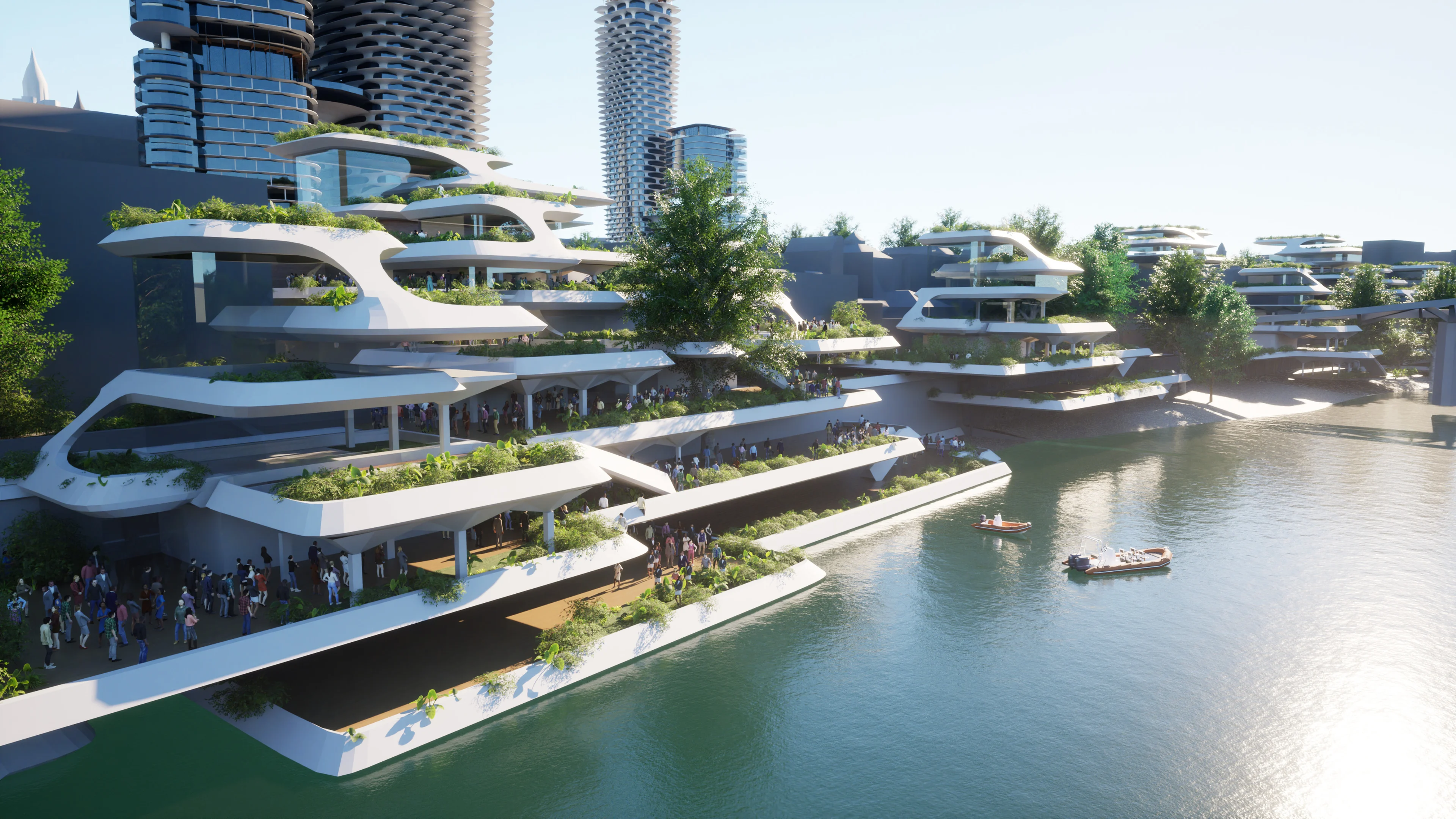
Making of / Conceptual / Thames Waterfront and Embankments Concept render
Virtual Spaces
Re:Imagine London
Re:Imagine London is a creative experience played in Fortnite, one of the world’s most popular video games. Using Epic Games’ Unreal Editor for Fortnite (UEFN), Re:Imagine London has been jointly developed by ZHA and Epic Games to research the use of UEFN for practical applications in architecture and to pool creator talent across industries including architecture, landscape, and interiors.

Virtual Spaces
Metrotopia Metaverse
The Metrotopia Metaverse launched with a virtual Venice Architecture Biennale exhibition entitled ‘Knowledge Transfer’ displaying current works from some of the world’s leading architecture studios including OMA, Morphosis, Coop Himmelb(l)au, UnStudio, MAD, Sou Fujimoto, Archi-Union, LAVA, CAP, EcoLogic Studio and ZHA.
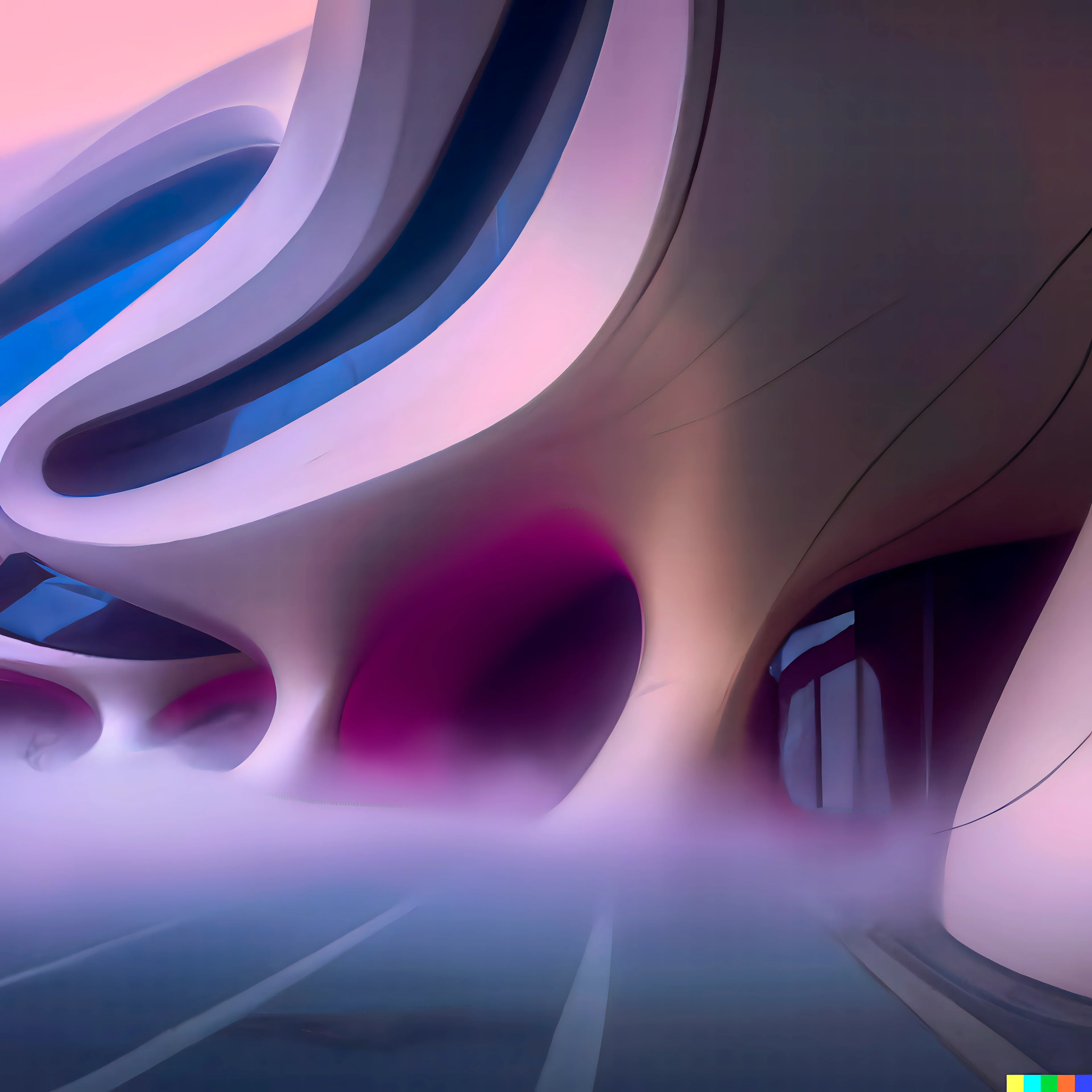
Image © ZHA, Refik Anadol Studio, with OpenAI DALL-E 2
Virtual Spaces
Installations + Pavilions
Exhibitions
'Architecting the Metaverse'
Architecting the Metaverse’ is an immersive art project at the intersection of architecture, art, technology, and artificial intelligence (AI). It is the result of a 6-month collaboration between Refik Anadol Studio (RAS) and ZHA.
Medical Centre for PUBG Mobile
Virtual Spaces
Medical Centre for PUBG Mobile
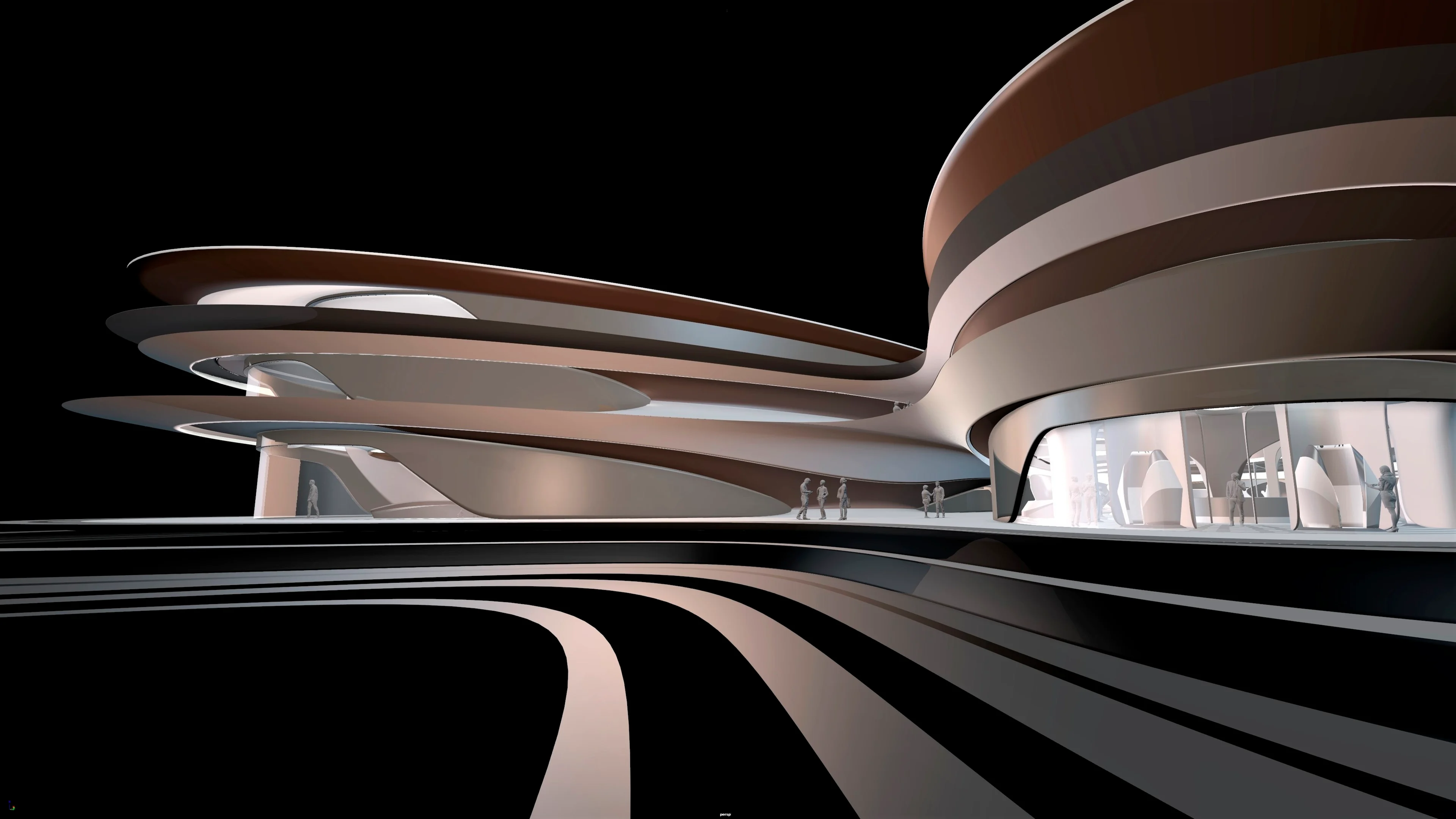
ZHA's partnership with PUBG MOBILE has evolved from our ongoing research in to user-experience (UX) focussed design, new technologies of spatial design, novel media of spatial experience, and inter-disciplinary collaboration.
Animation (Still) by Zaha Hadid
'NFTism' at Art Basel Miami Beach 2-4 December 2021
Virtual Spaces
'NFTism' at Art Basel Miami Beach
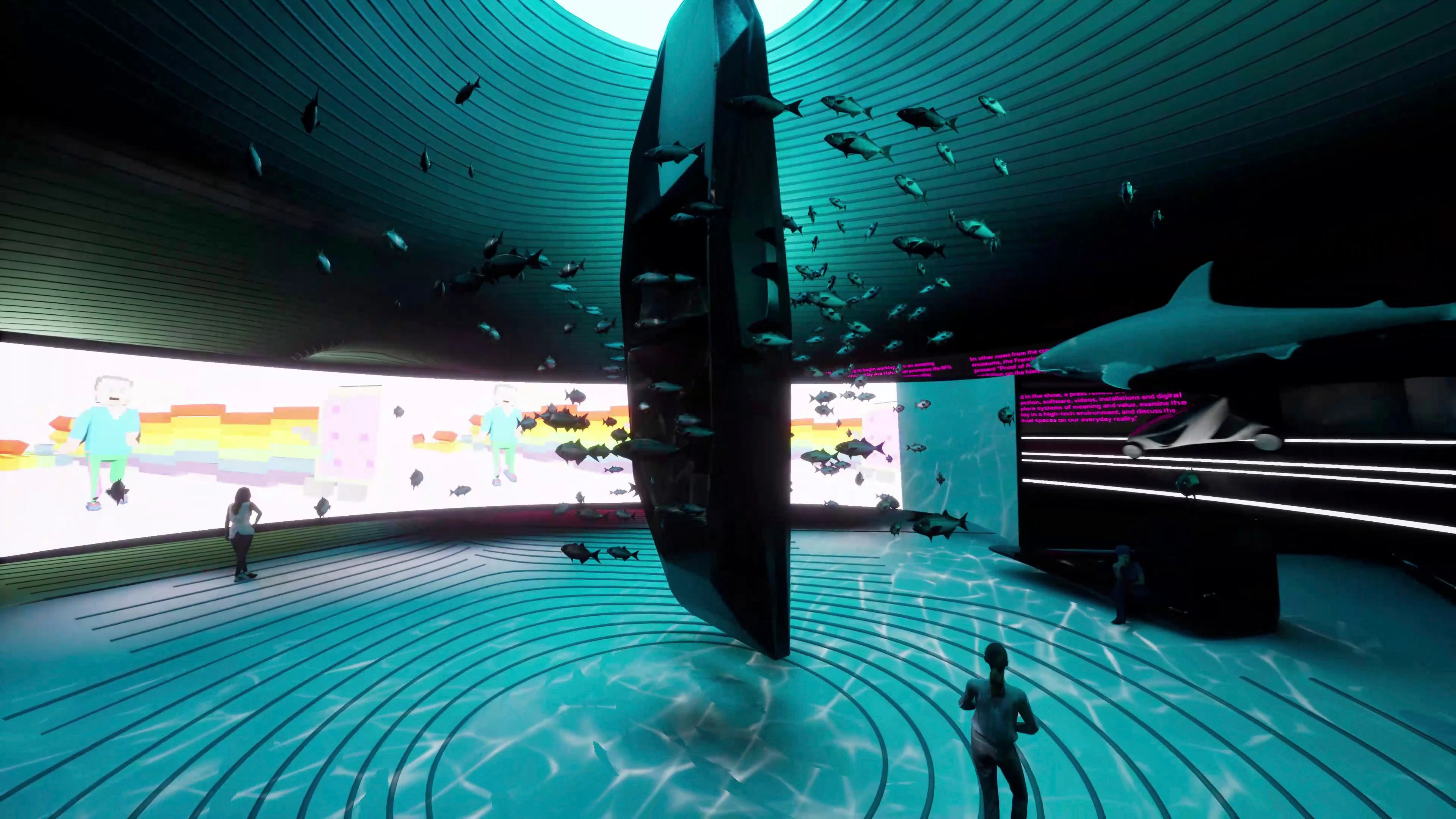
Presented at Art Basel Miami Beach, ‘NFTism’ is a virtual gallery exploring architecture and social interaction in the metaverse.
01
02
03
04
05
06