
Director
Dip Arch, MSc, DIC, MIEEE, FRAeS, FRSA, AIA
London, UK
Cristiano Ceccato
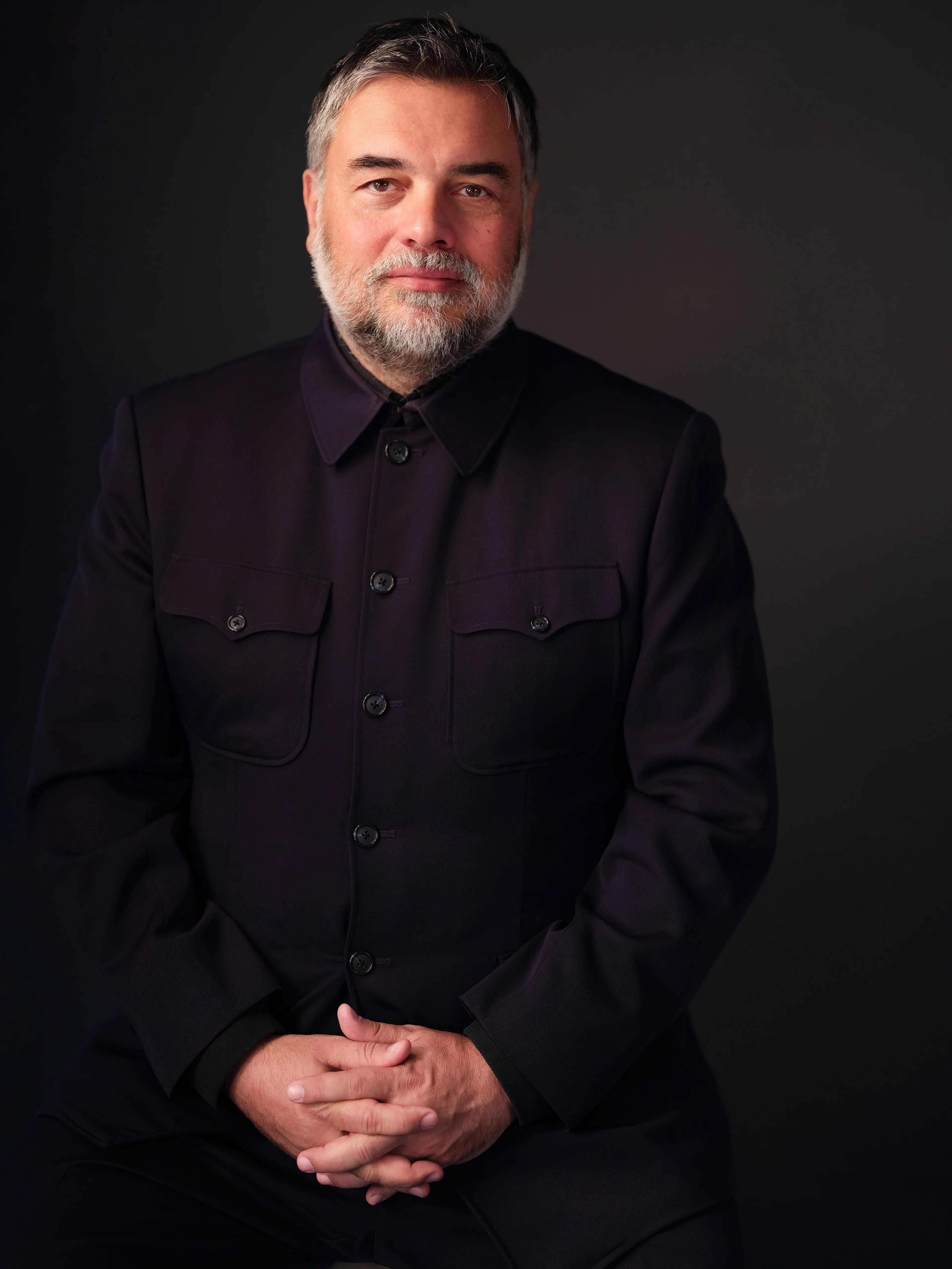
Photograph by Frederic Aranda ©
About Cristiano
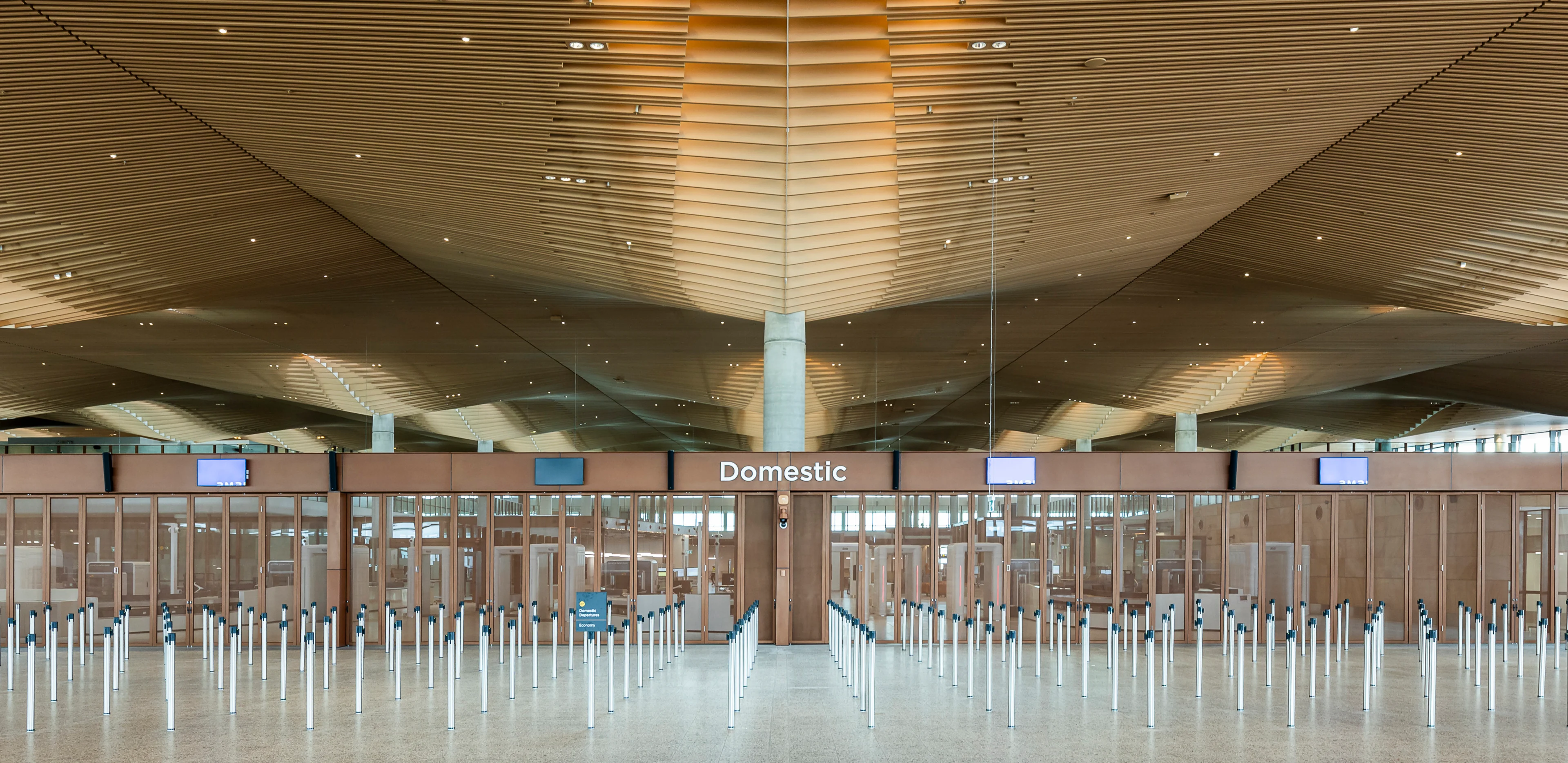
Courtesy of Multiplex
Profile
Trained in both architecture and computer science, Cristiano specialises in developing design solutions for complex forms using parametric technologies and computational design tools. At ZHA, he focuses on geometric rationalisation, constructability resolutions for structure and envelope systems, and project governance through Building Information Modelling (BIM), delivering ambitious and environmentally performative architecture around the world.
Prior to joining ZHA in 2008, Cristiano worked for almost a decade at Gehry Partners in Los Angeles, where he pioneered the use of parametric design tools and integrated modelling principles and digital construction methods on a wide range of design projects at all stages of development. As a Co-founder and Director of Research & Consulting of Gehry Technologies, he led professional consulting services and technology transfer projects such as the 2008 Olympic Stadium in Beijing with Herzog & de Meuron and ARUP, the Swire One Island East Tower in Hong Kong, and cross-disciplinary research with Boeing.
Featured Projects
Key Projects
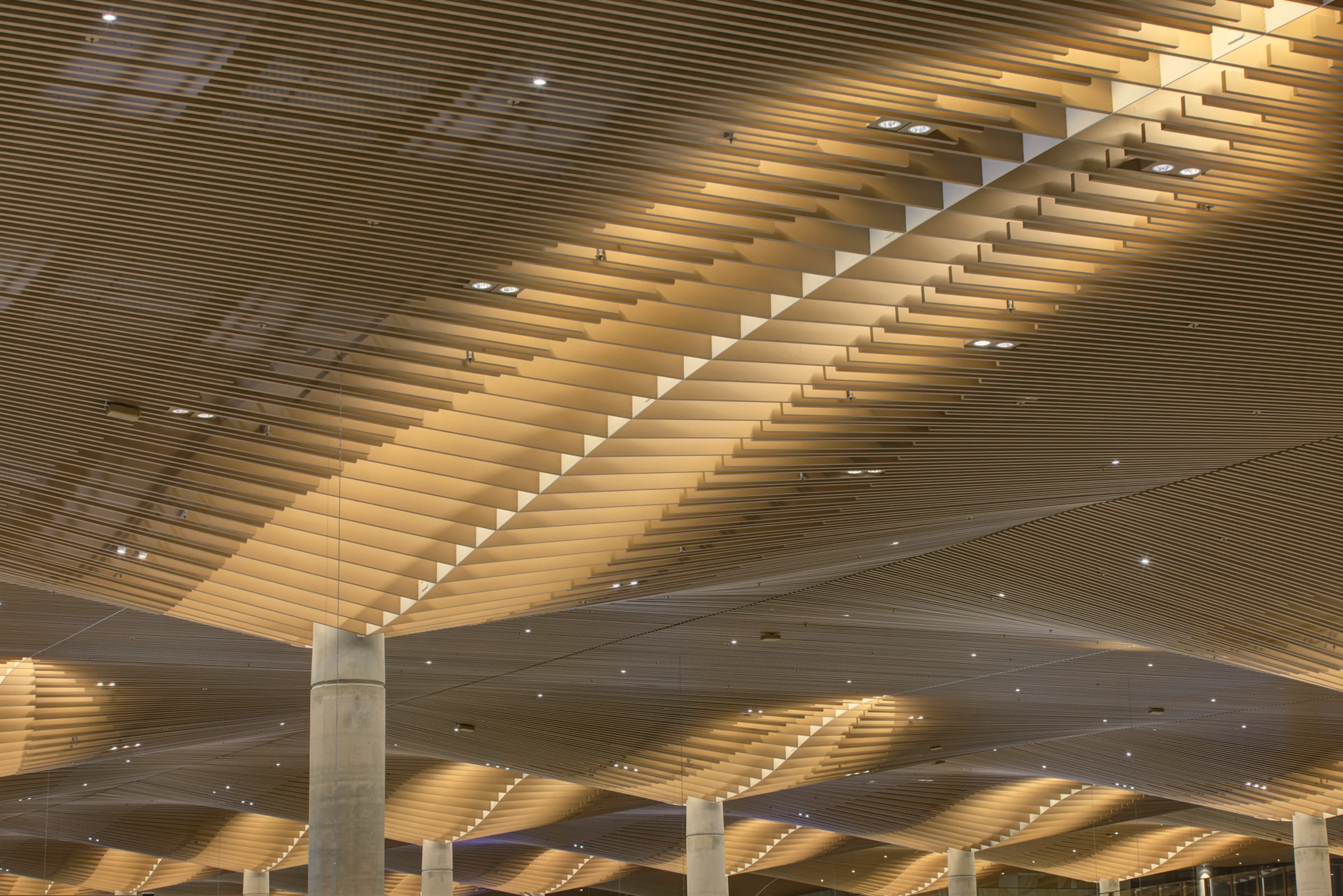
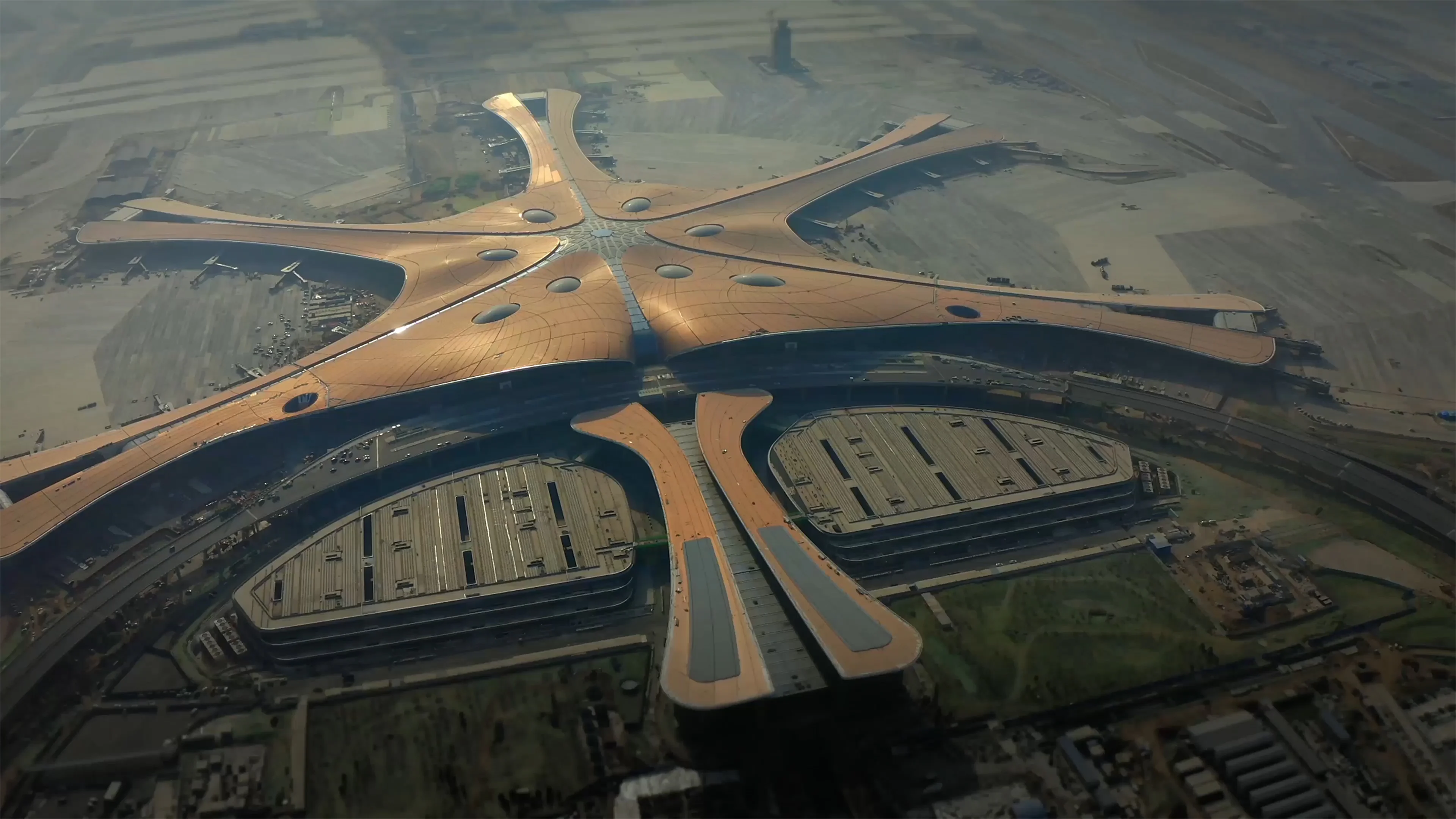
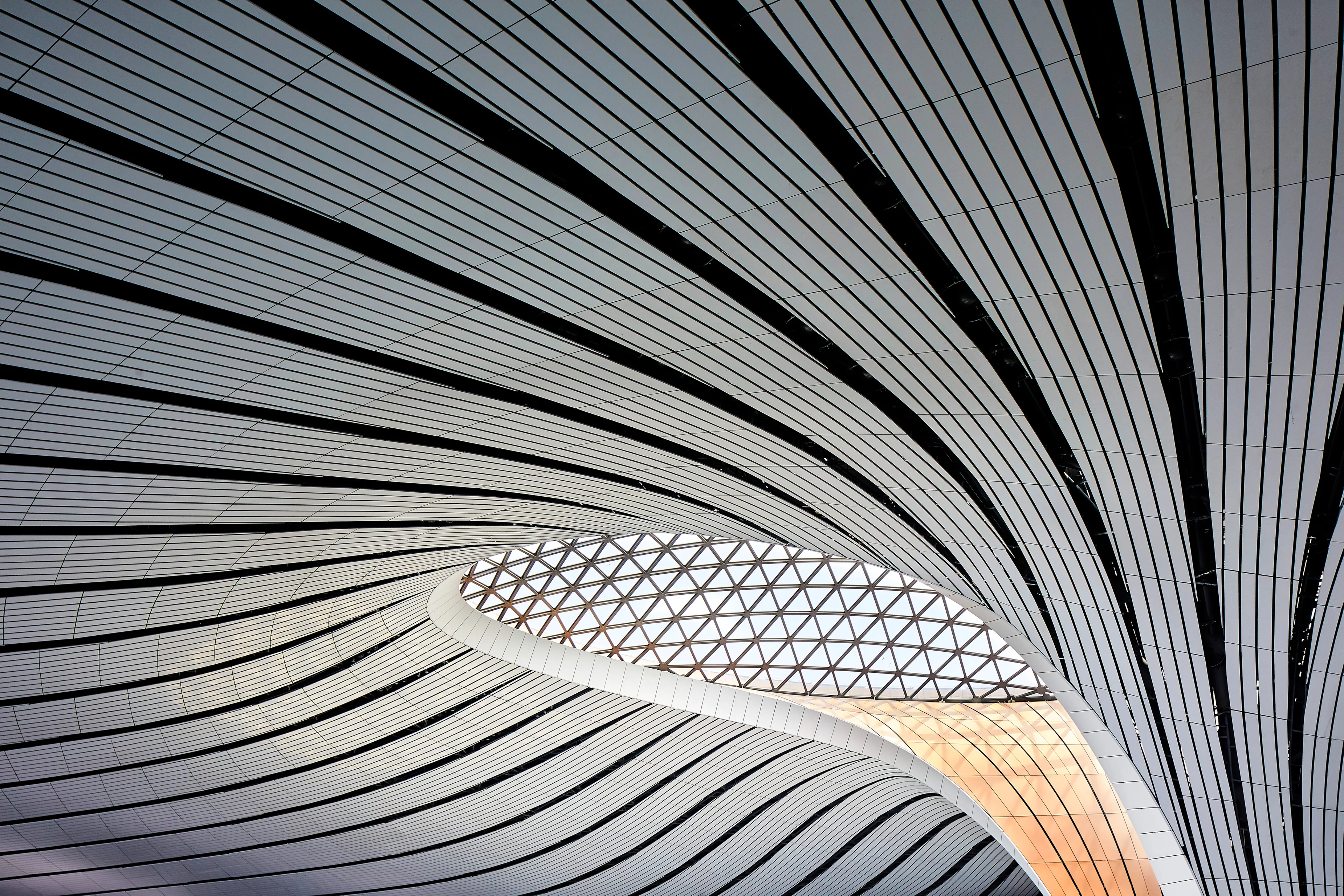
From an international airport developed to alleviate congestion at the capital's existing airport, in Beijing, to an airport that incorporates sustainable design principles across the building's architecture and construction principles, discover highlights of Cristiano's notable aviation projects at ZHA.
Photograph by Hufton + Crow
Education & Teaching
Cristiano completed his Diploma in Architecture from the Architectural Association (AA) in London and his Master of Science in Computer Science and Technology from Imperial College London. He has taught as an Assistant Professor at Hong Kong Polytechnic University, as a visiting professor at Queensland University of Technology in Australia, and as a lecturer at the Southern California Institute of Architecture (Sci-ARC) in the US. He is a Fellow of the Royal Society of Arts and the Royal Aeronautical Society, where he sits on the Air Transport Specialist Group board.
Cristiano’s upbringing across multiple countries and his decade-long stay in Los Angeles have given him a unique perspective on cultural diversity and collaboration. He is passionate about airport projects and their profound impact on people’s lives.
Projects
Selected Projects
Explore a selection of projects Cristiano has contributed to since joining ZHA.
Render by X-Universe
Transport + Infrastructure
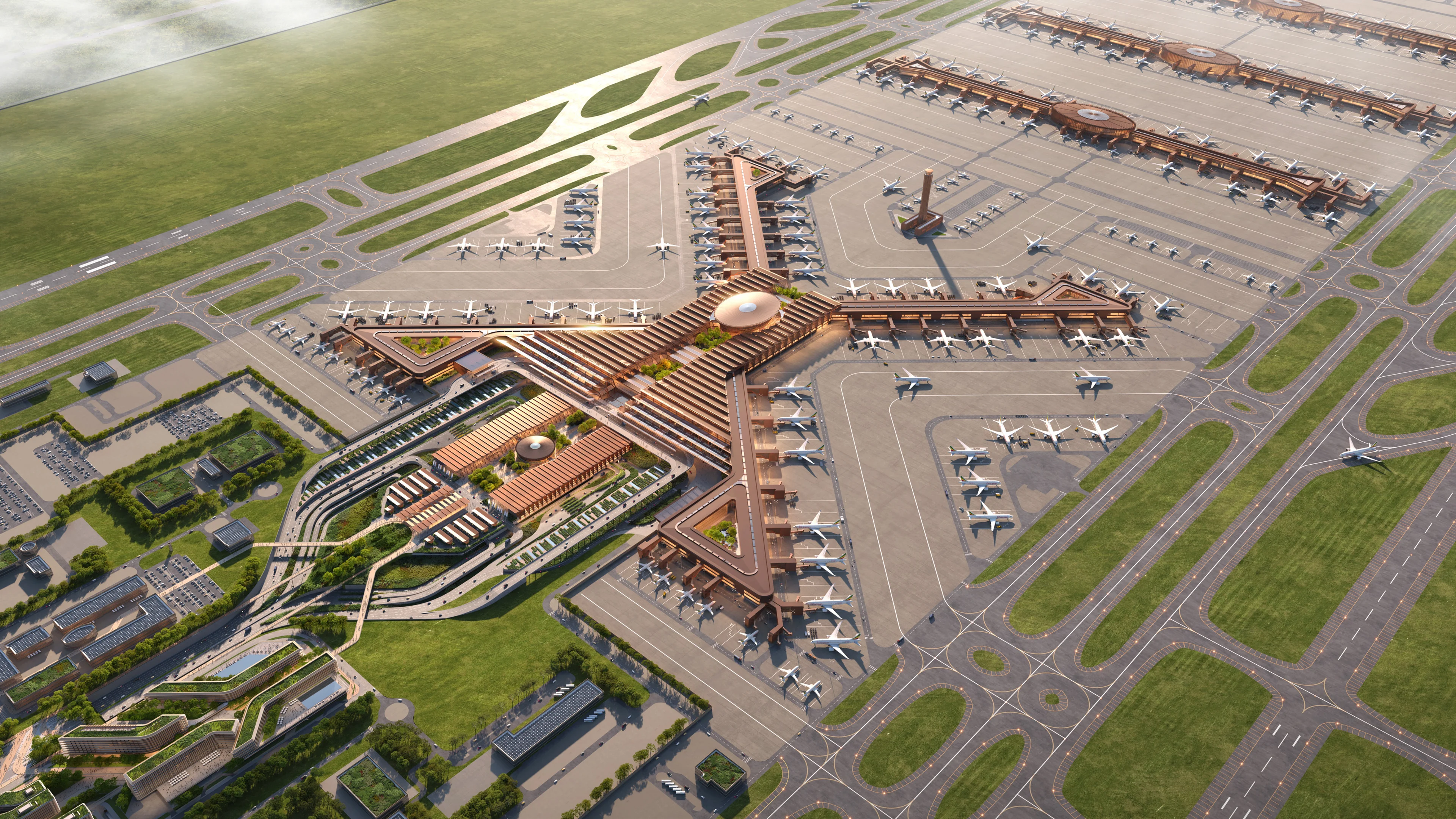
Bishoftu International Airport
Phase One of the new Bishoftu International Airport (BIA) will serve 60 million passengers a year. Further phases will serve up to 110 million passengers annually with four runways and parking for 270 aircraft.
Photograph by Hufton + Crow
Transport + Infrastructure
Beijing Daxing International Airport
Beijing Daxing International Airport is a new airport in the Daxing district 46km south of the city centre (20 minutes by express train).
Photograph by Brett Boardman Photography
Transport + Infrastructure
Western Sydney International Airport
ZHA and Cox Architecture have won the international design competition for the new Western Sydney Airport (WSA) and been appointed as Master Architect for the project. The ZHA/COX team was selected from a broad field of forty national and international applicants that was narrowed to five selected design competitors.
Courtesy of ZHA, render by VA-render
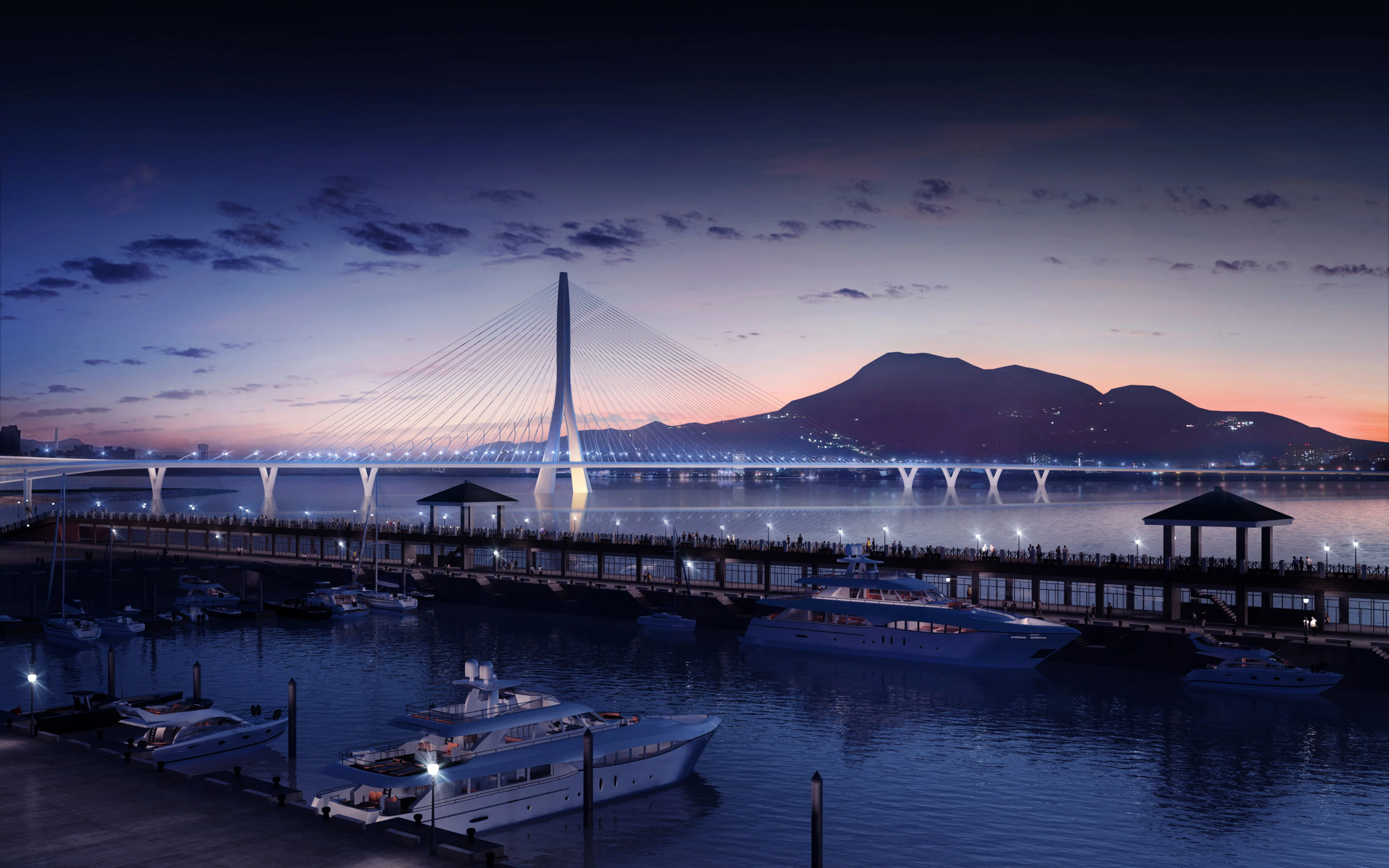
Danjiang Bridge by Zaha Hadid Architects, render by VisualArch
Transport + Infrastructure
Danjiang Bridge
Spanning the mouth of the Tamsui River that flows through Taipei, the Danjiang Bridge is integral to the infrastructure upgrading program of northern Taiwan. The new bridge will reduce through-traffic on congested local roads by linking Highway 2 on the river’s eastern side with Highway 15, the West Coast Expressway (Route 61) and the Bali-Xindian Expressway (Route 64) on the western side.
Photograph by Hufton + Crow
Civic
Mixed Use
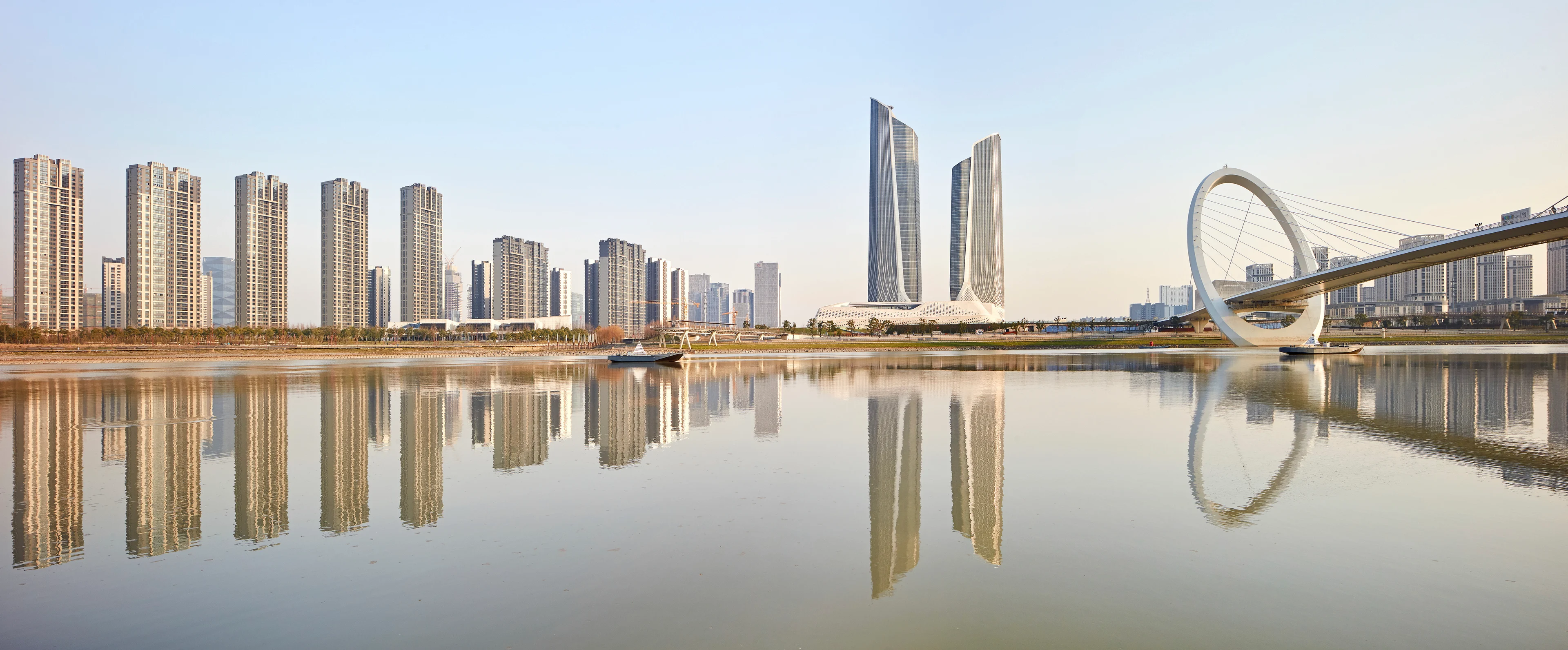
Jumeirah Nanjing Hotel & International Youth Cultural Centre
The Nanjing International Youth Cultural Centre harnessed the energy of the 2014 Youth Olympic Games to create a project with a lasting legacy that has enhanced and also regenerated its setting; acting as both an anchor and a catalyst for future investment in Nanjing’s Hexi New Town.
Courtesy of Soho China, photograph by Jerry Yin
Offices
Mixed Use
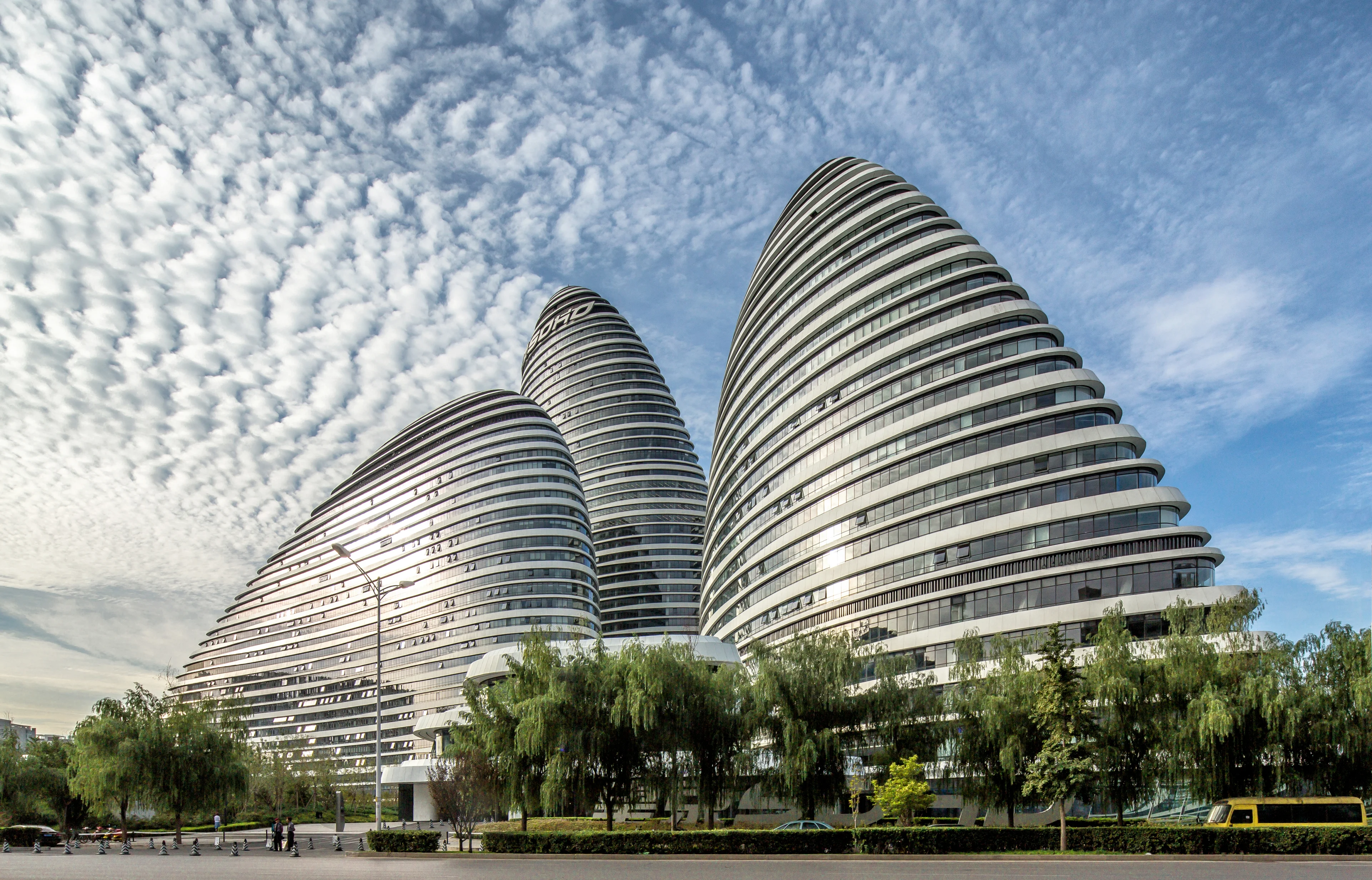
Wangjing SOHO
Located in Wangjing’s centre, Wangjing Soho is a mixed-use development consisting of three towers 118, 127, 200 metres in height designed as three interweaving ‘mountains’ that fuse building and landscape to bring together the surrounding community with a new 60,000m² public park. The design responds to the flows of the city and allows natural daylight into each building from all directions.
Photograph by Hufton + Crow
Offices
Retail
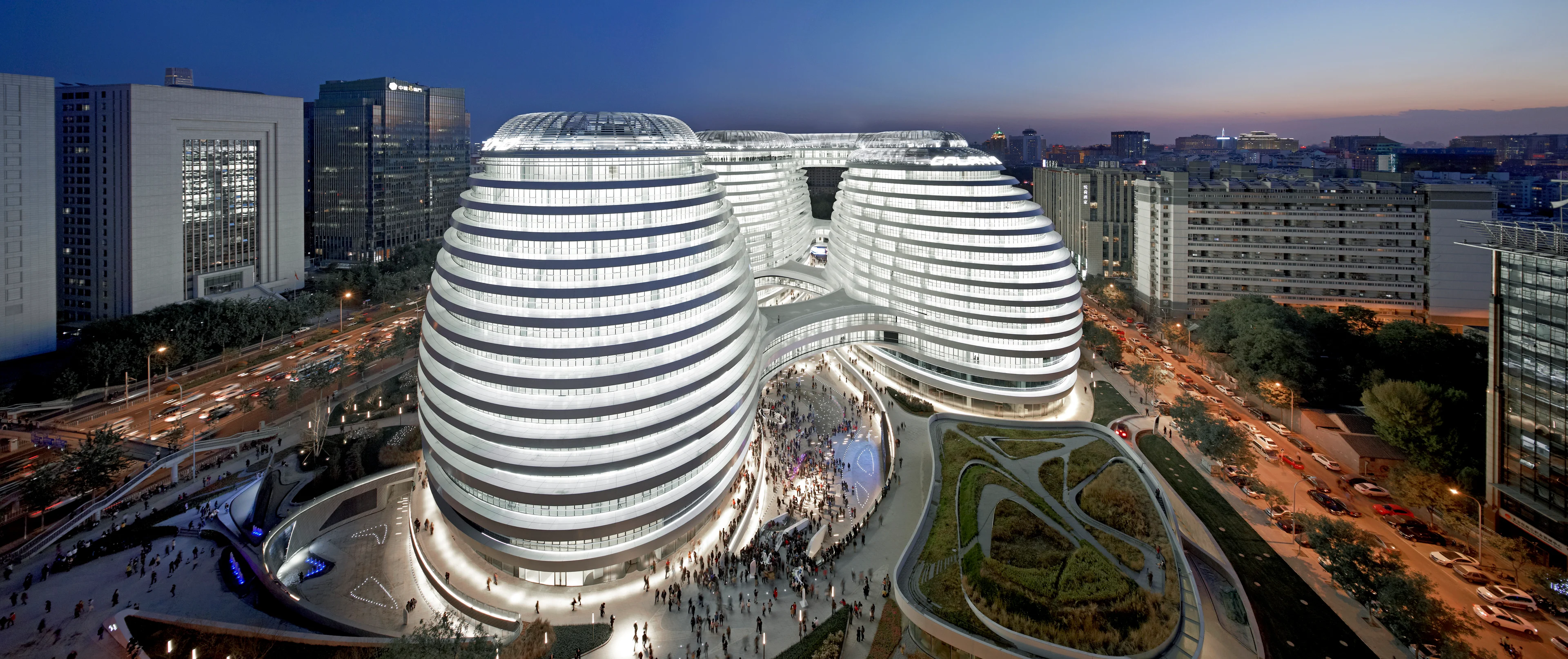
Galaxy SOHO
Four continuous, flowing volumes coalesce to create an internal world of continuous open spaces within Galaxy Soho – a new office, retail entertainment complex devoid of corners or abrupt transitions – a re-inventing of the classical Chinese courtyard which generates an immersive, enveloping experience at the heart of Beijing.
Photograph by Hufton + Crow
Residential
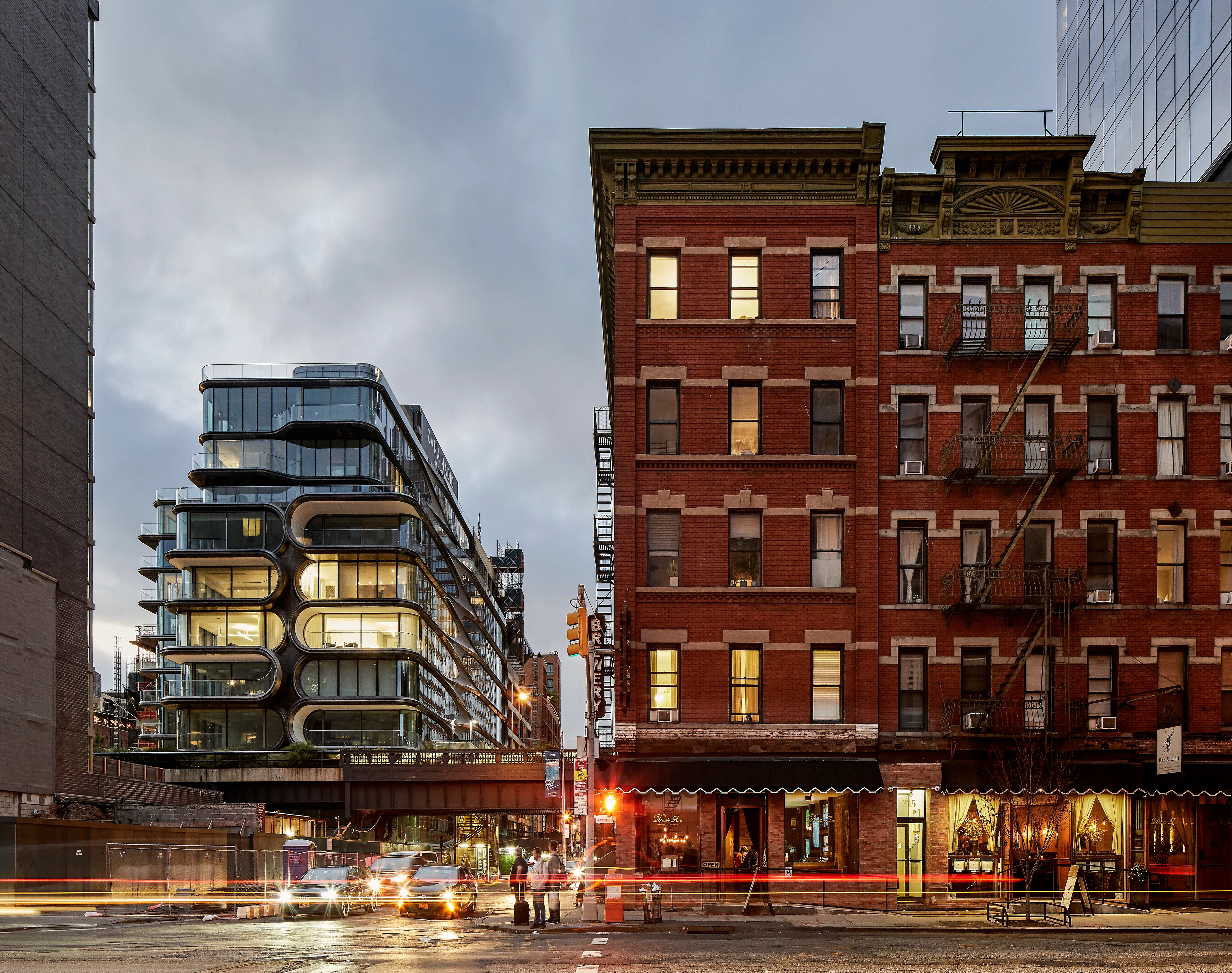
520 West 28th
There is a powerful urban dynamic between the streets of New York and the High Line, a layered civic realm that has developed over generations and in many iterations. 520 West 28th conveys this contextual relationship, applying new ideas and concepts to create the latest evolution of the site’s rich history.
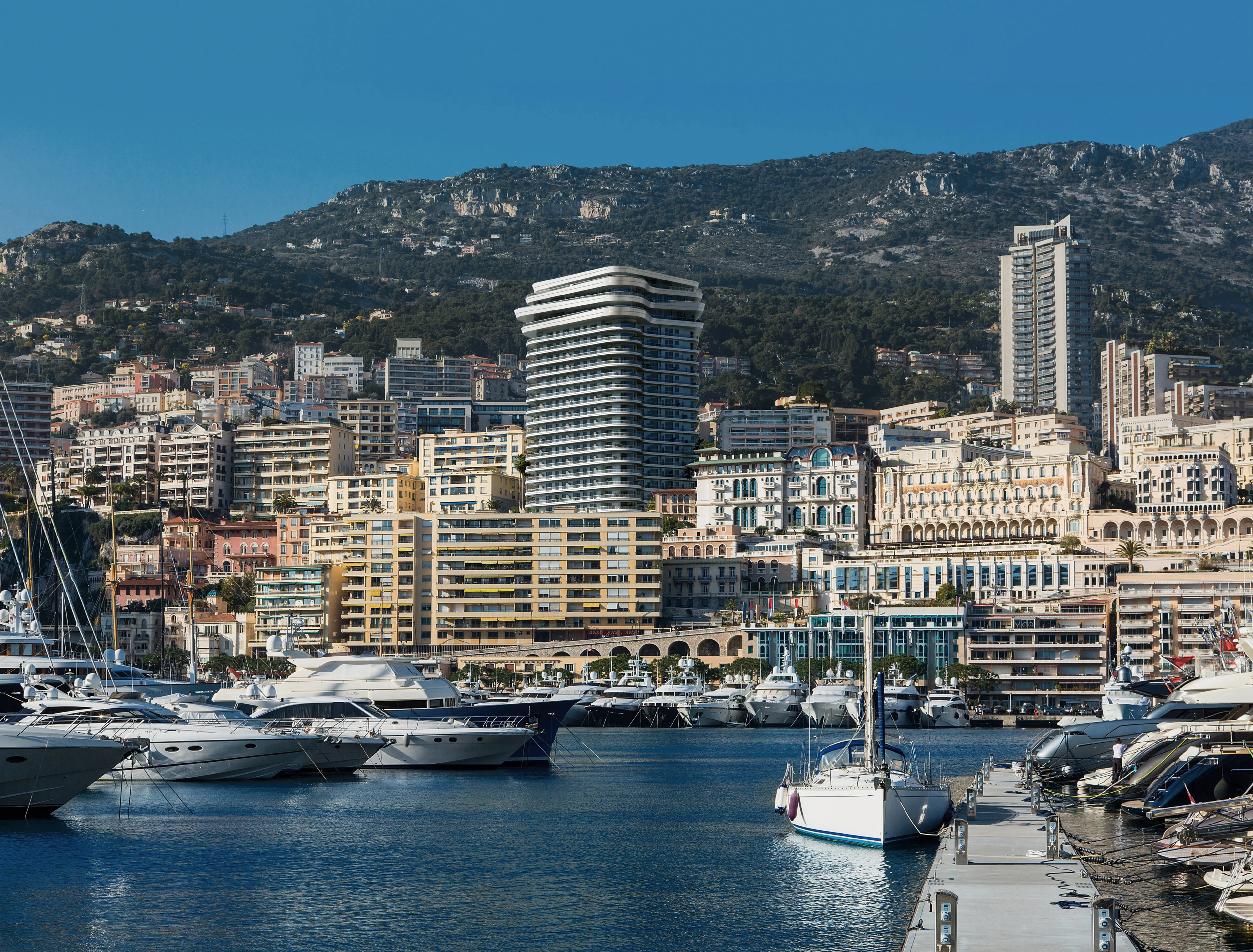
_Photo by John Kellerman courtesy Alamy, montage by MIR
Heritage + Regeneration
Residential
Le Schuylkill
ZHA was appointed together with local practice Square Architecte to renovate and extend Le Schuylkill Tower. Construction works have begun with completion planned in May 2027. With 188 apartments from small studios to four-bedroom family units, the existing tower sits on a steep site with a 22m gradient between its north and south boundaries.
Courtesy of CAT-OPTOGRAM 猫瞳
Culture
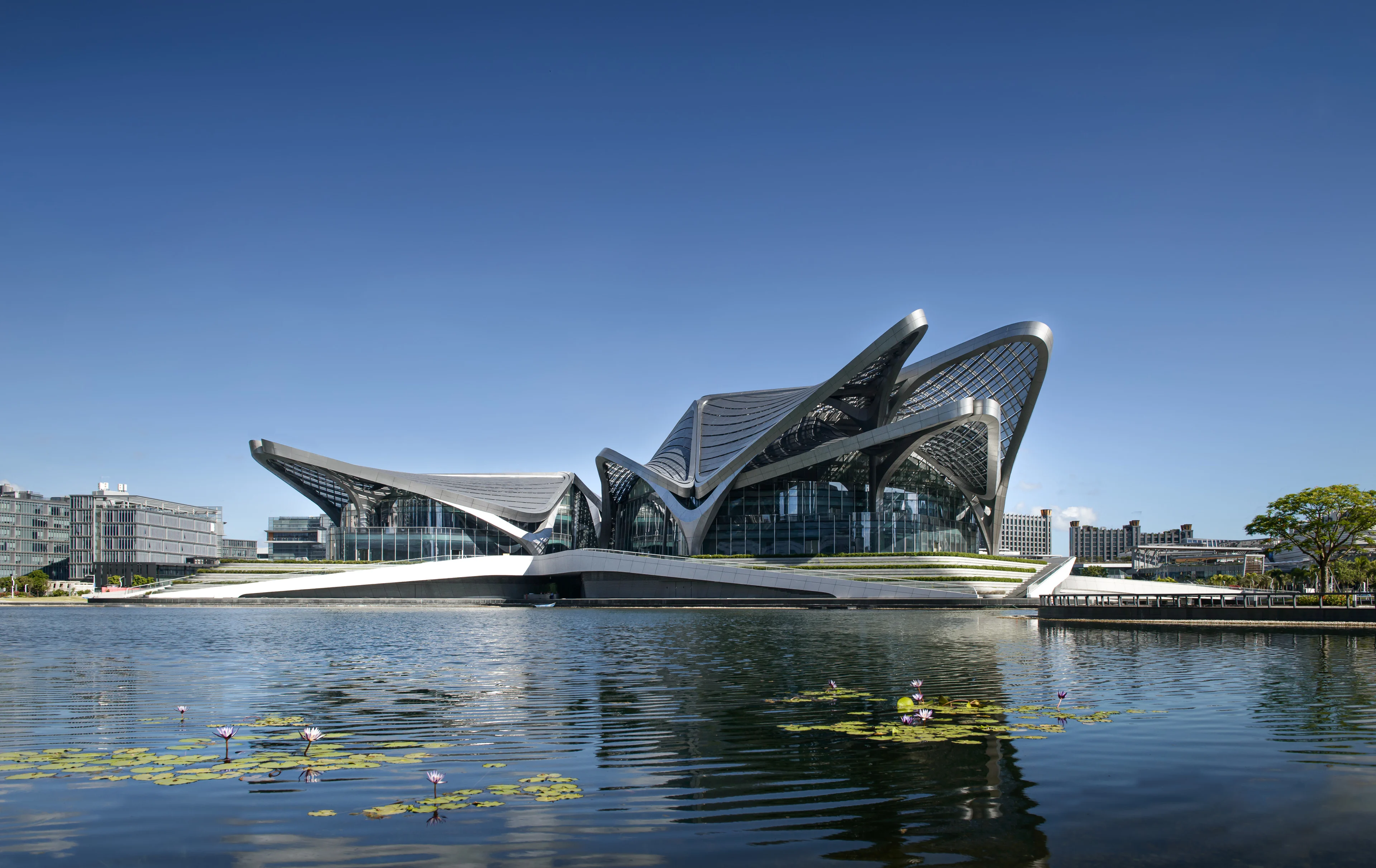
Zhuhai Jinwan Civic Art Centre
Integrating three distinct cultural institutions for the city, each venue within the Zhuhai Jinwan Civic Arts Centre incorporates unique characteristics that create differing visitor experiences, yet all are united by a coherent formal and structural logic that spans 170 meters wide from east to west and 270 meters long from north to south.
Transport + Infrastructure
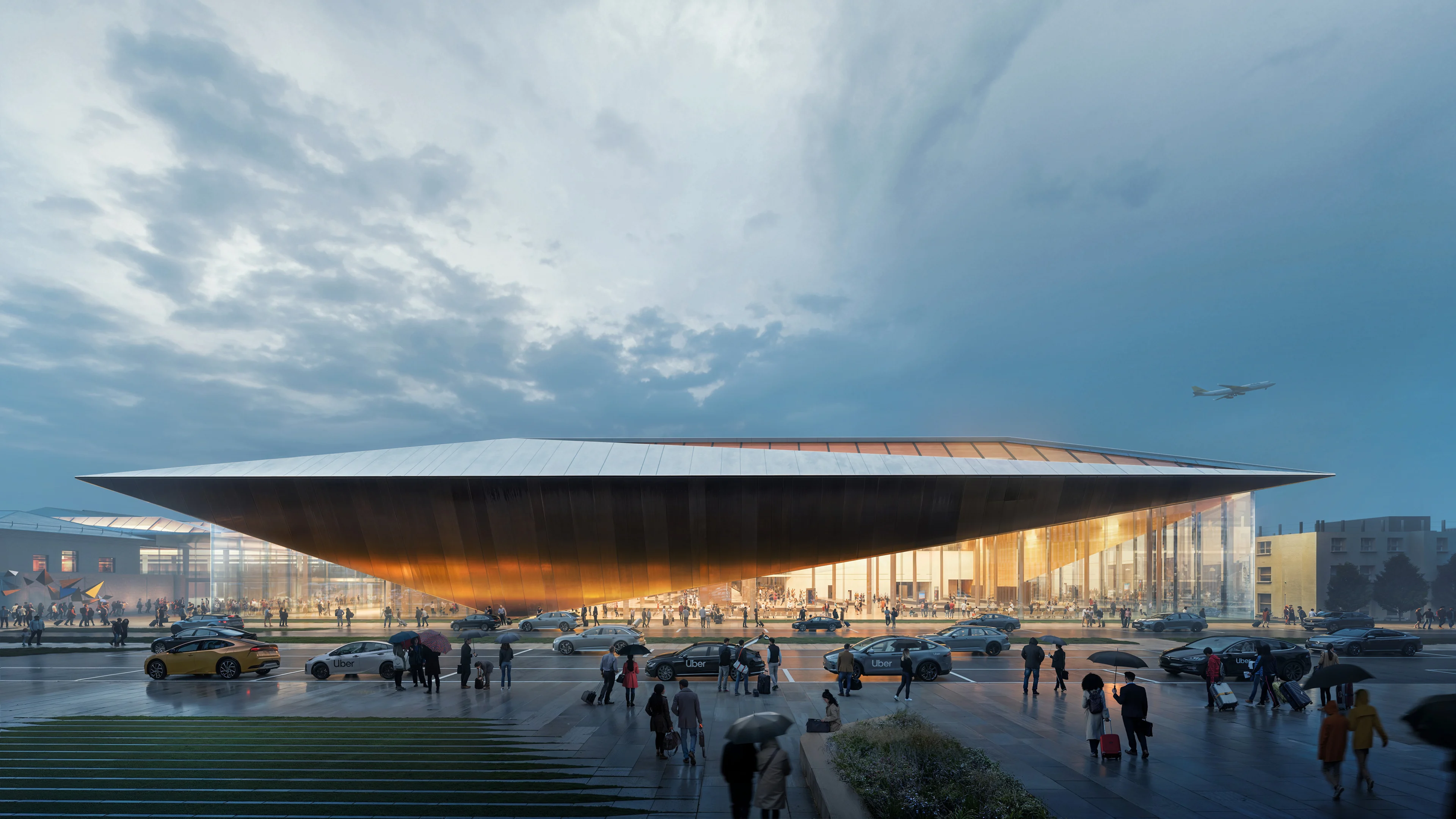
Vilnius Airport Terminal
ZHA's design draws from Lithuanian cultural heritage, incorporating traditional motifs and art forms within a contemporary architectural language. The terminal's modular geometry originates from the rhombus, a triangular shape that holds significant meaning in Baltic folklore.
01
02
03
04
05
06
07
08
09
10
11