
Belgrade, Serbia
2024 - TBC
Belgrade Waterfront
Nikola Tesla Museum
Adaptive reuse preserving industrial heritage
Visionary inventor and engineer, Nikola Tesla shaped the modern world with his groundbreaking contributions to electrical engineering and technology. Best known for his development of alternating current electricity, Tesla’s innovations also include the invention of the Tesla coil, early advancements in wireless communication, and concepts that laid the groundwork for radio and radar technology. Tesla's work, spanning from the 1880s to the early 1900s, continues to influence and inspire developments in energy, communications and technology to this day.
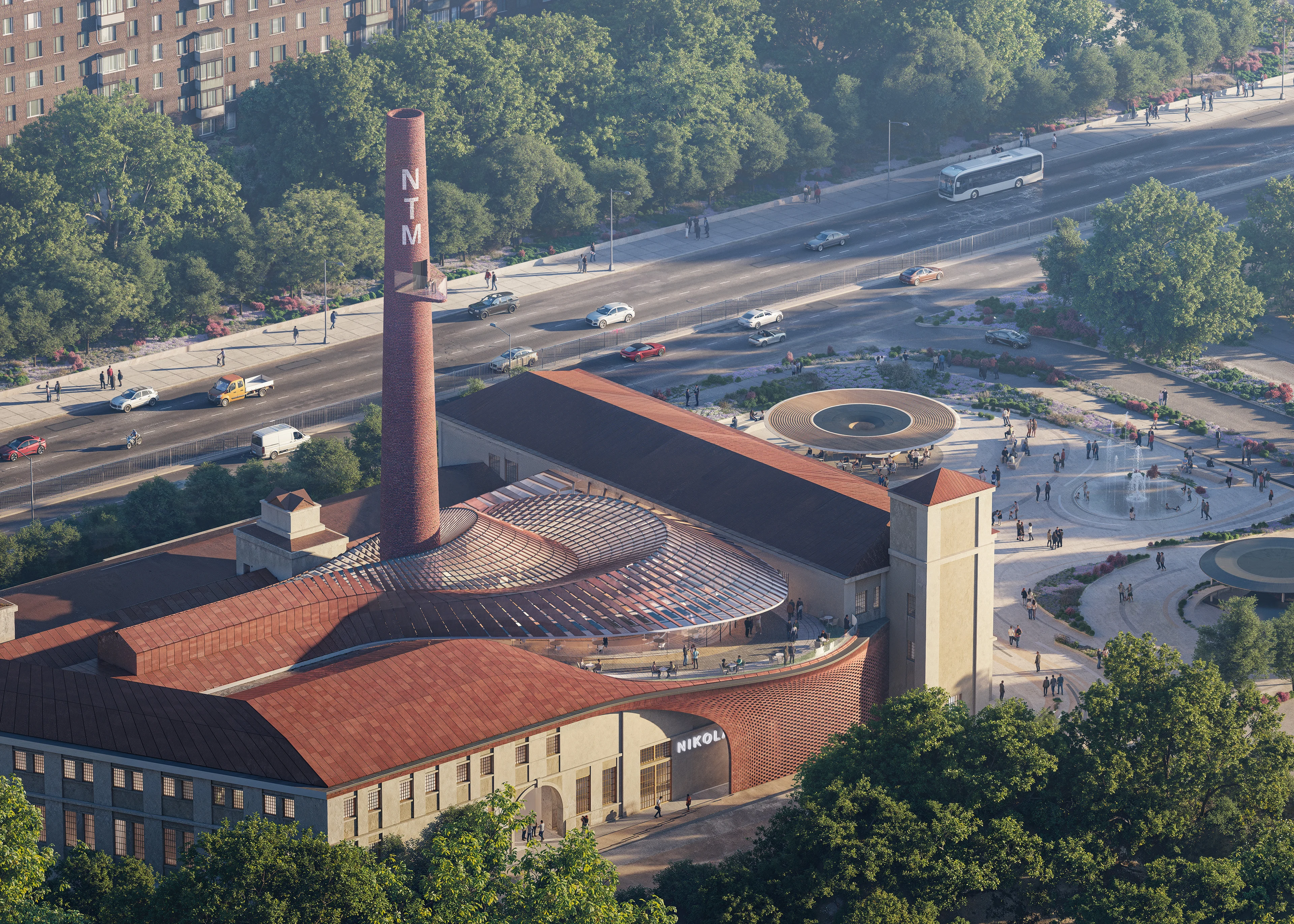
The new Nikola Tesla Museum renovates Belgrade’s historic Milan Vapa Paper Mill into a cultural destination celebrating Tesla’s legacy while preserving the city’s architectural heritage and creating a variety of new public spaces for local residents and visitors.
Built by Belgrade industrialist Milan Vapa and opened in 1924 as the nation’s first modern factory, the paper mill was decommissioned and used as the storage facility of a freight company until being abandoned approximately a decade ago. The building has been protected for its cultural importance by the Belgrade Institute for the Protection of Cultural Monuments. Its renovation as the Nikola Tesla Museum is funded by Belgrade Waterfront.
The adaptive reuse of the 1920’s structure will preserve its industrial heritage whilst upgrading its indoor and outdoor spaces as a leading cultural venue with improved accessibility from the city.
Informed by concepts of magnetic forces and interconnectivity
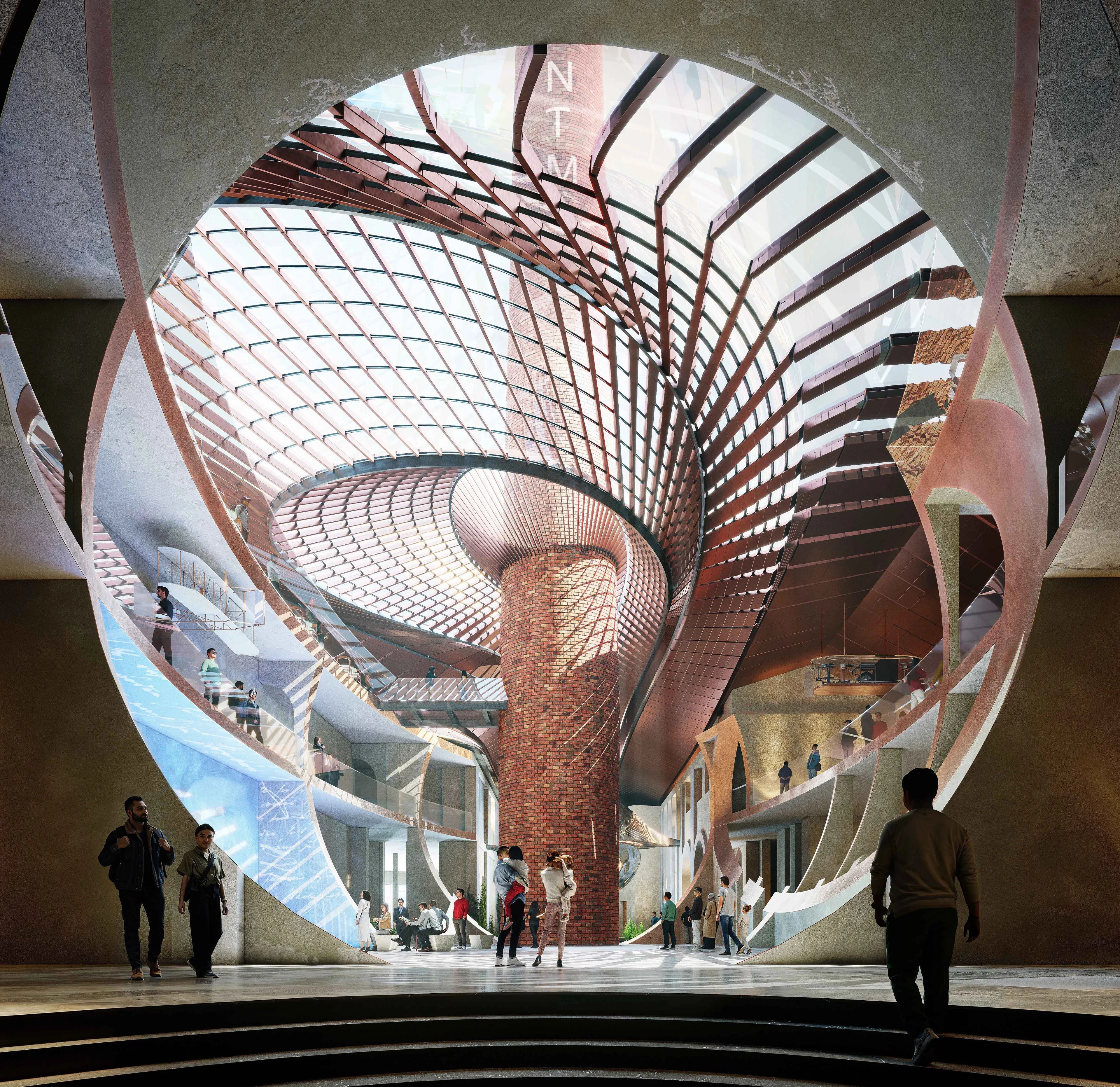
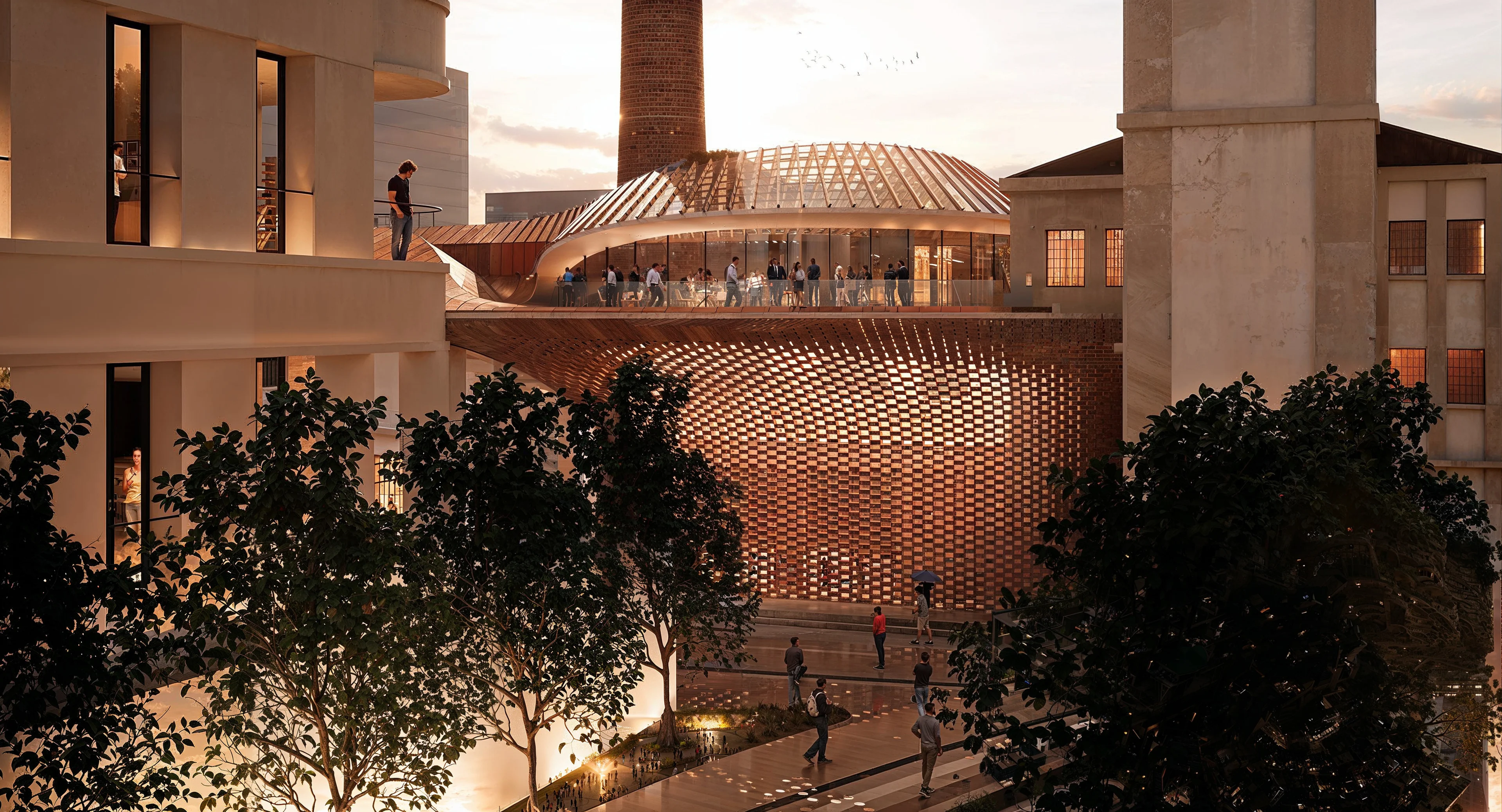
The museum’s design draws on Tesla’s research into magnetic fields and wireless energy transfer. Informed by concepts of magnetic forces and interconnectivity, the design incorporates dynamic elliptical curves radiating from the old factory chimney, the site’s dominant feature.
A new circular opening in the factory’s western façade will be the public entrance leading visitors to the triple-height central atrium anchored by the historic chimney at the heart of the 13,400m2 museum.
To enhance circulation and functionality in the building’s continued life as a museum, ellipsoidal sectional openings will be carved within the walls that divide the old factory's interior. These openings define a series of three-dimensional spherical voids that create an extended perspective viewed from the western entrance, through the atrium and terminating at the Tesla memorial at the eastern end of the museum.
Historical artifacts, interactive displays and immersive presentations
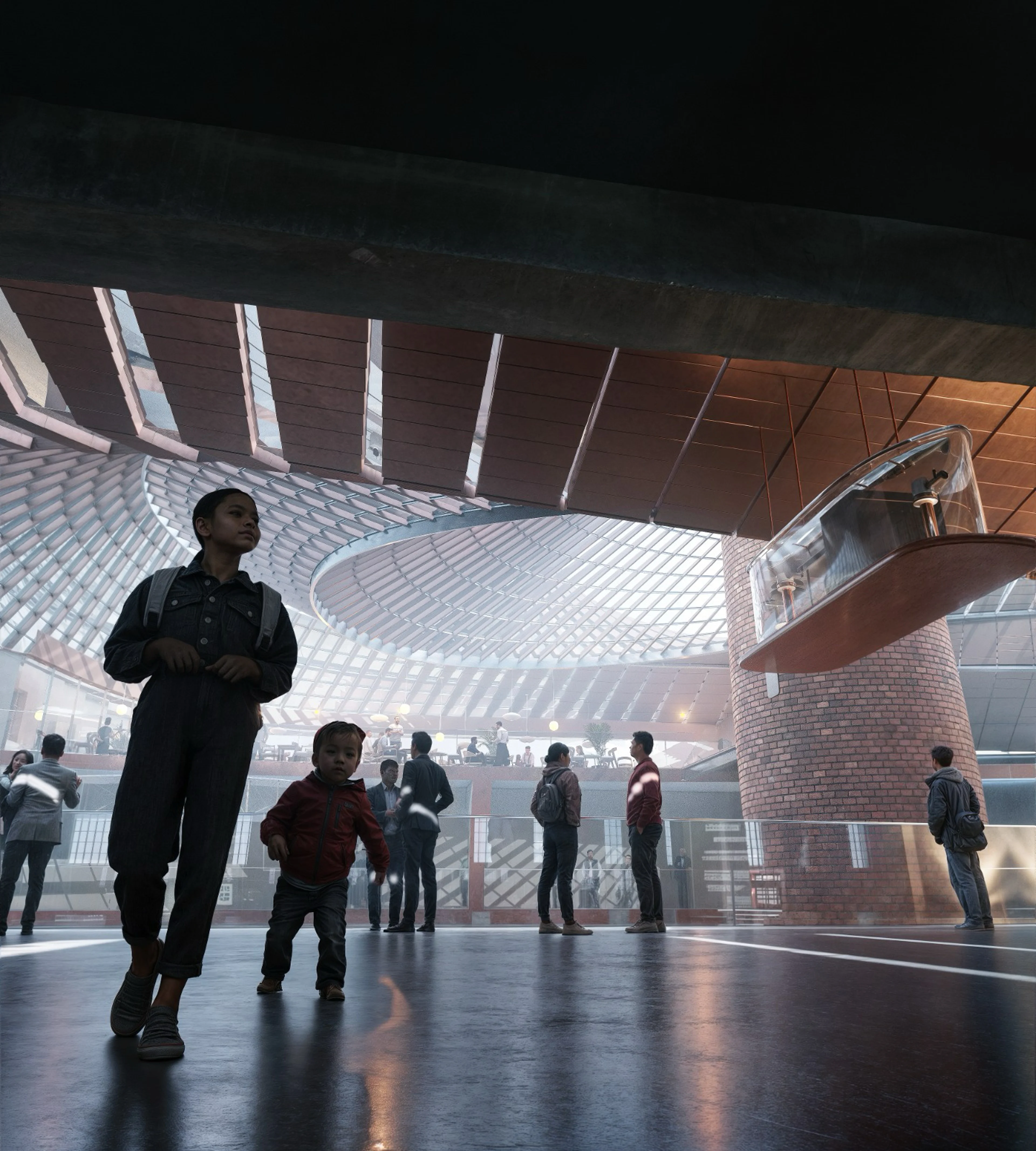
The museum’s first floor galleries incorporate historical artifacts, interactive displays and immersive presentations, while temporary galleries will host an ever-changing programme of exhibitions and events, ensuring a new experience for returning visitors.
Featuring a 12-million-volt transformer, the immersive Tesla Electronic Transformer Gallery will capture imaginations and showcase Tesla’s pioneering spirit. The museum’s visitor amenities also include a café, a multipurpose hall and rooftop restaurant offering panoramic views of the Sava River.
Outside the building, Nikola Tesla Square will serve as a new public space for the city. Inspired by Tesla’s concepts of electromagnetic fields, the square's flowing pathways, gardens and plazas will enhance accessibility and connect with Belgrade Waterfront as well as the city's transportation network.
Minimising ecological impact through passive design in addition to the use of renewable and geothermal energy, the paper mill’s restoration preserves its historic façades, vaulted ceilings and masonry, while updating its structure to serve as one of the city’s most important cultural destinations.
Culture
Discover our latest cultural projects
From a civic art centre that unites three distinct cultural institutions to a science fiction museum whose landscaping contributes to the city’s drainage and flood defence systems, discover our latest cultural projects.
Render by Devisual
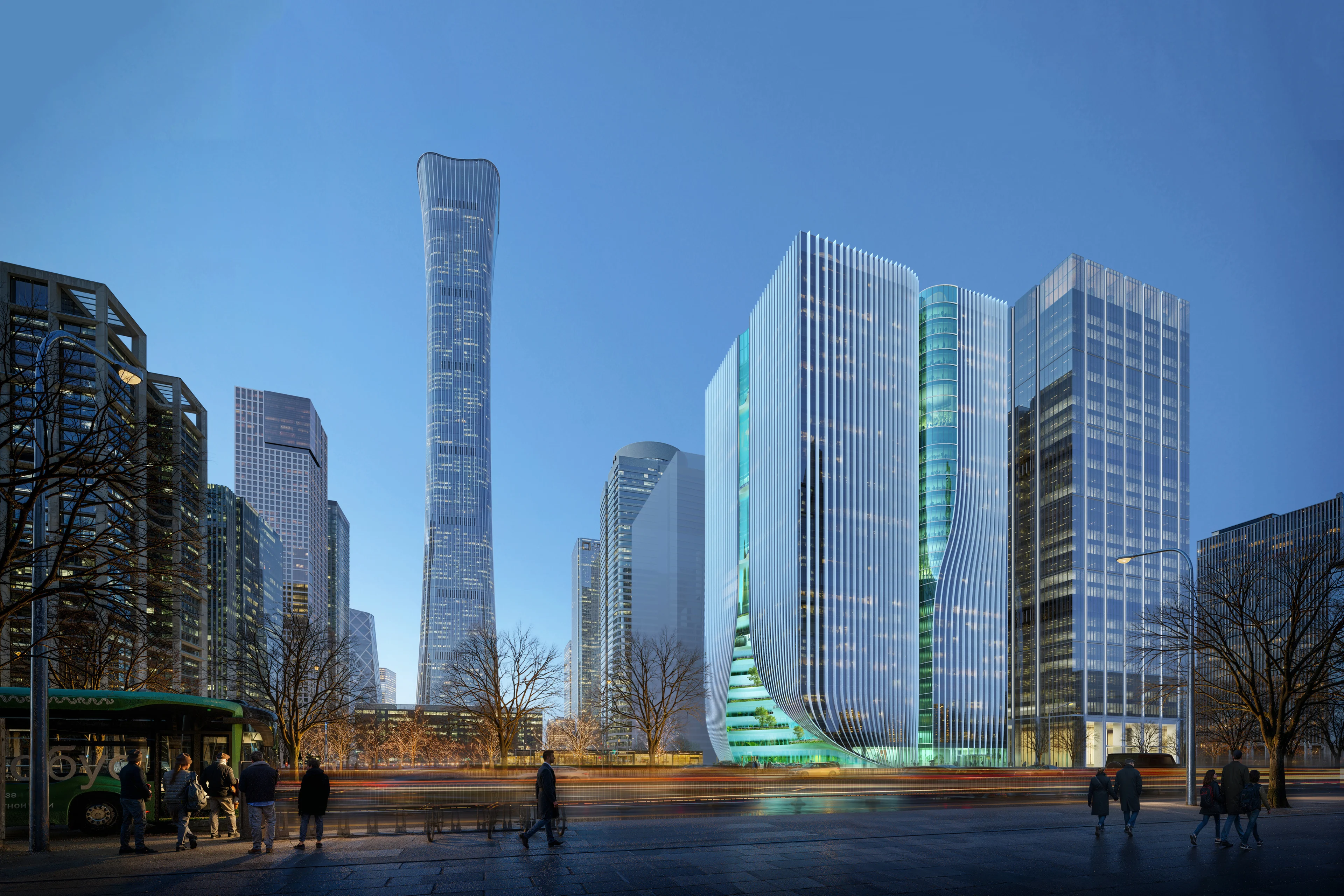
Z8 Tower
Located in the core of Beijing’s Central Business District (CBD) at the intersection of Jianguo Road and Jinhe East Road, the new Z8 Tower faces the CBD’s central park and is defined by the historic alignment and urbanism of the city’s Chang’an Avenue.
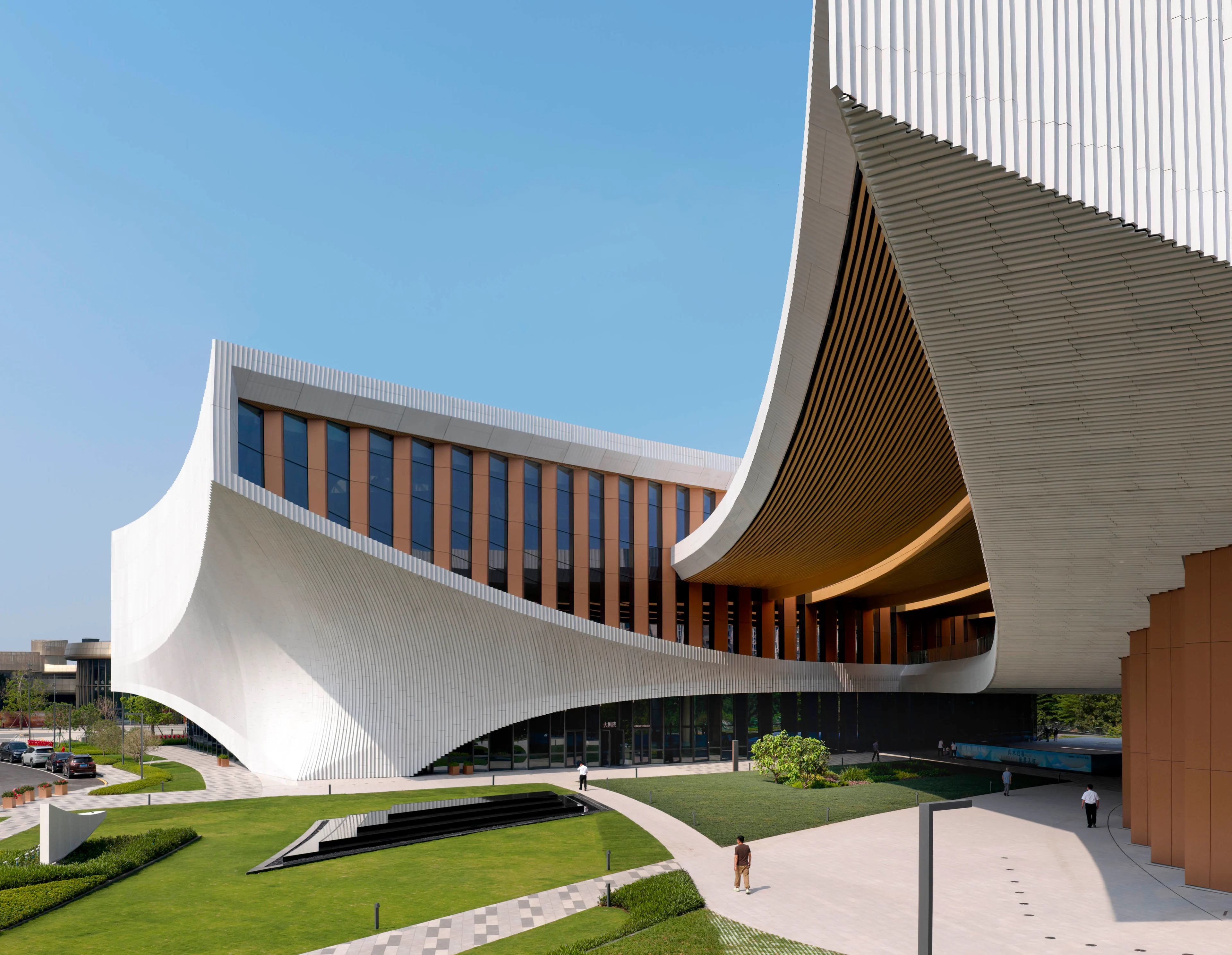
Songshan Lake Performance and Exhibition Centre
Located in Dongguan within the Greater Bay Area of southern China’s Pearl River estuary, the new Songshan Lake Exhibition and Performance Centre is at the heart of a mixed-use masterplan to revitalize the Yuehe Lake waterfront.
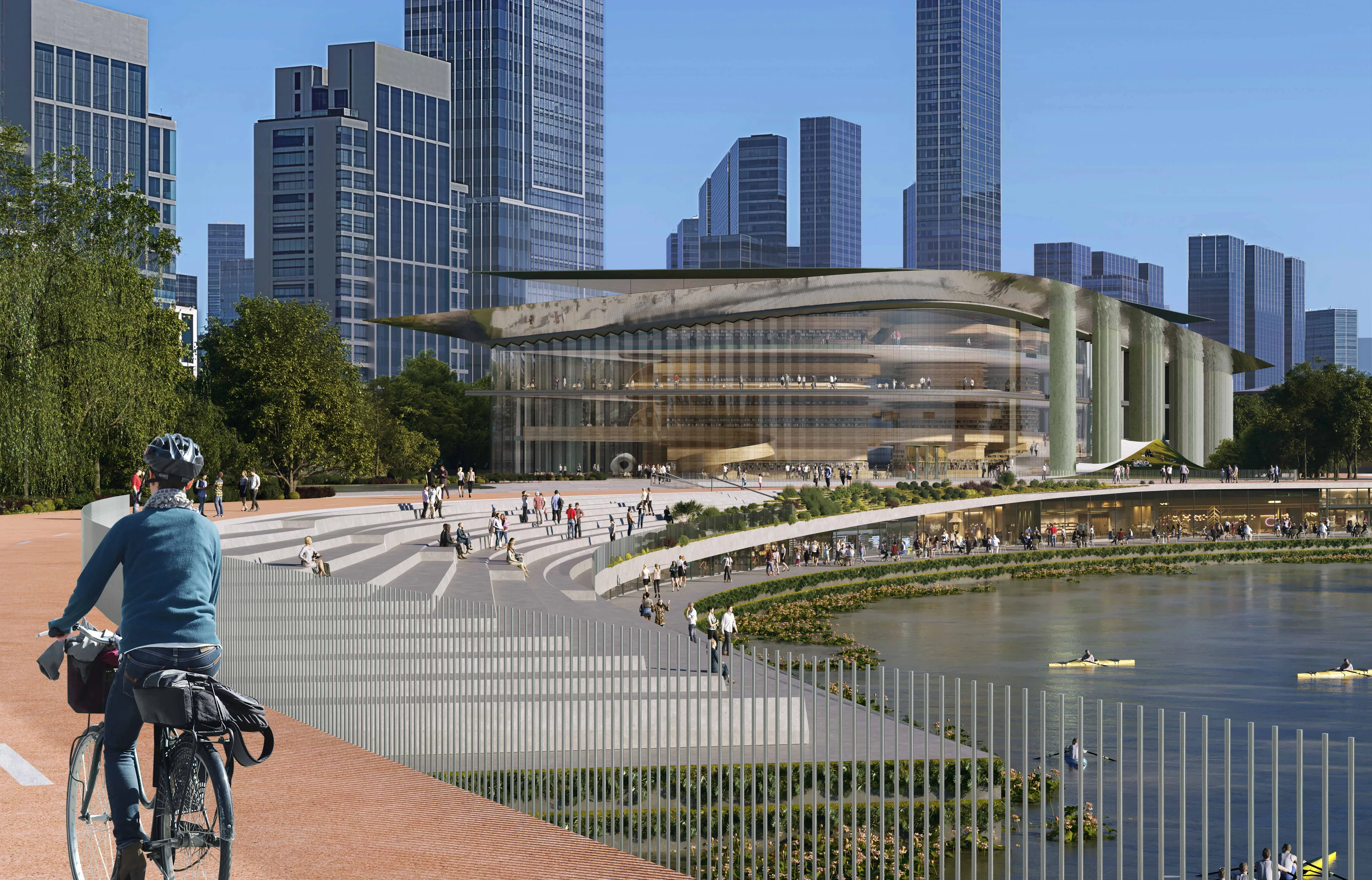
Qiantang Bay Cultural District
A series of new landscaped parklands, terraces and gardens along the Zhedong Canal within the Xiaoshan district of Hangzhou
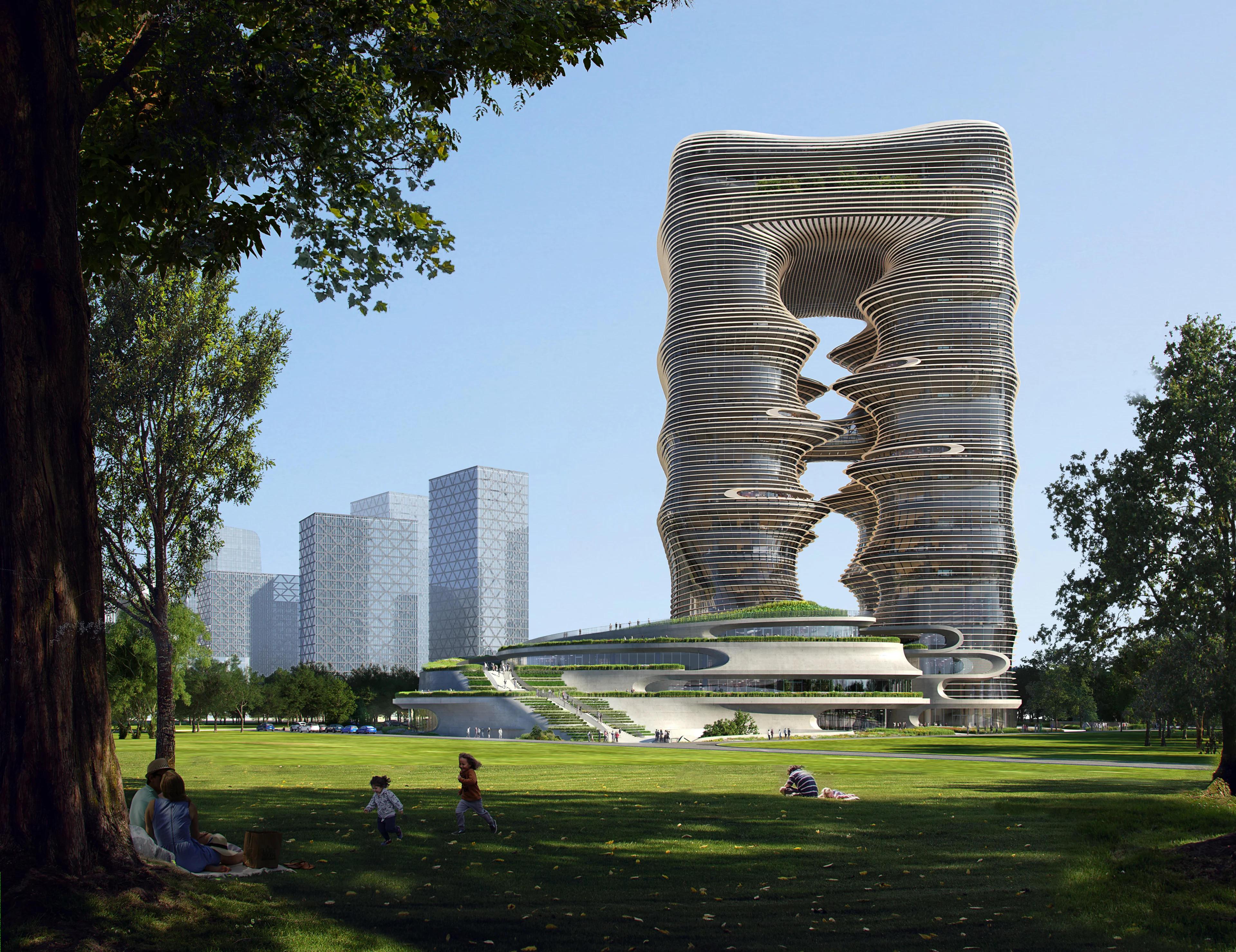
Render by Atchain
Yidan Center
A place of convergence and collaboration, the Yidan Center will be home to the Chen Yidan Foundation in its work to promote lifelong learning and innovation in education.
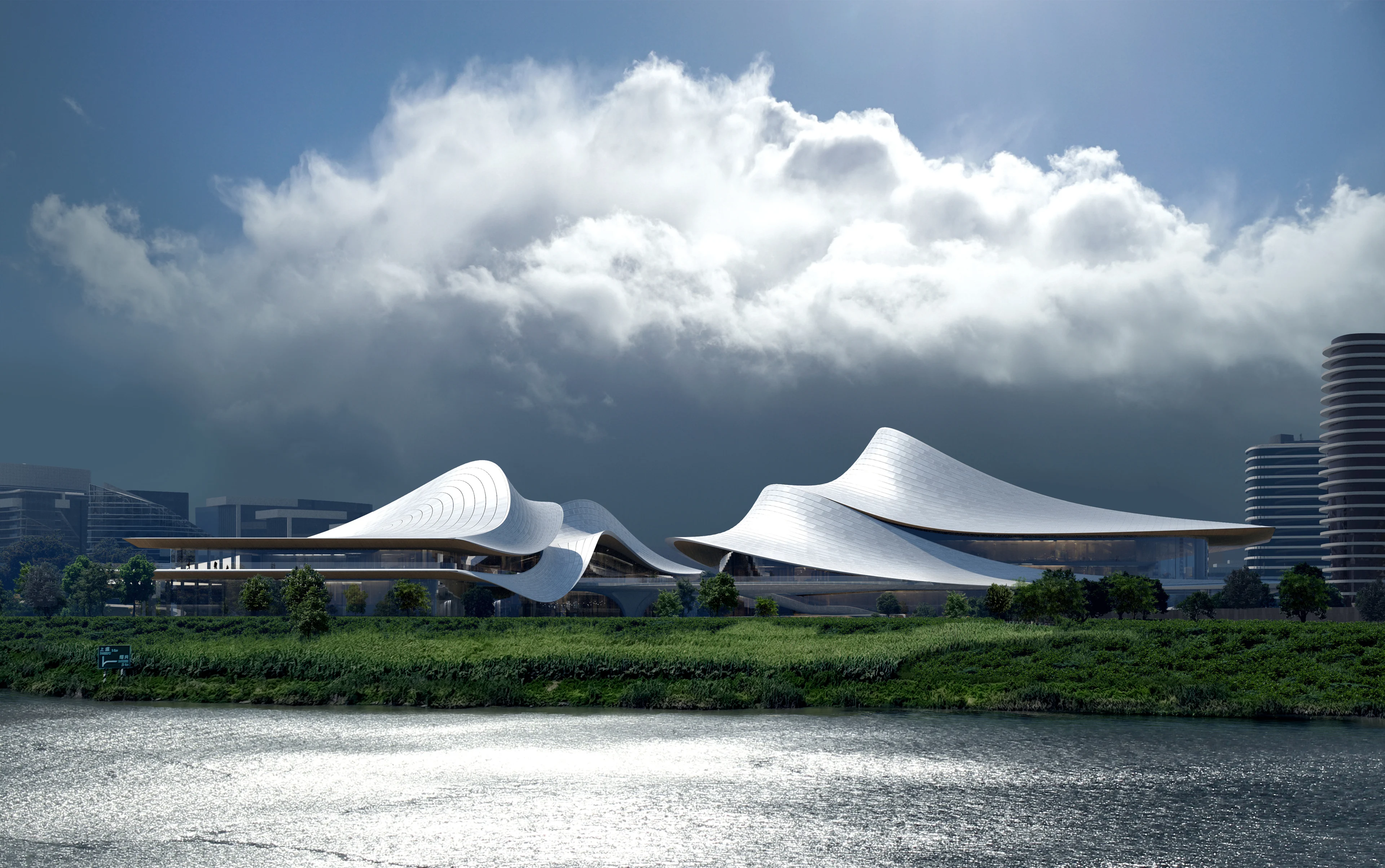
Render by Proloog
Elevation River
Zhejiang Shaoxing Shangyu District Cao’e River Culture and Art Centre
Designed to host local and international productions of opera, dance and drama together with large-scale symphonies and musical theatre, the Art and Culture Centre includes a 1,400-seat Grand Theatre, 500-seat Black-Box Multifunctional Hall, 2,900 sq. m Arts and Education Centre, 3,000m² Conference Centre, 7,500m² Heritage Museum and a 10,000m² Digital Art Gallery.
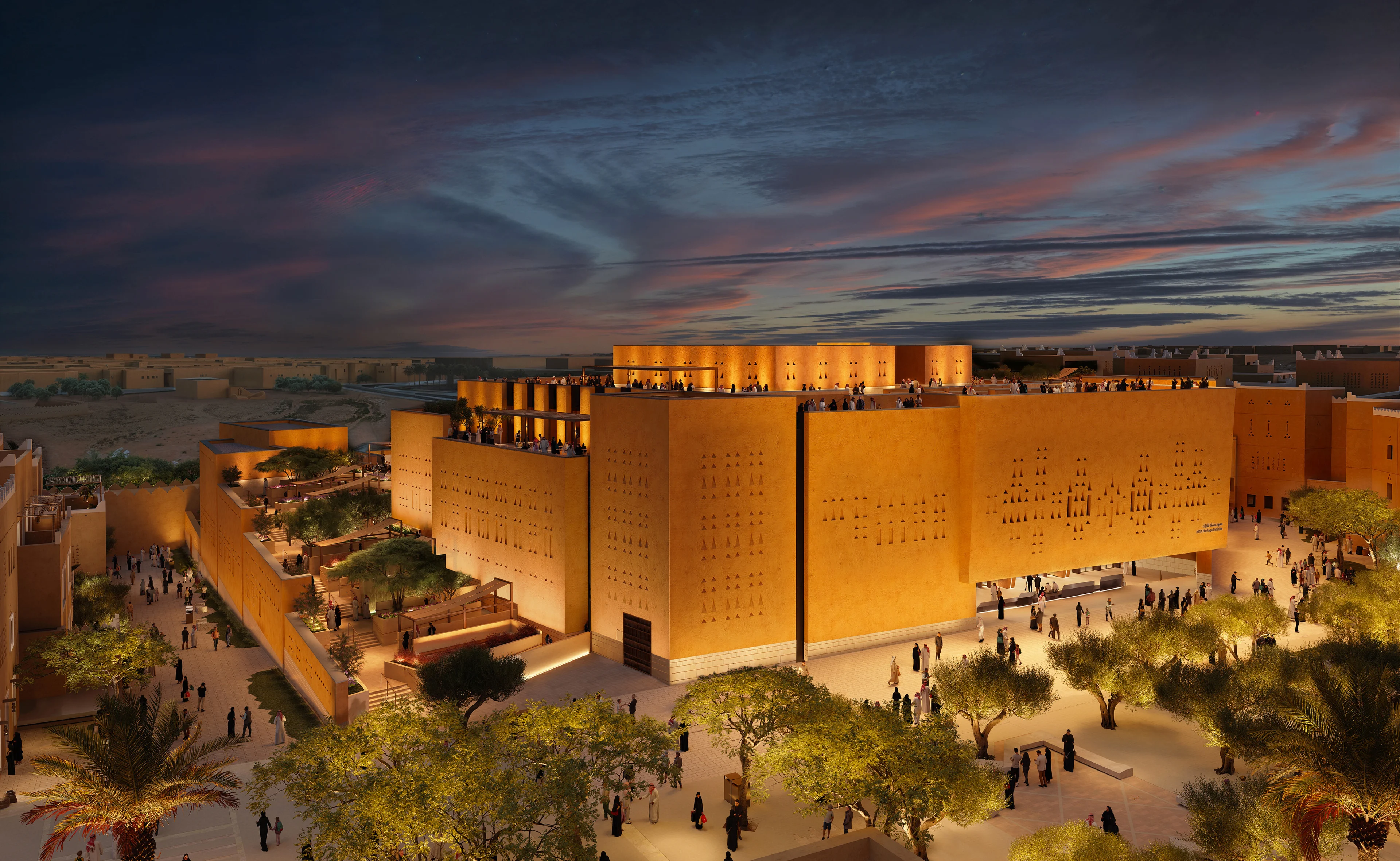
Render by Specto-Digital
Asaan Museum
Meaning ‘inheritance passed down through generations’, Asaan will be an institution dedicated to preserving and celebrating this rich heritage, in addition to promoting creativity and knowledge sharing.
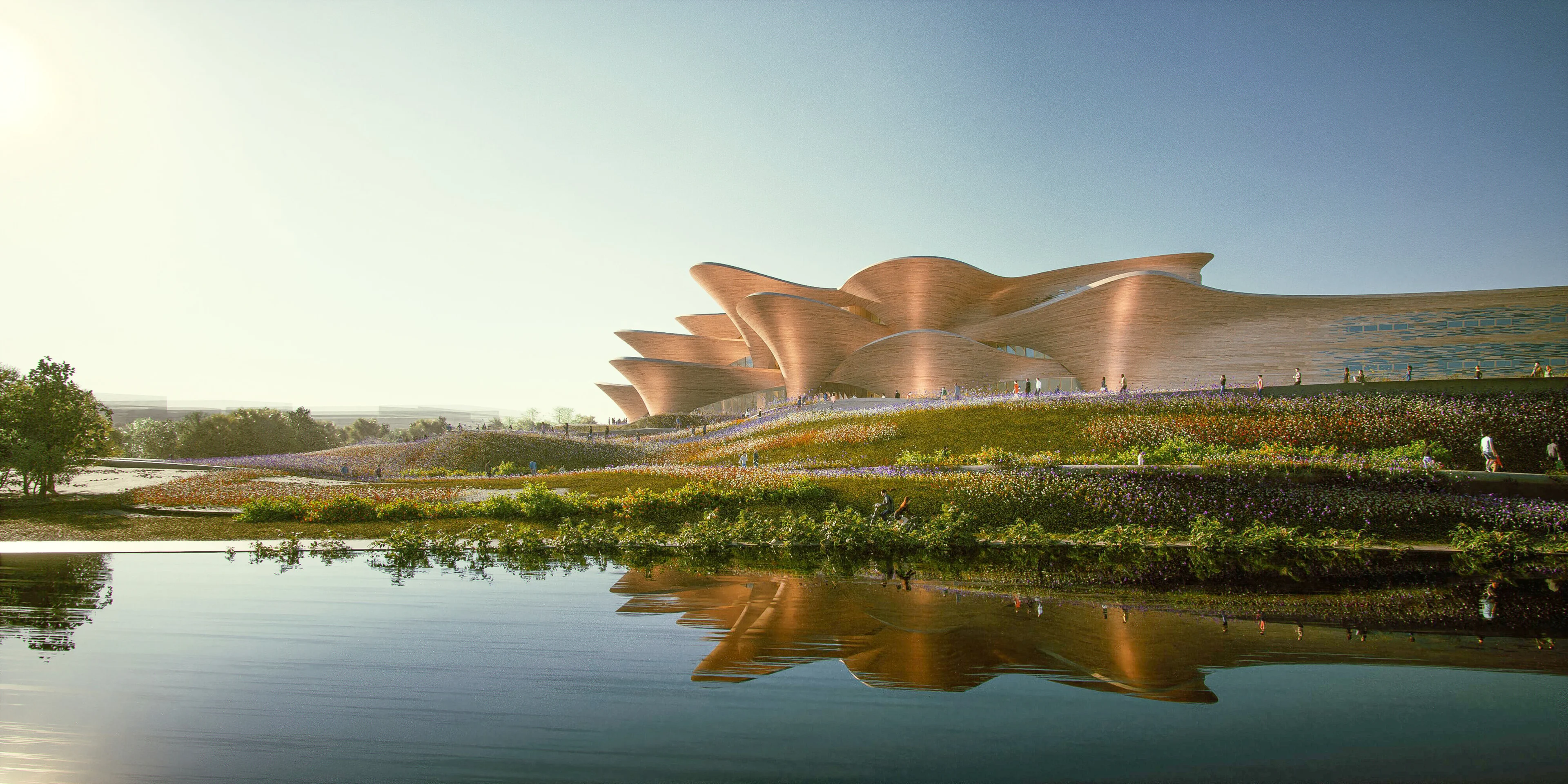
Courtesy of ZHA
River View
Alisher Navoi Institute
The Alisher Navoi International Scientific Research Centre will incorporate the Navoi State Museum of Literature, Auditorium, International Research Centre and School.
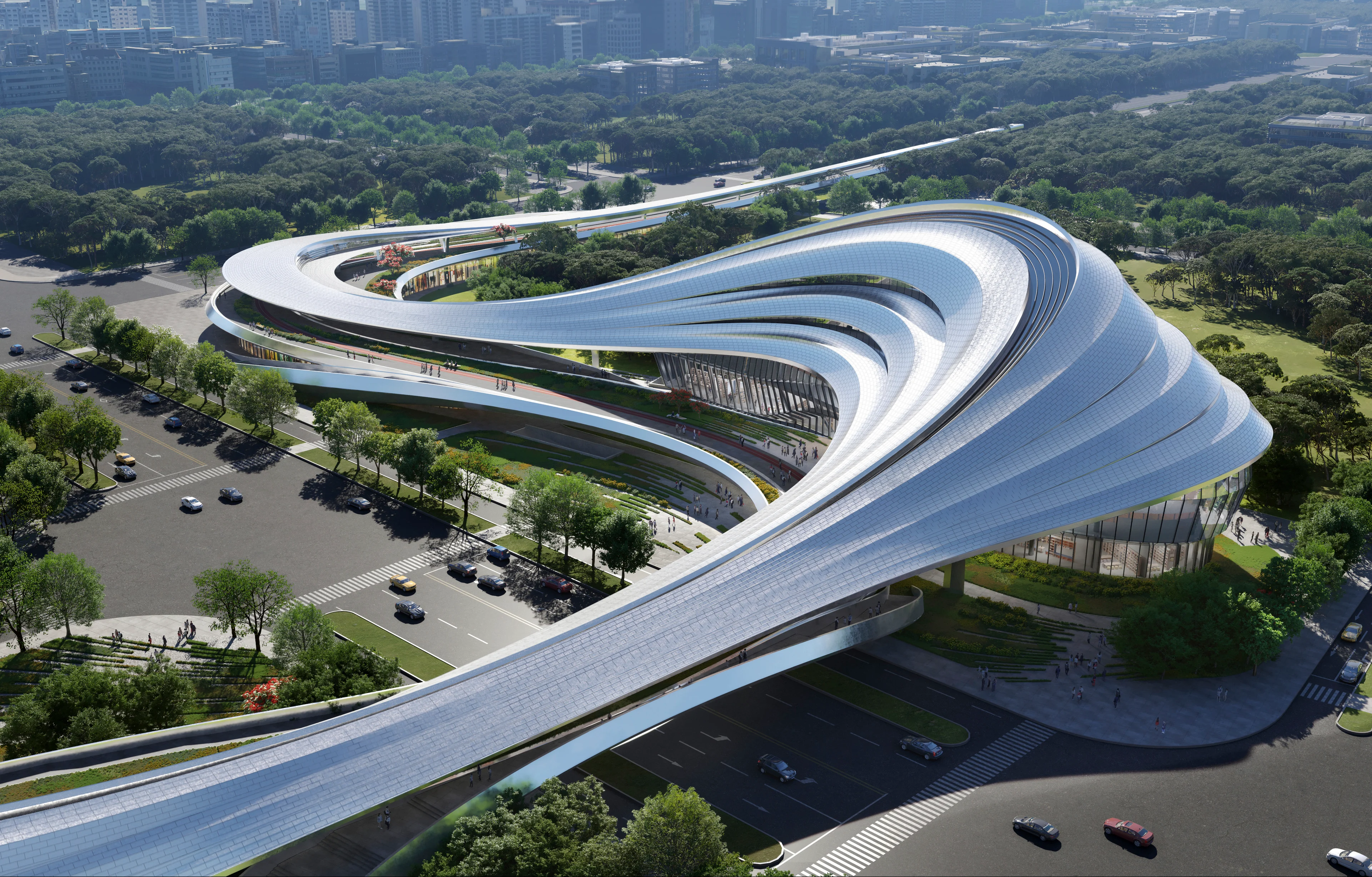
Render by Atchain
Jinghe New City Culture and Art Centre
Jinghe New City is growing as a science and technology hub north of Xi’an in China’s Shaanxi province. Supported by new scientific research institutes and driven by environmental considerations, the city is becoming a centre for developing industries focusing on new energy and materials, artificial intelligence and aerospace.
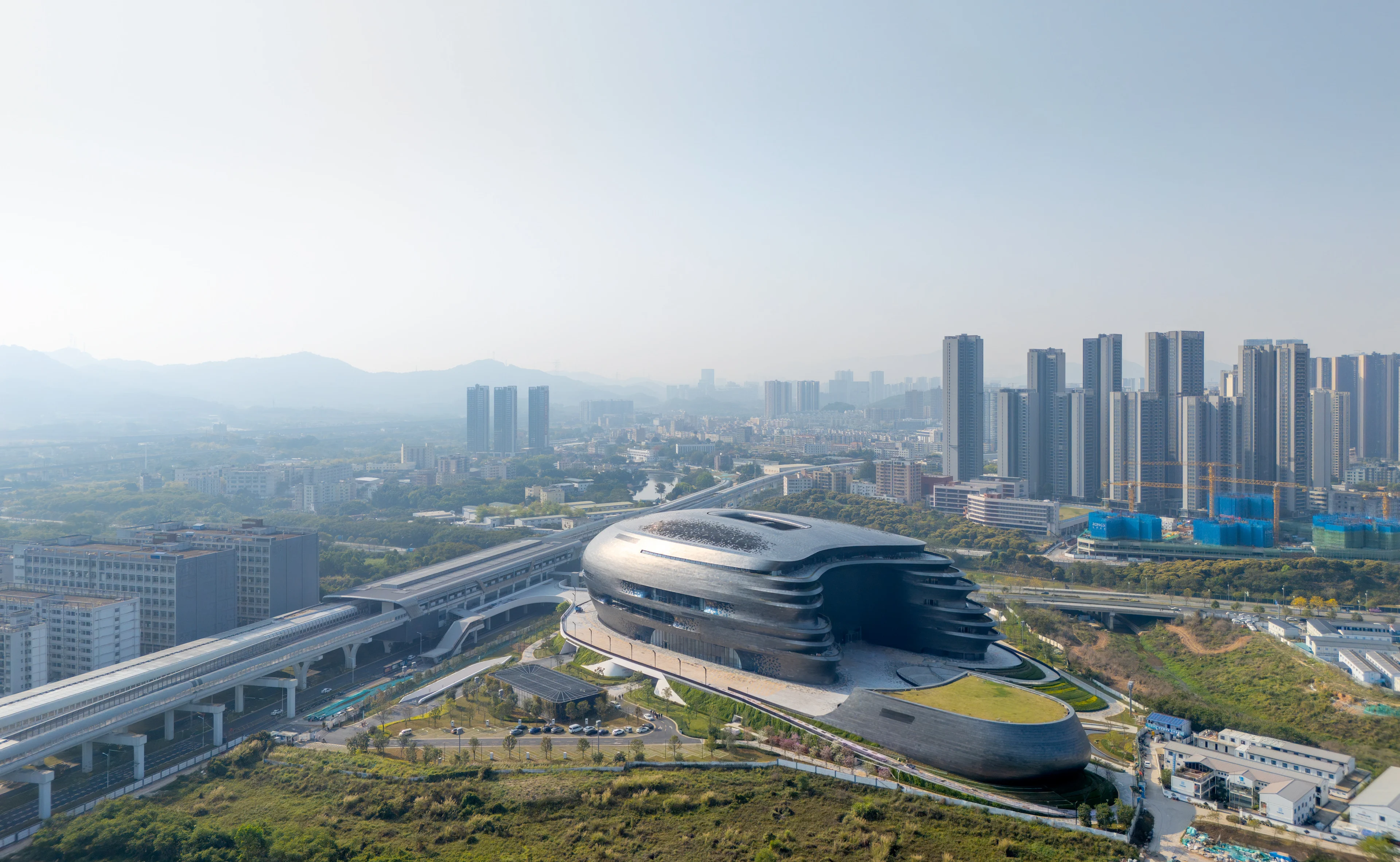
Photograph by Virgile Simon Bertrand
Shenzhen Science & Technology Museum
Showcasing the scientific endeavour, ground-breaking research and future possibilities of technology, this new institution will explore the power of science and the technological advancements defining our future.
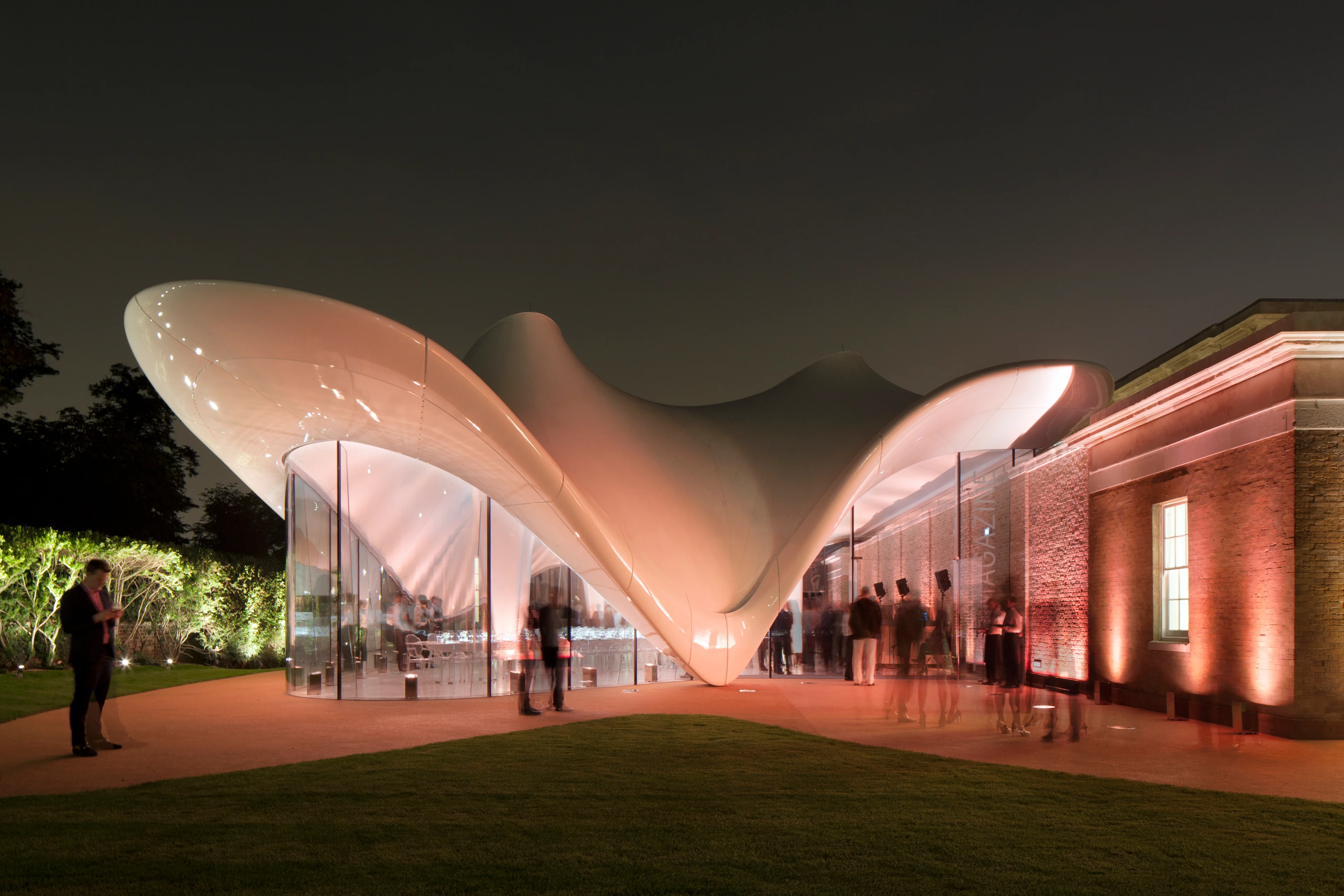
Photograph by Luke Hayes
Serpentine North Gallery
The Serpentine North Gallery consists of two distinct parts, namely the conversion of a classical 19th century brick structure – The Magazine – and a 21st century tensile structure. The Serpentine North Gallery is thus – after MAXXI in Rome – the second art space where ZHA has created a synthesis of old and new.
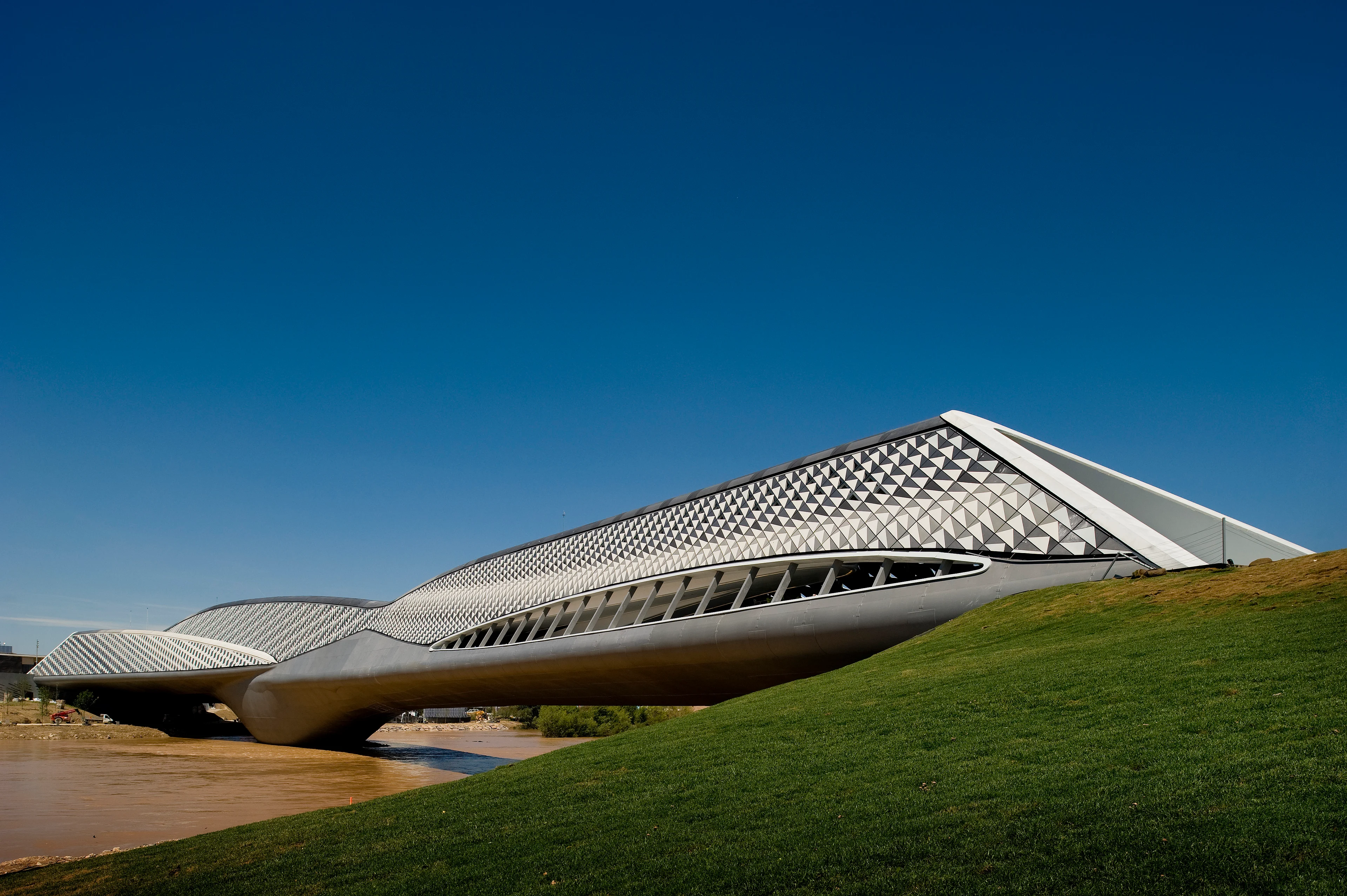
Photograph by Fernando Guerra
Zaragoza Bridge Pavilion
An enclosed interactive space spanning the River Ebro to form a gateway to the Zaragoza Expo 2008, a hybrid of pedestrian footbridge and exhibition pavilion. Four structural elements correspond to specific spatial enclosures, which intersect and brace each other. This fluid, dynamic design interprets the Expo’s theme: ‘Water and Sustainable Development.’
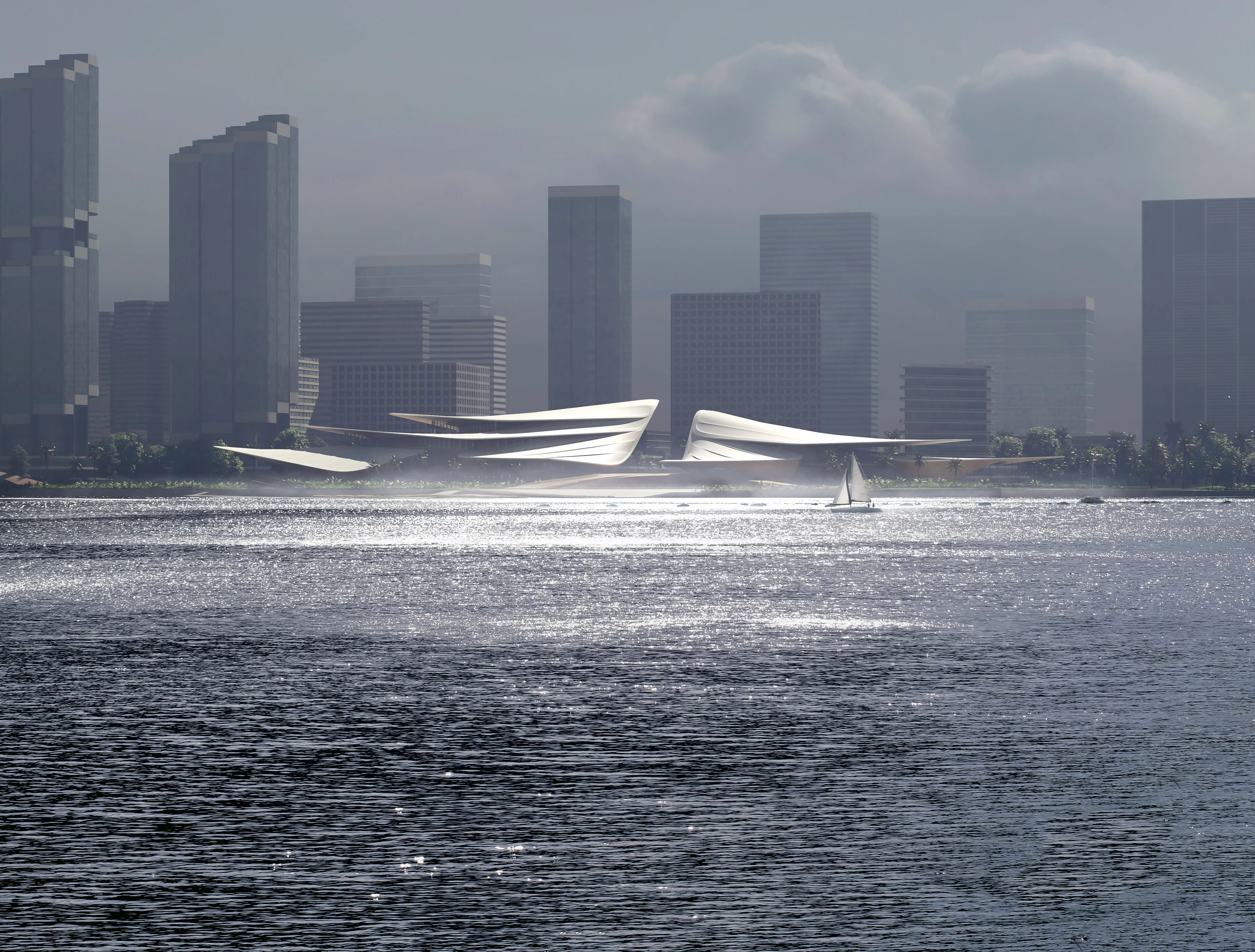
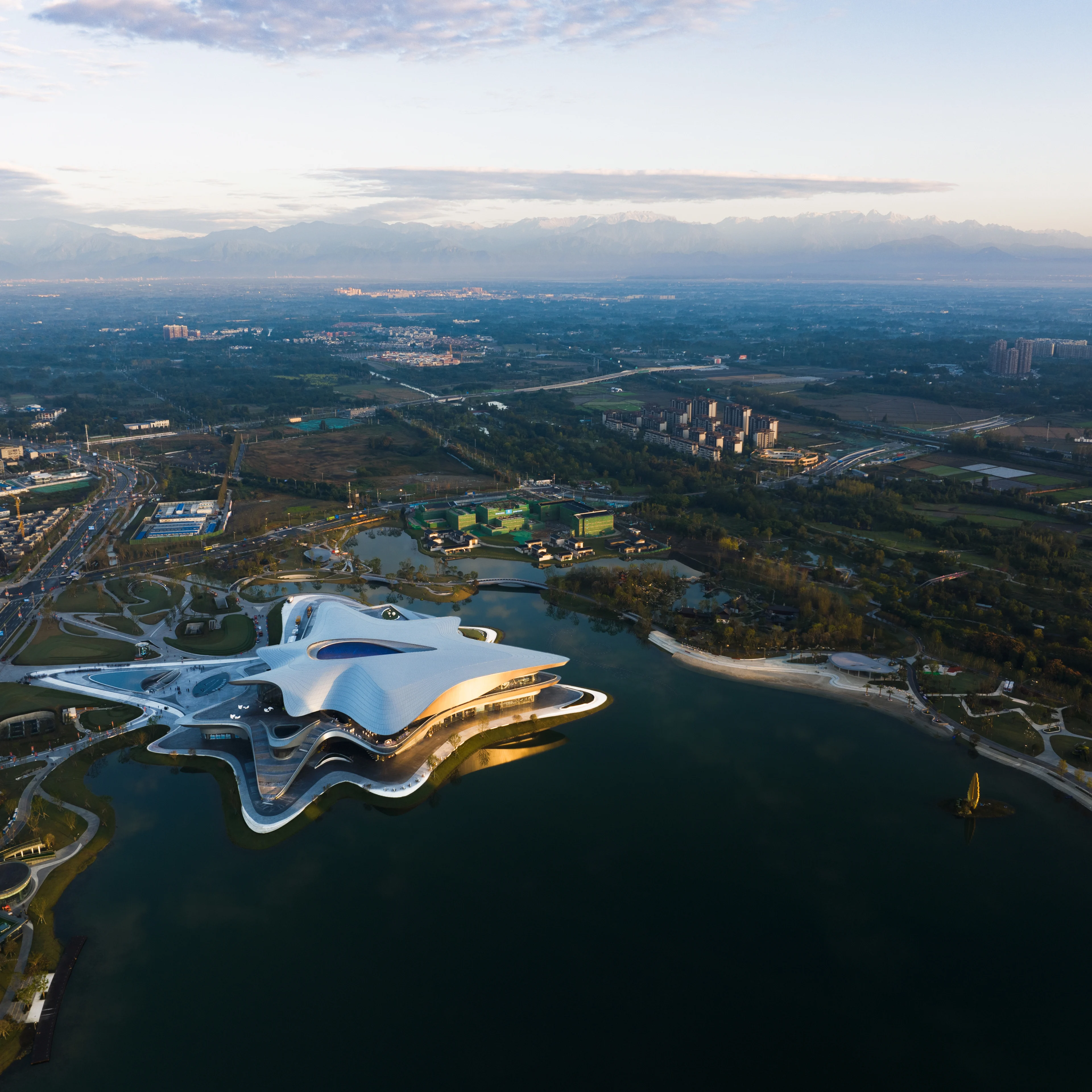
Sanya Cultural District
Located at the entrance to Sanya’s harbour, the new cultural district by ZHA is adjacent to the Jiangang Road terminus of Sanya’s tram network that connects many of the residential and hotel districts on Sanya Bay with the city’s high-speed rail station.
Courtesy of Arch-Exist
default
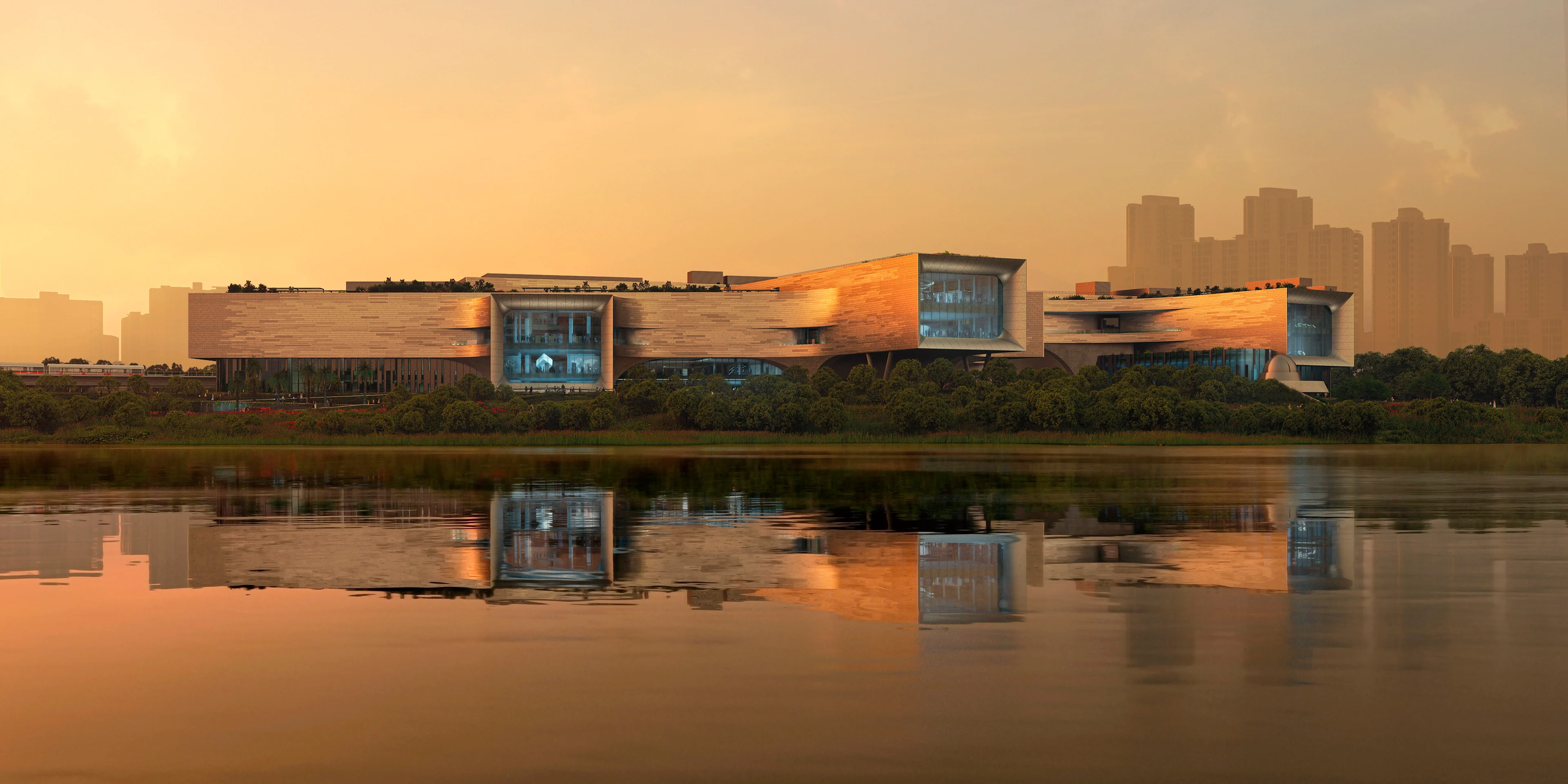
Chengdu Science Fiction Museum
The new Chengdu Science Fiction Museum is situated on Jingrong Lake within the Science & Innovation New City of Chengdu’s Pidu District.
Render by Negativ
Waterfront view of new Science Centre. render by Negativ. The image is an artist’s impression, and final design may be subject to changes.
Singapore New Science Center
Singapore’s New Science Centre will provide unique facilities and programmes as a destination for all Singaporeans to access science, technology, engineering and mathematics (STEM) education and experiences.
Courtesy of CAT-OPTOGRAM 猫瞳
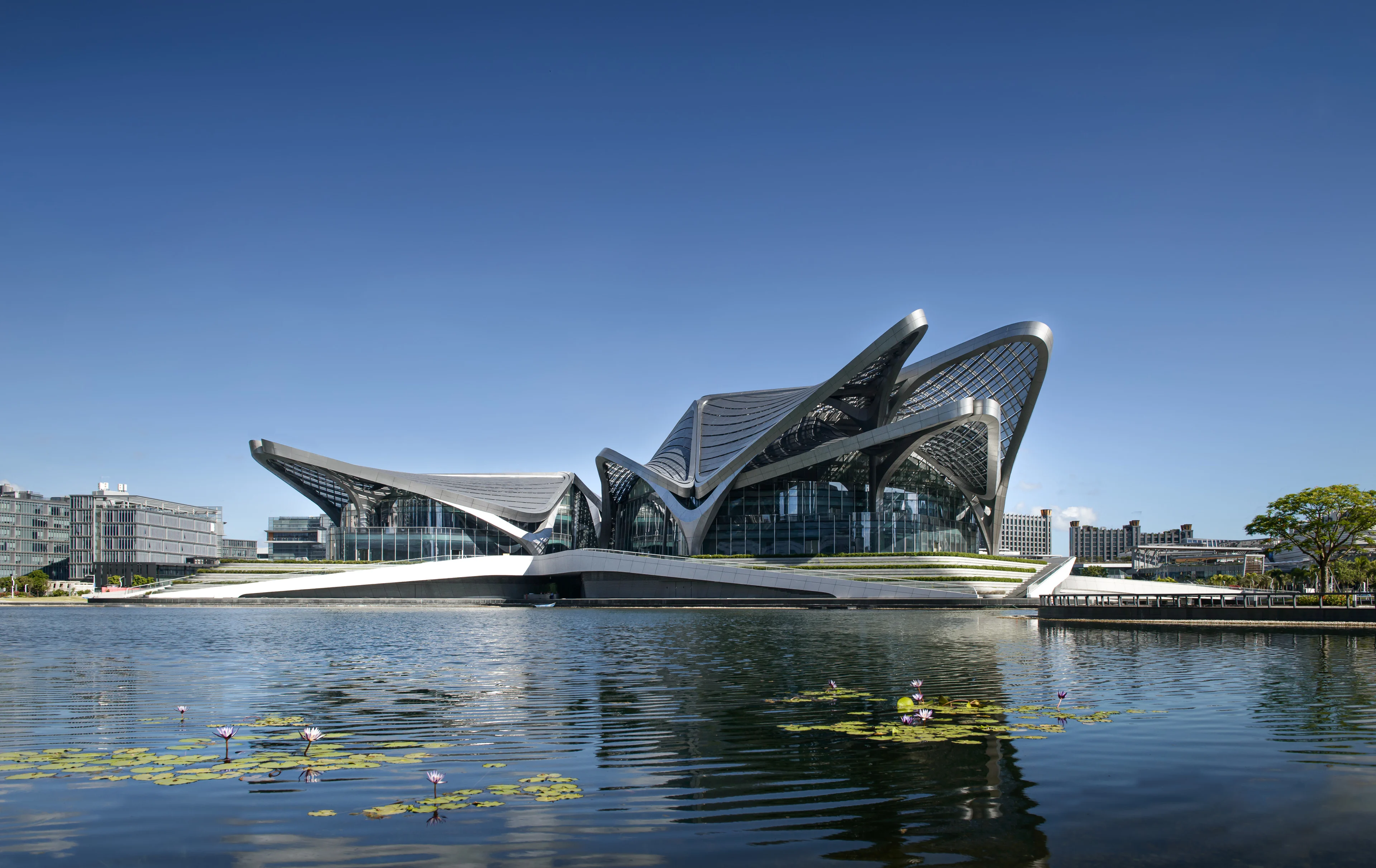
Zhuhai Jinwan Civic Art Centre
Integrating three distinct cultural institutions for the city, each venue within the Zhuhai Jinwan Civic Arts Centre incorporates unique characteristics that create differing visitor experiences, yet all are united by a coherent formal and structural logic that spans 170 meters wide from east to west and 270 meters long from north to south.
01
02
03
04
05
06
07
08
09
10
11
12
13
14
15